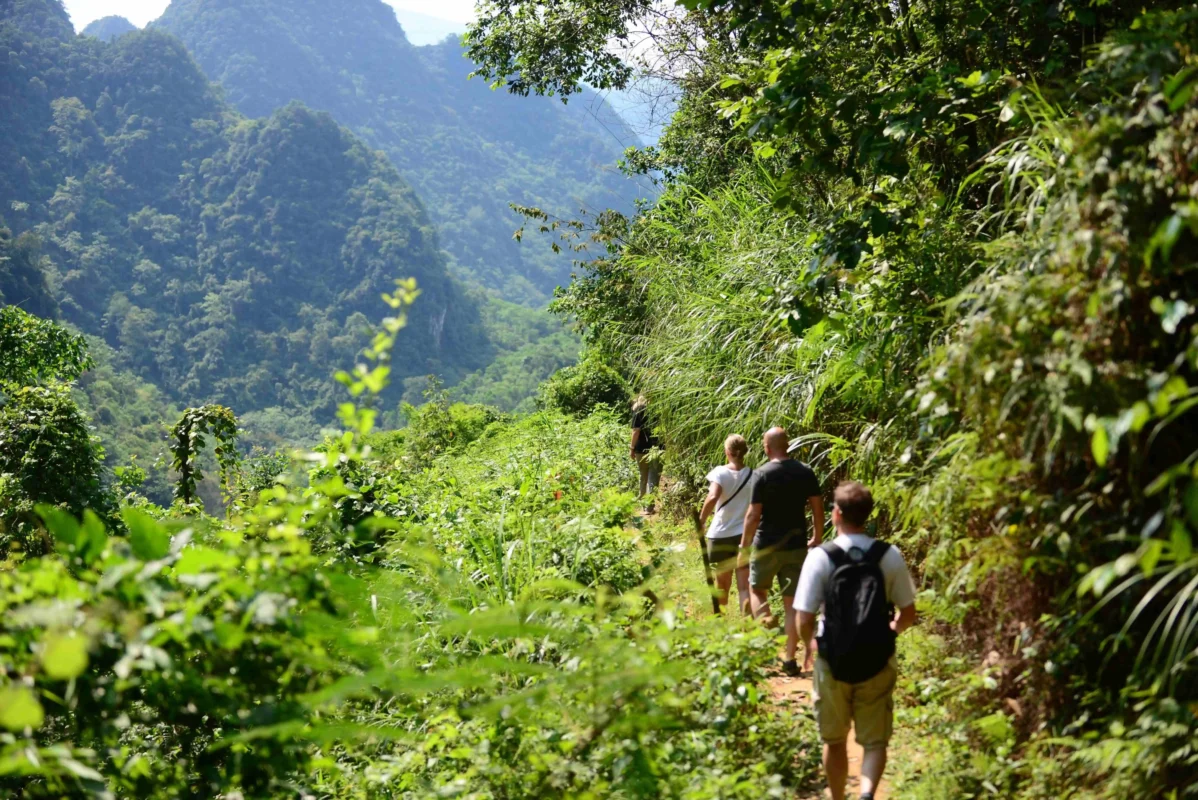
Trekking in Northern Vietnam is easiest to plan around the kind of day you want on foot. Choose Mai Chau for gentle village lanes, Pu Luong or Sapa’s Muong Hoa Valley for rice terraces and homestays, and Cuc Phuong for a forest hike. Cao Bang and Ha Giang suit longer road trips with time to walk. Save Fansipan or Pu Ta Leng for a trip built around a demanding climb.
The comparison below gives you seven routes or walking bases, with a clear distinction between trail time and the days you need from Hanoi. The ratings describe the suggested outing in dry conditions. Recent rain, a steeper variant or a longer day can move a route up a level.
On this page
Where to go trekking in Northern Vietnam
| Route | Typical difficulty | What to budget from Hanoi | Choose it for |
|---|---|---|---|
| Mai Chau and Pu Luong | Easy to moderate | 2–3 days | Village lanes, rice terraces and flexible walking |
| Sapa’s Muong Hoa Valley | Easy to moderate | 3 days | Terraces and a night in the valley |
| Cuc Phuong National Park | Easy to moderate | 1–2 days | Forest trails and a Ninh Binh extension |
| Cao Bang’s Ban Gioc area | Easy to moderate | 3–5 days | Karst valleys, stone villages and the waterfall |
| Ha Giang’s Dong Van Plateau | Moderate, with harder options | 4–5 days | Short hikes on a highland road circuit |
| Fansipan | Strenuous | 3–4 days | A guided high-elevation summit attempt |
| Pu Ta Leng, Lai Chau | Very strenuous | 4–5 days | A remote forest climb for experienced hikers |
Some of these are linked walks rather than named end-to-end trails. The day counts are planning allowances for transfers, a useful amount of time on foot and, where it matters, a little flexibility. A walk around Ban Gioc can feel easier than a steep day in Sapa even though the drive from Hanoi takes considerably longer.
1. Mai Chau and Pu Luong for a first trekking trip
Start in Mai Chau if your group wants to walk together at an easy pace. The valley lanes near Lac and Pom Coong villages wind past fields and stilt houses, with several chances to shorten the outing. In Pu Luong, the terrain changes. A walk around Ban Don can be gentle, while a route around Kho Muong or Hieu may include sustained climbs, steps or slick descents. Ask where the climb comes in the day and whether a vehicle can meet you at the finish.
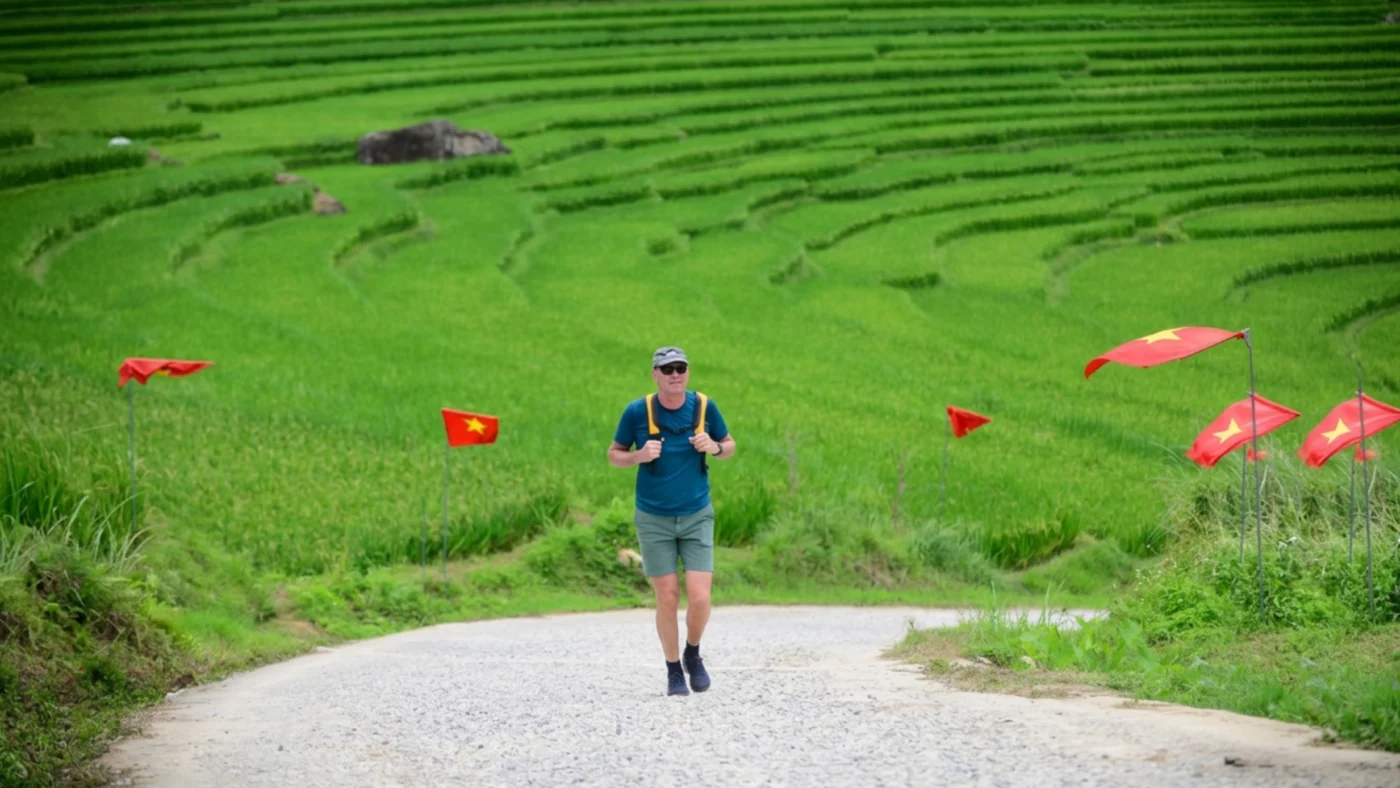
With two nights, spend the first afternoon on Mai Chau’s valley floor and give Pu Luong the best part of the following day. With one night, staying in one area will give you more time outside the car. Ask what an overnight stay looks like in practice. A room in a lodge and a shared stilt-house homestay may be equally appealing to different travellers. Useful details include stairs, bathroom type and whether dinner is available at the property. For specific walk and ride schedules, see our three-day Pu Luong trekking and cycling itinerary.
Farming paths can run close to homes and through working fields. Follow your host or guide around crops, ask before photographing people and leave space on narrow terrace edges. Vietnam Tourism’s Pu Luong guide has more context on the villages, homestays and reserve.
2. Sapa’s Muong Hoa Valley for rice terraces and homestays
Spend a full day below Sapa town if seeing terraced fields is your priority. Lao Chai and Ta Van are useful points around which to plan the walk. A guided route can descend from higher lanes to the valley, stay lower beside the fields or continue towards Giang Ta Chai when the footing is good. A long descent in mud is harder on the knees than its total distance suggests. Ask where the trail leaves paved lanes and how much climbing the return requires.
On a three-day trip, use the arrival day to settle in, protect the middle day for the walk and keep the final morning flexible. A night in the valley reduces the need to climb back to town just as the light gets better. Pick a homestay based on the host, room and location rather than a view alone. If the group has mixed abilities, specify a meeting point for anyone who wants a shorter walk and a ride back.
The Lao Cai railway station and Sapa town are separate stops. A night train still leaves a road transfer at the far end. Our Hanoi-to-Sapa sleeper bus guide covers another way to reach town. The three-day Muong Hoa Valley trek is a starting point for comparing village stops with the time you have available.
3. Cuc Phuong National Park for a forest hike
Cuc Phuong works well when your trip already includes Ninh Binh. Start with a park-approved trail to the ancient trees if you want a half-day in the forest. Roots, damp ground and the humidity under the canopy matter more than elevation here. Ask staff which route is open and how much time to allow. Longer walks and any conservation-centre visit need to fit park guidance and opening times. Wildlife sightings vary, even when you walk quietly with a guide.
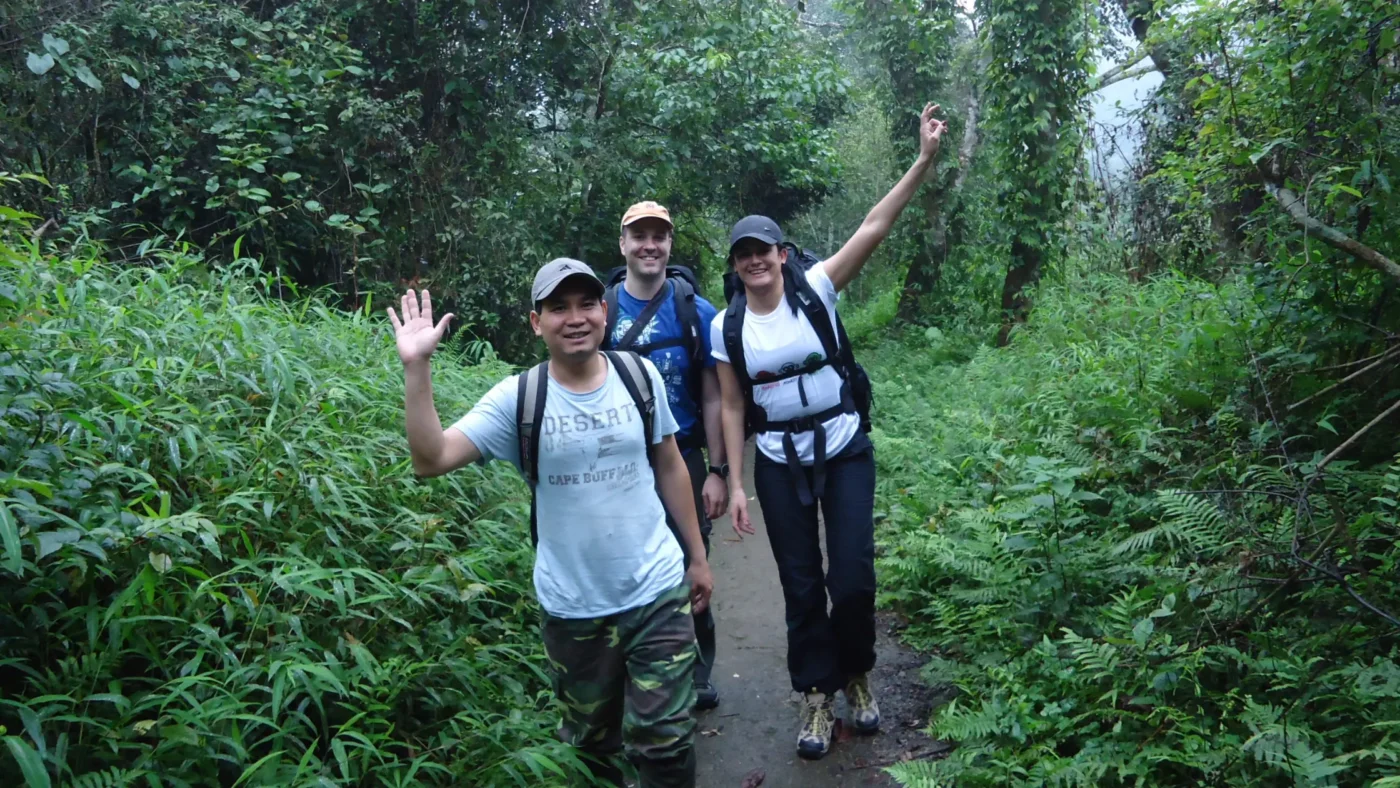
Give the forest its own morning. If you want to see Trang An too, an overnight near Ninh Binh gives you a second day with less pressure on the park visit. On a short trip, the combination also works for a group that likes walking but has little interest in a long mountain drive. See our two-day Cuc Phuong and Trang An itinerary
4. Cao Bang for village walks and Ban Gioc Waterfall
Use the Ban Gioc area as a base for country walking in the Non Nuoc Cao Bang UNESCO Global Geopark. A short outing around Khuoi Ky Stone Village gives you time for field paths and limestone scenery. Ask about a locally guided walk towards Ban Gioc or a village route towards Nguom Ngao Cave, then confirm whether any sections need a road transfer. A waterfall visit leaves enough room in the day for a walk, a meal and time in the village.

The road from Hanoi is the reason to allow several days. Three days leave one useful day in Cao Bang between the drive in and the drive back. Four or five days give you more room for village walks or the extension to Ba Be Lake. At that point, decide whether you prefer time in the geopark or a second landscape with boating and forest. Our five-day Ba Be and Ban Gioc itinerary shows how the northeast can fit together.
5. Ha Giang for short walks around Dong Van and Meo Vac
The Ha Giang Loop is commonly travelled by road. To make it a walking trip, protect a half-day around a base such as Dong Van, Meo Vac or Quan Ba instead of collecting brief viewpoint stops. Ask a local guide for a route between settlements with a clear start, finish and pickup point. On the Dong Van Karst Plateau, short distances can still mean steep gradients and sharp, slippery limestone.
Ma Pi Leng above the Nho Que River makes a memorable road stop. A panoramic stop and a walk on exposed terrain call for different conditions, especially in fog or after rain. Keep a village walk at a lower elevation or a cultural visit as a fallback. Four or five days from Hanoi leave space for this kind of change. If the road journey itself is still undecided, start with our Hanoi-to-Ha Giang transport guide
6. Fansipan for a guided summit climb
Fansipan is Vietnam’s highest peak. A walking ascent brings steep, sometimes slick terrain and a colder, windier summit than the weather in Sapa town might suggest. Trekking schedules depend on the route, guide, current access and the group. Confirm entry arrangements and ask exactly how much walking is planned each day. If there is an overnight stop, ask what bedding, meals and luggage support are included. Agree with the guide on the turnaround point and the backup if the summit is closed.
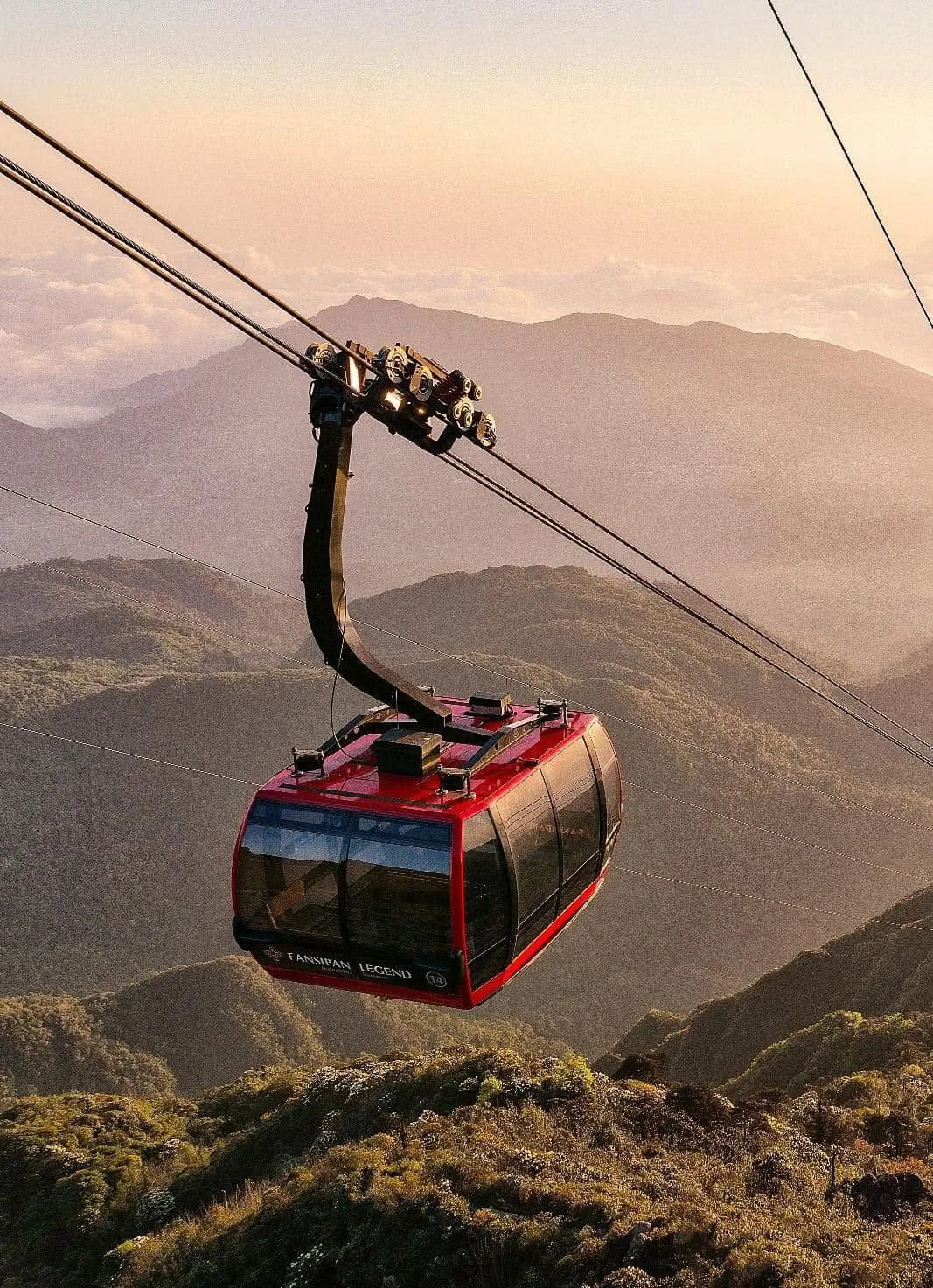
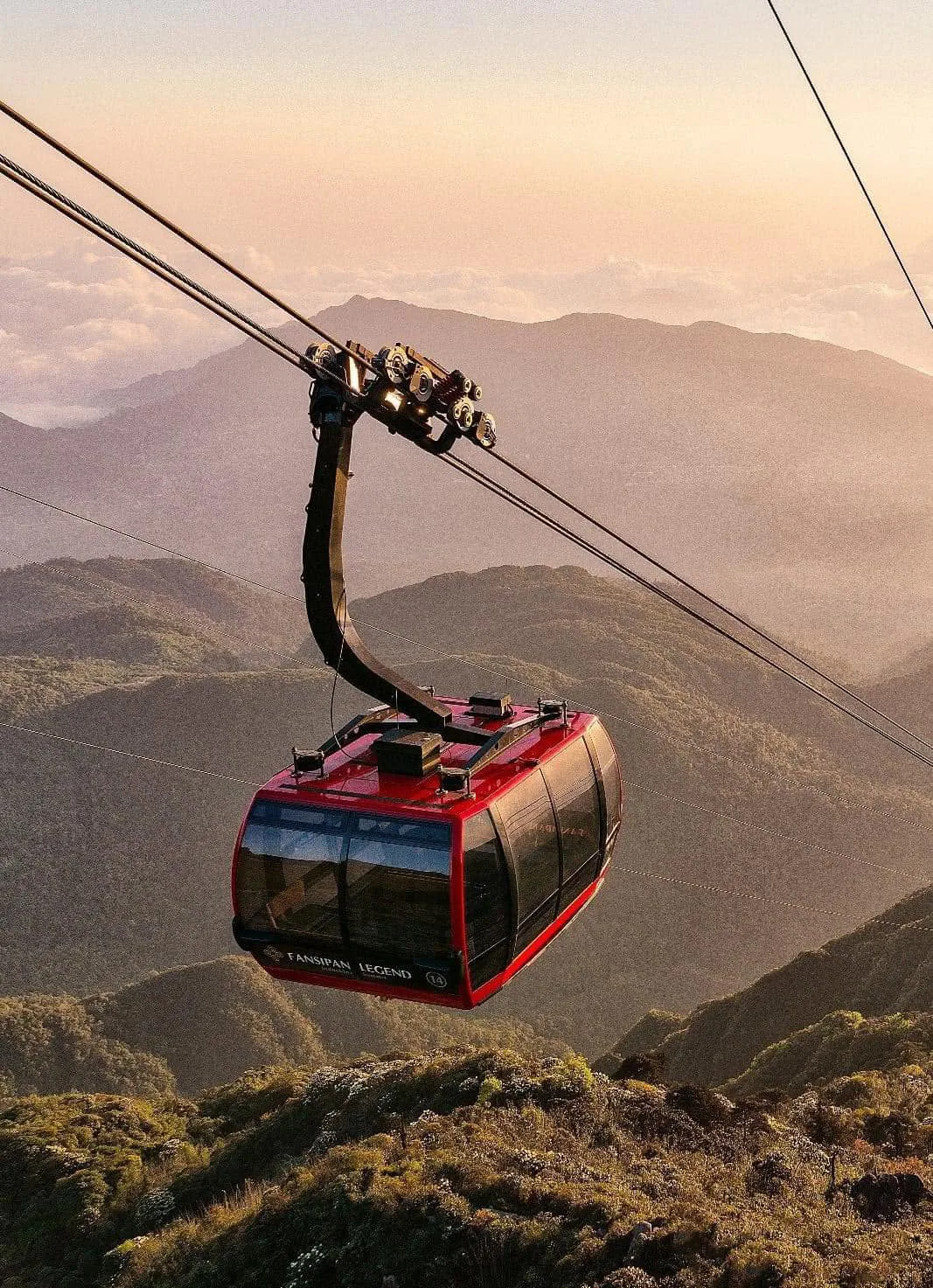
An extra day in the Sapa area gives the ascent some room around weather and fatigue. Group members who prefer a day at altitude with less walking can compare the Fansipan cable car guide. If you want the active version, see our Fansipan summit itinerary and check the exact ascent and descent arrangements before booking.
7. Pu Ta Leng for a remote mountain expedition
Pu Ta Leng in Lai Chau is a different kind of trekking in Northern Vietnam. Steep forest stages, stream crossings and long days on foot make it an expedition for people already comfortable hiking on rough ground. It belongs in a trip where the mountain has priority over the rest of the itinerary. Ask a specialist guide about the current trailhead, access, walking hours and the condition of each crossing. Camp locations and the day-by-day route can change.
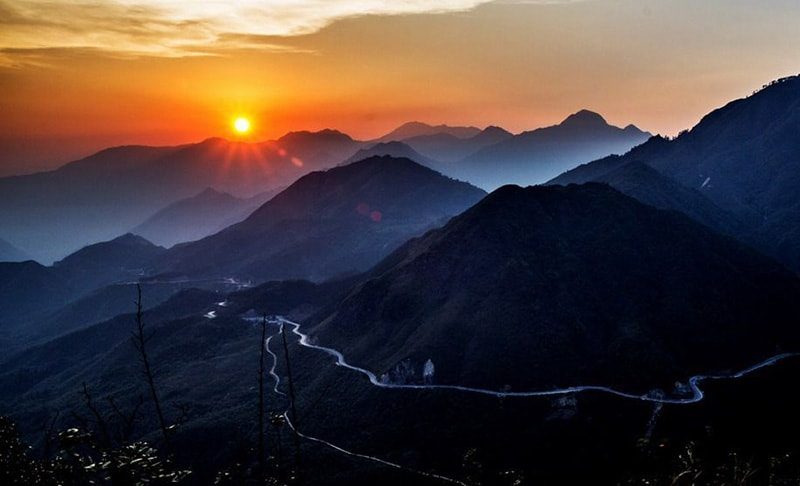
Leave enough time beyond the usual two or three days on the mountain for the long approach and a weather margin. Book the return onward journey so it can accommodate a delayed descent. A dry bag, headlamp and warm kit matter if you are carrying gear for camp. Discuss what the guide or porter supplies and what stays with you.
Best time for trekking in Northern Vietnam
For many routes, March to April or October to November are sensible starting points for comfortable walking. A date that suits a forest walk may still be poor for a summit. Spring can bring mist. Summer heat and heavy rain make exposed mountain routes and river crossings less predictable. In winter, plan for cold, fog and reduced visibility at elevation. Ask about current conditions at your trailhead as well as the forecast for the nearest town.
Rice colour is a separate question. For Sapa, late summer and early autumn can be a good window for ripening terraces. Timing depends on the village and the harvest. Pu Luong has a different growing calendar and can look quite different during the same week. If seeing golden rice matters more than summiting, ask where the paddies are ripening before you commit to a specific village. See Vietnam Tourism’s rice terrace guide and our regional monsoon guide for help choosing dates.
How to turn the route into an itinerary from Hanoi
Two days. Pick one of Mai Chau or Ninh Binh. In Mai Chau, walk past the villages on arrival and allow a longer valley walk the next morning. For Ninh Binh, reserve independent blocks for Cuc Phuong and a shorter activity near your accommodation. Travellers heading straight to Pu Luong should count the road hours before adding a second stop.
Three or four days. Sapa is a strong choice if the valley is your main reason for coming. Put the full trek between your Hanoi transfers. Another option is one night in Mai Chau and a second in Pu Luong, with the longest walk based where you actually sleep. If your objective is Fansipan, use the surplus time around the climb instead of adding a distant sightseeing detour.
Five days. Give Ha Giang or the Cao Bang–Ba Be circuit its own trip. Build the route around one good walk and decide which stops can move if the weather changes. Before buying onward tickets, ask how long the final transfer takes from the actual finish point. The town named in the tour header might be farther away than the last night’s accommodation.
When your party is split between quick walkers and people who want more stops, pick a route with a clear meeting point. An early finish near a homestay gives everyone a place to eat, rest and wait for the others. On an out-and-back walk, agree on the latest time to turn before setting out. For a through route, check whether the driver can reach the end in wet weather.
Keep the first hike modest after a night bus or train. Walking speed will vary with the quality of sleep, the heat and how long your group spends on uneven descents. A short first walk gives the guide a chance to see how everyone is moving and adjust the longer day while you still have options.
What to confirm before booking a guided trek
- Daily effort. Ask for walking hours and ascent as well as distance. Clarify the longest descent, the steepest section and how much of the route is exposed.
- Access and weather. Confirm who checks local trail access and any entry requirements. Ask what changes after heavy rain and where the shortest exit lies.
- Transfers and luggage. Get pickup and drop-off locations in writing. Confirm who carries overnight gear and whether a vehicle can collect someone who stops early.
- Overnight conditions. Ask whether you will use a campsite, a simple shared homestay or a private room. Clarify bedding, meals, drinking water and bathroom access.
For village and forest walks, carry shoes with grip, a light rain shell, drinking water and a bag that keeps your phone dry. Add warm layers and a headlamp for a summit itinerary. If one person is new to hills, ask for a route with a viable shortcut before paying. Enjoy Vietnam Travel’s Hanoi team can help plan a private route around your dates, walking pace and preferred accommodation.