Explore Laos - The Jewel of the Mekong
4 cities · 21 tours · 0 hotels · 18 attractions
Cities in Laos
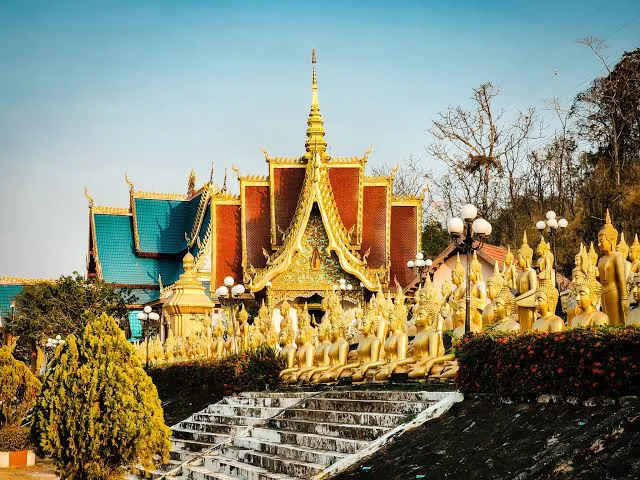
Laos Travel Guide
Laos at a Glance
Laos is a landlocked Southeast Asian country shaped by the Mekong River, forested mountains, Buddhist traditions and a relaxed rhythm of life. It is best experienced slowly. Rather than collecting many destinations, allow time for dawn markets, temple courtyards, village walks, river sunsets and conversations with local hosts.
One week works for Luang Prabang plus one additional stop. Ten to fourteen days allows a rewarding north or north-to-south route. Travelers interested in trekking, river journeys and the southern islands should consider two to three weeks.
Best Time to Visit Laos
November to February is generally the most comfortable period, with drier weather and cooler evenings. March and April become very hot, and seasonal haze can affect northern views and air quality. May to October brings the green season: landscapes are lush, waterfalls are powerful and visitor numbers may be lower, but heavy rain can disrupt road and river travel.
| Period | Conditions | Best for |
|---|---|---|
| November–February | Cooler and drier | General touring, temples, trekking |
| March–April | Very hot; possible haze | Water festival period, travelers comfortable with heat |
| May–October | Humid with regular rain | Green scenery, waterfalls, slower travel |
Mountain nights can feel surprisingly cool in December and January. River levels and boat schedules vary seasonally, so reconfirm plans shortly before travel.
Where to Go in Laos
Luang Prabang
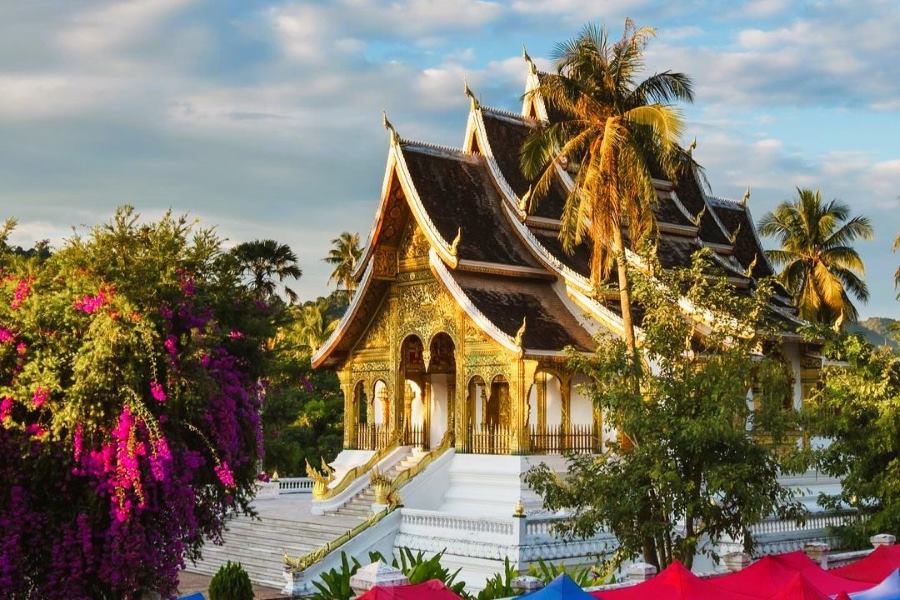
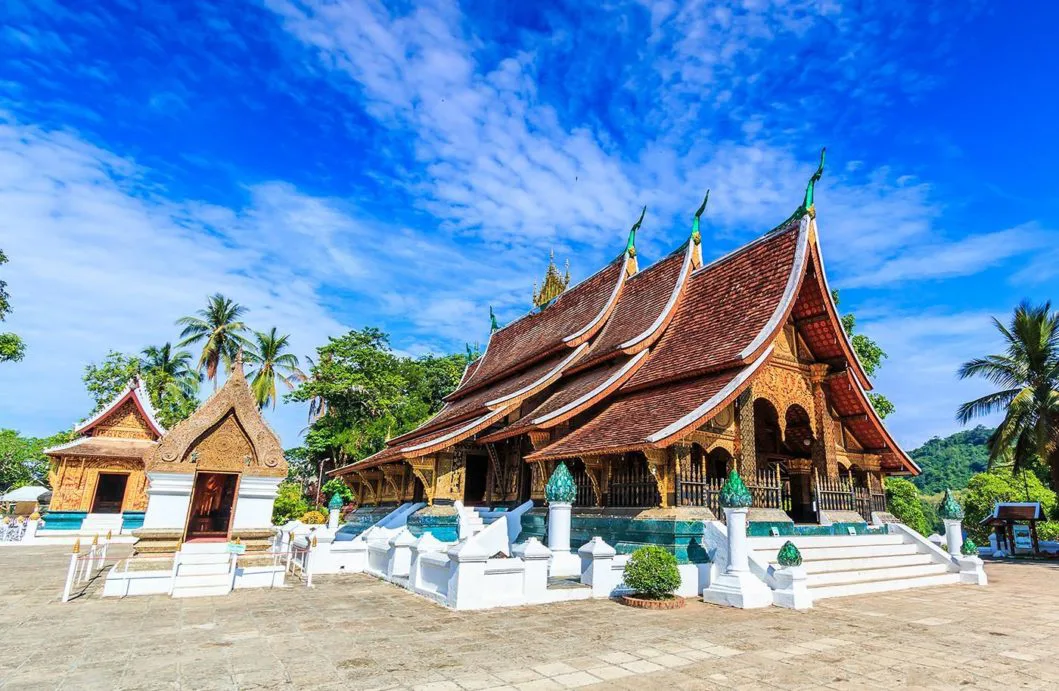
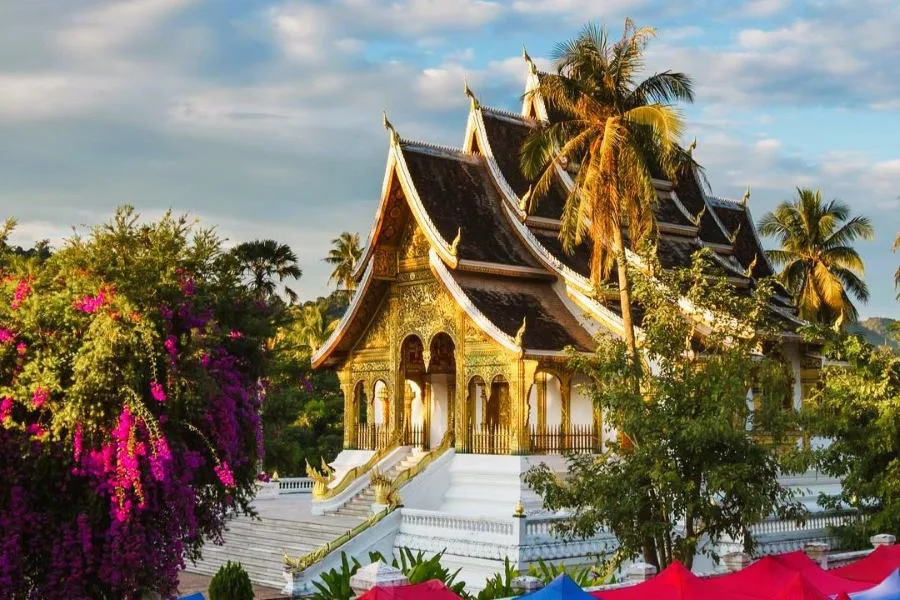
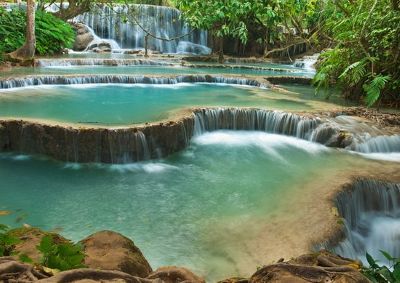
The former royal capital is Laos’s cultural highlight, with historic temples, traditional houses, river views and an excellent food scene. Visit Kuang Si Falls, explore villages respectfully and observe the morning alms tradition from a distance without obstructing monks or turning it into a photo shoot.
Nong Khiaw and Northern Laos
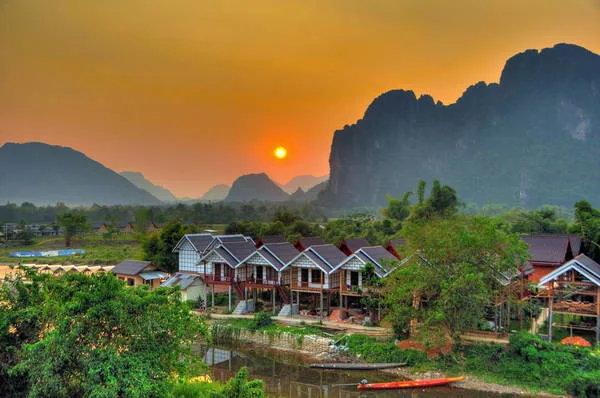
Nong Khiaw sits among limestone peaks beside the Nam Ou River and makes a strong base for viewpoints, village walks and boat excursions. Muang Ngoi offers an even quieter riverside stay. More remote northern provinces appeal to experienced trekkers seeking community-based tourism.
Vang Vieng and Vientiane
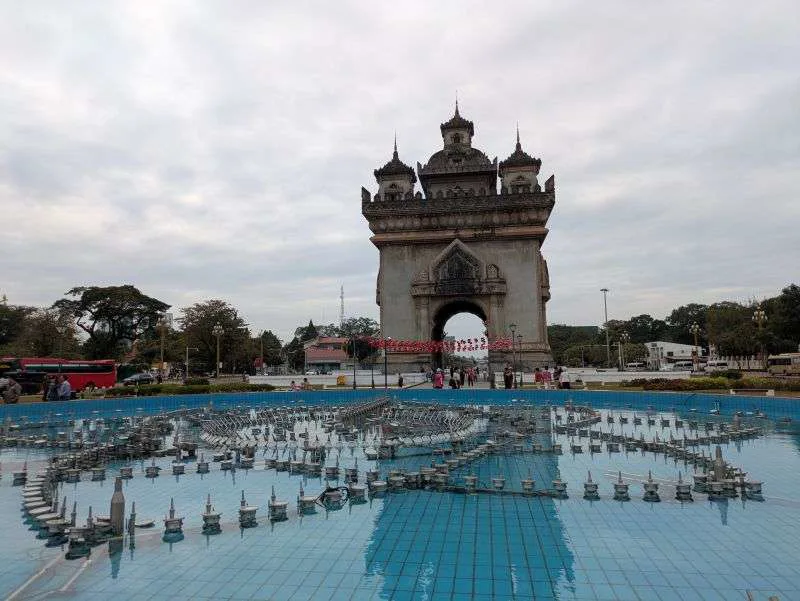
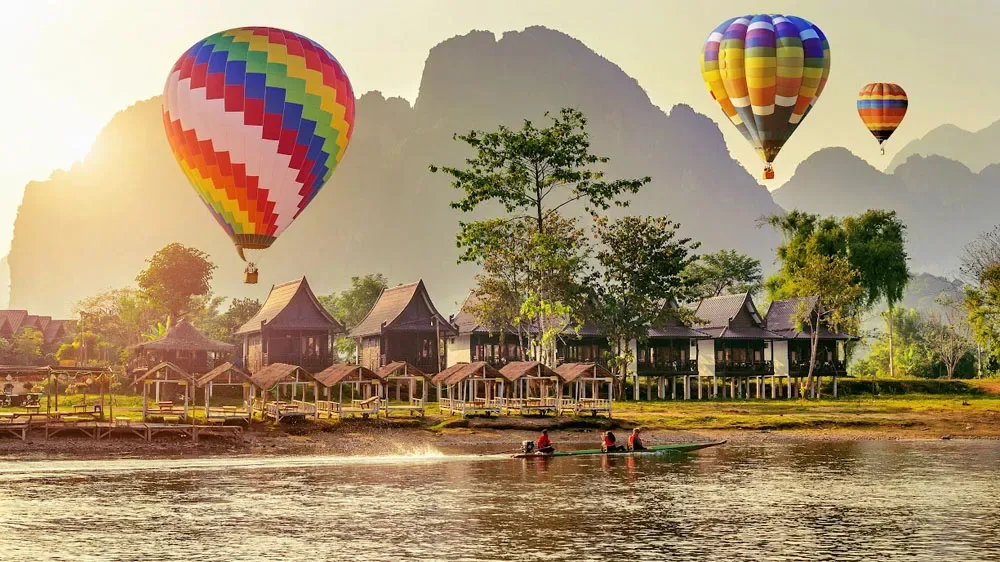
Vang Vieng has matured into a nature destination for lagoons, caves, viewpoints, kayaking and ballooning. Vientiane is understated but worthwhile for temples, museums, Mekong sunsets and an introduction to modern Lao life.
Central and Southern Laos
The Thakhek Loop combines caves, karst scenery and rural roads; use an experienced driver if you are not properly licensed for motorbikes. The Bolaven Plateau offers coffee farms and waterfalls. Wat Phou adds Khmer-era heritage, while Si Phan Don—“Four Thousand Islands”—is ideal for a gentle Mekong finale.
Suggested Laos Itineraries
7 days: Northern highlights
- Luang Prabang for three nights.
- Travel to Nong Khiaw for two nights.
- Return to Luang Prabang or connect onward by rail.
10 days: Culture and landscapes
Combine Luang Prabang, Nong Khiaw, Vang Vieng and Vientiane. Use the railway for efficient north–south sectors and private transport for rural side trips.
14–18 days: North to south
Start in Luang Prabang, continue to Vang Vieng and Vientiane, fly or travel overland to Pakse, then explore the Bolaven Plateau, Wat Phou and Si Phan Don. Add buffer time because weather and road conditions can affect transfers.
Entry Requirements and Visas
Visa requirements vary by nationality. Eligible travelers may use the official Lao eVisa system or another permitted entry arrangement. At the guide’s July 2026 review, the official Lao eVisa FAQ states that the tourist eVisa is single entry, the approval letter is valid for up to 60 days, and the stay permit is 30 days from arrival. It also requires an ordinary passport valid for more than 180 days on arrival.
Confirm that your chosen checkpoint accepts the eVisa, use the same passport used in the application and carry a printed approval letter. Rules and eligible ports can change; verify directly with official Lao authorities before booking a non-refundable route.
Getting Around Laos
- Rail: the modern railway links key northern destinations and is the fastest option between Luang Prabang, Vang Vieng and Vientiane. Tickets can sell out; names and passport details must match.
- Private vehicle: best for flexible sightseeing, families and remote areas.
- Buses and minivans: economical but journey times may be longer than maps suggest.
- Boats: scenic and culturally rewarding where services operate, but comfort and schedules vary.
- Local transport: tuk-tuks and songthaews are common; agree on price and destination before departure.
Road conditions change quickly in the wet season. Avoid riding motorbikes without the correct license, insurance, protective equipment and substantial experience.
Budget, Money and Connectivity
Laos can be affordable, though imported goods, remote lodges, private transport and high-standard hotels cost more than many first-time visitors expect. Carry enough kip outside main centers; ATMs and card acceptance are less reliable in remote districts. Keep small notes and do not depend on one bank card.
Local SIM cards are inexpensive in major towns, but coverage weakens in mountainous regions. Download maps, tickets and hotel details before remote journeys. Build a cash buffer for transport changes and unexpected overnight stops.
Lao Food and Drink
Lao meals are often communal and built around sticky rice. Essential dishes include larb, tam mak hoong (green papaya salad), grilled river fish, jeow dipping sauces, or lam stew and fresh herbs. Khao piak sen is a comforting noodle soup, while Luang Prabang has distinctive sausages and local specialties.
Ask about spice levels and allergens. Vegetarian travelers should clarify fish sauce, fermented fish and meat stock. Drink sealed or properly treated water. Lao coffee, particularly from the Bolaven Plateau, is a highlight; Beerlao is widely available, while strong rice spirits should be approached cautiously.
Culture and Responsible Etiquette
- Cover shoulders and knees at temples; remove shoes when required.
- Do not touch anyone’s head or point feet toward people, monks or sacred objects.
- Women should avoid physical contact with monks; follow local guidance when giving offerings.
- Ask before photographing people, ceremonies and villages.
- Do not pressure children to sell souvenirs or give money directly in ways that encourage school absence.
- Use qualified local guides and community-run services so tourism income remains in the destination.
Health and Safety
Most visits are trouble-free, but infrastructure and medical care outside major centers can be limited. Comprehensive insurance with medical evacuation is important. Take extra care on roads, near rivers, at waterfalls and during outdoor activities. Choose operators with proper equipment and clear safety procedures.
Unexploded ordnance remains a serious danger in parts of Laos. Never leave marked paths in affected rural areas, touch metal objects or enter fields without local guidance. Use mosquito protection, consult a travel-health professional, stay hydrated and avoid contact with unfamiliar animals.
What to Pack
- Light modest clothing and a temple-ready layer.
- Warm layer for northern winter mornings and air-conditioned trains.
- Rain shell, dry bag and quick-drying shoes in green season.
- Sun protection, insect repellent and personal medication.
- Power bank, universal adapter and offline copies of documents.
- Reusable bottle and small daypack for village walks.
Laos Travel FAQ
How long should I spend in Laos?
Ten days is a good first trip. Seven days suits Luang Prabang and one nearby region; two weeks allows a more relaxed multi-stop route.
Is Laos suitable for families?
Yes, especially Luang Prabang, Vang Vieng and quality Mekong lodges. Use private transfers, avoid overlong road days and verify safety standards for water activities.
Can I combine Laos with neighboring countries?
Yes. Air, rail and land connections make combinations with Vietnam, Cambodia and Thailand practical, but visa and checkpoint rules must be checked for the exact route.
Do I need cash?
Yes. Cards are useful at larger properties, but cash is essential for markets, rural transport, small restaurants and remote areas.
Top Tours in Laos
View all


Laos Visa Requirements: General Guidance
Visa requirements for entering Laos vary significantly based on your nationality and the purpose and duration of your visit. It is crucial to understand that regulations can change frequently.
- Visa-on-Arrival: Many nationalities are eligible for a visa-on-arrival at international airports (Vientiane, Luang Prabang, Pakse) and major land border crossings. This typically requires a valid passport (with at least six months validity remaining), passport-sized photos, and a fee.
- E-Visa: Laos also offers an e-visa system for citizens of certain countries, allowing you to apply and obtain your visa online before arrival.
- Visa Exemption: Citizens of some ASEAN countries and a few others may be granted visa-free entry for a specified period.
- Prior Visa Application: If you are not eligible for visa-on-arrival or e-visa, or if you prefer to have your visa in advance, you will need to apply at a Lao embassy or consulate in your home country or a neighboring country.
Important Recommendation: Before planning your trip, always check the most current and specific visa regulations directly with the official website of the Lao Ministry of Foreign Affairs, the Lao Embassy or Consulate in your country, or a reputable travel advisory service. This will ensure you have the correct and up-to-date information relevant to your nationality and travel plans.