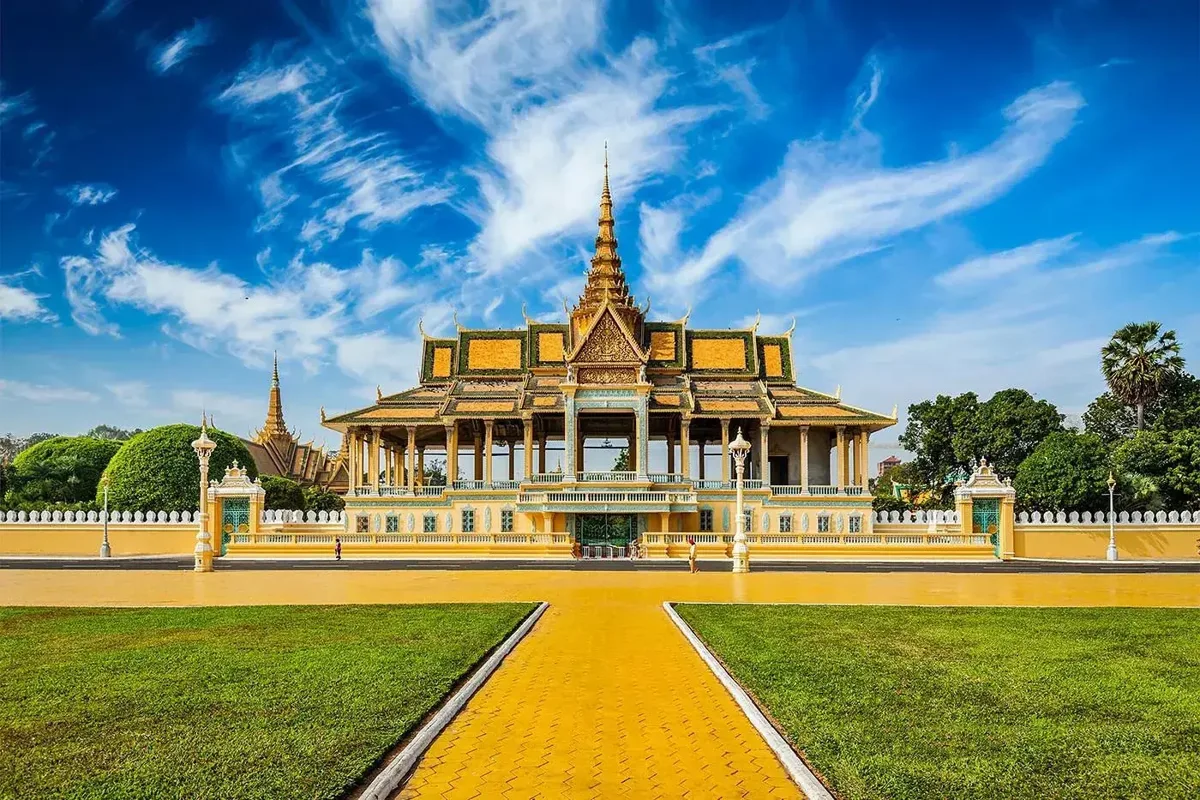
Discover the Grand Palace Bangkok: A Royal Legacy and Architectural Marvel

The Grand Palace is Bangkok's most dazzling landmark, a complex of majestic buildings including the Temple of the Emerald Buddha that has been the royal residence since 1782. This iconic site offers a profound glimpse into Thailand's rich history and architectural grandeur, captivating visitors with its intricate details and spiritual significance.
About This Attraction
Overview of the Grand Palace Bangkok
The Grand Palace stands as a magnificent testament to Thailand's rich history and enduring monarchy. Located in the heart of Bangkok, this sprawling complex of temples, royal residences, and government offices has served as the official residence of the Kings of Siam (and later Thailand) since 1782. Built by King Rama I, the founder of the Chakri Dynasty, the palace was established concurrently with the founding of Bangkok as the new capital, following the fall of Ayutthaya. Its construction marked a new era for the kingdom, symbolizing stability and grandeur.
Today, while the current monarch resides elsewhere, the Grand Palace remains a vital center for royal ceremonies, state functions, and a major pilgrimage site for Buddhists and tourists alike. Its intricate design, shimmering spires, and vibrant murals tell stories of ancient legends, religious devotion, and the artistic prowess of the Thai people. Visitors are drawn to its sheer scale and the breathtaking beauty of its architecture, which blends traditional Thai styles with European influences.
Historical and Cultural Significance
The Grand Palace is more than just a collection of beautiful buildings; it is a living museum that encapsulates centuries of Thai history and culture. Its establishment marked the beginning of the Rattanakosin era, a period of significant cultural and political development for Thailand. The palace served as the administrative and spiritual heart of the kingdom, where kings ruled, laws were enacted, and religious ceremonies were performed.
At the core of its significance is the Temple of the Emerald Buddha (Wat Phra Kaeo), which houses Thailand's most revered Buddha image. This small, dark green statue, carved from a single block of jade, is believed to bring prosperity to the nation. Its presence within the palace complex underscores the deep connection between the monarchy and Buddhism in Thailand, with the king traditionally serving as the protector of the faith. The various halls and pavilions within the palace grounds reflect different architectural periods and royal tastes, offering insights into the evolving aesthetic and functional needs of the monarchy over time.
The Grand Palace Experience
A visit to the Grand Palace is an immersive journey into Thai heritage. As you step through its grand gates, you are transported into a world of dazzling gold, vibrant colors, and intricate details. The sheer scale of the complex can be overwhelming, but careful exploration reveals a multitude of wonders. The experience begins with the outer court, home to various government offices and public buildings. Moving into the middle court, you encounter the most important residential and state buildings, including the Chakri Maha Prasat Hall, a striking blend of Thai and European architecture.
The inner court, historically reserved for the king, his queen, royal consorts, and their children, offers a glimpse into the private life of the monarchy, though much of it is not accessible to the public. Throughout your visit, you will encounter meticulously maintained gardens, ornate statues, and guardian figures that add to the mystical ambiance of the place. The air often hums with the quiet reverence of worshippers and the excited chatter of international visitors, all captivated by the palace's undeniable majesty.
Highlights of the Grand Palace
- Wat Phra Kaeo (Temple of the Emerald Buddha): This is arguably the most important highlight. The temple complex itself is a masterpiece of Thai religious architecture, adorned with exquisite murals depicting the Ramakien epic, golden chedis, and numerous Buddha images. The Emerald Buddha, housed within the Ubosot (ordination hall), is a sight of profound spiritual significance.
- Chakri Maha Prasat Hall: A prominent feature of the middle court, this grand reception hall was built by King Rama V. Its unique design features a Victorian-era lower structure topped with traditional Thai spires, symbolizing the blend of East and West during a period of modernization.
- Phra Thinang Amarin Winitchai: This hall was historically used for royal ceremonies and audiences. Its interior is richly decorated, featuring a magnificent throne under a nine-tiered white umbrella, symbolizing royal authority.
- Dusit Maha Prasat Hall: One of the oldest buildings in the palace, this hall was originally used for royal funerals and later for important state ceremonies. Its classic Thai architectural style is a fine example of early Rattanakosin period design.
- The Ramakien Murals: Encircling the cloisters of Wat Phra Kaeo, these extensive and vibrant murals depict the entire epic of the Ramakien, the Thai national epic derived from the Indian Ramayana. They are a visual feast and a significant cultural treasure.
Practical Tips for Visiting
To make the most of your visit to the Grand Palace, consider these practical tips:
- Dress Code: A strict dress code is enforced. Visitors must be appropriately dressed before being allowed entry. This means long pants or long skirts (no shorts, short skirts, or ripped jeans), and shirts with sleeves (no sleeveless tops or tank tops). Shoulders and knees must be covered. Footwear should be respectful, though specific types are not usually mandated beyond general decency.
- Best Time to Visit: The palace can get very crowded, especially during peak tourist seasons and mid-day. Arriving early in the morning, shortly after opening, or later in the afternoon can help avoid the largest crowds and the intense heat.
- Hydration: Bangkok's climate is tropical and can be very hot and humid. Carry water to stay hydrated throughout your visit.
- Footwear: You will need to remove your shoes before entering certain temple buildings, including the Ubosot of Wat Phra Kaeo. Wear shoes that are easy to slip on and off.
- Respectful Conduct: Remember that the Grand Palace is a sacred site for many Thais. Be mindful of your behavior, speak softly, and show respect, especially within the temple areas.
Nearby Places of Interest
The Grand Palace is situated in Bangkok's historic Rattanakosin Island, making it an excellent starting point for exploring other significant landmarks within walking distance or a short boat ride:
- Wat Pho (Temple of the Reclining Buddha): Located just south of the Grand Palace, Wat Pho is famous for its colossal gold-plated reclining Buddha statue and is considered the birthplace of traditional Thai massage.
- Wat Arun (Temple of Dawn): Easily accessible by a short ferry ride across the Chao Phraya River, Wat Arun is an iconic temple known for its stunning prang (spire) adorned with colorful porcelain and seashells, especially beautiful at sunrise or sunset.
- Museum Siam: A modern museum offering an engaging and interactive journey through Thai history and culture, located a short walk from the palace.
- Pak Khlong Talat (Flower Market): A vibrant and fragrant market operating 24 hours a day, offering a spectacular array of fresh flowers, fruits, and vegetables.
Location
Plan Your Visit
Ready to experience Grand Palace Bangkok? Book a guided tour or get expert travel advice.
Enquire Now Browse Tours Including This Site