Vientiane
Discover Vientiane: Laos' Tranquil Capital on the Mekong
Welcome to Vientiane, the charming and serene capital of Laos. Nestled on the banks of the mighty Mekong River, Vientiane offers a unique blend of ancient Lao traditions and remnants of French colonial influence. Unlike the bustling capitals of its Southeast Asian neighbors, Vientiane exudes a peaceful, laid-back atmosphere, making it a perfect destination for travelers seeking cultural immersion, historical exploration, and a slower pace of life. With a population of approximately 820,000, Vientiane (Vientiane Region) serves as the cultural, economic, and political heart of Laos, yet retains its small-town charm.
Why Visit Vientiane?
- Cultural Richness: Explore magnificent temples, golden stupas, and historical monuments that tell tales of Laos' rich past.
- Tranquil Atmosphere: Escape the crowds and enjoy the relaxed pace of life, perfect for unwinding.
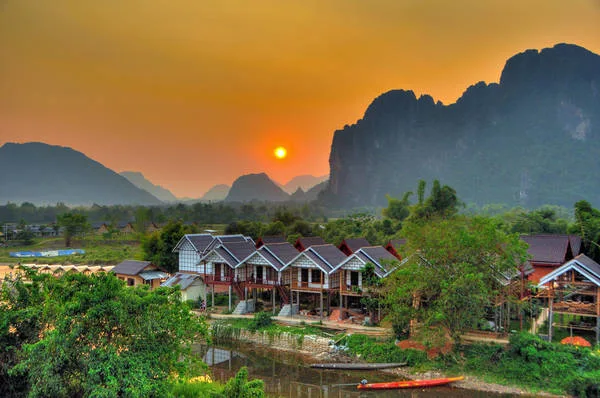
- Mekong Riverside Charm: Experience stunning sunsets over the Mekong, enjoy evening strolls, and savor delicious street food.
- Delicious Cuisine: Indulge in authentic Lao dishes, from spicy salads to comforting noodle soups, often with a French twist.
- Friendly Locals: Experience the genuine warmth and hospitality of the Lao people.
- Gateway to Laos: Vientiane's Wattay International Airport (VTE) makes it an accessible entry point for further exploration of Laos.
Best Time to Visit Vientiane
The ideal time to visit Vientiane is during the dry season, from October to April. During these months, the weather is generally pleasant with cooler temperatures and less humidity, making it comfortable for sightseeing and outdoor activities. The hot season (March to May) can be very warm, while the rainy season (May to September) brings lush green landscapes but also higher humidity and occasional heavy downpours.
Highlights of Vientiane
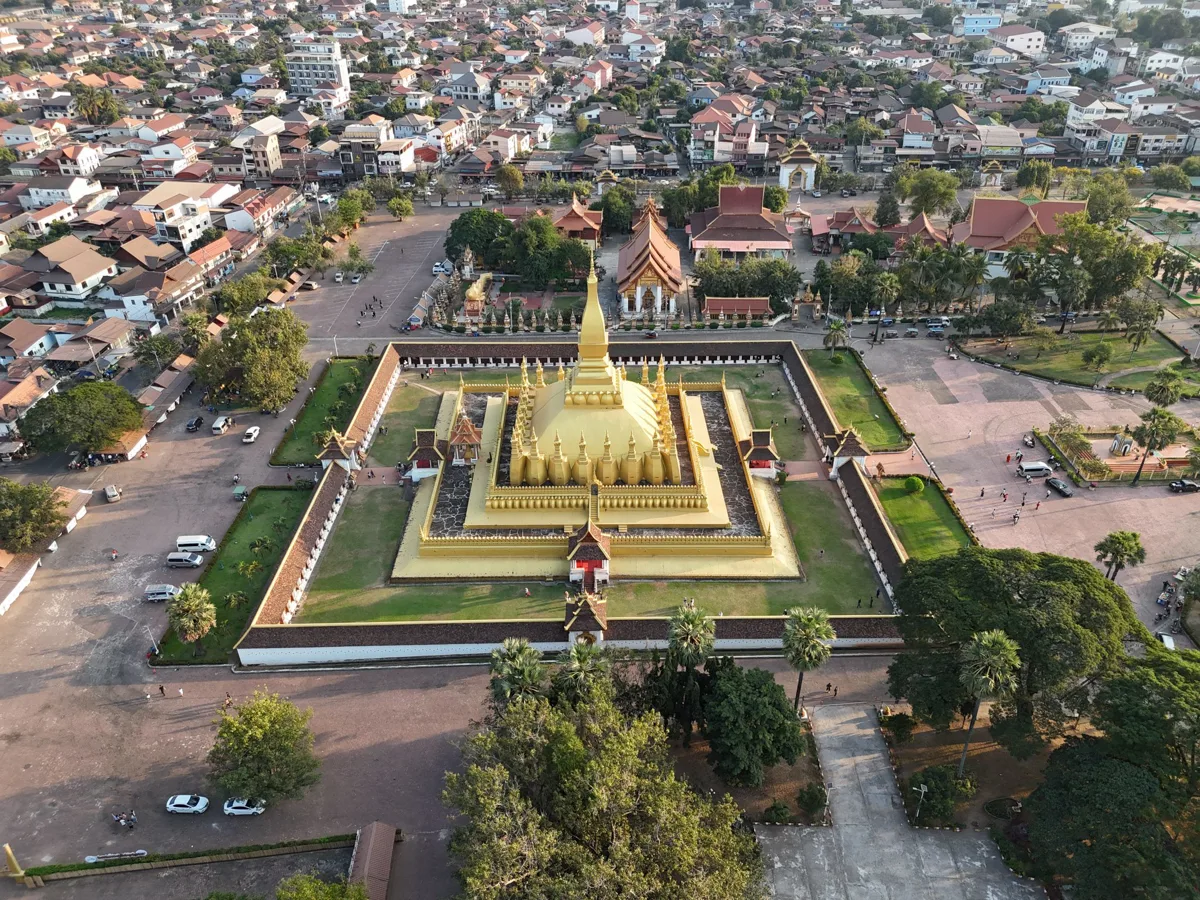
Pha That Luang
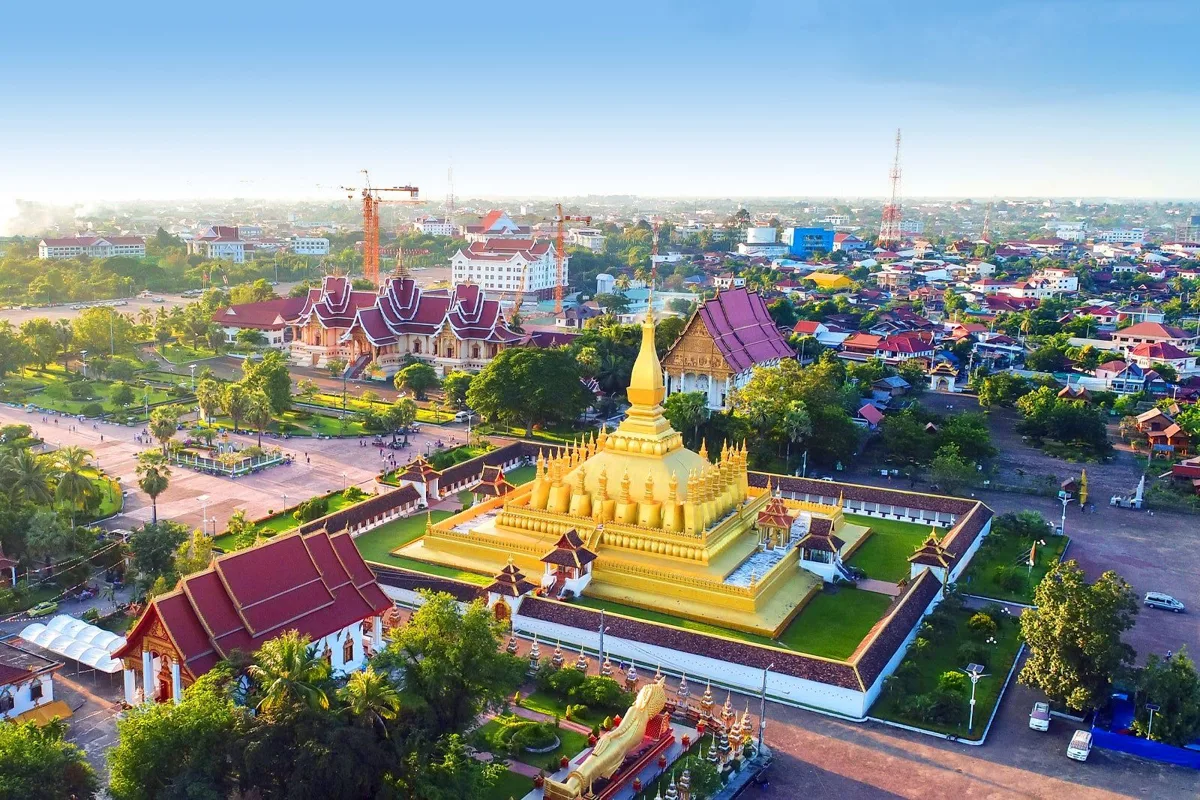
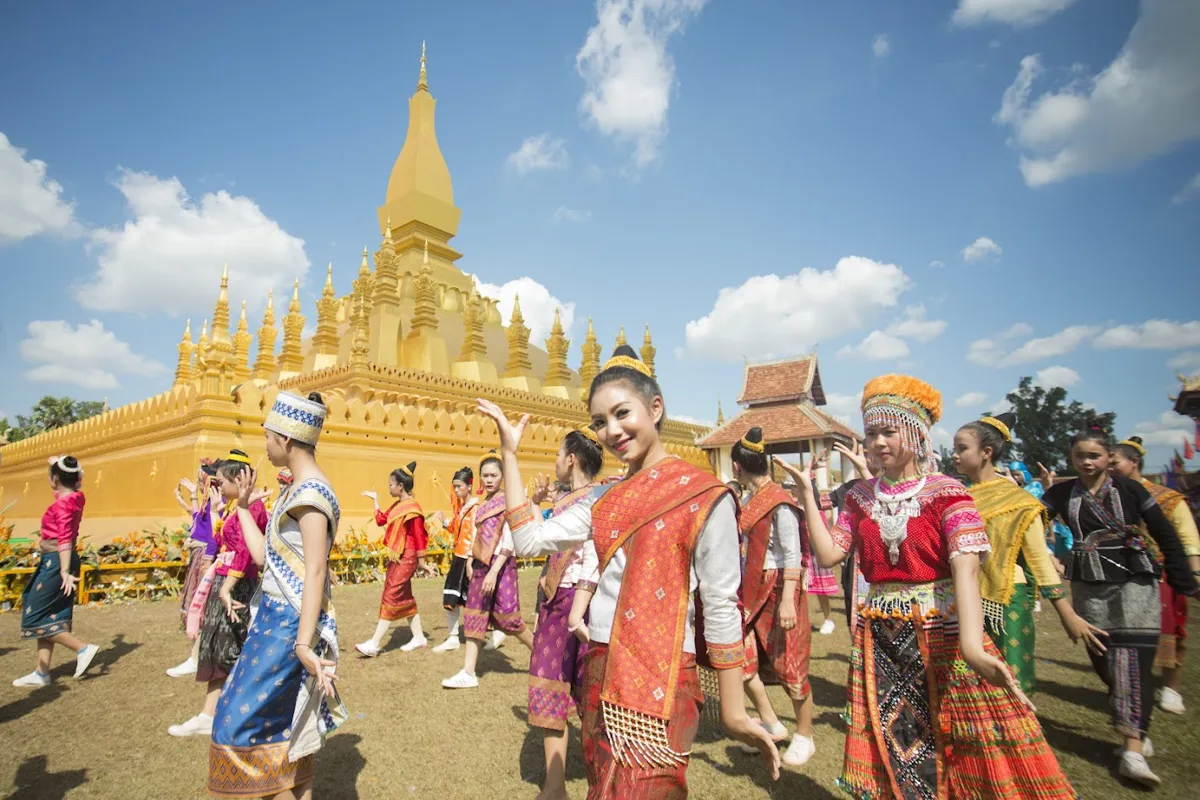
The most important national monument in Laos, Pha That Luang is a magnificent gold-covered stupa that serves as a symbol of Lao sovereignty and Buddhist faith. Its impressive architecture and shimmering gold make it a must-see.
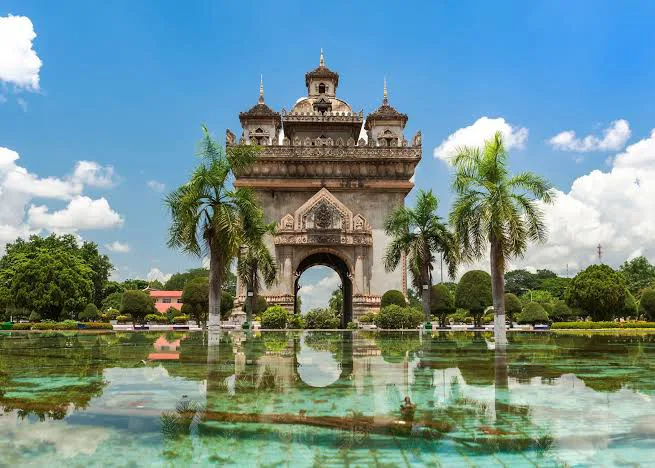
Patuxai (Victory Gate)
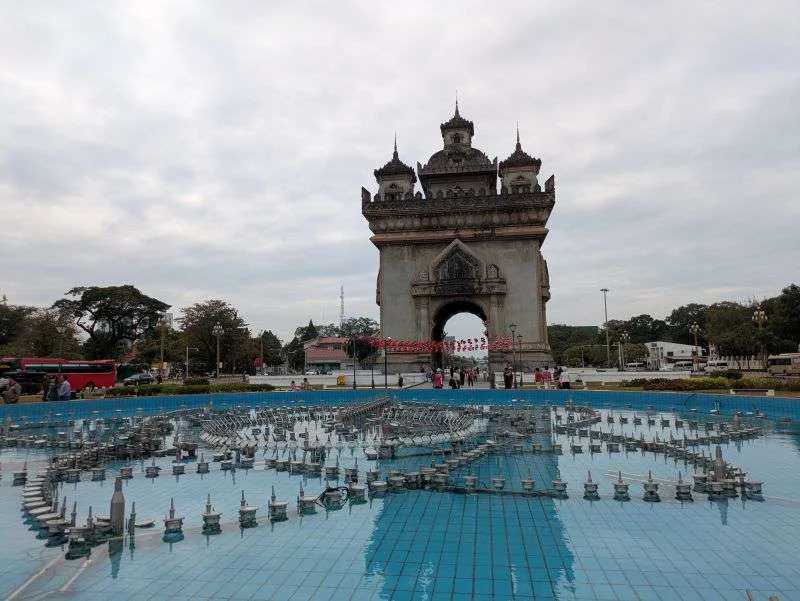
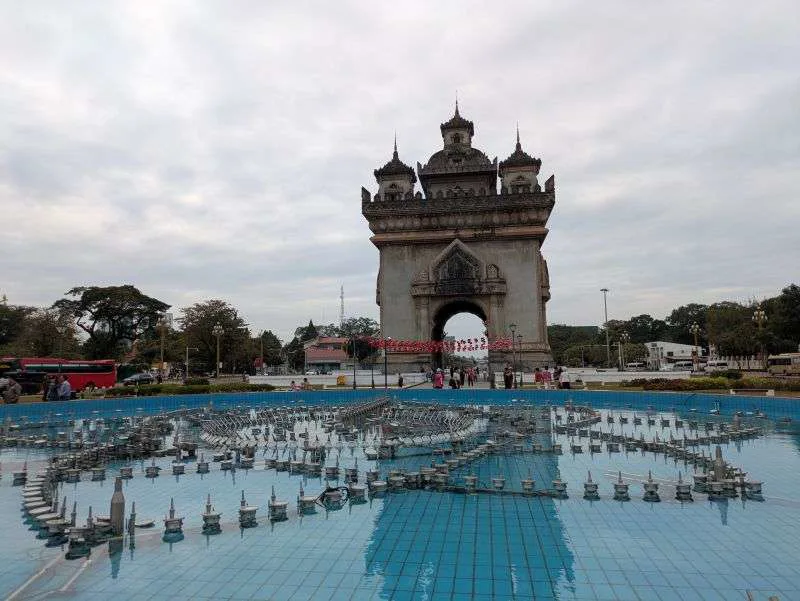
Often referred to as the "Arc de Triomphe of Vientiane," Patuxai is a war monument offering panoramic views of the city from its upper levels. Its unique Lao-style decorations are a blend of traditional and French influences.
Wat Si Saket
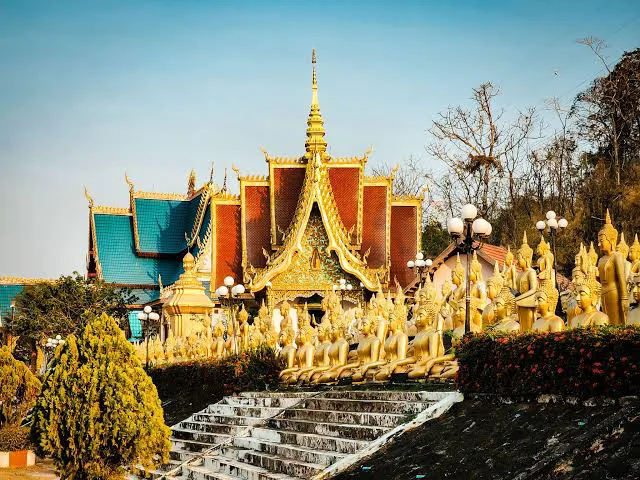
Dating back to 1818, Wat Si Saket is Vientiane's oldest surviving temple. It is renowned for its cloister wall housing thousands of tiny Buddha images and hundreds of larger statues, creating a truly spiritual atmosphere.
Haw Phra Kaew
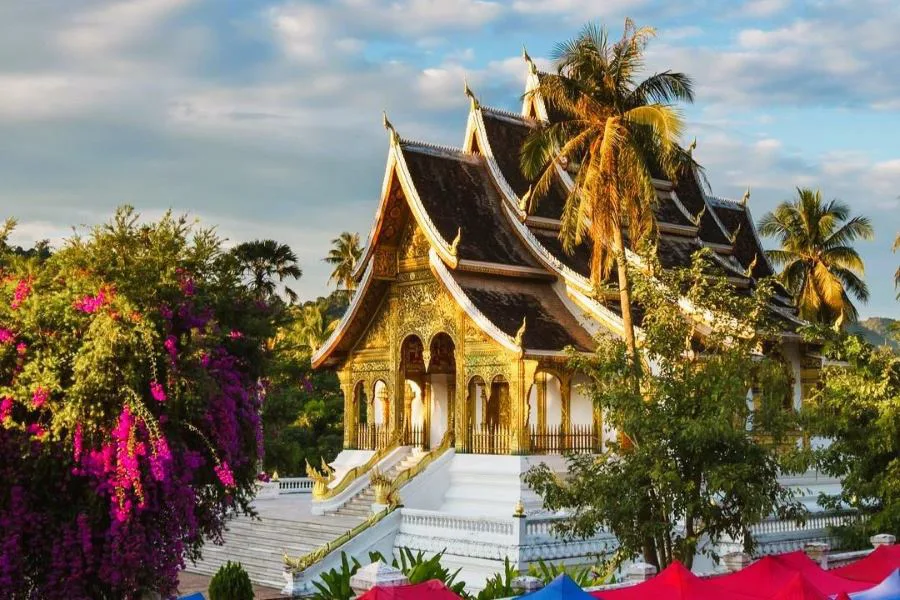
Once a royal temple that housed the Emerald Buddha, Haw Phra Kaew is now a museum displaying a collection of religious art and artifacts. The temple's beautiful grounds and intricate carvings are captivating.
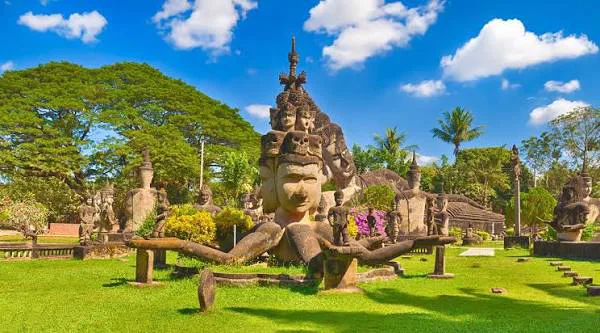
Buddha Park (Xieng Khuan)
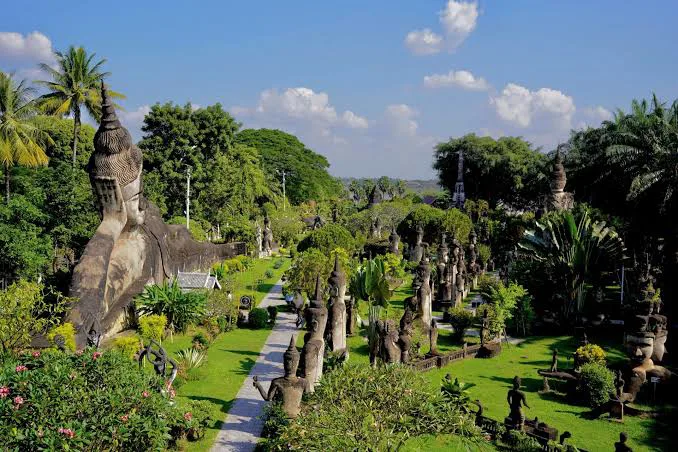
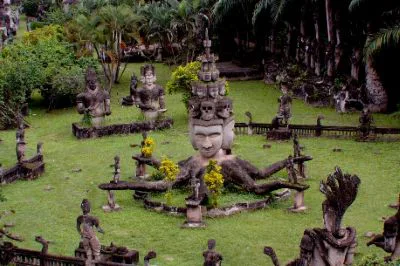
Located just outside the city, Buddha Park is a unique sculpture park featuring over 200 Hindu and Buddhist statues, including a massive reclining Buddha. It's an intriguing blend of art, religion, and folklore.
Mekong Riverside Park
The perfect spot for evening relaxation, the Mekong Riverside Park comes alive at sunset. Enjoy a leisurely stroll, join locals for exercise, or browse the bustling night market for souvenirs and street food.
Unforgettable Experiences in Vientiane
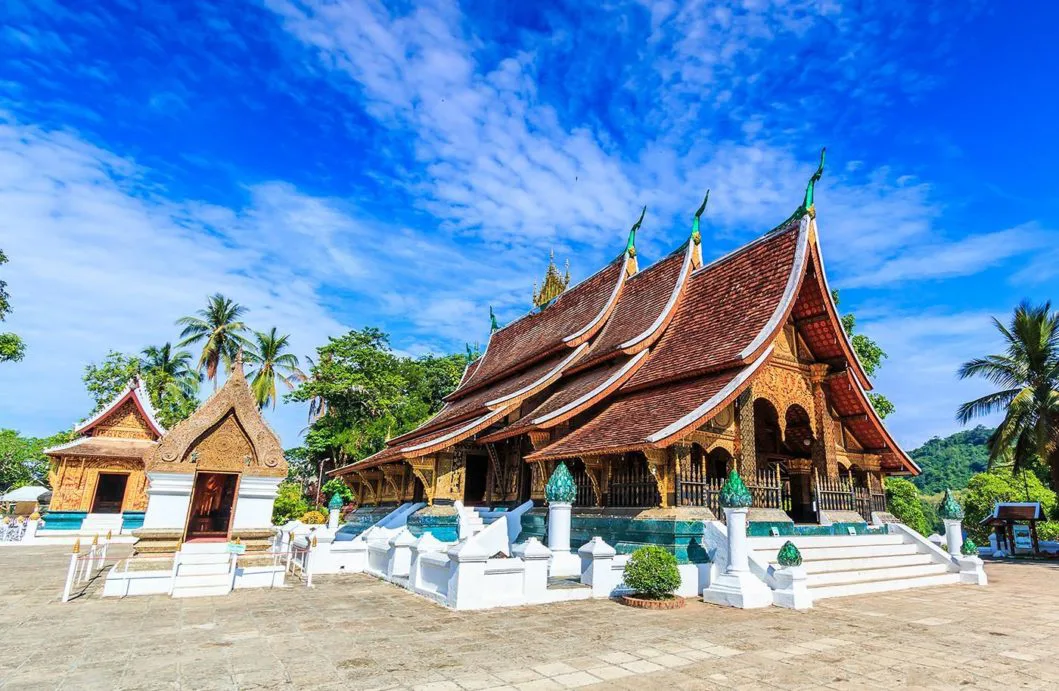
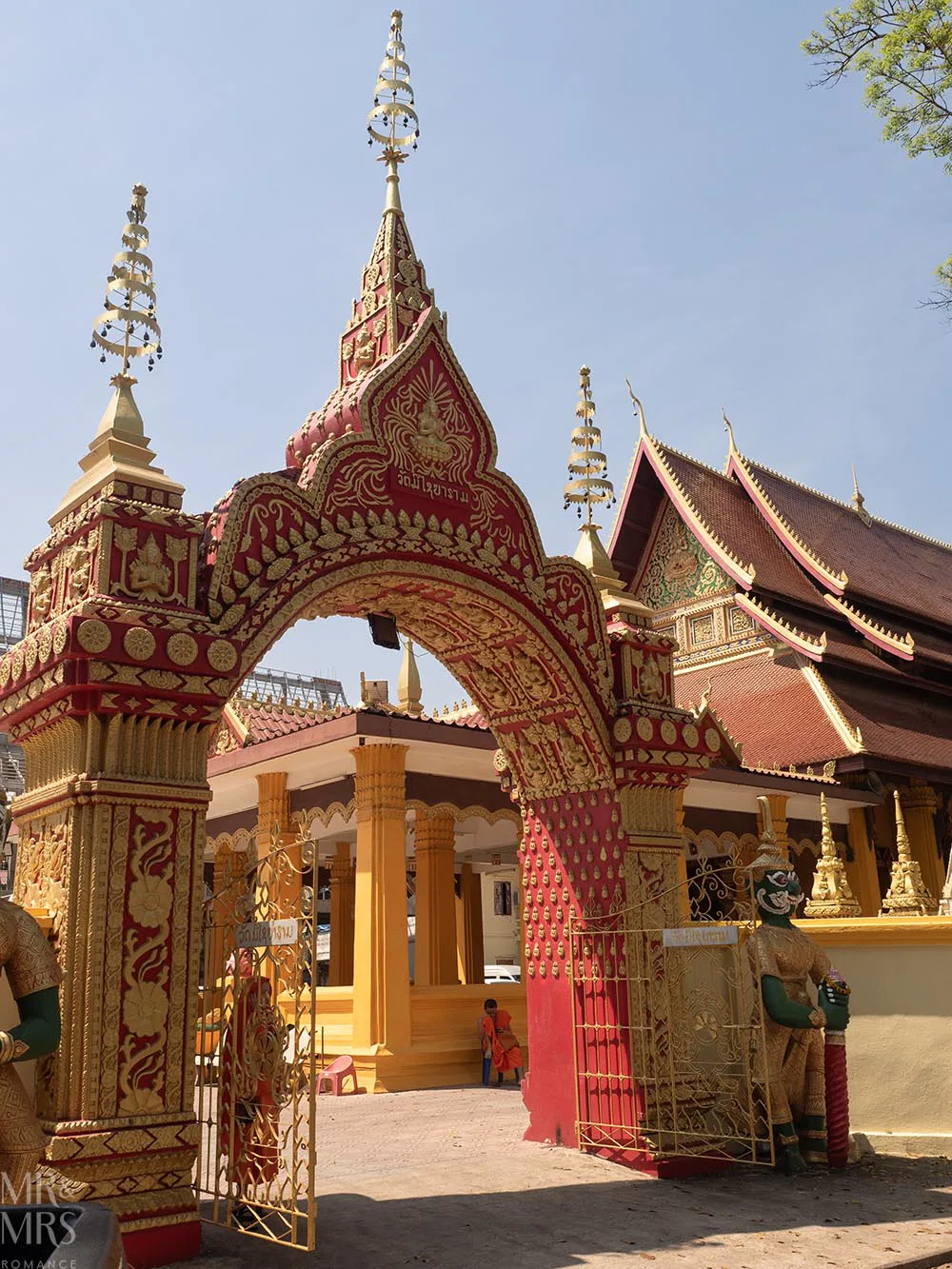
- Temple Hopping: Dedicate time to explore the city's numerous wats, each with its own history and architectural beauty.
- Sunset Cruise on the Mekong: Take a relaxing boat trip along the Mekong River as the sun dips below the horizon, painting the sky with vibrant colors.
- Explore the Night Market: Immerse yourself in the vibrant atmosphere of the riverside night market, perfect for souvenir shopping and tasting local delicacies.
- Learn Lao Cuisine: Join a cooking class to discover the secrets of Lao culinary arts and prepare your own traditional dishes.
- Indulge in a Traditional Lao Massage: Rejuvenate your body and mind with a soothing traditional Lao massage.
- Savor French Colonial Charm: Wander through tree-lined streets, admire colonial architecture, and enjoy a coffee or pastry at a charming cafe.
Getting Around Vientiane
Vientiane is relatively easy to navigate. The city center is compact enough for walking or cycling. For longer distances, you can rely on:
- Tuk-tuks: A popular and convenient mode of transport for short to medium distances. Negotiate the fare before starting your journey.
- Jumbos: Larger versions of tuk-tuks, often used for groups or slightly longer trips.
- Taxis: Available, especially from the airport (Wattay International Airport - VTE) and major hotels, though less common for street hails.
- Bicycles: Many guesthouses and shops offer bicycle rentals, a great way to explore at your own pace.
Accommodation in Vientiane
Vientiane offers a wide range of accommodation options to suit every budget and preference. From charming boutique hotels housed in colonial buildings to modern international chains and cozy guesthouses, you'll find comfortable stays primarily concentrated around the city center and along the Mekong Riverside, offering easy access to attractions and dining.
Vientiane Cuisine: A Culinary Journey
Lao cuisine is a delightful fusion of flavors, often characterized by fresh herbs, spicy chilies, and sticky rice. Vientiane is the perfect place to embark on a culinary adventure:
- Larb: Laos' national dish, a savory minced meat salad (chicken, beef, pork, or fish) mixed with herbs, lime juice, and chili.
- Tam Mak Hoong (Lao Papaya Salad): A spicier and more pungent version of its Thai cousin, often made with fermented fish sauce.
- Khao Piak Sen: A comforting and hearty Lao noodle soup, typically with pork or chicken.
- Sticky Rice (Khao Niao): The staple food, often eaten with hands and accompanying most meals.
- French Influences: Don't miss the opportunity to enjoy freshly baked baguettes, croissants, and strong Lao coffee, a legacy of French colonialism.
- Street Food: Explore the night markets and street stalls for an array of affordable and delicious local snacks and meals.
Essential Travel Tips for Vientiane
- Visa Requirements: Check the latest visa regulations for Laos based on your nationality well in advance of your trip.
- Currency: The official currency is the Lao Kip (LAK). US Dollars are also widely accepted in tourist areas, but it's good to have Kip for smaller purchases.
- Language: Lao is the official language. English is spoken in tourist establishments, hotels, and by many younger people.
- Dress Code: When visiting temples and religious sites, dress modestly. Shoulders and knees should be covered.
- Respect Local Customs: Always show respect for local traditions and Buddhist culture. For instance, avoid touching people's heads and point with your whole hand, not just a finger.
- Stay Hydrated: The climate can be warm, so drink plenty of bottled water.
- Transportation from Airport: From Wattay International Airport (VTE), taxis and tuk-tuks are readily available to take you to the city center.
Vientiane offers a truly authentic and enriching experience for travelers. Its gentle pace, profound cultural heritage, and warm hospitality make it a memorable destination. Prepare to be enchanted by the quiet charm of Laos' capital.
Popular Tours
Top Attractions
Travel Guides & Articles
All Articles
Tours from Vientiane
New
 New
New
New
New
 New
New
 New
New
 New
New
 New
New
 New
New
 New
New
Hotels in Vientiane
No hotels listed yet
Contact us for recommendationsThings to Do in Vientiane
Patuxai, also known as Victory Gate, stands as Vientiane's most recognizable landmark. This grand triumphal arch, built in the 1960s, showcases intricate Lao decorative motifs and offers panoramic rooftop views over the capital's wide boulevards. It's a must-visit for its unique blend of architectural styles and historical significance.
Pha That Luang, also known as the Great Stupa, stands as Laos' most revered monument and national symbol in Vientiane. This spectacular golden Buddhist stupa, originally built in the 3rd century and significantly rebuilt in the 16th century, embodies the nation's spiritual heart and architectural grandeur. It's an essential visit for understanding Lao culture and history.
Wat Sisaket, built in 1818, stands as Vientiane's oldest temple, captivating visitors with its remarkable architecture. It is most famous for its ornate cloister walls, which meticulously house an astonishing collection of 6,840 niches filled with Buddha images of all sizes, offering a profound glimpse into Buddhist artistry and devotion.
Nestled on the banks of the Mekong River, Buddha Park (Xieng Khuan) near Vientiane is a captivating open-air museum. This unique sculpture garden showcases over 200 intricate Hindu and Buddhist statues, creating a surreal landscape of spiritual art and mythology.