Phnom Penh
Discover Phnom Penh: Cambodia's Vibrant Capital
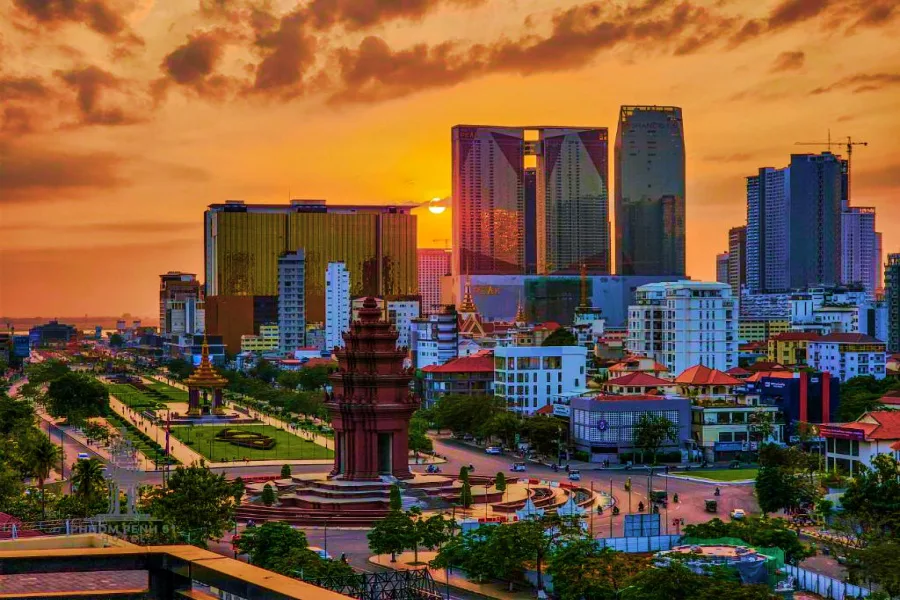
Phnom Penh, the dynamic capital of Cambodia, is a city where ancient history meets modern dynamism. Situated at the confluence of the Mekong, Tonle Sap, and Bassac rivers, this bustling metropolis offers a compelling blend of cultural heritage, poignant history, and an energetic contemporary scene. With a population of approximately 2.3 million, it serves as the nation's economic, cultural, and political heart, inviting travelers to explore its unique charm and resilience.
Why Visit Phnom Penh?
- Rich History & Culture: Explore royal palaces, ancient wats, and powerful historical sites that tell Cambodia's story.
- Authentic Cambodian Experience: Immerse yourself in local life, from bustling markets to serene riverside promenades.
- Emerging Culinary Scene: Savor traditional Khmer flavors and discover a growing array of international dining options.
- Gateway to Cambodia: As the hub for Phnom Penh International Airport (PNH), it's often the first or last stop on a Cambodian adventure.
Best Time to Visit
The ideal time to visit Phnom Penh is during the dry season, from November to May. The cooler months, typically from November to February, offer more comfortable temperatures for sightseeing. The wet season (June to October) brings refreshing rains, lush landscapes, and fewer crowds, though some humidity is expected.
Top Attractions & Experiences
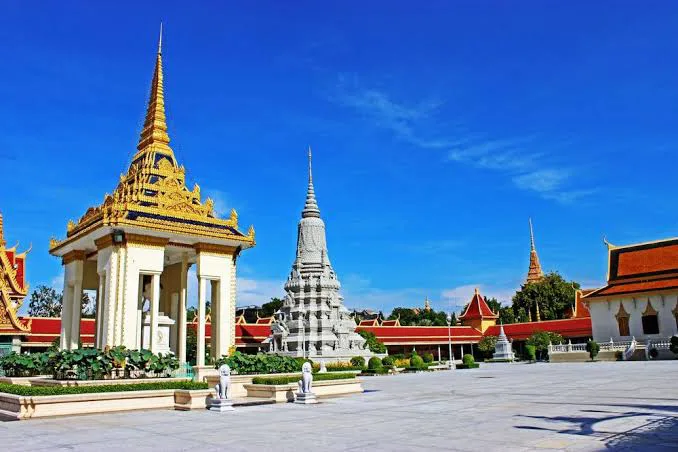
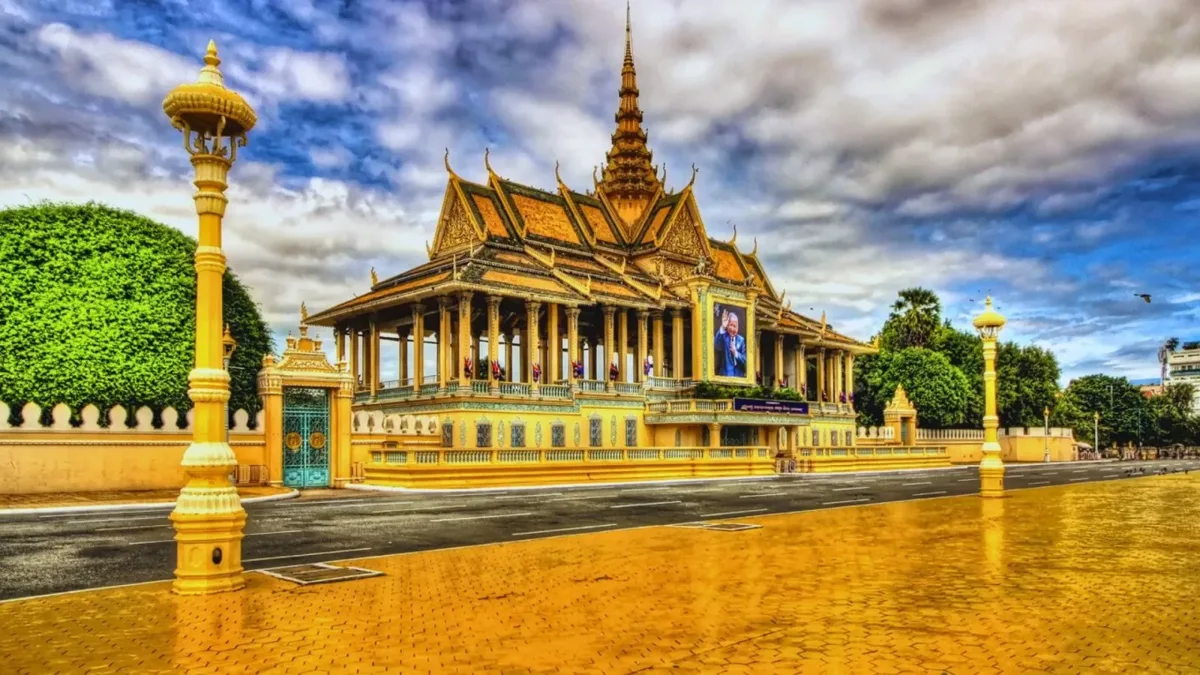
- The Royal Palace & Silver Pagoda: Marvel at the stunning architecture and intricate details of the King's official residence and the adjacent Silver Pagoda, home to exquisite Buddha statues.
- Tuol Sleng Genocide Museum (S-21): A former high school tragically transformed into a security prison during the Khmer Rouge regime, offering a sobering but essential insight into Cambodia's past.
- Choeung Ek Genocidal Center (The Killing Fields): Located just outside the city, this memorial site serves as a poignant reminder of the atrocities committed during the Khmer Rouge era.
- National Museum of Cambodia: Discover a vast collection of Khmer art, including sculptures, ceramics, and ethnographic objects spanning various periods of Cambodian history.
- Wat Phnom: The city's namesake and a significant Buddhist temple, offering panoramic views and a tranquil escape from the urban hustle.
- Riverside Promenade (Sisowath Quay): Enjoy leisurely strolls, watch local life unfold, and dine at numerous restaurants and cafes along the Mekong River.
- Central Market (Phsar Thmey): An iconic Art Deco landmark, perfect for souvenir shopping, trying local snacks, and experiencing the vibrant market atmosphere.
- Russian Market (Phsar Toul Tom Poung): Known for its wide array of goods, from clothing and souvenirs to antiques and local handicrafts.
Getting Around Phnom Penh
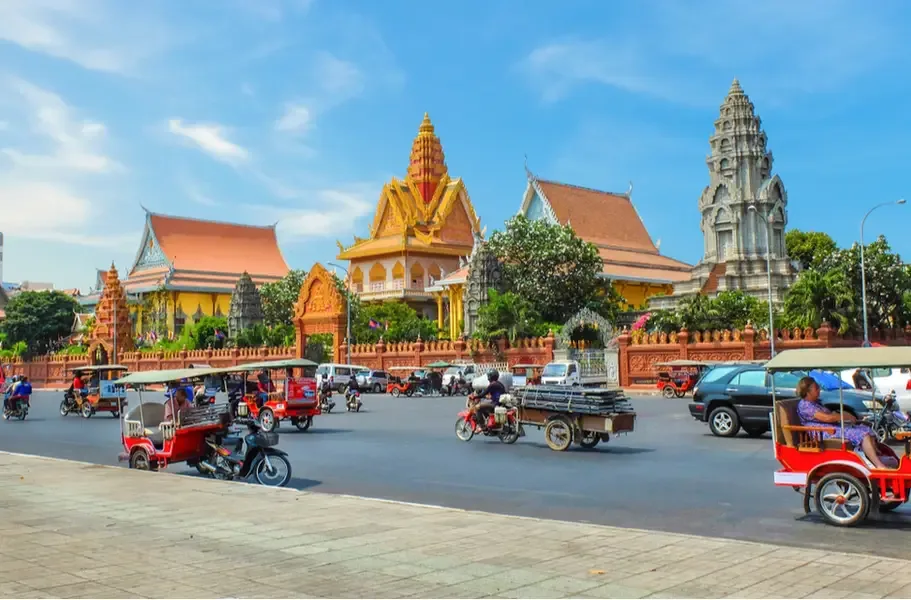
- Tuk-tuks: The most popular and convenient way to navigate the city, offering a unique open-air experience.
- Motorbike Taxis (Moto-dops): A quick option for solo travelers, though less comfortable than tuk-tuks.
- Ride-hailing Apps: Services like Grab and PassApp are widely available for both cars and tuk-tuks, providing fixed fares and ease of booking.
- Taxis: Readily available, especially at the airport and major hotels, for longer distances or more comfort.
- Walking: Exploring certain areas like the Riverside Promenade on foot is enjoyable, but for longer distances, transport is recommended.
Accommodation in Phnom Penh
Phnom Penh offers a diverse range of accommodation options to suit every budget and preference. From luxurious riverside hotels with stunning views to charming boutique guesthouses in quiet neighborhoods and budget-friendly hostels, visitors will find comfortable places to stay. Popular areas include the Riverside (Sisowath Quay) for its lively atmosphere, BKK1 for upscale dining and shopping, and various central districts for easy access to attractions.
Culinary Delights: A Taste of Phnom Penh
- Traditional Khmer Cuisine: Indulge in classic dishes like Amok (fish curry steamed in banana leaves), Lok Lak (stir-fried beef with rice), and fresh spring rolls.
- Street Food: Explore the vibrant street food scene for delicious and affordable local snacks, noodle soups, and grilled meats.
- International Dining: The city boasts an impressive selection of international restaurants, reflecting its growing expat community and diverse culinary influences.
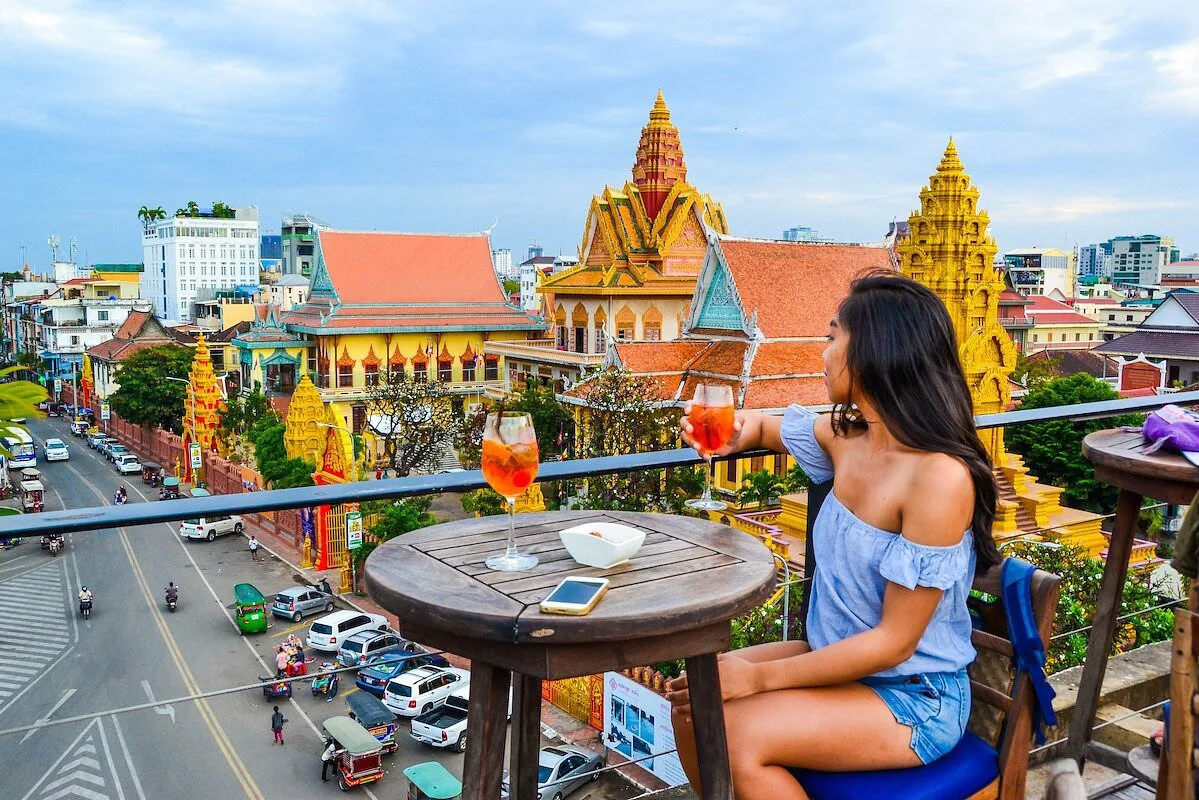
- Cafes and Bars: Enjoy a thriving cafe culture and a lively nightlife scene, with rooftop bars offering city views and cozy pubs for a relaxed evening.
Practical Travel Tips for Phnom Penh
- Currency: Both the Cambodian Riel (KHR) and US Dollar (USD) are widely accepted. It's advisable to carry small USD denominations and some KHR for smaller purchases.
- Language: The official language is Khmer. English is commonly spoken in tourist areas, hotels, and restaurants.
- Visa: Most foreign visitors require a visa for Cambodia. These can be obtained upon arrival at Phnom Penh International Airport (PNH) or through an e-visa application prior to travel.
- Health & Safety: Drink bottled water, protect yourself from mosquitoes, and be mindful of your belongings, especially in crowded areas.
- Etiquette: Dress modestly when visiting religious sites, remove your shoes before entering temples, and use your right hand when giving or receiving items.
- Connectivity: Local SIM cards are affordable and readily available at the airport or in town, offering convenient data access.
Popular Tours
Top Attractions
Travel Guides & Articles
All Articles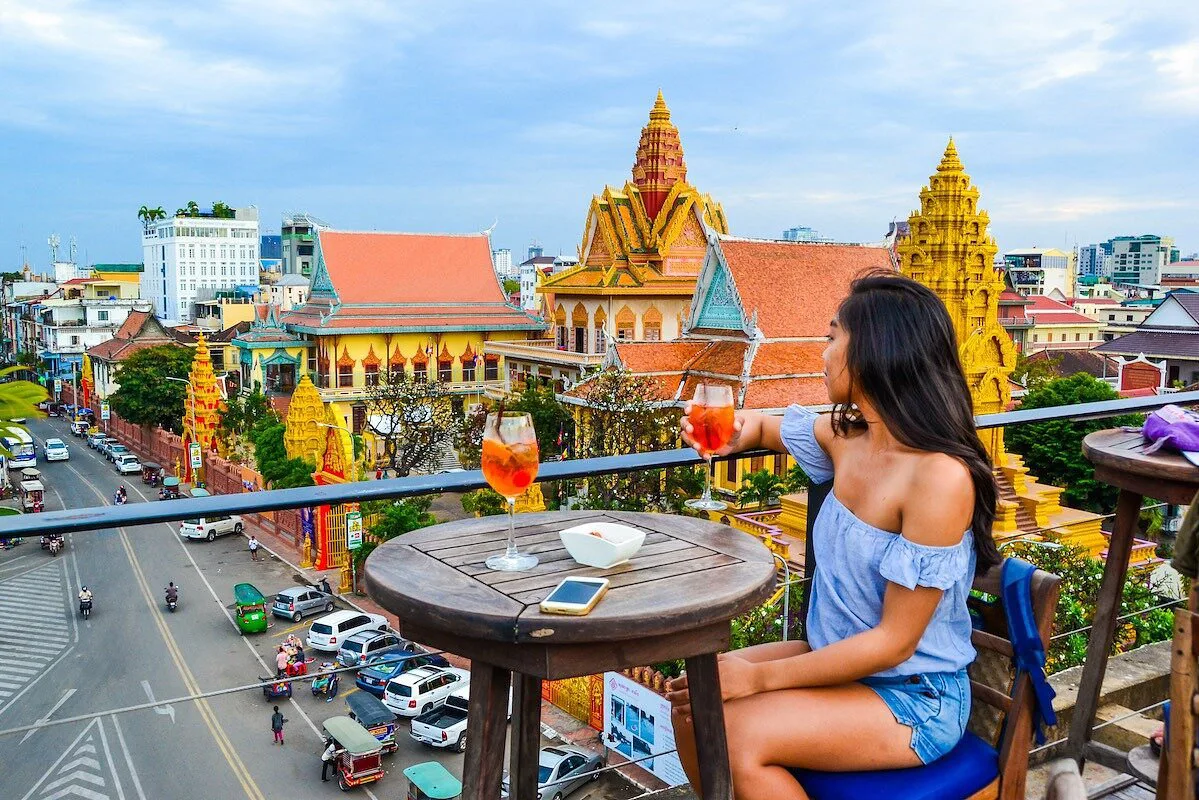
Tours from Phnom Penh
 New
New
 New
New
New
New
 New
New
 New
New
 New
New
 New
New
 New
New
 New
New
 New
New
 New
New
Hotels in Phnom Penh
No hotels listed yet
Contact us for recommendationsThings to Do in Phnom Penh
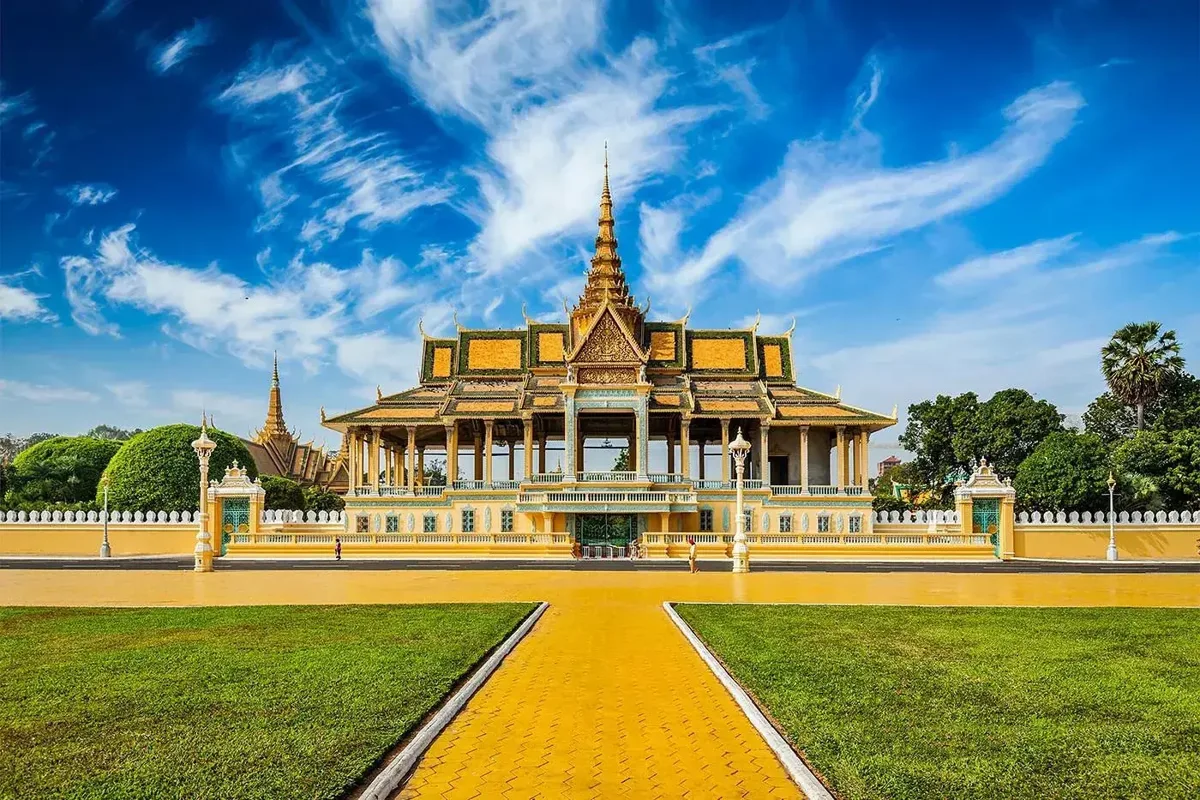
The Royal Palace stands as Phnom Penh's most iconic landmark, an outstanding example of traditional Khmer architecture. Serving as the official residence of the Cambodian king, this magnificent complex showcases a rich blend of history, culture, and royal grandeur. Visitors can explore its stunning grounds and various structures, offering a glimpse into Cambodia's regal past and present.
Tuol Sleng (S-21) is a profoundly sobering site in Phnom Penh, Cambodia, serving as a stark reminder of the Khmer Rouge regime's atrocities. This former high school was transformed into a notorious interrogation and detention center where over 14,000 victims were imprisoned, tortured, and ultimately killed. A visit offers a crucial, albeit difficult, insight into a dark chapter of Cambodian history.
Choeung Ek is the most significant of Cambodia's Killing Fields, a former orchard located 15 km south of Phnom Penh. Here, over 17,000 victims were tragically executed and buried during the Khmer Rouge regime. An essential audio guide enhances this deeply moving and somber memorial visit, offering profound insights into a dark chapter of history.
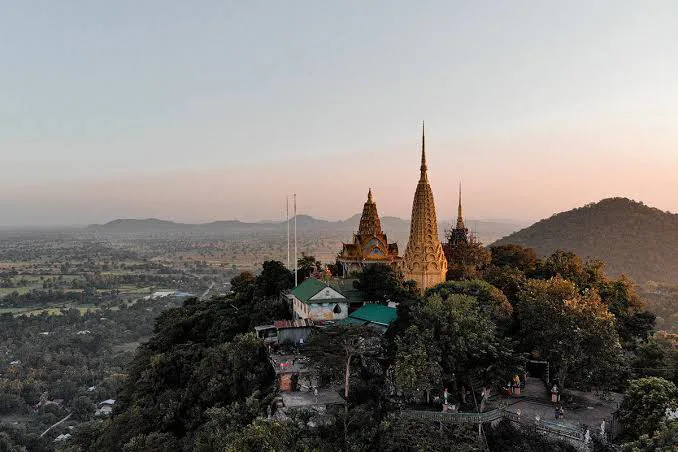
Wat Phnom sits atop a 27-meter hill at the center of Phnom Penh. Founded in 1373 by Lady Penh, this temple gave the capital city its name and remains a beloved city shrine. It offers a serene escape and a glimpse into Cambodia's rich spiritual heritage.
The Silver Pagoda (Wat Preah Keo) is Cambodia's most precious temple, named for its 5,000 silver floor tiles. Located within the Royal Palace compound in Phnom Penh, it houses a revered 17th-century Emerald Buddha and a diamond-encrusted golden statue, offering a glimpse into Khmer religious artistry and royal heritage.
The National Museum of Cambodia in Phnom Penh houses the world's most comprehensive collection of Khmer art, featuring thousands of sculptures, bronzes, and ethnographic objects. Housed in a stunning 1920 terracotta pavilion, it offers a profound insight into Cambodia's rich cultural heritage and artistic legacy. This essential stop reveals centuries of history through its exquisite exhibits.