The Ultimate Overland Odyssey: Journeying from Thailand to Vietnam by Train and Bus
The dream of traversing Southeast Asia, from the vibrant markets of Thailand to the ancient wonders and dynamic cities of Vietnam, is a powerful one for many intrepid travelers. While the convenience of a direct flight often beckons, a truly transformative journey lies in embracing the overland route. "Can I take a train from Thailand to Vietnam?" is a question frequently posed, and while a direct railway line connecting these two captivating nations doesn't exist, the answer for the adventurous soul is a resounding "yes!" – provided you're ready for a multi-modal expedition that weaves through stunning landscapes and diverse cultures. This comprehensive guide from enjoyvietnamtravel.com will unveil the magic and practicalities of embarking on an epic train and bus journey from Thailand to Vietnam. We’ll delve deep into the routes, offer invaluable insights, and equip you with the expertise to navigate this unforgettable adventure, ensuring you arrive in Vietnam with stories to tell and a profound appreciation for the journey itself.Why Embrace the Overland Adventure? Beyond the Direct Flight
In an age where air travel can whisk you between countries in mere hours, choosing an indirect, multi-leg train and bus journey might seem unconventional. However, for the discerning traveler, this route offers unparalleled rewards that a plane ticket simply cannot deliver:- Immersive Cultural Tapestry: Unlike flying over, overland travel plunges you directly into the heart of Southeast Asian life. You’ll traverse not just two, but often three or four countries, witnessing daily routines unfold from your window, interacting with locals on trains and buses, and savoring authentic cuisines at every stop. It’s a continuous cultural lesson.
- Budget-Friendly Exploration: Generally, overland travel is significantly more economical than air travel, especially when booking segments individually. This allows you to stretch your travel budget further, perhaps even extending your trip or indulging in more experiences upon arrival in Vietnam.
- Panoramic Scenic Wonders: Prepare for a constantly changing panorama. From the emerald rice paddies of rural Thailand to the serene Mekong Delta waterways, the dramatic karst landscapes of Laos, or the ancient temples peeking through Cambodian jungles, this journey is a visual feast. Every mile tells a story.
- Authentic Adventure and Flexibility: This is the quintessential backpacker's rite of passage. It demands flexibility, rewards spontaneity, and offers the freedom to pause, explore hidden gems, and deviate from the well-trodden path. It's about the unexpected encounters and the joy of discovery.
- Reduced Environmental Impact: For the eco-conscious traveler, choosing trains and buses over flights significantly contributes to a more sustainable travel footprint, aligning your journey with responsible tourism principles.
Understanding the Reality: No Direct Train – A Multi-Country Expedition
Let's be unequivocally clear from the outset: there are currently no direct railway connections linking Thailand and Vietnam. The national railway networks of these two nations do not physically meet. Therefore, any "train from Thailand to Vietnam" journey will inherently involve multiple legs, strategically combining trains within Thailand with international bus services, and potentially other short train segments or local transport through a third country – most commonly Laos or Cambodia. This multi-country transit is precisely where the real adventure, and the opportunity for deeper cultural immersion, truly begins.Charting Your Course: Two Epic Overland Routes to Vietnam
For travelers determined to journey from Thailand to Vietnam by train and bus, two primary routes emerge, each offering a distinct flavor of Southeast Asian travel and leading to different parts of Vietnam.Route 1: Via Laos to Northern Vietnam (Hanoi)
This northern route typically guides travelers towards Hanoi, Vietnam's historic and vibrant capital, offering a serene glimpse into the heart of Laos along the way.Step 1: Thailand's Northeastern Express - Bangkok to Nong Khai
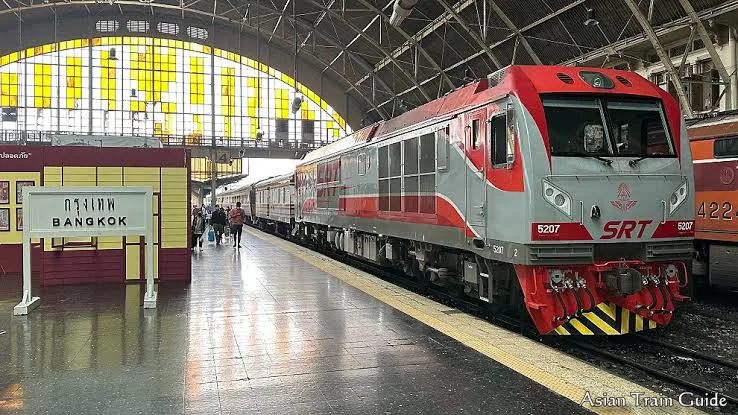
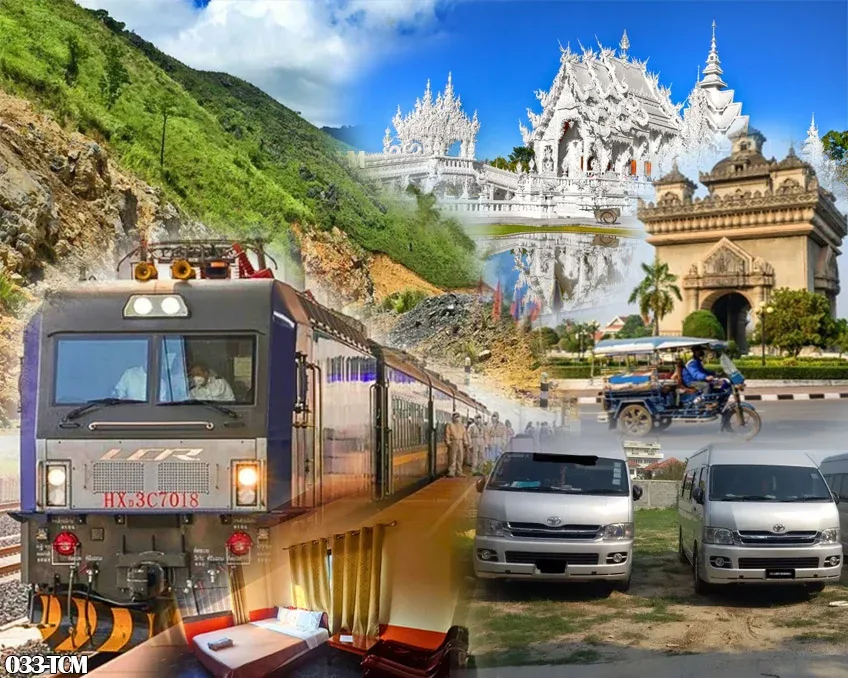
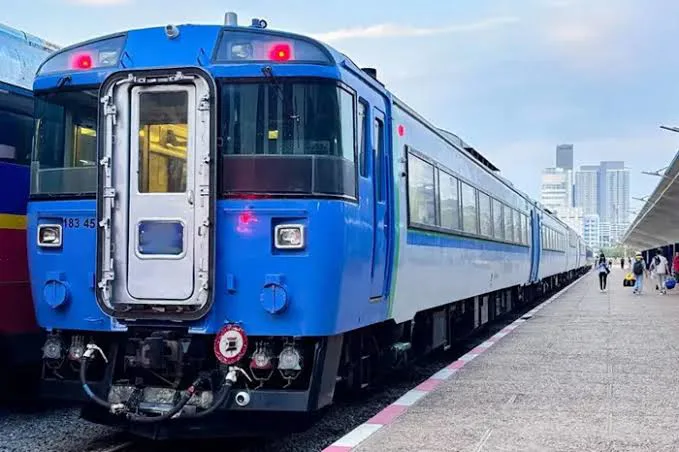
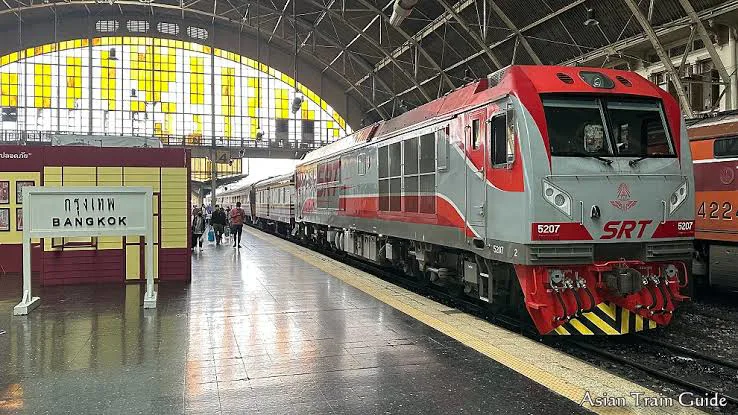
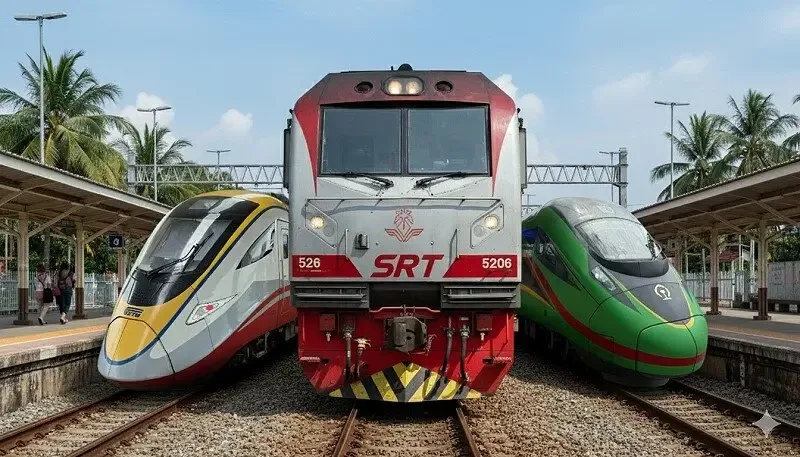
Your grand journey commences in Bangkok, Thailand's bustling metropolis. The State Railway of Thailand (SRT) operates several daily services from Bangkok's modern Krung Thep Aphiwat Central Terminal (the primary hub for long-distance trains) to Nong Khai, a key city nestled on the Thai-Lao border.
- Train Types: You have a choice between faster day trains, which offer scenic views, and highly recommended overnight sleeper trains. First-class sleepers provide private, air-conditioned cabins for two, complete with a washbasin, offering comfort and privacy. Second-class sleepers feature open-plan bunk beds (upper and lower), which are comfortable, clean, and provide a unique communal travel experience.
- Duration: The overnight sleeper journey typically spans 10-12 hours, allowing you to wake up refreshed at the border.
- Booking: Advance booking is highly advisable, especially for popular sleeper berths and during peak seasons. You can purchase tickets directly from the SRT website, at any major Thai train station, or through reputable online travel agencies which often charge a small service fee.
- Experience: Thai train journeys are generally comfortable and efficient. Vendors frequently pass through carriages selling a variety of local snacks, drinks, and hot meals. The sleeper trains, in particular, offer a romantic, nostalgic way to travel, lulling you to sleep with the gentle rhythm of the rails.
Step 2: Bridging the Mekong - Crossing into Laos
From Nong Khai, you'll cross the mighty Mekong River via the First Thai-Lao Friendship Bridge. A short, local shuttle train conveniently connects Nong Khai station directly to Thanaleng station in Laos, just outside Vientiane. Alternatively, shared taxis or tuk-tuks are readily available to transport you across the border after completing immigration procedures.
- Border Procedures: You'll undergo Thai immigration formalities at Nong Khai station or the border post, then proceed to Lao immigration upon arrival in Laos. Most nationalities are eligible for a Visa on Arrival (VOA) for Laos at this land border, typically costing around $30-$40 USD, plus a small "stamping fee." Always verify the latest visa requirements for your specific nationality well in advance.
- Thanaleng to Vientiane: From Thanaleng, local transport options such as taxis or tuk-tuks are available to take you into Vientiane city center, a journey of approximately 20-30 minutes.
Step 3: The Long Haul - Vientiane to Hanoi by Sleeper Bus
Once settled in Vientiane, the final, significant leg of your journey to Vietnam is exclusively by bus. This is a long but direct route to Hanoi.
- Bus Services: Several reputable bus companies operate international sleeper bus services from Vientiane's main bus station to Hanoi. These buses are equipped with reclined seats or bunks, designed for overnight travel. While not luxurious, they offer a practical way to cover the distance.
- Duration: Expect a substantial journey of approximately 20-24 hours, which includes multiple rest stops for meals and comfort breaks, as well as the necessary border crossing procedures.
- Cost: Prices generally range from $40-$60 USD, offering excellent value for such a long-distance international route.
- Booking: Tickets can be purchased at Vientiane's main bus station, through local travel agents, or via guesthouses. Booking a day or two in advance is highly recommended, especially during peak travel periods.
- Border Crossing (Lao-Viet): The bus will stop at one of the Lao-Vietnamese land borders (e.g., Nam Phao/Cau Treo or Na Meo/Pa Hanh). All passengers must disembark with their luggage for immigration. It is absolutely crucial to have your Vietnamese visa pre-arranged (e-visa or embassy visa) before reaching this border, as Visa on Arrival is generally NOT available at land borders for most nationalities.
- Experience: This bus journey is an adventure in itself, offering incredible views of rural Laos and Vietnam's changing landscapes. Be prepared for basic facilities on board and at rest stops. Bring plenty of snacks, water, a good book, and a fully charged power bank.
Route 2: Via Cambodia to Southern Vietnam (Ho Chi Minh City)
This southern route leads travelers to the dynamic Ho Chi Minh City, immersing them in the unique culture and history of Cambodia along the way.Step 1: Eastward Bound - Bangkok to Aranyaprathet
The journey towards Cambodia also begins in Bangkok, but heads east to the Thai border town of Aranyaprathet.
- Train Types: These are typically ordinary, third-class trains, offering a truly local and authentic Thai experience. They are slower and generally do not have air conditioning, but they are incredibly inexpensive. There are usually two services daily.
- Duration: The journey takes approximately 5-6 hours.
- Booking: Tickets are very cheap and can usually be purchased on the day of travel directly at the station, making this a flexible option.
- Experience: Expect a basic but lively Thai train ride. You'll share carriages with local commuters, observe daily life, and have opportunities to buy food and drinks from vendors who hop on and off at various stations.
Step 2: The Infamous Border - Crossing into Cambodia at Poipet
From Aranyaprathet train station, you'll need to take a short tuk-tuk or shared taxi ride to the Poipet border crossing. This particular border has a reputation for scams, so heightened vigilance is essential.
- Border Procedures: You'll first exit Thailand at the official immigration checkpoint. Then, you'll walk across the border strip, which can be chaotic and crowded, to enter Cambodia. Obtain your Cambodian Visa on Arrival (if eligible, typically $30 USD) or use your pre-arranged e-visa. Crucially, be extremely wary of unofficial "visa services" or individuals claiming to assist with visas on the Thai side of the border – always use official channels and ignore touts.
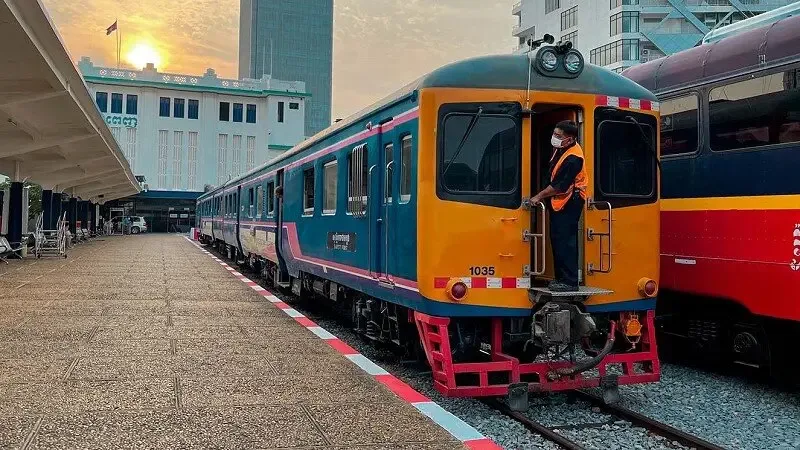
- Poipet to Phnom Penh: While Cambodia does possess a railway line from Poipet to Phnom Penh, services are infrequent, notoriously slow, and often unreliable. Most travelers wisely opt for a bus or shared taxi from Poipet to Phnom Penh. There are numerous bus companies operating from the Cambodian side of the border, offering varying levels of comfort.
- Duration (Poipet to Phnom Penh by bus): This segment typically takes around 7-9 hours.
- Booking: Book bus tickets at reputable bus stations or through trusted agents on the Cambodian side of the border. Avoid booking with touts immediately after crossing.
Step 3: Mekong Delta Gateway - Phnom Penh to Ho Chi Minh City by Bus
From Cambodia's capital, Phnom Penh, frequent and reliable bus services connect directly to Ho Chi Minh City in southern Vietnam.
- Bus Services: Many reputable companies (e.g., Giant Ibis, Sorya, Mekong Express) offer comfortable, air-conditioned buses, including some "VIP" options with more spacious seating and amenities.
- Duration: This is a relatively swift journey, typically around 6-7 hours, including the border crossing time.
- Cost: Generally inexpensive, ranging from $10-$20 USD, making it a budget-friendly option.
- Booking: Tickets are readily available at bus stations, guesthouses, and online booking platforms. Booking a day or two in advance is a sensible precaution, especially for preferred timings.
- Border Crossing (Cambodia-Vietnam): The bus will stop at the Bavet (Cambodia) / Moc Bai (Vietnam) border. Passengers disembark with their luggage for immigration. As with the Lao-Viet border, ensure your Vietnamese visa is pre-arranged (e-visa or embassy visa) before reaching this point.
- Experience: This is a well-traveled and generally smooth route. The buses are usually comfortable, and you'll witness the changing landscapes of the Mekong Delta as you approach the vibrant metropolis of Ho Chi Minh City.
Essential Planning & Insider Tips for a Seamless Journey
Embarking on such an extensive overland journey requires careful planning, a flexible mindset, and a good dose of preparation. Here are crucial tips to ensure a smooth, safe, and enjoyable experience:- Visa Requirements: The Golden Rule: This is paramount. Always check the latest visa regulations for Thailand, Laos, Cambodia, and Vietnam based on your nationality well in advance of your trip. Many nationalities require a pre-arranged e-visa or embassy visa for Vietnam, especially for land border crossings. Laos and Cambodia often offer Visa on Arrival, but confirm this for your specific passport. Print multiple copies of your e-visas and relevant documents.
- Booking Strategy: For Thai sleeper trains and popular international bus routes (like Vientiane-Hanoi or Phnom Penh-HCMC), booking a few days or even weeks ahead is highly recommended, especially during peak season (November-February) or around public holidays. Use official websites or reputable online travel agents.
- Currency & Budgeting: Carry local currency for Thailand (Baht), Laos (Kip), Cambodia (Riel, though USD is widely accepted), and Vietnam (Dong). Having small denominations for snacks, local transport, and small purchases is incredibly useful. USD can be convenient for border fees or larger purchases in Cambodia.
- Smart Packing List:
- Documents: Valid passport (with at least 6 months validity), all necessary visas (printed copies!), flight/bus confirmations, travel insurance details, and digital backups of all important documents (on cloud storage and email).
- Comfort Essentials: A good neck pillow, eye mask, earplugs, a light blanket or sarong (for overly air-conditioned buses/trains), and comfortable, loose-fitting clothing suitable for long journeys and varying temperatures.
- Health & Hygiene: Hand sanitizer, wet wipes, a roll of toilet paper, any personal medications, a small first-aid kit, and insect repellent.
- Electronics & Entertainment: A reliable power bank for all your devices, travel adapter, headphones, a good book, or downloaded movies/podcasts. Wi-Fi is often unreliable or non-existent on long journeys.
- Food & Water: A reusable water bottle and plenty of healthy snacks (nuts, fruit, energy bars) are invaluable, as food options on board or at rest stops can be limited or unappealing.
- Navigating Border Crossings:
- Be prepared for queues, potential delays, and sometimes chaotic environments.
- Always have your passport and visa documents readily accessible and organized.
- Maintain politeness and patience with immigration officials.
- Crucially, beware of unofficial "helpers," touts, or scams, especially at busy land borders like Poipet. Always follow official signs and procedures, and only deal with uniformed officials at designated counters.
- Safety & Security:
- Keep your valuables (passport, cash, electronics) secure and close to you at all times, ideally in a money belt or hidden pouch, especially on overnight trains and buses.
- Use a small padlock on your main backpack or luggage.
- Be aware of your surroundings, particularly in crowded stations or border areas, and avoid flashing expensive items.
- Embrace Flexibility: Overland travel in Southeast Asia can be wonderfully unpredictable. Delays, changes in schedule, or unexpected situations can and do occur. Embrace these as part of the adventure, rather than as setbacks. A flexible attitude will greatly enhance your experience.
- Travel Insurance: Do not embark on such a journey without comprehensive travel insurance. It's an essential safety net for medical emergencies, lost luggage, or unexpected trip cancellations.