Exploring Thailand, Cambodia, and Vietnam together provides a comprehensive experience of Southeast Asia's diverse cultures and landscapes. This guide outlines various travel plans, offering practical advice for navigating these three distinct nations, from their historical landmarks to modern urban centers and tranquil natural settings.
Why Combine Thailand, Cambodia, and Vietnam?
Traveling through Thailand, Cambodia, and Vietnam in a single trip presents several advantages for visitors. Regional air travel is generally economical and frequent, and border crossings by land are typically straightforward. Many nationalities qualify for e-visas, visas on arrival, or even visa exemptions, simplifying entry procedures for all three countries.
Within a span of two to three weeks, travelers can encounter ancient temple complexes, dynamic cities, tropical coastlines, and verdant highlands. This combination offers a rich blend of cultural exploration, outdoor activities, and opportunities for relaxation. The route is particularly appealing for those interested in historical sites, diverse culinary traditions, and varied environments, making it suitable for cultural explorers, food enthusiasts, couples, and families seeking an educational yet manageable vacation.
Optimal Timing for Your Southeast Asia Trip
The period from November to March is generally considered the most favorable time to visit Thailand, Cambodia, and Vietnam collectively. This cool, dry season ensures comfortable weather conditions throughout the region, facilitating smoother travel and more pleasant sightseeing experiences.
| Country | Region | November - March Weather Conditions |
|---|---|---|
| Thailand | Bangkok, Chiang Mai, Phuket | Dry, sunny, 24–32°C (75–90°F) |
| Cambodia | Siem Reap, Phnom Penh | Dry, 25–35°C (77–95°F) |
| Vietnam | Ho Chi Minh City (South) | Warm, dry, 28–33°C (82–91°F) |
| Hanoi / Halong Bay (North) | Cool, 15–22°C (59–72°F) | |
| Da Nang / Hoi An (Central) | Pleasant, 22–27°C (72–81°F) |
Suggested Itineraries by Duration
Various trip lengths cater to different travel preferences, from extensive explorations to shorter, focused visits. The following itineraries provide structured plans for experiencing Thailand, Cambodia, and Vietnam.
Three-Week Itinerary: A Comprehensive Exploration
A three-week journey is often recommended for those seeking a thorough experience of Southeast Asia. This duration allows ample time to appreciate the cultural depth, varied scenery, and local nuances of each country without feeling rushed. It is particularly suited for travelers who prefer a slower pace and a deeper engagement with local cultures.
| Week | Day | Route |
|---|---|---|
| 1 | Day 1-4 | Thailand: Bangkok - Ayutthaya |
| Day 5-7 | Chiang Mai | |
| 2 | Day 8-11 | Chiang Mai - Siem Reap - Phnom Penh - Vietnam: Mekong Delta (Chau Doc City) |
| Day 12-13 | South Vietnam: Mekong Delta - Ho Chi Minh City | |
| 3 | Day 14-16 | Ho Chi Minh City - Da Nang / Hoi An - North Vietnam: Hanoi |
| Day 17-21 | Hanoi - Halong Bay - Hanoi Departure |
Starting your adventure in a major international hub like Bangkok or Hanoi is advisable due to better flight connectivity. Cambodia's airports typically have fewer direct international routes and higher fares, making it less practical as an initial entry point for a multi-country tour.
Arrival in Bangkok: Airport Information
Most international flights to Bangkok land at Suvarnabhumi Airport (BKK). However, budget airlines, such as AirAsia, frequently use Don Mueang Airport (DMK). Understanding the differences between these airports can assist with planning.
| Feature | Suvarnabhumi (BKK) | Don Mueang (DMK) |
|---|---|---|
| Flight Type | Full-service carriers | Budget airlines (e.g. AirAsia) |
| Distance to City | ~25 km (~40–45 minutes by car) | ~25 km (~40–45 minutes by car) |
| Public Transport | Airport Rail Link to city center (Phaya Thai station) for 50 Baht ($1.50) | No direct rail link |
| Terminal Condition | Modern, spacious | Smaller, older (operating since 1914) |
| Traveler Preference | Most tourists prefer BKK for comfort & convenience | Mostly for budget travelers |
For convenience, especially upon arrival, Suvarnabhumi is often preferred due to its direct train connection and contemporary facilities. Thailand offers visa-free entry for citizens of over 90 countries and territories, making immigration generally quick. However, during major holidays, longer queues at passport control may occur.
Public transport in Bangkok, including the BTS Skytrain and Airport Rail Link, is economical and efficient. For those with heavy luggage, children, or after a long flight, a private transfer from the airport to the city center can be a more comfortable option. Estimated private transfer costs from the airport to the city center are around $17.5 for a 4-seater sedan and $33.5 for an 11-seater van.
Bangkok: Days 1-4
Bangkok serves as an excellent starting point for a Southeast Asian trip, particularly for first-time visitors to the region. It provides a smooth arrival experience with good infrastructure, clear signage, accessible transport, and English-speaking personnel. The city blends historical sites, such as golden temples and royal palaces, with contemporary shopping centers and lively street markets. Spending three to four days here allows sufficient time to experience its dynamic atmosphere.
After settling into your accommodation, a good way to begin exploring Bangkok is through its culinary offerings. Chinatown (Yaowarat) becomes especially active after 7 PM, with neon lights and street food stalls creating a memorable evening experience. Alternatively, a Chao Phraya River dinner cruise offers scenic views of the city lights, providing a relaxed introduction to Bangkok, though the food quality may vary. Bangkok is recognized for having numerous Michelin-rated eateries, from street vendors to upscale dining establishments.
A classic city tour is recommended for a full day of sightseeing, ideally starting around 8 AM. This typically includes multiple significant locations and involves walking. Guided tours can enhance the experience by providing historical context and managing transportation. Key stops often include:
- Grand Palace & Wat Phra Kaew: Features intricate architecture, golden spires, and the Emerald Buddha, a highly revered statue in Thailand.
- Wat Pho: Home to a large Reclining Buddha statue (46 meters long) and a center for traditional Thai massage.
- Chao Phraya River Cruise & Wat Arun: A short boat ride to Wat Arun, known for its porcelain-adorned spires.
- Local Flower Market: Offers a glimpse into daily life and opportunities for photography.
- Golden Mount (Wat Saket): A climb of 300 steps leads to a hilltop temple with panoramic city views, especially popular at sunset.
For those interested in historical sites, a day trip to Ayutthaya Historical Park, located just over an hour's drive from Bangkok, offers a different perspective. This UNESCO World Heritage Site, once the capital of Siam, contains extensive ruins of ancient temples and statues. A full-day guided tour, costing approximately $129 per person (including entrance fees, transport, and lunch), is often recommended for navigating the expansive site and gaining historical insights.
The remaining time in Bangkok can be spent according to personal interests, such as shopping, relaxation, or further cultural exploration. Options include:
- For families: Bangkok Safari World (Khao Yai, ~1,000 THB/adult, ~900 THB/child), Sea Life Bangkok Ocean World (Siam Paragon Mall, ~1,100 THB/adult, ~900 THB/child), Dream World or KidZania (Dream World: ~1,000–1,200 THB; KidZania: ~850–1,100 THB).
- For shoppers: Siam Area (Siam Paragon, Siam Discovery, Siam Center, daily 10am–10pm), Chatuchak Weekend Market (Sat-Sun, 9am–6pm), Pratunam Market (daily, 9am–6pm).
- For food enthusiasts: ICONSIAM (SookSiam food village, meals from 100–250 THB), Siam Food Court (Siam Paragon, meals from 60–150 THB), Bangkok Chinatown (Yaowarat Road, snacks from 50–150 THB), Night Markets (Jodd Fairs, Asiatique, ~50–100 THB per dish).
- For nightlife: Khaosan Road (lively backpacker hub), Sukhumvit Soi 11 (trendy rooftop bars), Thonglor & Ekkamai Bars (upscale speakeasies).
Chiang Mai: Days 5-7
Traveling from Bangkok to Chiang Mai, a distance of approximately 700 km, is most efficiently done by air, with numerous daily flights taking less than 1.5 hours. AirAsia is a dominant carrier on this route. Fares typically vary by $5–10, offering flexibility in choosing flight times. An afternoon flight (2–3 PM) is popular, allowing for a relaxed morning in Bangkok, while morning flights (earliest around 8:30 AM) are available for early arrivals.
Upon arrival in Chiang Mai, after checking into your hotel, you can immediately begin exploring. The city is known for its cafes set in natural surroundings. Recommended cafes include Caramellow Cafe (Nimmanhaemin Road, ~100–200 THB/person), Early Owls Cafe (Nimmanhaemin Road, Soi 9, ~120–250 THB/person), and Chom Cafe and Restaurant (21/1 Moo 6, Hang Dong, ~150–300 THB/person). In the evenings, Chiang Mai's night markets offer opportunities for dinner and souvenir shopping. Popular markets include Chiang Mai Night Bazaar, Tha Phae Gate Market, and Kalare Night Bazaar (items typically range from 50–200 THB).
For your second day in Chiang Mai, two main options are available:
- Traditional City Tour: This option focuses on Chiang Mai's ancient temples and historical sites, such as Wat Phrathat Doi Suthep (a 30-minute drive from the city center), Wat Chedi Luang, Wat Phra Singh, Wat Chiang Man, and Wat Suan Dok. Exploring independently is possible, but a guided tour can provide historical and architectural insights and include transportation.
- Remote Hill Tribe Adventure: For those seeking a deeper cultural connection, visiting remote hill tribe villages, such as those of the Karen, Akha, Lahu, and Hmong, offers insights into distinct customs and lifestyles. These visits also provide opportunities to purchase handmade items unique to these communities.
Your final day in Chiang Mai can be tailored to either active pursuits or relaxation:
- Thrilling Activities: Options include Jungle Zipline (from THB 1850 / ~US $65 per person, 2-4 hours, age 4+), ATV & White Water Rafting (from THB 2500 / ~US $80 per person, age 12+), or Skydiving (from THB 3500 / ~US $110 per person, age 18+).
- Calm & Serenity: Activities like Meditation & Yoga (from THB 1950 / ~US $60 per person), Cooking Classes (from THB 1190 / ~US $40 per person), or visiting an Elephant Jungle Sanctuary (from THB 2650 / ~US $85 per person) offer a more relaxed pace.
Cambodia & South Vietnam Exploration: Days 8-13
Day 8 typically involves travel from Chiang Mai to Siem Reap, Cambodia, as no direct flights are available. One-stop flights via Bangkok are common, with AirAsia often providing affordable fares (around $120-$130) and efficient transit times (4-4.5 hours). A midday flight, such as the 11:55 AM departure, allows for an afternoon arrival in Siem Reap, providing time to settle in before the next day's activities.
Siem Reap is primarily known as the entry point to Angkor Archaeological Park, a vast site covering over 400 square kilometers, which was once the capital of the Khmer Empire. The Angkor Pass offers various durations: 1 Day ($37), 3 Days ($62), or 7 Days ($72). The 1-Day Pass is popular for general sightseeing, while longer passes suit those desiring deeper exploration or photography. Beyond Angkor Wat, other significant temples include Angkor Thom and Bayon Temple.
Alternative ways to experience Angkor include cycling tours, tuk-tuk or jeep tours, and walking tours. For those with limited time in the park, other activities around Siem Reap include:
- Hot Air Balloon Ride: From $175 per person (20-60 mins), offering views of the Siem Reap countryside and temples like Roluos and Bakong.
- Cambodian Cooking Class: From $35 per person (3-4 hours), including a market visit to learn traditional Cambodian dishes.
- Floating Village Tour: From $18 per person (5 hours) to Kampong Phluk on Tonle Sap, providing insight into local fishing communities.
On Day 10, travel to Phnom Penh. Options include a road transfer by coach bus (6 hours, $10-$20 per person with brands like Giant Ibis) or a flight (1 hour, $40-$50 per person with AirAsia, Air Cambodia). While road transfers are more economical, flights save time. Flying the night before allows a full day to explore Phnom Penh upon arrival.
Phnom Penh, with its blend of ancient traditions and French colonial architecture, offers a glimpse into Cambodia's history. A half-day itinerary can cover the Royal Palace, National Museum, Silver Pagoda, Victory Monument, and Central Market. For a deeper understanding of Cambodia's past, a full day can include the Tuol Sleng Genocide Museum and the Killing Fields of Choeung Ek, followed by a visit to the Russian Market. Guided tours are recommended for historical context.
Day 11 marks the transition from Cambodia to Vietnam. Transfer options from Phnom Penh to Vietnam's Mekong Delta (Chau Doc City) include:
- Speedboat: $27–70 (one-way Phnom Penh → Chau Doc), 5–6 hours, scenic, border formalities on board. Contact: Hang Chau Tourist Fast Boat: +84 296 356 2771, hangchautourist@gmail.com.
- Shuttle bus: $12–21 (Phnom Penh → HCMC direct), 6–7 hours, economical.
- Flight: $70–130 (HCMC → Phnom Penh), ~1 hour, fastest.
- Cruise: $146–326/day, luxurious multi-day experience.
A speedboat transfer to Chau Doc is often suggested for convenience and scenic views. From Chau Doc, proceed to Can Tho for dinner and an overnight stay, as Can Tho offers more dining and accommodation choices. For those wishing to stay overnight in Chau Doc, Victoria Nui Sam Lodge or Victoria Chau Doc Hotel are recommended as the most luxurious accommodations, with costs around USD 75-90 per room per night, including lunch and dinner options.
From Chau Doc to Can Tho, road travel is the best option. Shuttle buses cost $4–7 per person, while a private car is $70–100 per car. A private car offers more comfort and flexibility, especially for groups or those unfamiliar with local navigation.
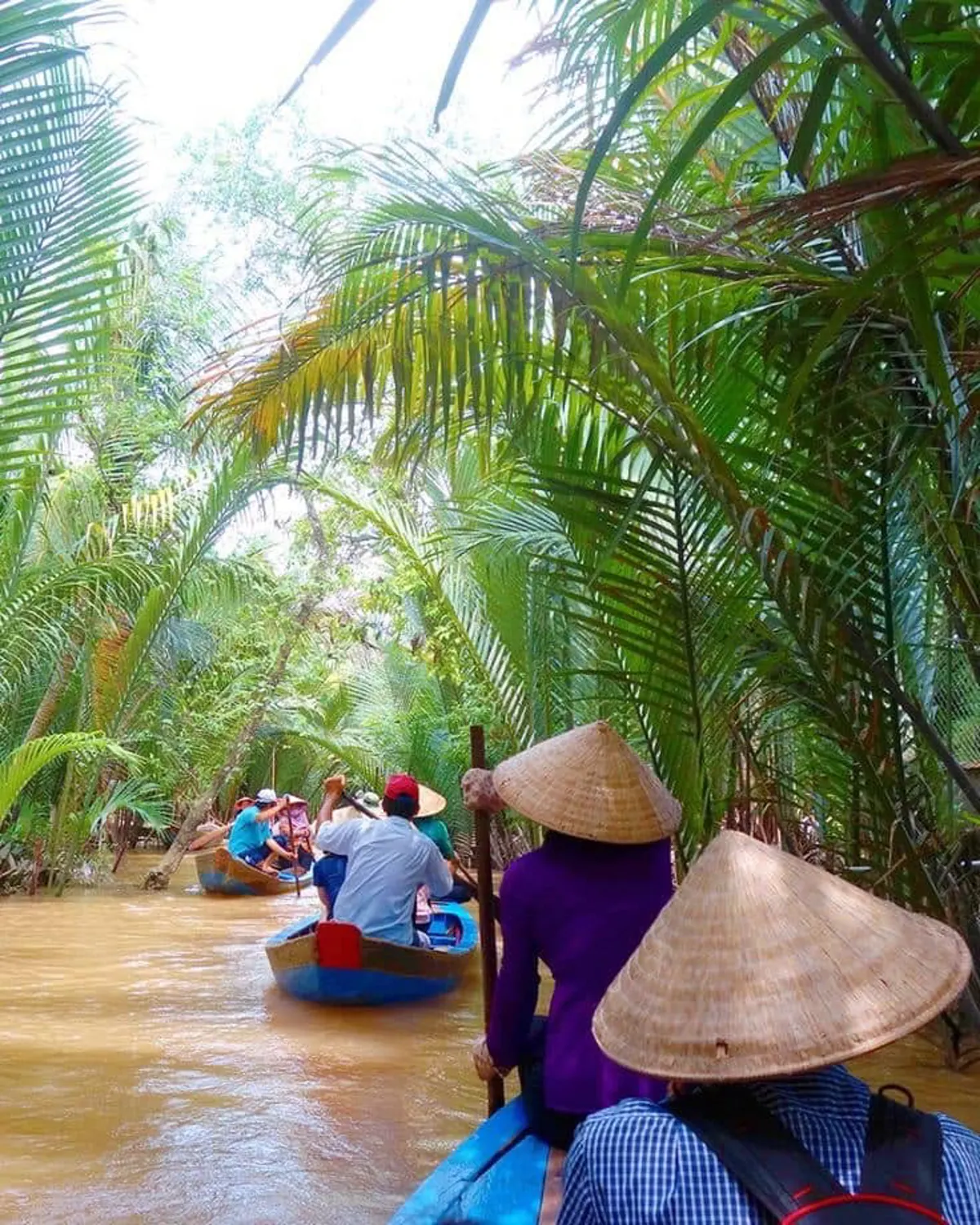
On Day 12, an early start (around 5 AM) is recommended to experience the Cai Rang Floating Market at its busiest. Boats can be hired for exploration, with shared boats costing $4–6 per person and private boats (2-hour) $20–40 per boat (1-10 passengers). After the market, a 2.5-hour drive leads to Cai Be in the Mekong Delta. A half-day tour of Cai Be typically includes visits to tropical fruit orchards on Tan Phong Islet, local factories producing coconut candy and rice paper, a traditional Don Ca Tai Tu performance, and a sampan ride through mangrove forests. The tour usually lasts about 4 hours, allowing time to return to Ho Chi Minh City (another 2.5-hour drive) for the evening.
Day 13 is dedicated to exploring Ho Chi Minh City. A full-day city tour is recommended for first-time visitors, covering key landmarks such as the Cu Chi Tunnels, Reunification Palace, War Remnants Museum, Old Post Office, Notre Dame Cathedral (currently closed for restoration until 2027), and Ben Thanh Market. In the evening, Ho Chi Minh City offers various nightlife options, including Bui Vien Street for a lively atmosphere, food tours (typically $25-$50 per person) for Vietnamese cuisine, and dinner cruises on the Saigon River for scenic views.
Central & North Vietnam: Days 14-21
Traveling from Ho Chi Minh City to Da Nang, a distance of nearly 900 kilometers, is most practical by flight (under 1.5 hours, $35–$100 per person). For a more scenic, though longer, journey (17-20 hours, $25–$55 per person), train travel is an option. Numerous daily flights are available, allowing flexibility for departure times. Visitors can spend more time in Ho Chi Minh City before taking a late afternoon or early evening flight to Da Nang.
Days 15 and 16 offer a chance to relax in Central Vietnam. Travelers can choose between the coastal city of Da Nang, known for its lively beaches and nightlife, or the ancient town of Hoi An, preferred for its quiet, cultural, and romantic atmosphere. Most visitors find Hoi An particularly charming.
In Hoi An, a half-day can be spent exploring the Ancient Town, with its lantern-lit streets and mixed architecture. Highlights include the Japanese Covered Bridge, Fujian Assembly Hall, and local tailor shops. An Bang Beach is a 10-minute drive away for relaxation. Additional experiences include exploring My Son Sanctuary, participating in farming life in Cam Thanh Village, visiting Tra Que Herb Village, or taking a basket boat ride. For more information on local financial services, consider reading about banking services in Hoi An.
The final four days (Days 17-21) focus on North Vietnam. An overnight cruise in Halong Bay is highly recommended, typically requiring at least two days and one night. Various cruise options cater to different budgets and preferences, offering experiences like kayaking, cave exploration (Sung Sot Cave, Dark & Bright caves, Luon Caves), and enjoying sunsets on deck. For those interested in coastal relaxation, exploring Halong Bay's best beaches is also an option.
Before departing, spend time in Hanoi, the capital city. Iconic landmarks include the Temple of Literature (~US $3), One Pillar Pagoda (~US $1), Ho Chi Minh’s Mausoleum (open 7:30 AM–10:30 AM, ~US $1), and Tran Quoc Pagoda (free). Hanoi's street food scene is a highlight, offering dishes like pho, banh mi, and egg coffee. Day trips to surrounding villages like Duong Lam Ancient Village, Quang Phu Cau Incense Village, or Bat Trang Pottery Village offer insights into local traditions.
Two-Week Itinerary: Highlights of Three Countries
A 14-day itinerary provides a balanced approach to seeing the primary attractions of Thailand, Cambodia, and Vietnam without excessive rushing. This option is popular for those seeking variety within a reasonable timeframe.
| Week | Day | Route |
|---|---|---|
| 1 | Day 1-4 | Thailand: Bangkok - Ayutthaya |
| Day 5-7 | Bangkok - Cambodia: Siem Reap | |
| 2 | Day 8-10 | Siem Reap - Vietnam: Ho Chi Minh City - Mekong Delta - Cu Chi Tunnels |
| Day 11-14 | Ho Chi Minh City - Hanoi - Halong Bay - Hanoi |
The journey begins in Bangkok, Thailand. Upon arrival, options for the first evening include attending the Muay Thai Live Show at Asiatique Riverfront or visiting a rooftop bar like Octave Rooftop Lounge & Bar. The next two days can be spent exploring Bangkok's temples (Grand Palace, Wat Phra Kaew, Wat Pho, Wat Arun) and taking a day trip to Ayutthaya (Wat Phra Si Sanphet, Wat Yai Chai Mongkol, Wat Phra Mahathat). Other activities in Ayutthaya include visiting the Ayutthaya Elephant Palace and Tha Pae Market. Most temples are open daily from 8:00 AM to 4:30 PM, and bicycle rentals are available for $1.5-$3 per day. The final day in Bangkok can be dedicated to shopping at malls like Siam Paragon, Terminal 21, or MBK Center, or experiencing the atmosphere of Khao San Road.
Days 5-7 involve travel to Siem Reap, Cambodia, with direct flights from Bangkok taking about 1 hour and costing around $100. The second day in Siem Reap is for a classic temple tour of the Angkor Complex, including Angkor Wat, Angkor Thom, Ta Prohm, and Bayon Temple, with an option to watch the sunset from Phnom Bakheng mountain. The third day offers activities such as a Kampong Khleang – Tonle Sap Floating Village tour, Angkor Zipline, or a Sunset Quad Bike Excursion.
On Day 8, fly from Siem Reap to Ho Chi Minh City, Vietnam (about 1.5 hours, $120-$220). Day 9 includes a visit to the Cu Chi Tunnels, an extensive underground network used during the Vietnam War. Visitors can crawl through sections of the tunnels. Afterward, a city tour of Ho Chi Minh City can cover the Independence Palace, War Remnants Museum, and Ben Thanh Market. A motorbike tour is also an option for around $65 per person. For information on managing finances in the city, see our guide to banking services in Ho Chi Minh City.
The last days in South Vietnam are for a Mekong Delta trip, featuring sampan rides along canals, visits to villages, and traditional Don Ca Tai Tu musical performances. Fruit orchards offer fresh fruit tasting for VND 20,000 - 50,000 (US $1-2).
On Day 11, fly from Ho Chi Minh City to Hanoi (around 2 hours, $160-$280). Day 12 focuses on Hanoi's cultural and historical sites: One Pillar Pagoda, Temple of Literature, and Ho Chi Minh Mausoleum (open 7:30 AM–10:30 AM). The next two days are for an overnight cruise in Halong Bay, including kayaking, deck sunsets, and cave exploration. The final day can be spent exploring Hanoi's street food, shopping, and enjoying coffee.
Ten-Day Itinerary: A Condensed Overview
For travelers with limited time, a 10-day itinerary offers a quick yet comprehensive introduction to Thailand, Cambodia, and Vietnam, focusing on key cultural, historical, and culinary experiences.
| Day | Route |
|---|---|
| Day 1-4 | Thailand: Bangkok - Cambodia: Siem Reap |
| Day 5-7 | Siem Reap - Phnom Penh - Vietnam: HCMC |
| Day 8-10 | HCMC - Cu Chi Tunnels - Mekong Delta - HCMC |
The trip begins in Bangkok, Thailand. With 2.5 to 3 full days, visitors can explore at a relaxed pace on the first day. The next two days can be customized based on interests:
- Classic city tour: Grand Palace, Wat Phra Kaew, Wat Pho, Chao Phraya River, Wat Arun (1 day).
- Visiting Ayutthaya: Wat Phra Si Sanphet, Wat Yai Chai Mongkol, Wat Phra Mahathat, Ayutthaya Elephant Palace, Tha Pae Market (1 day).
- Tuk-tuk street food tour: Papaya salad, tomyum kung, curry, pad thai, mango sticky rice (half-day).
- Shopping: Siam Paragon, Terminal 21, Central World, MBK Center (1 day).
- Bangkok Safari: Safari Park, Marine Park, Animal Shows (half-day/1-day).
On Day 4, travel from Bangkok to Siem Reap by bus ($20–25, 6–7 hours) or flight ($120–200, 1 hour).
Days 5-7 are dedicated to Cambodia and onward travel to Vietnam. Day 5 focuses on Angkor Archaeological Park, including Angkor Wat, Angkor Thom, Bayon Temple, and Ta Prohm Temple, with a sunset view from Phnom Bakheng Temple. On Day 6, travel to Phnom Penh by morning flight (AirAsia, from $65, around 8:30 AM, not daily) or bus ($10–18, 6–7 hours). A half-day in Phnom Penh can cover the Royal Palace, Silver Pagoda, National Museum, and Wat Phnom. For more on local dining, explore our dining guide to Phnom Penh. On Day 7, fly from Phnom Penh to Ho Chi Minh City ($100–150) or take a shuttle bus ($20–25, 6–7 hours).
Days 8-10 are for South Vietnam. One full day should be allocated to visiting the Cu Chi Tunnels and the Mekong Delta. The remaining two days can be spent exploring Ho Chi Minh City, with options including a classic city tour (Reunification Palace, War Remnants Museum, Notre Dame Cathedral, Old Post Office, Ben Thanh Market), a walking food tour (3-4 hours), or a dinner cruise on the Saigon River (2-3 hours).
Seven-Day Itinerary: A Brief Introduction
This itinerary is designed for travelers with very limited time, offering a quick overview of three distinct cultures within one week. It is suitable for fast-paced trips or layovers in Asia.
| Day | Route |
|---|---|
| Day 1-2 | Thailand: Bangkok |
| Day 3-4 | Cambodia: Siem Reap |
| Day 5-7 | Vietnam: Ho Chi Minh City |
Arrive in Bangkok, Thailand. With limited time, prioritize a classic city tour to iconic landmarks like Bangkok’s temples and the Grand Palace. A day tour to Ayutthaya is an alternative for those seeking historical sites. Any spare time can be used for shopping or exploring local food and coffee. On the evening of Day 2, fly to Siem Reap.
Days 3-4 are for Siem Reap, Cambodia. Dedicate one day to Angkor Archaeological Park, visiting Angkor Wat, Angkor Thom, and watching the sunset from Phnom Bakheng Temple. Remaining time can be spent on activities like a Quad Bike Tour (from $30 per person), Siem Reap Zipline (from $118 per person), or Chong Kneas Floating Village tour (from $80 per person). On the final night in Siem Reap, fly to Ho Chi Minh City, Vietnam (evening flights are limited and often cost $140–200, primarily with Vietnam Airlines and Air Cambodia).
Days 5-7 in South Vietnam offer a more relaxed pace. A classic city tour in Ho Chi Minh City, a visit to the Cu Chi Tunnels, and a short trip to the Mekong Delta can be completed within Day 5 and 6. The final day can be used for souvenir shopping, a short massage, or enjoying local meals in Ho Chi Minh City before departure. While a 7-day trip is possible, extending to at least 10 days or focusing on 1-2 countries is generally recommended for a more fulfilling experience.
Comparing Itinerary Durations
The optimal trip duration depends on individual travel style and available time. This comparison, based on common traveler preferences, highlights the benefits and considerations for different itinerary lengths.
| Duration | Popularity | Pros & Cons | Ideal For |
|---|---|---|---|
| 3 weeks | Popular for slow travel lovers | Pros: Time for cultural depth, diverse landscapes, flexible pacing. Cons: Requires more time off work. | Retirees, gap year travelers, slow travelers (popular with Americans and Europeans) |
| 14 days | Very common for semi-fast tours | Pros: Covers key highlights, balanced pace. Cons: Less time for smaller attractions. | Working professionals (common among Australians, Singaporeans) |
| 10 days | Moderate use for fast travel | Pros: Quick overview, easier to plan. Cons: Rushed, limited experiences. | Budget travelers with limited time (popular with Southeast Asian or Asian travelers) |
| 7 days | Limited to fast-track tourists | Pros: Budget-friendly, snapshot of each country. Cons: Very rushed, often skips destinations. | Backpackers, short-term vacationers (often with Southeast Asian or Asian travelers) |
For a truly meaningful and immersive experience, a three-week trip is often considered the best option. If vacation days are limited, a two-week itinerary still provides a good balance of sightseeing and relaxation, and is a popular choice for covering major highlights efficiently. Shorter trips of 7 or 10 days are generally not recommended for covering all three countries, as they can lead to a rushed experience and potentially miss the unique aspects of the region.
Practical Travel Advice for Your Trip
Currency Information
Each country uses its own currency, and understanding exchange rates is important for managing expenses. It is advisable to carry small USD bills, especially for Cambodia and border crossings. ATMs are reliable in major cities; using local bank machines can help avoid high fees. Exchange currency at airports, hotels, or reputable money changers, avoiding roadside stalls. Multi-currency digital wallets can offer better exchange rates and fee refunds. As a tip, if your credit card has low or no foreign transaction fees, you can sometimes overpay slightly and request change in local currency, but always confirm with the vendor first.
| Country | Currency | Exchange Rate (Approx.) |
|---|---|---|
| Thailand | Thai Baht (THB) | 1 USD ≈ 35–37 THB |
| Cambodia | Cambodian Riel (KHR) | 1 USD ≈ 4,000 KHR |
| Vietnam | Vietnamese Dong (VND) | 1 USD ≈ 26,000–26,500 VND |
What to Pack
Packing appropriately is crucial for comfort across varying climates and activities. Laundry services are generally inexpensive and readily available, so overpacking is usually unnecessary.
- All Seasons: Lightweight, breathable clothing (cotton/linen), a scarf or sarong (multi-use), reusable water bottle and daypack, universal travel adapter (Types A, C, G), sunscreen and mosquito repellent, personal medication, and a basic first-aid kit.
- Dry Season (November–April): Sunglasses and sun hat, light scarf for sun/dust protection, flip-flops or sandals for beaches, swimsuit and quick-dry towel, light jacket (for northern regions in the evenings).
- Rainy Season (May–October): Compact raincoat or poncho, waterproof bag cover or dry bag, extra socks and quick-dry clothes, waterproof sandals or slip-resistant shoes, strong insect repellent.
Accommodation Choices
Selecting the right accommodation enhances the travel experience. The following recommendations cover popular areas and hotel types, offering comfort and convenience.
Thailand
Best areas to stay: Bangkok: Sukhumvit or Riverside; Chiang Mai: Old Town or Nimmanhaemin.
| City | Hotel | Address | Standard & Price |
|---|---|---|---|
| Bangkok | Ibis Bangkok Riverside | 27 Soi Charoen Nakhon 17, Riverside | 3-star, from US $35 |
| Novotel Bangkok Sukhumvit 20 | 19/9 Sukhumvit 20 Alley, Khlong Toei | 4-star, from US $70 | |
| Mandarin Oriental Bangkok | 48 Oriental Ave, Bang Rak | 5-star, from US $350 | |
| Chiang Mai | Eco Resort Chiang Mai | 109 Bumrungrad Rd, Wat Ket | 3-star, from US $20 |
| U Nimman Chiang Mai | 1 Nimmanhaemin Rd, Suthep | 4-star, from US $80 | |
| Anantara Chiang Mai Resort | 123 Charoen Prathet Rd, Chang Khlan | 5-star, from US $250 |
Cambodia
Best areas to stay: Siem Reap: Near Pub Street or Wat Bo Road; Phnom Penh: Riverside or BKK1 area.
| City | Hotel | Address | Standard & Price |
|---|---|---|---|
| Phnom Penh | Okay Boutique Hotel | No. 174 Street 19Z, Daun Penh | 3-star, from US $30 |
| Sun & Moon, Urban Hotel | No. 68 Street 136, Daun Penh | 4-star, from US $70 | |
| Raffles Hotel Le Royal | 92 Rukhak Vithei Daun Penh | 5-star, from US $250 | |
| Siem Reap | Ladear Angkor Boutique | No. 418, Siem Reap City | 3-star, from US $25 |
| Golden Temple Hotel | Krom 6, Phoum Sala Kanseng, Sangkat Svay Dangkum | 4-star, from US $70 | |
| Sofitel Angkor Phokeethra Golf & Spa Resort | Vithei Charles De Gaulle, Khum Svay Dang Kum | 5-star, from US $280 |
Vietnam
Best areas to stay: Hanoi: Old Quarter or West Lake; Hoi An: Ancient Town or An Bang Beach; Ho Chi Minh City: District 1 or District 3.
| City | Hotel | Address | Standard & Price |
|---|---|---|---|
| Hanoi | The Oriental Jade Hotel | 92-94 Hang Trong, Hoan Kiem | 4-star, from US $80 |
| Sofitel Legend Metropole Hanoi | 15 Ngo Quyen Street, Hoan Kiem | 5-star, from US $280 | |
| Hoi An | La Siesta Hoi An Resort & Spa | 132 Hung Vuong, Thanh Ha Ward | 4-star, from US $85 |
| Four Seasons Resort | Block Ha My Dong B, Dien Duong | 5-star, from US $550 | |
| Ho Chi Minh City | Liberty Central Saigon Riverside Hotel | 17 Ton Duc Thang, District 1 | 4-star, from US $90 |
| The Reverie Saigon | 22-36 Nguyen Hue Boulevard & 57-69F Dong Khoi Street, District 1 | 5-star, from US $350 |
Estimated Trip Expenses
The overall cost of a trip to Thailand, Cambodia, and Vietnam varies based on duration, service level, and chosen activities. The following table provides approximate cost ranges per person, compiled from recent traveler experiences.
| Duration | Average cost/person |
|---|---|
| 3 weeks | Super saver: from US $2600; Deluxe: from US $3000 |
| 14 days | Super saver: from US $2100; Deluxe: from US $2800 |
| 10 days | Super saver: from US $1200; Deluxe: from US $1400 |
| 7 days | Super saver: from US $1000; Deluxe: from US $1200 |
Sustainable Travel Practices
Traveling responsibly involves respecting the environment, local communities, and cultural heritage. Here are ways to make a positive impact in each country:
- Thailand: Dress modestly at religious sites (e.g., Wat Pho, Chiang Mai temples). Support ethical elephant sanctuaries. Participate in local workshops (cooking, meditation, batik). Explore less-visited areas. Avoid elephant riding or animal shows and disrespectful clothing at religious sites.
- Cambodia: Dine at NGO-supported restaurants. Join village bike tours in Battambang or Kampong Thom. Shop at artisan cooperatives. Avoid visiting orphanages, buying cheap mass-produced souvenirs, or giving money directly to children.
- Vietnam: Opt for train travel. Choose homestays in Sapa, Ha Giang, or the Mekong Delta. Take street food tours led by locals. Limit short-distance flights and stays in large chain hotels in rural areas, and avoid impersonal group tours. For those interested in overnight rail journeys in Vietnam, detailed information is available.
Cross-Border Sustainable Tips: Carry a refillable water bottle (many cafes/hostels offer refills). Use digital maps to reduce paper waste. Bring a reusable tote bag for markets and snacks. Always ask permission before photographing locals or religious practices.
Frequently Asked Questions
What is the best route for a multi-country trip: Thailand to Cambodia to Vietnam, or vice versa?
There is no single