Sapa
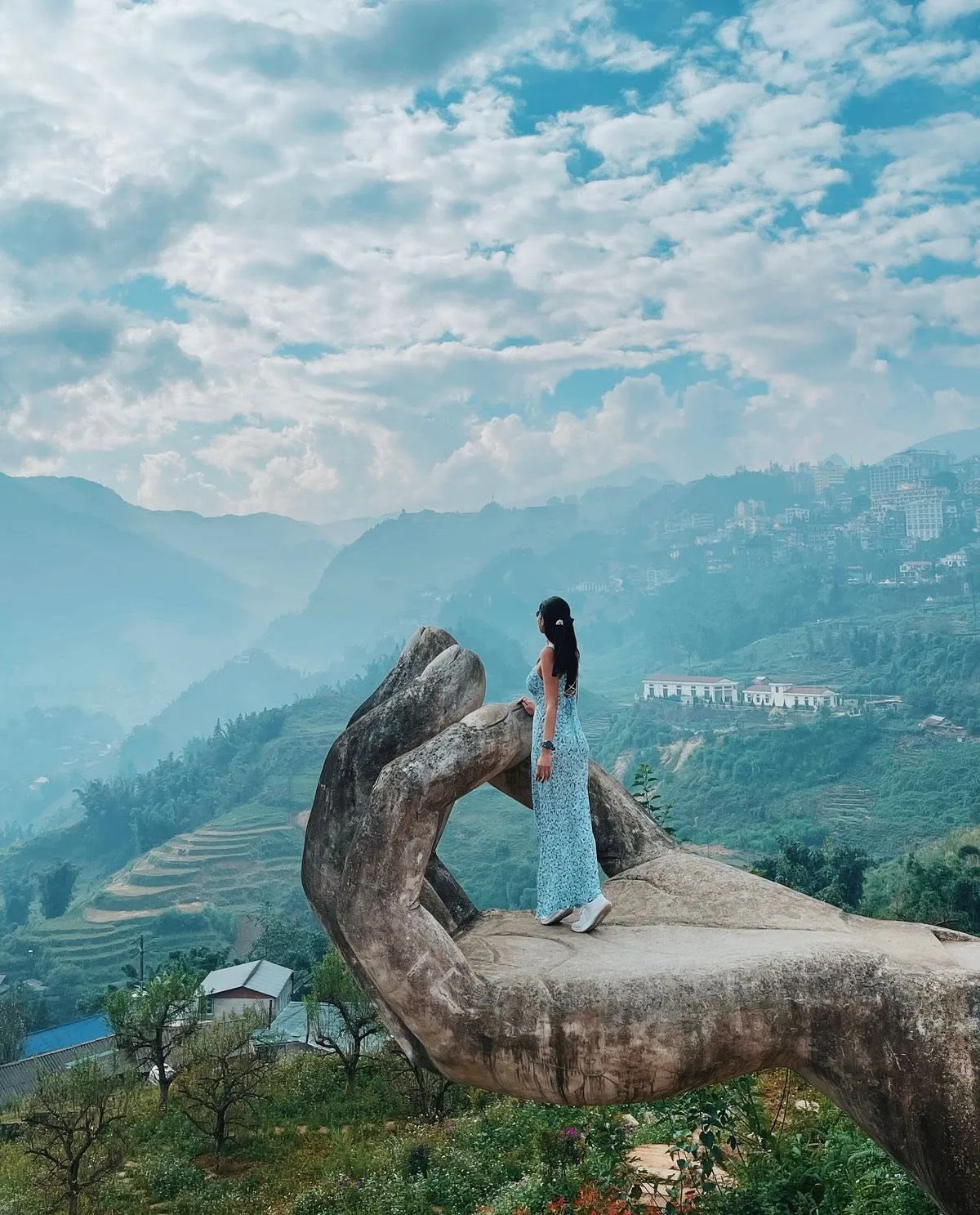
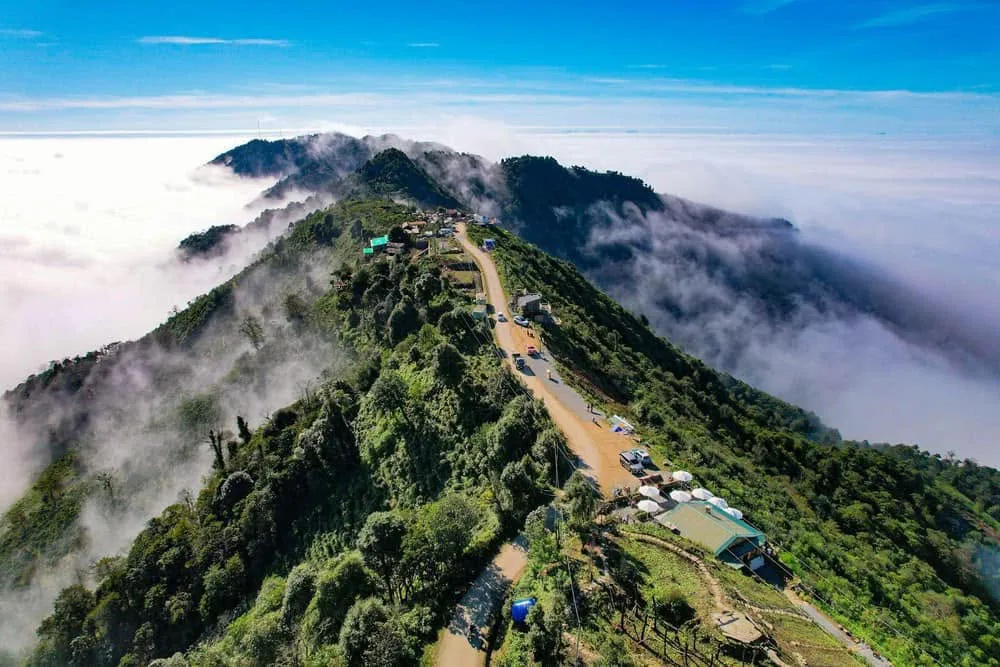
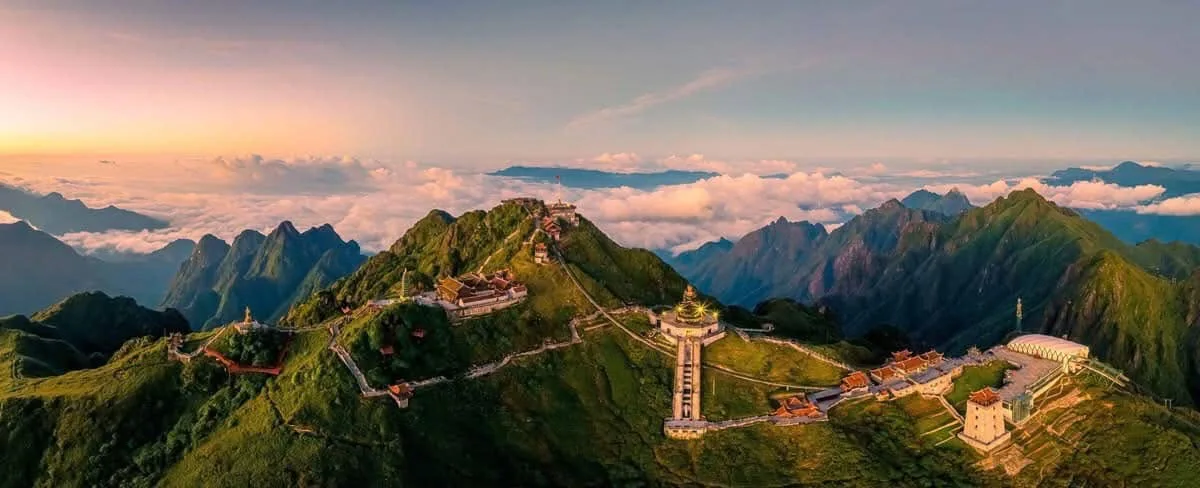
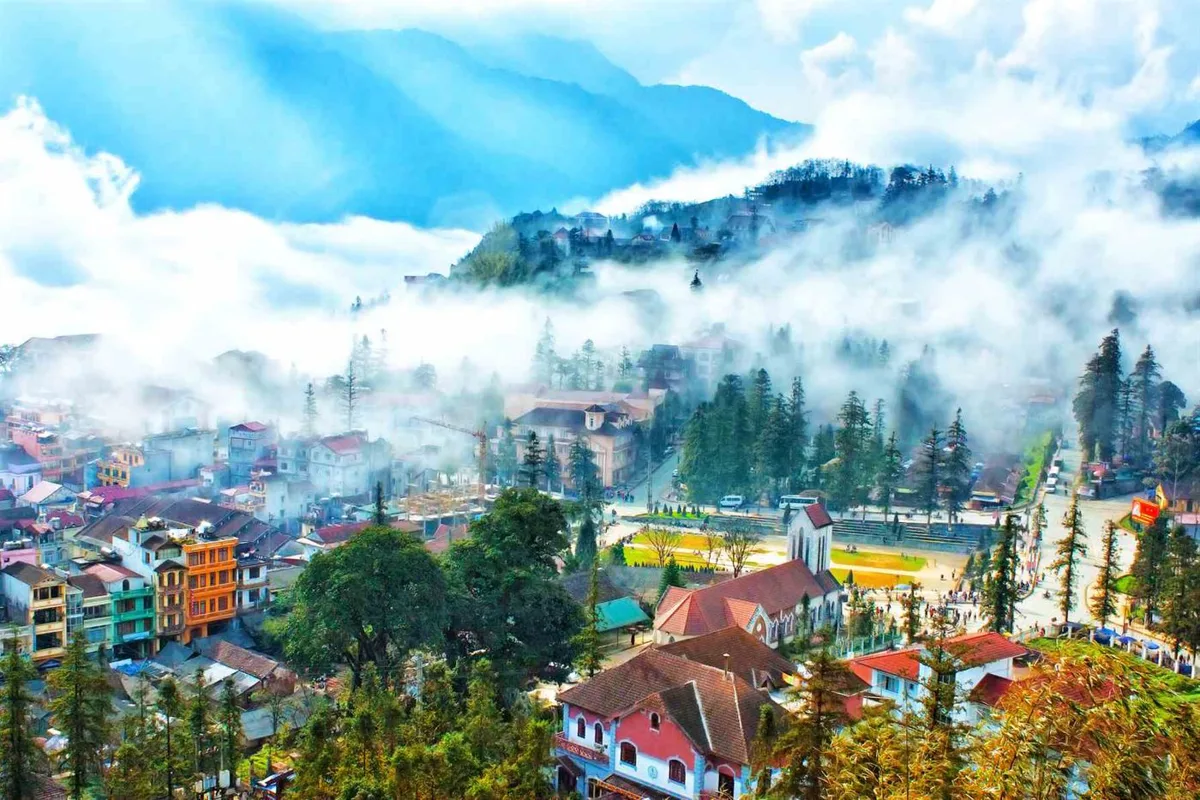
Nestled high in the Hoang Lien Son mountains of Northern Vietnam, Sapa is a captivating town renowned for its breathtaking terraced rice fields, vibrant ethnic minority cultures, and refreshingly cool climate. Often referred to as the gateway to Fansipan, the 'Roof of Indochina', Sapa offers a unique blend of natural beauty and profound cultural experiences, making it an essential destination for any traveler to Vietnam.
This comprehensive guide provides international tourists with all the essential information to plan an unforgettable journey to Sapa, focusing on practical advice, cultural insights, and stunning natural attractions.
Why Visit Sapa?
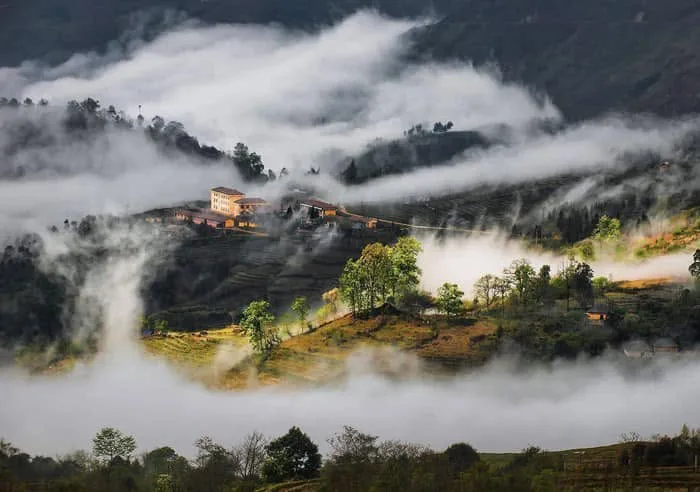
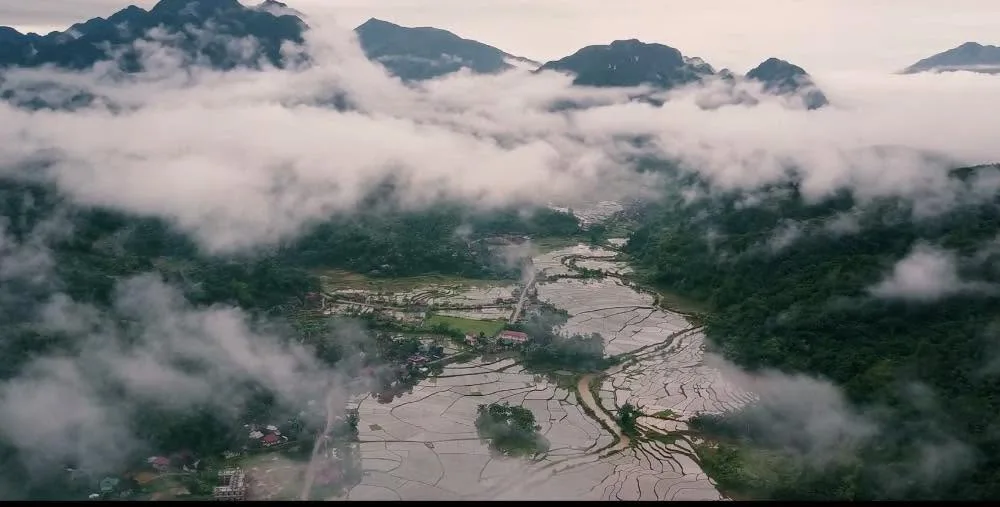
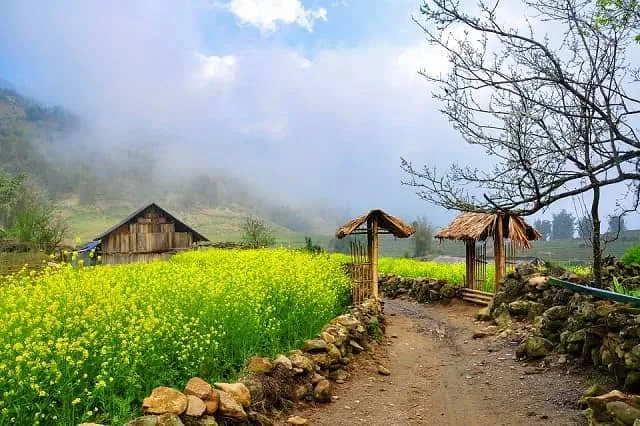
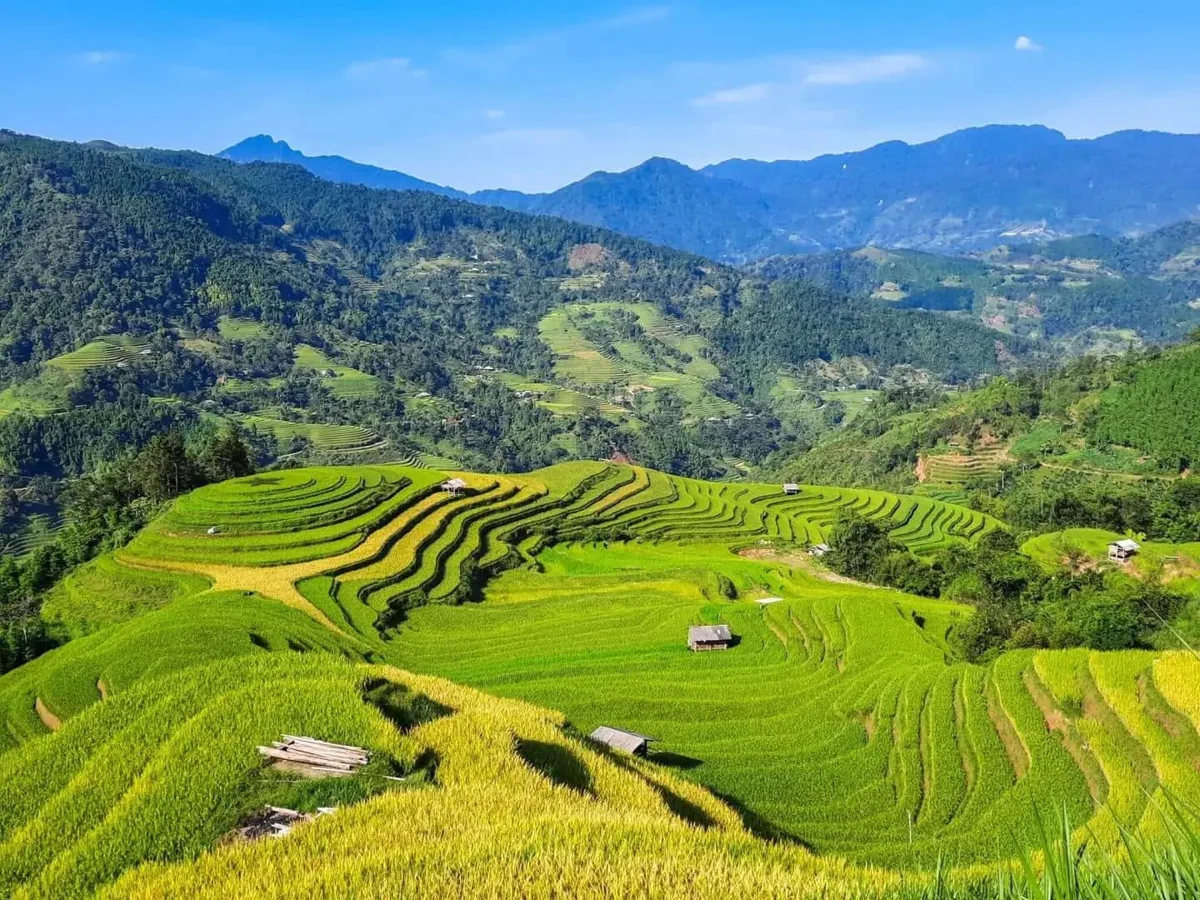
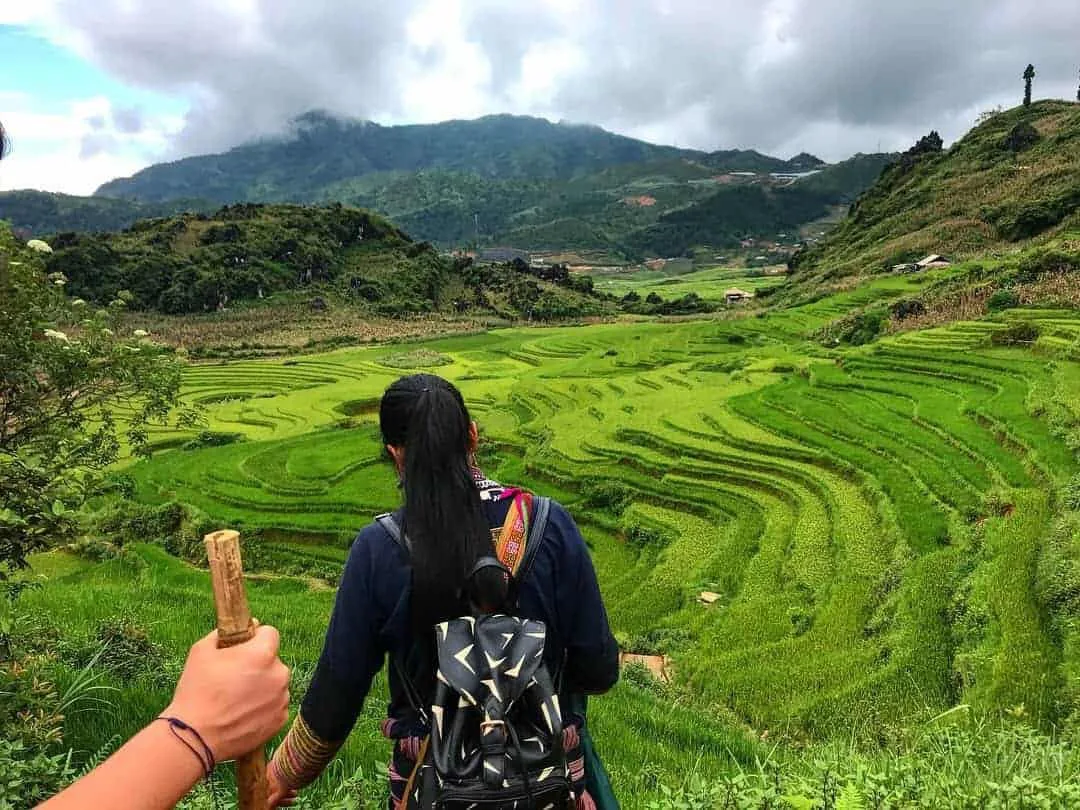
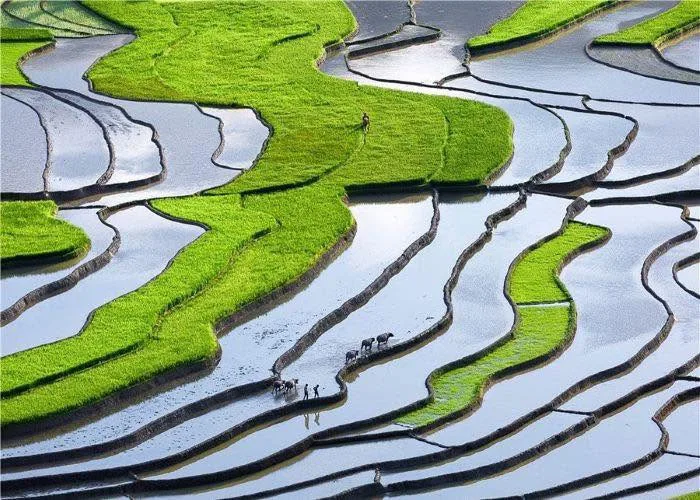
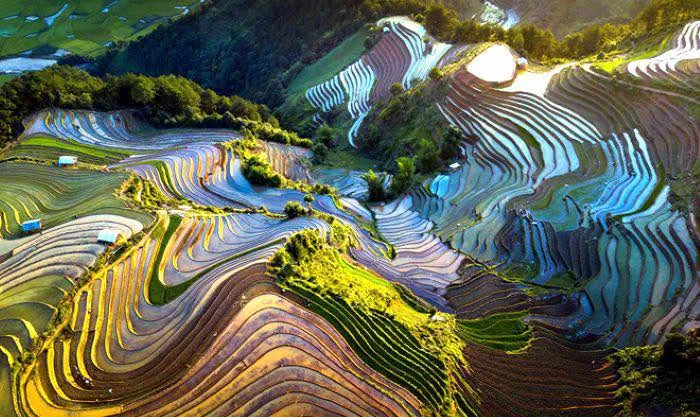
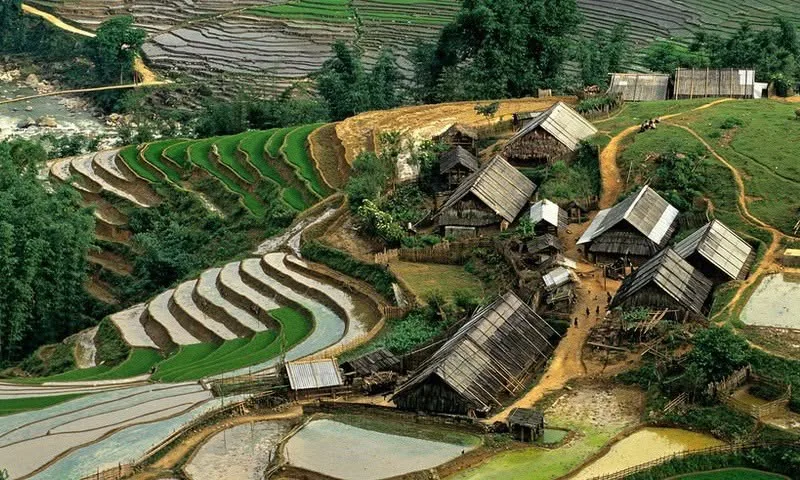
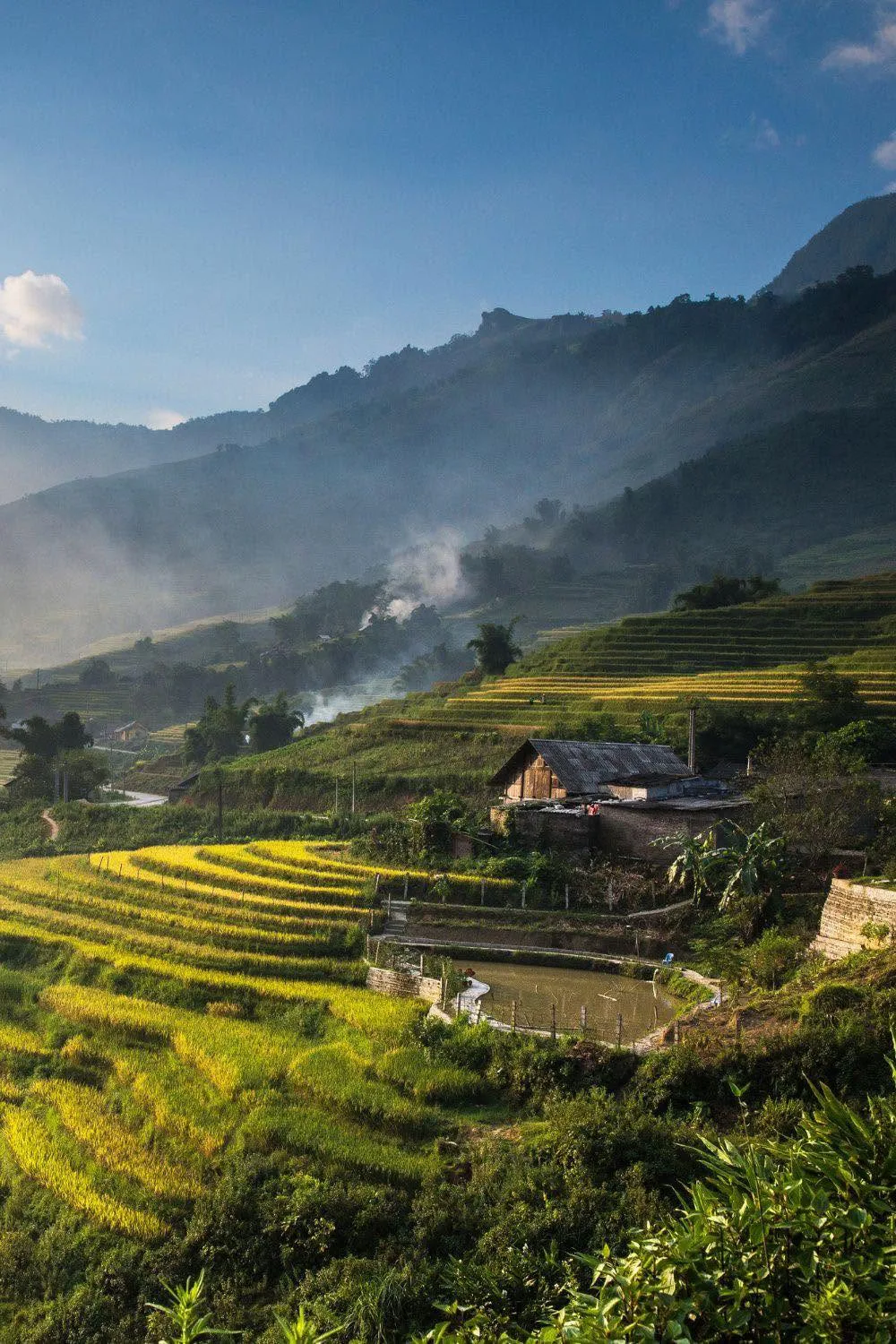
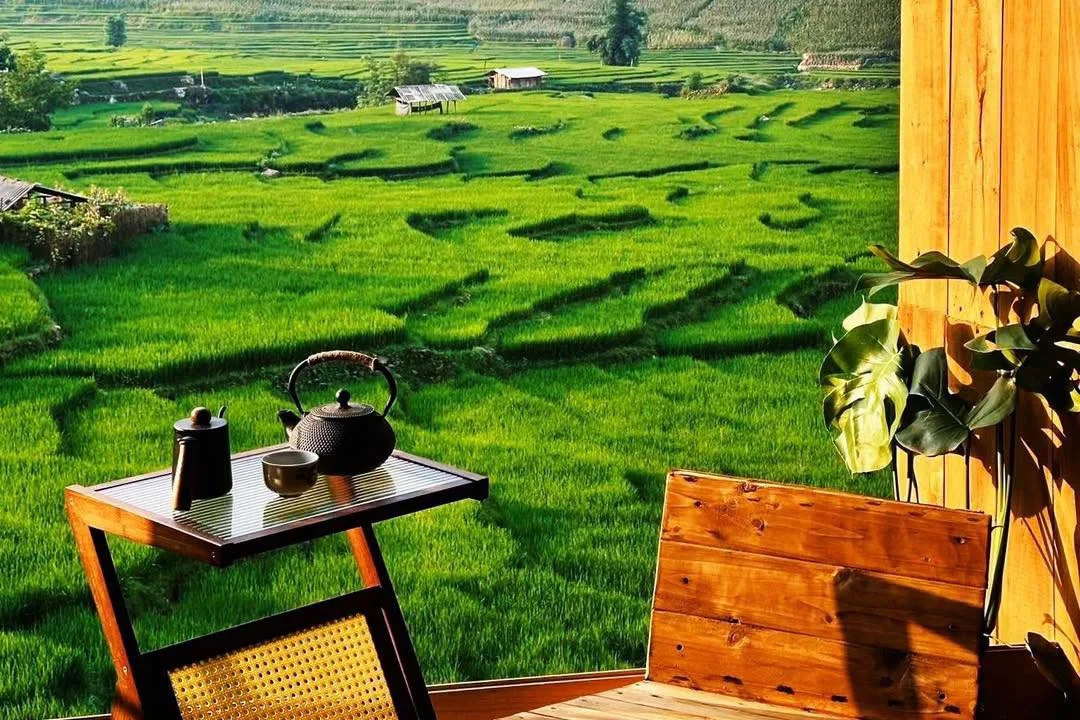
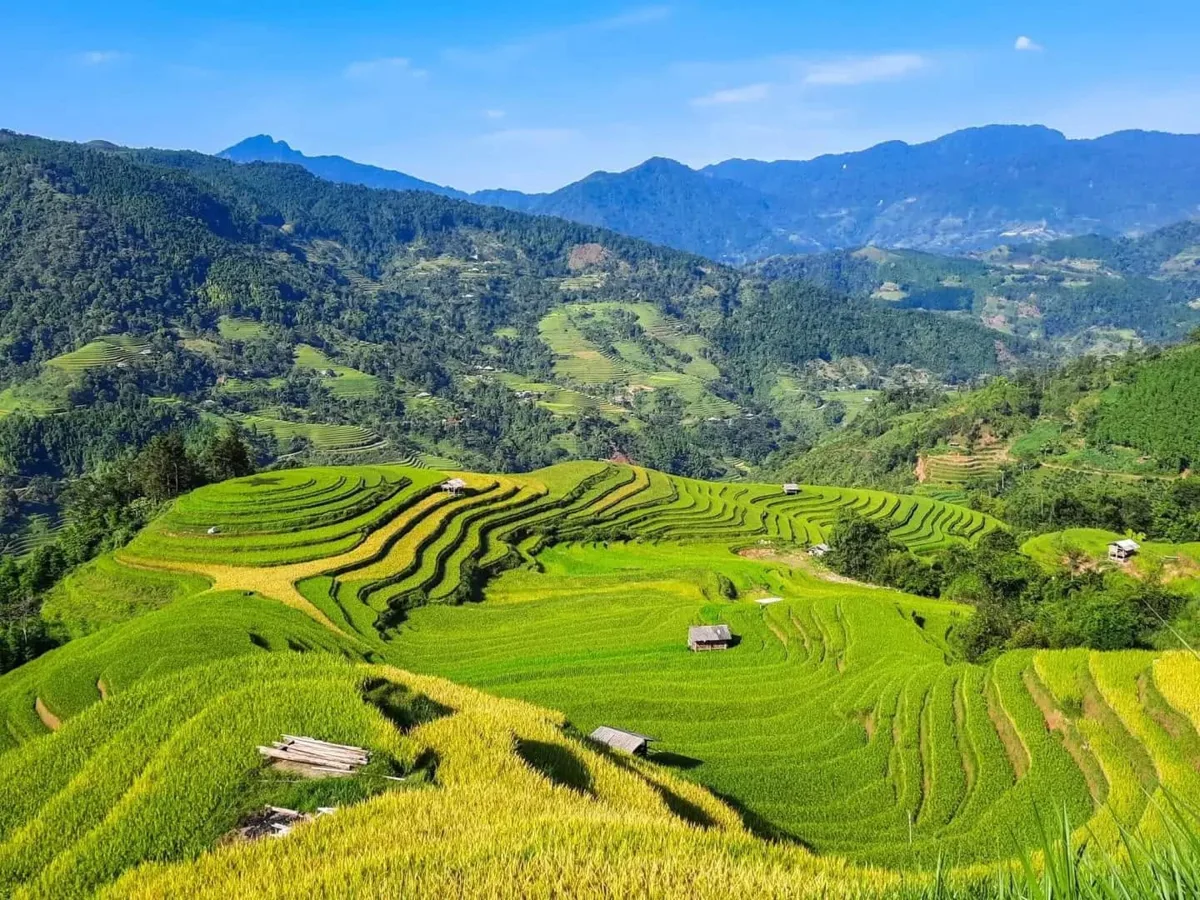
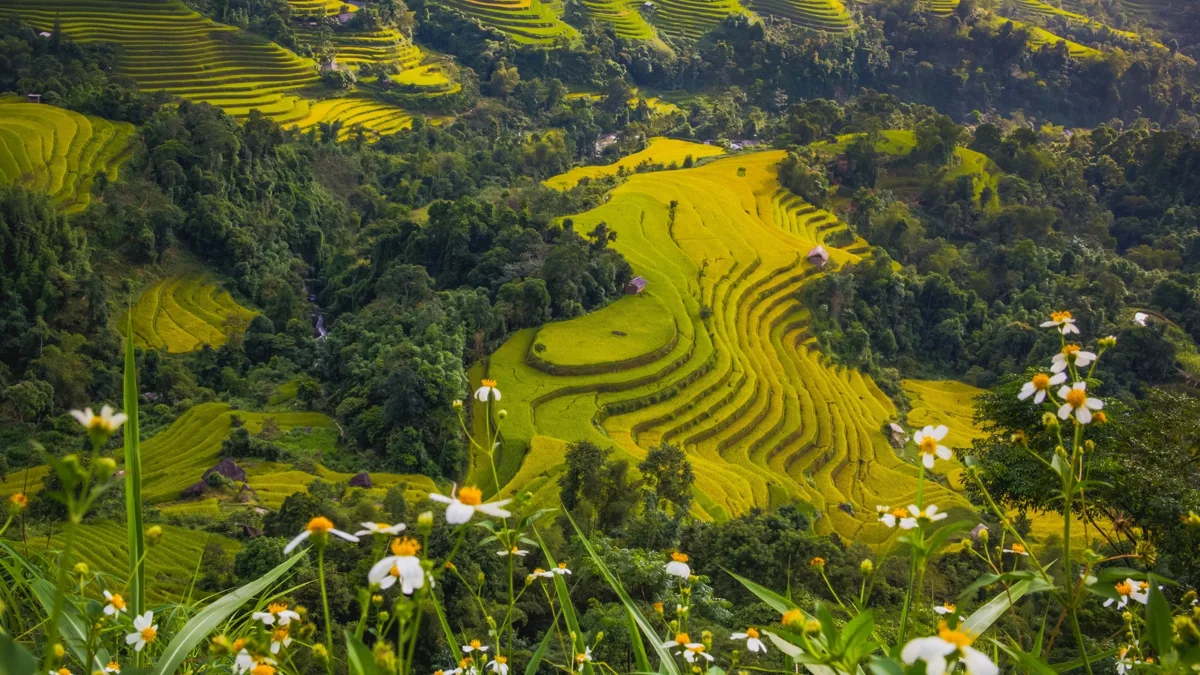
- Spectacular Landscapes: Sapa's most iconic feature is its dramatic terraced rice paddies, carved into steep hillsides, creating an awe-inspiring mosaic of green and gold depending on the season. Beyond the rice fields, visitors can explore lush valleys, cascading waterfalls, and towering mountain peaks.
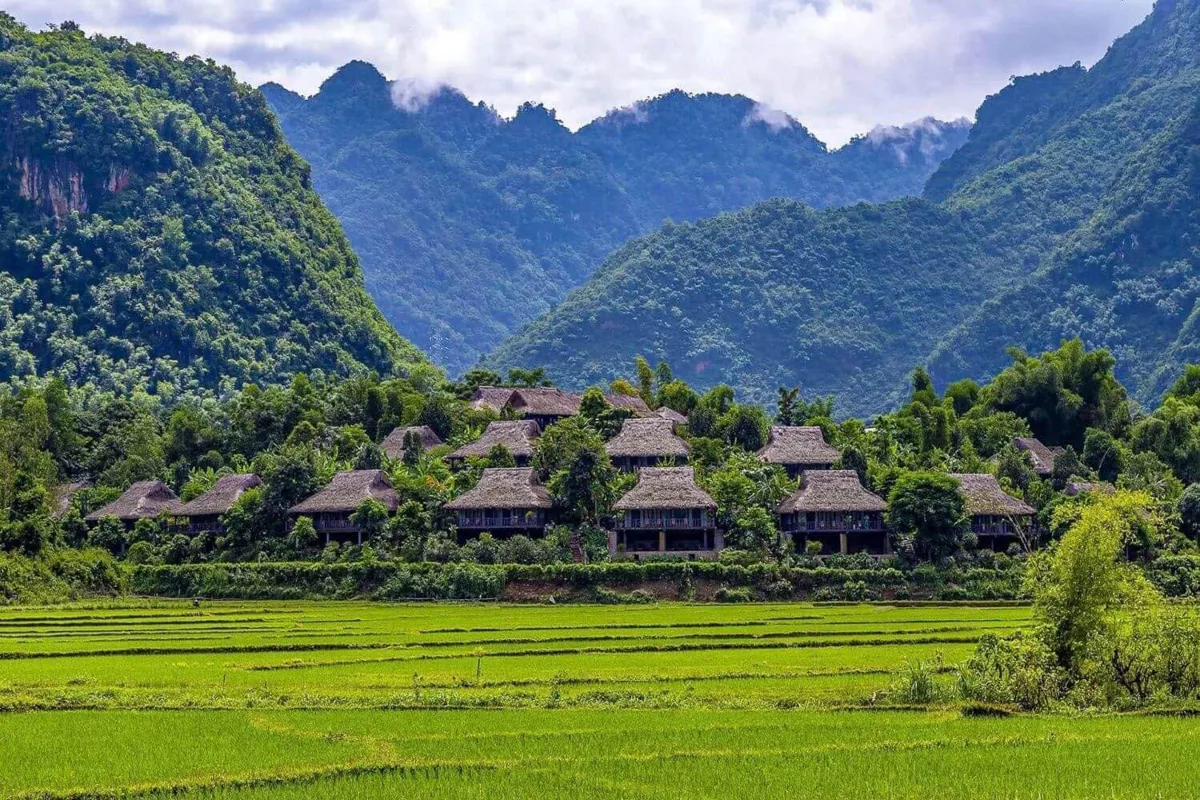
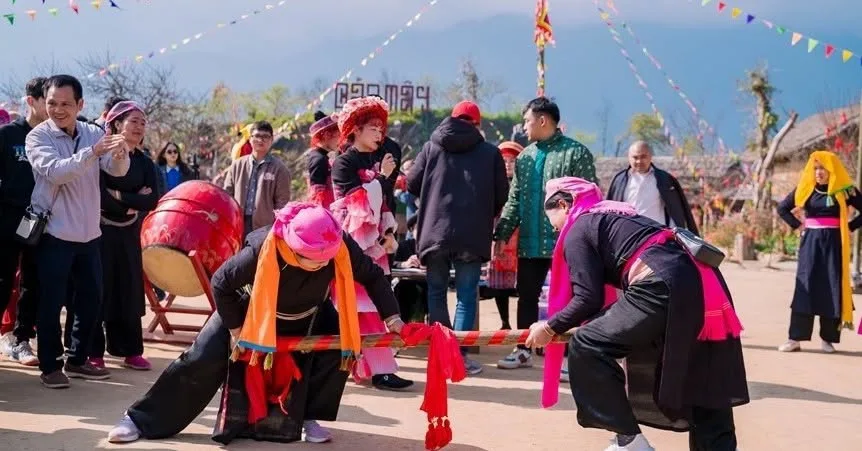
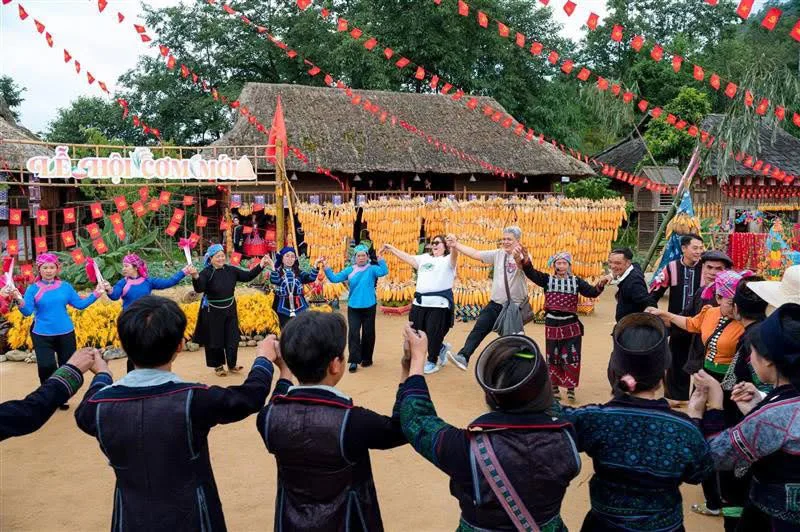
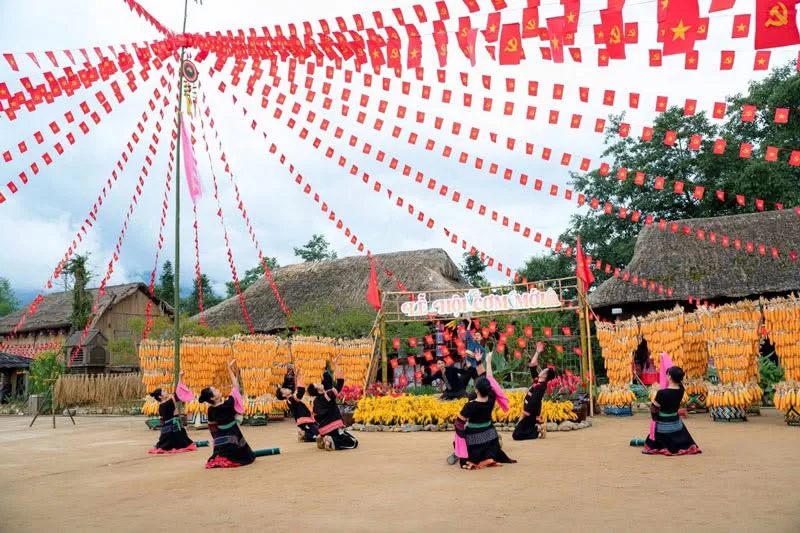
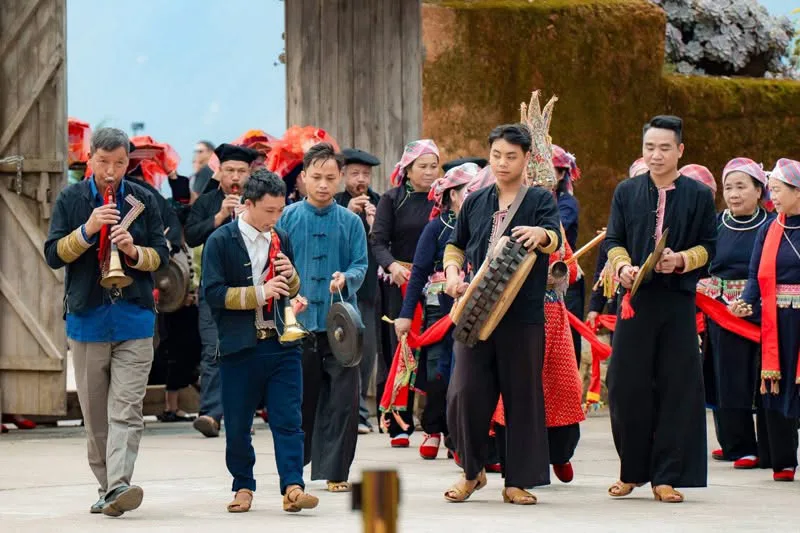
- Rich Cultural Experiences: Home to several ethnic minority groups, including the H'mong, Dao, Tay, Giay, and Xa Pho, Sapa offers a unique opportunity to learn about their distinct traditions, languages, and way of life. Engaging with local communities through village visits and homestays provides invaluable cultural immersion.
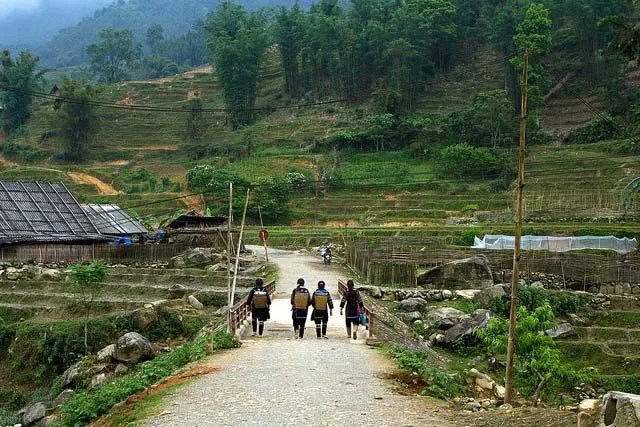
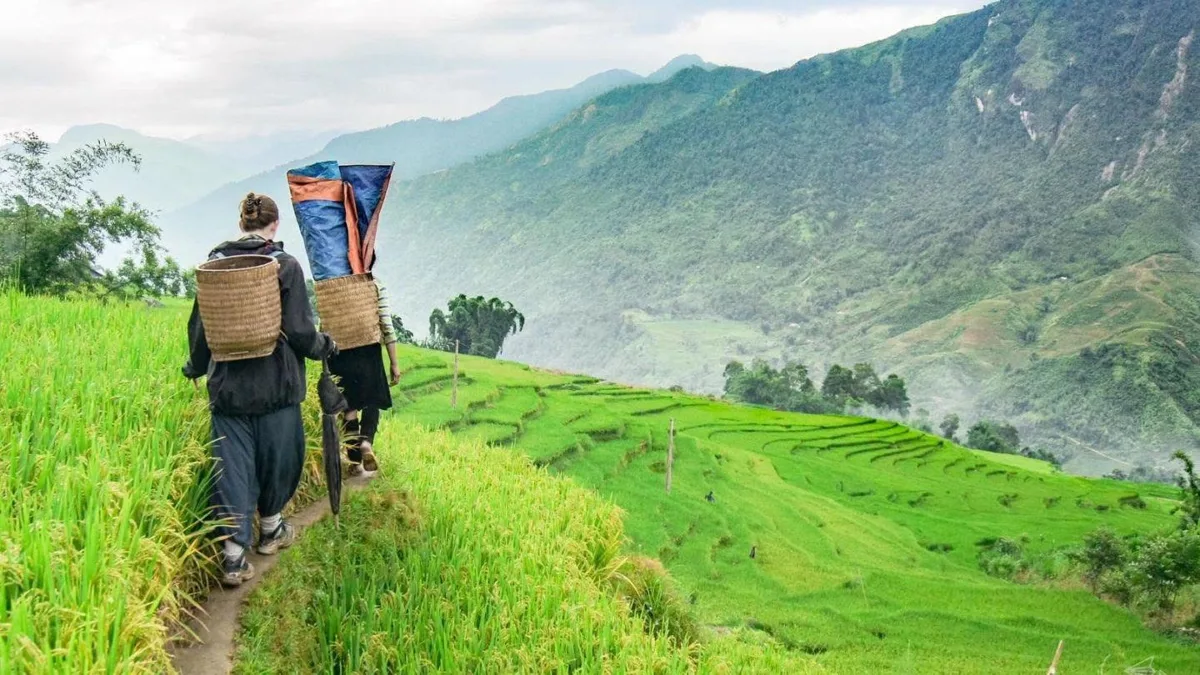
- Trekking Paradise: With a network of trails ranging from gentle walks through villages to challenging ascents up mountain slopes, Sapa is a trekker's dream. Explore bamboo forests, cross suspension bridges, and discover hidden hamlets.
- Cool Climate Escape: Offering a welcome respite from Vietnam's tropical heat, Sapa's temperate climate provides comfortable conditions for exploration, especially during the warmer months.
Best Time to Visit Sapa
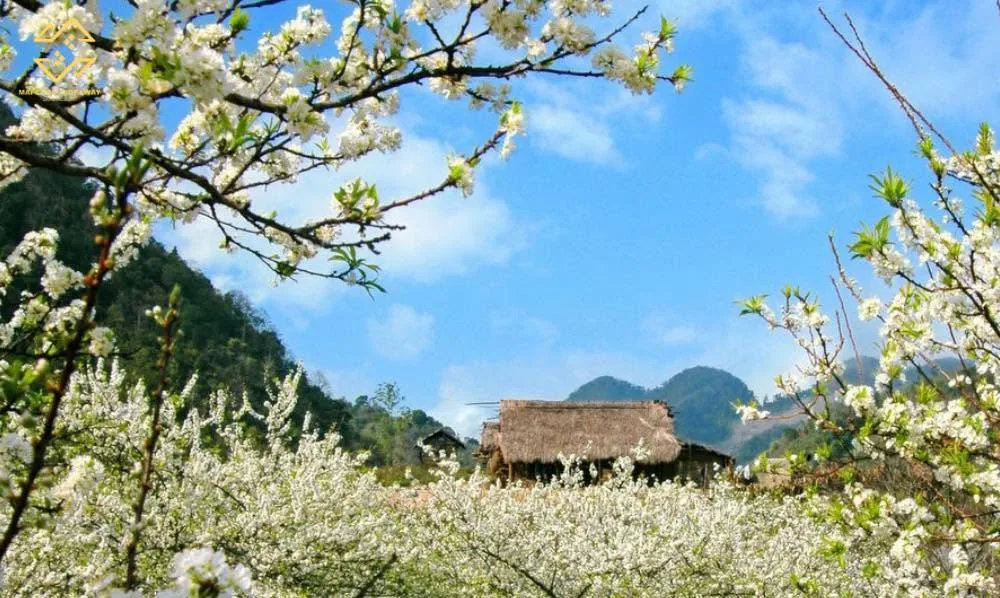
- March to May (Spring): Pleasant weather with clear skies, blooming flowers, and rice paddies beginning to turn green. Ideal for trekking and photography.
- September to November (Autumn): Considered the peak season, especially late September to early October, when the rice fields turn a magnificent golden hue just before harvest. The weather is cool and dry, perfect for outdoor activities.
- June to August (Summer): Characterized by lush green landscapes and occasional heavy rains. While trekking can be muddy, the scenery is vibrant, and the air is fresh.
- December to February (Winter): Cold and often foggy, with a rare chance of light snow. Offers a unique, mystical atmosphere, though some trails may be challenging.
Sapa Highlights
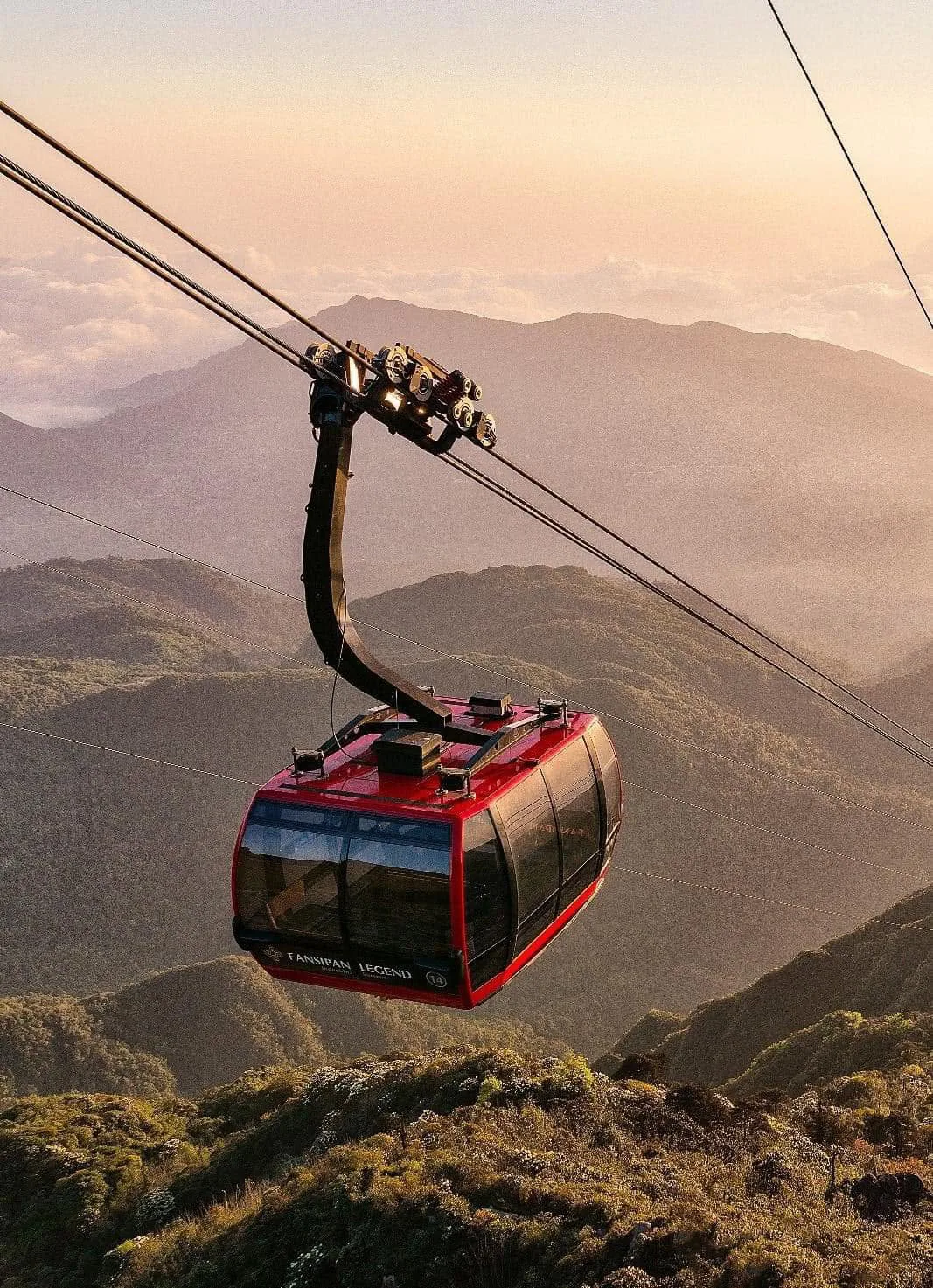
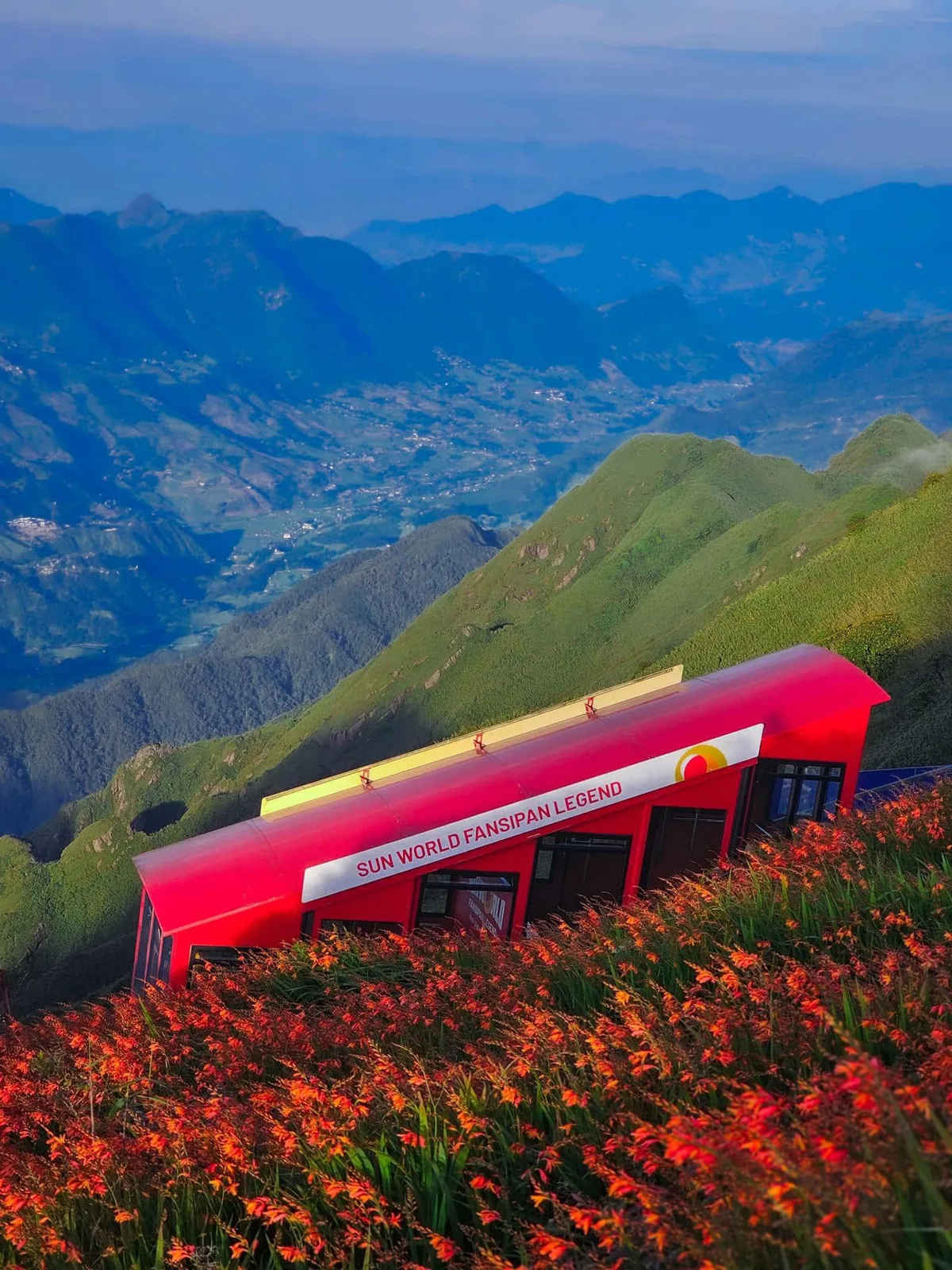
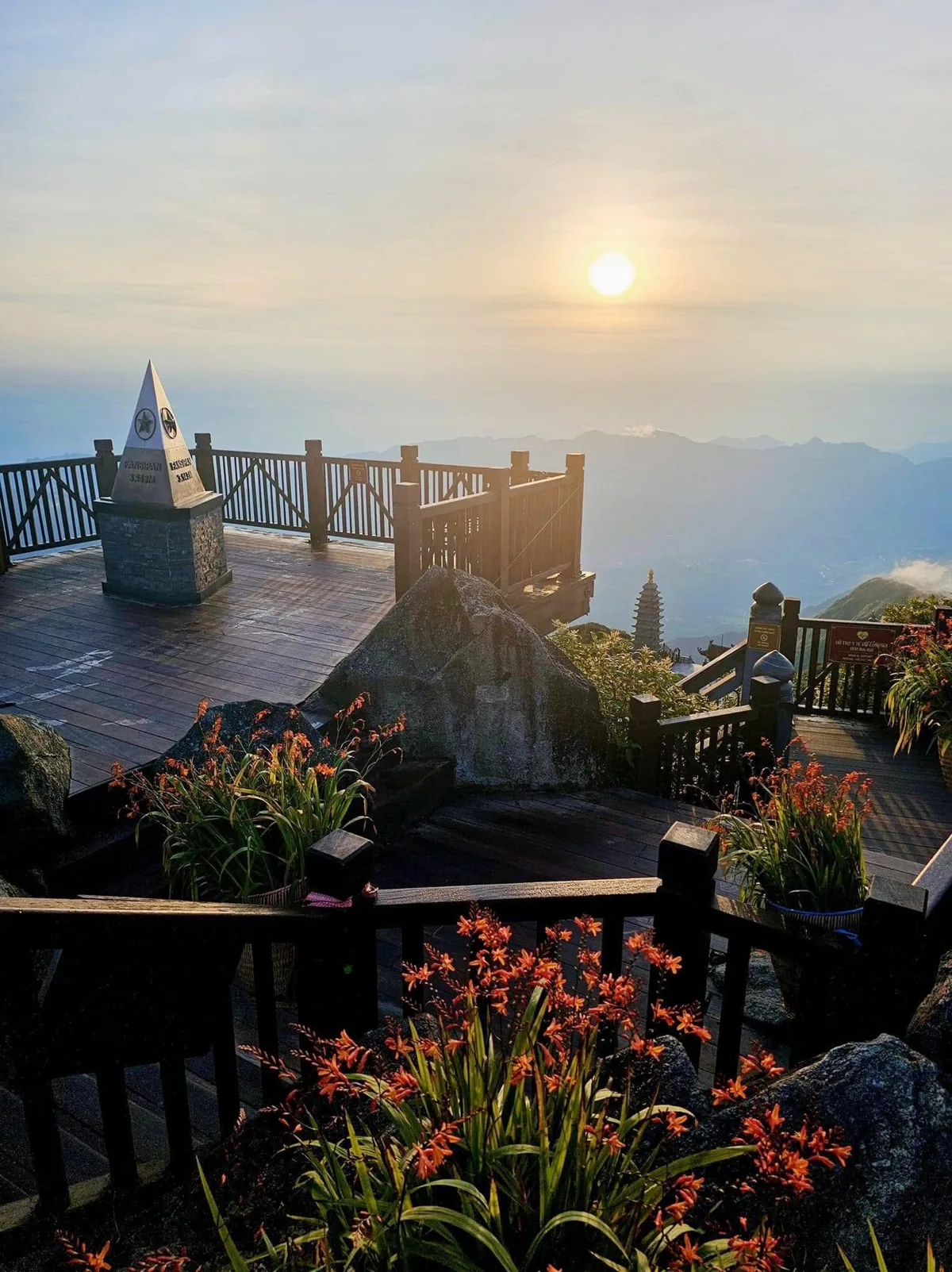
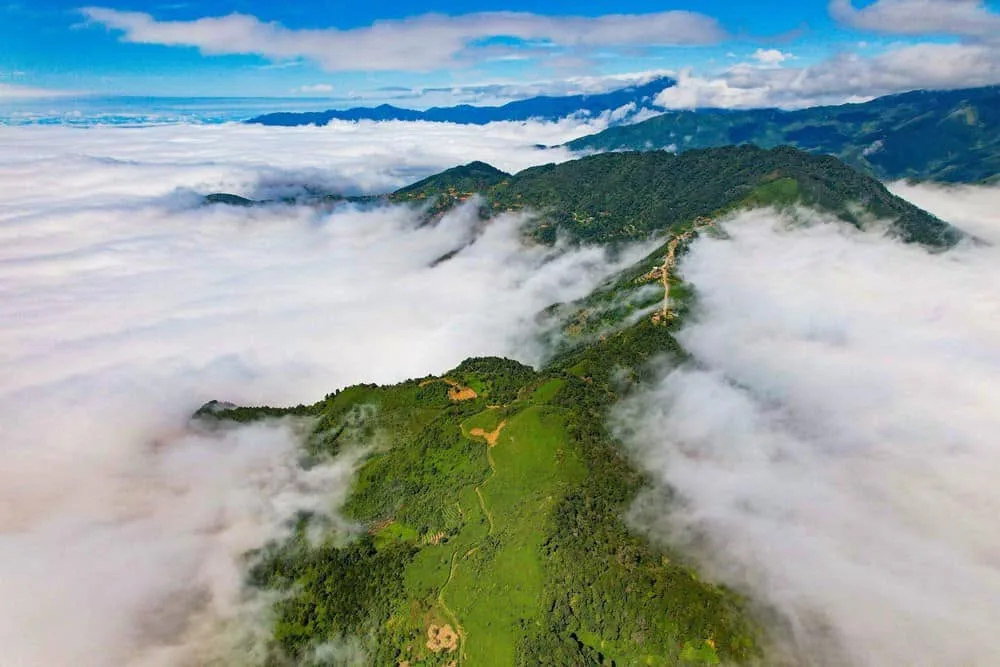
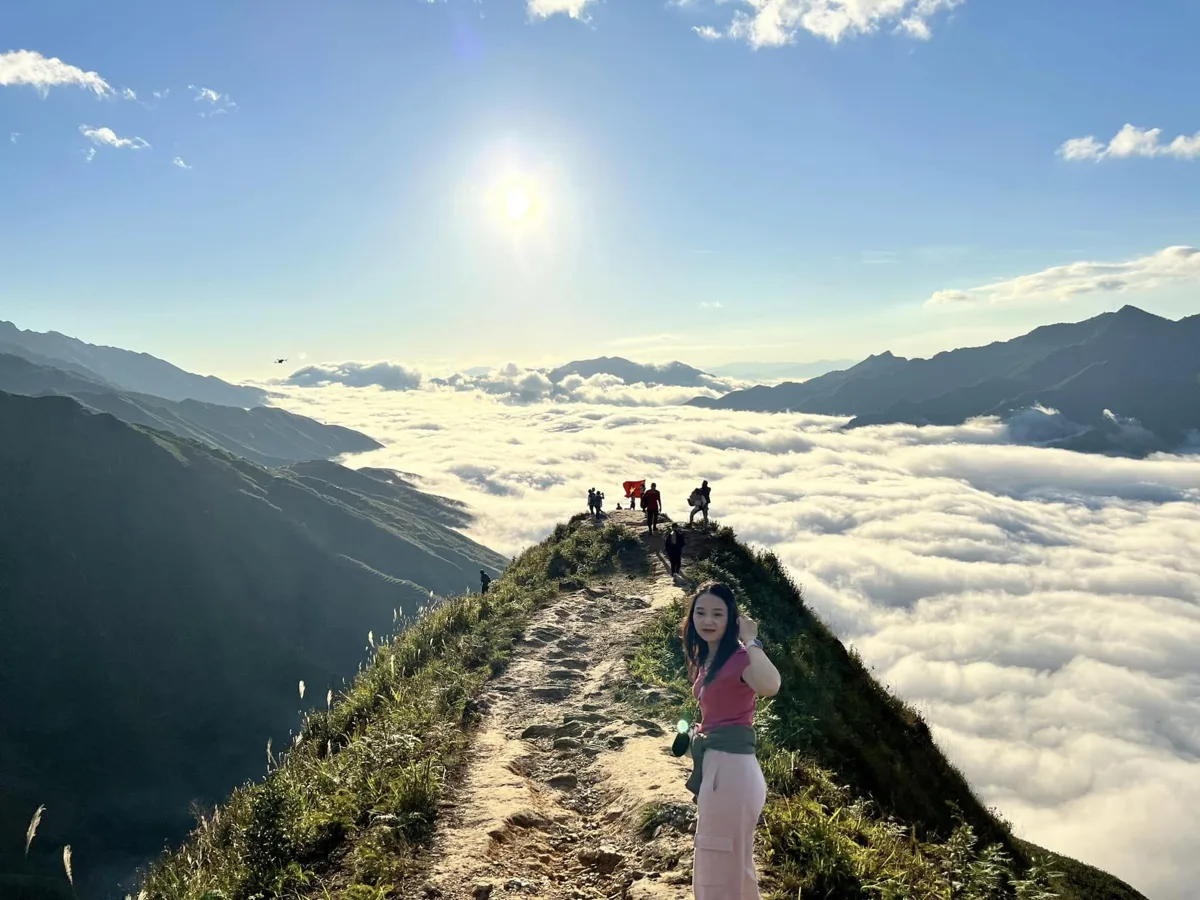
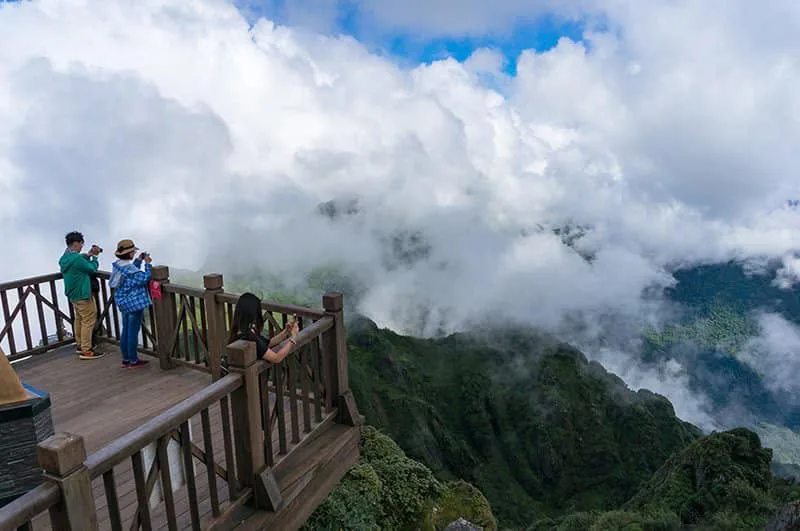
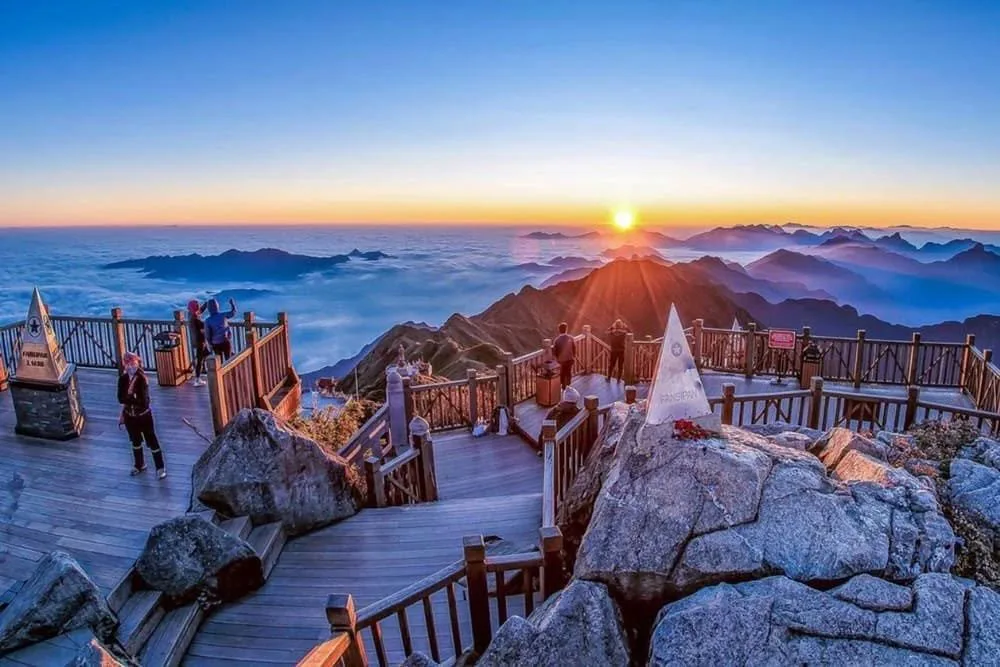
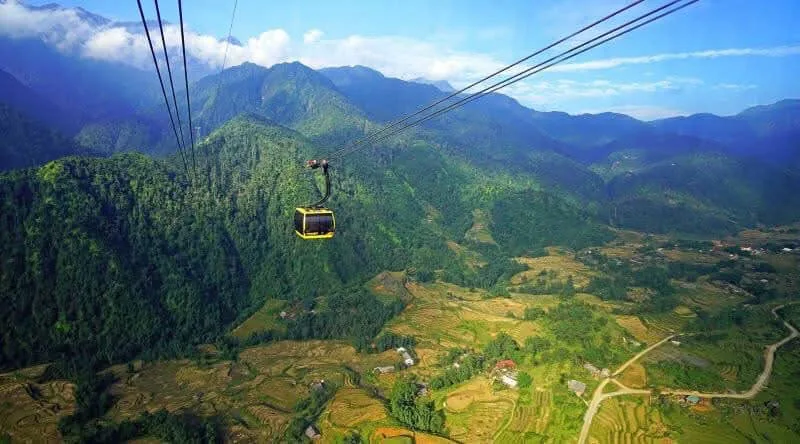
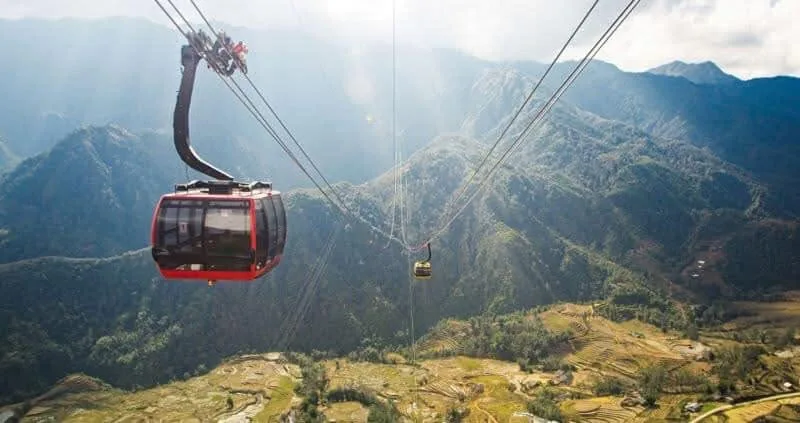
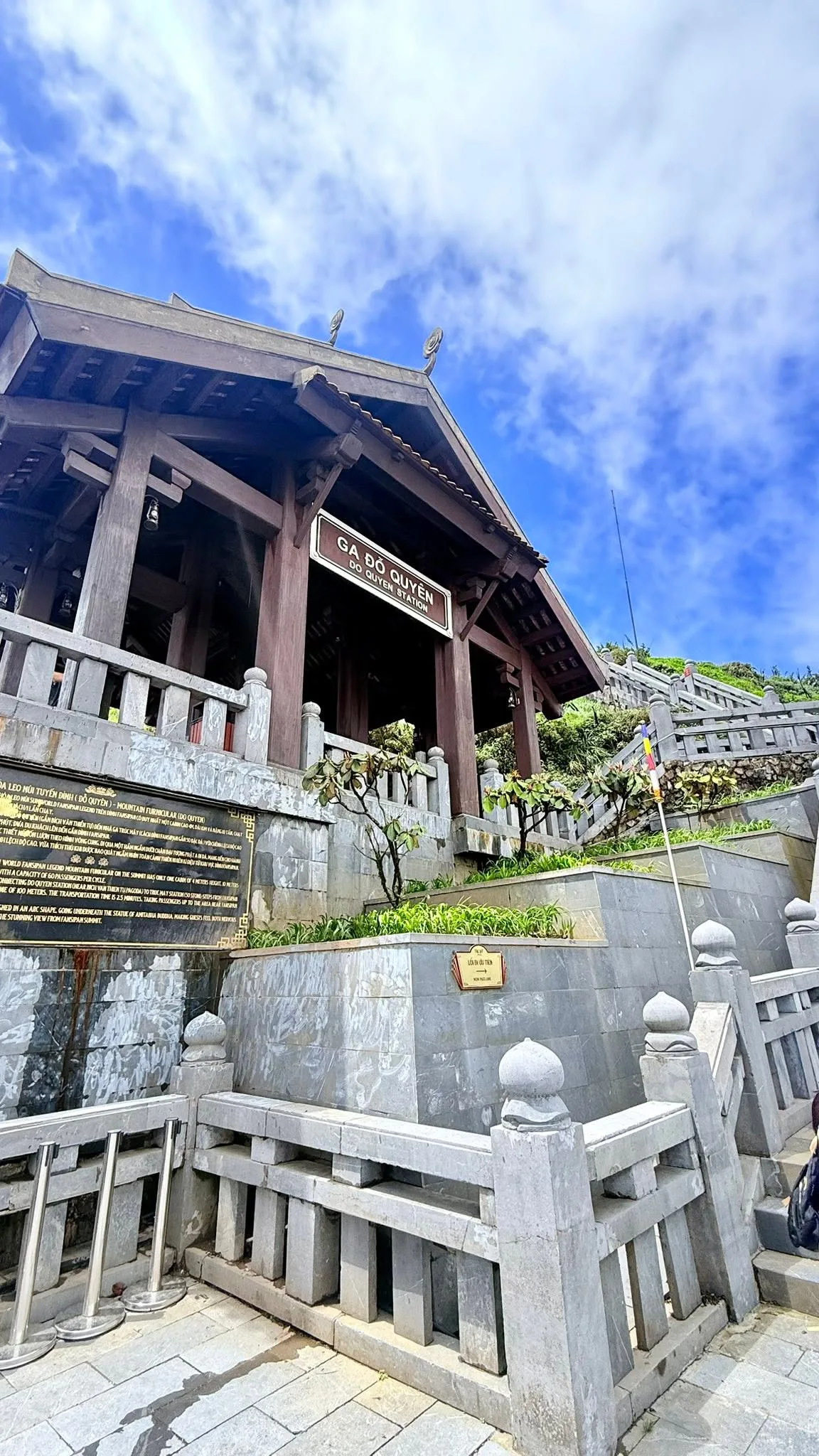
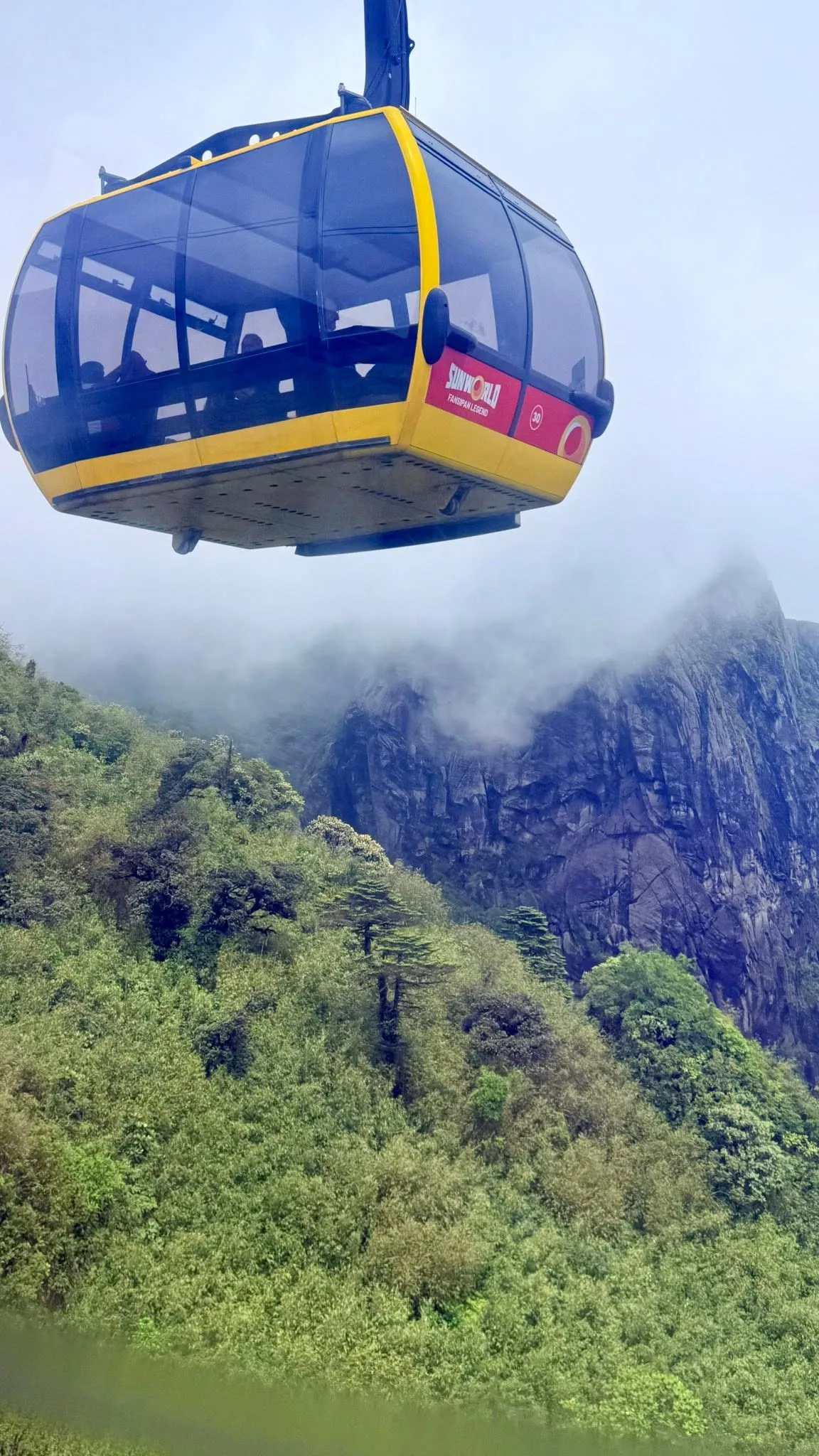
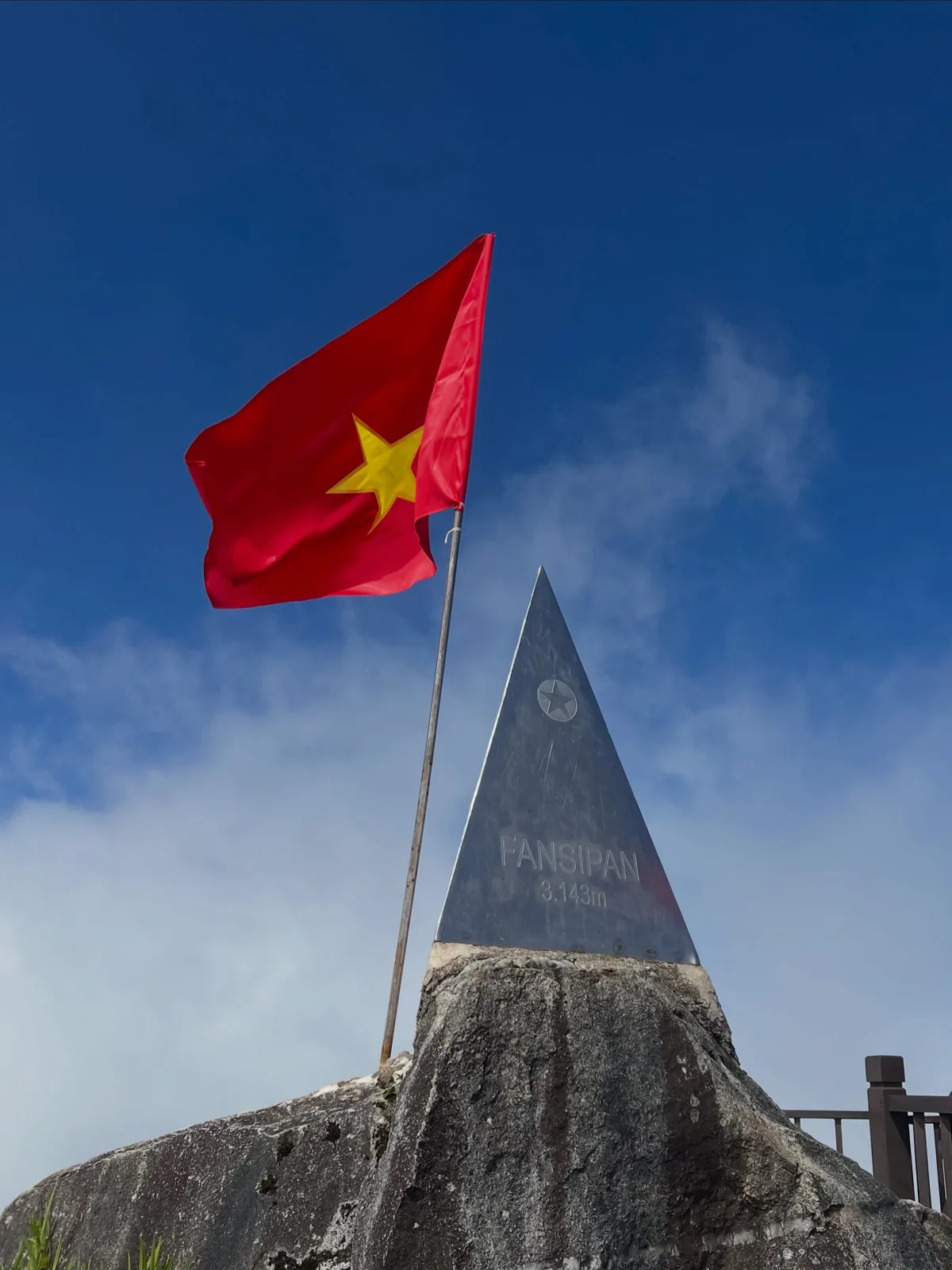
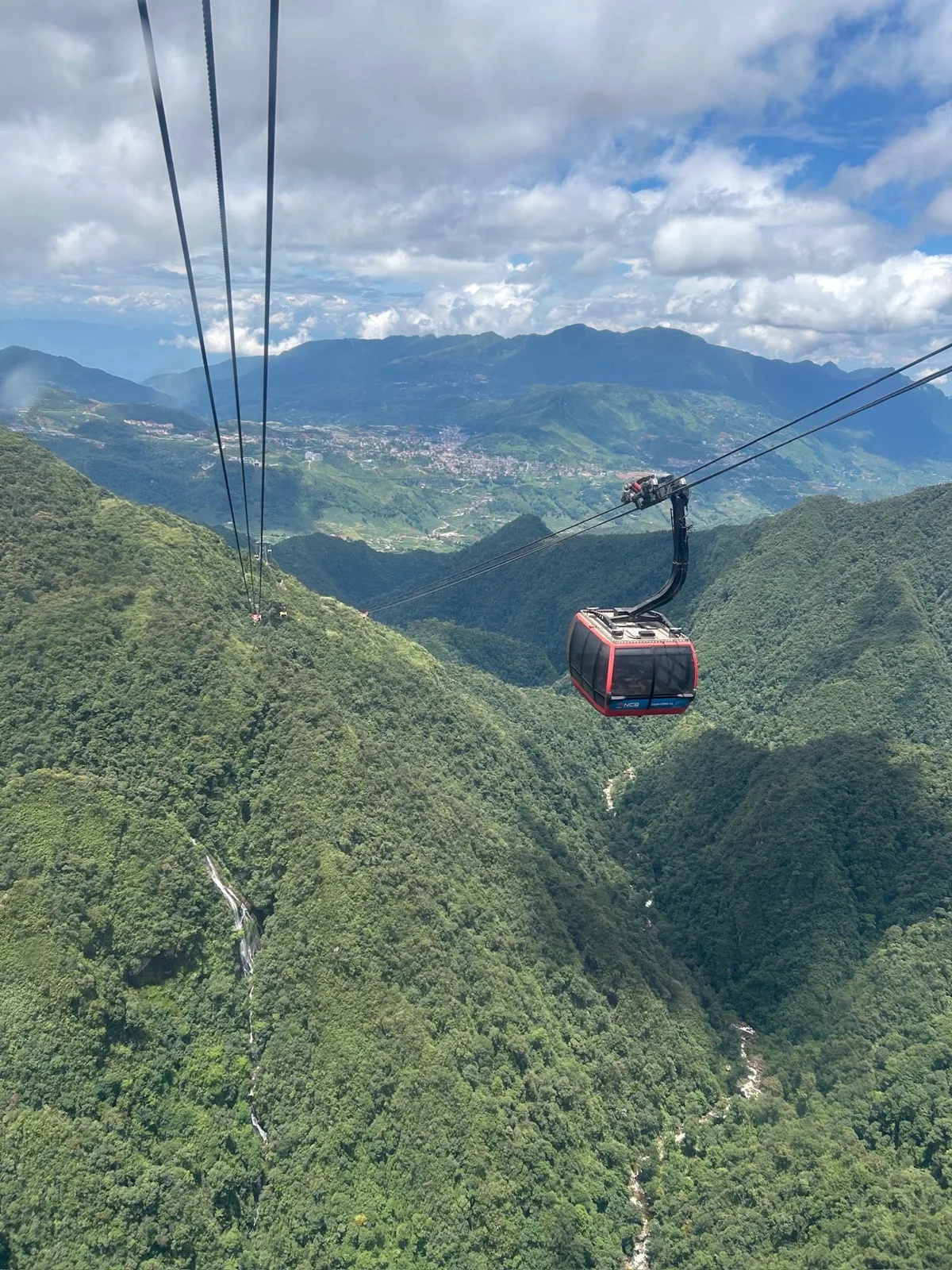
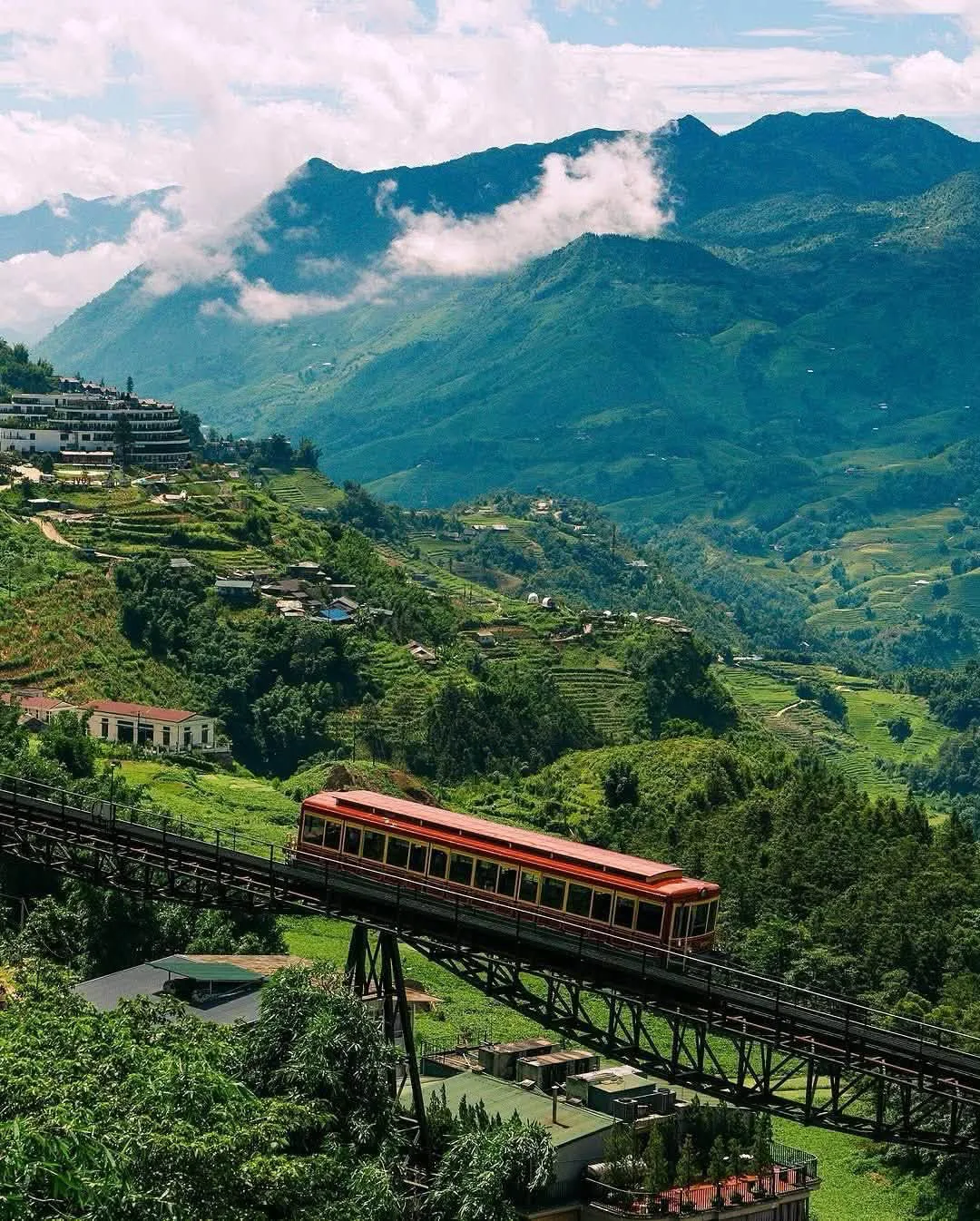
- Fansipan Peak: Ascend to the 'Roof of Indochina' via the modern cable car for unparalleled panoramic views of the surrounding mountains and valleys.
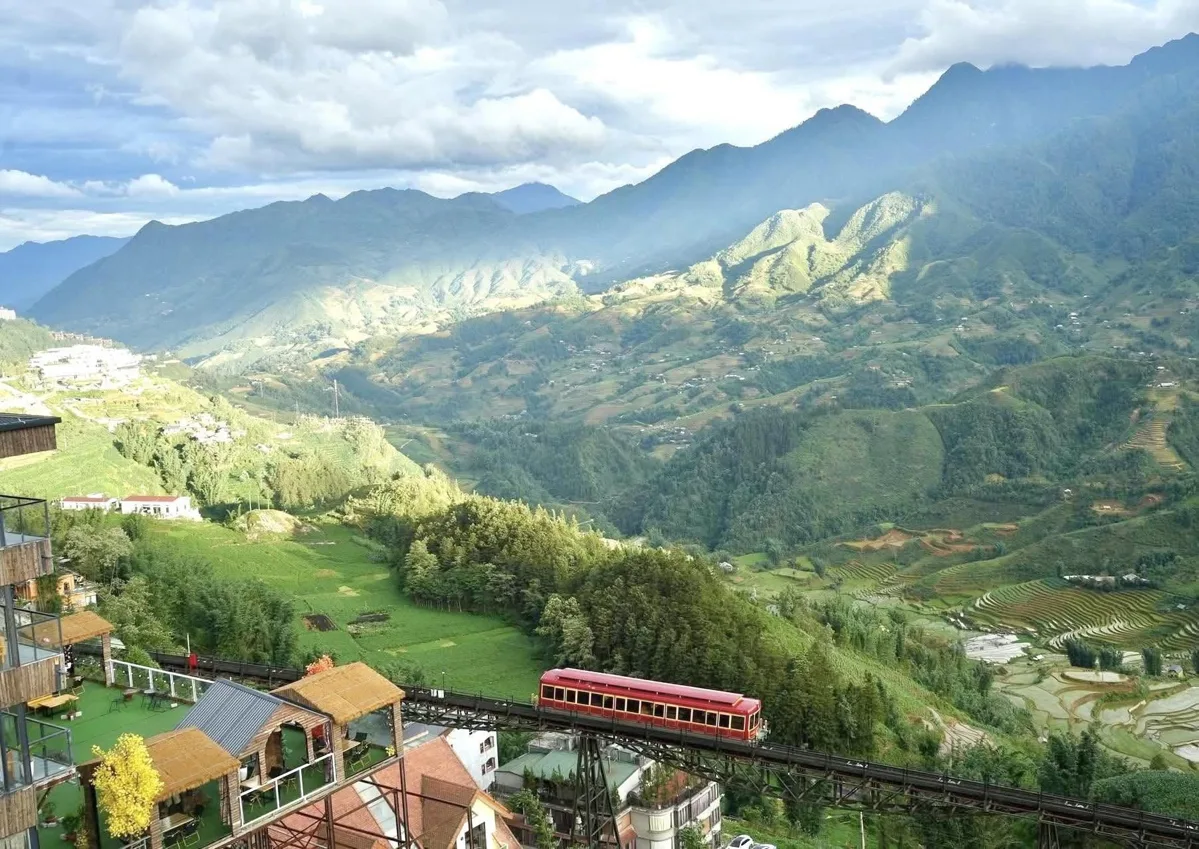
- Muong Hoa Valley: The heart of Sapa's terraced landscape, this valley is dotted with ethnic minority villages and offers some of the most scenic trekking routes.
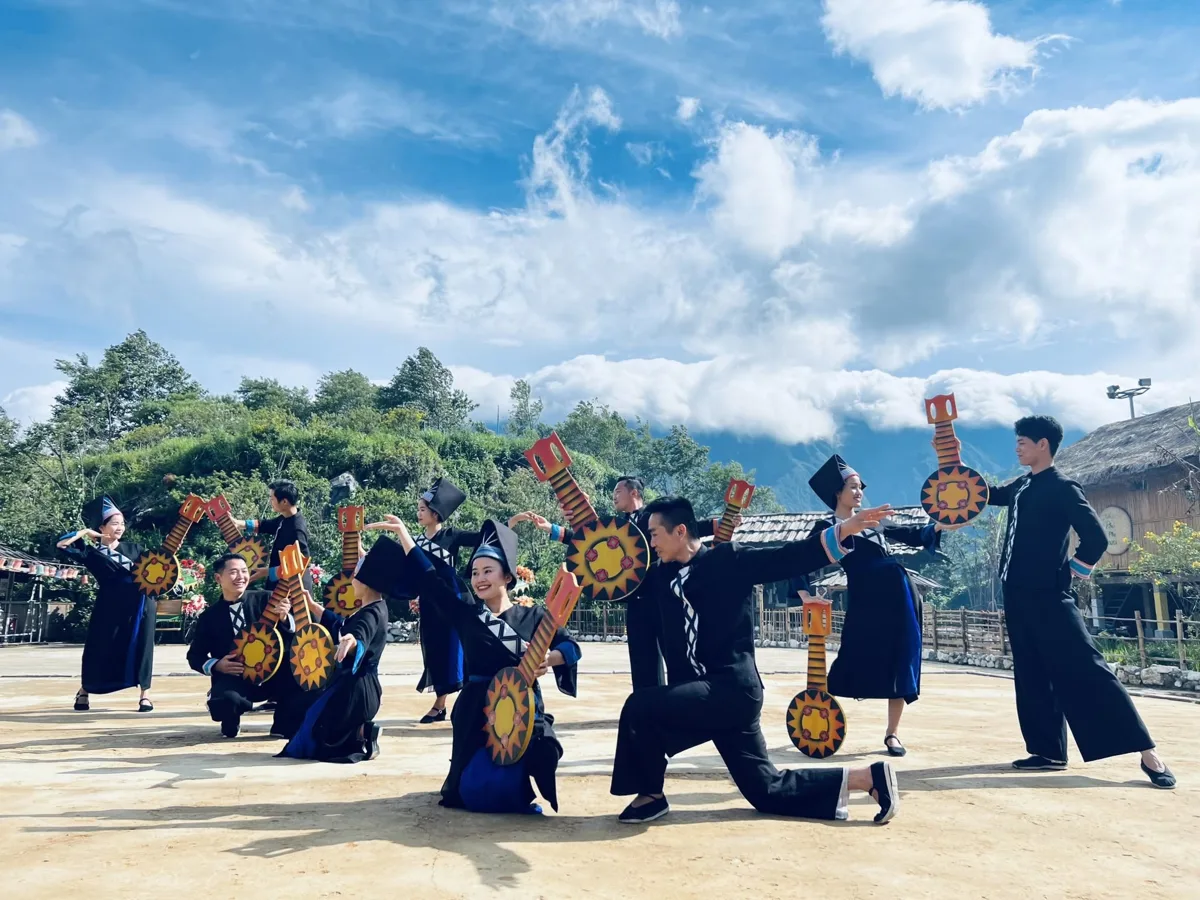
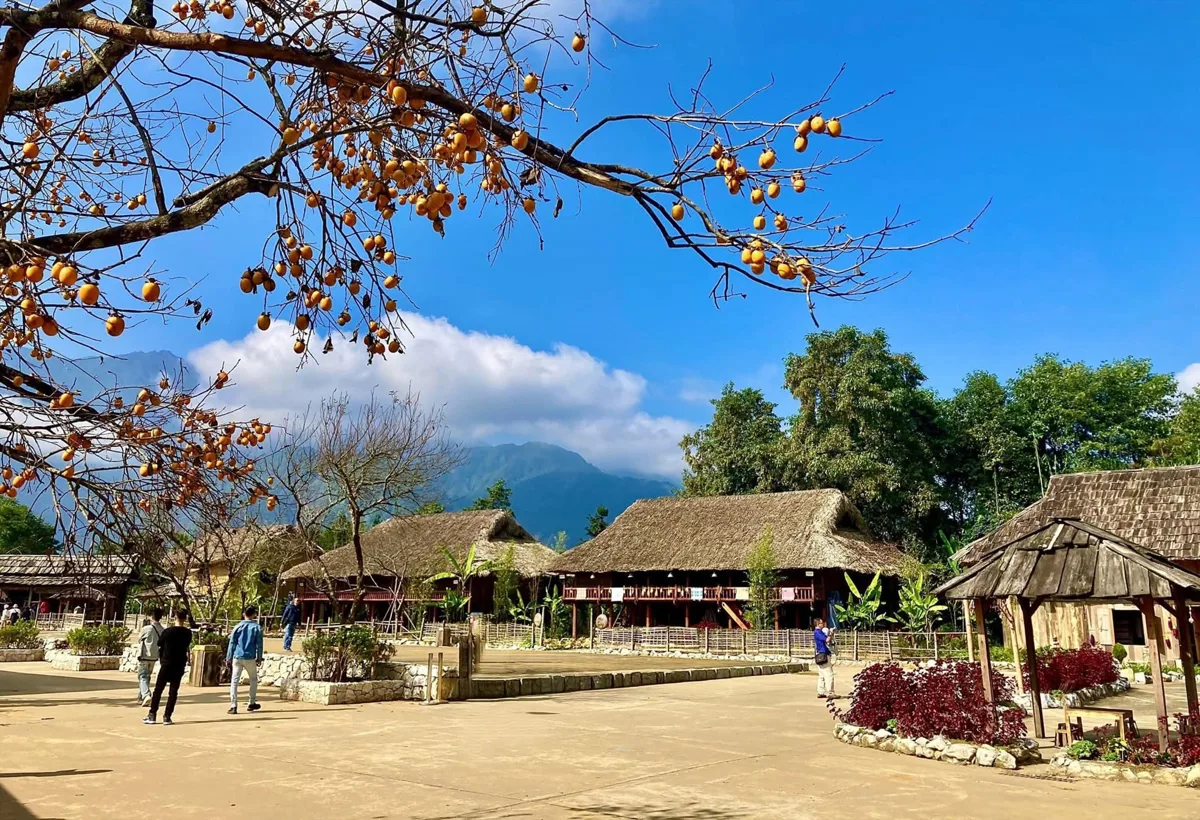
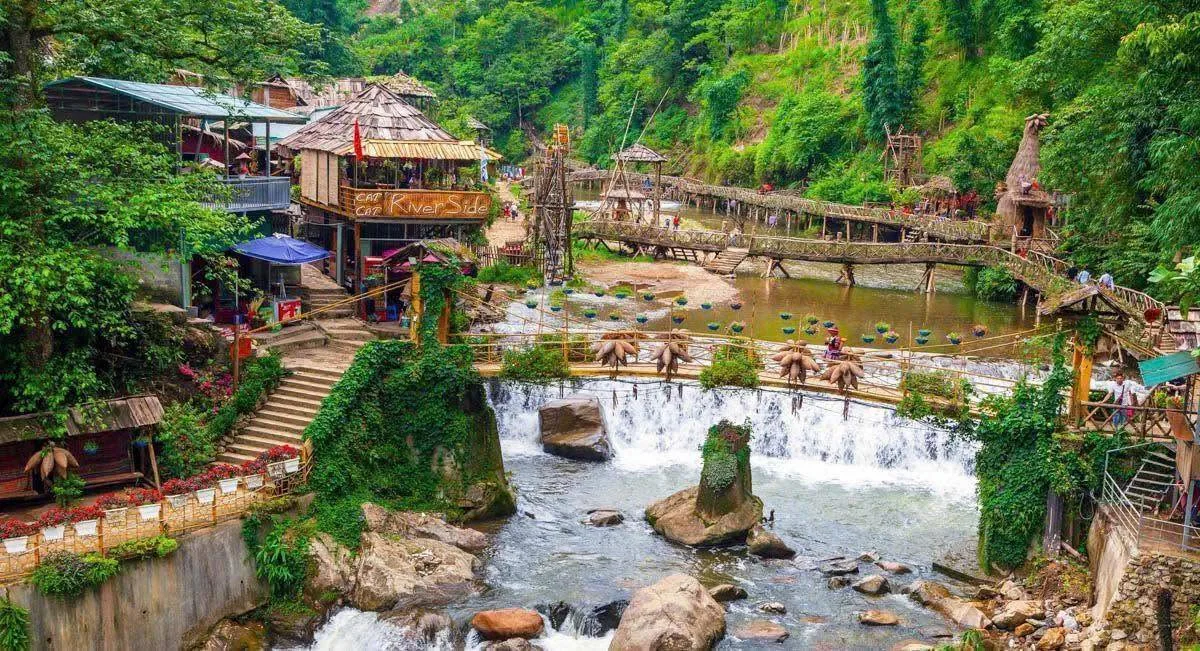
- Cat Cat Village: A short, easy trek from Sapa town, this H'mong village showcases traditional crafts, houses, and cultural performances.
- Ta Van Village: Located deeper in Muong Hoa Valley, Ta Van is home to several ethnic groups and provides excellent opportunities for homestays and cultural exchange.
- Ham Rong Mountain: Offering stunning panoramic views of Sapa town, the Muong Hoa Valley, and Fansipan Peak from its summit.
- Sapa Stone Church: A beautiful French colonial-era church in the town center, a prominent landmark.
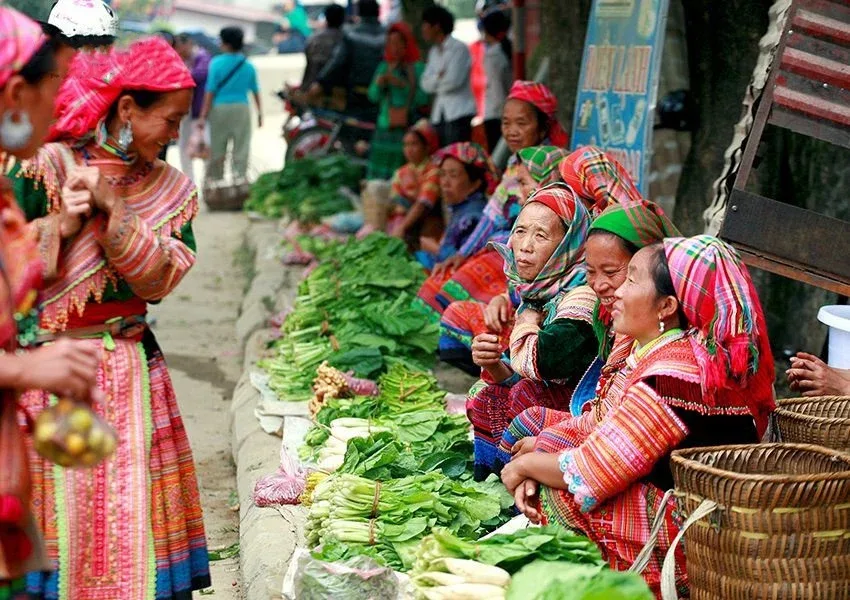
- Sapa Market: A bustling hub where local ethnic groups gather to trade goods, offering a glimpse into their daily lives and traditional crafts.
Experiences in Sapa
- Trekking and Hiking: Embark on guided treks through rice terraces, bamboo forests, and remote villages. Choose from half-day walks to multi-day expeditions.
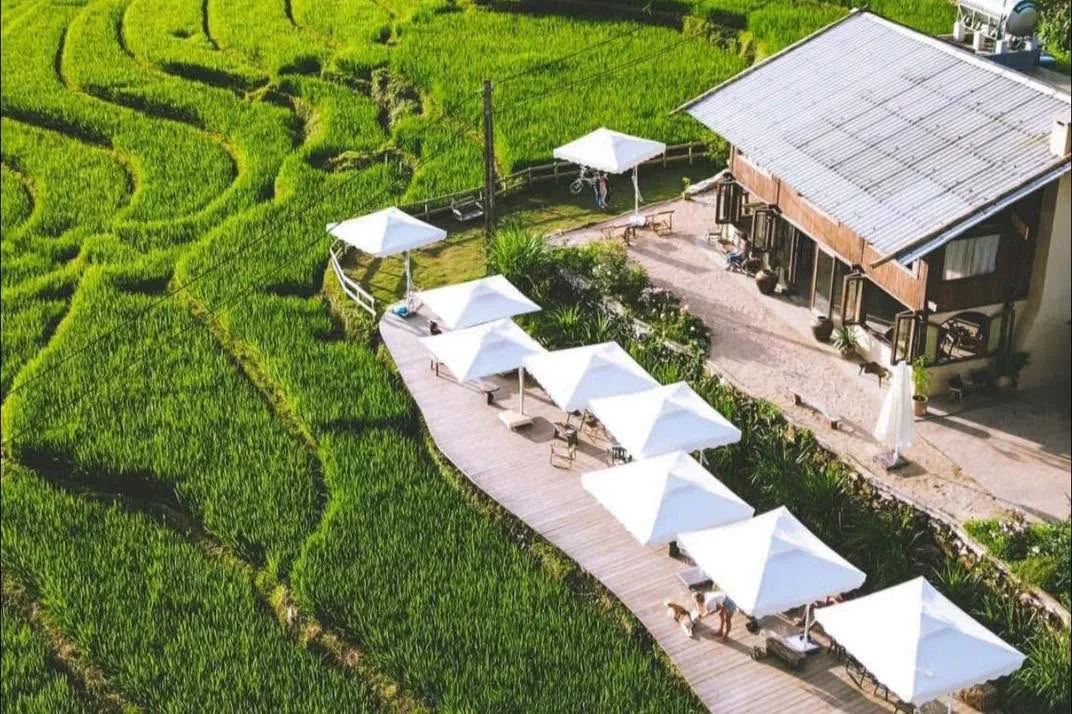
- Homestay Experiences: Stay with a local family in an ethnic village to gain authentic insights into their culture, enjoy traditional meals, and learn about their customs.
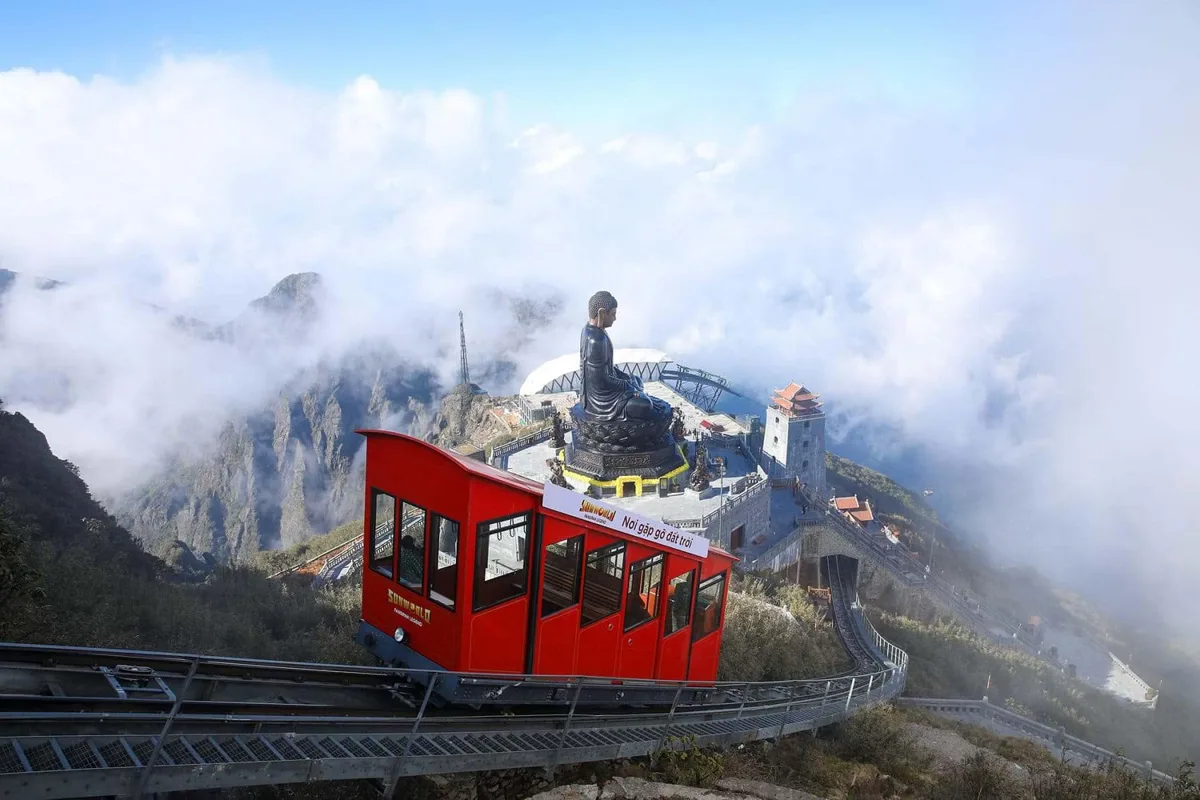
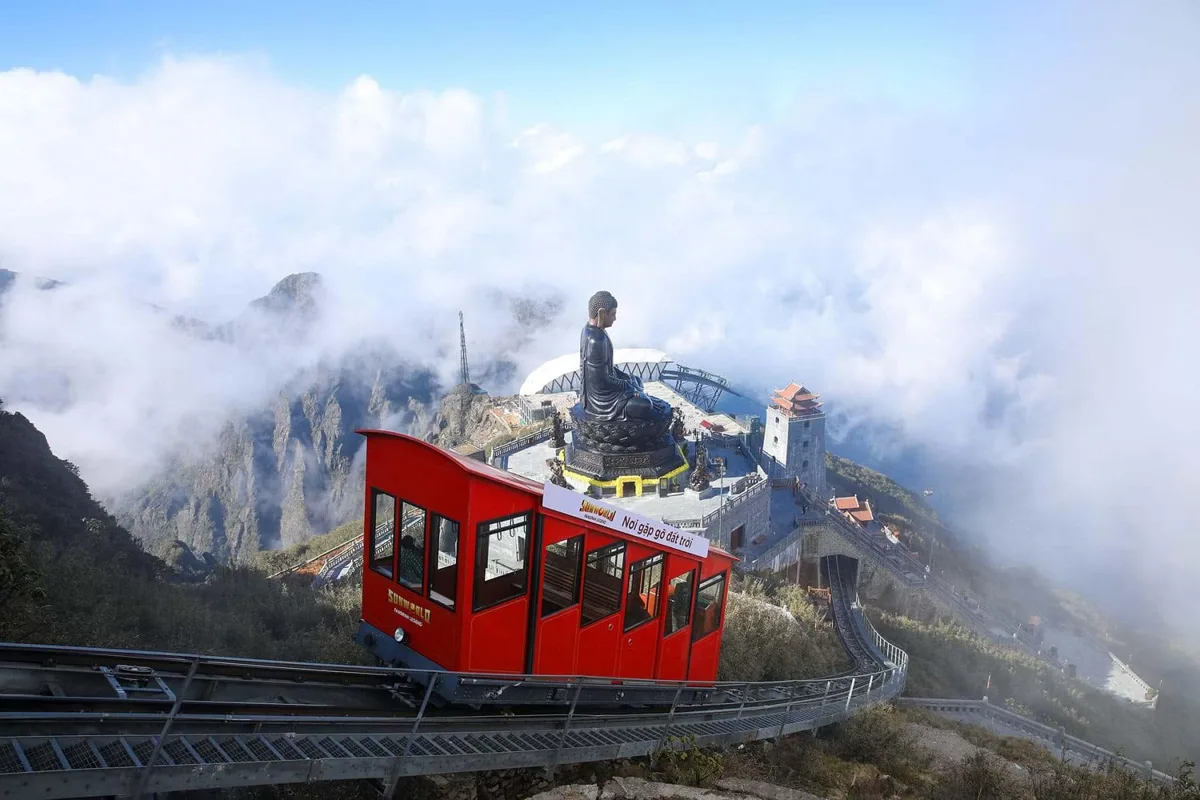
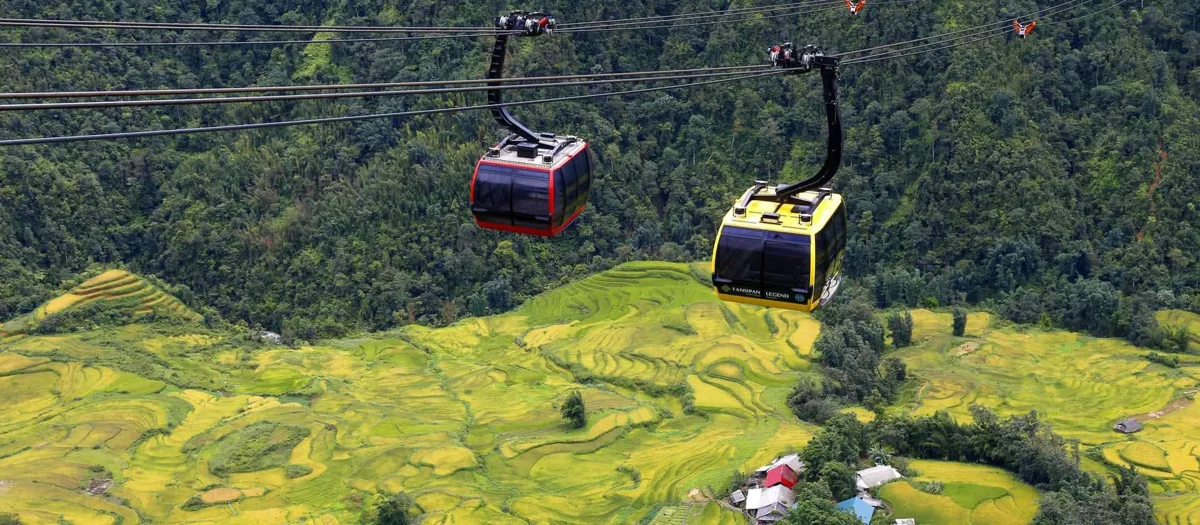
- Cable Car to Fansipan: Enjoy a comfortable and spectacular journey to the summit of Fansipan, offering breathtaking views without the strenuous climb.
- Explore Local Markets: Wander through the vibrant Sapa Market or visit more remote weekly markets to observe local life and purchase unique handicrafts.
- Photography: Capture the dramatic landscapes, colorful traditional costumes, and daily life scenes that make Sapa so visually captivating.
Getting There
The nearest international airport is Noi Bai International Airport (HAN) in Hanoi, Vietnam.
- From Hanoi by Train: The most traditional and scenic route. Take an overnight sleeper train from Hanoi to Lao Cai station (approximately 8-9 hours). From Lao Cai, it's a scenic one-hour bus or taxi ride up to Sapa town.
- From Hanoi by Bus: Direct sleeper buses offer a faster alternative, taking approximately 5-6 hours from Hanoi directly to Sapa. This is often the most convenient option for those on a tighter schedule.
Accommodation in Sapa
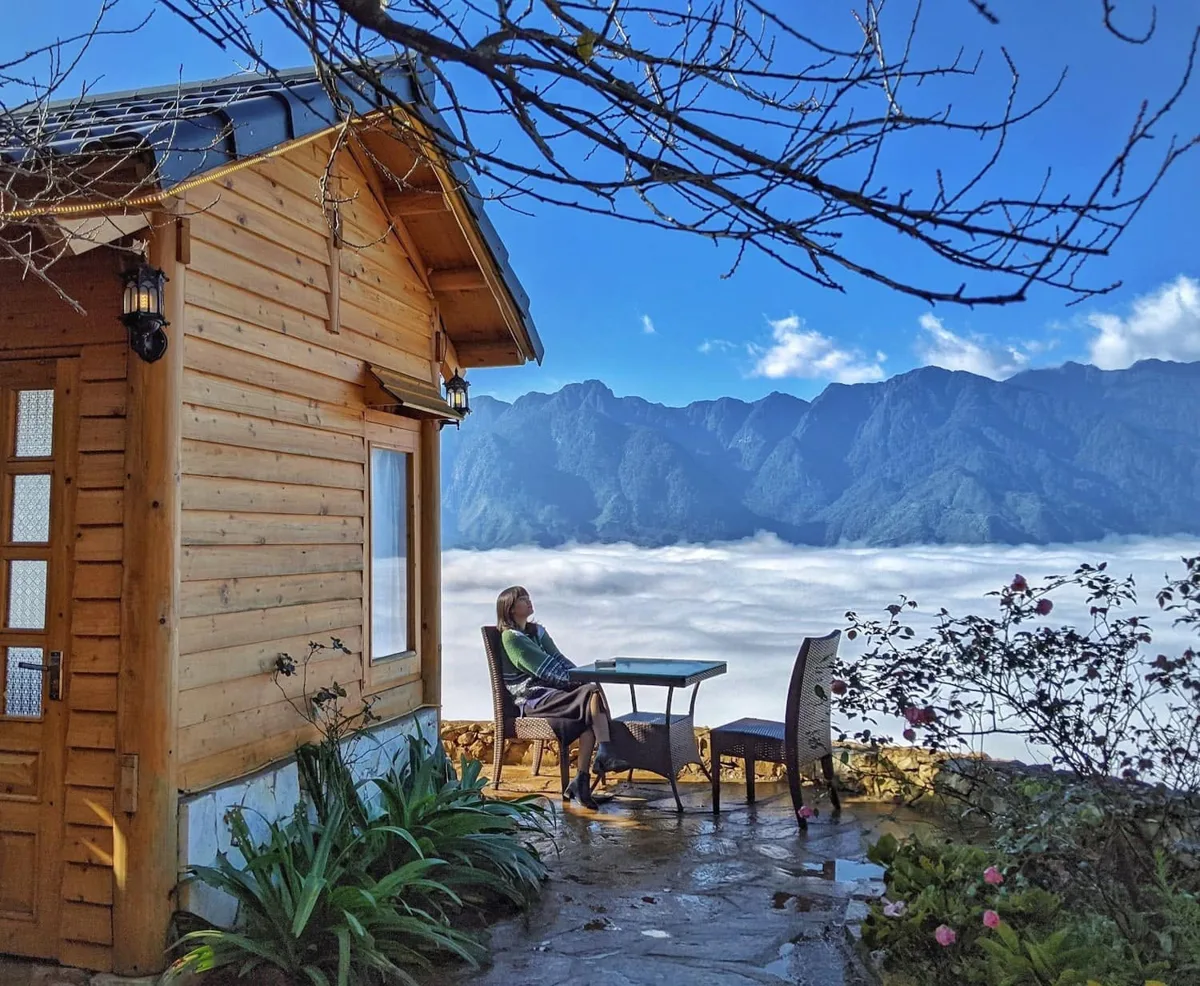
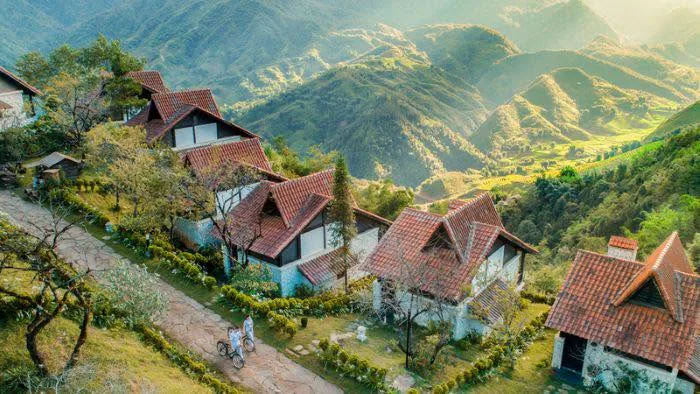
Sapa offers a diverse range of accommodation options to suit every budget and preference. From cozy guesthouses and charming mid-range hotels in the town center to luxurious resorts perched on hillsides with stunning views, and authentic homestays in ethnic villages, you will find a suitable place to stay. It is advisable to book your accommodation in advance, especially during peak travel seasons.
Sapa Cuisine
Sapa's cool climate and unique local ingredients contribute to its distinctive culinary scene.
- Thang Co: A traditional H'mong hotpot, often made with horse meat and a blend of unique spices. A must-try for adventurous foodies.
- Grilled Specialties: Enjoy a variety of grilled meats, fish, and vegetables, often served street-side, especially around Sapa Lake.
- Salmon Hotpot: Due to the cool climate, Sapa is one of the few places in Vietnam where salmon is farmed, making salmon hotpot a local delicacy.
- Bamboo Rice (Com Lam): Sticky rice cooked inside bamboo tubes, imparting a subtle, earthy flavor.
- Local Herbs and Vegetables: Sapa's fresh produce adds unique flavors to many dishes.
Travel Tips for Sapa
- Dress in Layers: Sapa's weather can be unpredictable, with temperatures varying significantly throughout the day. Layers are essential.
- Comfortable Footwear: Good walking shoes or hiking boots are crucial, especially if you plan to trek through villages and rice fields, which can be muddy.
- Bargain Respectfully: When shopping at markets, polite bargaining is common, but always do so with a smile and respect for the local vendors.
- Respect Local Customs: Always ask for permission before taking photos of people, especially children. Be mindful of cultural sensitivities, particularly when visiting ethnic villages.
- Carry Small Denominations: For purchases from local vendors and small shops, having small Vietnamese Dong notes is very helpful.
- Stay Hydrated and Protected: Carry water, sunscreen, and a hat. A rain jacket or umbrella is also recommended, regardless of the season.
- Environmental Awareness: Help preserve Sapa's natural beauty by disposing of trash properly and leaving no trace during your treks.
- Consider a Local Guide: Hiring a local ethnic minority guide not only supports the community but also enriches your experience with deeper cultural insights and safer navigation of trails.







Popular Tours

Top Attractions
Travel Guides & Articles
All Articles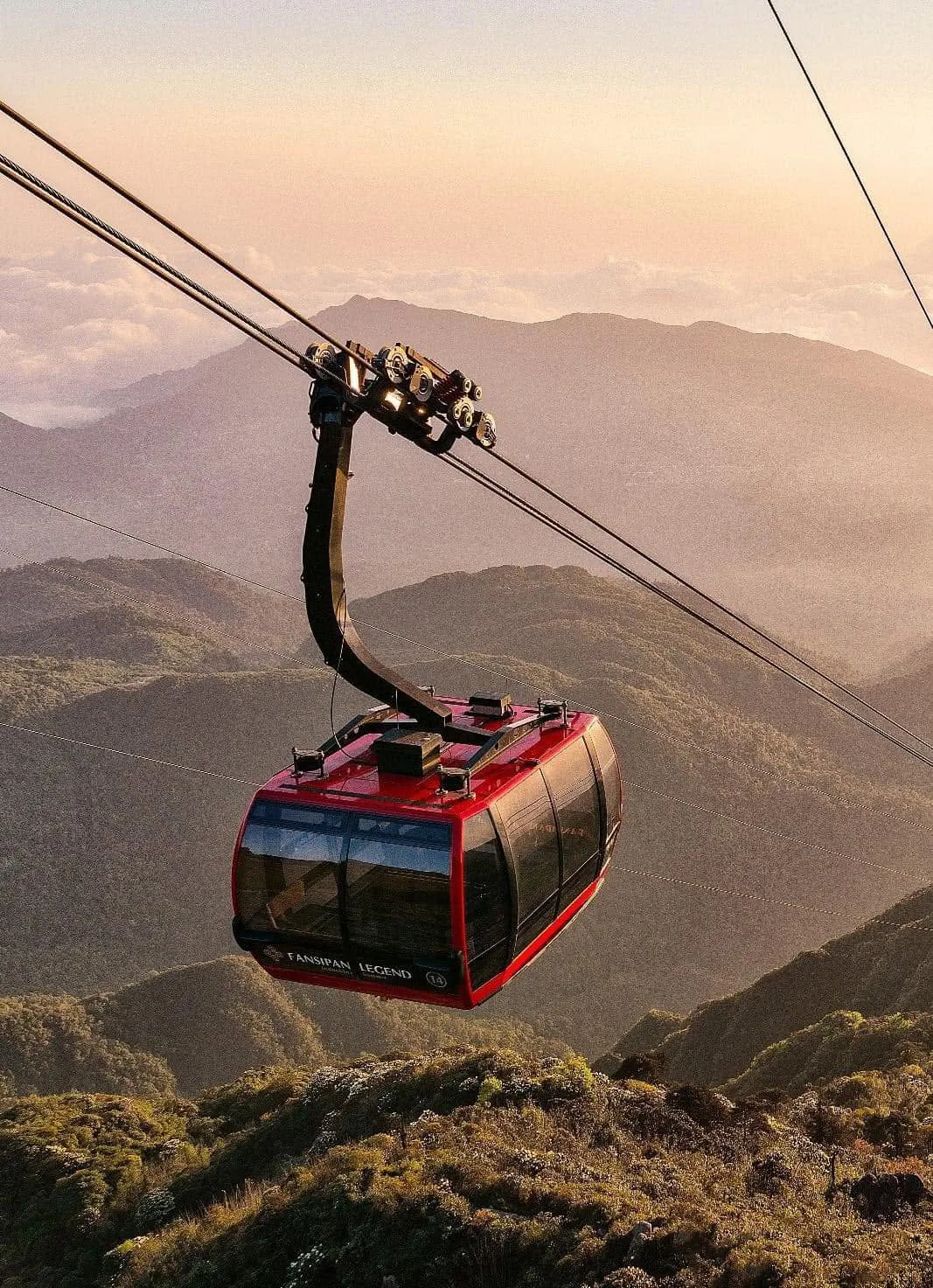



Tours from Sapa
 New
New
New
New
New
New
New
New
 New
New
 New
New
 New
New
 New
New
 New
New
 New
New
 New
New
 New
New
Hotels in Sapa
No hotels listed yet
Contact us for recommendationsThings to Do in Sapa
Fansipan, often called 'The Roof of Indochina,' stands majestically at 3,143 meters, making it the highest peak in the region. Visitors can reach its summit from Sapa via a world-record-breaking cable car offering breathtaking panoramic views, or embark on a challenging multi-day trekking expedition for a true adventure into the clouds.
Muong Hoa Valley is Sapa's most celebrated trekking area, with breathtaking golden rice terraces carved into the mountainside and traditional Hmong and Dao village homestays. This picturesque valley offers an immersive cultural experience amidst stunning natural beauty, making it a must-visit destination for adventurers and culture enthusiasts alike.
Cat Cat Village is the most accessible H'Mong village from Sapa town, offering an intimate look at traditional Black H'Mong culture. Visitors can explore handicraft workshops, witness daily life, and enjoy a picturesque walk to a lovely waterfall through the valley.