Travelers from Cyprus increasingly choose Vietnam as a destination, with interest in trips to the country growing consistently. Currently, several airlines offer connections from Larnaca (LCA) to Vietnam's major international airports: Noi Bai (HAN) in Hanoi and Tan Son Nhat (SGN) in Ho Chi Minh City, simplifying the start of a Southeast Asian adventure. This guide offers comprehensive details to assist Cypriot visitors in organizing their travel, from visa procedures and flight routes to suggested itineraries and cultural insights.
Understanding Vietnam: Culture, History, and Geography
Situated on the eastern side of the Indochinese peninsula, Vietnam presents a compelling travel destination. Its rich history spans over 4000 years, reflected in numerous historical sites. Long periods of Chinese and French influence have shaped Vietnam into a distinctive fusion of Asian and Western cultures. Visitors to cities like Hanoi, Da Lat, and Ho Chi Minh City can observe this blend through the coexistence of cathedrals, traditional temples, and pagodas.
With over 1,000 kilometers of coastline, Vietnam experiences varied weather patterns, making it a viable destination year-round. The country is largely affected by a tropical monsoon climate. Northern Vietnam experiences four distinct seasons: spring, summer, autumn, and winter. The most agreeable time to visit this area is typically from January to April and September to December, when temperatures are mild and rainfall is less frequent. Southern Vietnam generally maintains stable temperatures between 26-30 degrees Celsius throughout the year, characterized by two main seasons: a rainy season from May to November and a dry season during the remaining months. Considering these regional climate differences is important when packing.
Vietnam is celebrated for its diverse natural attractions, which draw many international visitors. Beyond its white-sand beaches, the country features tropical forests, mountains, and extensive rice paddies. Popular locations such as Halong Bay, Hue, Da Nang, Hoi An, Nha Trang, and the Mekong Delta offer a range of activities, including trekking, kayaking, swimming, cave exploration, and beach relaxation. The country's natural beauty and the welcoming nature of its people contribute to its appeal. Locals are often described as friendly and open, frequently greeting visitors with smiles. Vietnam is home to 54 distinct ethnic groups, coexisting harmoniously and contributing to a rich cultural landscape with diverse traditions and identities. Regions like Sapa and Mai Chau in the northern mountains provide opportunities to encounter communities such as the Muong, H'mong, Dzao, Tay, Nung, and Thai people.
Vietnamese cuisine is globally recognized for its freshness and variety. "Pho," a noodle soup, is widely considered a national dish. Additionally, experiencing traditional performing arts like Water Puppetry, Hát tuồng, Cải lương, and Hát chèo offers insight into local culture and can enhance any trip.
Optimal Times to Visit Vietnam
Vietnam's varied climate means the ideal travel period depends on the specific regions you plan to explore:
- Northern Vietnam (Hanoi, Halong Bay, Sapa): October to April generally offers cooler, drier conditions, with average temperatures between 17-22°C. January to March are the coldest months. This period is suitable for city exploration and cruises. May to September are typically hot, humid, and rainy, with the heaviest rainfall often occurring from July to September.
- Central Vietnam (Hue, Da Nang, Hoi An): February to August is usually warm and dry, with April to August being the hottest months, ideal for coastal activities. From September to January, the region can experience significant rainfall and typhoons, particularly between October and December.
- Southern Vietnam (Ho Chi Minh City, Mekong Delta, Phu Quoc): December to April is hot and dry, considered the peak season with ample sunshine. May to November marks the rainy season, characterized by brief, heavy showers, though sunny periods still occur.
Suggested Itineraries for Cypriot Visitors
These itinerary suggestions can be adapted to suit individual interests and trip durations:
7-Day Northern Vietnam Highlights
- Day 1-2: Hanoi: Arrive in Hanoi, explore the Old Quarter, Hoan Kiem Lake, the Temple of Literature, and the Ho Chi Minh Mausoleum. Consider a street food tour.
- Day 3: Halong Bay: Take a day trip or an overnight cruise through the limestone formations of Halong Bay. Alternatives like Lan Ha Bay or Bai Tu Long Bay offer quieter experiences. For those interested in coastal relaxation, consider exploring Halong Bay's best beaches.
- Day 4-5: Ninh Binh or Sapa: Choose one.
- Ninh Binh (2 hours from Hanoi): Known as "Halong Bay on land," explore Trang An or Tam Coc by boat and visit the Mua Cave viewpoint.
- Sapa (overnight train/bus from Hanoi): Engage in trekking through rice terraces and visit ethnic minority villages. For an elevated experience, consider exploring Mount Fansipan by cable car.
- Day 6-7: Hanoi & Departure: Enjoy some final shopping, attend a water puppet show, and depart from Hanoi.
10-Day Classic Vietnam Tour (North to South)
- Day 1-3: Hanoi & Halong Bay: Follow the Northern Vietnam itinerary.
- Day 4-5: Hue: Travel by flight or train to Hue. Explore the Imperial City, the Forbidden Purple City, and royal tombs.
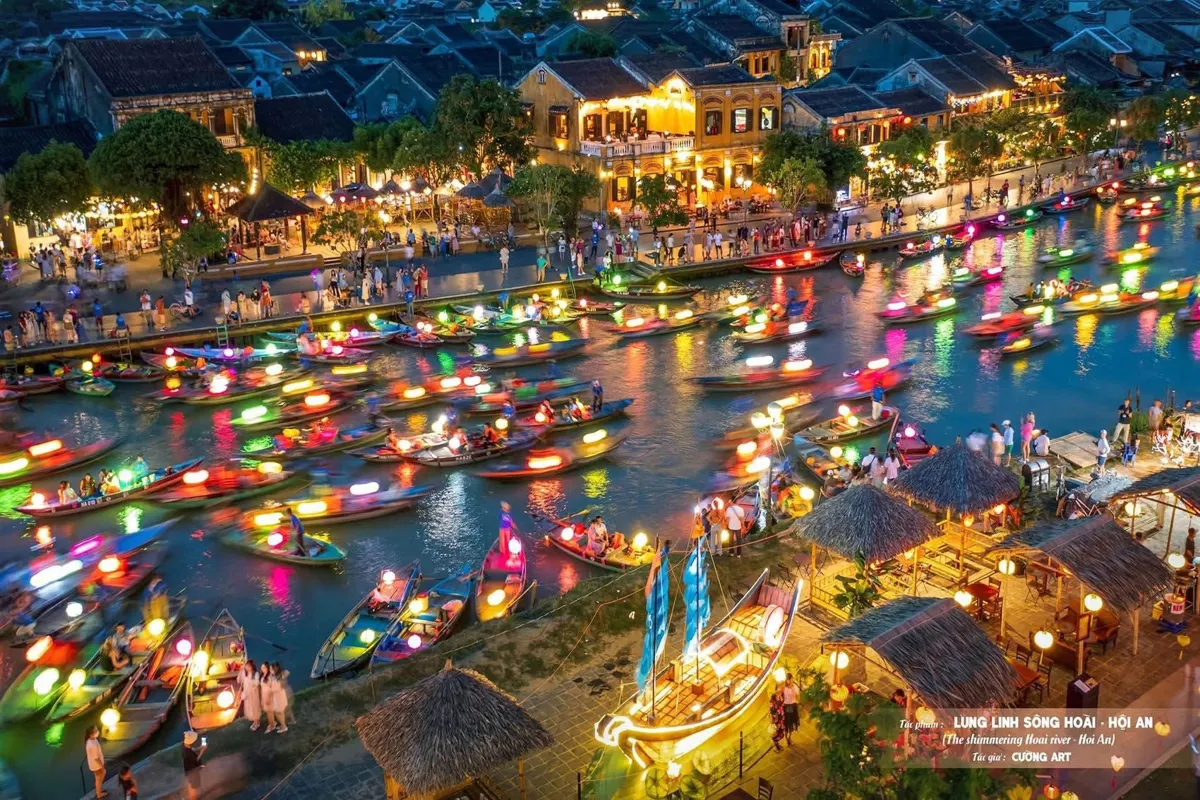
- Day 6-8: Hoi An: Drive or take a train to Hoi An. Discover the Ancient Town, visit tailor shops, participate in a cooking class, and enjoy the beaches.
- Day 9-10: Ho Chi Minh City: Fly to Ho Chi Minh City. Visit the War Remnants Museum, Reunification Palace, Notre Dame Cathedral, and Ben Thanh Market.
2-Week Vietnam Holiday Package
- Days 1-5: Northern Vietnam: Hanoi, an overnight cruise in Halong Bay, and a choice between Sapa for trekking or Ninh Binh for Trang An/Tam Coc.
- Days 6-9: Central Vietnam: Fly to Hue to explore its historic Imperial City, royal tombs, and pagodas. Continue south to Da Nang to experience the Ba Na Hills, including the Golden Bridge (also known as Hands Bridge), the French village, and mountain vistas. Proceed to Hoi An to enjoy its ancient town, beaches, and Vietnamese cooking classes. A day trip to the My Son Sanctuary, a UNESCO World Heritage Site featuring ancient Hindu temples, is also an option.
- Days 10-14: Southern Vietnam: Fly to Ho Chi Minh City to explore historical sites, markets, and nightlife. Include a day trip to the Cu Chi Tunnels. Dedicate a day or two to the Mekong Delta for boat tours through floating markets and local villages. If time permits, conclude the trip with relaxation on Phu Quoc Island's beaches.
Accommodation and Getting Around Vietnam
Vietnam provides a variety of lodging options to suit different budgets:
- Budget-Friendly (Hostels, Guesthouses): Expect to pay around $20-$25 USD per night for clean dormitory beds or private rooms.
- Mid-Range (3-4 Star Hotels, Boutique Hotels, Homestays): Prices typically range from $40-$100 USD per night, offering more amenities, private bathrooms, and often local character, particularly in homestays.
- Luxury (4-5 Star Hotels, Resorts): Starting from $100 USD and upwards, with high-end choices in major cities and coastal resorts potentially costing several thousand dollars per night, providing extensive facilities and services.
Navigating Vietnam is generally straightforward and economical:
- Domestic Flights: The quickest method for covering long distances, such as between Hanoi and Hue/Da Nang, or Hanoi/Ho Chi Minh City and Phu Quoc. Major carriers include Vietnam Airlines, VietJet Air (a budget option), and Bamboo Airways.
- Trains (Reunification Express): A scenic way to travel between significant cities like Hanoi to Hue, or Da Nang to Nha Trang. Overnight sleeper trains are a popular choice. Booking in advance is advisable, especially for busy routes. For detailed information on routes and fares, consult a guide on navigating Vietnam's sleeper trains.
- Buses: An extensive network offers comfortable sleeper buses for overnight journeys. Reputable companies like Futa Bus (Phuong Trang) are good choices.
- Taxis & Ride-Hailing Apps: For taxis, use established, metered companies such as Mai Linh (green) and Vinasun (white); avoid unmetered vehicles. Grab, a ride-hailing app, is widely available in major cities for cars and motorbikes, offering transparent pricing and convenience.
- Motorbike Rentals: While popular for exploration, this option is only recommended for experienced riders due to potentially chaotic traffic conditions and safety concerns. Always wear a helmet.
- Private Car with Driver: Offers flexibility and comfort, particularly for day trips or inter-city transfers. These can be arranged through hotels or local tour operators.
Cultural Practices and Culinary Experiences
Respecting local customs can significantly enhance your travel experience:
- Appropriate Dress: When visiting temples, pagodas, or religious sites, wear modest clothing that covers shoulders and knees. Vietnamese people generally dress conservatively.
- Greetings: A simple "Xin chào" (pronounced Sin Chow, meaning Hello) is always appreciated. A slight bow or nod is a customary gesture.
- Public Displays of Affection: Keep public displays of affection to a minimum.
- Footwear: Remove your shoes before entering someone's home or a pagoda.
- Touching: Avoid touching someone's head, as it is considered sacred.
- Chopsticks: Do not place chopsticks upright in a bowl of rice, as this resembles incense sticks for the deceased. Avoid pointing chopsticks at people.
- Bargaining: Haggling is common in markets; do so politely and with a smile.
- Passing Items: Use both hands when giving or receiving items, especially money or gifts, as a sign of respect.
- Photography: Always request permission before photographing individuals, particularly in ethnic minority villages.
Vietnamese cuisine is a highlight for many visitors:
- Must-Try Dishes: Sample Pho (noodle soup), Banh Mi (baguette sandwich), Spring Rolls (fresh or fried), Bun Cha (grilled pork with vermicelli), Cao Lau (Hoi An noodles), and Banh Xeo (savory pancake).
- Street Food Safety: Seek out busy stalls with a high turnover of customers, especially locals. Choose places where food is prepared fresh to order and served hot. Ensure ingredients are stored correctly (covered, not left out for extended periods). Exercise caution with raw salads unless confident they have been washed with filtered water. Avoid ice from unknown sources; factory-made ice (clear, cylindrical) is generally safe. Always wash your hands or use hand sanitizer before eating.
- Restaurants: Options range from casual eateries to fine dining, catering to various tastes and budgets. Many establishments in tourist areas provide English menus.
Safety, Health, and Financial Planning
Prioritizing safety and health is crucial for any trip:
- Travel Insurance: Highly recommended. Ensure your policy covers medical emergencies (including potential motorbike accidents), trip cancellations/interruptions, and lost baggage. Consider policies offering adventure sports coverage if planning activities like motorbiking or trekking.
- Vaccinations: Consult your doctor well in advance for recommended vaccinations (e.g., Hepatitis A & B, Typhoid, Tetanus, Rabies).
- Water: Do not consume tap water. Rely on bottled water, which is widely available and inexpensive.
- Common Scams: Be aware of potential scams:
- Fake Taxis/Cyclo Drivers: Use metered taxis from reputable companies or the Grab app. Agree on prices beforehand for cyclos.
- Overcharging Vendors: Always confirm prices before purchasing goods or services.
- "Wrong Change" Scams: Pay close attention when handling Vietnamese Dong, as high denominations can be confusing (e.g., 50,000 VND vs. 200,000 VND).
- Fake Tour Operators: Book tours through reputable hotels or established travel agencies.
- Pickpocketing: Remain vigilant in crowded areas and keep valuables secure.
- Emergency Contacts: Keep a list of local emergency numbers (Police: 113, Fire: 114, Ambulance: 115) and your embassy/consulate information readily accessible.
Understanding currency and budgeting is key:
- Currency: The official currency is the Vietnamese Dong (VND).
- Exchange Rate: As of mid-2025, 1 EUR is approximately 27,000 – 28,000 VND, and 1 USD is approximately 25,000 – 26,000 VND. (Rates fluctuate, always check current exchange rates before traveling).
- ATMs: Widely available in cities and larger towns. Inform your bank of your travel plans to prevent card blocking.
- Credit Cards: Accepted in major hotels, upscale restaurants, and shops, but cash is preferred for local markets, street food, and smaller establishments. For managing finances, guides like banking services in Hanoi can be helpful.
- Budgeting: Vietnam offers excellent value.
- Backpacker Budget: $30-$50 USD per day (hostels, street food, local transport).
- Mid-Range Budget: $60-$100 USD per day (boutique hotels, a mix of local and mid-range restaurants, some guided tours).
- Luxury Budget: $150+ USD per day (high-end hotels, fine dining, private tours, domestic flights).
Staying Connected and Language Basics
Staying connected while in Vietnam is generally convenient:
- SIM Cards: Purchasing a local SIM card upon arrival at the airport or from official stores is highly recommended. Major providers include Viettel, Mobifone, and Vinaphone, offering very affordable data packages.
- Wi-Fi: Widely available and generally reliable in hotels, guesthouses, cafes, and many restaurants across Vietnam's cities and tourist areas.
The official language is Vietnamese. English proficiency varies:
- English Proficiency: Many individuals in the tourism sector (hotel staff, tour guides, restaurant staff in tourist zones) speak English. However, in smaller towns and rural areas, English proficiency may be limited.
- Basic Phrases: Learning a few basic Vietnamese phrases can enhance interactions and is often appreciated by locals:
- Xin chào! (Sin Chow!) – Hello!
- Cảm ơn! (Gahm Uhn!) – Thank you!
- Không có chi (Kohng Kaw Chee) – You’re welcome
- Bao nhiêu? (Bow Nyew?) – How much?
- Đắt quá! (Daht Kwah!) – Too expensive!
- Tôi không hiểu (Toy Kohng Hee-oo) – I don’t understand.
- Có (Caw) / Không (Kohng) – Yes / No
- Ở đâu? (Uh Dow?) – Where is…?
Visa and Flight Details for Travelers from Cyprus
Cypriot passport holders generally require a visa to enter Vietnam for tourism or business purposes, with one exception: visa-free entry for up to 30 days is permitted if visiting Phu Quoc Island exclusively.
Vietnam Visa Options for Cypriot Citizens
Since Vietnam does not have an embassy in Cyprus, applications can be managed through nearby embassies (e.g., in Turkey or Israel) or via alternative methods.
| Option | Eligible? | Duration | Entry Type |
|---|---|---|---|
| e-Visa | ✔ | Up to 90 days | Single/multiple |
| Visa on Arrival (VOA) | ✔ (air only) | 30 days tourist, 90 days business | Single/multiple |
| Embassy Visa | ✔ | Varies | Single/multiple |
| Phu Quoc Exemption | ✔ (island only) | 30 days | N/A |
Here are the primary visa options:
- Vietnam e-Visa (Electronic Visa): Available to Cyprus citizens since August 15, 2023. This visa is valid for single or multiple entries, allowing stays of up to 90 days. It is issued through the official Vietnam Immigration portal. The fee is approximately US$25–50, depending on the entry type. Passport requirements include a minimum of 6 months validity from the arrival date and two blank pages.
- Visa on Arrival (VOA): This option is suitable for travelers entering Vietnam via international airports such as Hanoi or Ho Chi Minh City. It requires a pre-approved visa letter, which can be obtained online through a local Vietnamese travel agency. Upon arrival, travelers present this letter to receive the visa stamp at the airport. Stays are permitted for 30 days for tourist visas and up to 90 days for business visas. Costs vary by agency and service speed, typically ranging from US$80–200, in addition to stamping fees. The stamping fees, payable in cash only, are:
- 25 USD for single entry (less than 30 days)
- 50 USD for multiple entries up to 90 days
- 95 USD for multiple entries from 90 days to 180 days
- 135 USD for multiple entries from 180 days to 365 days
- Embassy Visa: As there is no Vietnamese embassy in Cyprus, applications can be processed at embassies in neighboring countries (e.g., Turkey, Israel). Processing typically takes 5–10 business days.
- Phu Quoc Island Exemption: Cypriot citizens can visit Phu Quoc Island visa-free for up to 30 days, provided they do not travel beyond the island.
Recommendations: For stays up to 90 days, the e-Visa is generally the simplest route. If you prefer a longer stay or multi-entry and are arriving by air, the Visa on Arrival is a suitable choice. If your trip is exclusively to Phu Quoc, you can travel without a visa. For land entry or specific visa types, applying through an embassy in a nearby country is recommended.
Flights to Vietnam for Cypriot Travelers
Air travel is the only way to reach Vietnam from Cyprus. The distance between Cyprus and Vietnam is approximately 7835 km. Flights from Larnaca (LCA) to Noi Bai (Hanoi) or Tan Son Nhat (Ho Chi Minh City) typically involve a transit in locations such as Qatar, Dubai, or Bangkok.
Airlines that operate routes from Cyprus to Vietnam include Qatar Airways, Turkish Airlines, Emirates, Vietnam Airlines, and El Al. There are no direct flights from Larnaca (LCA) to either Hanoi (HAN) or Ho Chi Minh City (SGN); all routes require at least one stopover.
- Hanoi (HAN):
- Emirates via Dubai: Approximately 13 hours 5 minutes total flight time.
- Qatar Airways via Doha: Approximately 13 hours 45 minutes.
- Alternative stopovers may include Abu Dhabi, Munich, Milan, Frankfurt, Paris, or London, resulting in longer durations (up to approximately 16+ hours).
- Ho Chi Minh City (SGN):
- Qatar Airways via Doha: Approximately 13 hours 50 minutes.
- Emirates via Dubai: Approximately 13 hours 55 minutes (available from January 2025).
Flight Duration & Options: The shortest connections with one stop typically range from 13 to 14 hours via Dubai or Doha for both Hanoi and Ho Chi Minh City. Longer routes, through European hubs like Heathrow or Charles de Gaulle, can extend up to approximately 16 hours 50 minutes.
Popular Vietnam Tour Options
Given that most flights from Cyprus arrive at Noi Bai International Airport in Hanoi or Tan Son Nhat International Airport in Ho Chi Minh City, various popular tour options are available. Many tour operators offer private tours, allowing for customization based on preferences, travel dates, budget, and travel style. Travelers can contact tour providers for personalized advice and detailed quotations.
Tours Starting from Ho Chi Minh City
Ho Chi Minh City, with its energetic pace, diverse street food, French colonial architecture, and historical sites, serves as an excellent starting point. The city and its surroundings offer a wide array of activities, from walking tours of landmarks like the Notre-Dame Cathedral Basilica of Saigon, the Reunification Palace, and Ben Thanh Market, to boat trips on the Mekong Delta's Cai Rang floating market. Excursions to the Cu Chi Tunnels and sunset cruises along the Saigon River are also popular. Within a few hours of the city, visitors can access beaches, islands, rivers, villages, jungles, or historical locations. For shorter trips, exploring Ho Chi Minh City and the Mekong Delta can be a focus. For deeper cultural and historical insights, comprehensive tours are available. Luxury travelers can find packages that include beach breaks and leisure cruises.
Tours Starting from Hanoi
Hanoi, in the north, is often perceived as more tranquil compared to Ho Chi Minh City. It has served as the cultural and political center of the nation for over a millennium, resembling a living museum. A walk through Hanoi's Old Quarter reveals a blend of Eastern and Western influences, stemming from Chinese traditions and decades of French colonialism, evident in the architecture, cuisine, language, and local populace. Hanoi also functions as a gateway for visitors interested in the country's mountainous regions (such as Sapa, Ha Giang, Dien Bien Phu), verdant parks, traditional villages, and the iconic Halong Bay. Tours of approximately 7 to 9 days can cover Northern Vietnam or provide a glimpse of the entire country, including major attractions like Hanoi, Sapa, Halong Bay, Ninh Binh, Hoi An, and the Mekong Delta's floating markets. Options include culture and history tours, adventure tours, or culinary experiences. For those seeking to understand local life, culture, and history, specific tours focus on these aspects. Adventure enthusiasts can explore these regions through trekking, biking, or kayaking tours. For extended stays of about two weeks, comprehensive packages covering most highlight destinations and must-see places in Vietnam are available. After visiting Vietnam, travelers can also extend their journey to neighboring countries like Cambodia, Myanmar, Laos, and Thailand.
Frequently Asked Questions
<h3>What are the primary entry points into Vietnam from Cyprus?</h3>
Travelers from Cyprus typically fly into Noi Bai International Airport (HAN) in Hanoi or Tan Son Nhat International Airport (SGN) in Ho Chi Minh City. These are the main international gateways for visitors.
<h3>Is it possible to travel visa-free to any part of Vietnam for Cypriot citizens?</h3>
Yes, Cypriot citizens can enter Phu Quoc Island visa-free for up to 30 days, provided their visit is confined solely to the island.
<h3>What is the recommended budget for a mid-range trip to Vietnam?</h3>
For a mid-range budget, travelers can expect to spend approximately $60-$100 USD per day. This typically covers boutique hotel accommodations, a mix of local and mid-range restaurant dining, and some guided tours.
<h3>How can I ensure safety when eating street food in Vietnam?</h3>
To ensure safety, choose street food stalls that are busy, especially with local patrons, indicating high turnover. Look for food cooked fresh to order and served hot. Verify that ingredients are stored properly, covered, and not left out for extended periods. It's also wise to be cautious with raw salads and ice from unverified sources. Always use hand sanitizer or wash your hands before eating.
<h3>What are the best ways to get around Vietnam for long distances?</h3>
For covering long distances, domestic flights are the fastest option. Trains, particularly overnight sleeper trains, offer a scenic alternative. An extensive bus network, including comfortable sleeper buses, is also available. For shorter distances or within cities, reputable taxis, ride-hailing apps like Grab, or private cars with drivers are common choices.