Discover Cambodia
4 cities · 58 tours · 0 hotels · 18 attractions
Cities in Cambodia
About Cambodia
Discover the Enchanting Kingdom of Cambodia
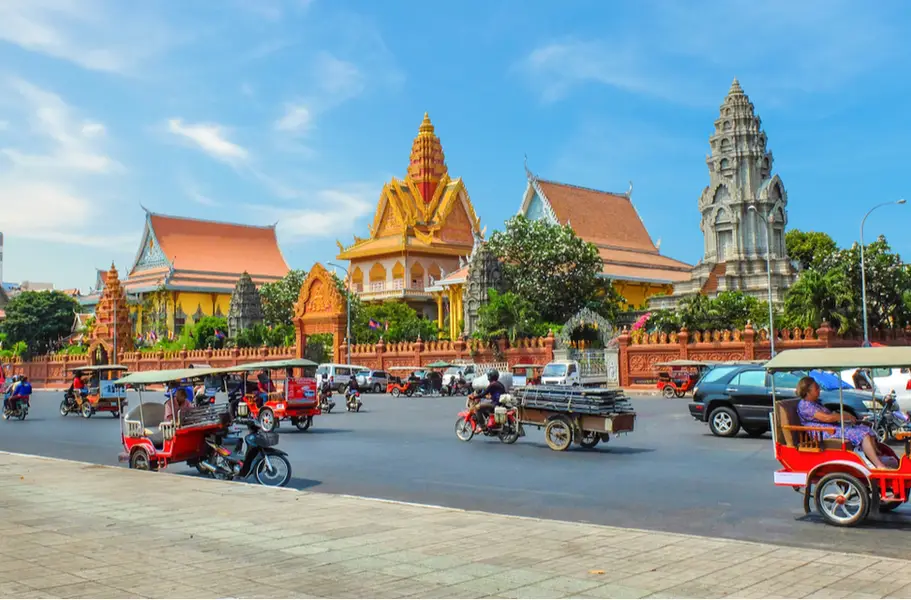
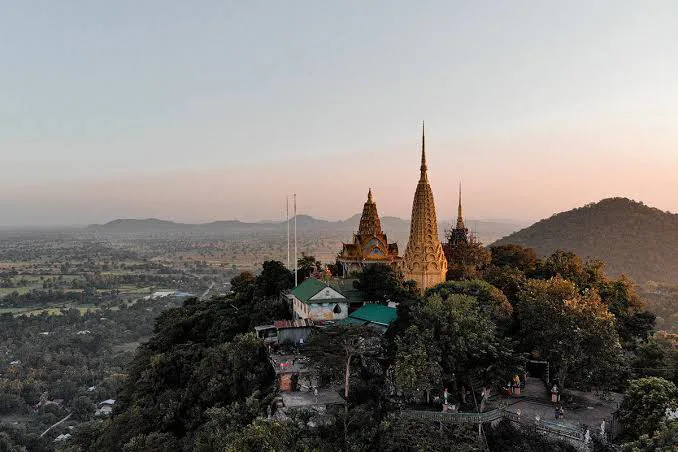
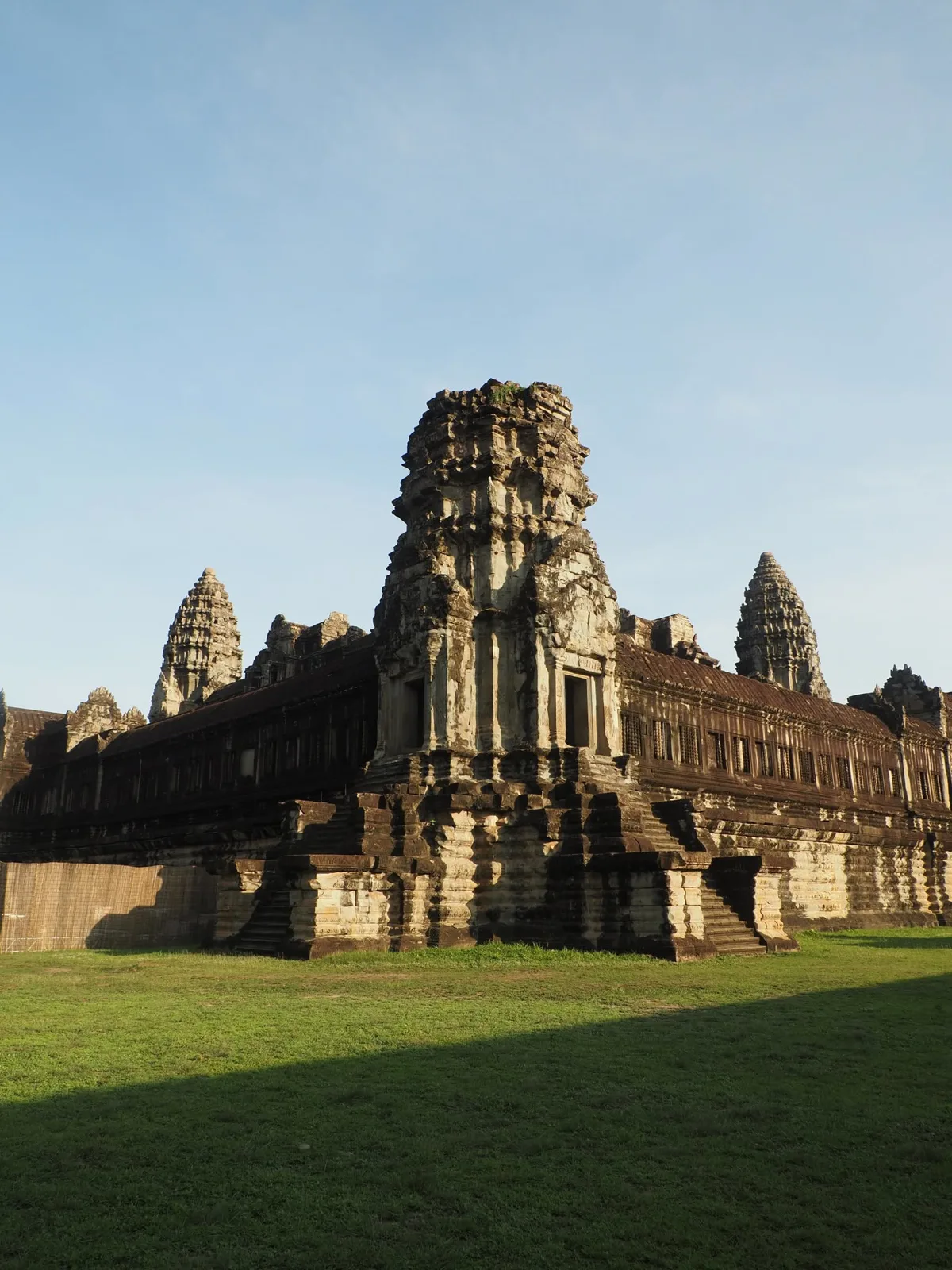
Cambodia, often referred to as the 'Kingdom of Wonder,' offers an extraordinary journey into a land rich with ancient history, vibrant culture, and breathtaking natural beauty. Beyond the iconic temples of Angkor, this Southeast Asian gem invites travelers to explore bustling cities, serene coastlines, lush rice paddies, and a resilient spirit embodied by its warm and welcoming people.
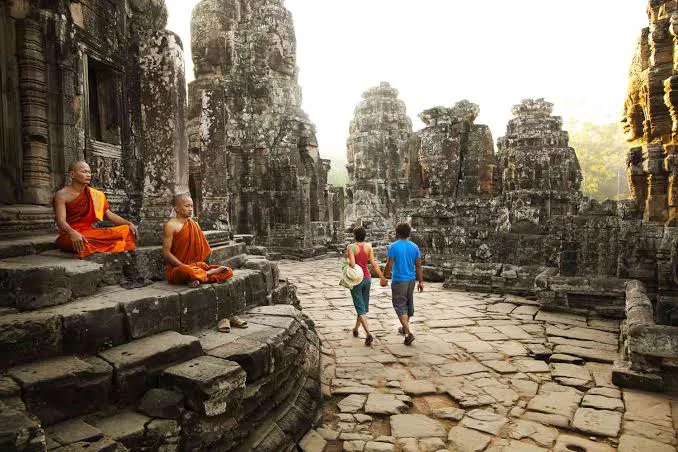
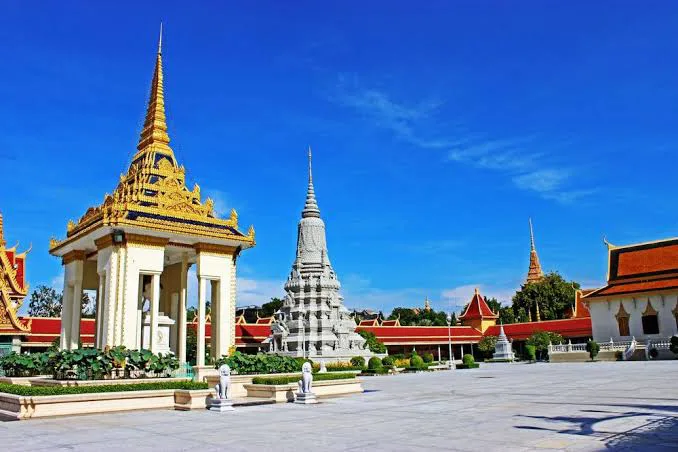
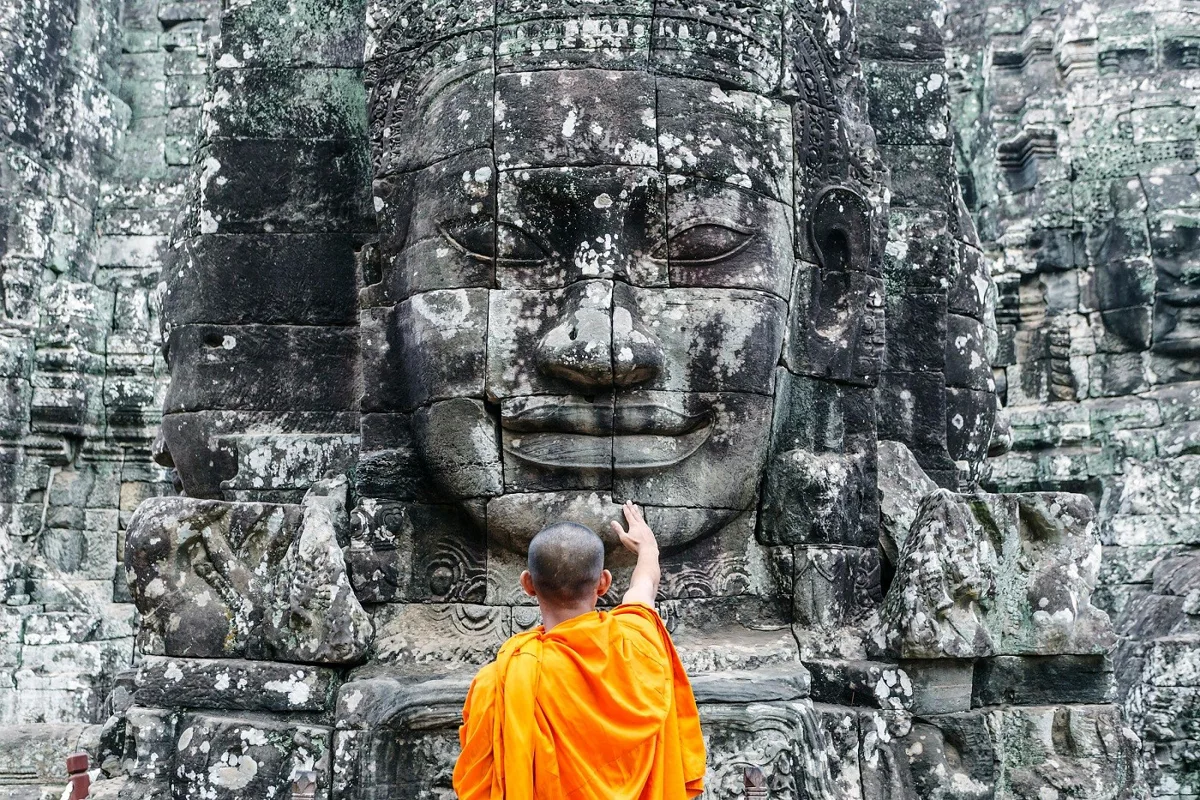
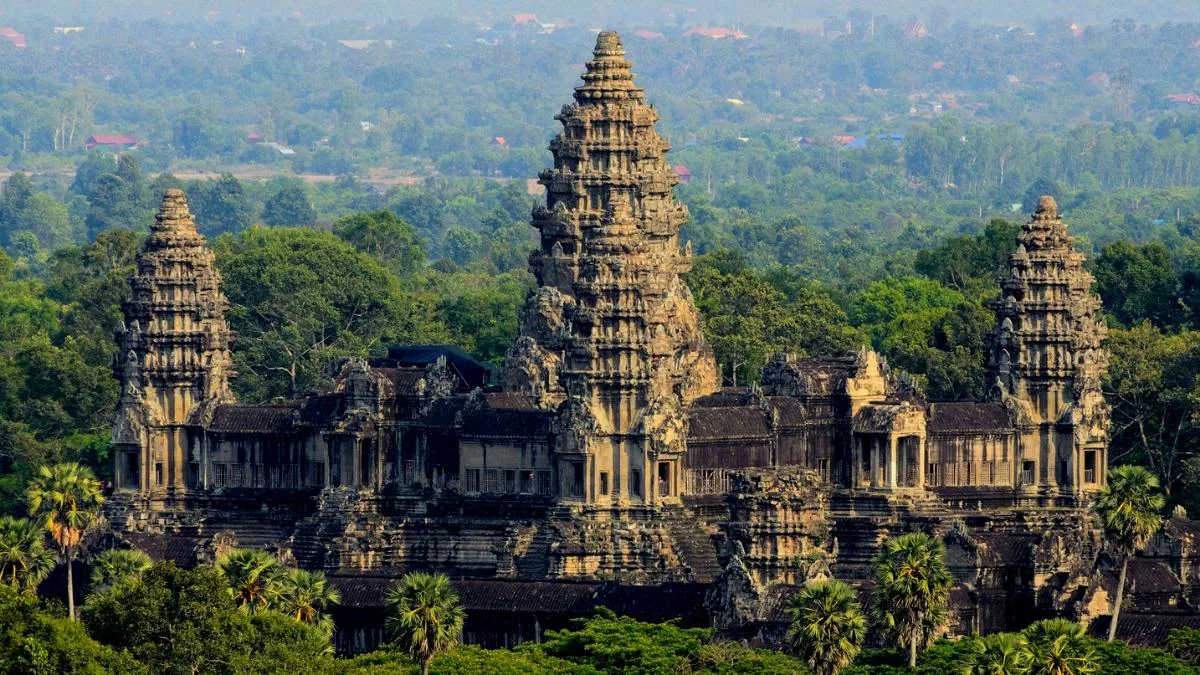
From the grandeur of the Khmer Empire, evident in the intricate carvings and colossal structures of Angkor Wat, to the poignant history preserved in Phnom Penh, Cambodia presents a profound experience. Engage with local traditions, savor the distinct flavors of Khmer cuisine, and witness daily life along the Mekong River. Whether you seek spiritual enlightenment, historical insights, or simply a tranquil escape, Cambodia promises an unforgettable adventure that resonates long after your visit.
Top Tours in Cambodia
View all
When to Visit Cambodia
Best Time to Visit
Choosing Your Ideal Time to Visit Cambodia
The 'best' time to visit Cambodia largely depends on your travel priorities and what you wish to experience.
- For Temple Exploration & General Sightseeing (November to February): This is widely considered the peak season due to cooler, drier weather, making it perfect for exploring the vast Angkor complex and other historical sites without excessive heat or rain. However, expect larger crowds and potentially higher prices for accommodation and flights.
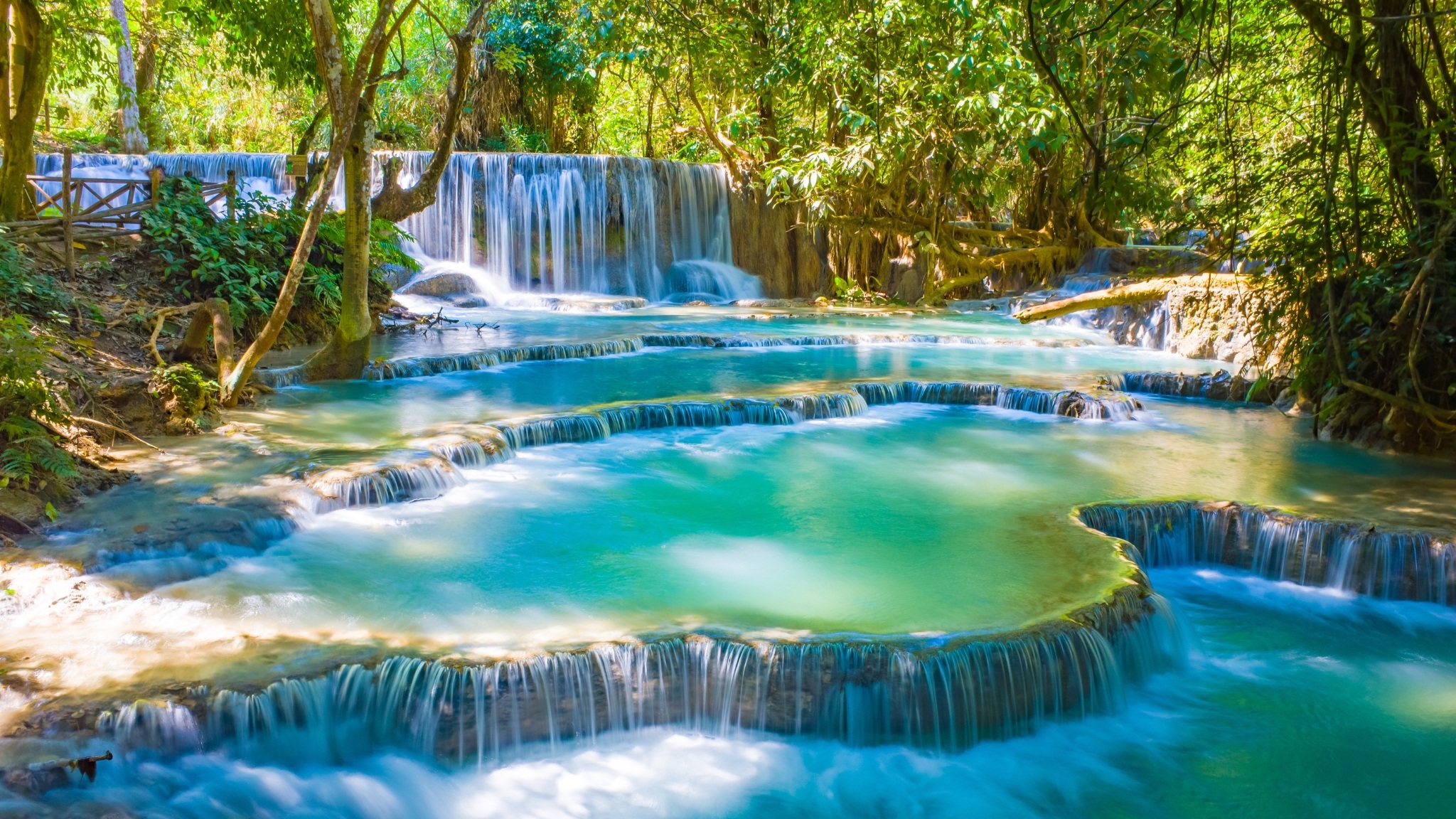
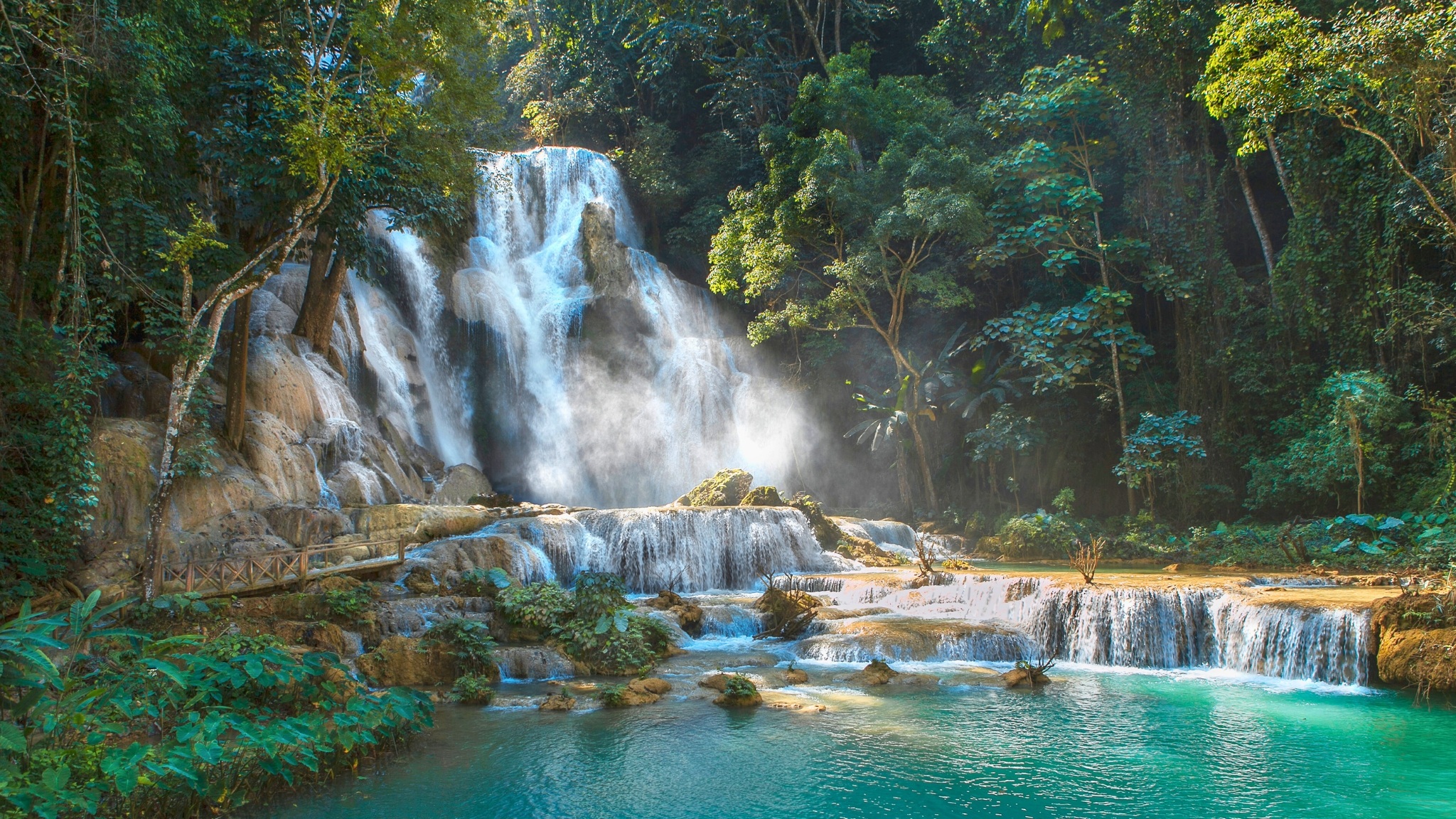
- For Budget Travelers & Lush Landscapes (June to October): The wet season offers a unique charm. The countryside is incredibly green and vibrant, waterfalls are full, and the Tonle Sap Lake is at its most expansive. Crowds are thinner, and prices for flights and hotels may be lower. While rain is frequent, it often comes in predictable afternoon showers, leaving mornings clear for activities.
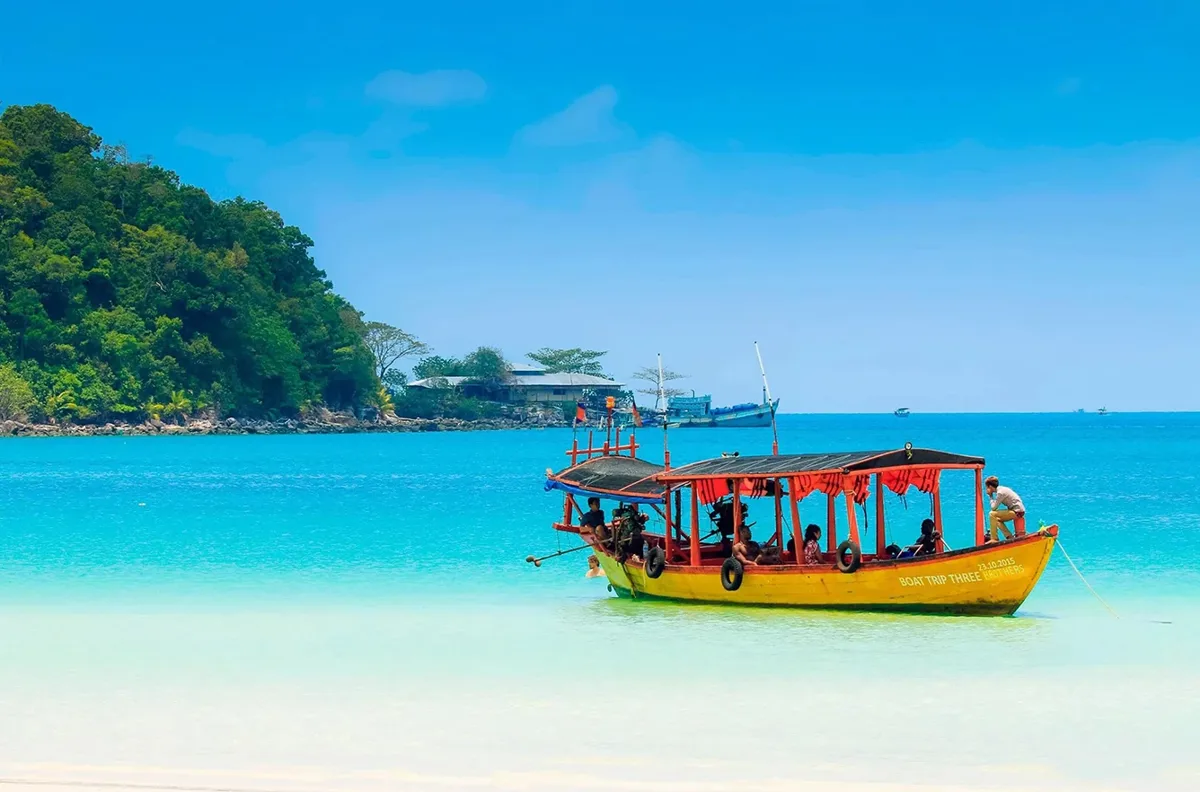
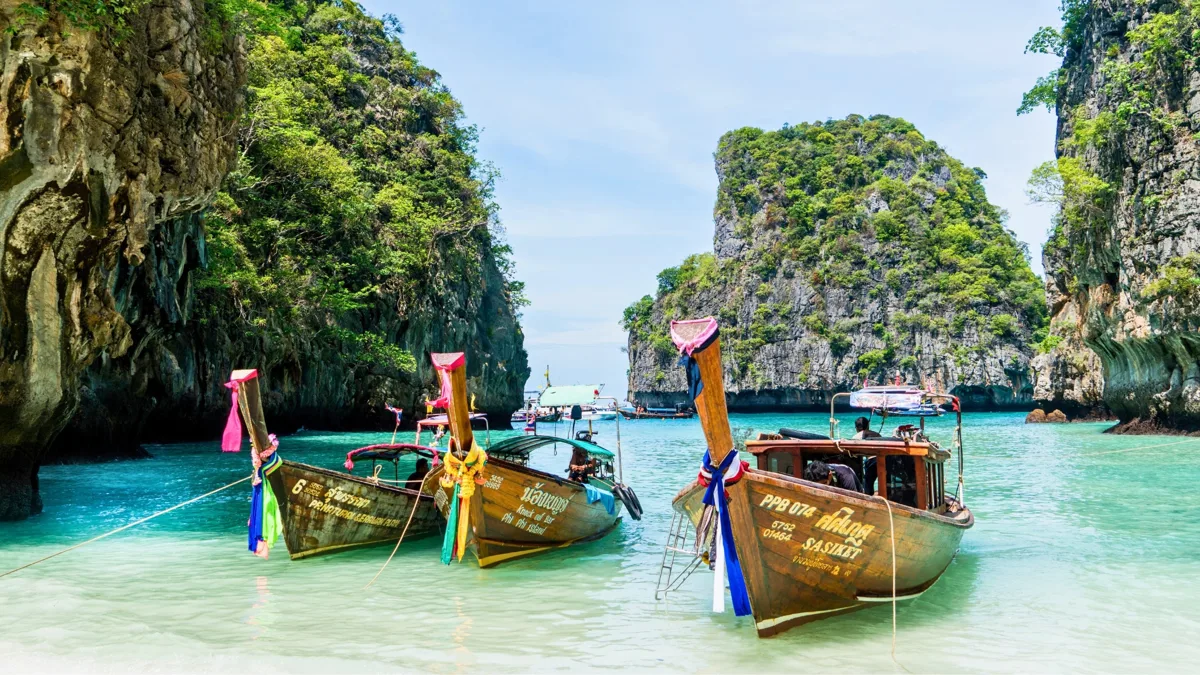
- For Beach & Island Getaways (November to April): The dry season provides the best conditions for enjoying Cambodia's southern beaches and islands, with calm seas and plenty of sunshine.
- Avoiding Peak Heat (March to May): If you are sensitive to high temperatures, you might consider avoiding the hottest months of March, April, and May, especially for extensive outdoor activities.
Climate
Understanding Cambodia's Tropical Climate
Cambodia experiences a tropical monsoon climate, characterized by two distinct seasons: the dry season and the wet season. Understanding these patterns is key to planning your trip.
- Dry Season (November to May): This period is generally sunny and warm, with lower humidity. From November to February, temperatures are milder and more comfortable, making it ideal for exploring temples and outdoor activities. March to May sees temperatures rise significantly, often reaching their peak, especially in the central plains.
- Wet Season (June to October): Also known as the green season, this period brings higher humidity and regular rainfall, typically in short, heavy bursts, often in the afternoon. While rain can be intense, it rarely lasts all day. The landscape transforms into a vibrant, lush green, and the Tonle Sap Lake swells dramatically. This season can offer a unique perspective, with fewer crowds and stunning natural beauty.
Coastal areas, like Sihanoukville and Kep, tend to have slightly different rainfall patterns, sometimes experiencing heavier downpours due to their proximity to the sea.
General Visa Requirements for Cambodia
Most foreign nationals require a visa to enter Cambodia. However, specific requirements, eligibility for visa on arrival, or e-Visa options can vary significantly based on your nationality and the latest government regulations. It is crucial to understand that visa policies are subject to change without prior notice.
Common Visa Options:
- Visa on Arrival: Many nationalities can obtain a tourist visa upon arrival at international airports (Phnom Penh, Siem Reap) and some land border crossings. You will typically need a valid passport (with at least six months validity remaining), a passport-sized photograph, and the visa fee in USD.
- E-Visa: An e-Visa can be applied for online in advance, which can save time upon arrival. This option is available for many nationalities and is valid for entry at specific international airports and land borders.
- Embassy/Consulate Application: For those not eligible for visa on arrival or e-Visa, or who prefer to secure their visa before departure, applications can be made at a Cambodian embassy or consulate in your home country.
Important Advisory:
We strongly advise all travelers to verify the most current and specific visa requirements for their nationality by consulting the official website of the Cambodian Ministry of Foreign Affairs and International Cooperation or contacting the nearest Cambodian embassy or consulate well in advance of their planned travel dates. Regulations can change, and it is the traveler's responsibility to ensure compliance.