Hue
Discover Hue: Vietnam's Imperial City of History and Culture
Nestled along the serene Perfume River in Central Vietnam, Hue stands as a captivating testament to Vietnam's imperial past. As the former capital of the Nguyen Dynasty, this enchanting city is a UNESCO World Heritage site, renowned for its magnificent imperial architecture, tranquil pagodas, and a culinary heritage that tantalizes the senses. With a population of approximately 340,000, Hue offers a unique blend of historical grandeur and peaceful local life, making it an essential destination for travelers seeking a deeper understanding of Vietnamese culture and history.
Why Visit Hue?
- Imperial Grandeur: Explore the sprawling Imperial City, a fortified citadel housing palaces, temples, and the Forbidden Purple City.
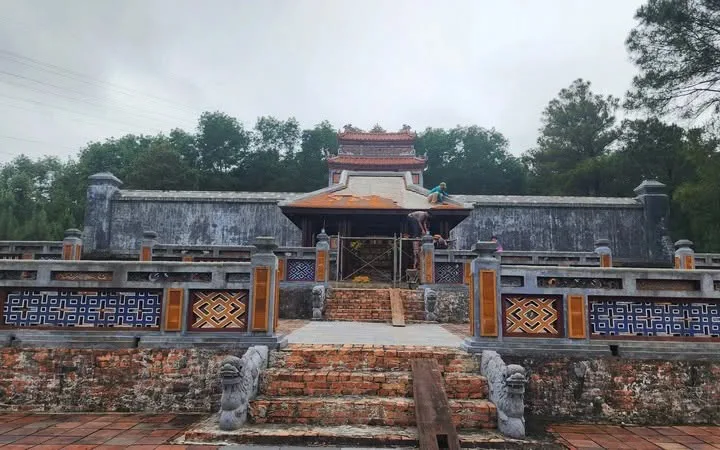
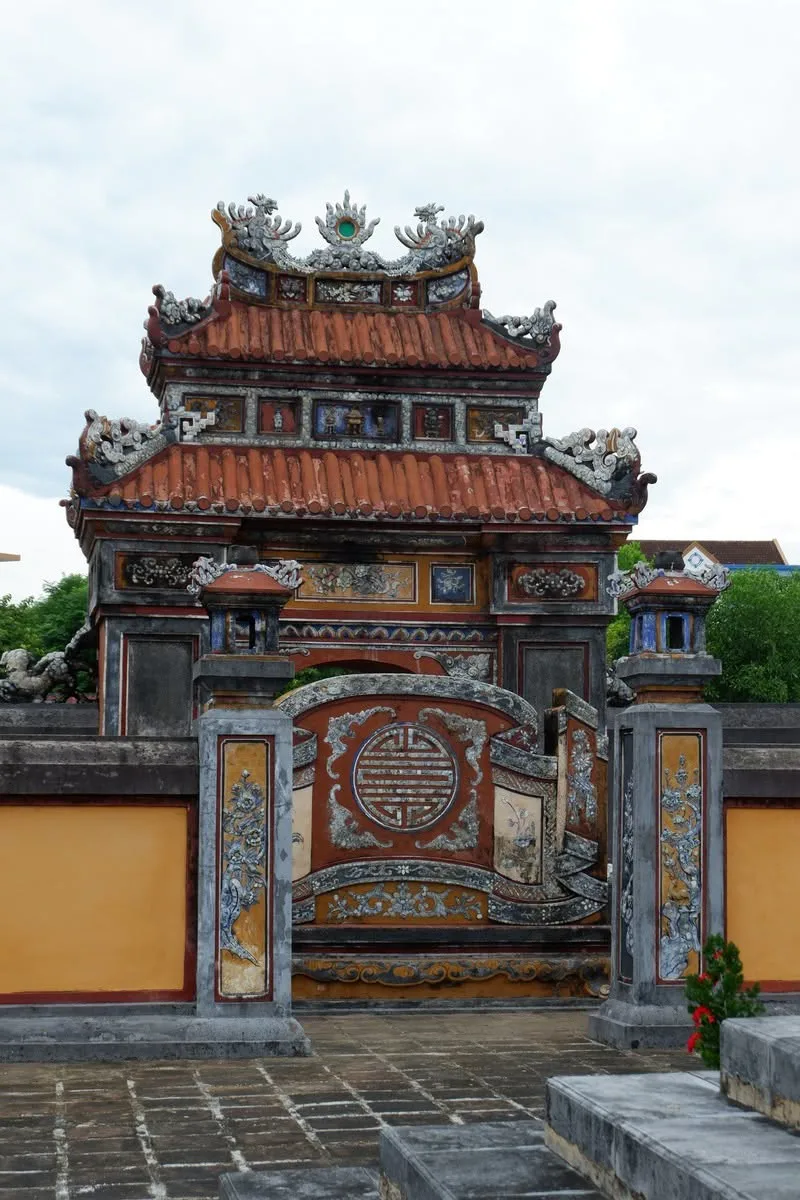
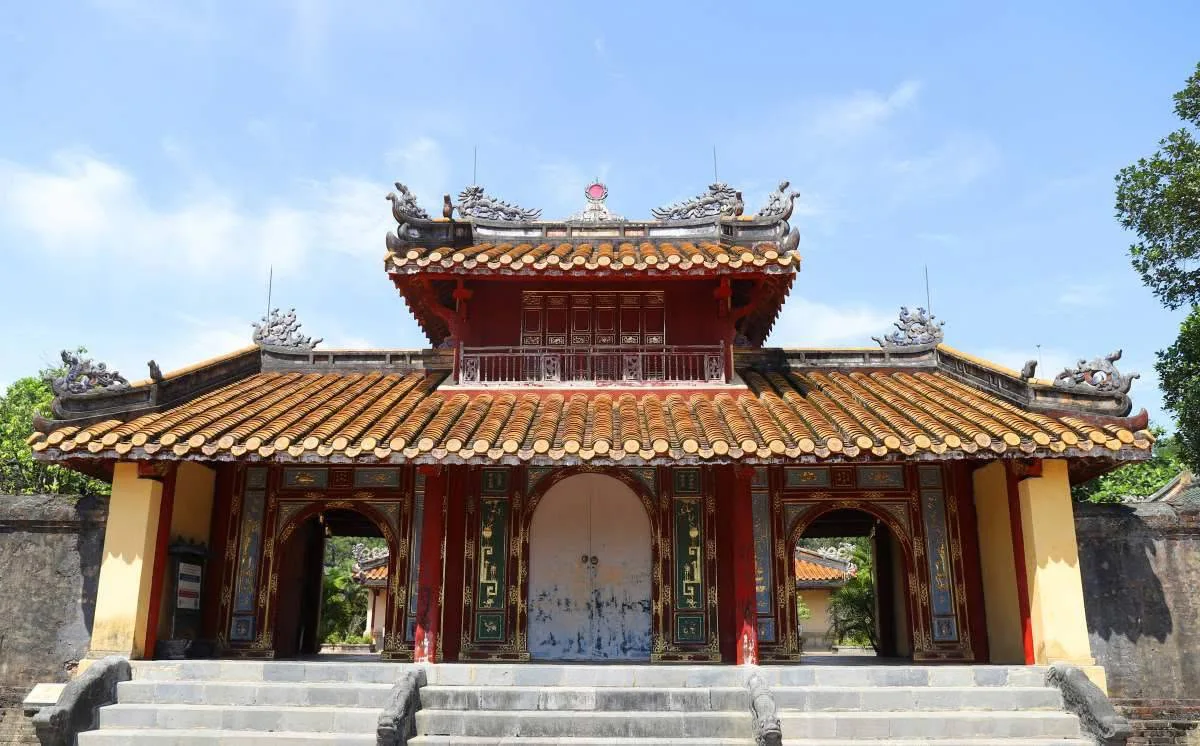
- Historical Depth: Discover the elaborate royal tombs of the Nguyen Emperors, each a unique architectural masterpiece set amidst beautiful landscapes.
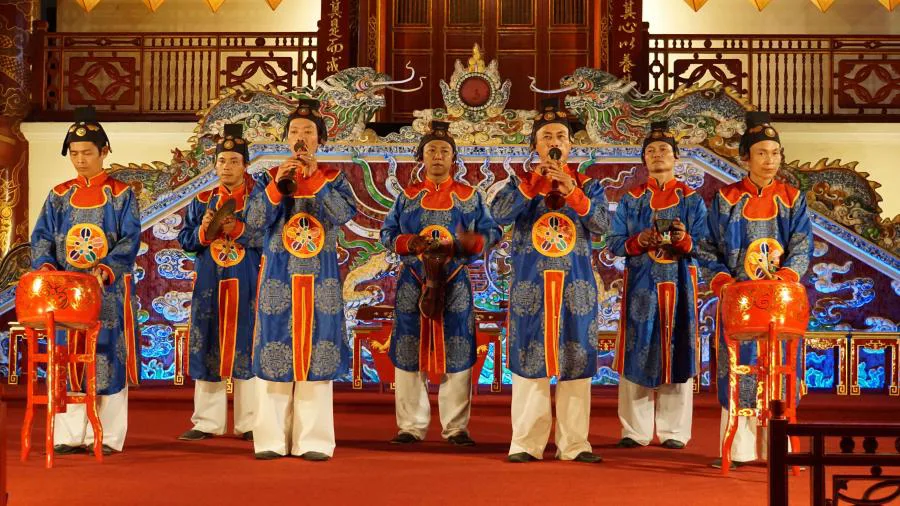
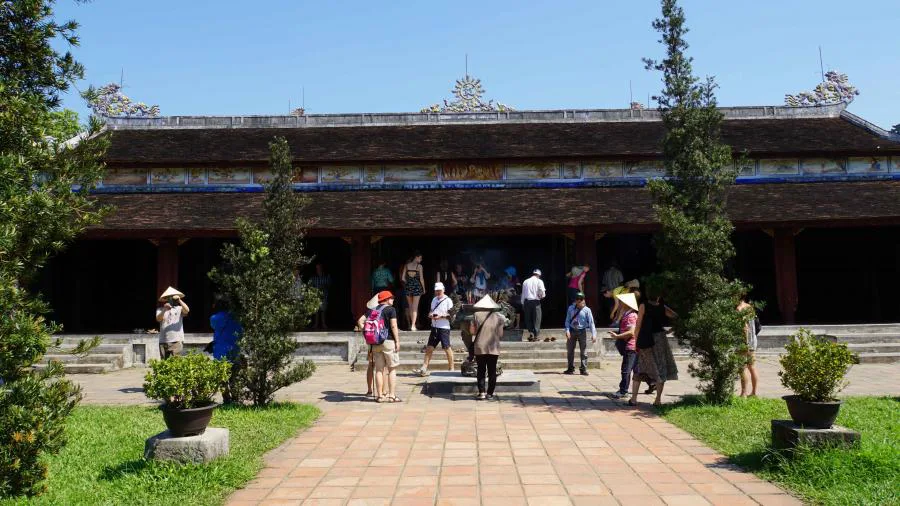
- Cultural Immersion: Witness ancient traditions, visit historic pagodas like Thien Mu, and experience the city's spiritual tranquility.
- Culinary Delights: Indulge in Hue's distinctive cuisine, from refined imperial dishes to vibrant street food.
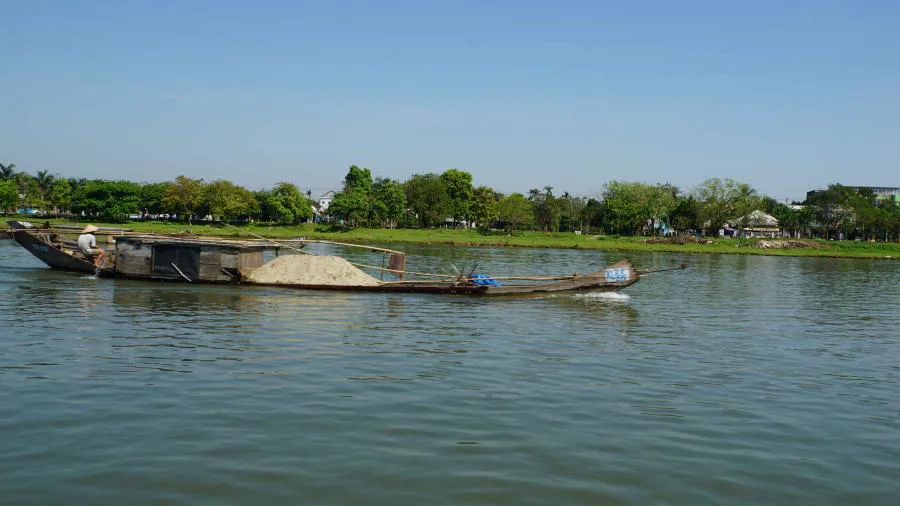
- Scenic Beauty: Enjoy boat trips along the Perfume River, surrounded by lush greenery and historic sites.
Best Time to Visit Hue
The ideal time to visit Hue is during the dry season, from February to April. During these months, the weather is generally pleasant with moderate temperatures, making it comfortable for exploring outdoor attractions. The period from May to August can be hot and humid, while the rainy season from September to January may bring heavy rainfall and occasional typhoons, though it can also offer a unique, quieter charm.
Top Attractions and Experiences
The Imperial City (Dai Noi)
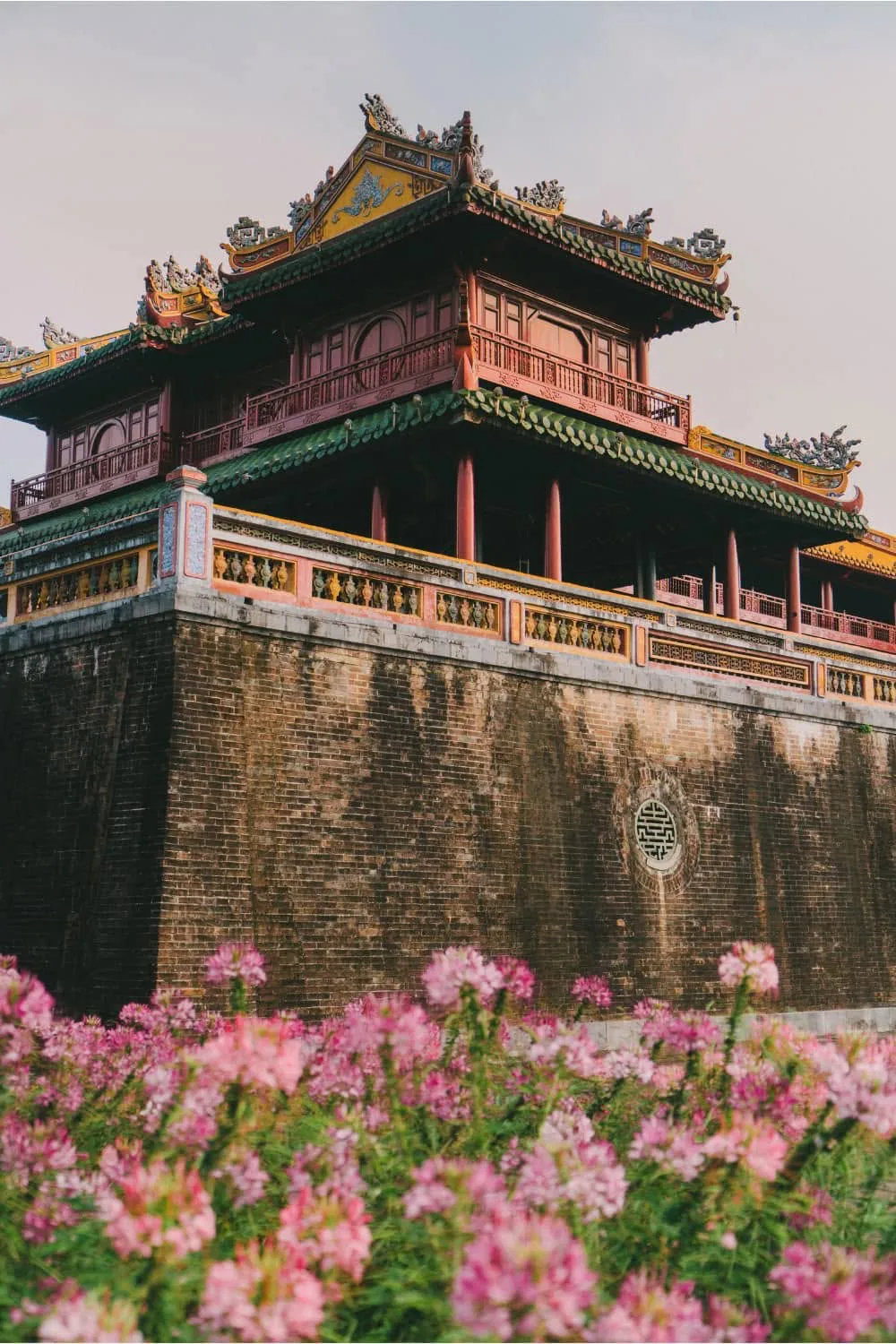
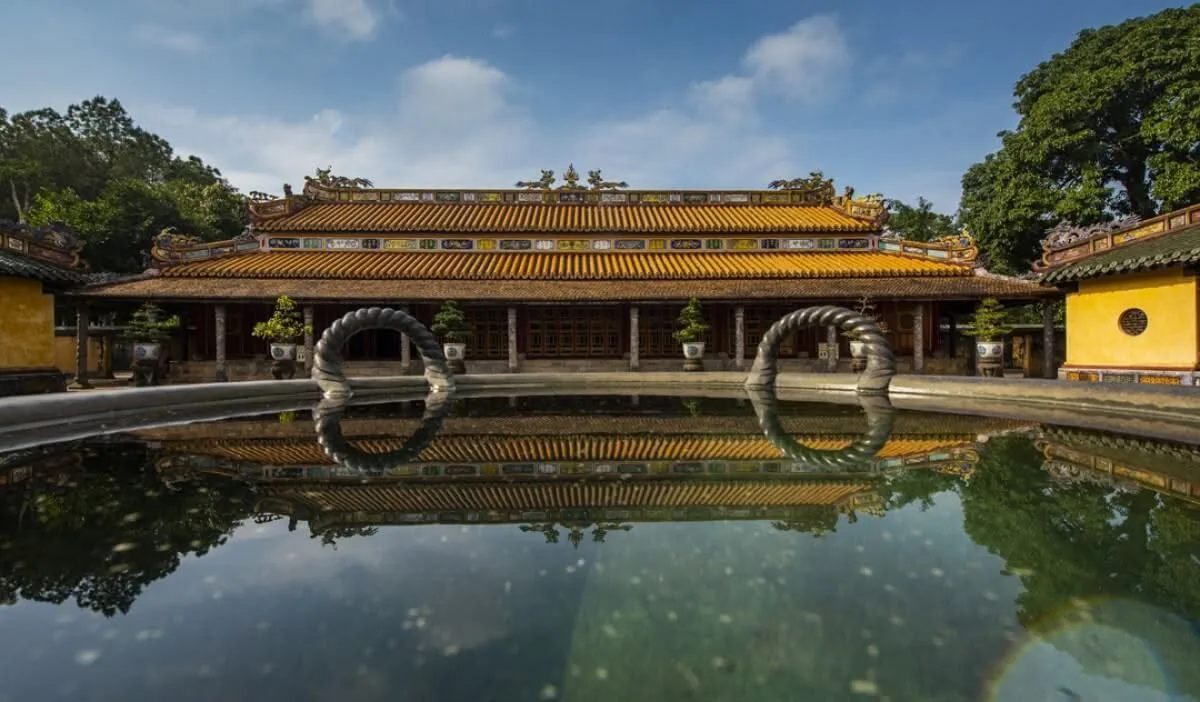
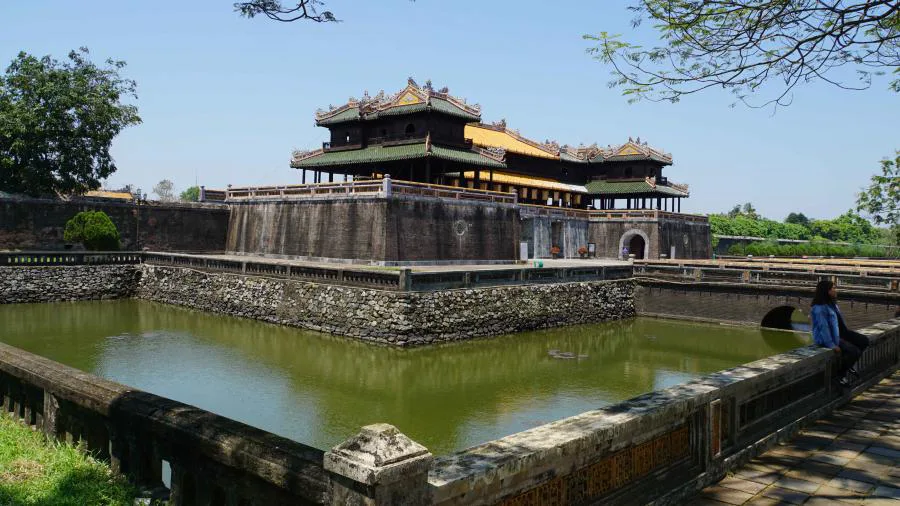
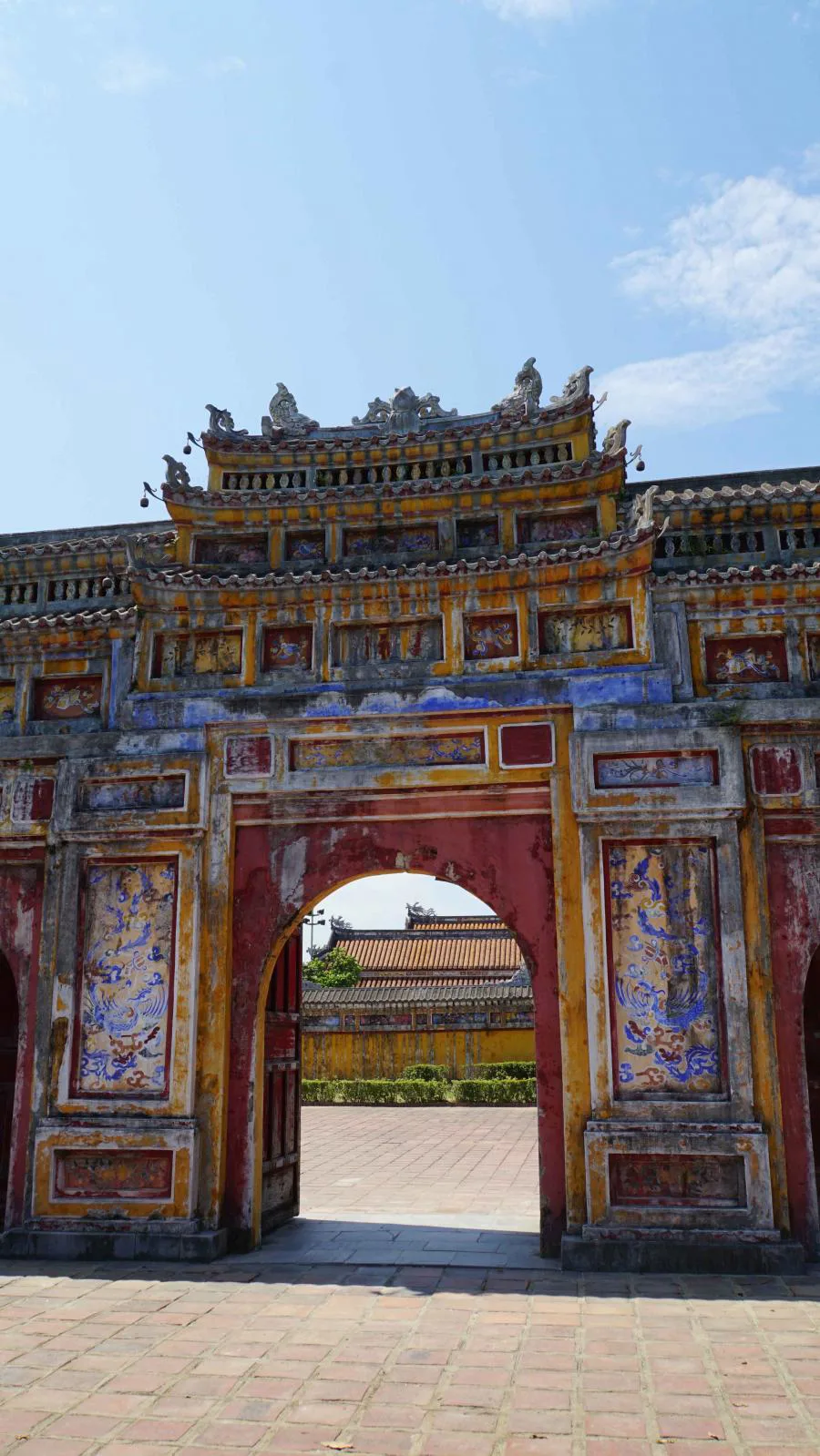
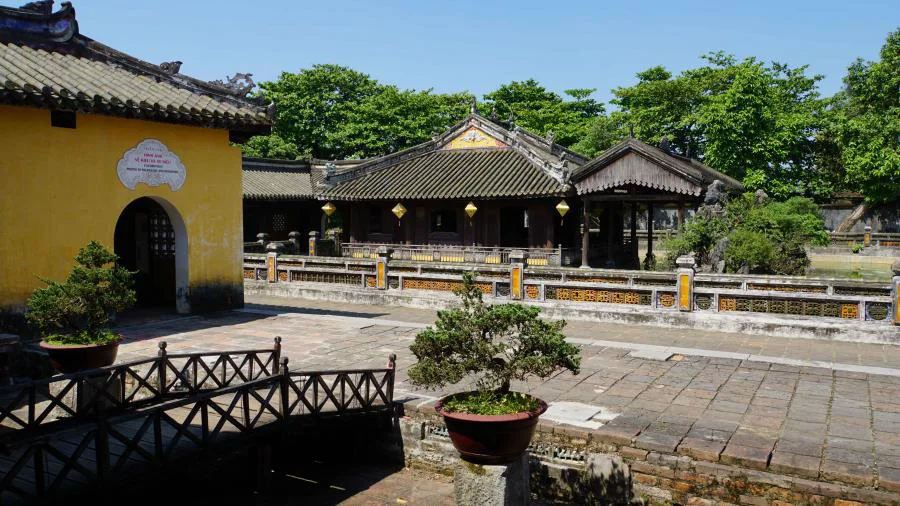
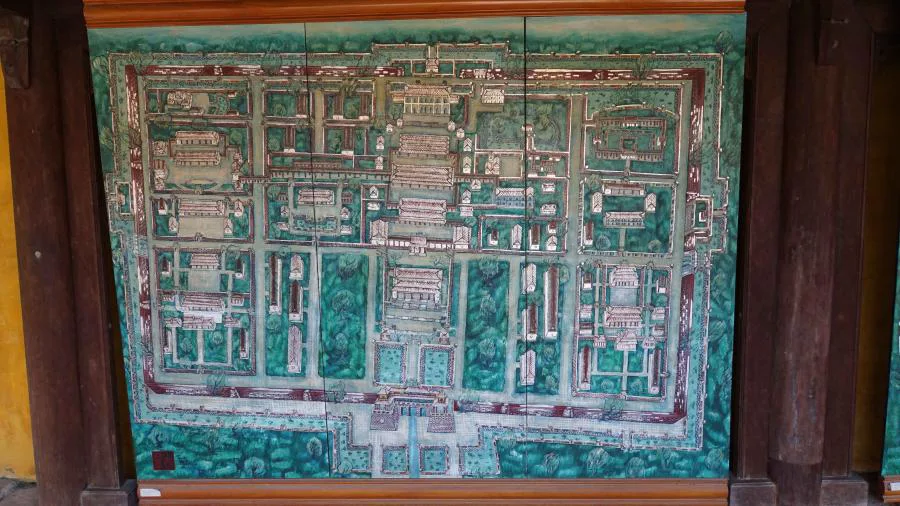
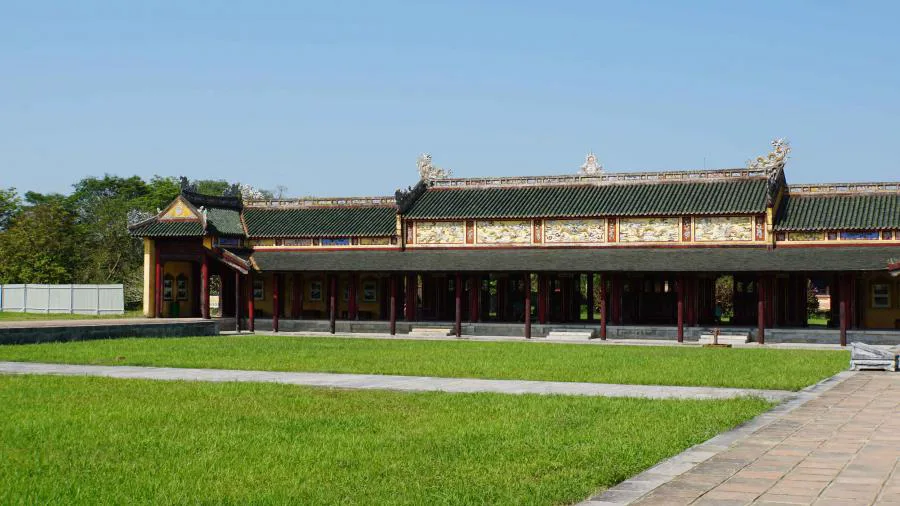
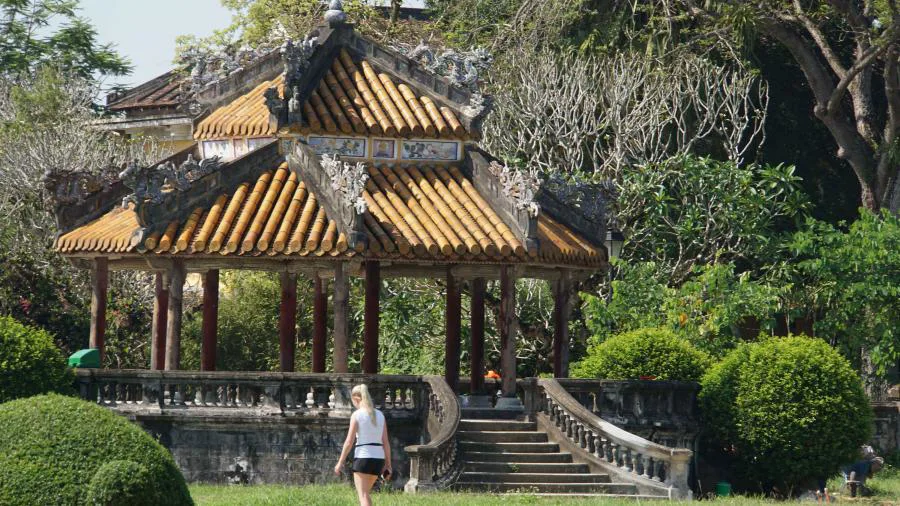
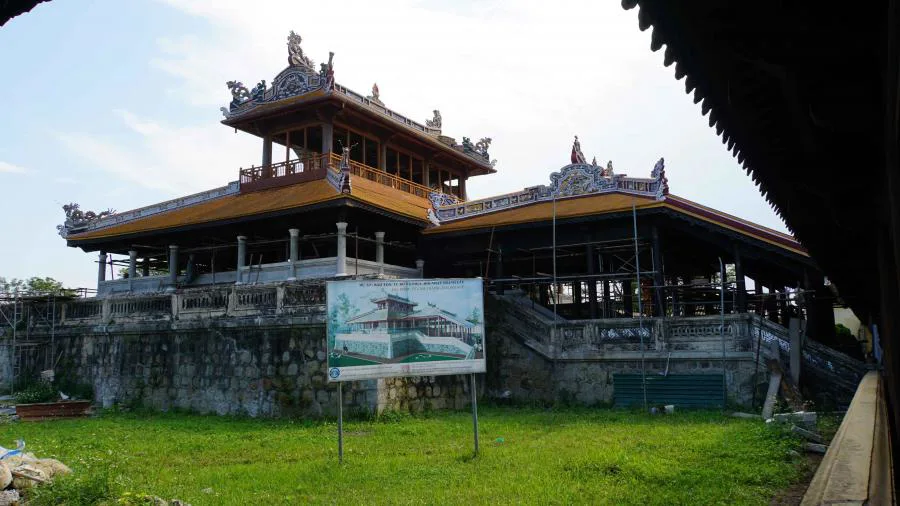
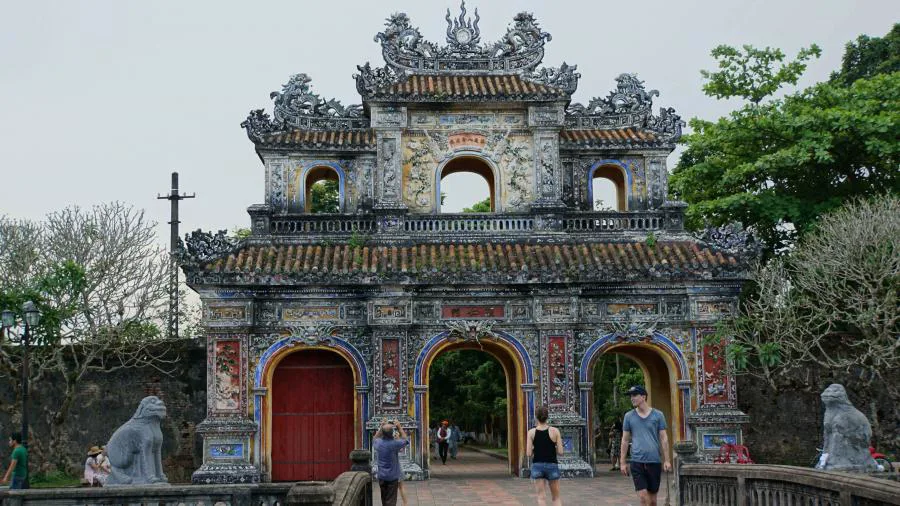
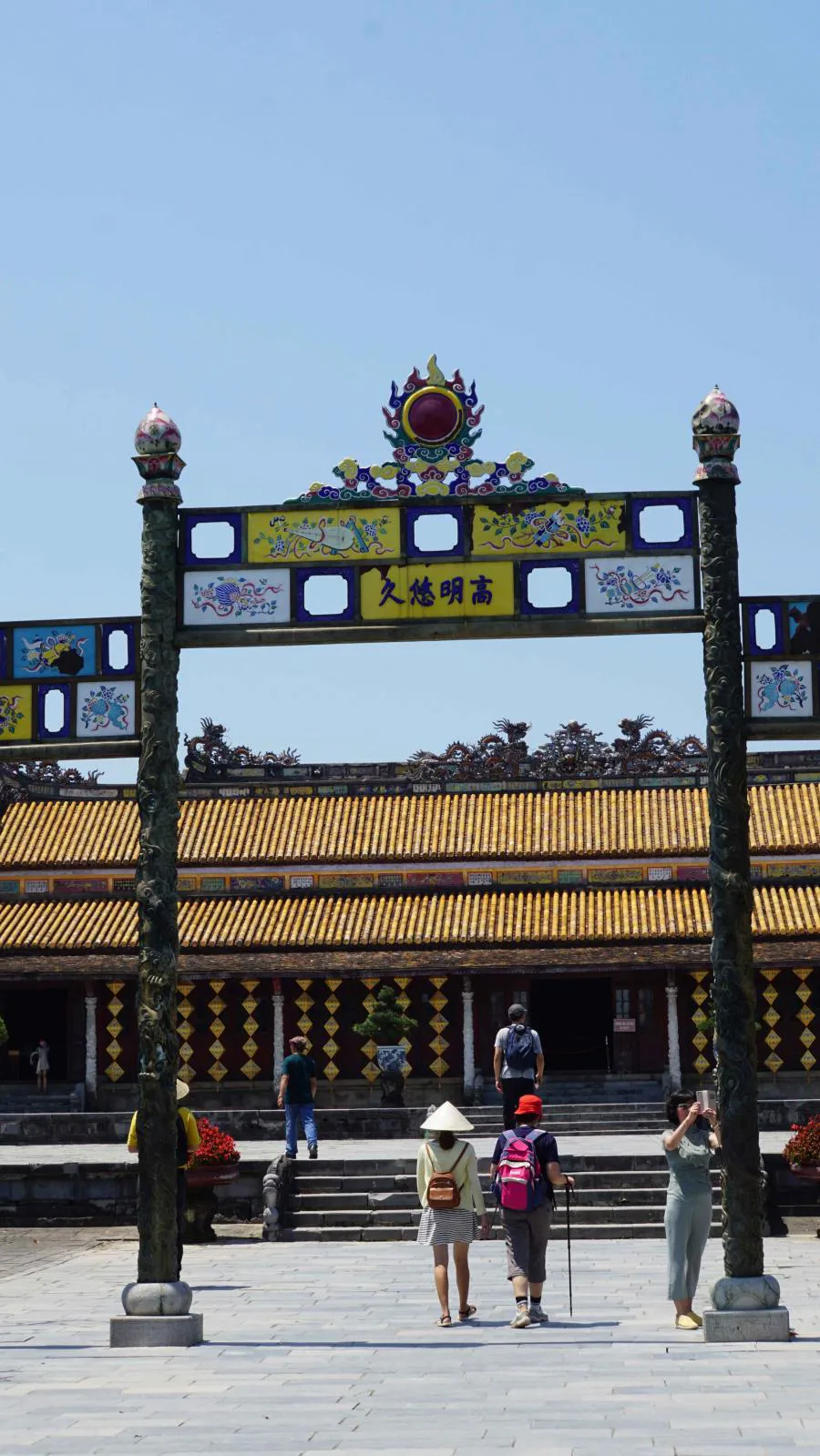
The heart of Hue's historical legacy, the Imperial City is a vast complex surrounded by a moat and thick stone walls. Within its grounds, you'll find the Forbidden Purple City, once reserved exclusively for the emperor and his family, along with numerous temples, pavilions, and gates that tell tales of a bygone era. Allow ample time to wander through its majestic courtyards and restored buildings.
Royal Tombs of the Nguyen Emperors
Scattered along the Perfume River, the elaborate tombs of the Nguyen Emperors are architectural marvels blending Vietnamese and foreign influences. Each tomb reflects the personality and philosophy of the emperor it honors. Key tombs to visit include:
- Tomb of Minh Mang: Known for its harmonious blend of architecture and natural landscape.
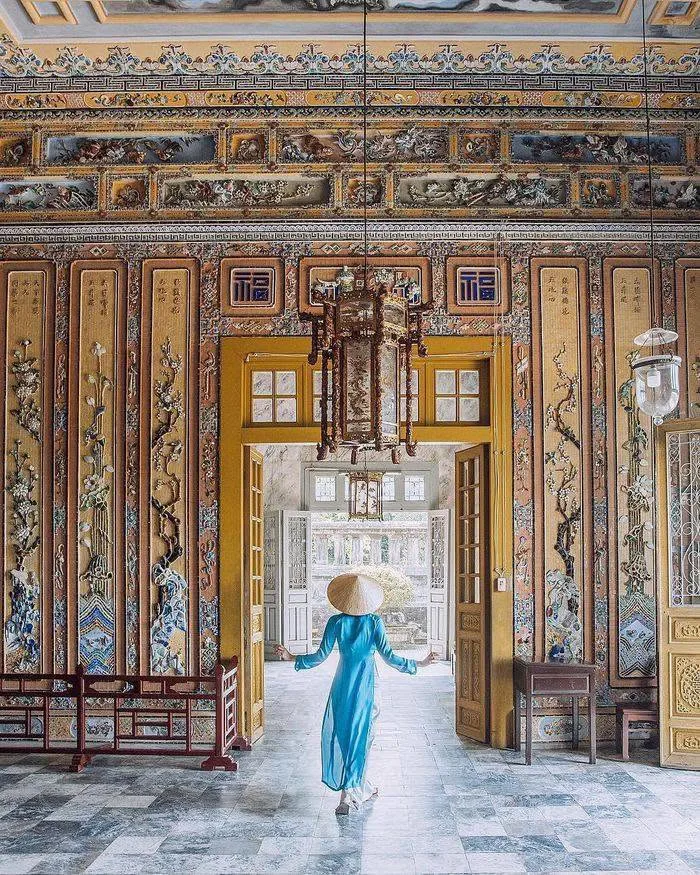
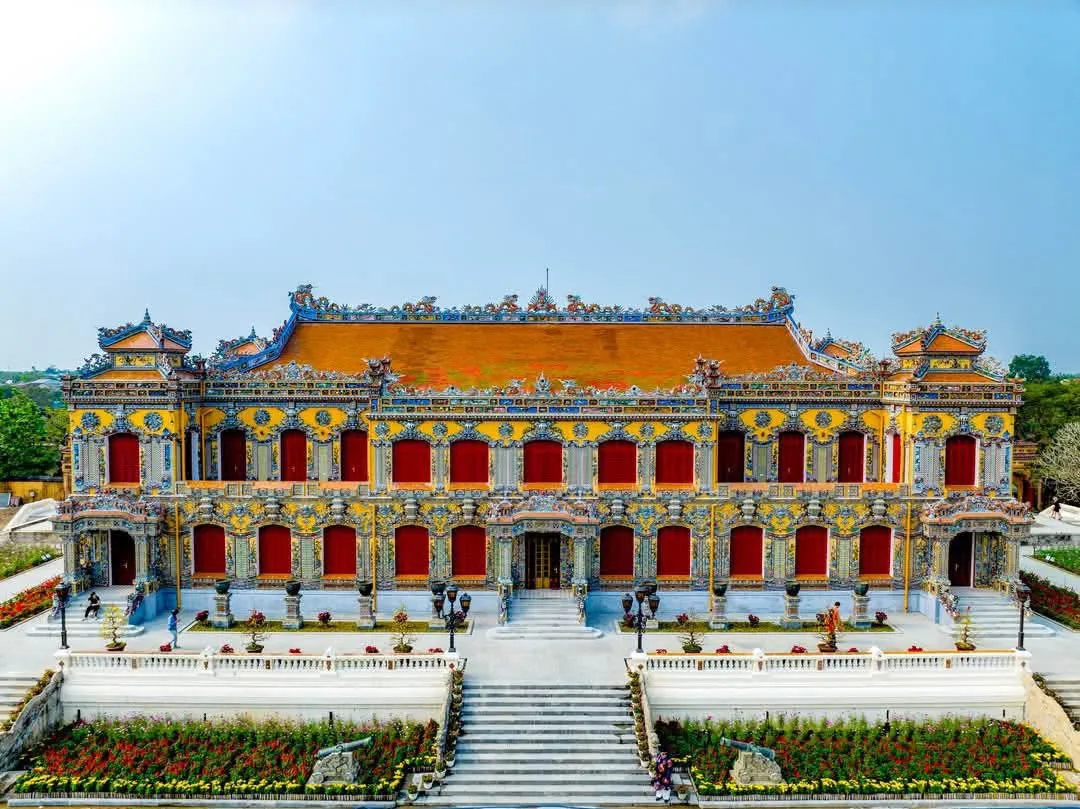
- Tomb of Khai Dinh: A striking fusion of Vietnamese, European, and even Gothic design, adorned with intricate mosaics.
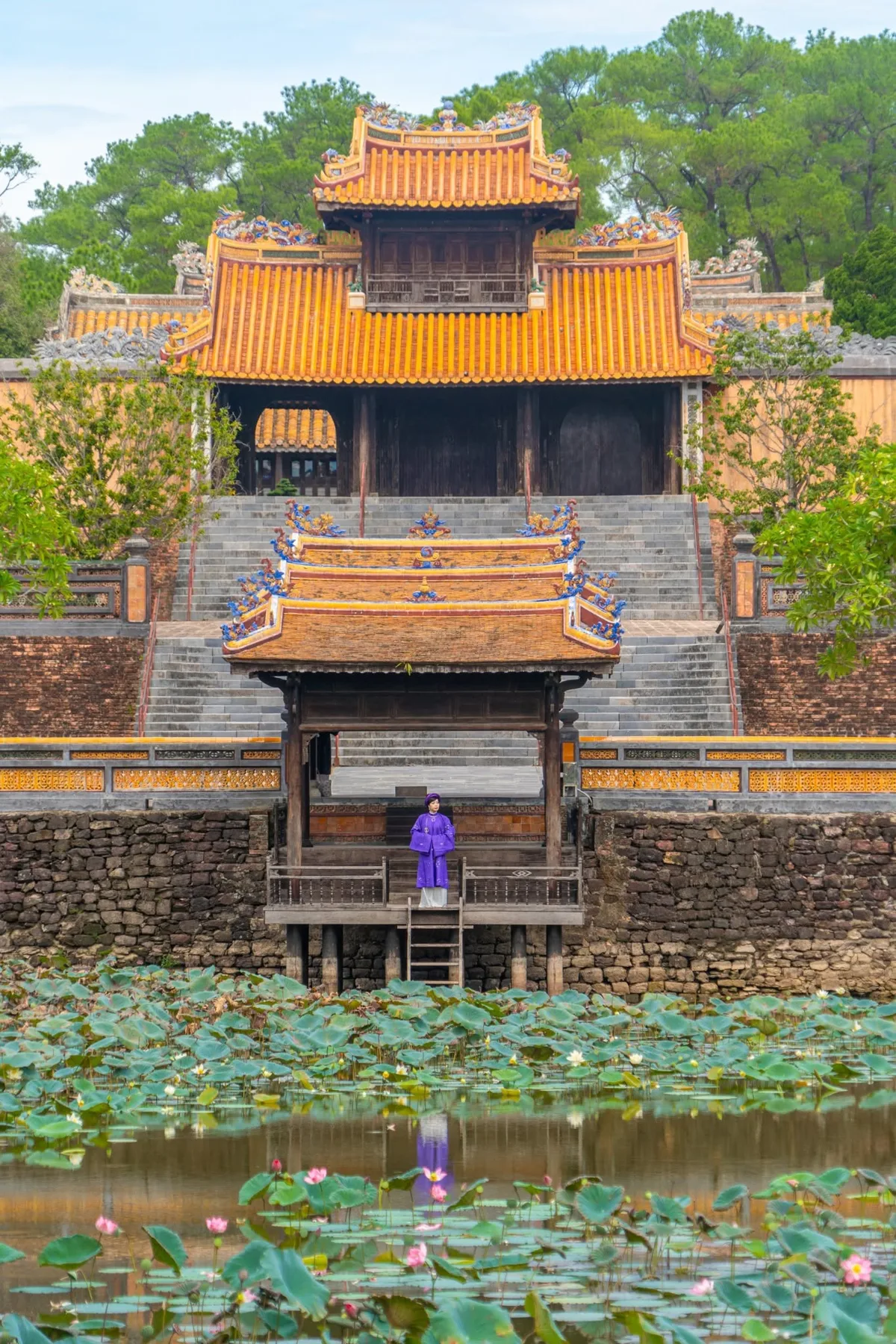
- Tomb of Tu Duc: Set amidst a beautiful lake and forest, reflecting the emperor's poetic soul.
Thien Mu Pagoda
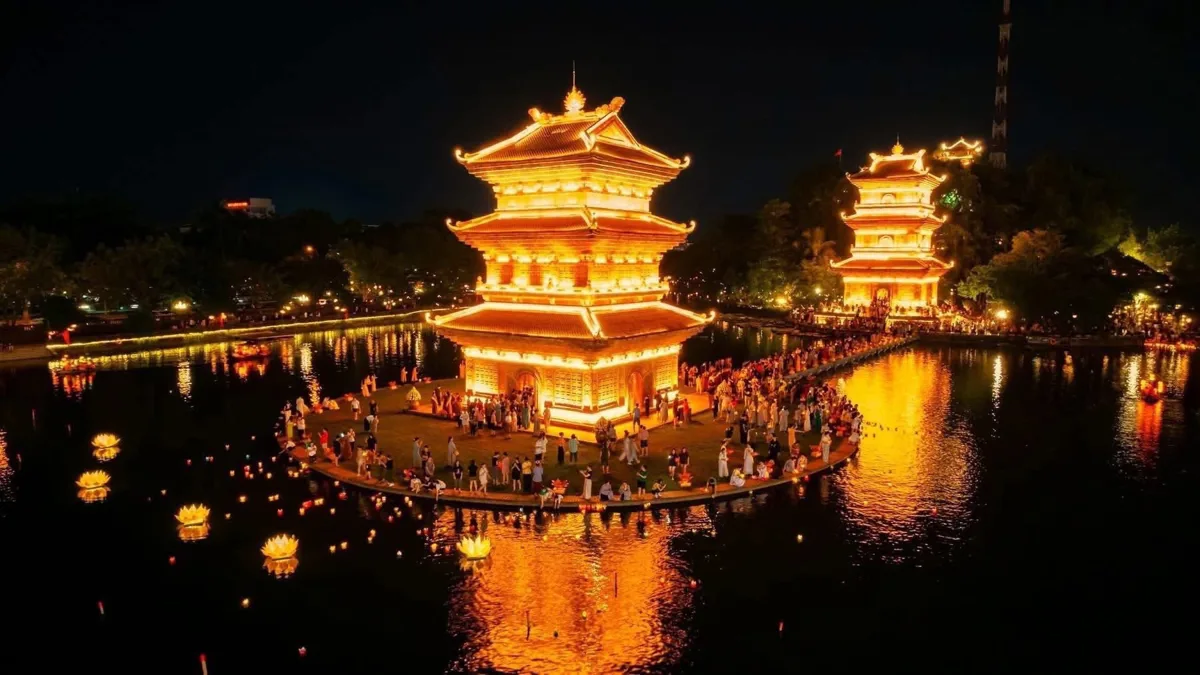
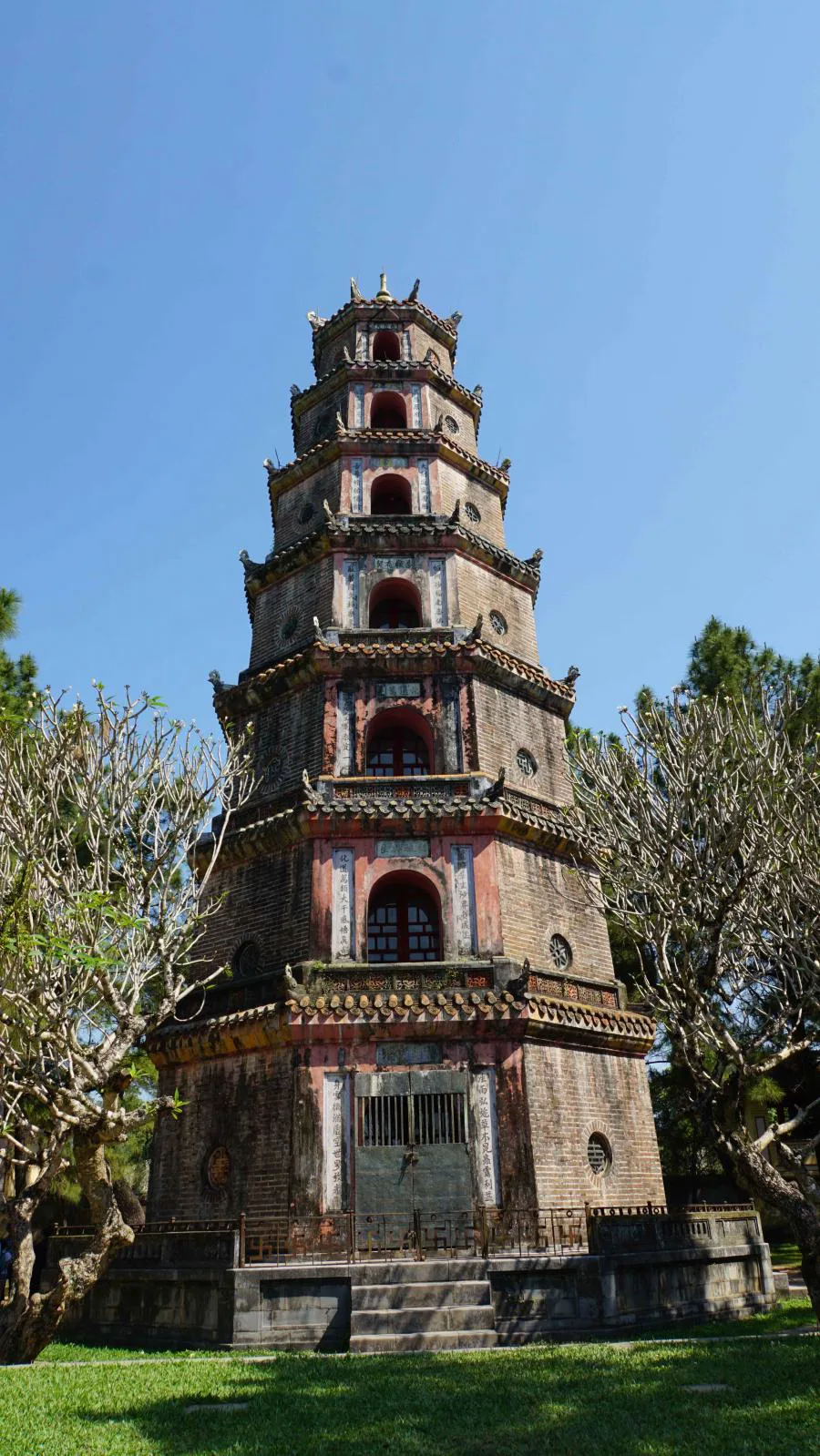
Perched on a hill overlooking the Perfume River, Thien Mu Pagoda is Hue's most iconic spiritual symbol. This seven-story pagoda, built in the early 17th century, is an active monastery and a significant site in Vietnamese Buddhism. Its serene setting and historical importance make it a must-visit.
Perfume River Cruises
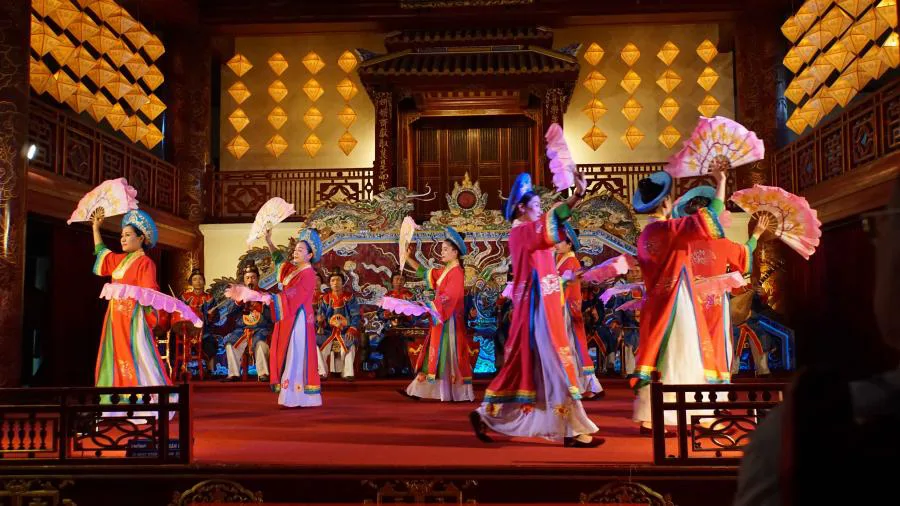
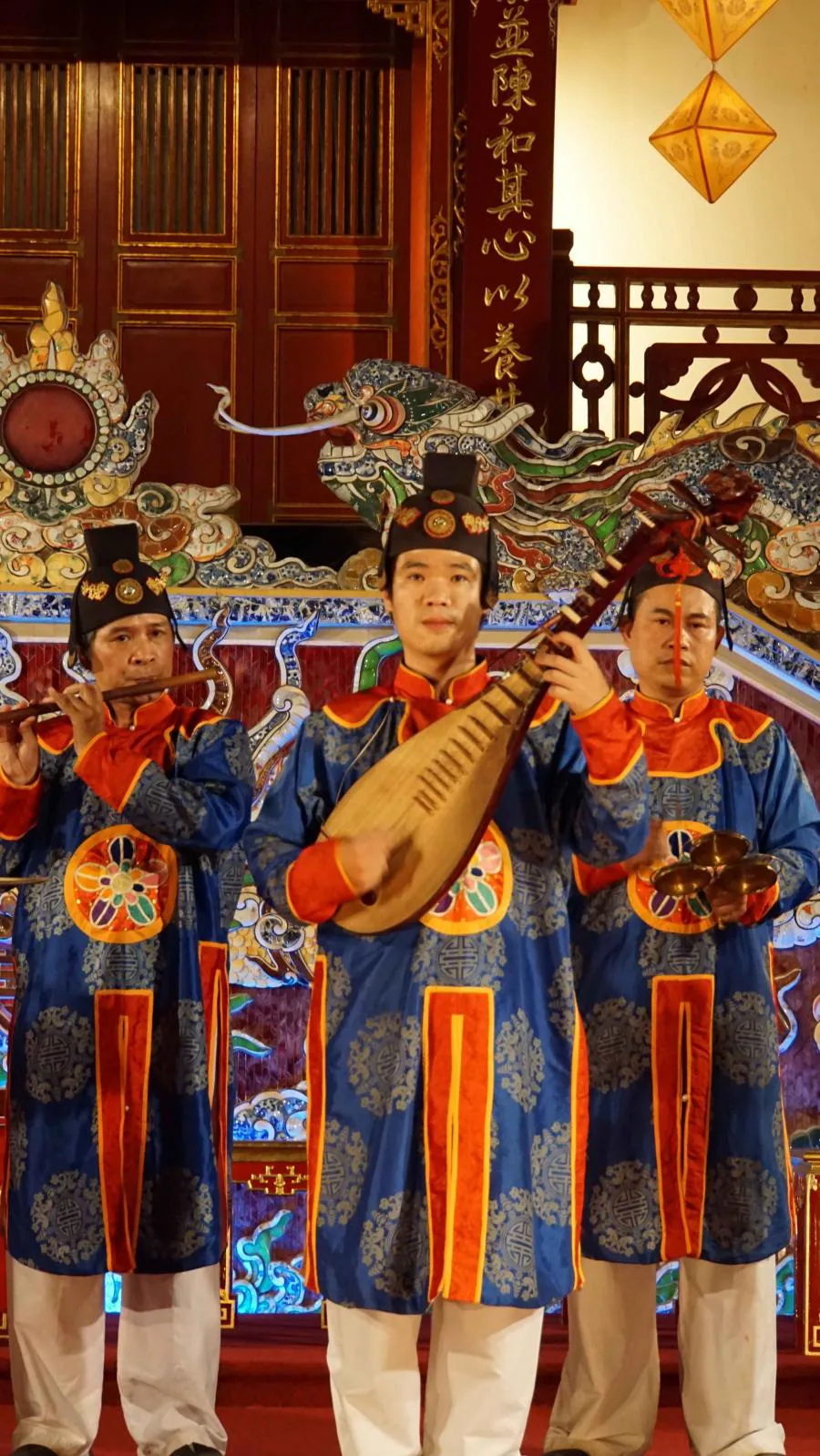
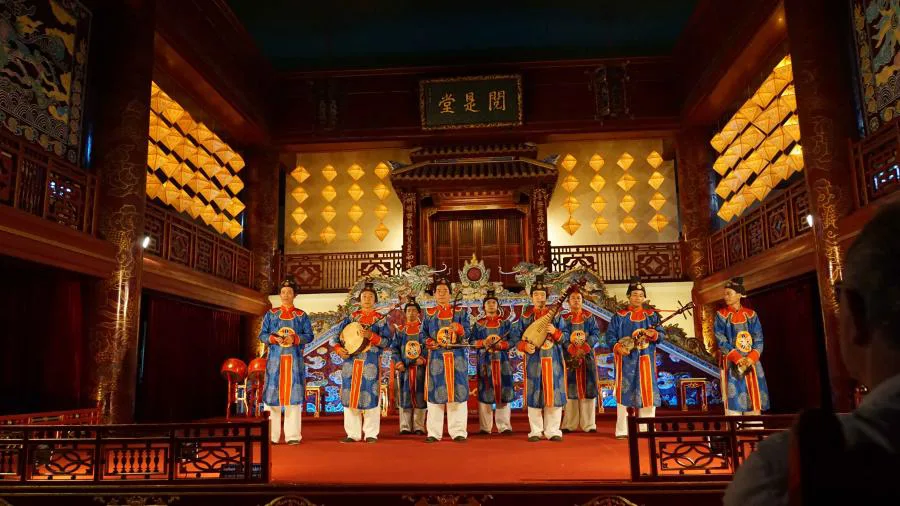
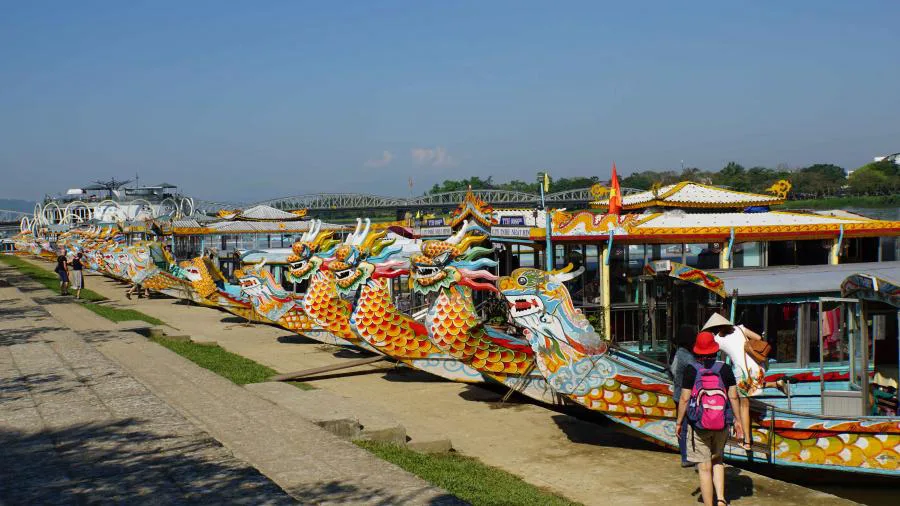
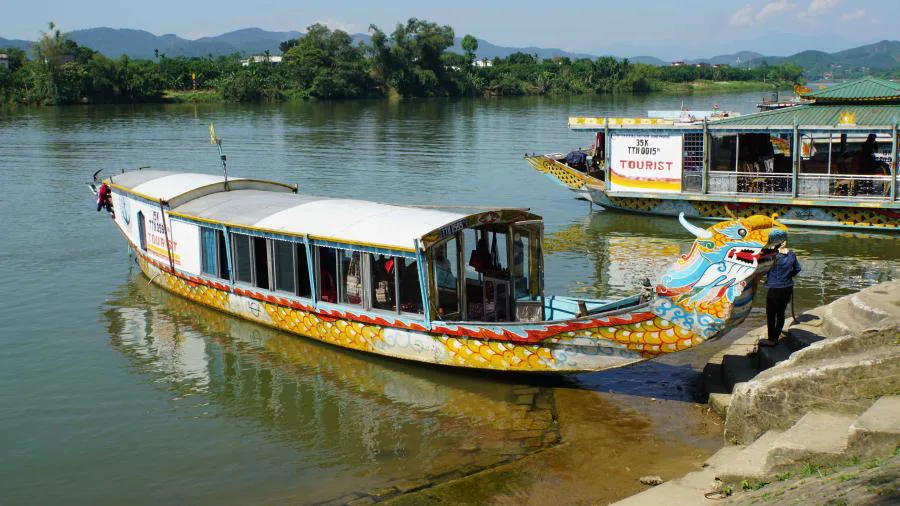
A boat trip along the Perfume River (Song Huong) is a quintessential Hue experience. Traditional dragon boats offer a relaxing way to see the city from a different perspective, often including stops at Thien Mu Pagoda and some of the royal tombs. Evening cruises, sometimes accompanied by traditional music, provide a magical ambiance.
Dong Ba Market
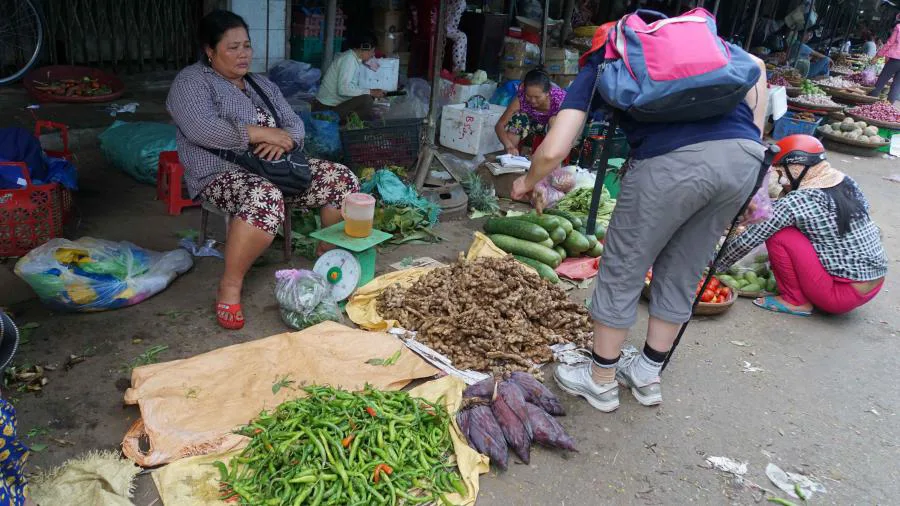
For a taste of local life and authentic Hue products, visit Dong Ba Market. This bustling market offers everything from fresh produce and spices to handicrafts, clothing, and, most importantly, a vast array of local street food. It's an excellent place to observe daily life and sample regional specialties.
Getting Around Hue
Hue is relatively easy to navigate. The city center and main attractions are often within walking or cycling distance. Other popular transportation options include:
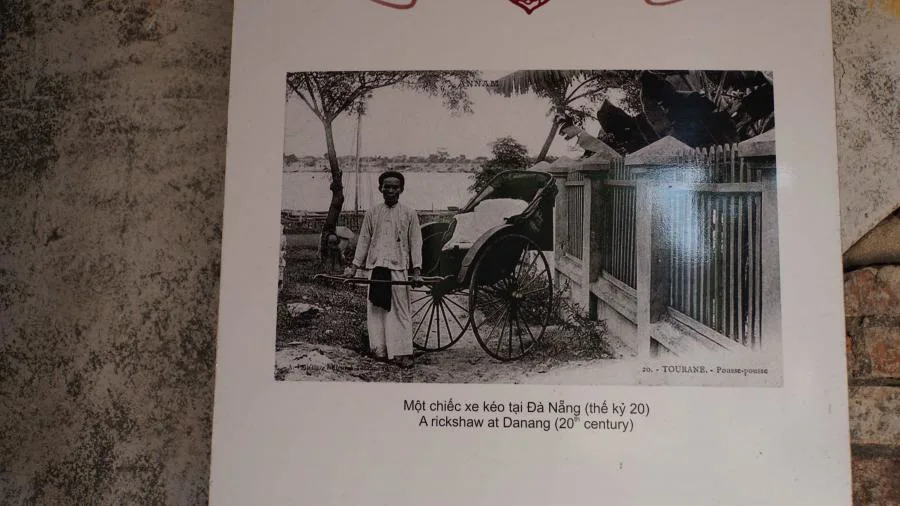
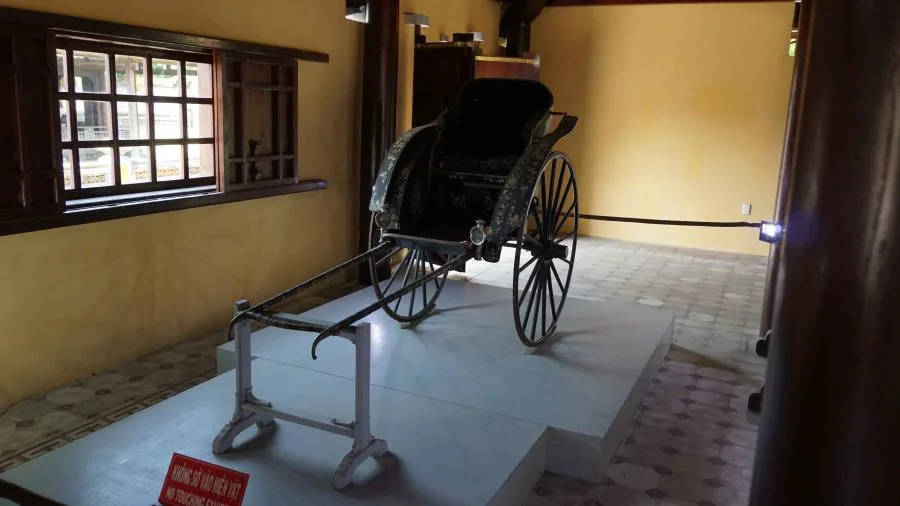
- Cyclos (Pedicabs): A traditional and charming way to explore the city at a leisurely pace.
- Motorbike Taxis (Xe Om): Quick and convenient for shorter distances.
- Taxis and Ride-Sharing: Readily available for longer journeys or when comfort is preferred.
- Bicycles: Many hotels offer bicycle rentals, perfect for exploring the flat terrain.
Phu Bai Airport (HUI) serves Hue, located approximately 15 kilometers from the city center, with connections to major Vietnamese cities.
Accommodation in Hue
Hue offers a diverse range of accommodation options to suit every budget and preference. From luxurious riverside resorts and boutique hotels within the city center to charming guesthouses and homestays, visitors can find comfortable lodging. Many establishments provide excellent services, often including bicycle rentals and tour arrangements.
Hue Cuisine: A Culinary Journey
Hue is celebrated as Vietnam's culinary capital, famous for its refined imperial dishes and vibrant street food. The cuisine is known for its delicate flavors, intricate presentation, and a balance of sweet, sour, salty, and spicy notes. Must-try dishes include:
- Bun Bo Hue: A spicy beef noodle soup, distinct from other Vietnamese pho.
- Banh Khoai: A crispy savory pancake, often served with a rich peanut sauce.
- Nem Lui: Grilled pork skewers, wrapped in rice paper with fresh herbs.
- Banh Beo, Banh Loc, Banh Nam: A trio of delicate steamed rice cakes, often served as appetizers.
- Che Hue: A variety of sweet soups and desserts.
Travel Tips for Visiting Hue
- Respect Local Customs: When visiting pagodas and temples, dress modestly (shoulders and knees covered). Remove your shoes before entering homes or sacred areas.
- Stay Hydrated: Especially during the hotter months, drink plenty of water.
- Bargaining: It's common practice in markets; do so politely and with a smile.
- Currency: The local currency is the Vietnamese Dong (VND). ATMs are widely available.
- Safety: Hue is generally a safe city, but always be aware of your surroundings and keep valuables secure.
Hue promises an enriching travel experience, inviting visitors to step back in time and immerse themselves in the elegance and history of imperial Vietnam.


Popular Tours
Top Attractions
Travel Guides & Articles
All Articles


Tours from Hue
 New
New
 New
New
 New
New
 New
New
 New
New
 New
New
 New
New
 New
New
 New
New
 New
New
 New
New
Hotels in Hue
No hotels listed yet
Contact us for recommendationsThings to Do in Hue
Hue Imperial Citadel is a magnificent UNESCO World Heritage complex, serving as the seat of Vietnam's Nguyen Dynasty emperors from 1802 to 1945. Modeled on Beijing's Forbidden City, this historical site offers a profound glimpse into Vietnam's imperial past and architectural grandeur. It remains a must-visit for anyone exploring the cultural heart of Hue.
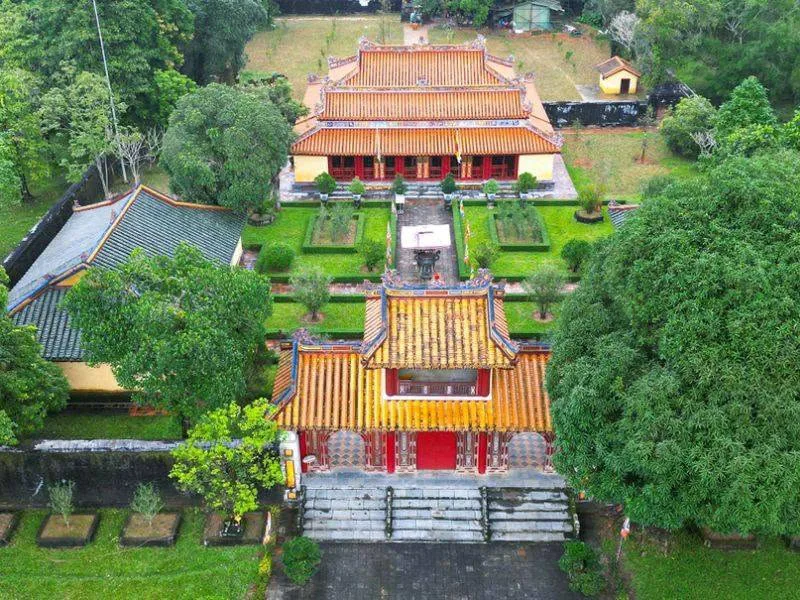
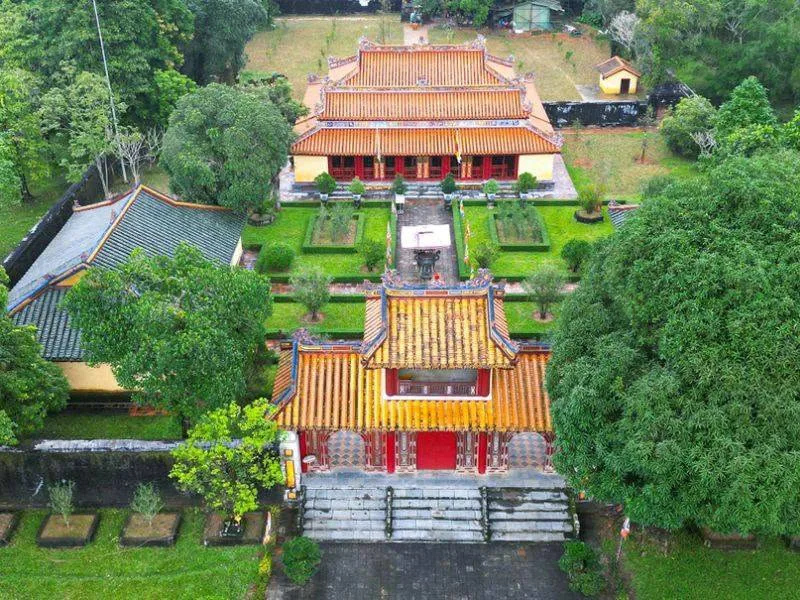
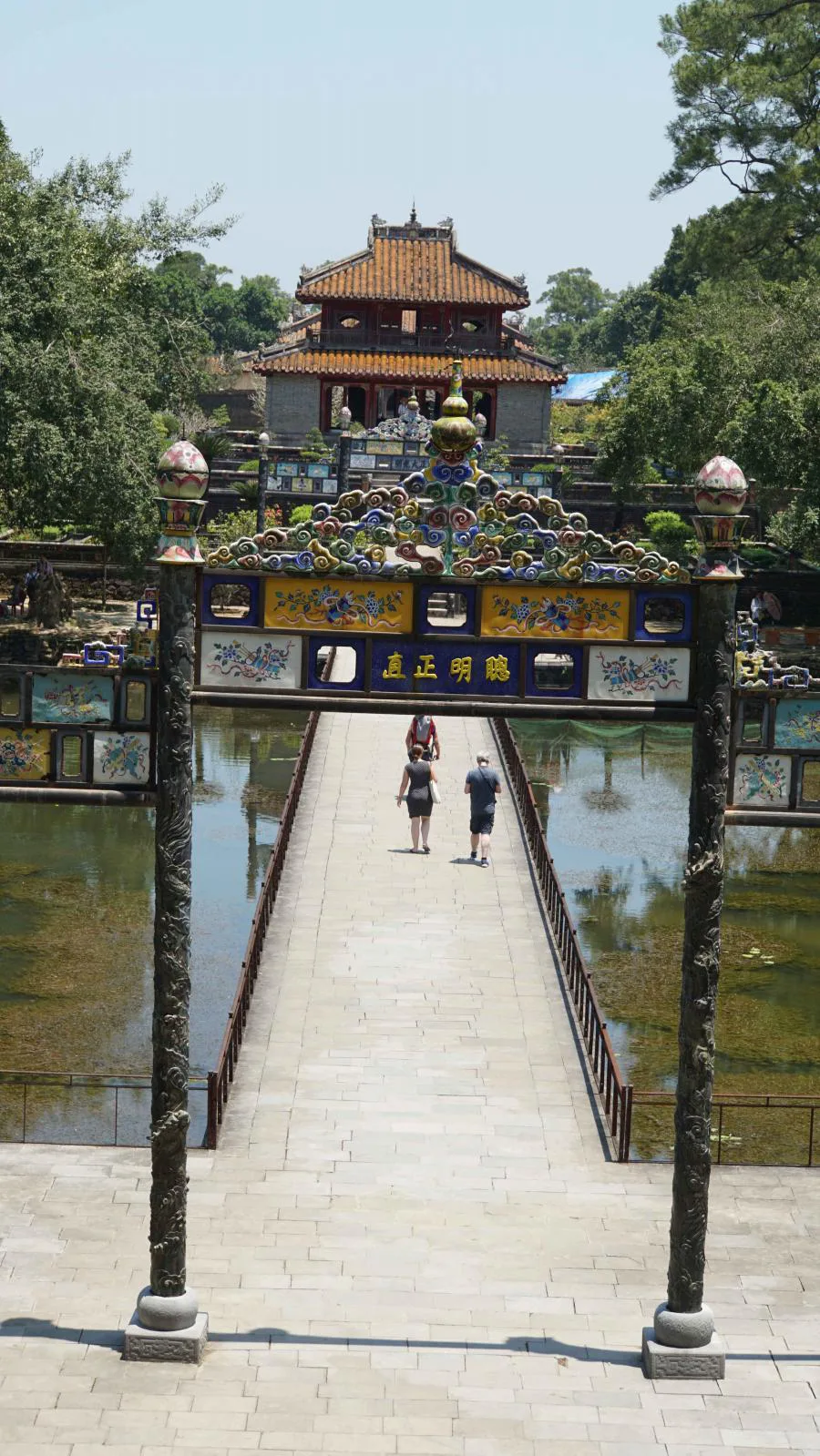
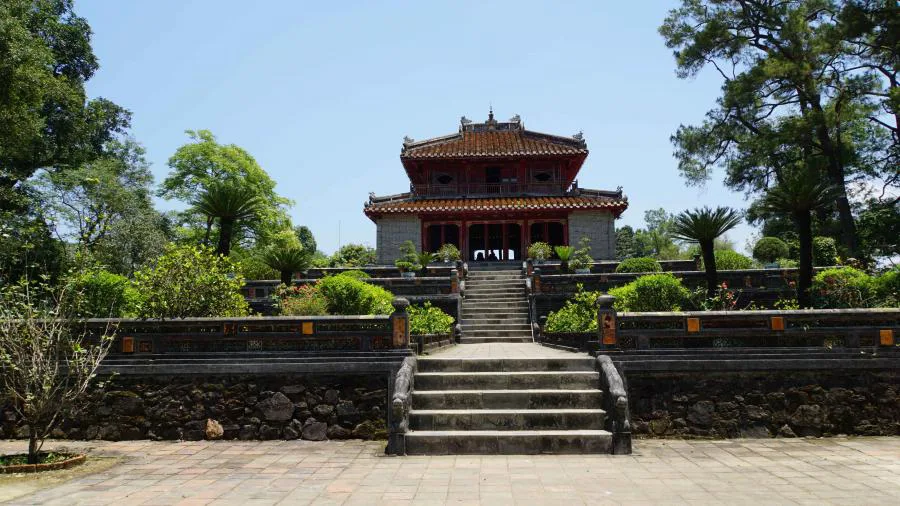
The Tomb of Emperor Minh Mang is the most architecturally harmonious of the Hue imperial tombs, surrounded by a walled park of lakes, pavilions and pine-forested paths. Located 12km south of Hue city center, it offers a serene escape into Vietnam's imperial past. This grand complex showcases a perfect blend of natural landscape and traditional Vietnamese design.
Thien Mu Pagoda, situated in Kim Long Ward, Hue City, stands as Hue's most recognized landmark. This iconic seven-story tower majestically rises above the Perfume River, having served as the spiritual heart of the ancient imperial city since its establishment in 1601. It offers visitors a profound glimpse into Vietnam's rich cultural and religious heritage.
A Perfume River dragon boat cruise is the most evocative way to see Hue, gliding past Thien Mu Pagoda, royal tomb shores and the UNESCO imperial citadel at a leisurely pace. This serene journey offers unique perspectives of Hue's historical landmarks and natural beauty, making it an essential experience for visitors to the former imperial capital.