Luang Prabang
Welcome to Luang Prabang: Laos's Enchanting UNESCO Gem
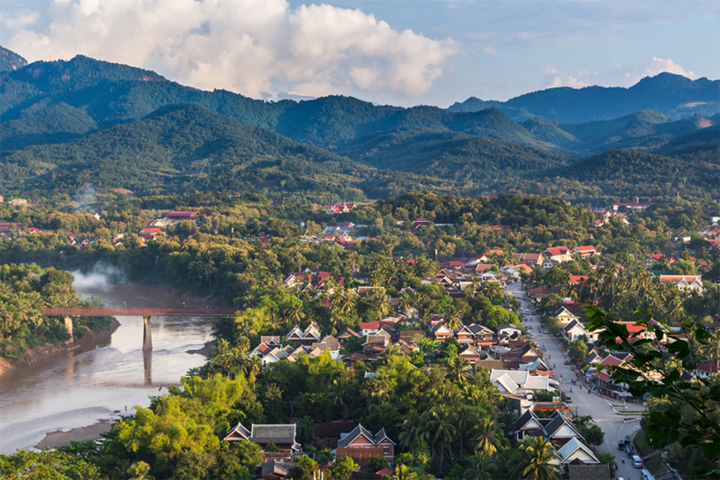
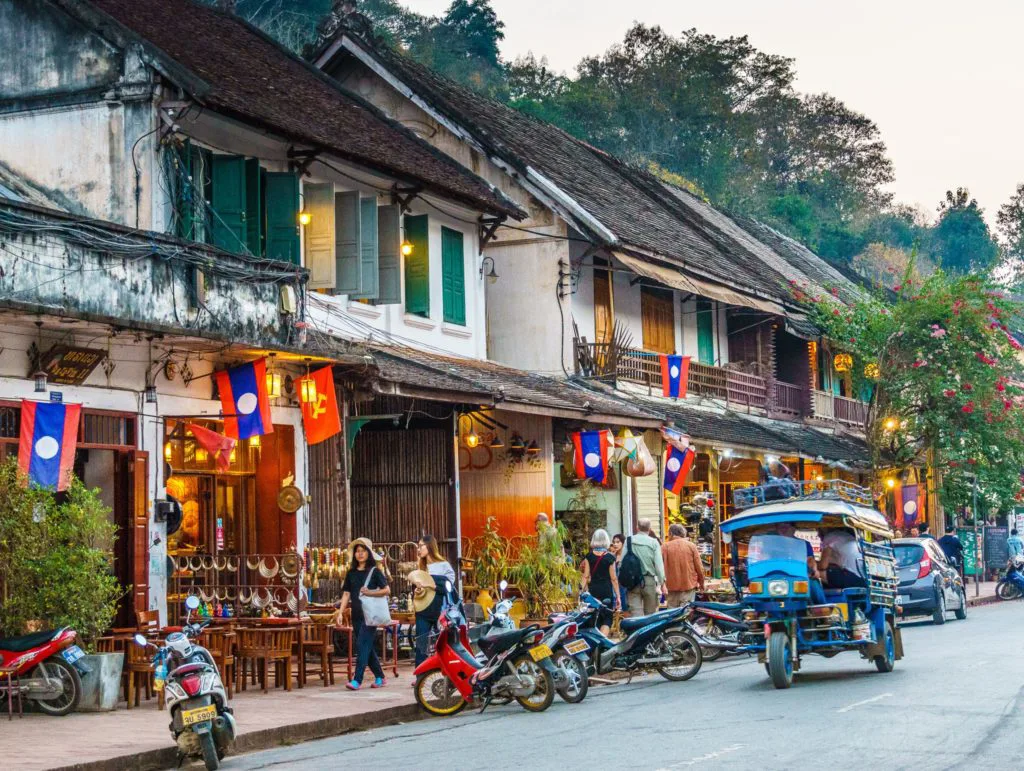
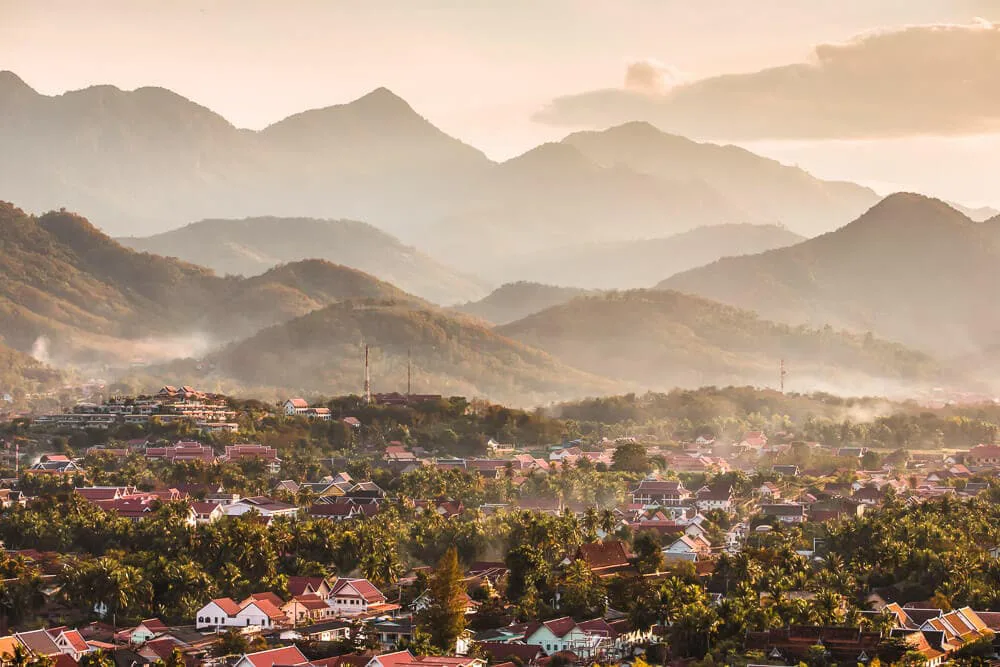
Nestled in the heart of Laos, where the mighty Mekong and Nam Khan rivers converge, Luang Prabang stands as a timeless testament to spiritual tranquility and rich cultural heritage. This captivating city, with a population of approximately 56,000, is not just a destination; it's an experience that transports you to a bygone era. Recognized as a UNESCO World Heritage site, Luang Prabang offers international travelers a unique blend of ancient temples, French colonial architecture, lush landscapes, and profound spiritual practices.
From the moment you arrive at Luang Prabang International Airport (LPQ), you'll feel the city's serene embrace, inviting you to slow down and immerse yourself in its gentle rhythm. Prepare to discover a destination where every sunrise brings the quiet beauty of saffron-robed monks collecting alms, and every sunset paints the Mekong in hues of gold.
Why Visit Luang Prabang?
- UNESCO World Heritage Status: Explore a city meticulously preserved, offering a glimpse into traditional Lao urbanism.
- Spiritual Serenity: Witness ancient Buddhist traditions, including the daily alms giving ceremony, and visit numerous ornate temples.
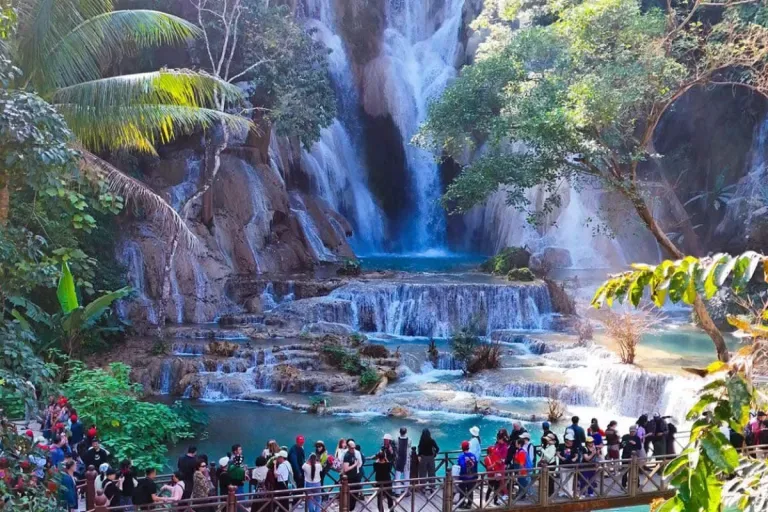
- Natural Beauty: Be mesmerized by the confluence of two rivers, the majestic Kuang Si Falls, and verdant surrounding mountains.
- Rich Culture and History: Delve into the history of the Lao monarchy at the Royal Palace Museum and appreciate the unique blend of Lao and French influences.
- Authentic Experiences: Engage with friendly locals, savor traditional Lao cuisine, and discover unique handicrafts at vibrant markets.
Best Time to Visit Luang Prabang
Luang Prabang experiences a tropical climate with distinct dry and wet seasons. Choosing the right time can significantly enhance your trip:
- Dry Season (October to April): This is generally considered the best time to visit. Temperatures are cooler and less humid, making it ideal for exploring the city and enjoying outdoor activities. Expect clear skies and pleasant evenings.
- Wet Season (May to September): While characterized by higher humidity and occasional heavy rainfall, the wet season transforms the landscape into a lush, vibrant green. Waterfalls are at their most spectacular, and there are fewer tourists, offering a more tranquil experience.
Highlights of Luang Prabang
Prepare to be enchanted by Luang Prabang's iconic landmarks and natural wonders:
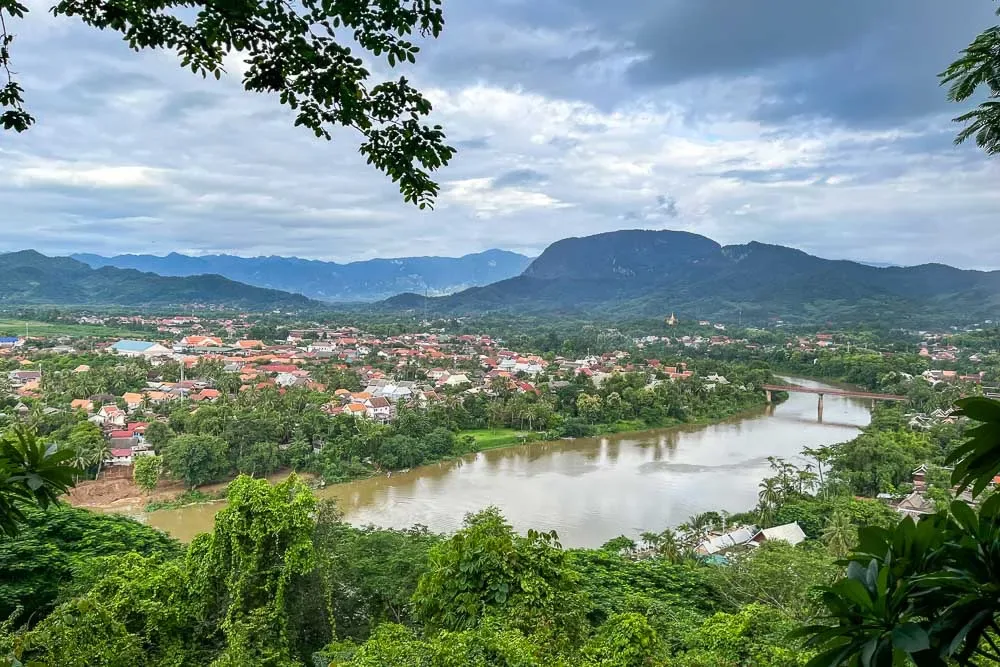
- Mount Phousi: Climb the 328 steps to the summit for breathtaking panoramic views of the city, the Mekong, and Nam Khan rivers, especially at sunrise or sunset.
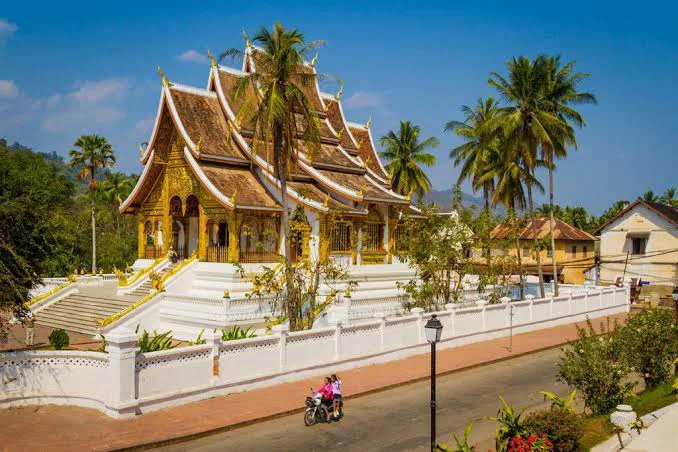
- Royal Palace Museum (Haw Kham): Once the residence of the Lao royal family, this museum showcases a fascinating collection of artifacts, including the revered Phra Bang Buddha image.
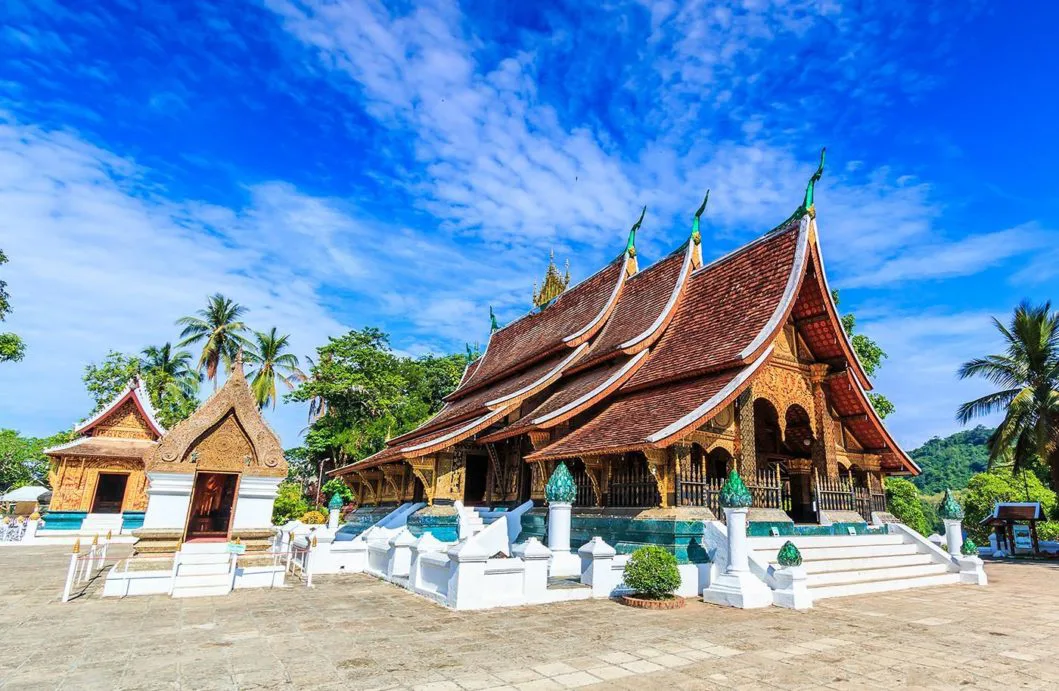
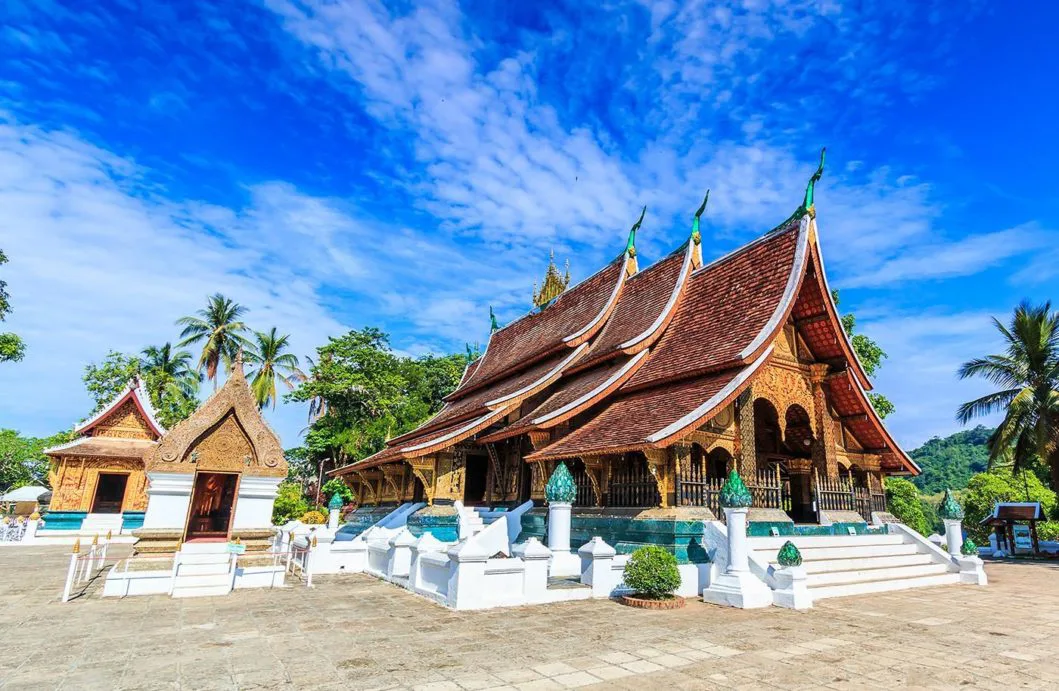
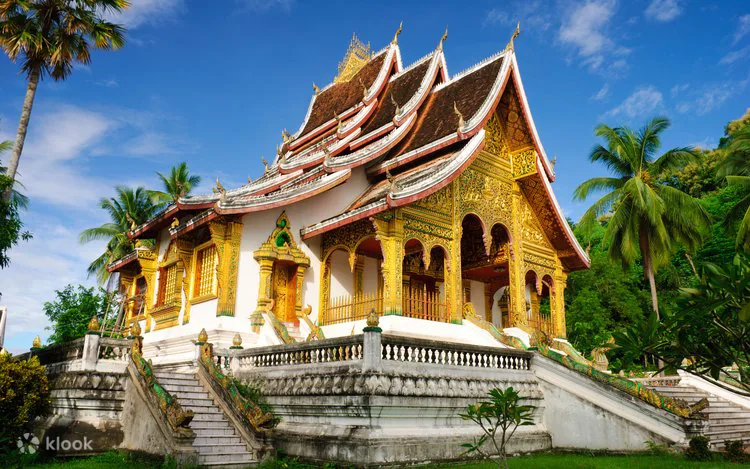
- Wat Xieng Thong: Considered one of the most beautiful temples in Laos, its ornate architecture, intricate mosaics, and gilded carvings are a testament to 16th-century Lao craftsmanship.
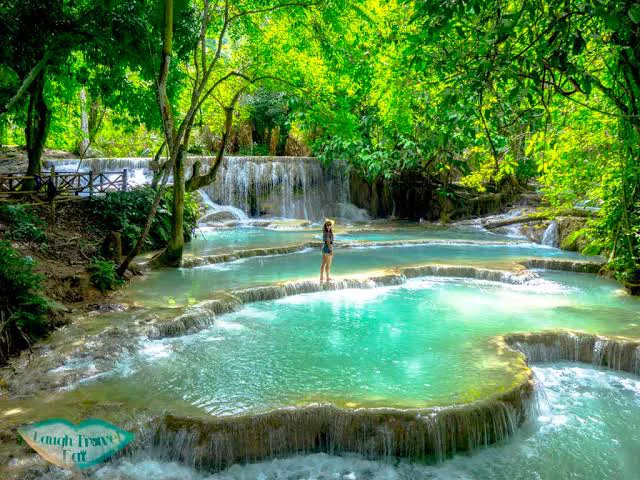
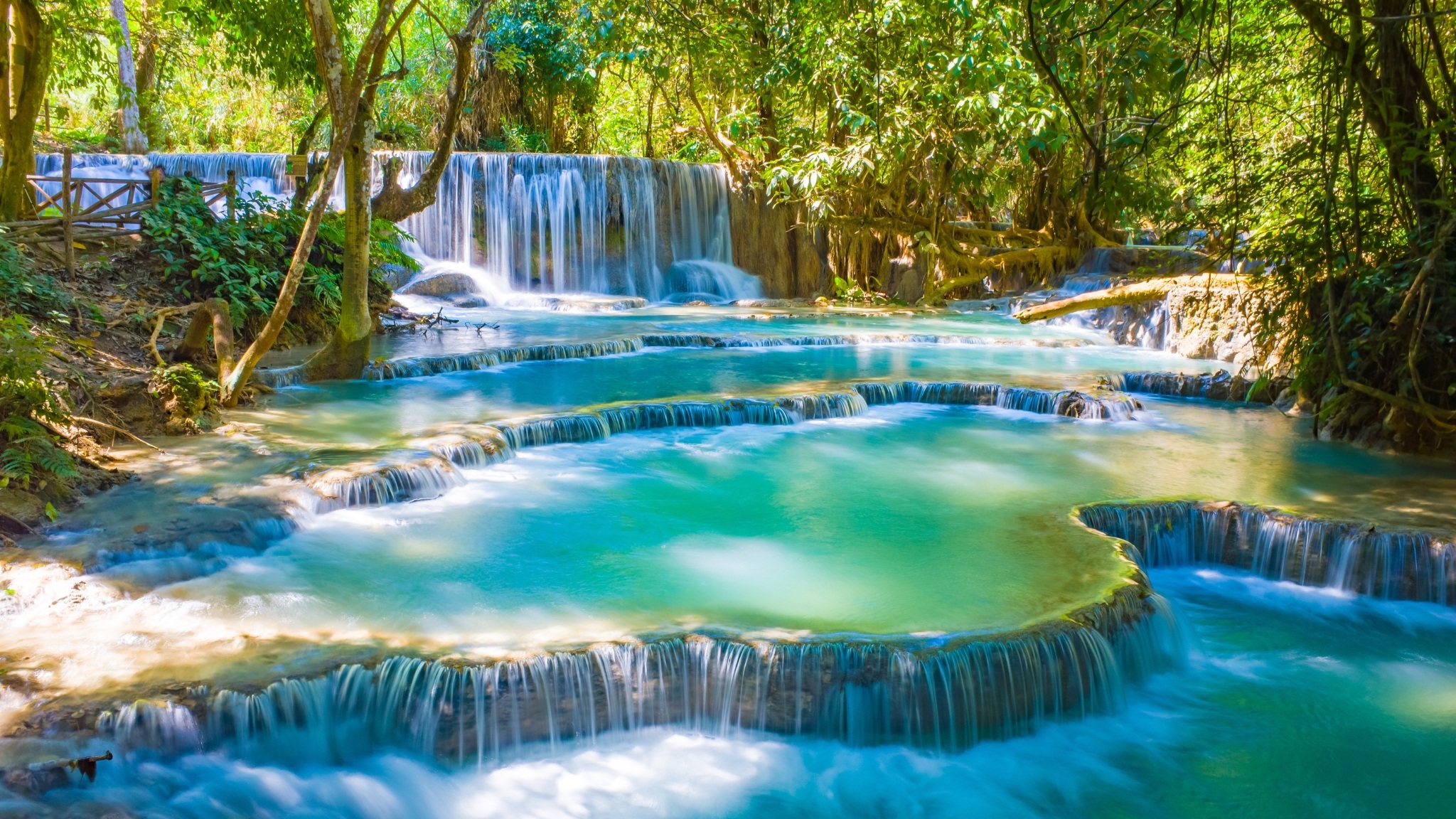
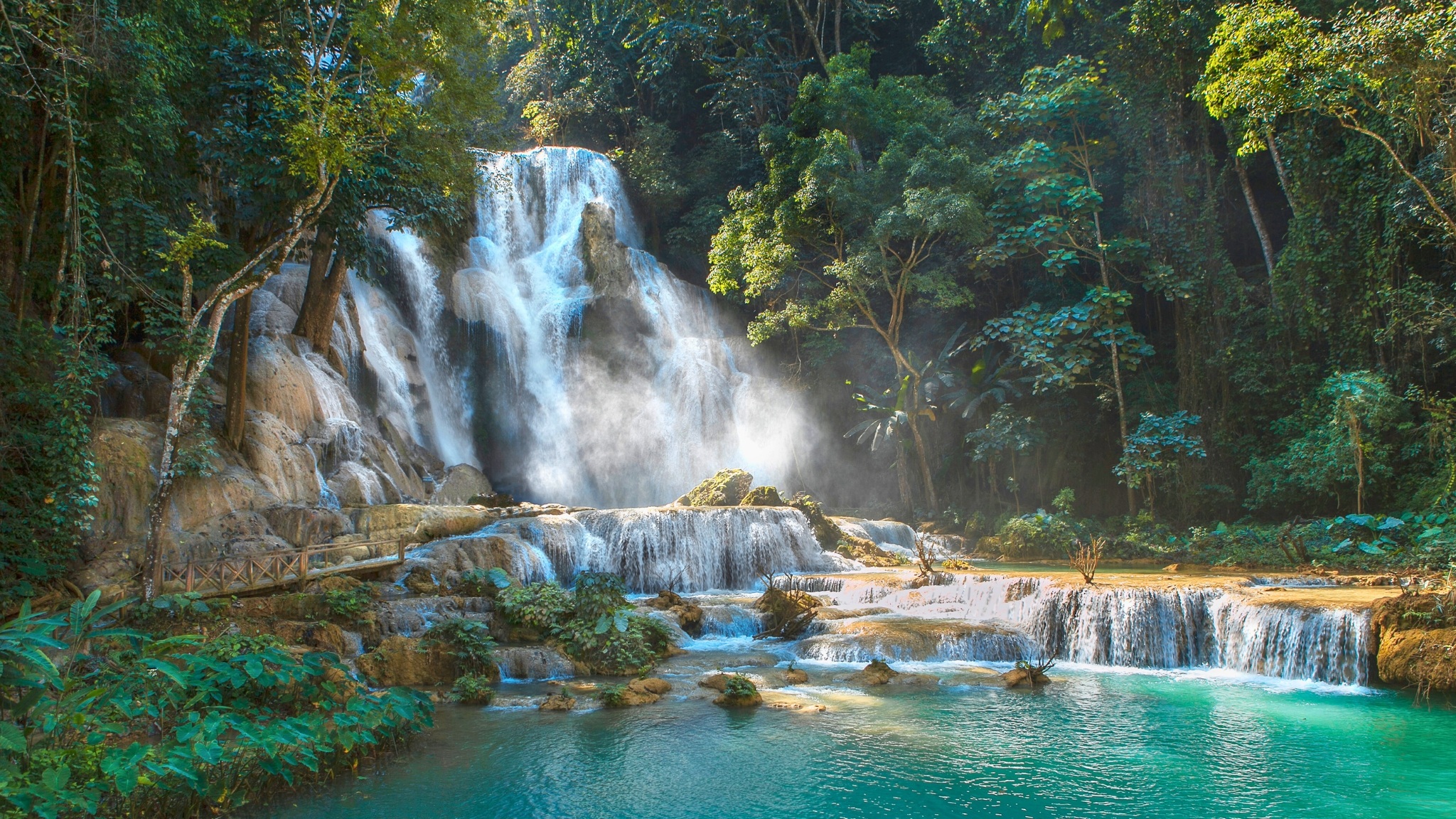
- Kuang Si Falls: A multi-tiered waterfall with stunning turquoise pools perfect for swimming. Don't miss the nearby bear sanctuary, home to rescued Asiatic black bears.
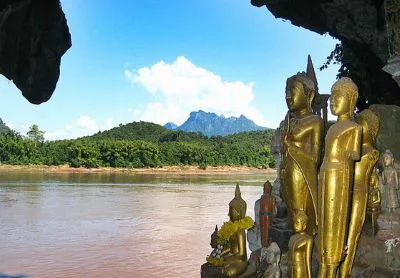
- Pak Ou Caves: Accessible by a scenic boat trip up the Mekong River, these sacred caves house thousands of miniature Buddha statues, left by pilgrims over centuries.
- Luang Prabang Night Market: A vibrant evening spectacle offering a vast array of handmade textiles, local crafts, jewelry, and delicious street food.
Unforgettable Experiences in Luang Prabang
- Participate in the Alms Giving Ceremony (Tak Bat): Observe this ancient tradition at dawn, where saffron-robed monks walk silently through the streets collecting sticky rice from devotees. Maintain respectful distance and silence.
- Mekong River Cruise: Embark on a serene boat journey along the Mekong, perhaps a sunset cruise, to witness local life along the riverbanks and enjoy the tranquil scenery.
- Lao Cooking Class: Immerse yourself in the local culinary traditions by learning to prepare authentic Lao dishes, often including a visit to a local market.
- Traditional Lao Massage: Indulge in a relaxing and therapeutic traditional Lao massage, a perfect way to unwind after a day of exploration.
- Cycling Around Town: Rent a bicycle and leisurely explore the charming streets, discovering hidden temples and local neighborhoods at your own pace.
Getting Around Luang Prabang
Navigating Luang Prabang is part of its charm. The town center is compact and easily explored:
- Walking: The most enjoyable way to discover the historic peninsula, allowing you to soak in the atmosphere.
- Bicycles: Widely available for rent, cycling is a popular and eco-friendly way to get around the town and its immediate surroundings.
- Tuk-tuks: Convenient for longer distances, such as trips to the airport or Kuang Si Falls. Negotiate the fare before starting your journey.
- Boats: Essential for river excursions, particularly to the Pak Ou Caves.
Accommodation in Luang Prabang
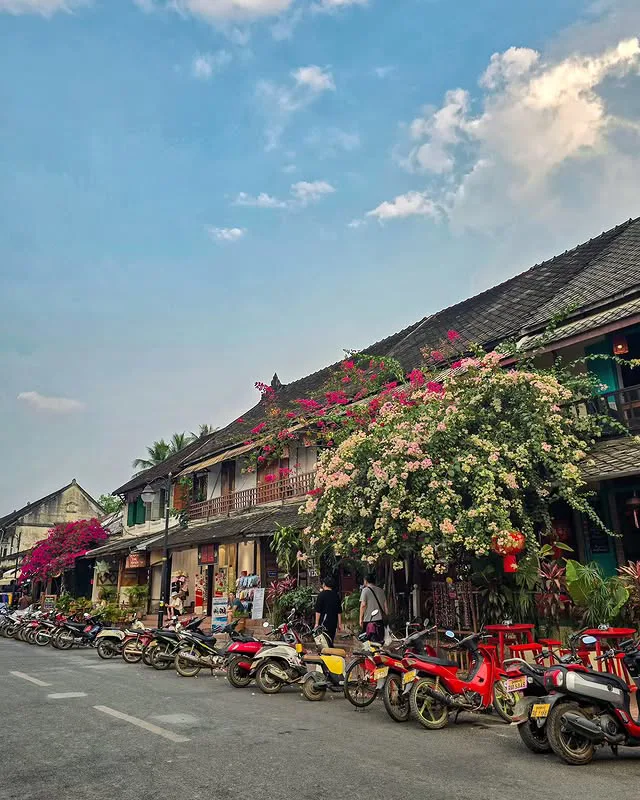
Luang Prabang offers a diverse range of accommodation options to suit every budget and preference, from charming guesthouses to luxurious boutique hotels. Many establishments are housed in beautifully restored colonial buildings or traditional Lao houses, often featuring serene gardens and riverside views. Consider staying near the Mekong River or the main street for easy access to attractions and dining.
Savoring Luang Prabang's Cuisine
Lao cuisine is a delightful blend of fresh ingredients, aromatic herbs, and unique flavors. Don't leave Luang Prabang without trying:
- Khao Niao (Sticky Rice): The staple of Lao meals, often eaten with hands.
- Laap: A flavorful minced meat salad (chicken, beef, duck, or fish) mixed with herbs, lime juice, and chili.
- Or Lam: A hearty and spicy Luang Prabang stew, typically made with eggplant, beans, wood ear mushrooms, and buffalo meat.
- Mekong Fish: Freshly grilled or steamed fish from the river, often served with a spicy dipping sauce.
- French-influenced Delights: Due to its colonial past, you'll find excellent baguettes, pastries, and strong Lao coffee.
- Night Market Food Stalls: A fantastic place to sample a variety of affordable local dishes, including fresh fruit shakes, grilled meats, and noodle soups.
Essential Travel Tips for Luang Prabang
- Respect Local Culture: Dress modestly, especially when visiting temples. Shoulders and knees should be covered. Remove your shoes before entering temples and homes.
- Alms Giving Etiquette: If observing the alms giving, do so from a respectful distance, do not interrupt the monks, and avoid flash photography. If participating, ensure you understand the local customs.
- Currency: The local currency is the Lao Kip (LAK). While major hotels and some restaurants accept credit cards, cash is preferred for markets and smaller establishments.
- Language: Lao is the official language. English is widely spoken in tourist areas, hotels, and restaurants.
- Health and Safety: Drink only bottled or filtered water. Use insect repellent, especially during the wet season. Be mindful of your belongings in crowded areas.
- Visa Requirements: Check visa requirements for Laos well in advance of your trip, as they vary by nationality. Visa-on-arrival is available for many countries at LPQ.
Luang Prabang promises an enriching journey into the heart of Lao culture and spirituality. Its gentle charm and captivating beauty will undoubtedly leave you with lasting memories.
Popular Tours
Top Attractions
Travel Guides & Articles
All Articles
Tours from Luang Prabang
 New
New
New
New
New
New
 New
New
 New
New
 New
New
 New
New
 New
New
 New
New
 New
New
 New
New
Hotels in Luang Prabang
No hotels listed yet
Contact us for recommendationsThings to Do in Luang Prabang
Wat Xieng Thong, also known as the Temple of the Golden City, stands as Luang Prabang's most revered and historically significant monastery. Built in 1560, it showcases exquisite traditional Lao architecture with its elegant sweeping roofs, intricate glass mosaic walls, and a rare reclining Buddha statue. Located at the tip of the Luang Prabang peninsula, it offers a profound glimpse into the spiritual and artistic heritage of Laos.
The Royal Palace Museum, formerly the official residence of the Lao royal family until 1975, offers a fascinating journey into the nation's regal past. Visitors can explore a rich collection of royal artifacts, including the revered Phra Bang Buddha image, ornate gold thrones, and historic royal vehicles. This museum provides a unique insight into Laos' cultural and historical heritage.

Kuang Si Falls is Luang Prabang's most spectacular natural attraction, a three-tiered turquoise waterfall with emerald pools perfect for swimming. Located just 29 km south of the city, it offers a refreshing escape into nature. Visitors can enjoy the stunning cascades, relax by the pools, and explore the surrounding lush forest.
Mount Phousi is a prominent 100-meter hill centrally located in Luang Prabang, crowned by a beautiful gilded stupa. Ascending its 329 steps offers visitors unparalleled panoramic views of the Mekong River, Nam Khan River, and the surrounding city, especially captivating at sunset. This sacred site provides both spiritual reflection and stunning photographic opportunities.
The Pak Ou Caves, nestled at the confluence of the Mekong and Ou Rivers near Luang Prabang, are a revered spiritual site. These two ancient limestone grottoes are famously filled with thousands of miniature Buddha sculptures, left by pilgrims over centuries. Access is via a picturesque boat journey, offering stunning riverine views on the way to this unique cultural attraction.
A Mekong River sunset cruise is one of Luang Prabang's most unforgettable experiences, offering breathtaking views as you drift past golden temples, serene rural villages, and dramatic limestone hills. Witness the magical transformation of the landscape under the setting sun, creating memories that will last a lifetime.
The Alms Giving Ceremony, or Tak Bat, in Luang Prabang is a deeply spiritual daily ritual where hundreds of saffron-robed Buddhist monks silently collect alms from devout locals and visitors. This ancient tradition offers a profound glimpse into Laos's rich cultural and religious heritage, unfolding gracefully at dawn each day.