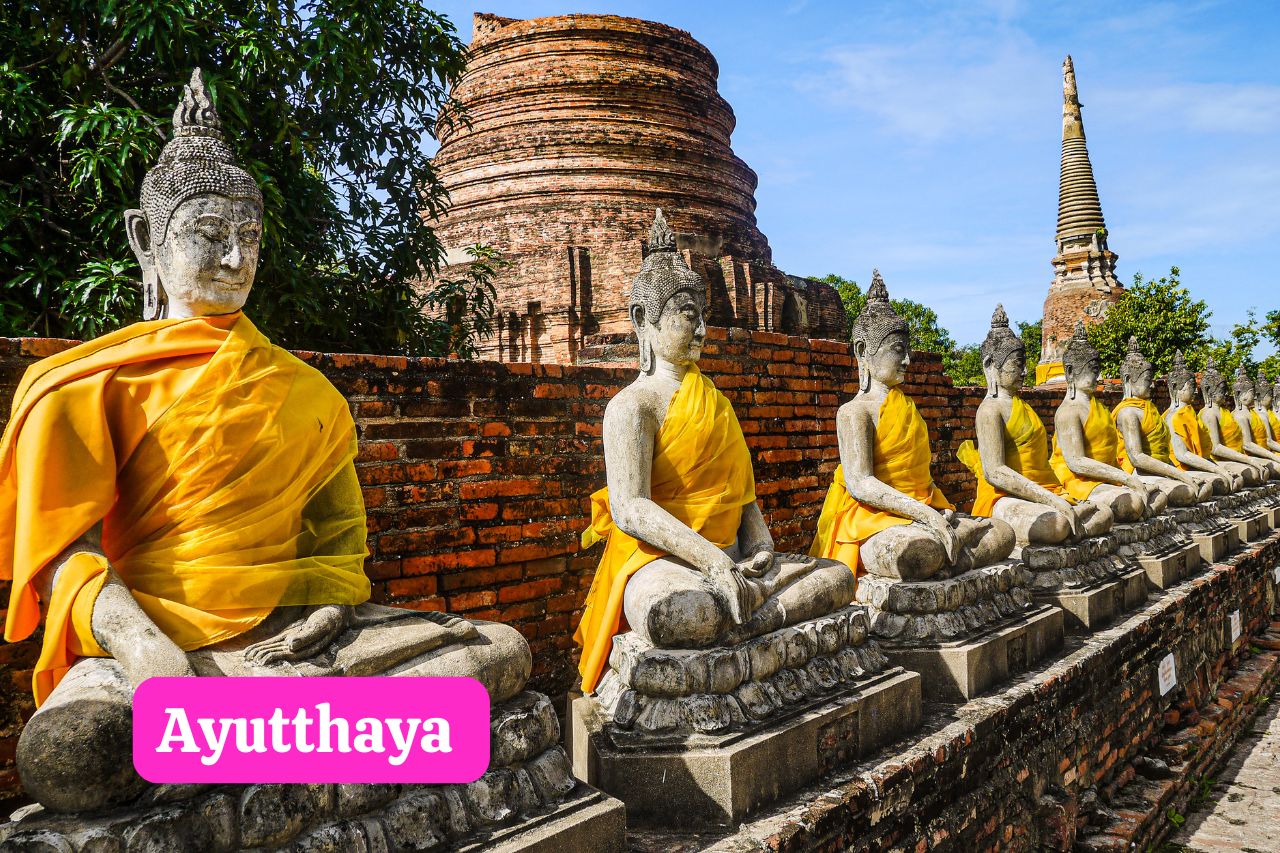
Experience Thailand - The Land of Smiles
7 cities · 25 tours · 0 hotels · 30 attractions
Cities in Thailand



About Thailand
Discovering the Kingdom of Thailand
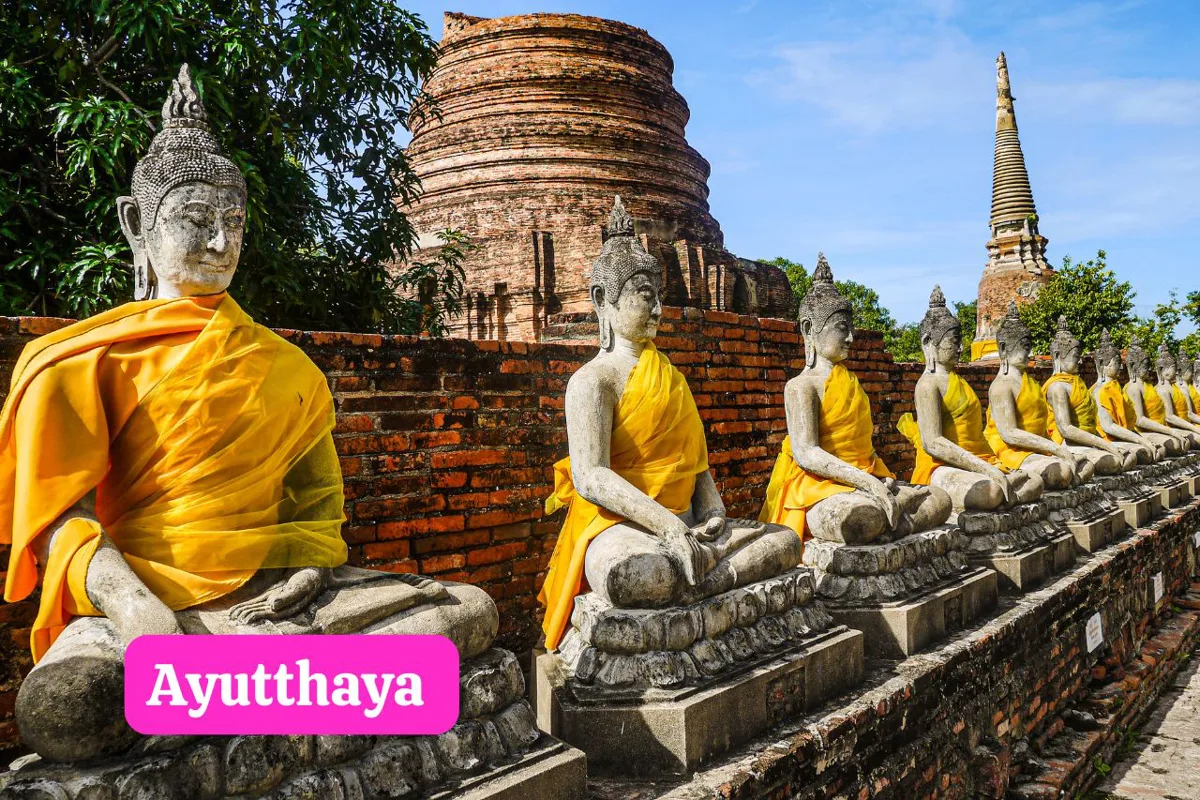
Thailand, often referred to as the 'Land of Smiles,' offers an incredibly diverse and enriching experience for international travelers. From bustling metropolises to serene ancient ruins and pristine tropical islands, this Southeast Asian gem captivates visitors with its unique blend of rich cultural heritage, vibrant traditions, and breathtaking natural beauty.
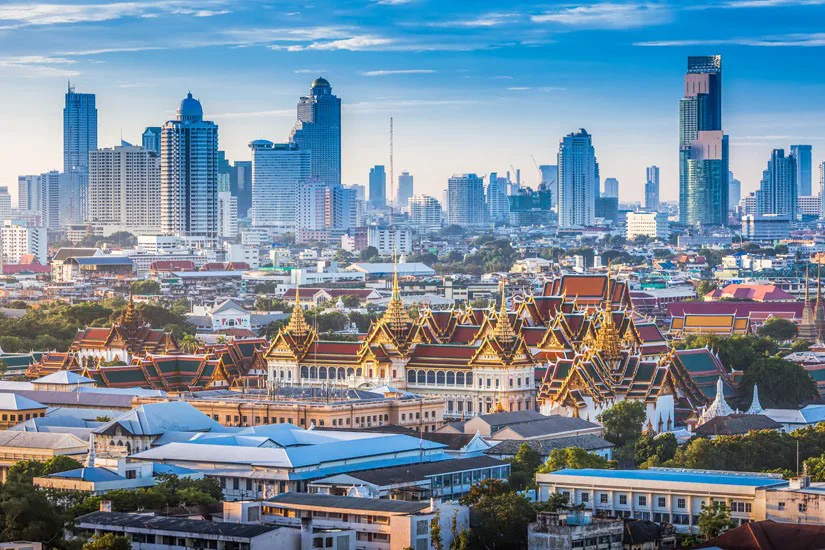
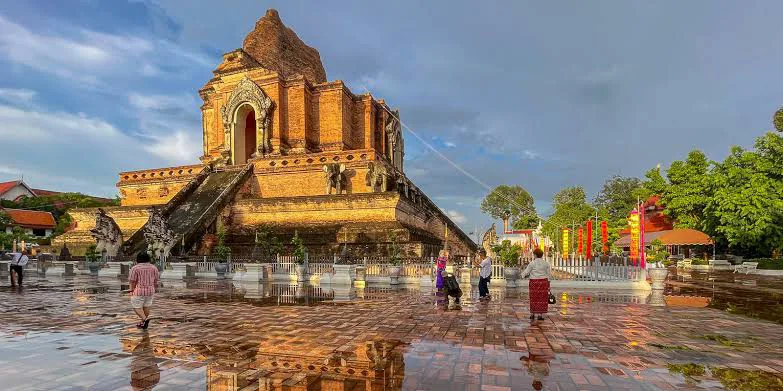
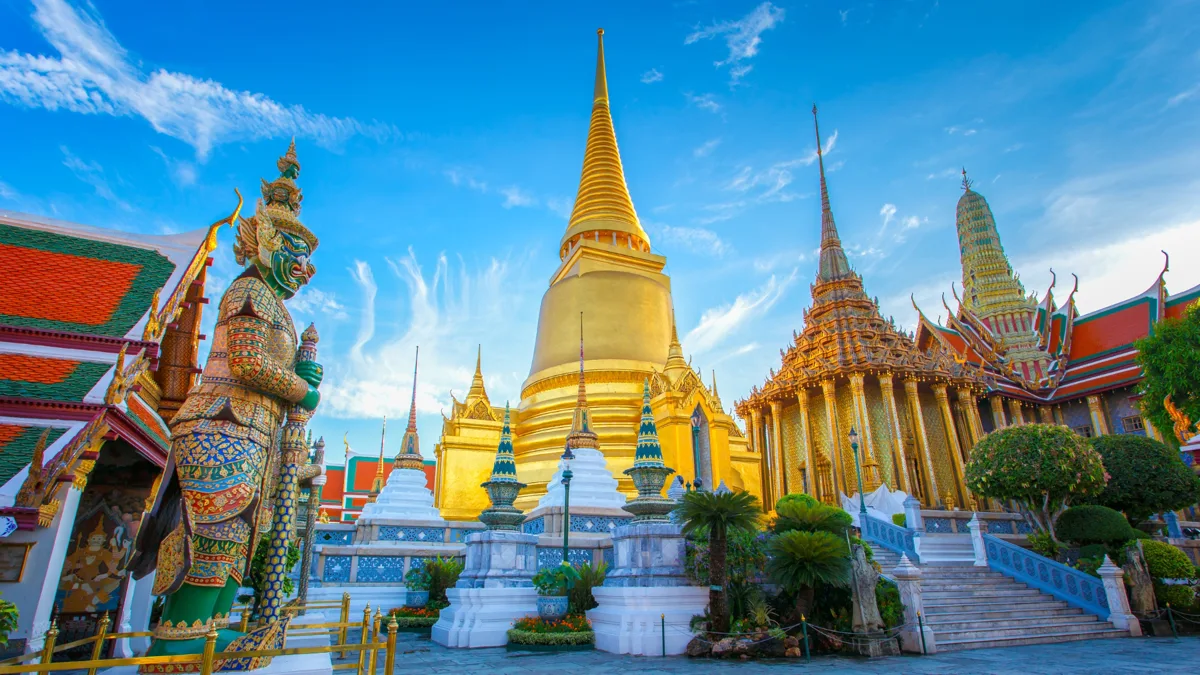
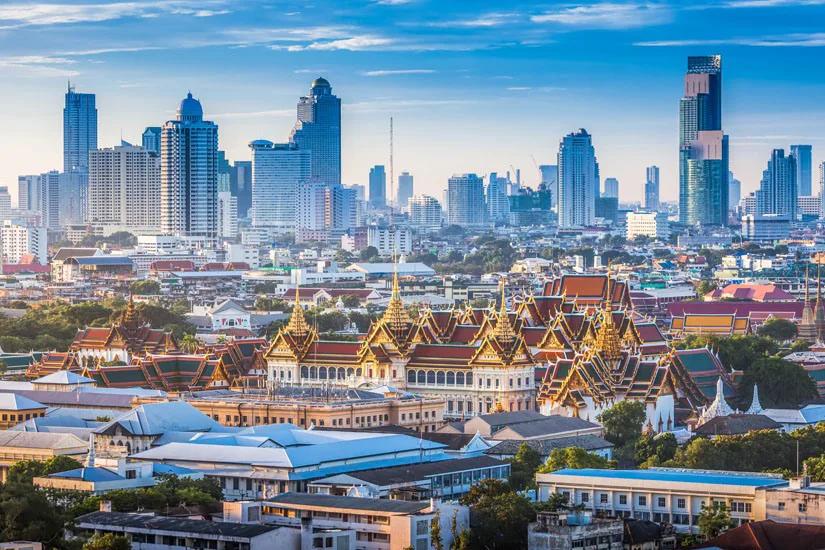
The heart of Thailand lies in its profound Buddhist culture, evident in the thousands of ornate temples, or wats, scattered across the country. Bangkok, the capital, is a dynamic city where towering skyscrapers stand alongside magnificent palaces and sacred temples, offering a sensory feast of sights, sounds, and aromas. Beyond the urban sprawl, regions like Chiang Mai in the north provide a gateway to lush mountains, ethical elephant sanctuaries, and a slower pace of life, deeply rooted in Lanna traditions.
Thai cuisine is world-renowned for its complex flavors, balancing sweet, sour, salty, spicy, and bitter notes. Eating is a central part of the cultural experience, whether you're savoring street food from a bustling night market or indulging in fine dining. The warmth and hospitality of the Thai people are legendary, contributing significantly to the country's welcoming atmosphere.
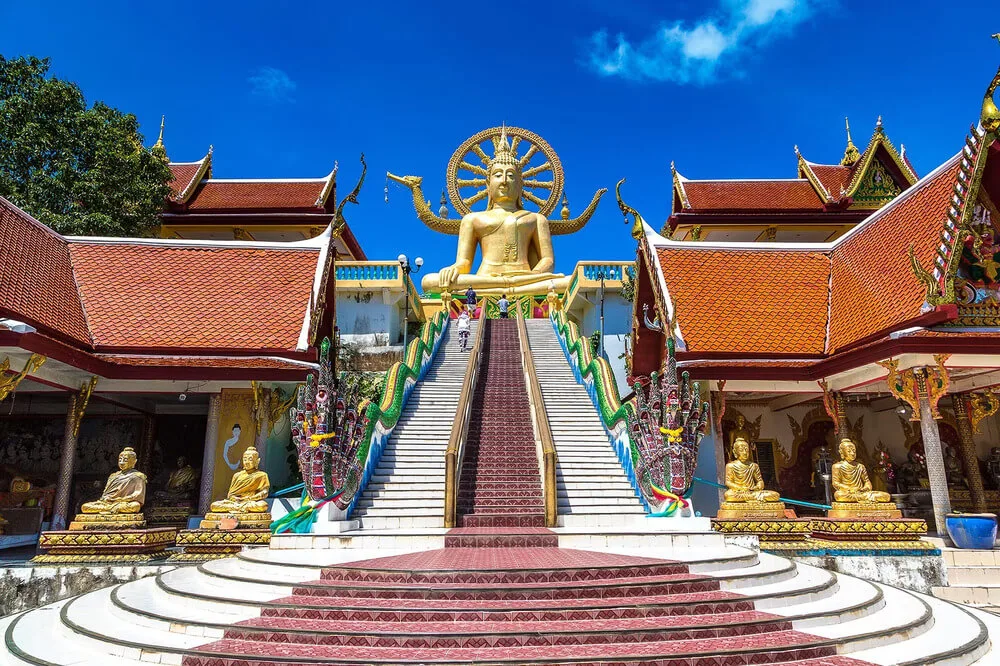
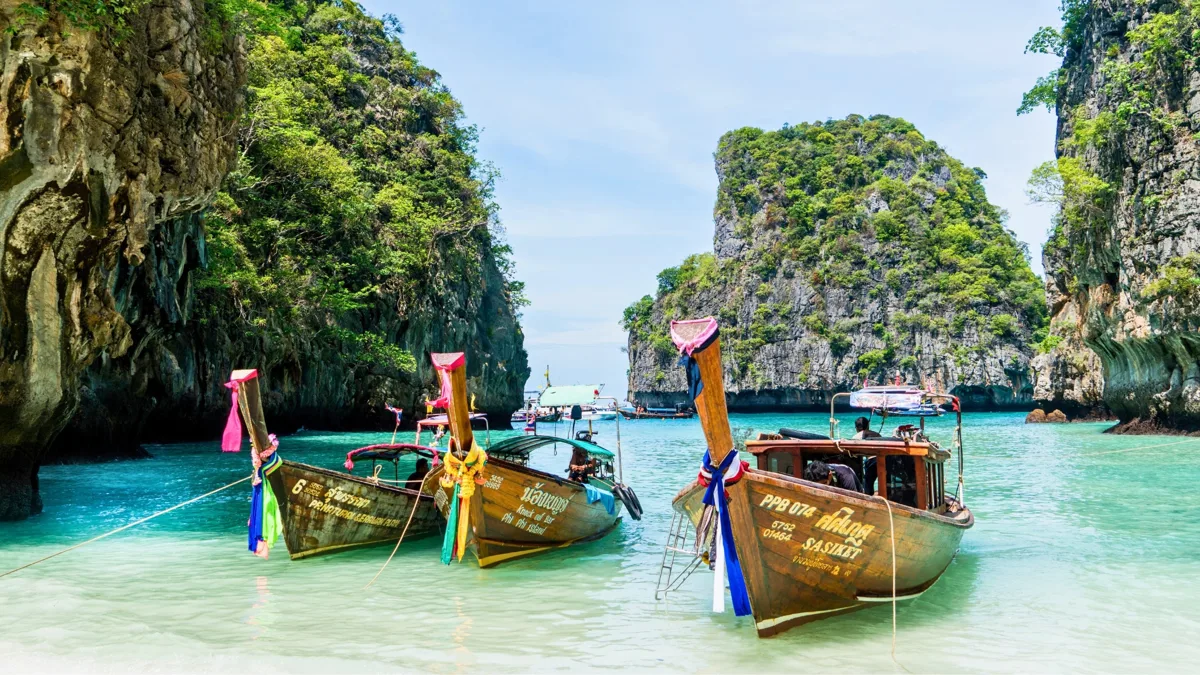
For those seeking relaxation and adventure, Thailand's southern regions boast stunning coastlines and islands. The Andaman Sea on the west coast is famous for destinations like Phuket, Krabi, and Koh Phi Phi, featuring dramatic limestone karsts and crystal-clear waters. The Gulf of Thailand on the east offers islands such as Koh Samui, Koh Phangan, and Koh Tao, known for their vibrant marine life and idyllic beaches. Each region presents its own distinct charm, promising an unforgettable journey for every type of traveler.
Top Tours in Thailand
View all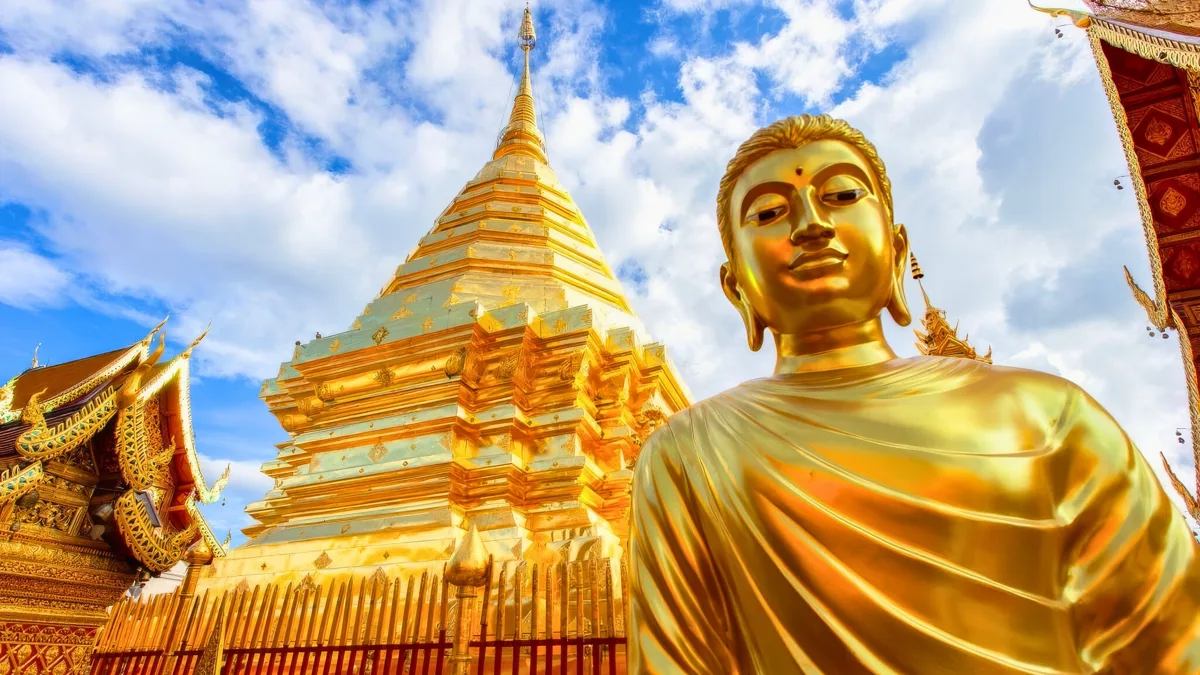




When to Visit Thailand
Best Time to Visit
Choosing Your Ideal Travel Time
The best time to visit Thailand largely depends on your travel preferences and the activities you plan to undertake:
- For General Sightseeing and Outdoor Activities (November to February): The cool and dry season is universally recommended for most travelers. The weather is comfortable for exploring cities, ancient sites, trekking in the north, and enjoying beaches in the south. This is also peak tourist season, so expect larger crowds and higher prices.
- For Budget Travelers and Lush Landscapes (May/June to October): The rainy season offers fewer crowds, lower accommodation prices, and incredibly vibrant, green scenery. While rain showers are common, they often don't last all day, allowing for plenty of sunshine. This period is excellent for enjoying waterfalls at their fullest and experiencing a more authentic, less crowded Thailand.
- For Sun Worshippers and Festivals (March to May): If you can tolerate high temperatures, the hot season is ideal for beach holidays and water activities. April is particularly notable for the Songkran (Thai New Year) festival, a nationwide water fight celebration.
Specific Regional Considerations:
- Northern Thailand: The cool season (November-February) is perfect for trekking and cultural exploration. Avoid the 'burning season' (late February-April) when agricultural burning can cause haze.
- Andaman Coast (Phuket, Krabi): Best visited from November to April for calm seas and sunny weather.
- Gulf Coast (Koh Samui, Koh Phangan): Enjoys good weather from February to September, with its distinct rainy season from October to December.
Climate
Understanding Thailand's Tropical Climate
Thailand experiences a tropical climate, characterized by high temperatures and humidity throughout the year, with distinct seasonal variations that influence different regions. Generally, the country has three main seasons:
- The Cool Season (November to February): This is often considered the most pleasant time to visit. Temperatures are milder, especially in the northern regions where evenings can be quite cool. Humidity is lower, and rainfall is minimal, making it ideal for outdoor activities and sightseeing.
- The Hot Season (March to May): Temperatures rise significantly during this period, often reaching their peak in April and May. Humidity can be high, and occasional afternoon thunderstorms may occur, offering some relief from the heat.
- The Rainy Season (May/June to October): Also known as the monsoon season, this period brings more frequent and heavier rainfall, particularly in the afternoons. While it can rain daily, showers are often intense but brief, followed by sunshine. The landscape becomes incredibly lush and green.
Regional Variations:
- Northern Thailand (e.g., Chiang Mai, Chiang Rai): Experiences more pronounced temperature differences, with cooler evenings in the cool season and hotter days in the hot season.
- Central Thailand (e.g., Bangkok): Generally hot and humid year-round, with the cool season offering slightly lower temperatures.
- Southern Thailand (Andaman Coast & Gulf Coast): The monsoon patterns differ slightly. The Andaman Coast (Phuket, Krabi) typically sees its heaviest rains from May to October, while the Gulf Coast (Koh Samui, Koh Phangan) experiences its peak rainy season later, from September to December.
General Visa Information for Thailand
Visa requirements for entering Thailand vary significantly based on your nationality, the purpose of your visit, and the intended length of stay. Many nationalities are granted visa-exempt entry for a specific period (e.g., 30 days) for tourism purposes, while others may need to obtain a visa in advance from a Royal Thai Embassy or Consulate in their home country.
It is crucial to understand that visa regulations are subject to change without prior notice. Therefore, all international travelers are strongly advised to verify the most current and specific visa requirements applicable to their nationality well in advance of their planned travel dates. The official website of the Ministry of Foreign Affairs of the Kingdom of Thailand or your nearest Royal Thai Embassy/Consulate are the authoritative sources for this information. Ensure your passport has at least six months of validity remaining from your date of entry and that you have sufficient funds and a confirmed onward/return ticket as required by immigration authorities.