Cao Bang
Discover Cao Bang City: Gateway to Northern Vietnam's Natural Wonders
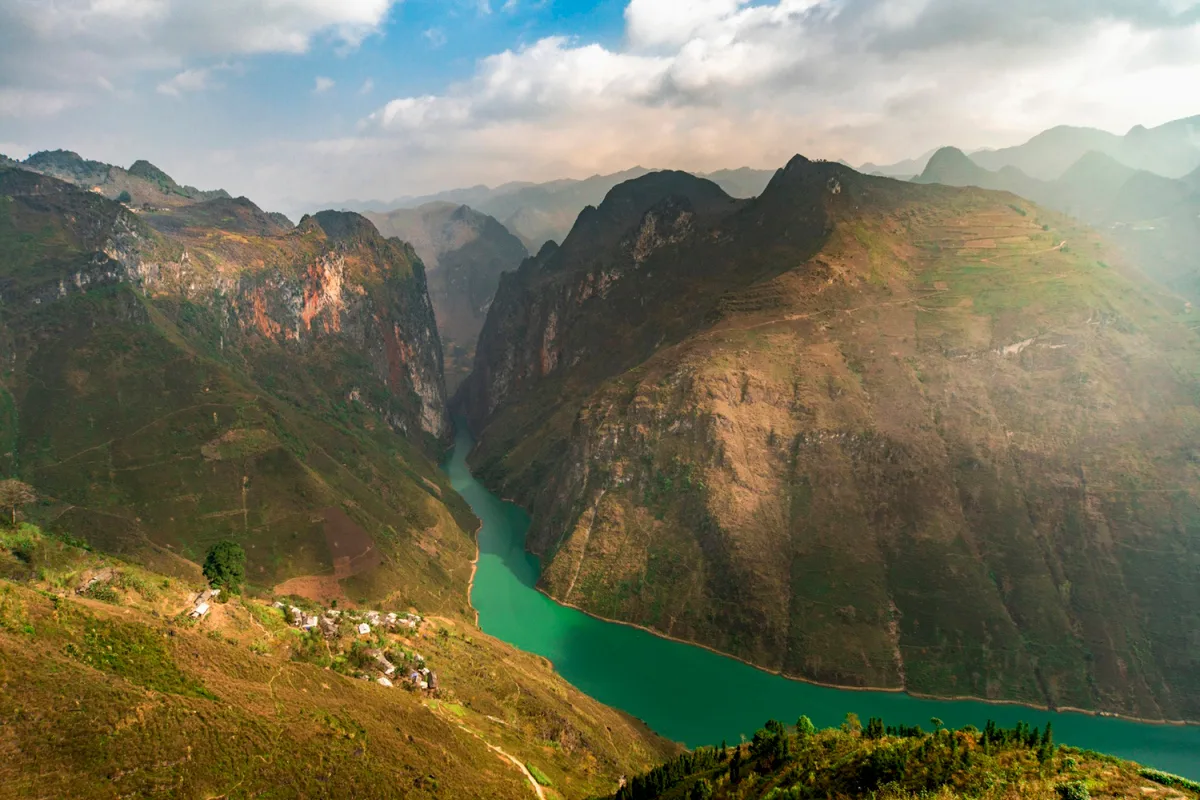
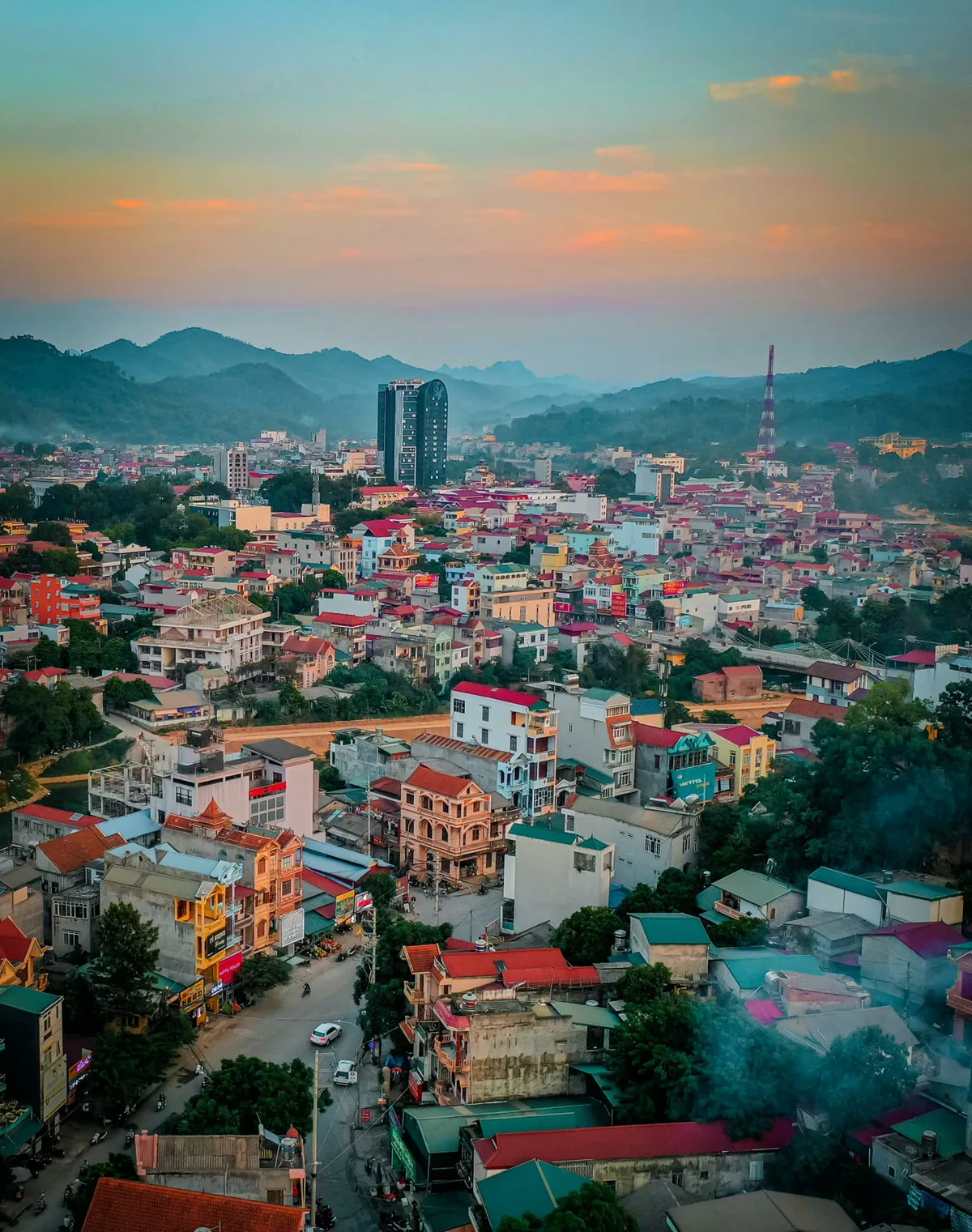
Nestled in the remote northern mountains of Vietnam, Cao Bang City serves as the provincial capital and a vital hub for exploring the region's breathtaking landscapes, rich history, and vibrant ethnic cultures. Far from the bustling metropolises, Cao Bang offers a serene escape into nature's embrace, making it an ideal destination for adventurous travelers seeking authentic experiences.
Why Visit Cao Bang?
- Spectacular Natural Beauty: Home to the iconic Ban Gioc Waterfall, stunning caves, and pristine lakes, Cao Bang is a paradise for nature lovers.
- Rich Historical Significance: Explore sites crucial to Vietnam's revolutionary history, offering deep insights into the nation's past.
- Authentic Cultural Experiences: Engage with diverse ethnic minority groups, witness traditional lifestyles, and savor unique local cuisine.
- Off-the-Beaten-Path Adventure: Ideal for trekking, motorbiking, and discovering hidden gems away from mass tourism.
Best Time to Visit Cao Bang
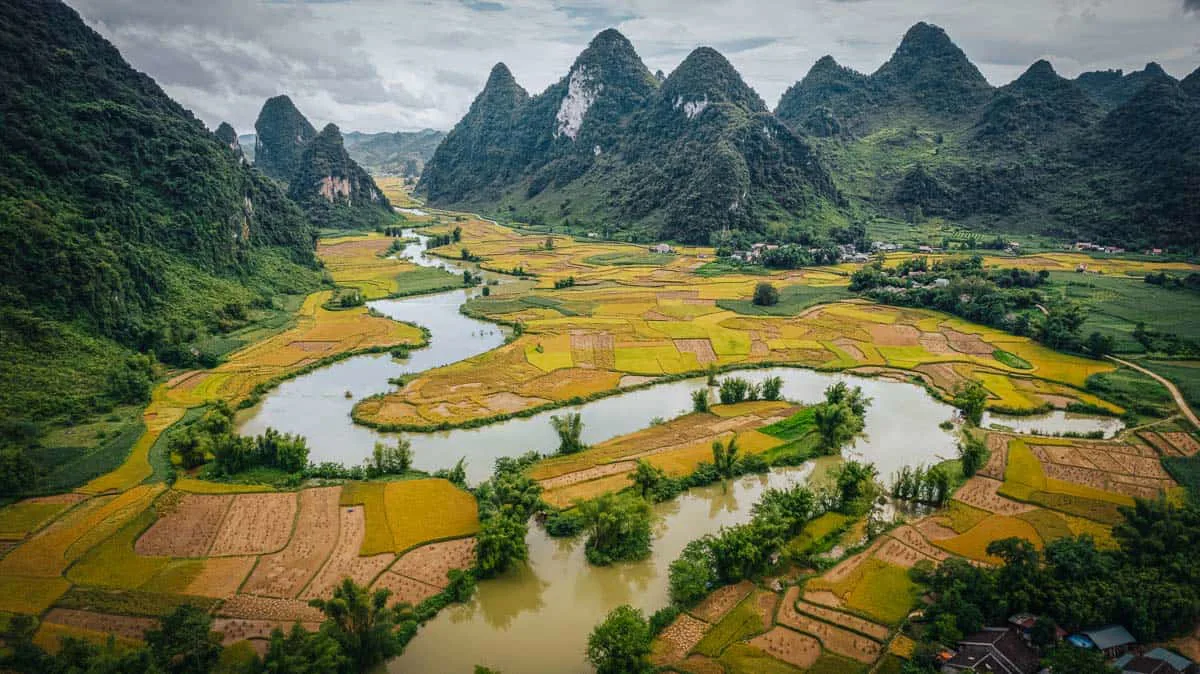
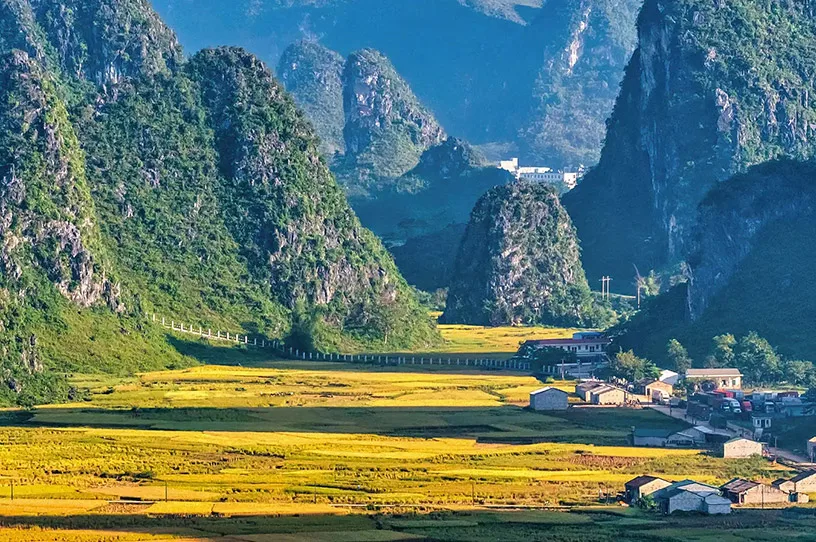
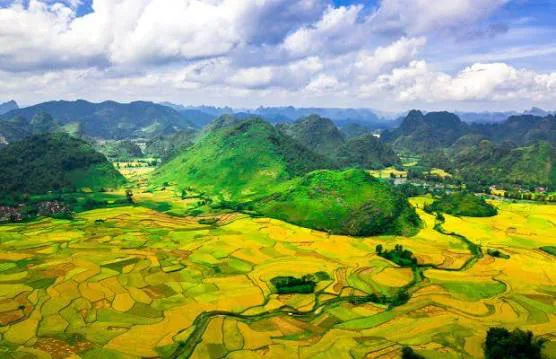
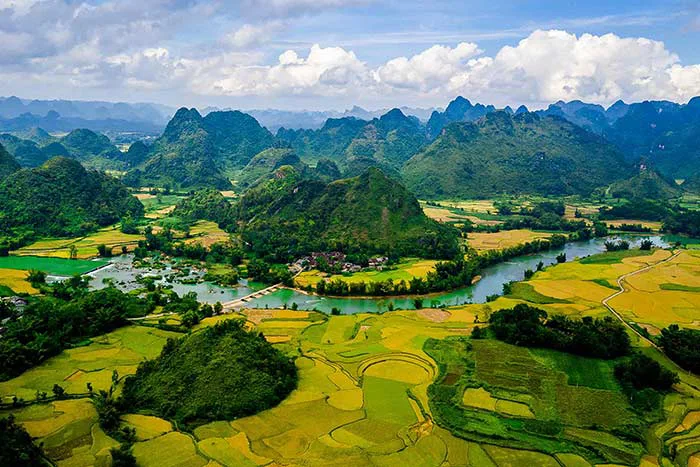
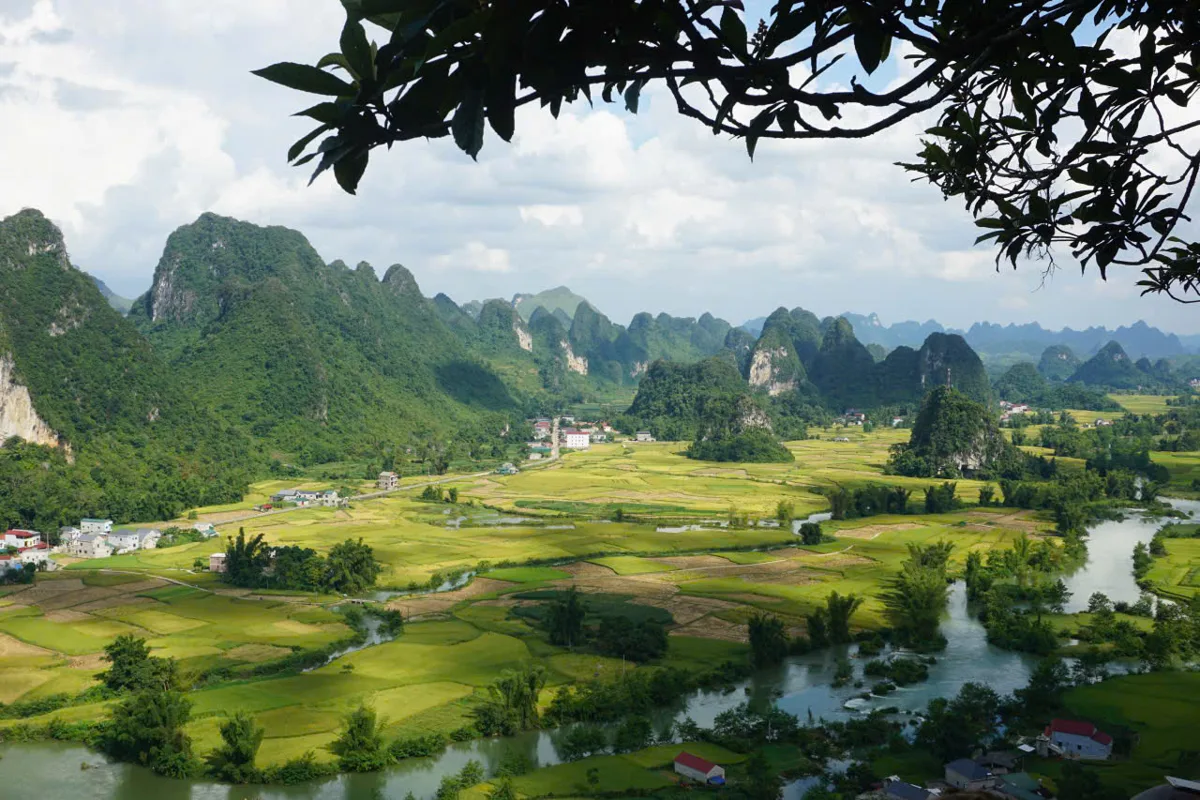
The ideal time to visit Cao Bang is during the dry season, from September to May. During these months, the weather is generally pleasant with less rain, making it perfect for outdoor activities and exploring attractions. The waterfalls are still impressive, and the rice fields turn golden in late autumn. The rainy season (June to August) can bring heavy downpours, potentially affecting road conditions and visibility.
Highlights and Must-See Attractions
Ban Gioc Waterfall
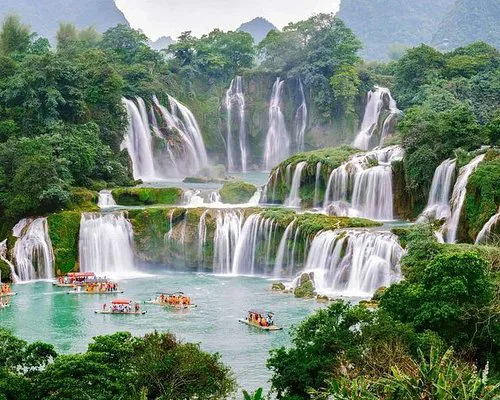
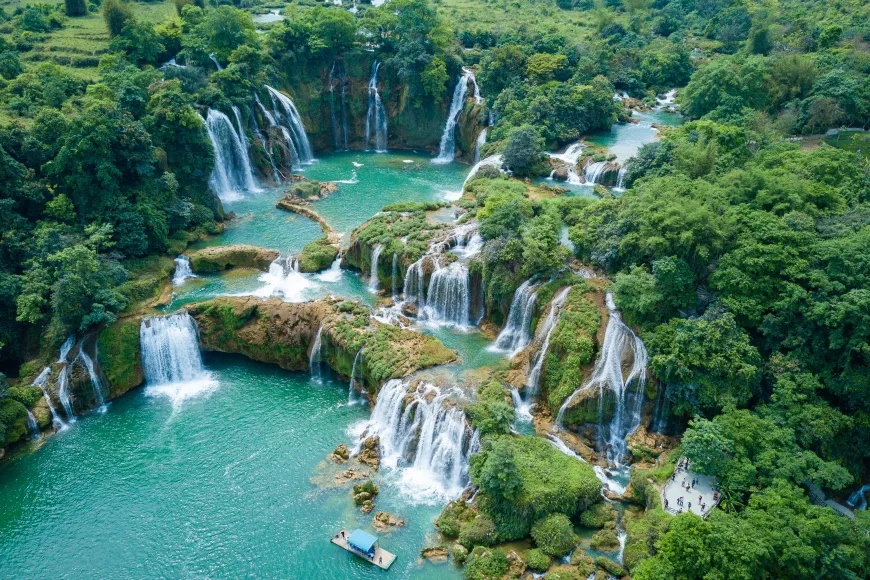
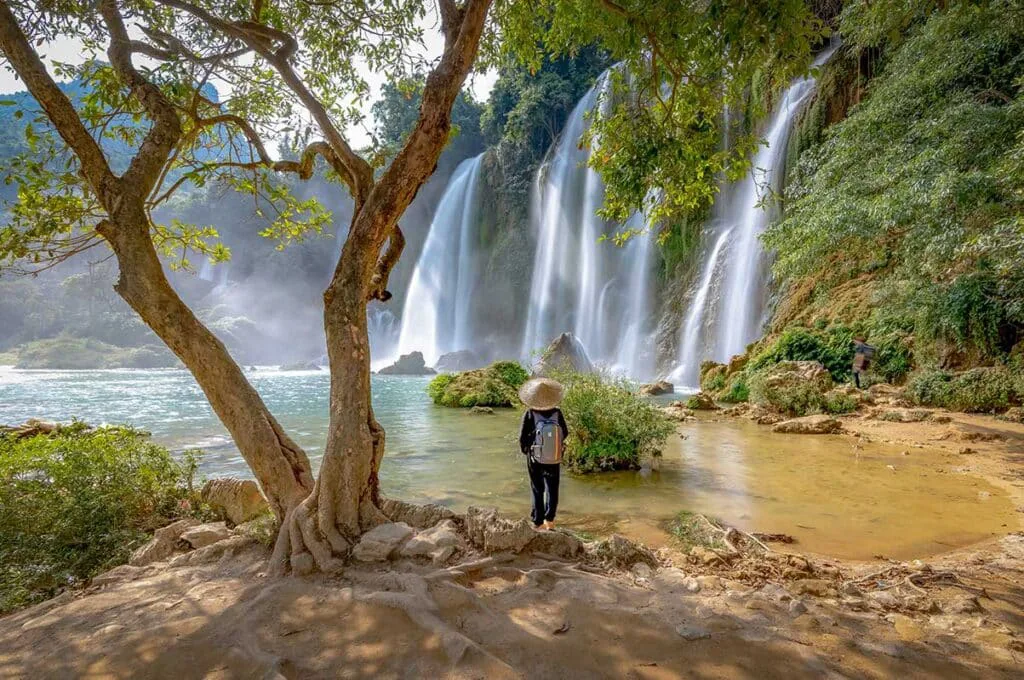
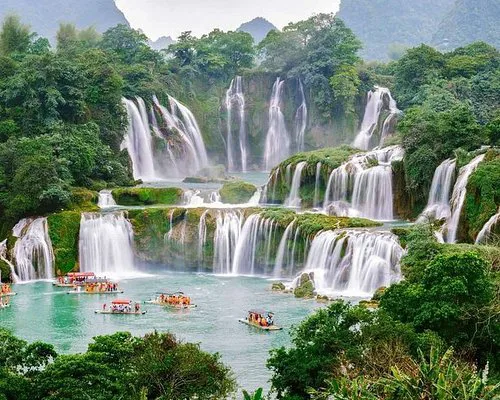
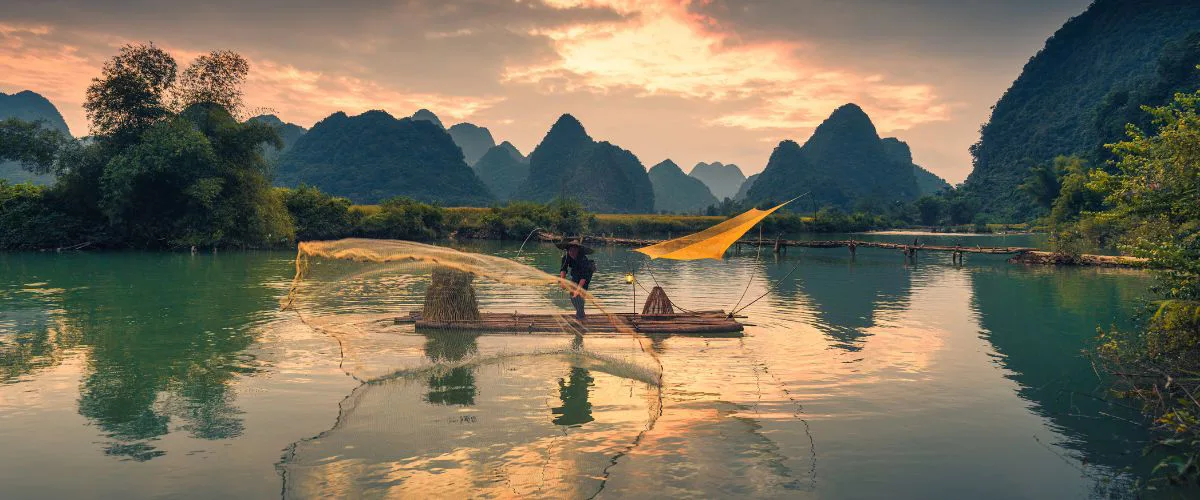
One of Vietnam's most magnificent natural wonders, Ban Gioc Waterfall (Thác Bản Giốc) is a majestic cascade spanning the border with China. Its multi-tiered falls, surrounded by lush karst landscapes, create a breathtaking spectacle. Visitors can take bamboo rafts to get closer to the falls, offering unparalleled photo opportunities.
Nguom Ngao Cave
Just a few kilometers from Ban Gioc, Nguom Ngao Cave (Tiger Cave) is a vast and impressive limestone cave system. Its intricate stalactites and stalagmites, formed over millions of years, create a magical underground world. The cave is well-lit and features accessible pathways, making it an enjoyable exploration for most visitors.
Pac Bo Historical Site
A place of profound historical importance, Pac Bo is where Ho Chi Minh first returned to Vietnam in 1941 after 30 years abroad, establishing his revolutionary base. Visitors can explore Coc Bo Cave, Lenin Stream, and Karl Marx Peak, gaining insight into the early days of Vietnam's independence movement. The tranquil scenery adds to the reflective atmosphere.
Thang Hen Lake
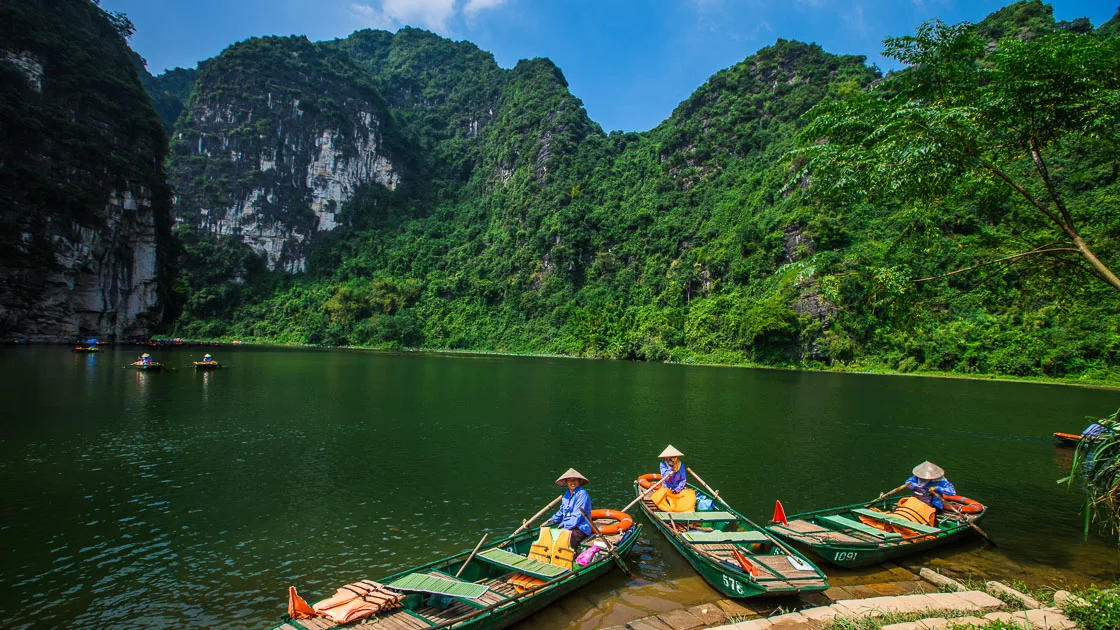
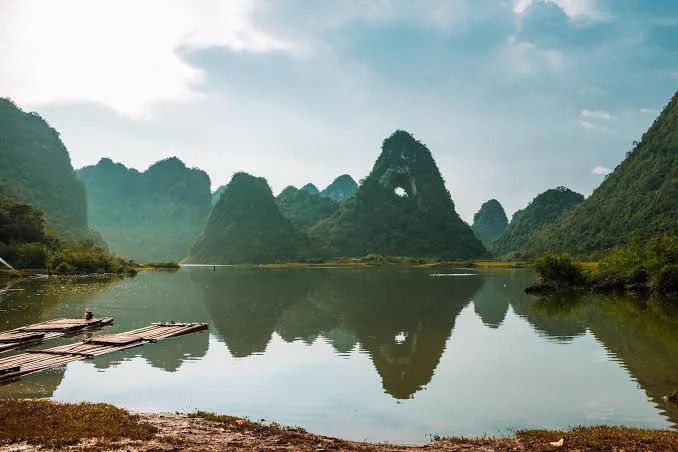
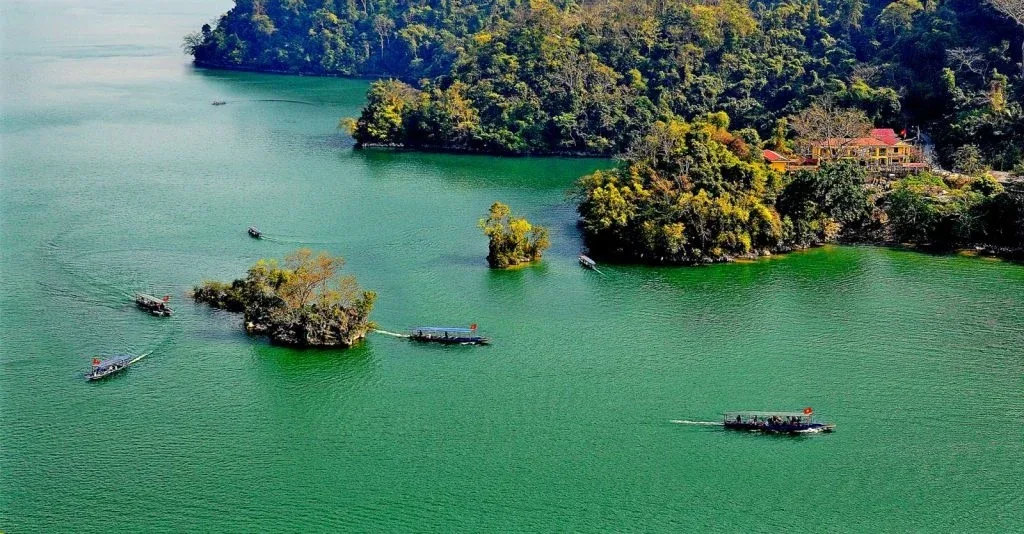
A complex of 36 interconnected lakes, Thang Hen Lake offers a serene escape with its emerald waters and surrounding limestone karsts. The lake's water level fluctuates with the seasons, creating a dynamic landscape. It's a perfect spot for relaxation, kayaking, or simply enjoying the peaceful natural environment.
Things to Do and Experiences
- Trekking and Hiking: Explore the scenic trails around the waterfalls, caves, and ethnic minority villages.
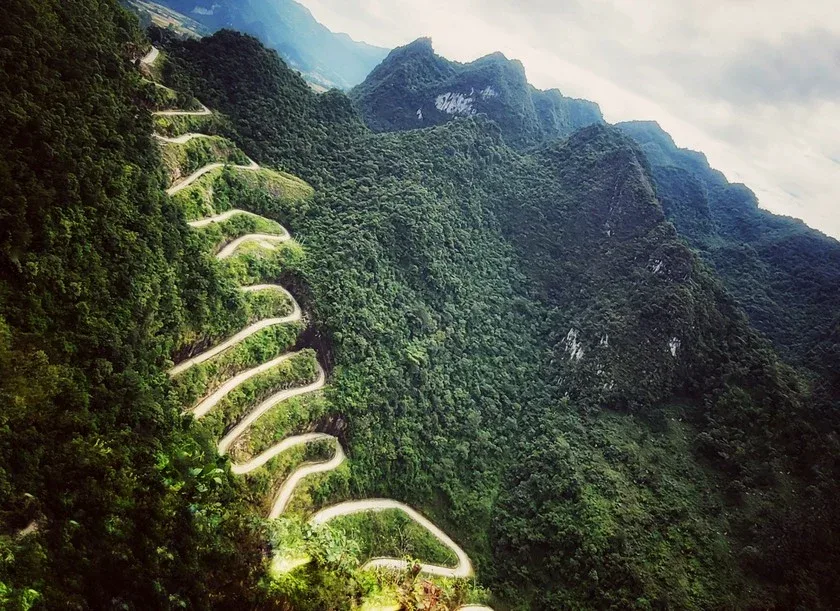
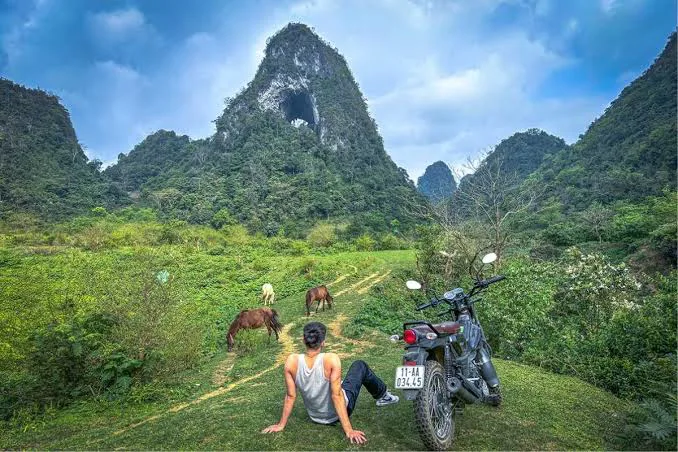
- Motorbiking Adventures: The winding mountain roads offer exhilarating rides with stunning panoramic views.
- Cultural Immersion: Visit local markets, interact with Tay, Nung, Dao, and Hmong communities, and learn about their unique traditions.
- Photography: Capture the dramatic landscapes, vibrant local life, and historical sites.
How to Get to Cao Bang
Cao Bang City is primarily accessible by road from Hanoi. There is currently no airport in Cao Bang province.
- By Bus: Overnight sleeper buses or day buses depart regularly from My Dinh Bus Station in Hanoi to Cao Bang City. The journey typically takes 7-9 hours.
- By Private Car/Motorbike: For more flexibility and scenic stops, hiring a private car with a driver or renting a motorbike are popular options. The drive offers stunning views but requires careful navigation on mountain roads.
Where to Stay in Cao Bang
Cao Bang City offers a range of accommodation options, from budget-friendly guesthouses and homestays to more comfortable hotels. For those wishing to stay closer to Ban Gioc Waterfall, there are also guesthouses and homestays available in Trung Khanh district.
- Hotels: Several hotels in Cao Bang City provide standard amenities and services.
- Guesthouses (Nha Nghi): A common and affordable option, offering basic but clean rooms.
- Homestays: For a more immersive cultural experience, consider staying in a homestay in ethnic minority villages, often providing traditional meals.
What to Eat in Cao Bang
Cao Bang's cuisine reflects its mountainous terrain and ethnic diversity. Don't miss these local specialties:
- Banh Cuon Cao Bang: A unique version of steamed rice rolls, often served with a savory broth and minced pork.
- Vit Quay Bay Vi (Roasted Duck with Seven Flavors): A local delicacy, ducks are marinated with seven different spices and roasted to perfection.
- Khao Phat: A sticky rice cake, often filled with black sesame or peanuts.
- Che Lam: A sweet and chewy glutinous rice cake, popular as a snack.
Travel Tips and Important Notes
- Border Area: Cao Bang shares a border with China. Be aware of regulations, especially when visiting areas close to the border. Always carry your passport.
- Language: While English is spoken in some tourist-oriented establishments, learning a few basic Vietnamese phrases will greatly enhance your experience.
- Cash: ATMs are available in Cao Bang City, but it's advisable to carry sufficient cash, especially when visiting remote villages or smaller markets.
- Road Conditions: Mountain roads can be winding and sometimes challenging, especially during the rainy season. Drive or ride carefully.
- Respect Local Culture: When visiting ethnic minority villages, dress modestly and ask for permission before taking photos of people.
Popular Tours
Travel Guides & Articles
All Articles
Tours from Cao Bang
New