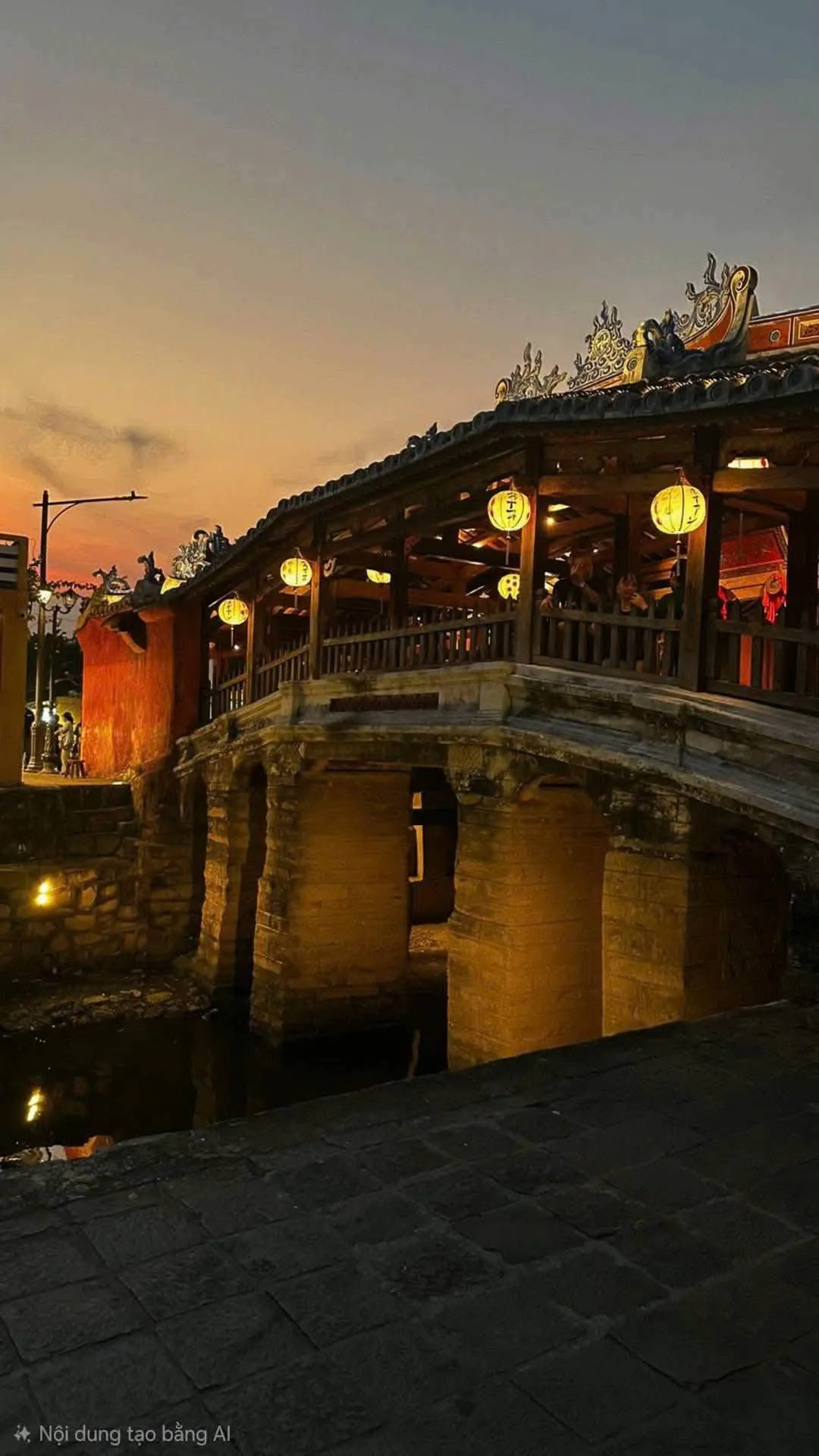
Explore the Majestic Hue Imperial Citadel: A UNESCO World Heritage Site
Hue Imperial Citadel is a magnificent UNESCO World Heritage complex, serving as the seat of Vietnam's Nguyen Dynasty emperors from 1802 to 1945. Modeled on Beijing's Forbidden City, this historical site offers a profound glimpse into Vietnam's imperial past and architectural grandeur. It remains a must-visit for anyone exploring the cultural heart of Hue.
About This Attraction
Overview of Hue Imperial Citadel
The Hue Imperial Citadel stands as a monumental testament to Vietnam's rich imperial past, a magnificent UNESCO World Heritage complex nestled on the banks of the Perfume River in Hue. This sprawling site served as the administrative and political heart of the Nguyen Dynasty, Vietnam's last imperial family, from 1802 to 1945. Encompassing the Imperial City, the Forbidden Purple City, and the Citadel itself, it was meticulously designed with elements inspired by Beijing's Forbidden City, reflecting a blend of Vietnamese and East Asian architectural principles. A visit to the Citadel offers an unparalleled journey back in time, allowing visitors to walk through the very grounds where emperors once ruled and significant historical events unfolded.
Historical and Cultural Significance
The establishment of the Hue Imperial Citadel marked a pivotal moment in Vietnamese history. Emperor Gia Long, the founder of the Nguyen Dynasty, chose Hue as his capital, initiating the construction of this grand complex. For over 140 years, it was the epicenter of Vietnamese power, culture, and tradition. The Citadel's design is a profound representation of traditional Vietnamese architecture, influenced by geomancy and the principles of the Five Elements. Its strategic location, facing the Perfume River and backed by the Ngu Binh Mountain, was chosen for its auspicious feng shui. Beyond its architectural grandeur, the Citadel is a repository of Vietnamese cultural heritage, housing temples, palaces, and royal residences that tell stories of imperial life, rituals, and the artistic achievements of the era. Despite suffering significant damage during various conflicts, extensive restoration efforts have been ongoing, preserving its invaluable legacy for future generations.
Exploring the Imperial Citadel: A Visitor's Experience
Stepping through the imposing gates of the Hue Imperial Citadel is like entering another world. The sheer scale and intricate details of the complex demand ample time for exploration. Visitors can spend hours wandering through its vast courtyards, ancient temples, and reconstructed palaces. The experience is one of discovery, as each corner reveals a new facet of imperial life and Vietnamese history. The atmosphere within the Citadel is often serene, offering moments of quiet reflection amidst the historical grandeur. Informative plaques and exhibits provide context, helping visitors understand the significance of each structure and the lives of those who once inhabited these royal grounds. It's an immersive journey that appeals to history enthusiasts, architecture lovers, and anyone seeking a deeper understanding of Vietnam's cultural roots.
Highlights of the Imperial City
- Ngo Mon Gate (Meridian Gate): This magnificent gate serves as the main entrance to the Imperial City. With its five passages and elaborate architecture, it was once reserved for the emperor's use and grand ceremonies.
- Thai Hoa Palace (Palace of Supreme Harmony): The most important building within the Imperial City, where official receptions, coronations, and other significant court ceremonies took place. Its impressive hall features a golden throne and intricate decorations.
- Forbidden Purple City (Tu Cam Thanh): Located within the Imperial City, this was the exclusive residence of the emperor and his immediate family. Though much of it was destroyed, ongoing reconstruction efforts allow visitors to glimpse its former splendor, including remnants of royal living quarters and gardens.
- The Mieu Temple Complex: A sacred area dedicated to the worship of the Nguyen Dynasty emperors. It features beautiful ancestral temples and the Hien Lam Cac pavilion, a towering structure commemorating the dynasty's achievements.
- Nine Dynastic Urns (Cuu Dinh): Located in front of The Mieu Temple, these nine bronze urns symbolize the power and stability of the Nguyen Dynasty, each dedicated to a specific emperor.
- Can Chanh Palace: Although largely in ruins, this was once the main working palace of the emperor, where he conducted daily affairs and held audiences.
- Royal Gardens and Lakes: Scattered throughout the complex, these serene spaces offer a peaceful respite, showcasing traditional Vietnamese landscaping.
Practical Tips for Your Visit
To make the most of your visit to the Hue Imperial Citadel, consider these practical tips:
- Wear Comfortable Footwear: The Citadel is expansive, requiring a significant amount of walking. Comfortable shoes are essential.
- Stay Hydrated: Especially during warmer months, carry water to stay hydrated as you explore the outdoor areas.
- Allow Ample Time: To truly appreciate the site, allocate at least half a day, if not a full day, for your visit.
- Respect the Site: As a historical and culturally significant location, visitors are encouraged to show respect for the ancient structures and traditions.
- Consider a Guide: A local guide can provide invaluable insights into the history, architecture, and stories behind the Citadel, enriching your experience significantly.
Nearby Attractions in Hue
Hue offers a wealth of other attractions that complement a visit to the Imperial Citadel, allowing for a comprehensive exploration of the city's imperial past and natural beauty:
- Thien Mu Pagoda: An iconic seven-story pagoda situated on the Perfume River, offering stunning views and a tranquil atmosphere.
- Nguyen Dynasty Royal Tombs: Scattered along the Perfume River, these elaborate tombs (such as those of Minh Mang, Khai Dinh, and Tu Duc) are architectural masterpieces, each reflecting the personality and reign of the emperor it honors.
- Perfume River Boat Trip: A relaxing way to see the city and visit some of the riverside attractions, including Thien Mu Pagoda and various tombs.
- Dong Ba Market: Experience local life and sample Hue's famous cuisine at this bustling traditional market.
- Hue Museum of Royal Antiquities: Located near the Citadel, this museum houses a collection of artifacts from the Nguyen Dynasty.
Location
Plan Your Visit
Ready to experience Hue Imperial Citadel? Book a guided tour or get expert travel advice.
Enquire Now Browse Tours Including This Site