
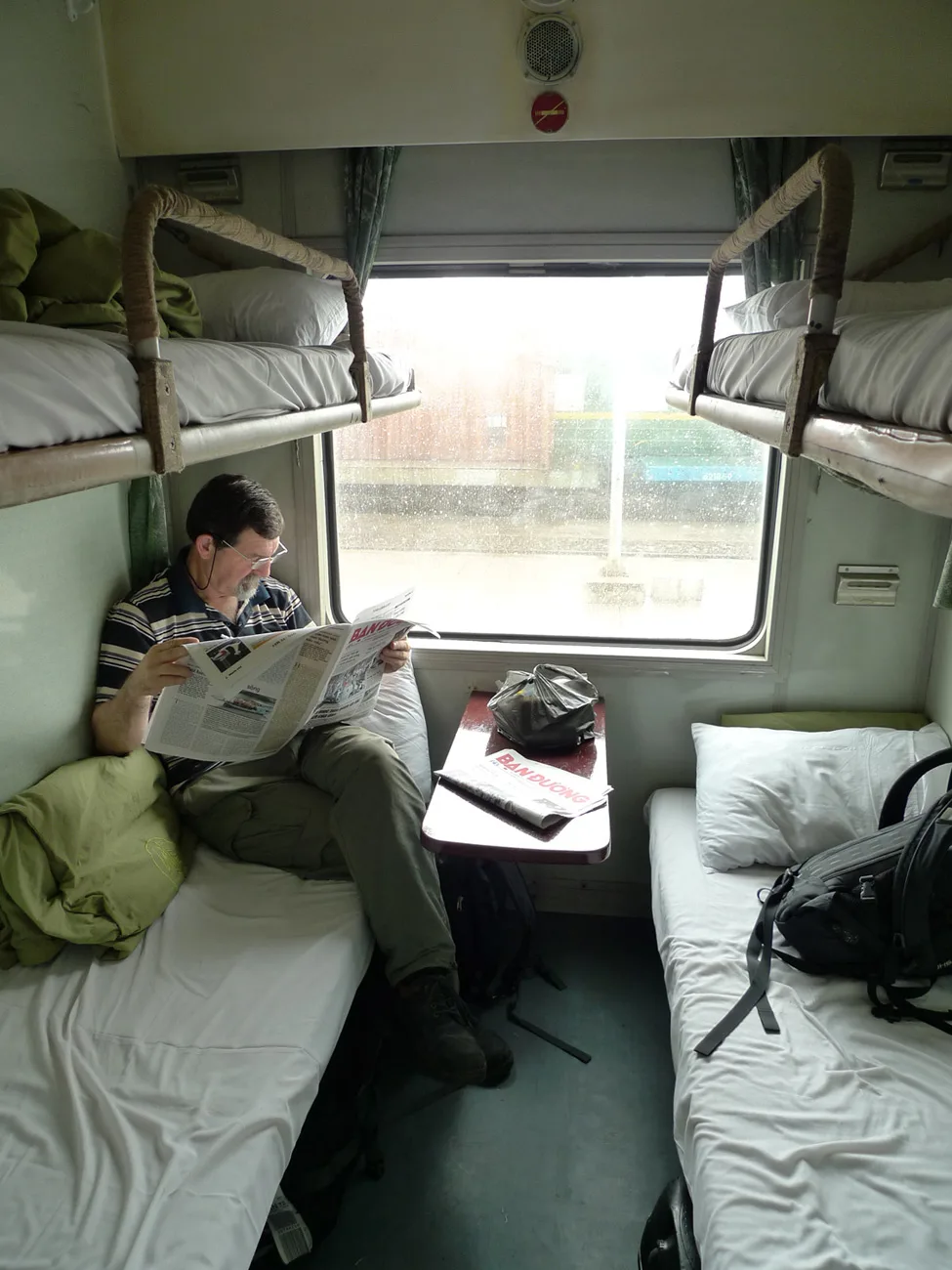
Traveling by sleeper train in Vietnam offers a practical and often economical way to cover long distances while experiencing the country's landscapes. These overnight services provide a comfortable alternative to extended bus or car journeys, allowing passengers to rest during transit and save on accommodation costs. For those planning a rail trip or simply curious about the options, understanding the available routes, berth types, and operational details is key.
Understanding Vietnam's Overnight Train Services
Vietnam's extensive railway network makes train travel a viable option for traversing the country. Sleeper trains are particularly popular for longer routes, providing a balance of comfort, safety, and affordability. Most modern Vietnamese sleeper trains are equipped with Wi-Fi, though connection speeds can vary. Operating many services at night helps travelers maximize their daylight hours at destinations.
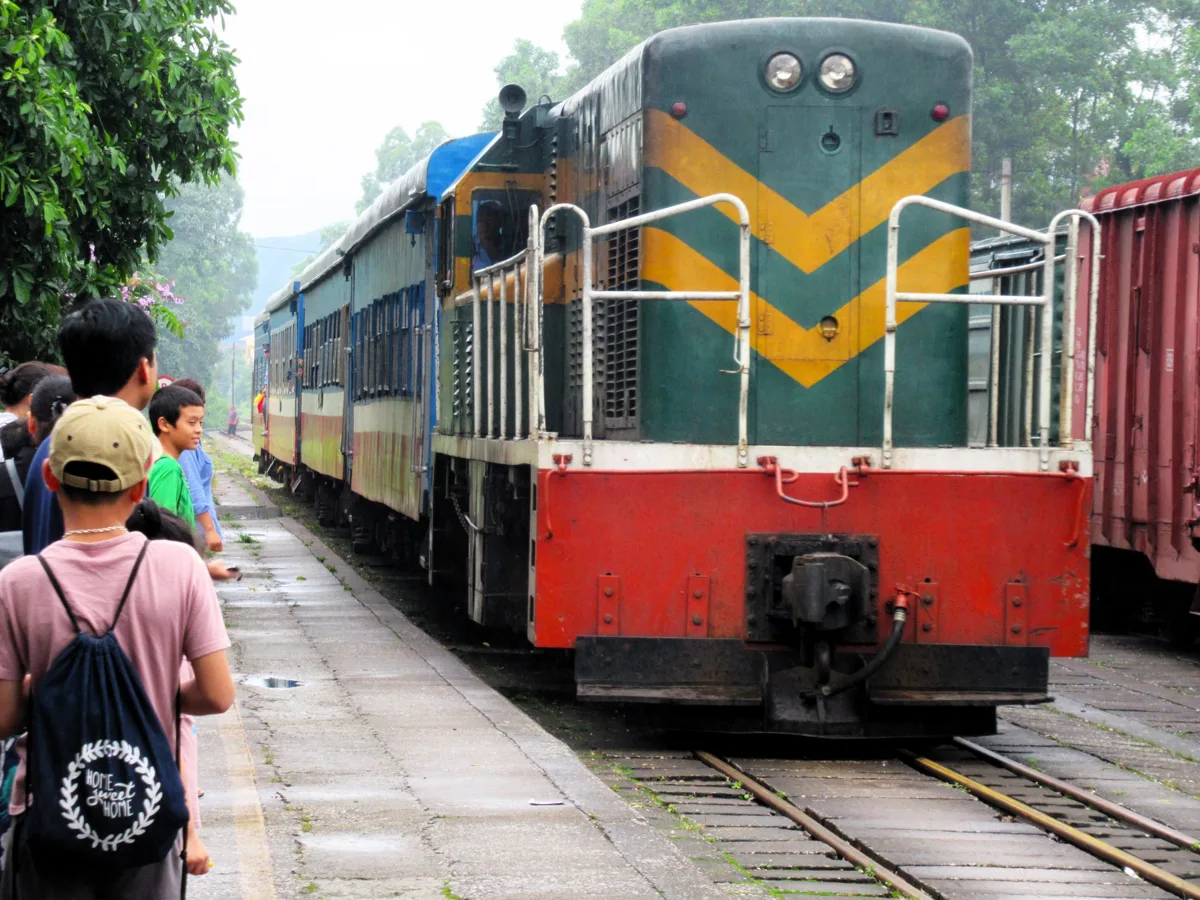
Passengers can typically choose between two primary berth categories on standard sleeper trains: hard berth and soft berth. The Reunification Express, a public train traversing Vietnam, also offers hard and soft seating options. Each berth type caters to different comfort levels and travel preferences.
- Hard Berth: This option usually features bunk beds constructed from iron frames with a thin mattress. Cabins typically contain six berths. Fares for hard berths often depend on the bed's position, with the bottom bunk being the most expensive, followed by the middle, and the top bunk being the least costly. Hard berths are generally more suitable for shorter overnight journeys.
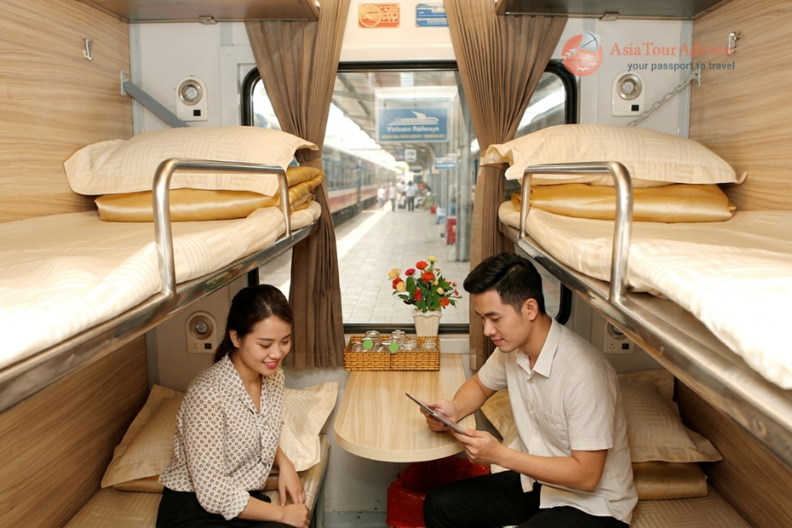
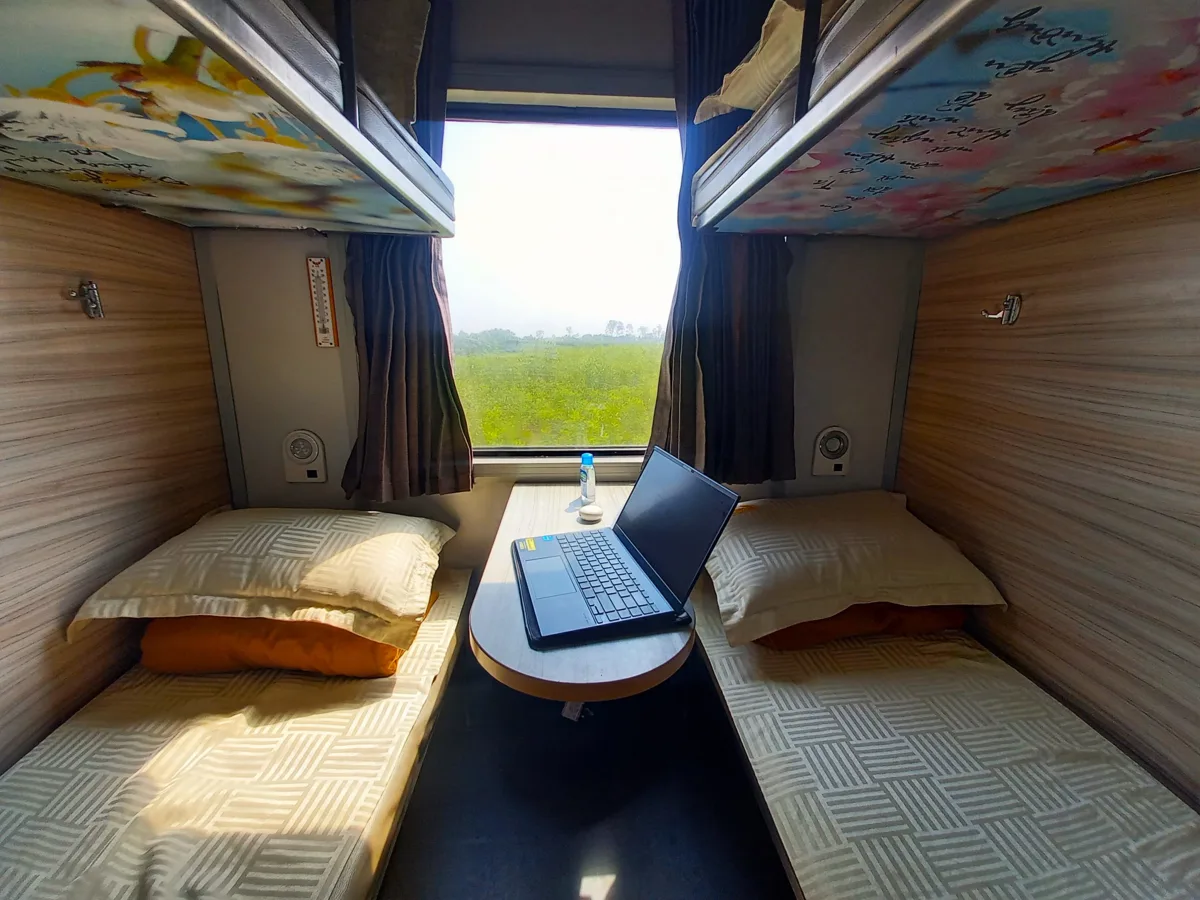
- Soft Berth: Considered the more comfortable choice, soft berth cabins usually contain either four or two berths. All berths within a soft berth cabin are typically priced uniformly. This category is highly recommended for extended travel, allowing passengers to rest more comfortably for several hours.
Advantages of Choosing Rail Travel in Vietnam
Opting for an overnight train journey in Vietnam presents several benefits compared to other modes of transportation, particularly for those looking to manage their budget and travel efficiently.
Train travel is often more budget-friendly than air travel, and the railway system frequently provides reduced fares for specific groups such as children, students, and military personnel. Unlike the fluctuating prices often seen with airfares, train ticket prices tend to remain consistent regardless of the day of the week or time of departure. While minor price adjustments may occur during public holidays, fares typically revert to standard rates once the holiday period concludes, offering predictability in travel expenses.
Another significant advantage of train travel is the generous luggage allowance. Passengers can generally bring up to 20 kg of baggage, which is considerably more than the typical 7 kg limit for economy class flights or 14 kg for business class. Furthermore, trains are considered a secure mode of transport. Operating on dedicated tracks minimizes the risk of collisions with other vehicles, contributing to a safer travel experience. From an environmental perspective, trains produce significantly lower emissions compared to cars or airplanes. The carbon output from trains has less direct impact on the upper atmosphere, making it a more environmentally conscious travel choice.
It is important to note that if a traveler wishes to reserve an entire 4-berth cabin for fewer than four people, they will typically need to purchase all four tickets.
Key Overnight Train Routes in Vietnam
Vietnam's rail network connects major cities and popular tourist destinations, with several routes offering overnight sleeper services. Below are details for some of the most frequently traveled overnight train routes, including available services, approximate timings, and starting prices. Please be aware that schedules and prices are subject to change and should be verified with the railway operator or booking agent for the most current information.
Hanoi to Sapa Overnight Train
While Sapa itself does not have a railway station, travelers can take a train from Hanoi to Lao Cai, which is approximately 38 km (24 miles) from Sapa. From Lao Cai railway station, Sapa is accessible by bus, jeep, or taxi, with the journey taking about 50 minutes. Both daytime and overnight trains operate on this route, though most overnight services depart from Hanoi between 21:00 and 22:00, arriving in Lao Cai between 05:00 and 06:00 the following morning.
Travelers can choose between standard Vietnamese railway services and several privately operated sleeper trains, which often cater specifically to tourists and offer enhanced amenities. Here is an overview of some private train services on the Hanoi to Lao Cai route:
| Train Service | Cabin Type | Details |
|---|---|---|
| Orient Express Train | Luxury 4-berth | Shared air-conditioned cabin, includes blankets, cushions, cookies, mineral water, cold towels, toothpaste. |
| VIP 2-berth | Private air-conditioned cabin (solo travelers must book both tickets), includes blankets, cushions, drinks, cold towels, toothpaste. | |
| Livitrans Express Train | Tourist 4 soft berths | Fully comfortable luxury cabin. |
| VIP 2 soft berths | Standard 5-star hotel level, includes travel magazines, newspapers, drinks, snacks. | |
| Fansipan Express Train | 4 berth cabin | 4 soft berths, reading lights, baggage storage, flowers, mineral water, snacks, napkins. |
| 2 berth cabin (VIP) | 2 soft berths, similar amenities to 4-berth cabin. | |
| King Express Train | Deluxe cabin | 4 berths in one compartment, wooden-paneled, air-conditioned with individual reading lights, baggage storage. |
| Superior cabin | 2 berths in one compartment, similar amenities to 4-berth cabin. | |
| Sapaly Express Train | Four-berth cabin | 4 soft berths, reading lights, baggage storage, flowers, mineral water, napkins. |
| Two berth cabin (VIP) | 2 soft berths, similar amenities to four-berth cabin. | |
| Chapa Express Train | Soft Berth | 4 soft berths, wood-paneled cabins, air-conditioned, reading lights, drinks, snacks, cold towel, toothpaste. |
| VIP Berth | 2 soft berths, similar amenities to 4-berth cabin. | |
| Laman Express Train | Soft Berth | 4 soft berths, refreshing towelette, Hanoi beer, Coke, mineral water, sweet pastry, tea, coffee. |
| VIP Berth | 2 soft berths, similar amenities to 4-soft berth cabin. | |
| Victoria Express Train | 4 Berth | 4 soft berths, individual reading lights, baggage storage, air conditioning, wooden-paneled, snack, drinks. |
| 2 Berth | 2 soft berths, similar amenities to 4-berth cabin. |
Hanoi to Hue Sleeper Train
The rail journey from Hanoi to Hue typically spans 12 to 14 hours. For this route, booking a soft sleeper berth is highly recommended to ensure adequate rest. Traveling overnight, with an evening departure and a morning arrival, allows passengers to wake up to scenic views as the train approaches Hue. Managing finances while traveling in Hue City is straightforward with numerous banking institutions available.
| Train Service | Schedule (Departure - Arrival) | Berth Type & Starting Price (USD) |
|---|---|---|
| Reunification Express Train | SE1: 21:10 - 11:06 SE3: 19:20 - 08:55 SE5: 15:30 - 05:30 SE7: 06:00 - 20:22 | 6 Hard Berth: from $53 4 Soft Berth: from $56 |
| Violet Express Train | SE1: 21:10 - 11:06 SE3: 19:25 - 08:55 | 4 Soft Berth: from $58 |
| Damitrans | SE3: 19:25 - 08:25 | 4 Soft Berth: from $63 |
| Lotus Express Train | SE19: 19:50 - 09:20 | 4 Soft Berth: from $67 2 VIP Berth: from $133 |
| Laman Express Train | SE19: 19:50 - 09:20 | 4 Soft Berth: from $84 2 VIP Berth: from $138 |
Hanoi to Da Nang Overnight Train
The railway distance between Hanoi and Da Nang is approximately 791 kilometers, with the journey lasting about 16 hours. Overnight trains are a preferred choice for both local residents and visitors on this route, enabling travelers to sleep through the night and arrive at their destination the following day. This option helps save on accommodation expenses and maximizes daytime for activities. Passengers can enjoy the countryside scenery upon waking before reaching Da Nang. Many overnight trains on this route also feature food counters offering various meals and snacks, or travelers may bring their own provisions.
| Train Service | Schedule (Departure - Arrival) | Berth Type & Starting Price (USD) |
|---|---|---|
| Reunification Express Train | SE1: 21:10 - 14:01 SE3: 19:20 - 11:33 SE5: 15:30 - 08:27 SE7: 06:00 - 23:00 | 6 Hard Berth: from $57 4 Soft Berth: from $63 |
| Damitrans | SE3: 19:25 - 12:24 | 4 Soft Berth: from $73 |
| Violet Express Train | SE1: 21:10 - 13:41 SE3: 19:25 - 11:33 | 4 Soft Berth: from $63 |
| Lotus Express Train | SE19: 19:50 - 12:12 | 4 Soft Berth: from $70 |
| Laman Express Train | SE19: 19:50 - 12:12 | 4 Soft Berth: from $86 |
Ho Chi Minh City to Nha Trang Sleeper Train
Vietnam Railways operates overnight services from Ho Chi Minh City to Nha Trang, with trains typically departing between 19:30 and 22:30 and arriving in Nha Trang early the next morning. It is advisable to inform your hotel in Nha Trang of your early arrival time, as standard check-in is usually after midday. With prior notification, it may be possible to access your room earlier. For those considering medical care options in Nha Trang, it is an important part of travel planning.
| Train Service | Schedule (Departure - Arrival) | Berth Type & Starting Price (USD) |
|---|---|---|
| Reunification Express Train | SE2: 20:55 - 04:08 SE4: 19:00 - 02:16 SE6: 16:00 - 00:10 SE8: 16:00 - 00:10 SNT2: 20:00 - 05:00 SE22: 11:00 - 19:00 | 6 Hard Berth: from $41 4 Soft Berth: from $45 |
| Halo Express Train | SNT2: 20:00 - 05:00 | 4 Soft Berth: from $51 |
Practical Advice for Vietnam Sleeper Train Journeys
To ensure a more comfortable and enjoyable experience when traveling by overnight train in Vietnam, consider these practical suggestions:
- Bedding Cleanliness: While fresh bedding is typically provided when boarding at major stations, it may not always be changed if you join the journey partway through a route. If personal hygiene is a concern, bringing your own small sheet or pillowcase is a good idea.
- Cabin Sharing: Unless you book an entire cabin, anticipate sharing your space with other passengers. Train travel is generally considered safe, but it is always prudent to keep valuables out of sight and secured.
- Noise and Movement: Trains can be noisy and experience some shaking during the journey. Earplugs or personal music can help mitigate disturbances and promote deeper sleep.
- Restroom Facilities: The onboard restrooms may not meet the same standards as those found in private accommodations. It is advisable to limit excessive fluid intake before bed and to carry personal tissues and hand sanitizer.
- Setting an Alarm: Although staff often provide wake-up calls, setting your own alarm for about 30 minutes before your scheduled arrival allows ample time to gather your belongings and prepare for disembarkation.
- Ticket Retention: Keep your ticket accessible throughout the journey, as staff may conduct checks during the night.
Frequently Asked Questions
Are sleeper trains in Vietnam comfortable?
Sleeper trains in Vietnam generally offer a comfortable way to travel long distances, especially in soft berth cabins which feature four or two beds per compartment. These provide more space and cushioning than hard berths, which typically have six beds and thinner mattresses. Comfort levels can vary between standard railway services and private tourist-oriented trains, with the latter often providing enhanced amenities.
How much luggage can I bring on a Vietnam sleeper train?
Passengers traveling by train in Vietnam can typically bring a maximum of 20 kg of luggage. This allowance is more generous than standard economy class flight baggage limits, making trains a convenient option for those with more bags or traveling for longer periods.
Do Vietnam sleeper trains have Wi-Fi?
Most Vietnamese sleeper trains now offer Wi-Fi access. However, it is important to manage expectations regarding connection speeds, as they may not be consistently fast or reliable throughout the entire journey, particularly in more remote areas.
Is it necessary to book sleeper train tickets in advance in Vietnam?
Booking sleeper train tickets in advance is highly recommended, especially for popular routes, during peak travel seasons, or around public holidays. This ensures availability for your preferred class and schedule, as tickets can sell out quickly.
Can I save money by taking an overnight train?
Yes, traveling by overnight train can help save money in several ways. Train fares are generally more affordable than flights for comparable distances. Additionally, by traveling overnight, you can save on the cost of one night's accommodation, as the train essentially serves as your lodging during transit.








