Departing from the activity and traffic of Ho Chi Minh City, travelers, both local and international, often head to the Mekong Delta to appreciate its natural environment, clear air, and engage with the distinctive cultural elements of this aquatic area. A three-day, two-night trip through the Mekong can provide a memorable and enriching experience for those interested in exploring the countryside lifestyle, meeting the local population, and tasting traditional dishes. Understanding the key attractions before starting the journey is important for maximizing the visit.
Day 1: My Tho, Ben Tre, and Can Tho Highlights
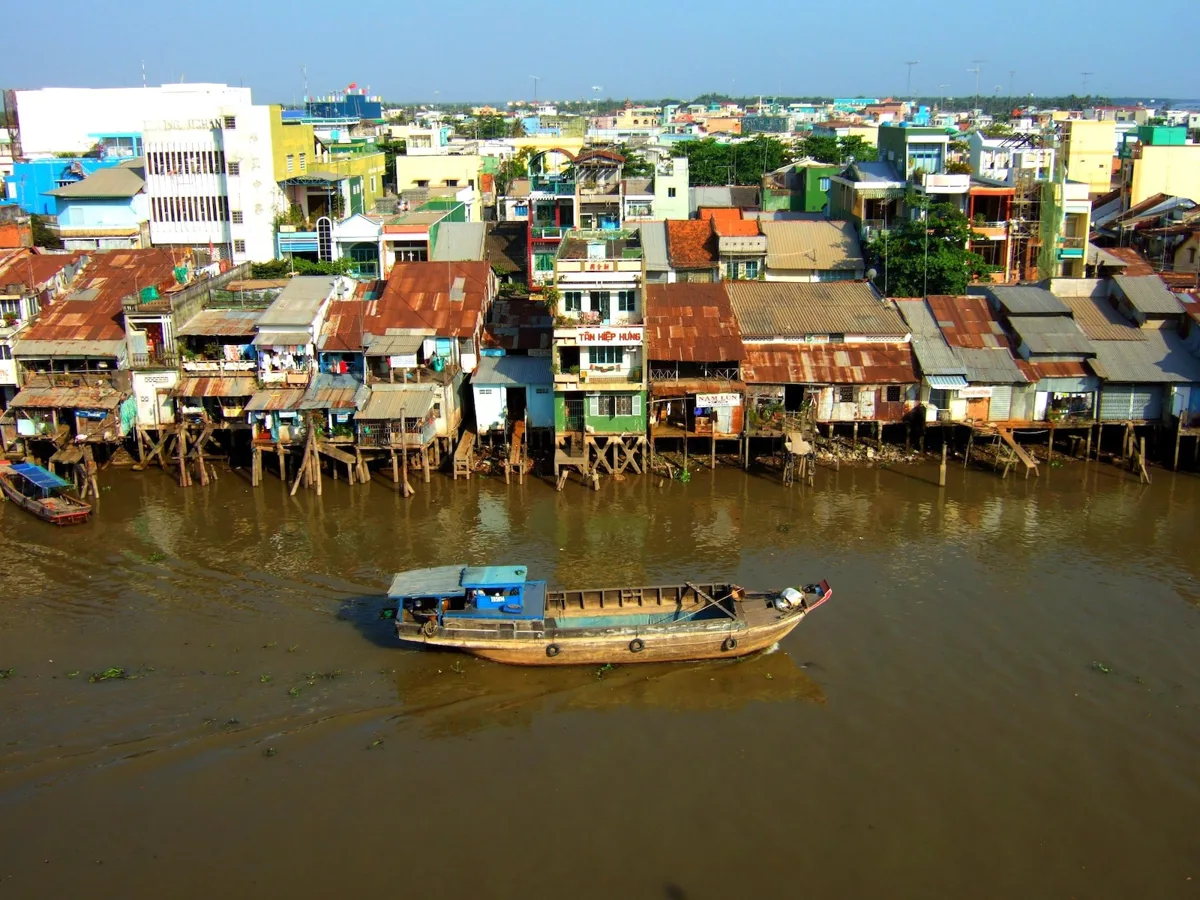
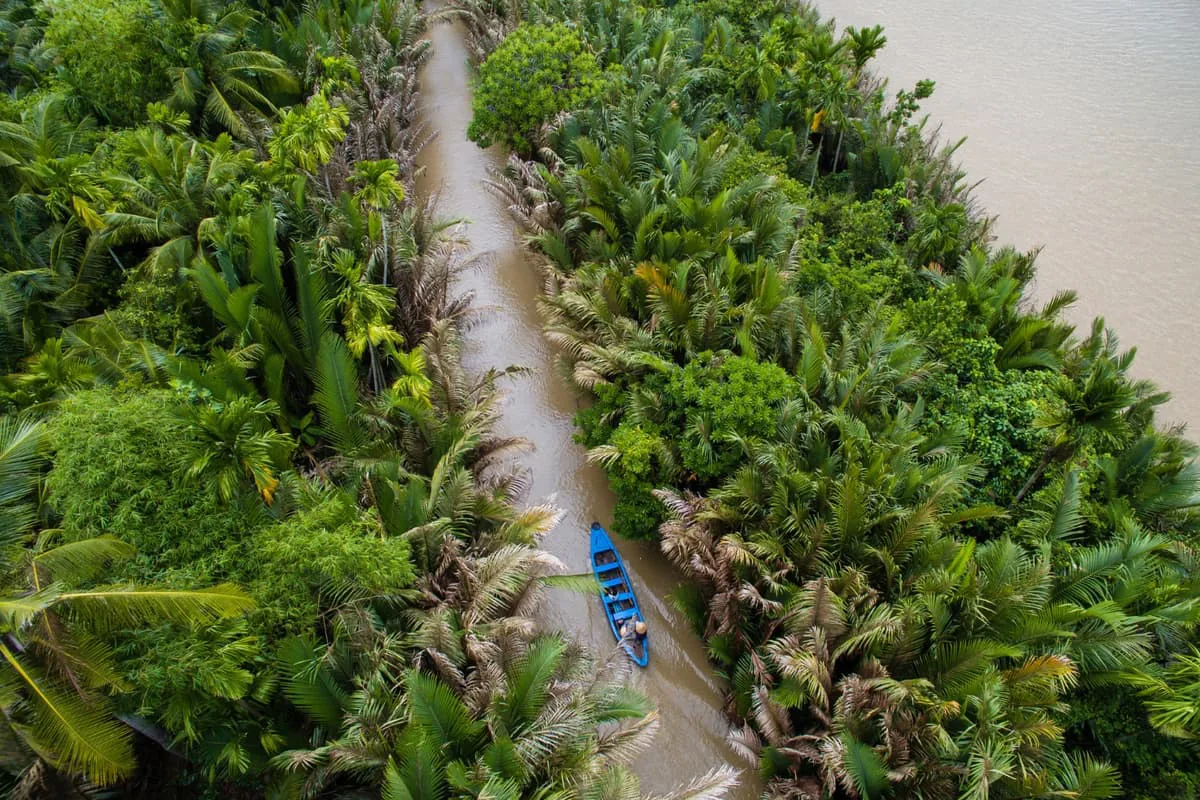
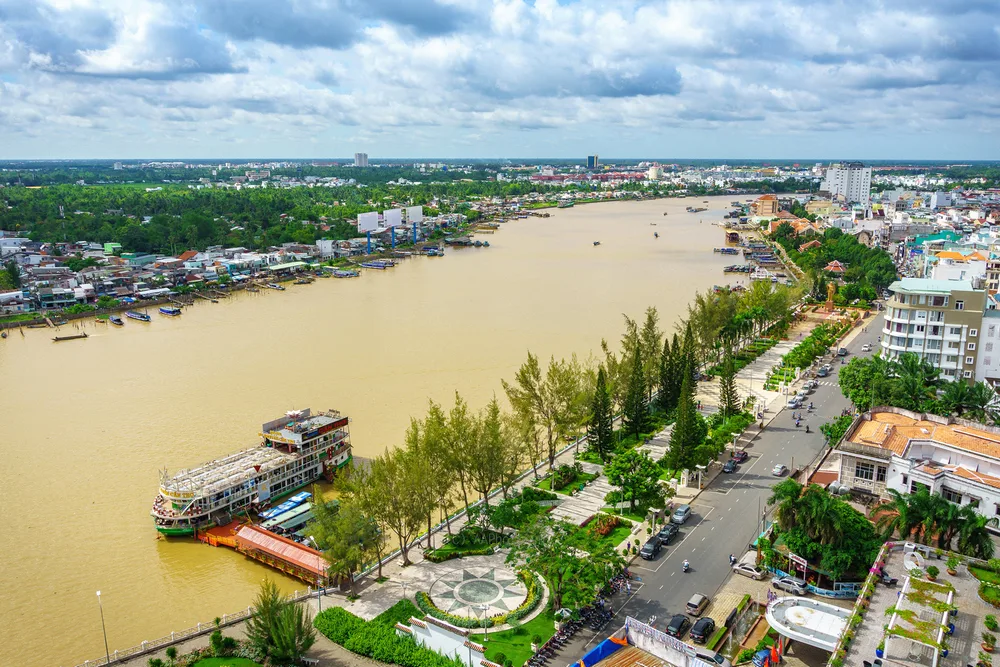
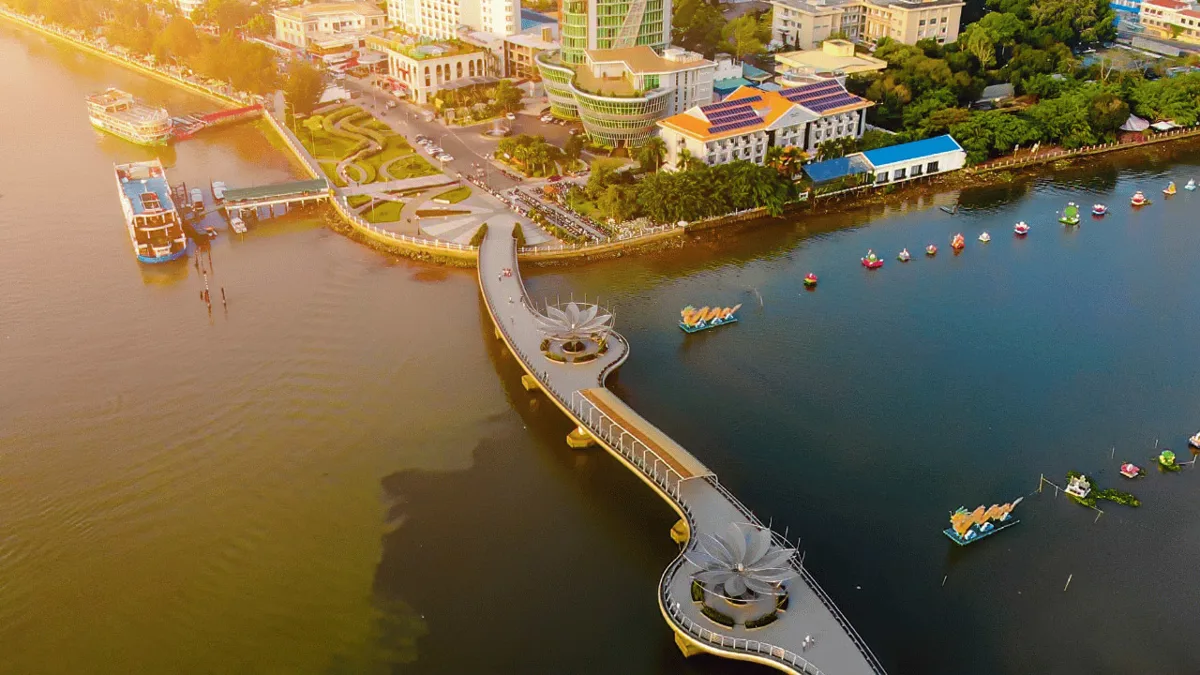
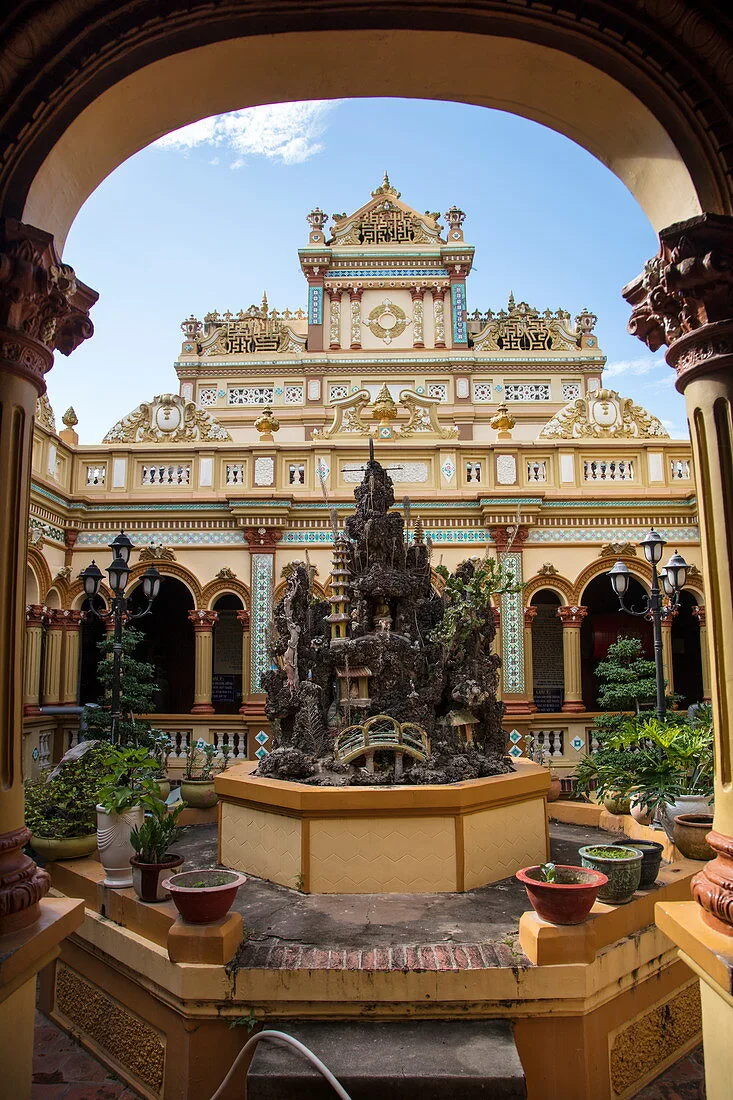
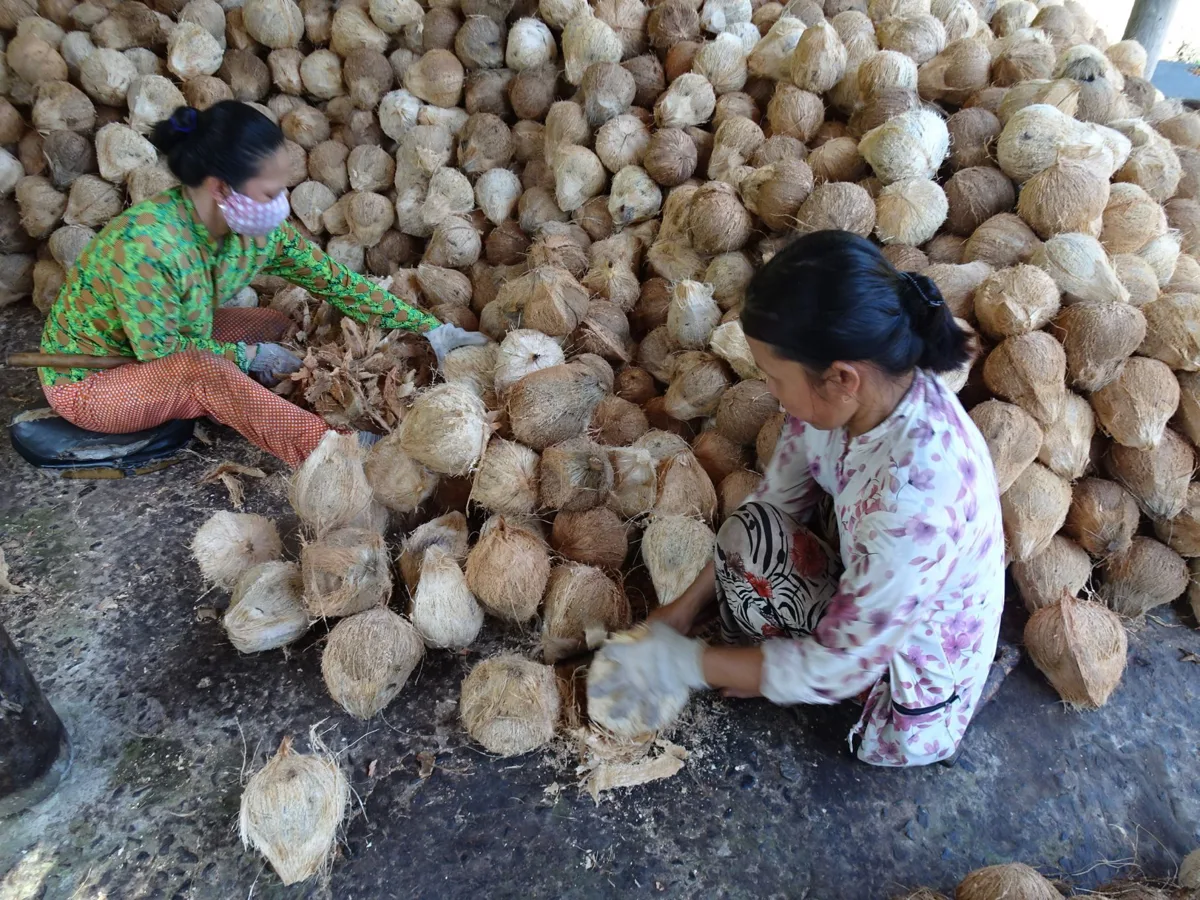
The initial segment of a Mekong Delta exploration often begins in My Tho, continuing to Ben Tre, and concluding the day in Can Tho. The first significant stop is typically Vinh Trang Pagoda, recognized as the largest Buddhist temple in Tien Giang province. This site is surrounded by numerous trees, contributing to a calm and respectful atmosphere. Its architectural design is a fusion of Vietnamese, Chinese, and Khmer influences, featuring two expansive courtyards, five main structures, and 178 supporting pillars. Inside, visitors can observe intricate statues and artistic representations depicting episodes from Buddha's life and celestial figures.
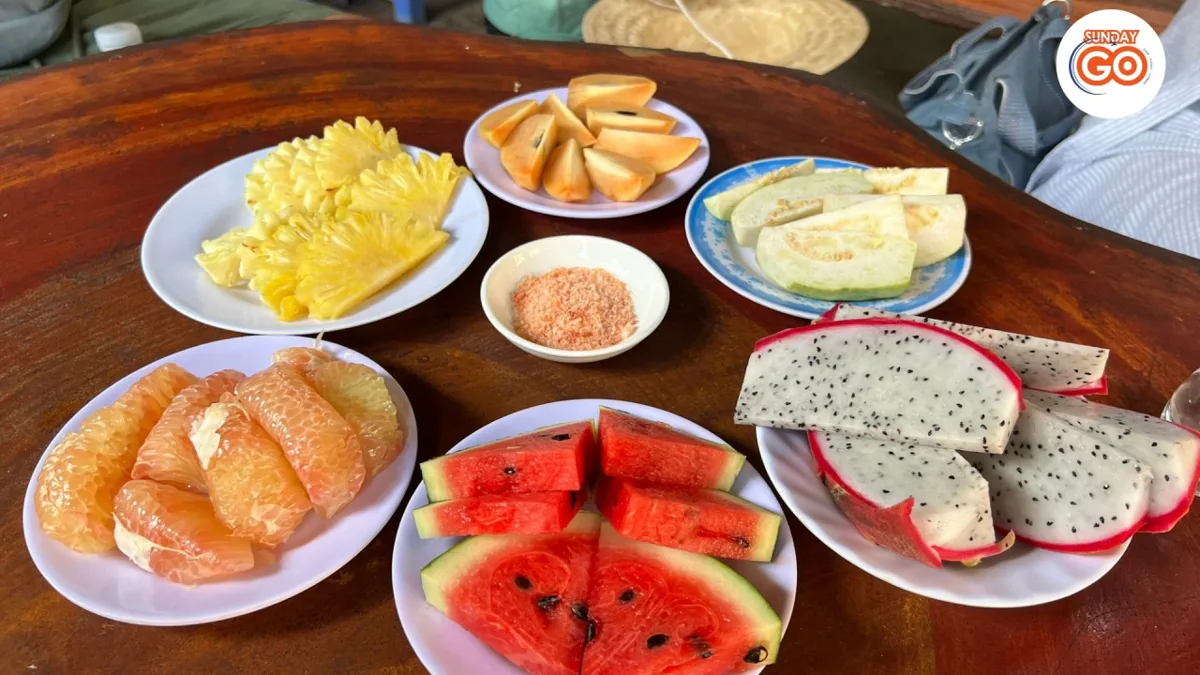
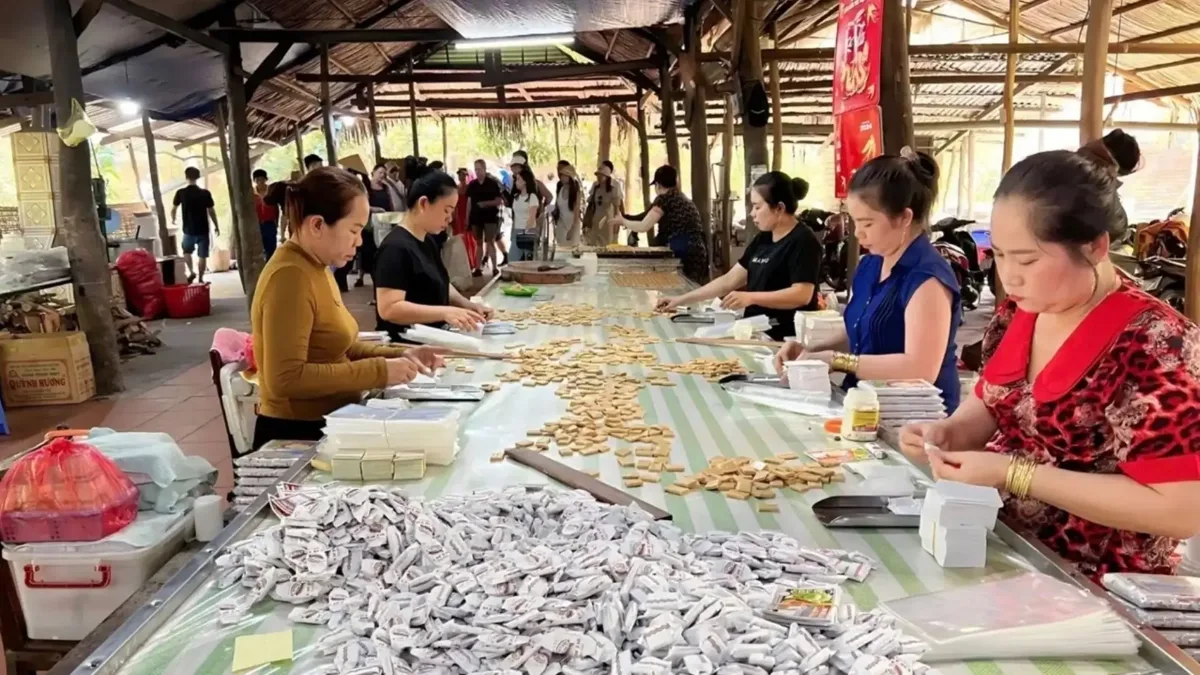
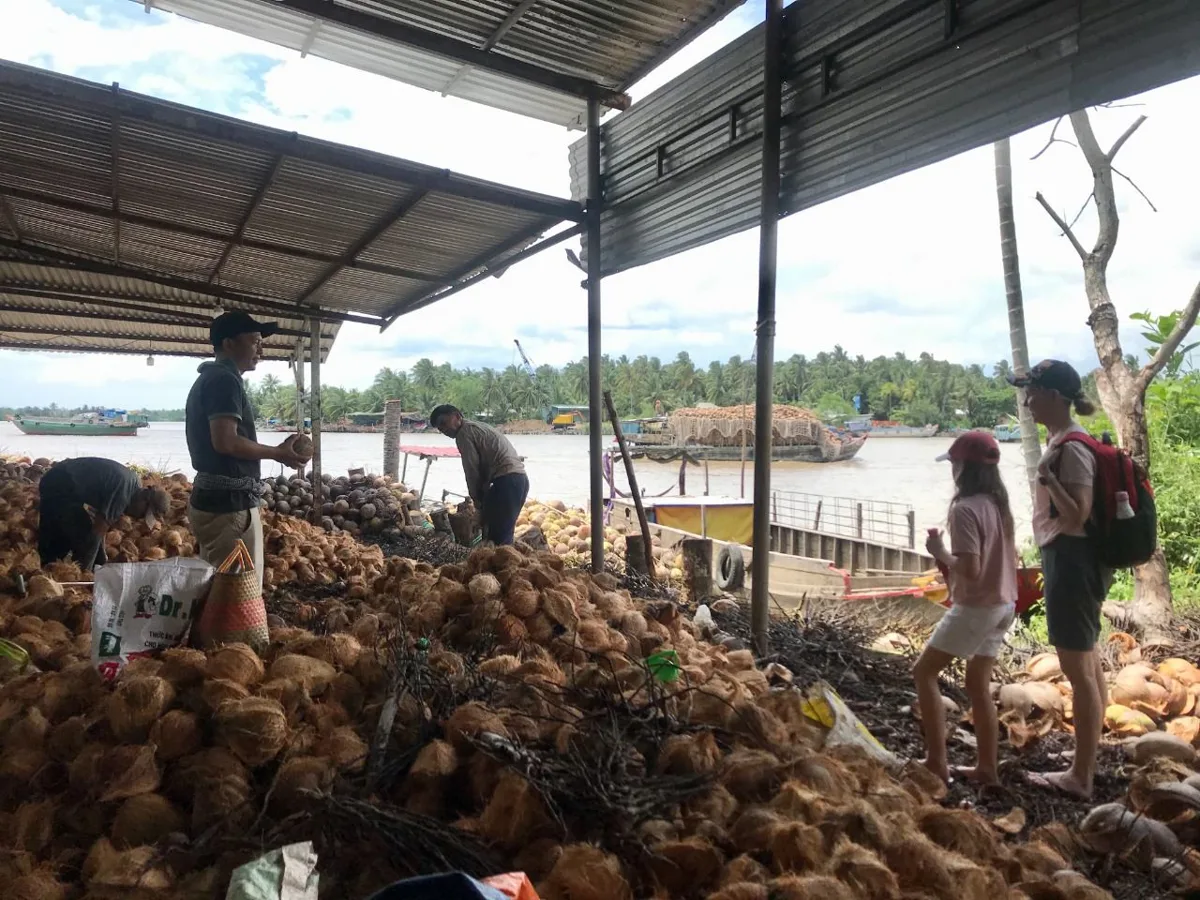
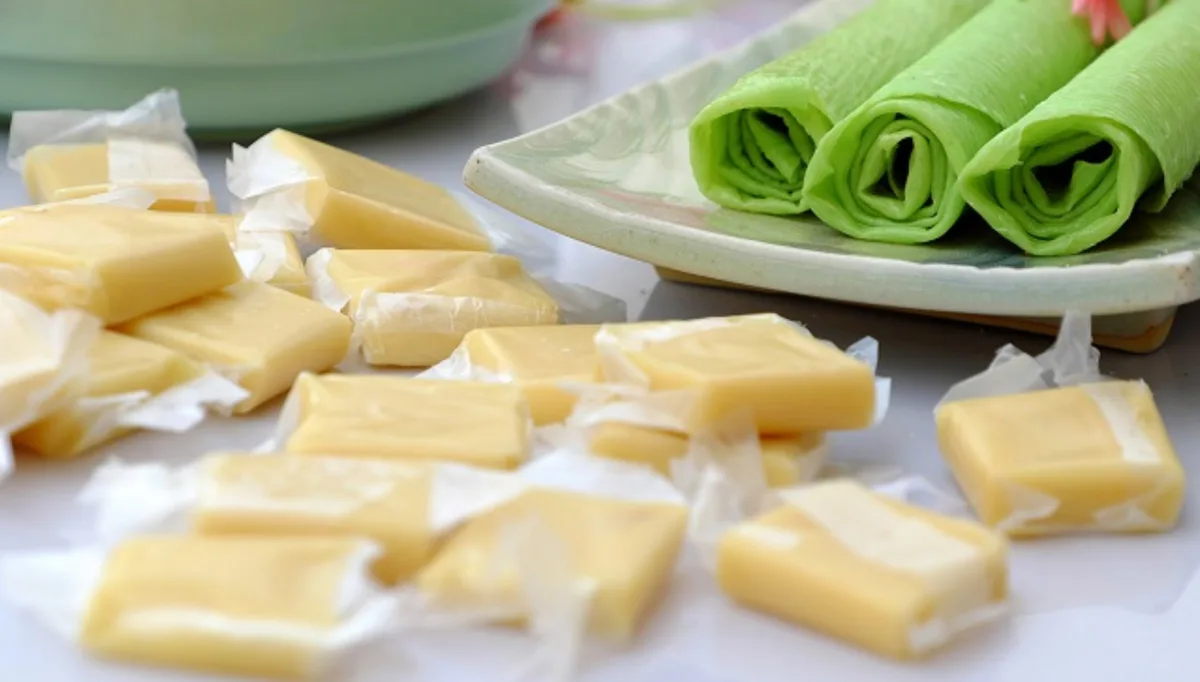
Following the pagoda, a visit to An Khanh Tourist Village provides an opportunity for international guests to learn about traditional Vietnamese culture within a rural river setting. Here, individuals can experience agricultural life, tour fruit orchards, and enjoy various fresh fruits and honey tea while observing performances of Vietnamese folk music. A notable activity at the village involves learning about the production process of coconut candy at a local workshop, complete with opportunities to taste this regional sweet.
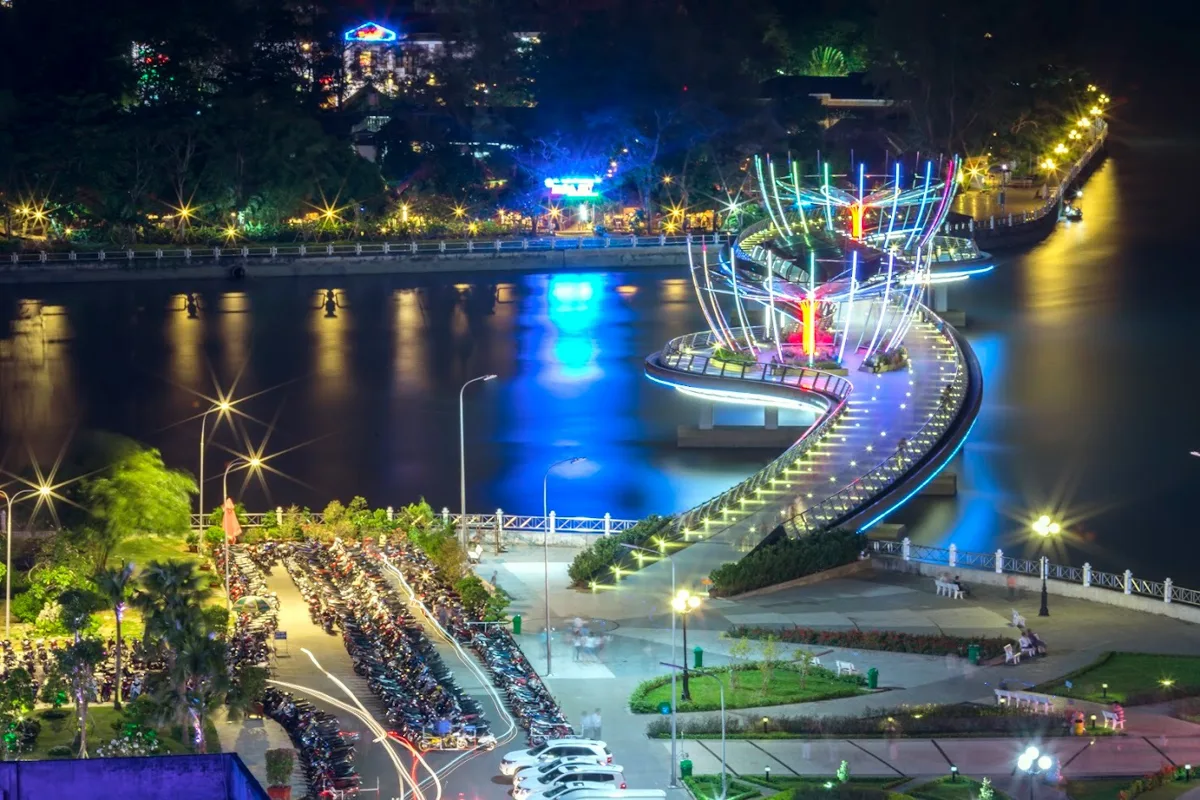
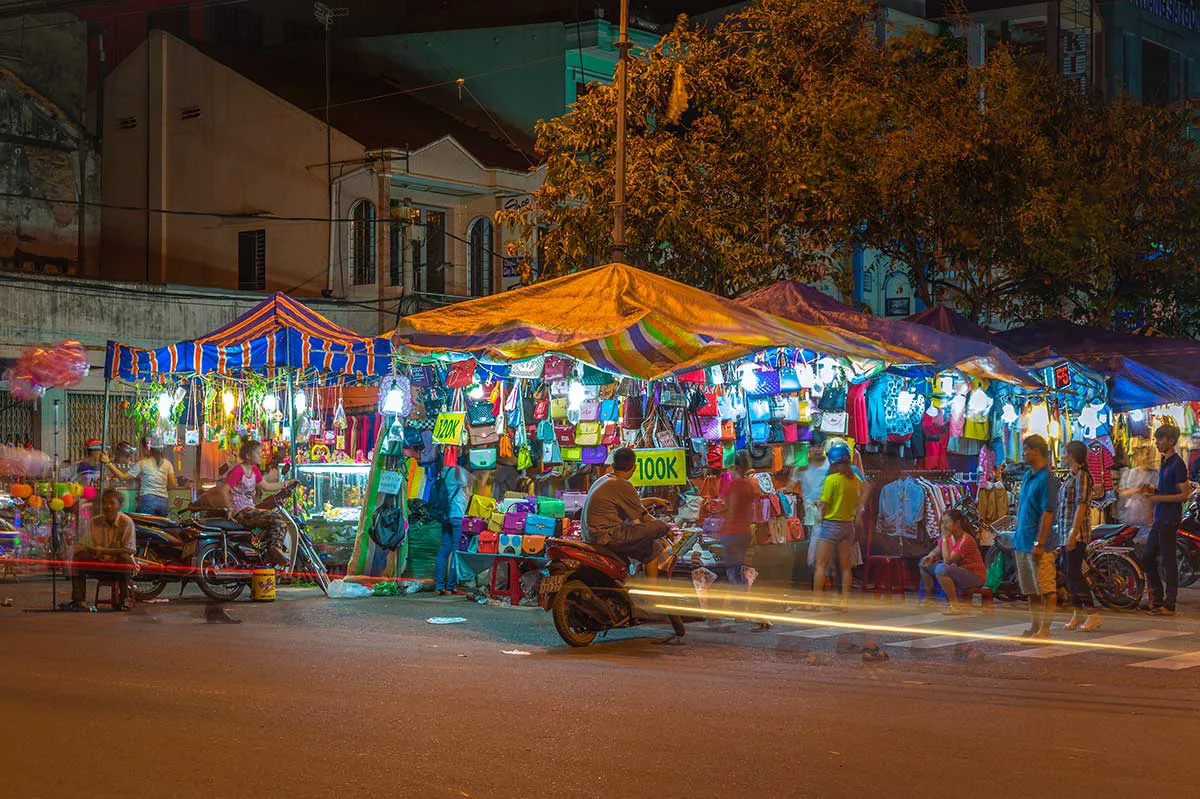
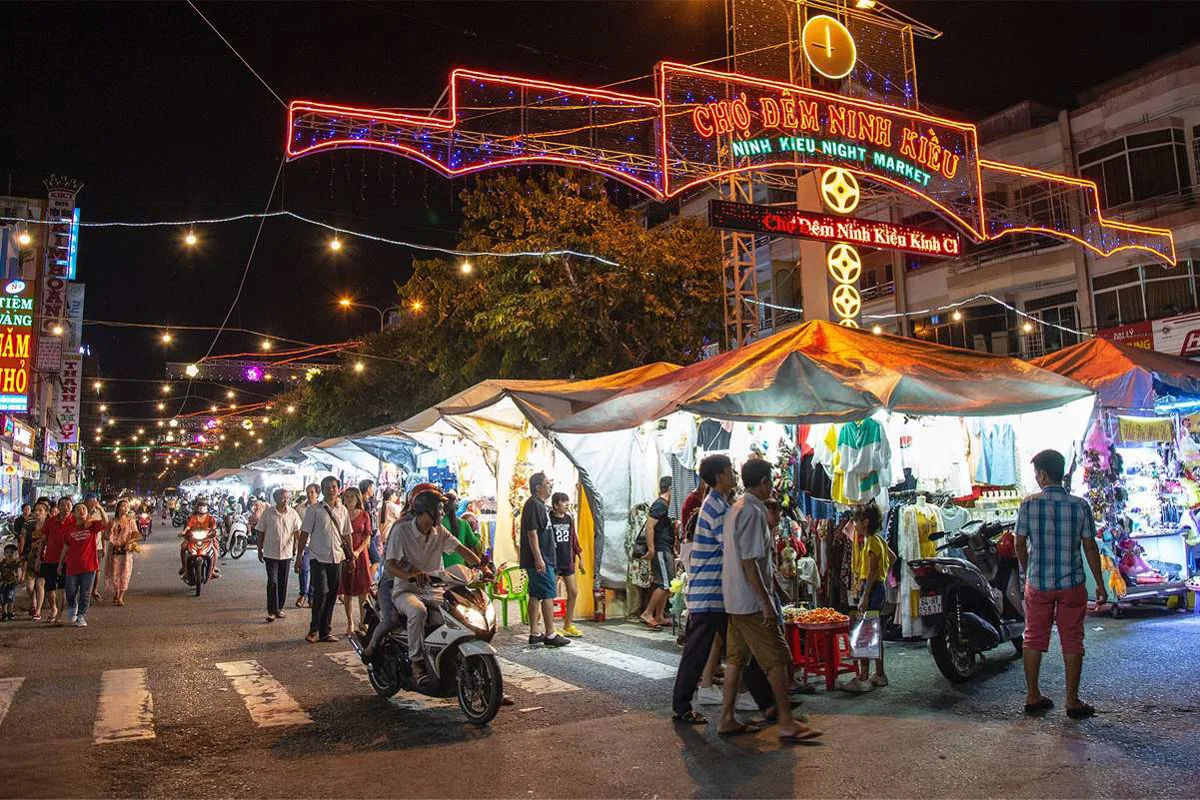
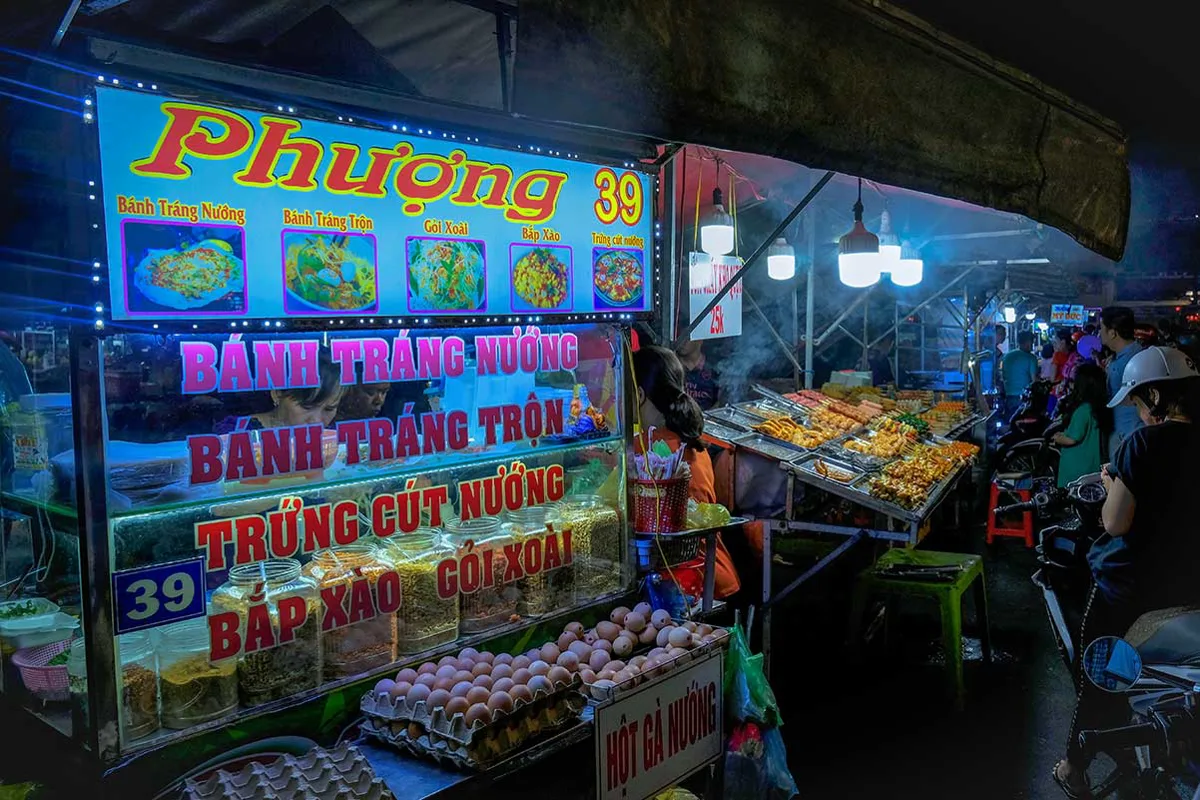
The first day typically concludes with a visit to the Can Tho Night Market. Unlike daytime markets, this evening market is brightly lit, creating a different ambiance. It offers a chance to observe local life after sunset and browse a variety of goods. Additionally, numerous food stalls within the market provide an excellent opportunity to sample traditional Vietnamese dishes. For those interested in exploring Can Tho's key attractions, the city offers a range of experiences beyond the market.
Day 2: Can Tho to Chau Doc Riverine Exploration
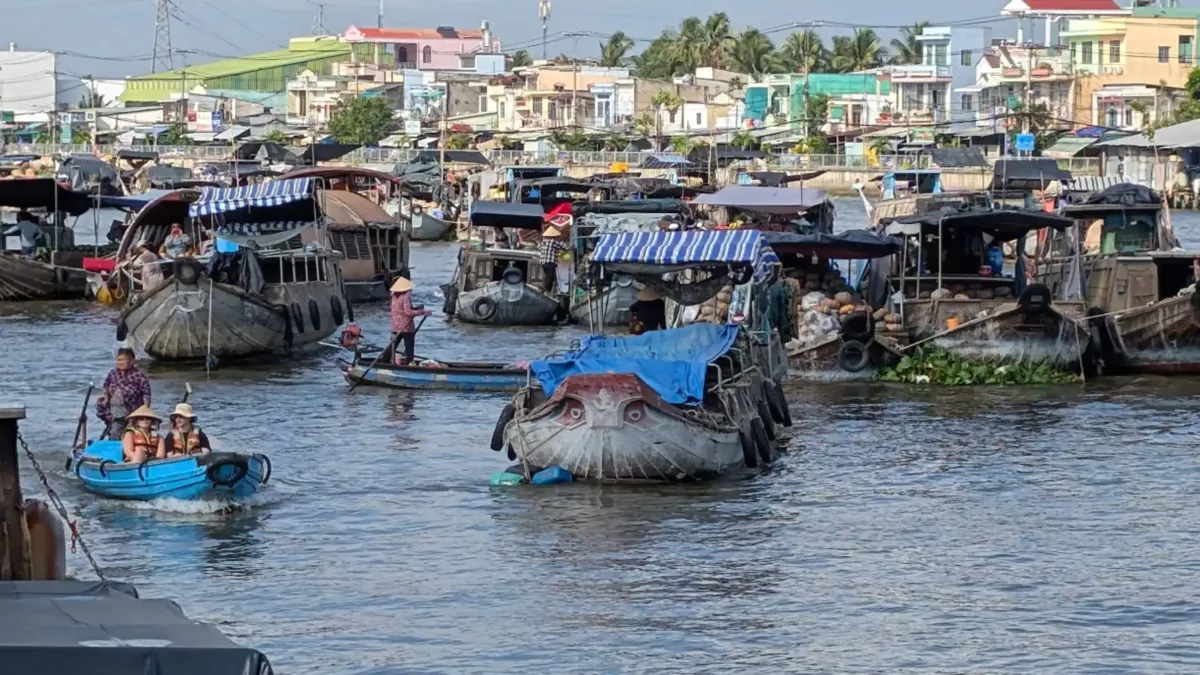
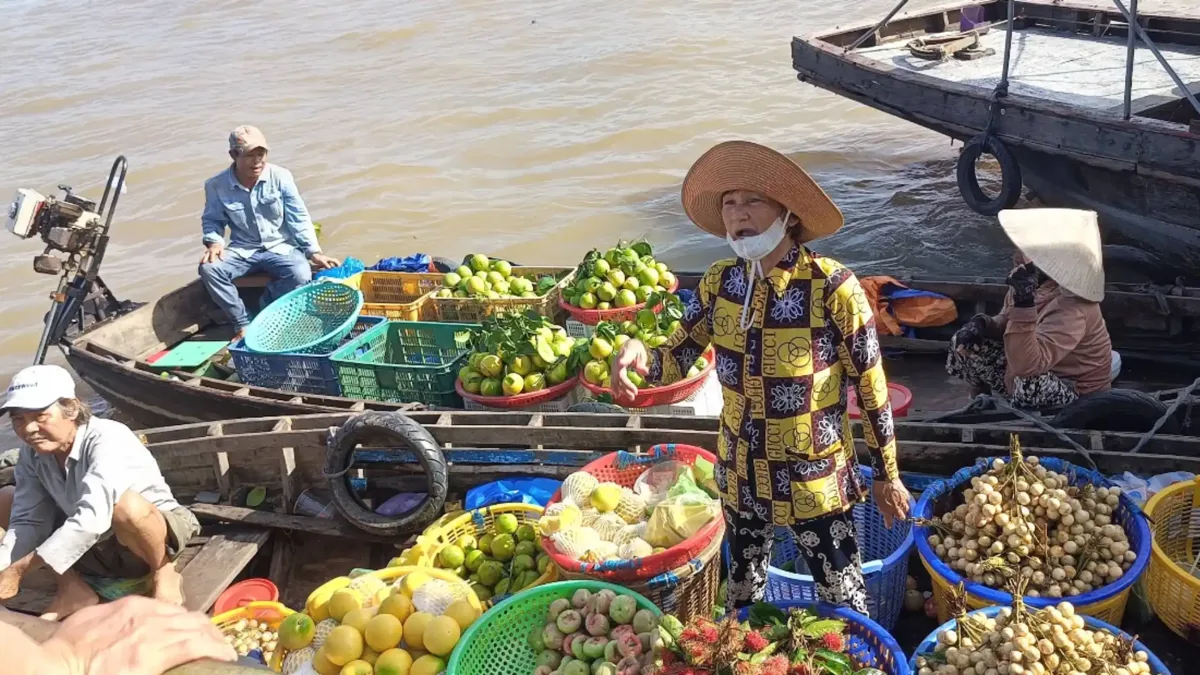
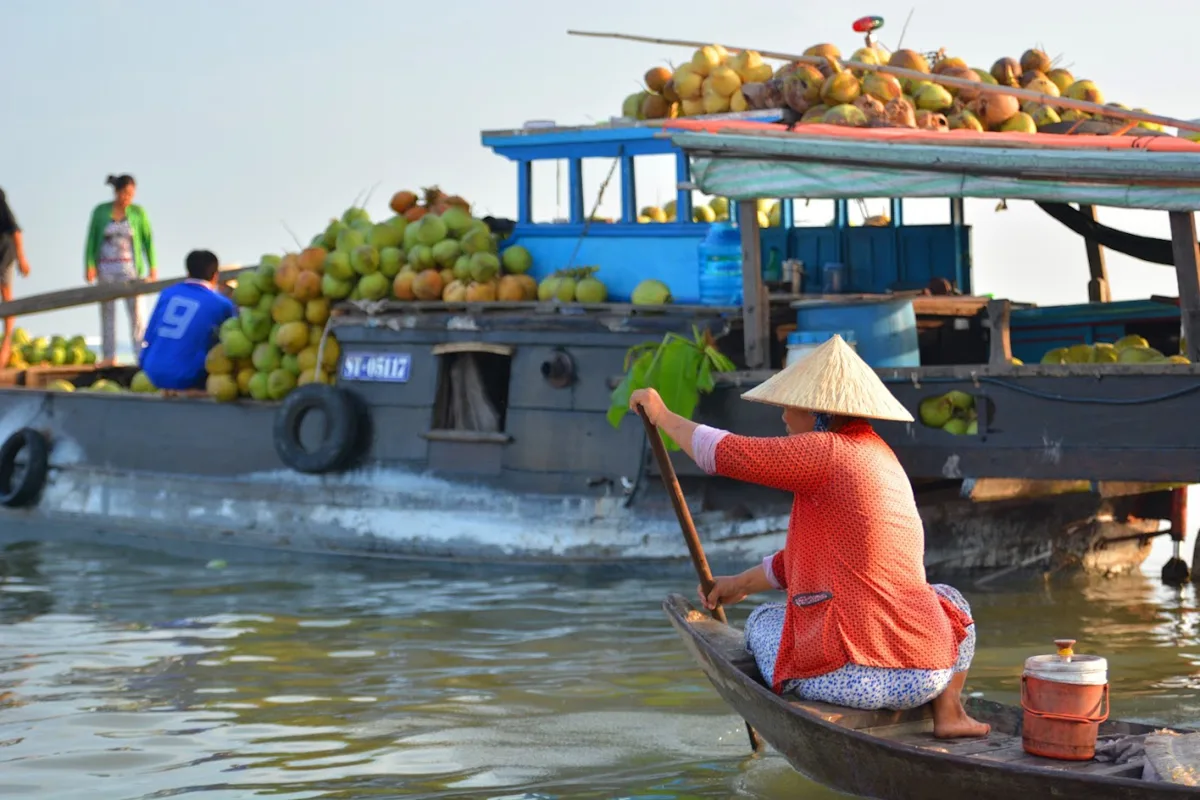
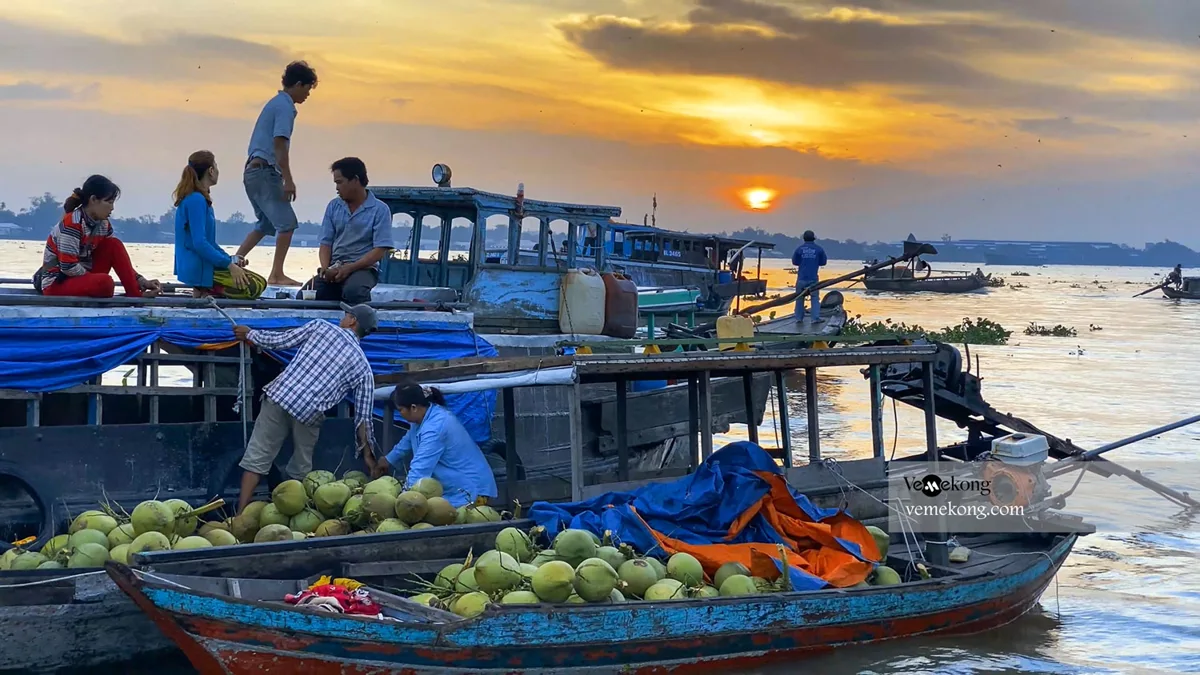
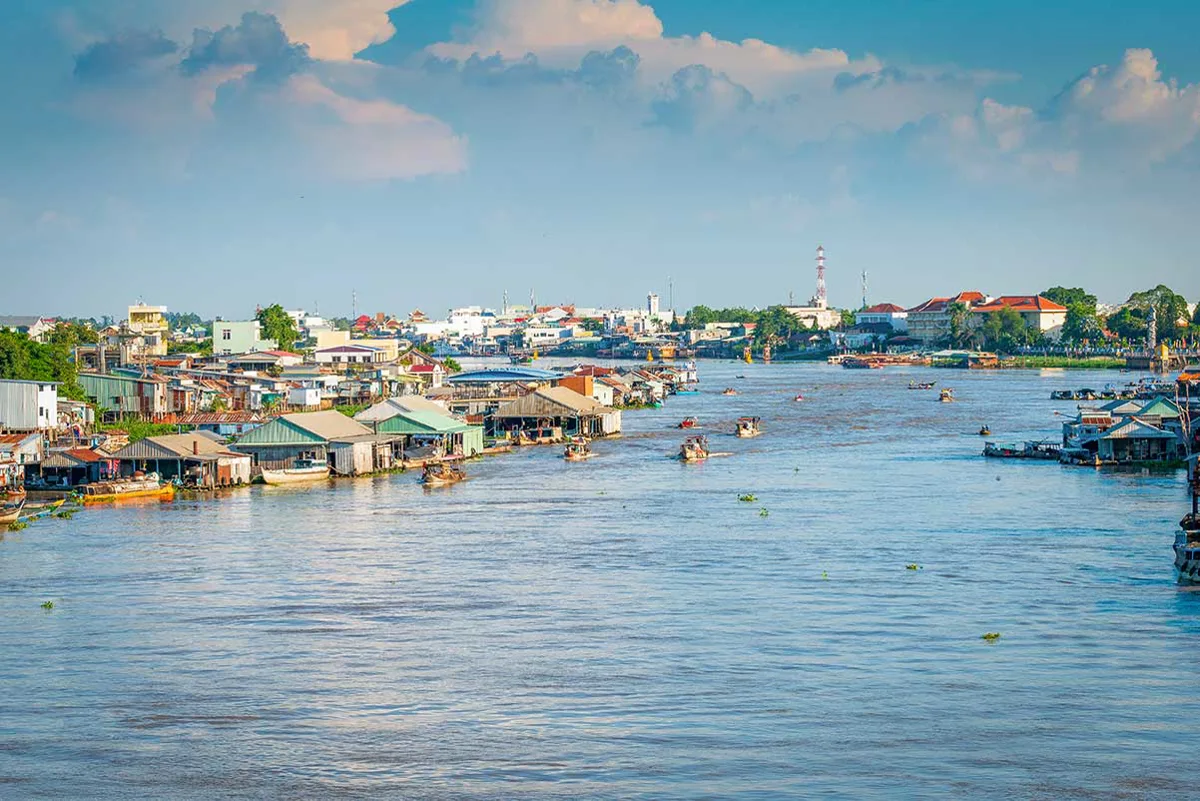
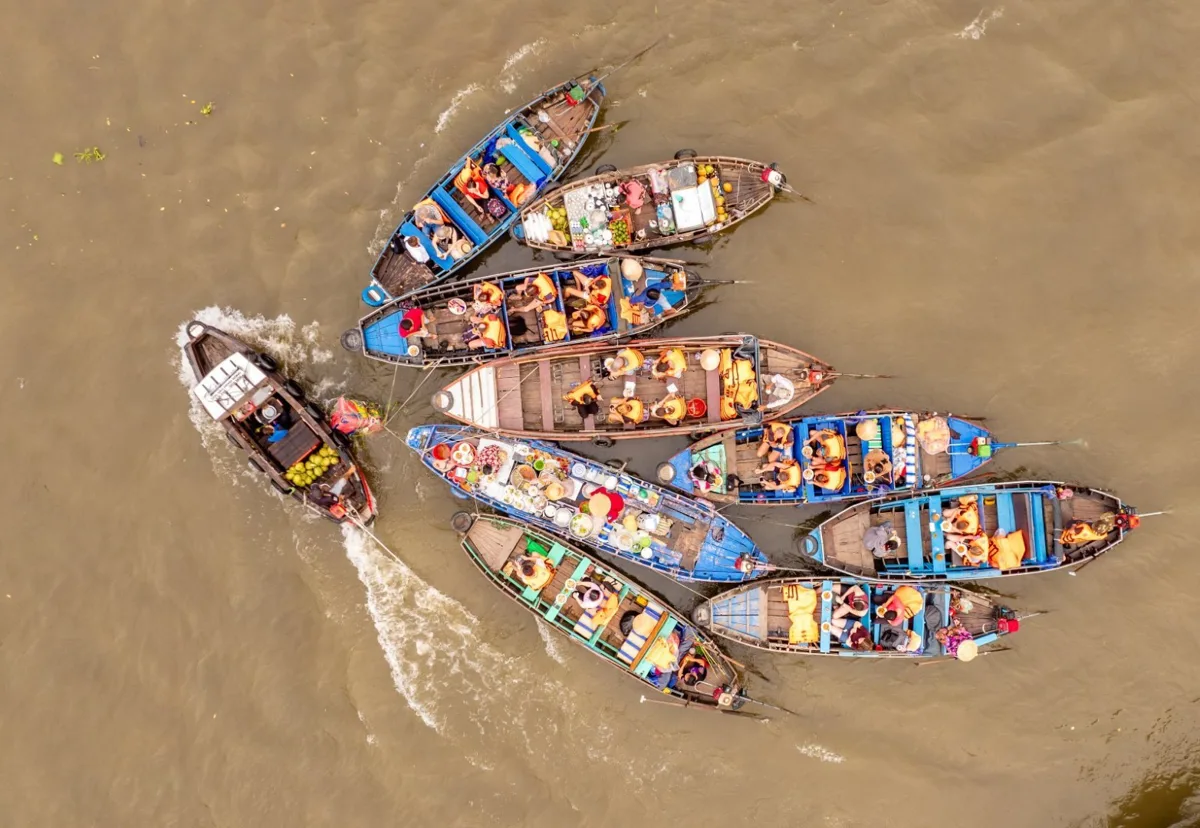
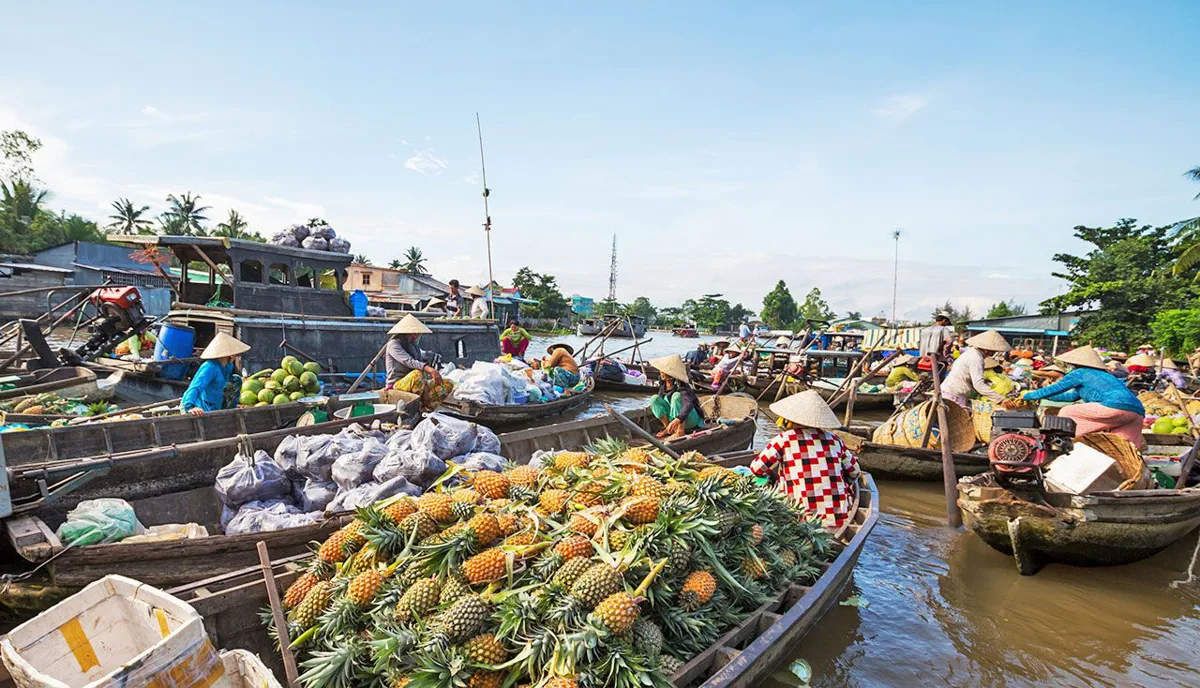
The second day of the itinerary often focuses on further exploration around Can Tho before moving towards Chau Doc. A primary attraction is the Cai Rang Floating Market, widely considered the largest of its kind in the Mekong Delta. A bridge is available that allows for a comprehensive view of the entire market and provides good vantage points for photography.
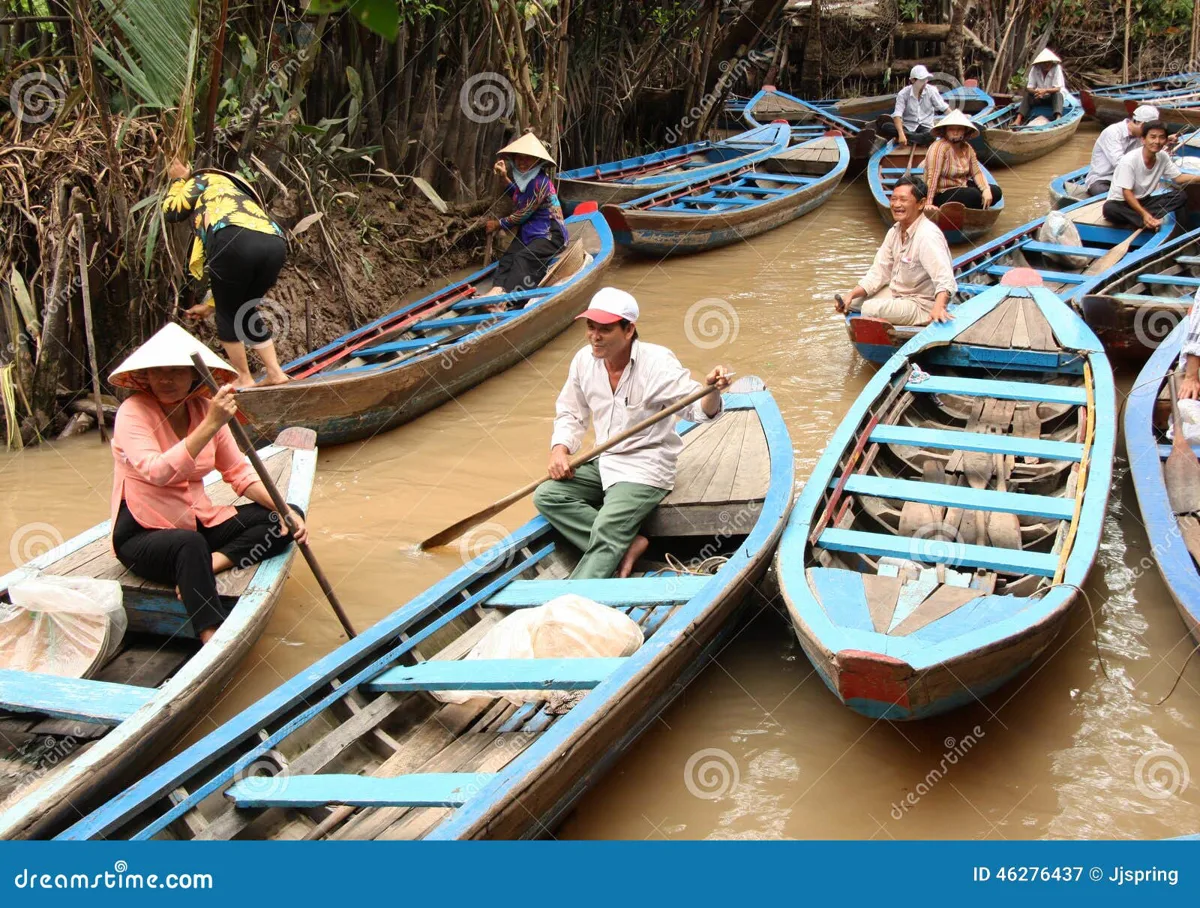
Accessing Cai Rang Floating Market from the city center offers two main options: travelers can take a taxi or motorbike to Cai Rang pier, a journey of approximately 15 minutes, and then continue by boat to explore the market. Alternatively, the entire trip can commence directly from Ninh Kieu pier by boat. The market provides a direct insight into the daily lives of residents who conduct their commerce on the river. Another significant floating market in the region is Long Xuyen Floating Market, which offers a similar, yet often less crowded, experience.
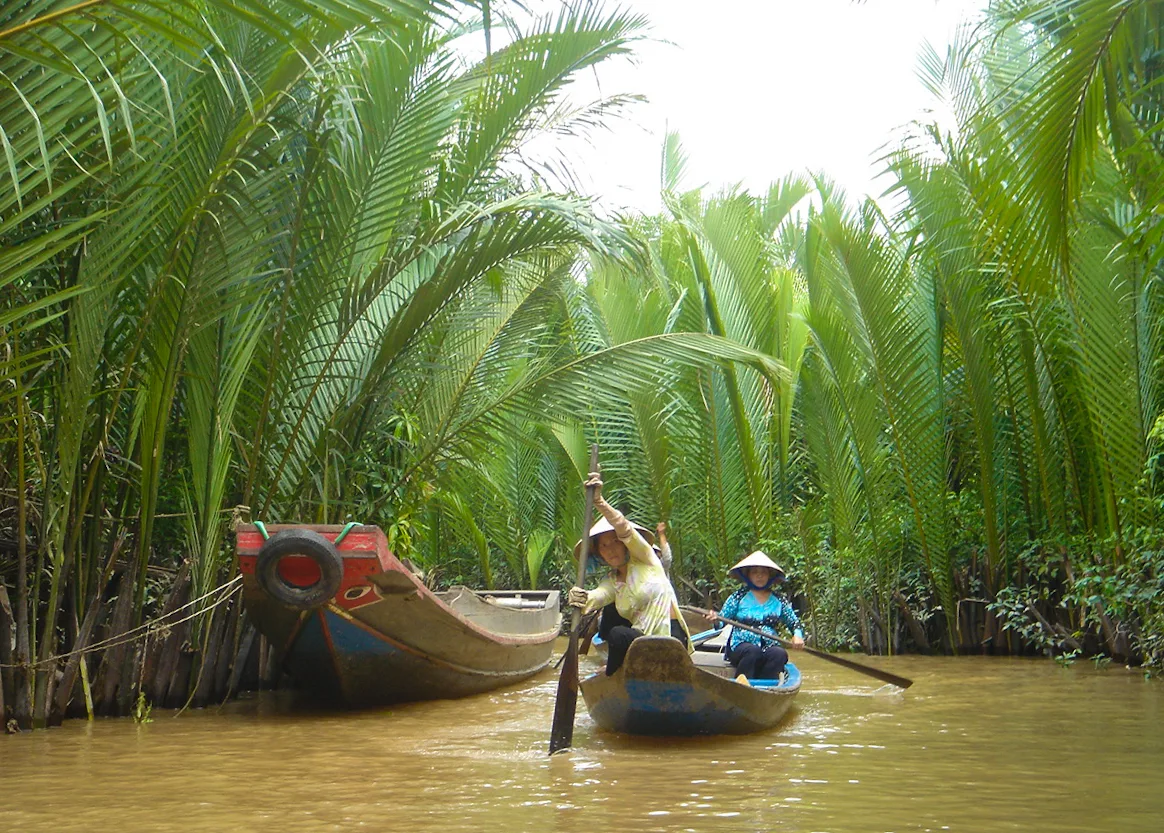
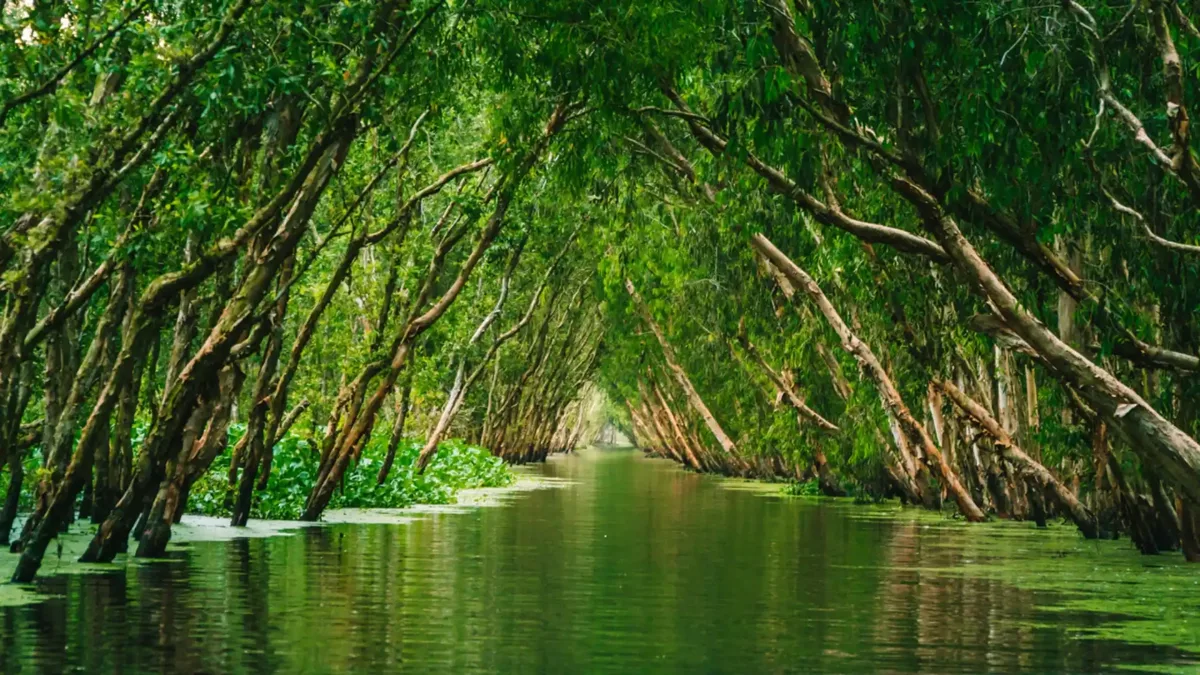
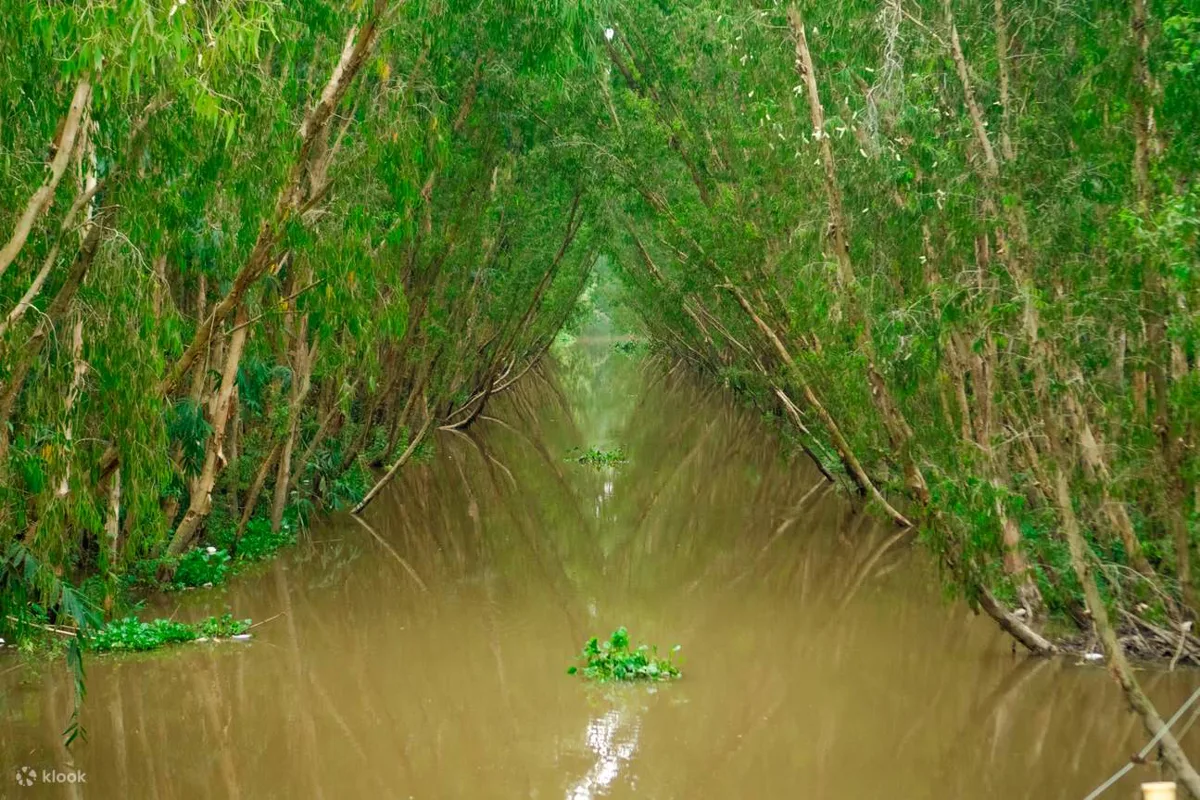
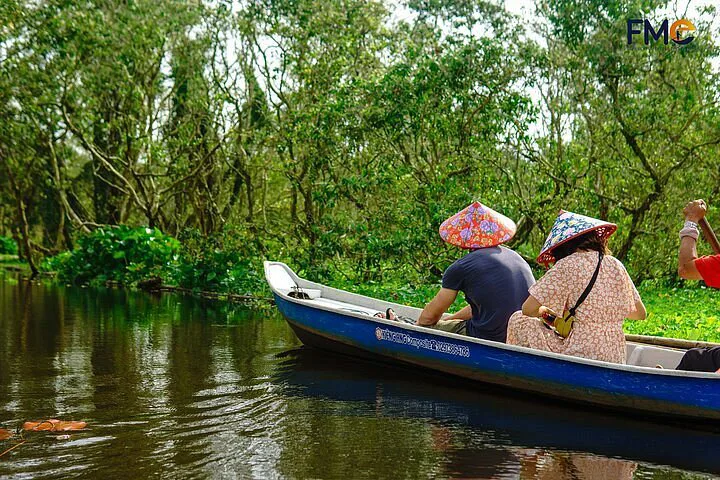
Later in the day, the journey proceeds to Tra Su Cajuput Forest, situated about 10 kilometers from the Cambodian border and spanning an area of 1,500 hectares. Exploration within this forest is conducted using small boats or motor-boats. Visitors can observe the expanse of emerald-green duckweed covering the water's surface, white storks resting on cajuput branches, and various other animal and fish species inhabiting the ecosystem.
Day 3: Experiencing Chau Doc's Unique Culture
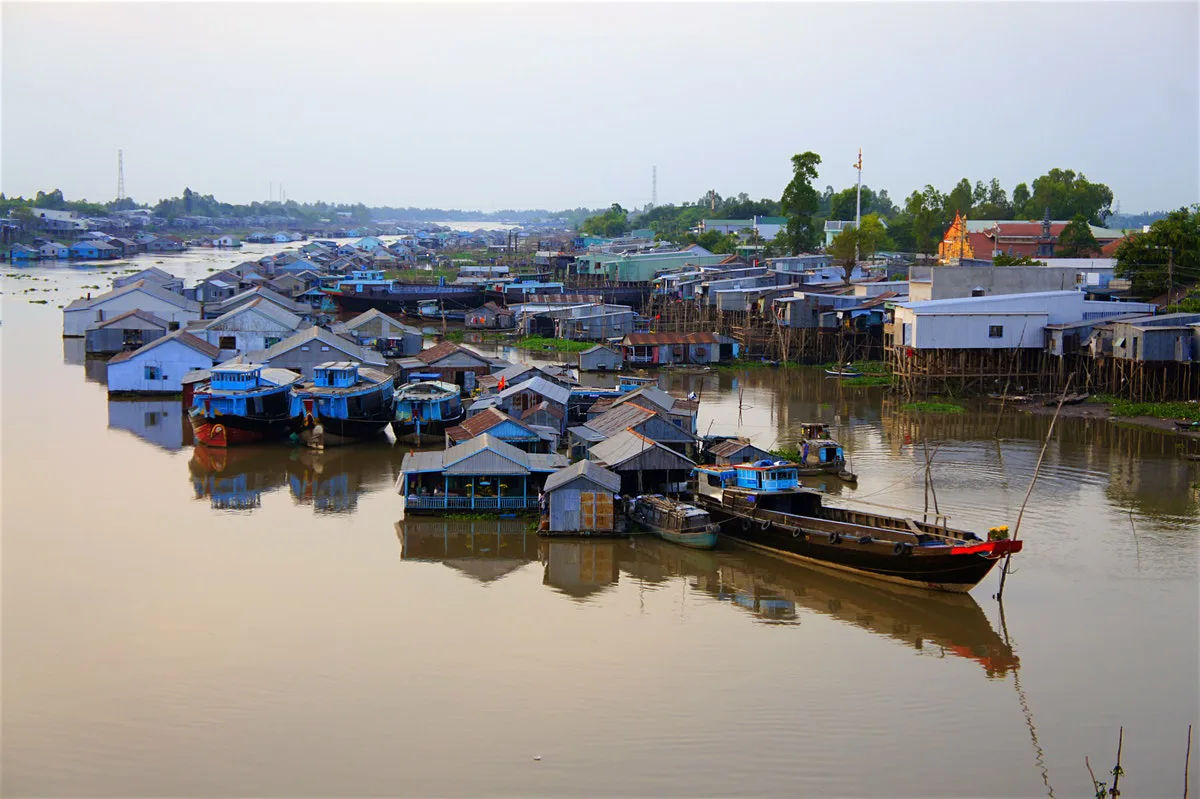
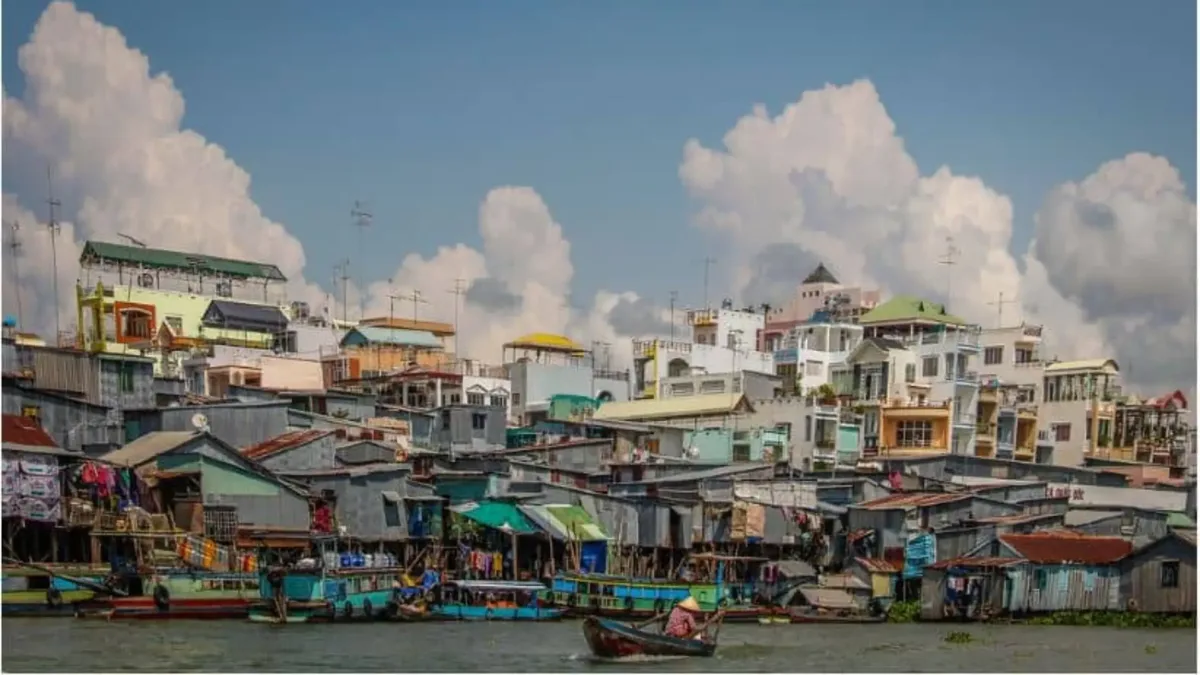
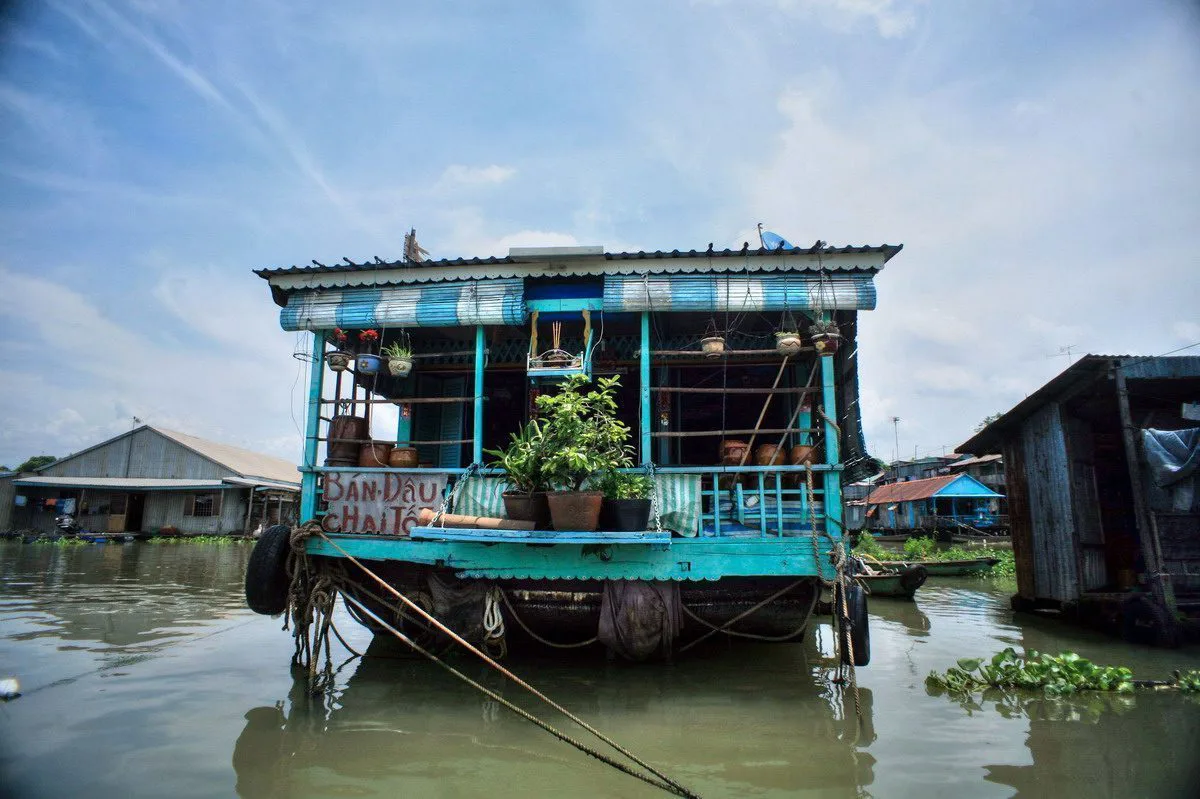
The final day of the Mekong Delta trip focuses on the Chau Doc area, offering insights into its distinct local traditions. A key activity involves visiting the Chau Doc Floating Fishing Farms. Travelers take a boat to these farms, which often double as private residences, to understand the traditional methods employed by local people for raising fish in this aquatic environment. This particular form of aquaculture is a unique and long-standing practice in the region.
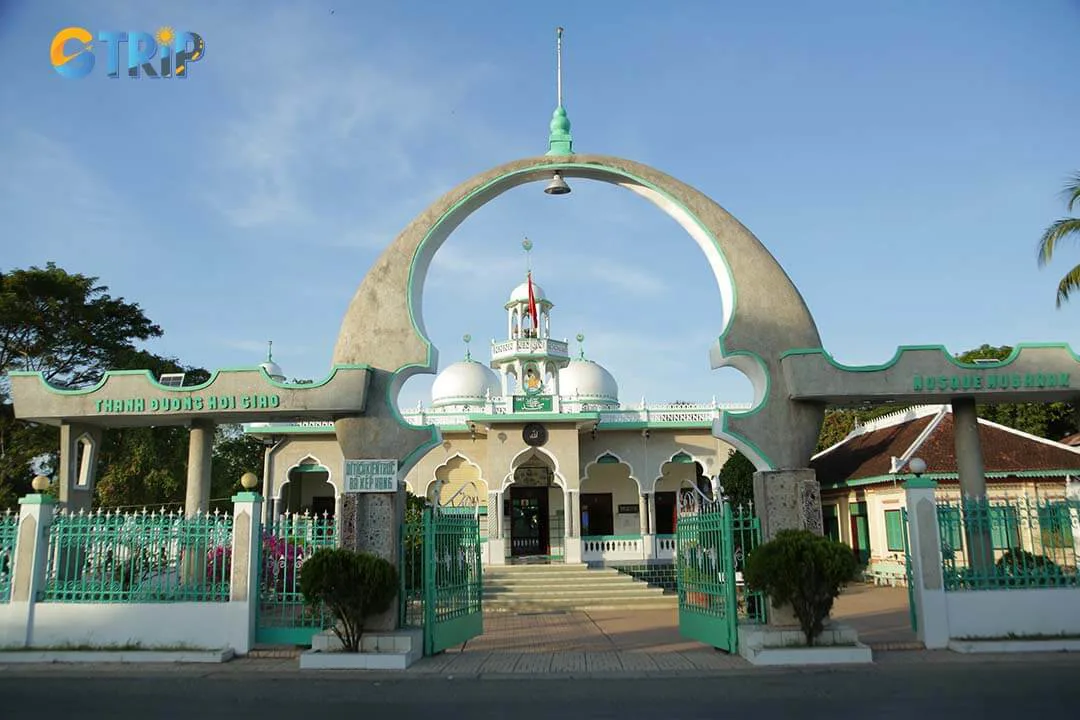
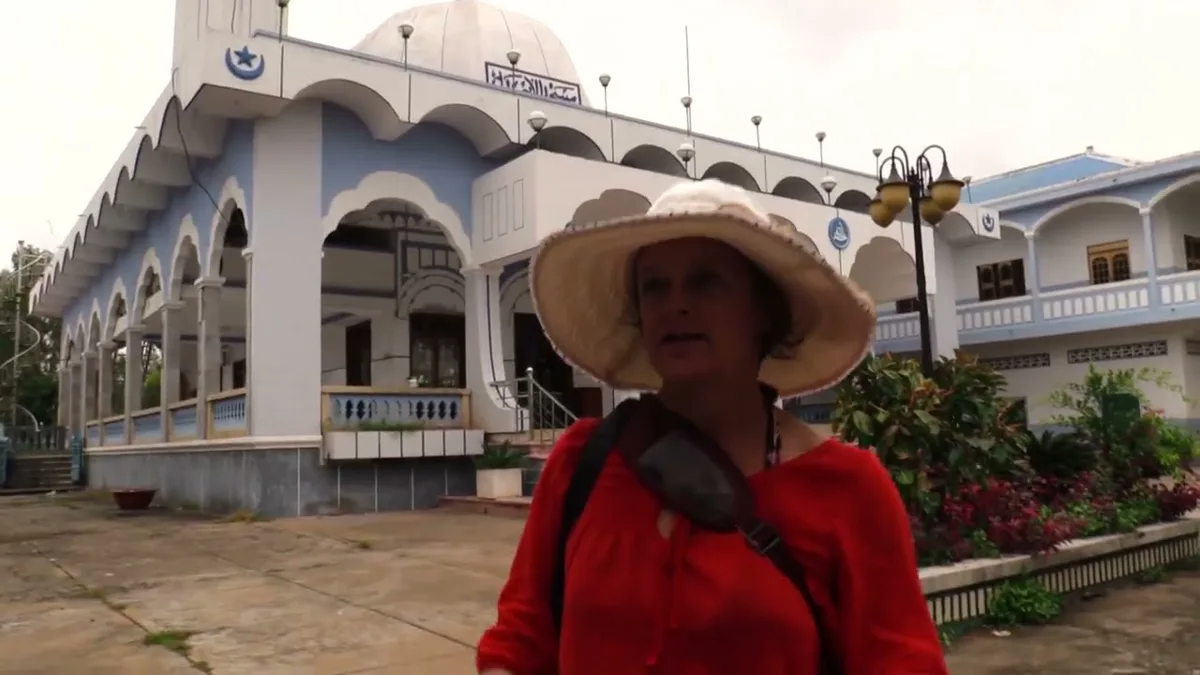
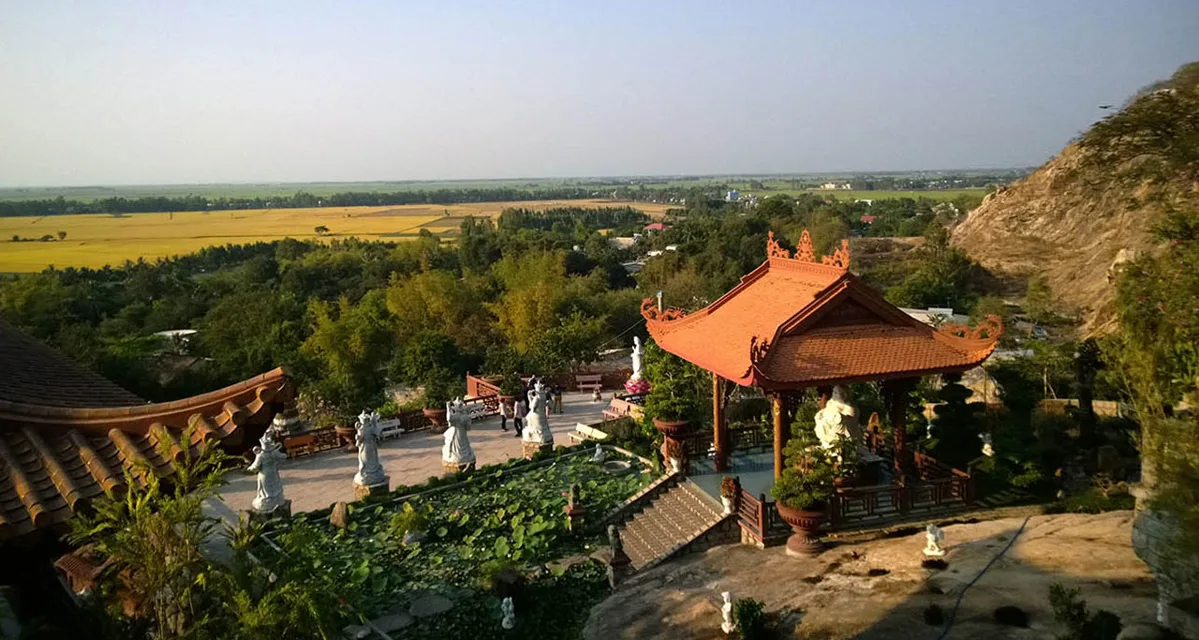
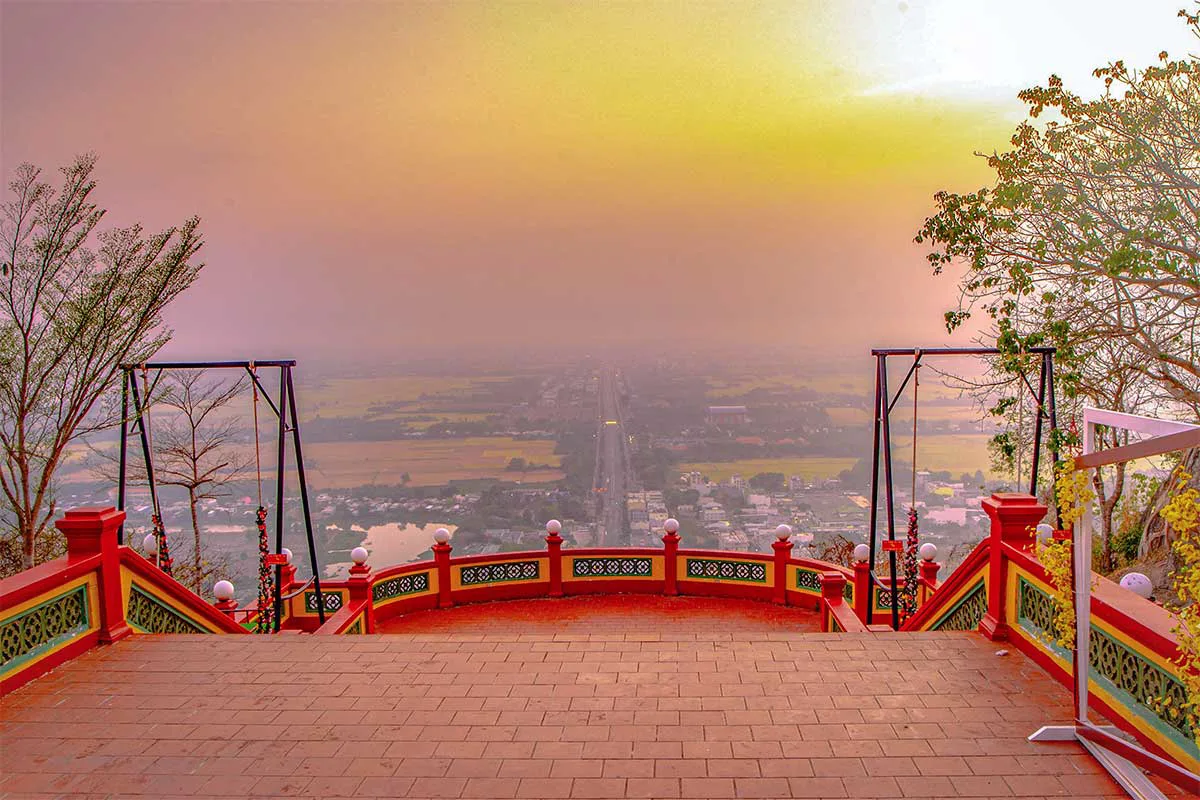
The last destination on a typical three-day Mekong Delta tour is the Cham Village in Chau Doc. Here, visitors can engage with the Cham community's heritage by visiting a traditional weaving workshop and the local Mosque. These two sites are important for understanding the specific cultural characteristics and daily life of the Cham people in Chau Doc. For those with more time in the region, Sam Mountain nearby offers additional historical and cultural sites.
Essential Locations and Details
When planning a trip to the Mekong Delta, understanding the specific locations and their general characteristics can be helpful. Please note that specific addresses, phone numbers, and current operating hours for individual sites are not universally provided and should be verified closer to your travel dates. Prices for entry or services also vary and are subject to change.
| Location | Primary Activity/Feature | Notes |
|---|---|---|
| Vinh Trang Pagoda (My Tho) | Largest pagoda in Tien Giang; architectural blend | Serene atmosphere, intricate statues |
| An Khanh Tourist Village (Ben Tre) | Cultural immersion, fruit orchards, folk music | Coconut candy production and tasting |
| Can Tho Night Market | Evening market, local products, traditional food | Illuminated stalls, lively atmosphere |
| Cai Rang Floating Market (Can Tho) | Largest floating market; riverine commerce | Best visited early morning; accessible by boat from Ninh Kieu pier or Cai Rang pier |
| Tra Su Cajuput Forest (Chau Doc) | Ecological reserve, wildlife observation | Explore by dinghy or motor-boat; 1,500 hectares |
| Chau Doc Floating Fishing Farms | Traditional fish farming on the river | Boat trip to observe local aquaculture methods |
| Cham Village (Chau Doc) | Cultural insight, traditional weaving, Mosque | Learn about Cham community heritage |
Planning Your Mekong Delta Visit
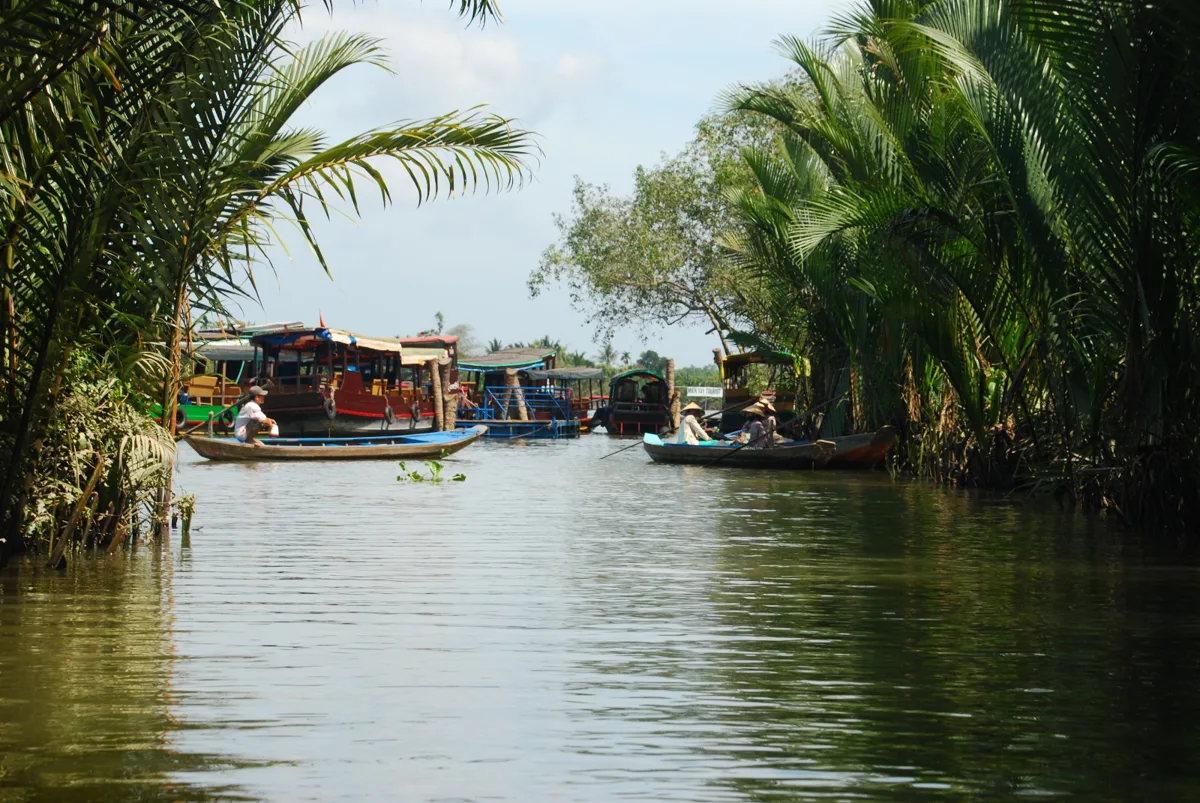
A three-day, two-night trip provides a good balance for experiencing the Mekong Delta's diversity without feeling rushed. Travelers often begin their journey from Ho Chi Minh City, which serves as a convenient gateway to the region. Transportation within the Delta typically involves a combination of road travel between towns and boat trips along the canals and rivers to access specific attractions like floating markets and local villages.
For those who prefer structured travel, various organized tours are available that cover a similar three-day itinerary. These packages often include transportation, accommodation, and guided excursions. For example, some Mekong Delta homestay and floating markets tours are designed for this duration, providing an authentic experience. Other options, like a Mekong Delta river life and Tra Su Forest adventure, also offer comprehensive packages. While specific tour prices can vary based on inclusions and operators, some 3-day tours may start from approximately $162, as an example of available packages.
Accommodation options range from guesthouses in larger cities like Can Tho and Chau Doc to homestays in more rural areas, offering a chance to connect with local families. Exploring homestay options can provide a deeper cultural immersion. When visiting markets, understanding price negotiation in Vietnamese markets can enhance the shopping experience.
Frequently Asked Questions

What is the best way to travel around the Mekong Delta?
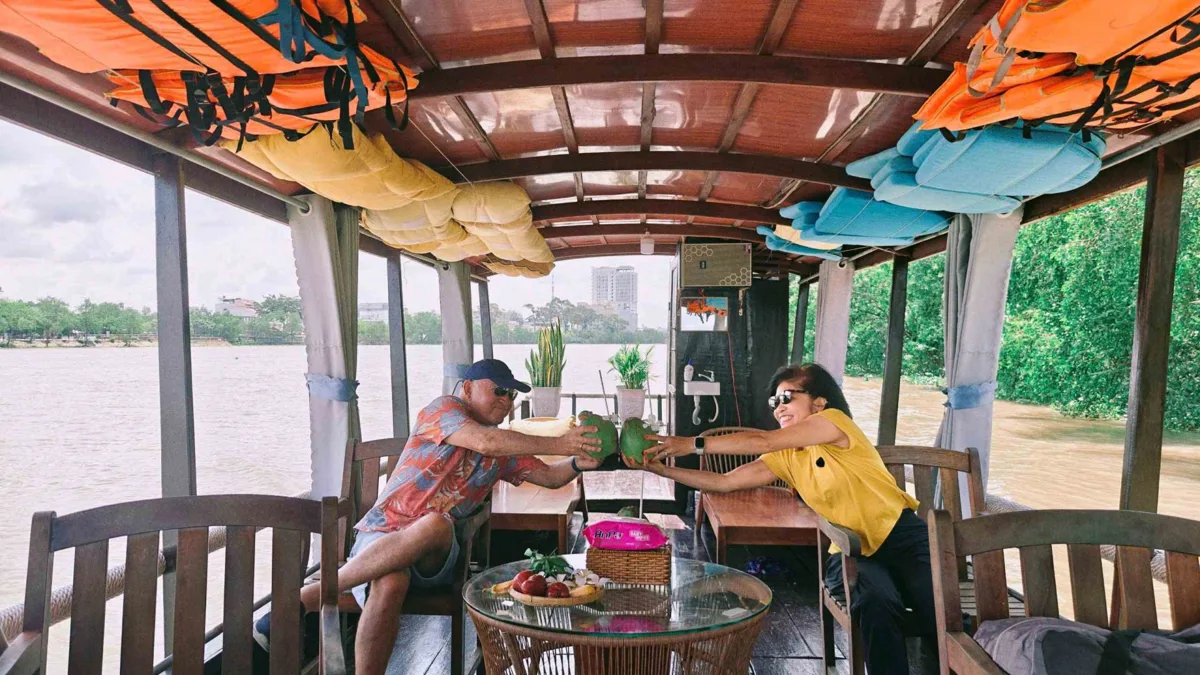
Traveling around the Mekong Delta typically involves a combination of land and water transport. For longer distances between cities, buses or private cars are common. Within specific areas, motorbikes or taxis can be used to reach piers, from where boats become the primary mode of transportation for exploring canals, floating markets, and riverside attractions. Many visitors opt for organized tours that handle all transportation logistics.
What kind of food can I expect in the Mekong Delta?
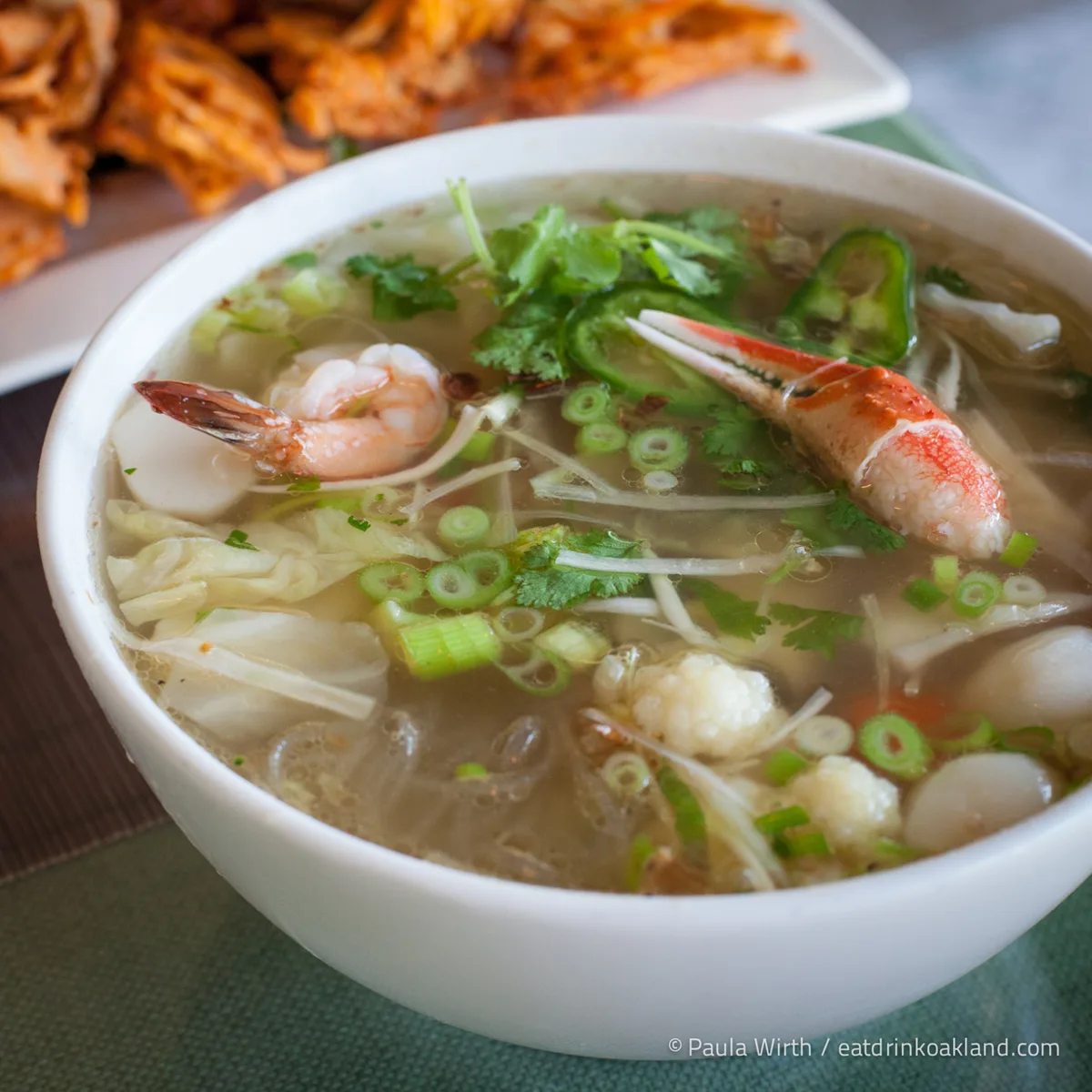
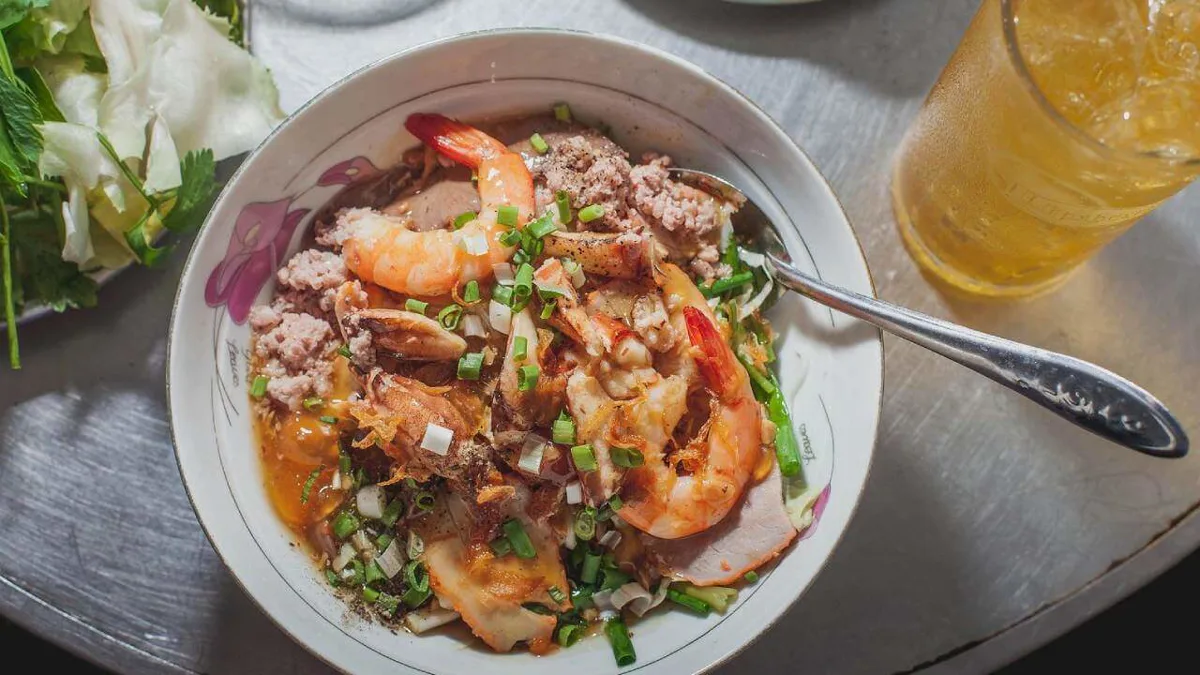
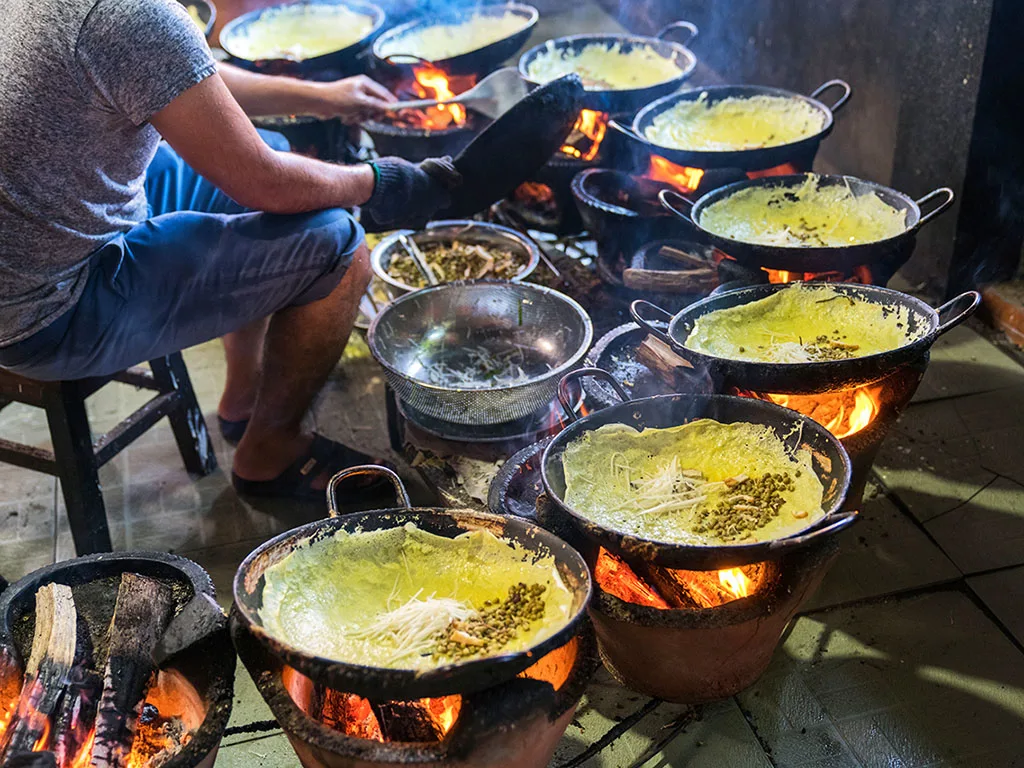
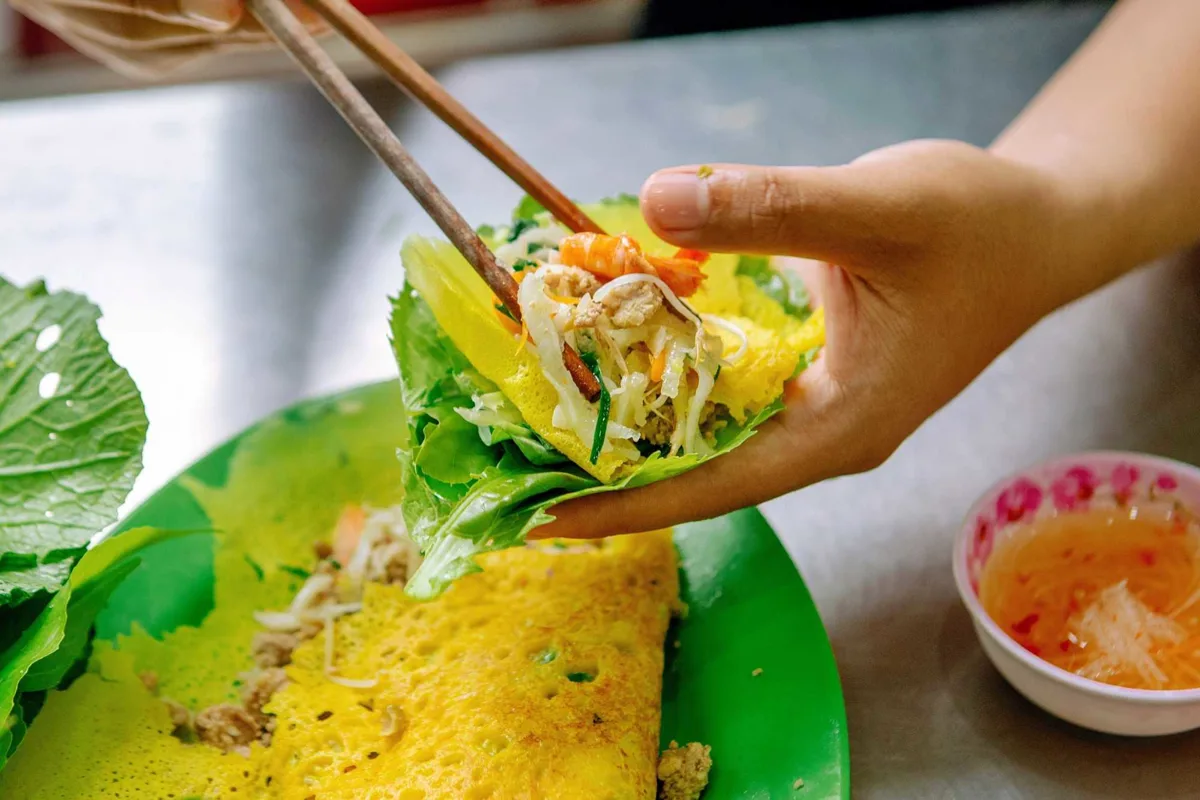
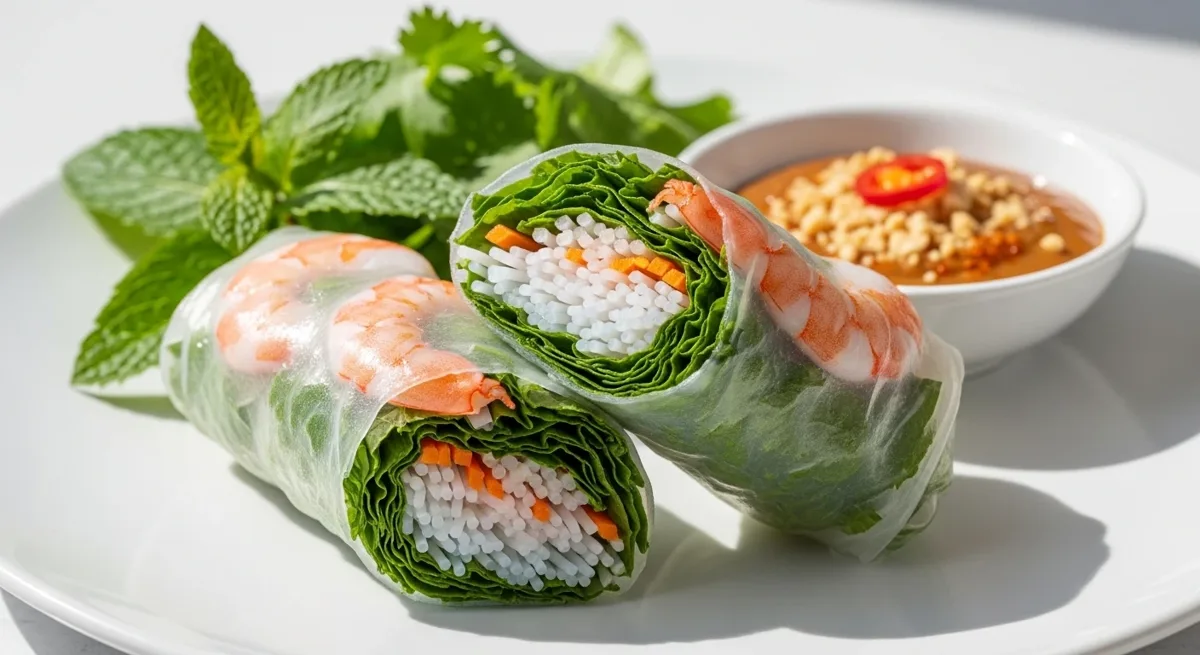
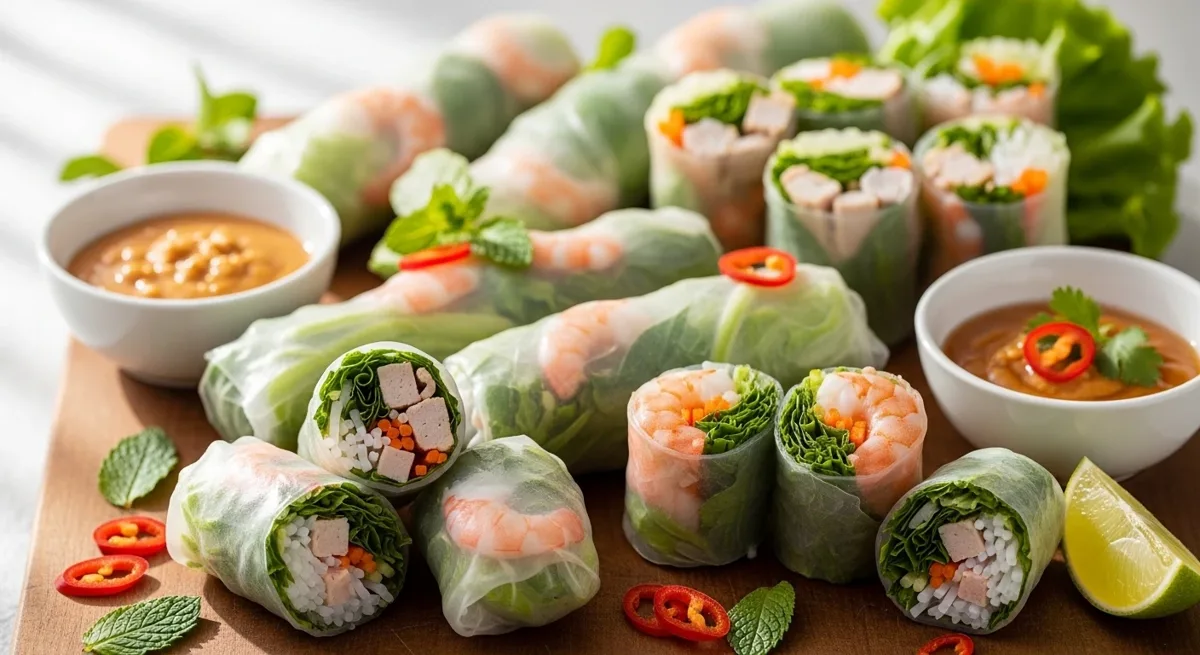
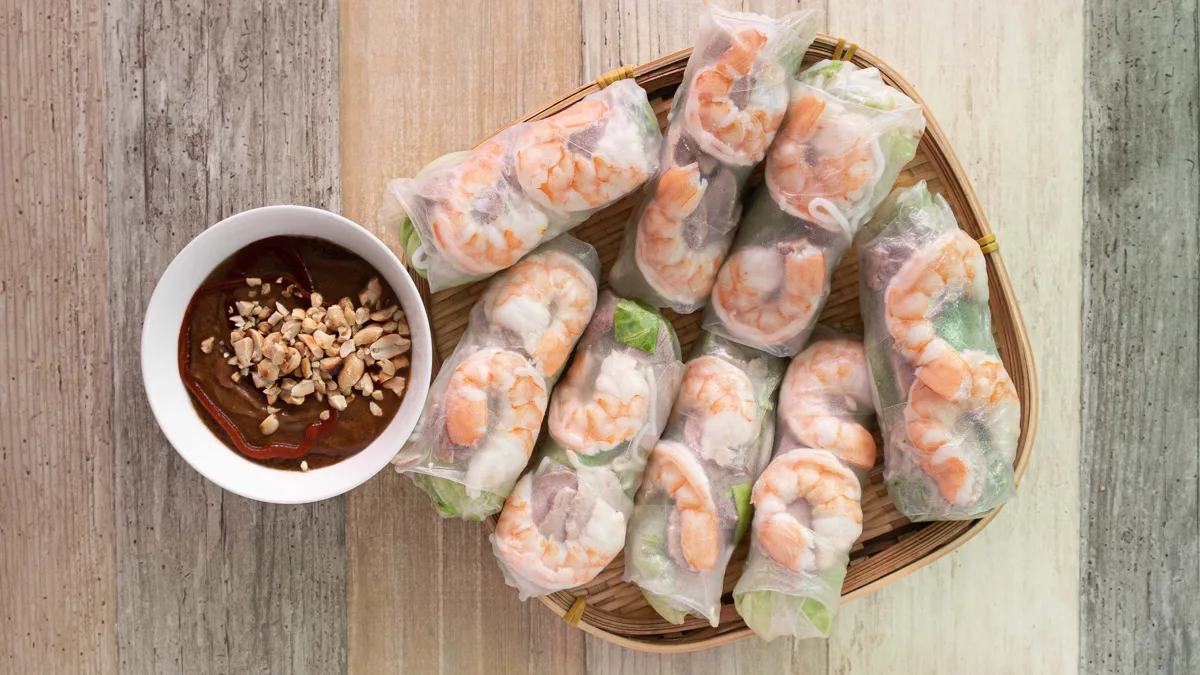
The Mekong Delta is known for its fresh produce and seafood. Visitors can expect a diet rich in fish, shrimp, and a wide variety of tropical fruits. Popular dishes include 'Banh Xeo' (savory pancakes), 'Hu Tieu' (noodle soup), fresh spring rolls, and various grilled fish preparations. Coconut-based sweets and fresh fruit juices are also widely available.
Is three days enough time for the Mekong Delta?
Three days is generally considered a suitable amount of time to experience the main highlights of the Mekong Delta. This duration allows for visits to key cities like My Tho, Ben Tre, Can Tho, and Chau Doc, including floating markets, cultural sites, and natural attractions like the cajuput forest. While a longer stay could offer deeper exploration, three days provides a comprehensive overview for most travelers.
What should I pack for a Mekong Delta trip?
For a trip to the Mekong Delta, it is advisable to pack light, breathable clothing suitable for a tropical climate. Sun protection, including a hat, sunglasses, and sunscreen, is essential. Insect repellent is also recommended, especially for evening activities or visits to natural areas. Comfortable walking shoes and sandals are practical, and a light rain jacket can be useful during the rainy season. Don't forget a camera for capturing the unique scenery.