Can Tho
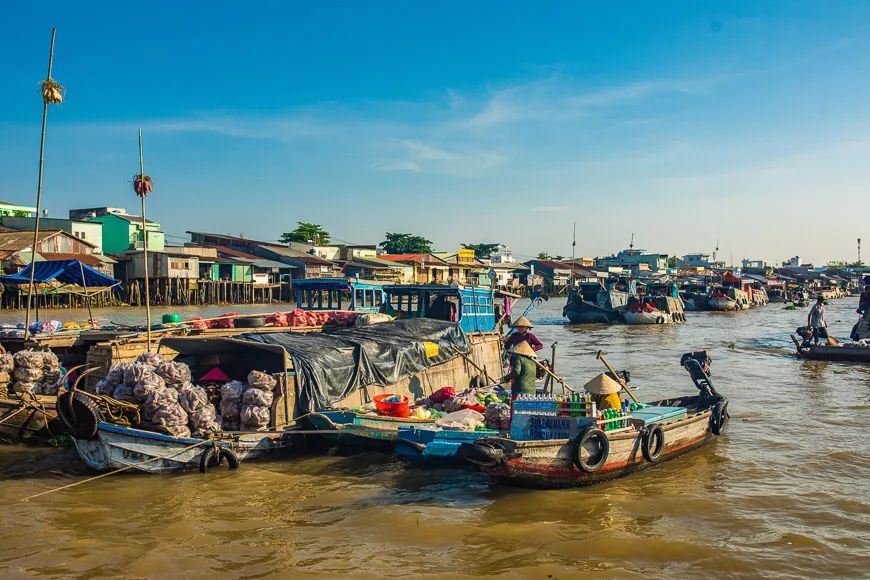
Welcome to Can Tho: The Heart of the Mekong Delta
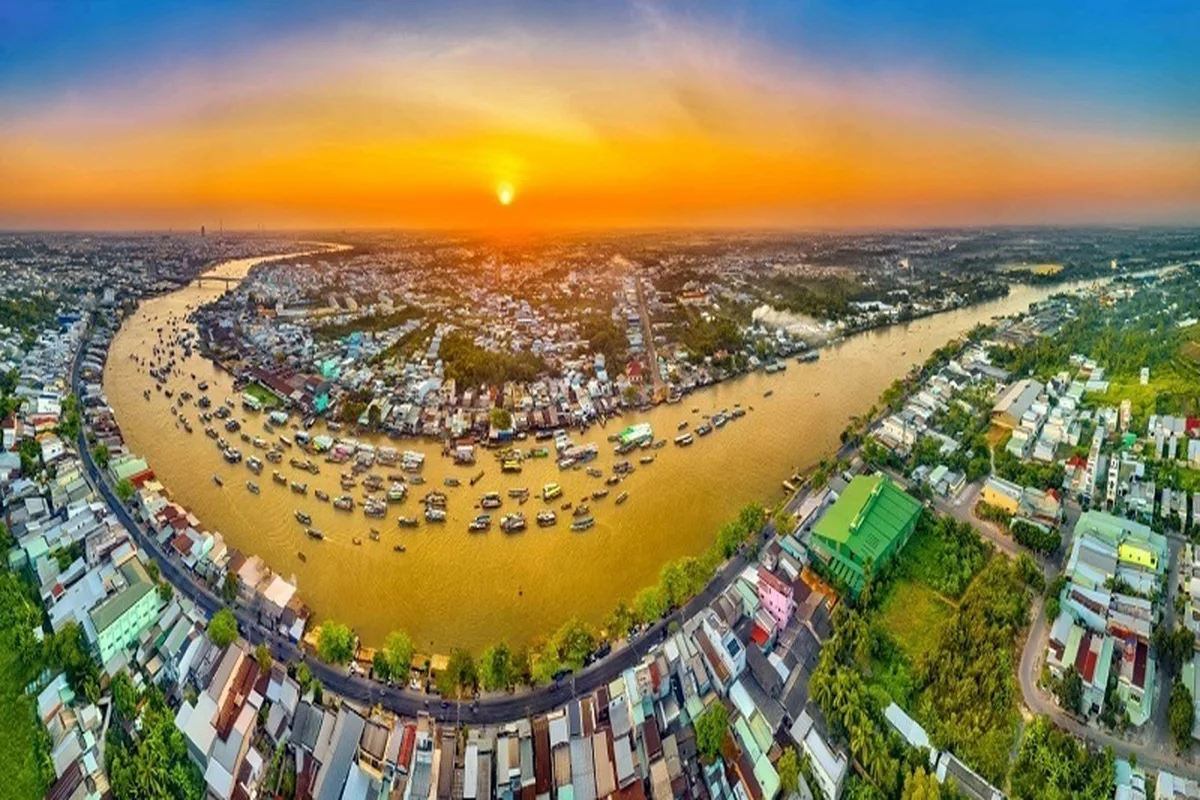
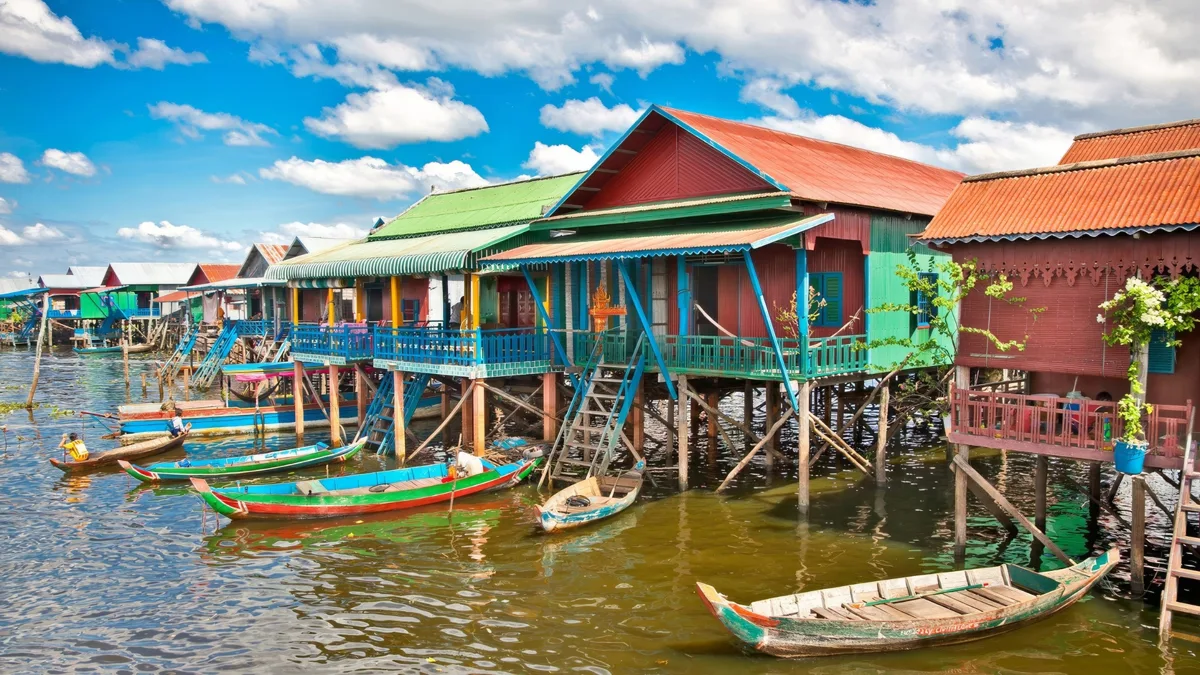
Can Tho, the vibrant heart of the Mekong Delta in Southern Vietnam, is a captivating destination known for its intricate network of rivers and canals, lush orchards, and bustling floating markets. As the largest city in the Mekong Delta, with a population of approximately 1,300,000, Can Tho offers an authentic glimpse into local life, rich culture, and delicious cuisine, making it an essential stop for any traveler exploring Vietnam's southern charm.
Why Visit Can Tho?
- Authentic Mekong Delta Experience: Immerse yourself in the unique riverine culture and daily life.
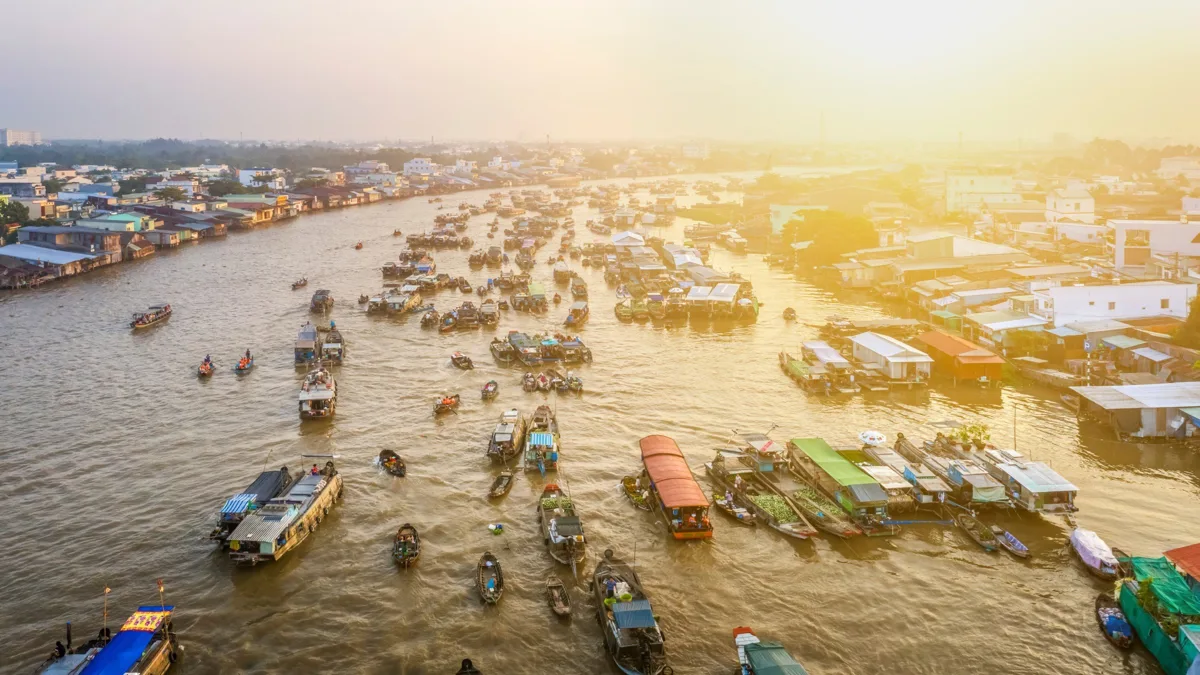
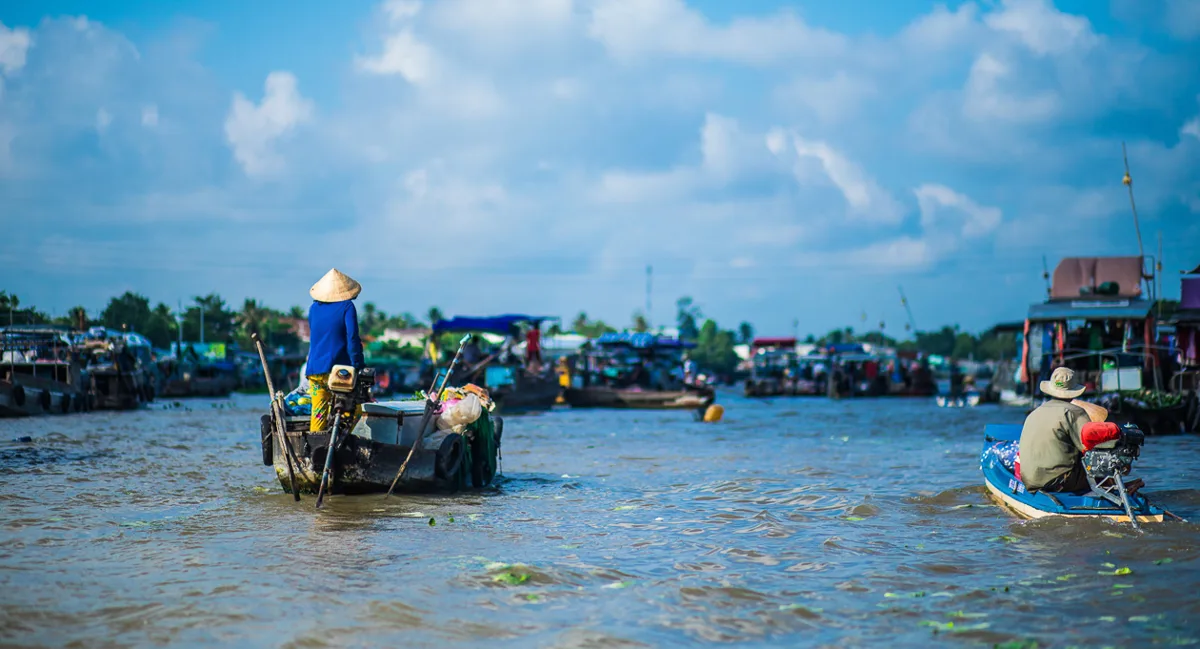
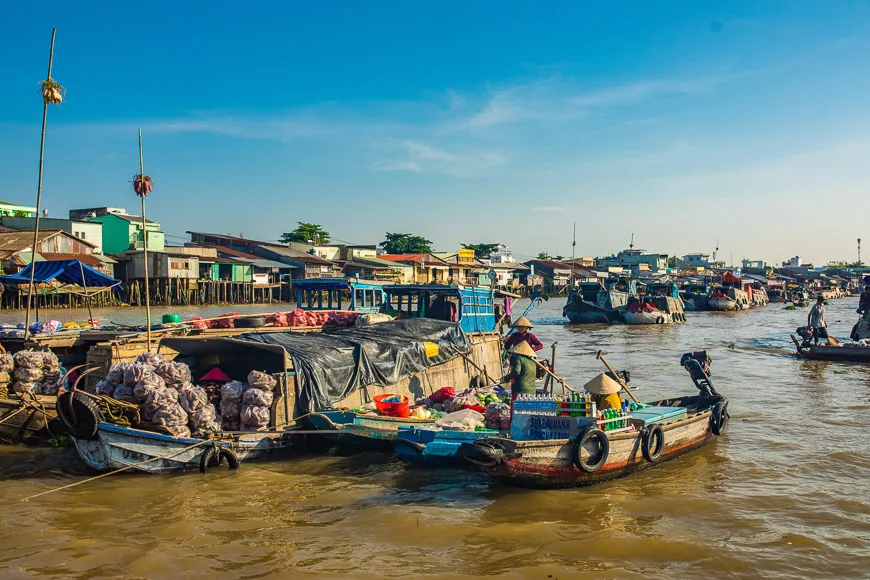
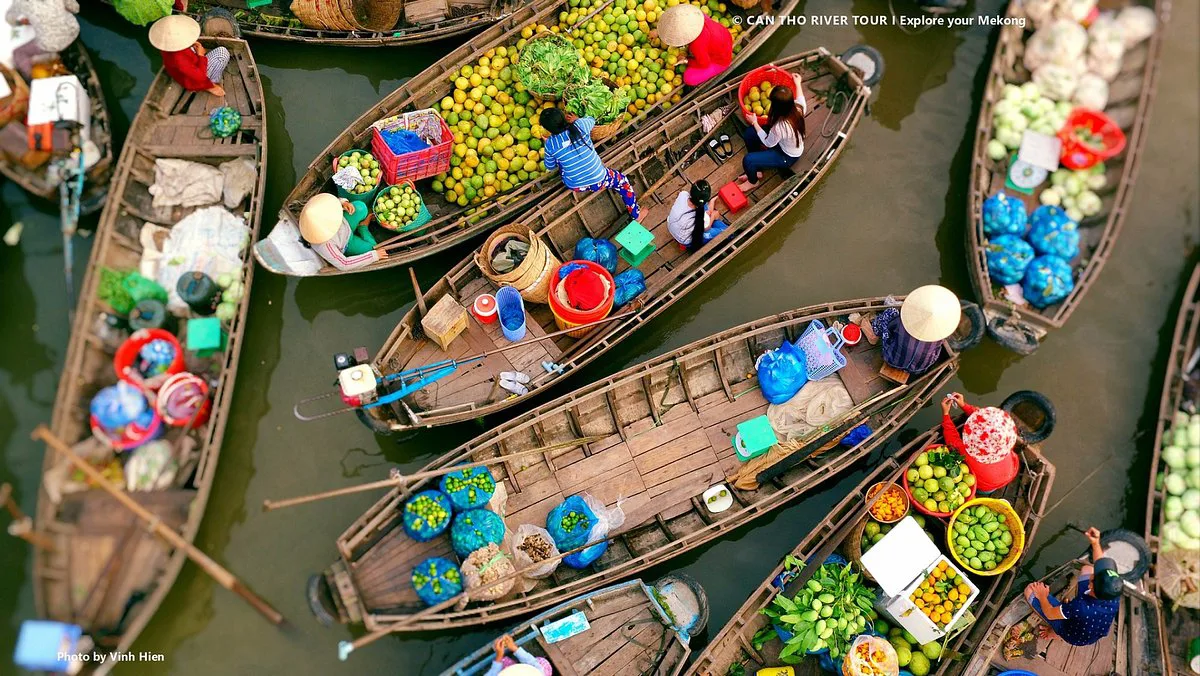
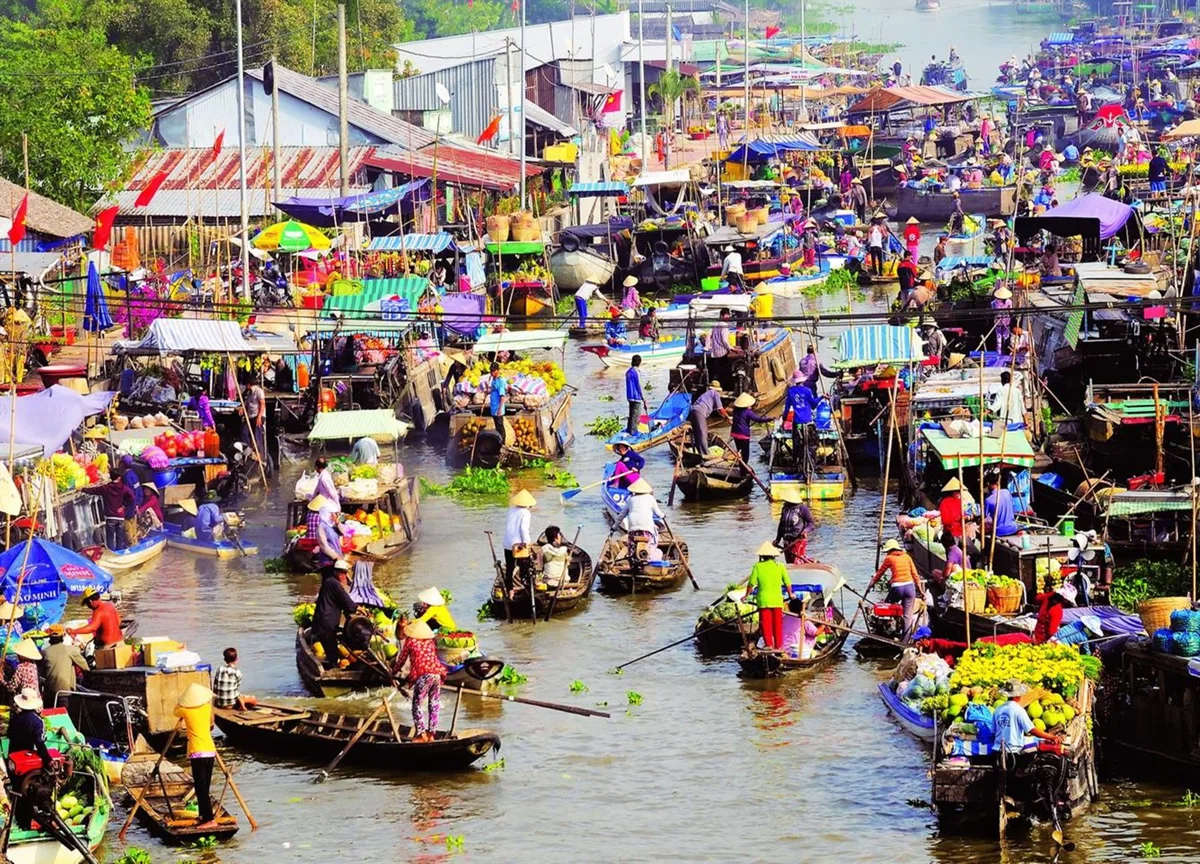
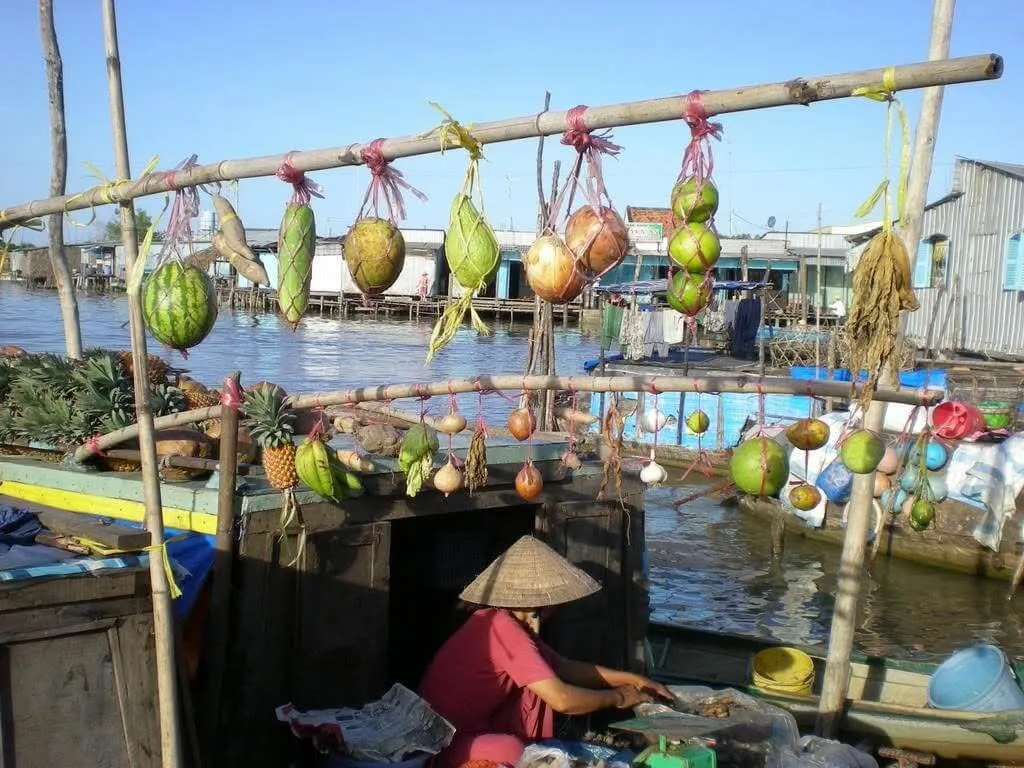
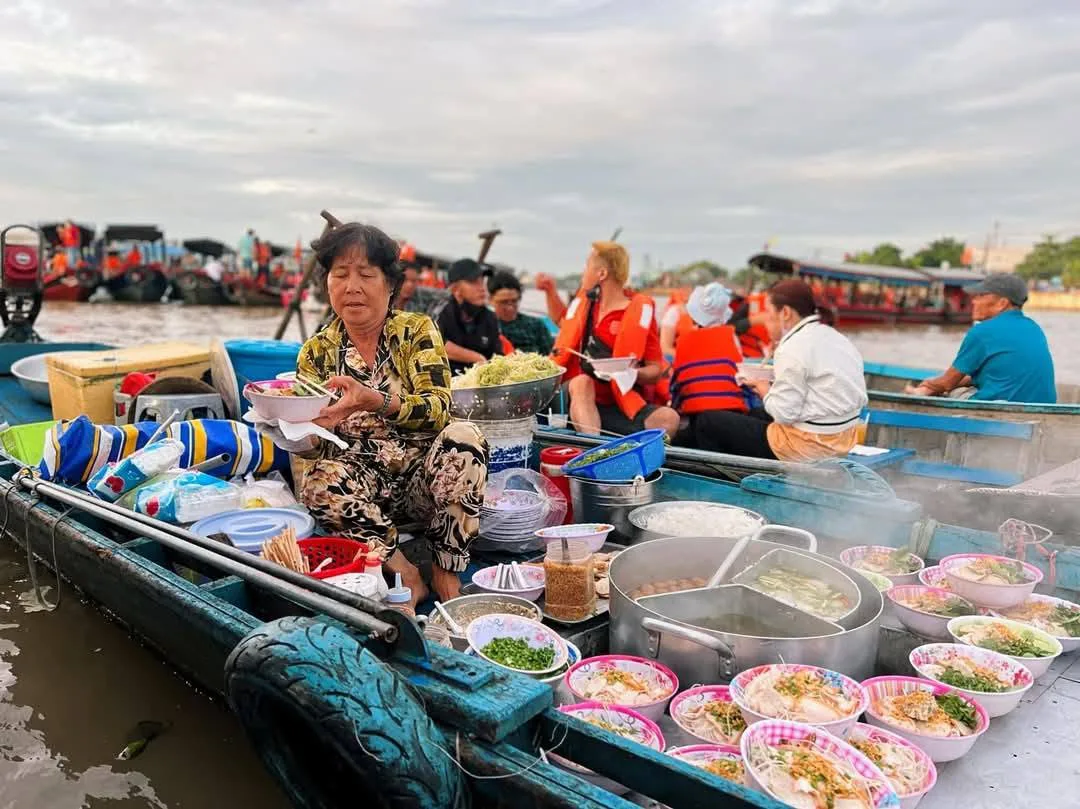
- Iconic Floating Markets: Witness the vibrant commerce and cultural exchange at the famous Cai Rang Floating Market.
- Lush Landscapes: Explore vast fruit orchards, serene rice paddies, and scenic canals.
- Delicious Cuisine: Savor fresh local produce and regional specialties unique to the Delta.
- Gateway to the Delta: Can Tho serves as a convenient and well-connected base for exploring other parts of the Mekong Delta region.
Best Time to Visit Can Tho
The ideal time to visit Can Tho is during the dry season, from December to April. During these months, the weather is generally pleasant with less rain and comfortable temperatures, perfect for boat tours and outdoor exploration. The wet season (May to November) brings occasional heavy showers, but these are often short-lived, and the landscapes are at their most verdant, with abundant fruit harvests.
Highlights of Can Tho
- Cai Rang Floating Market: The most famous and largest floating market in the Mekong Delta, best experienced early in the morning.
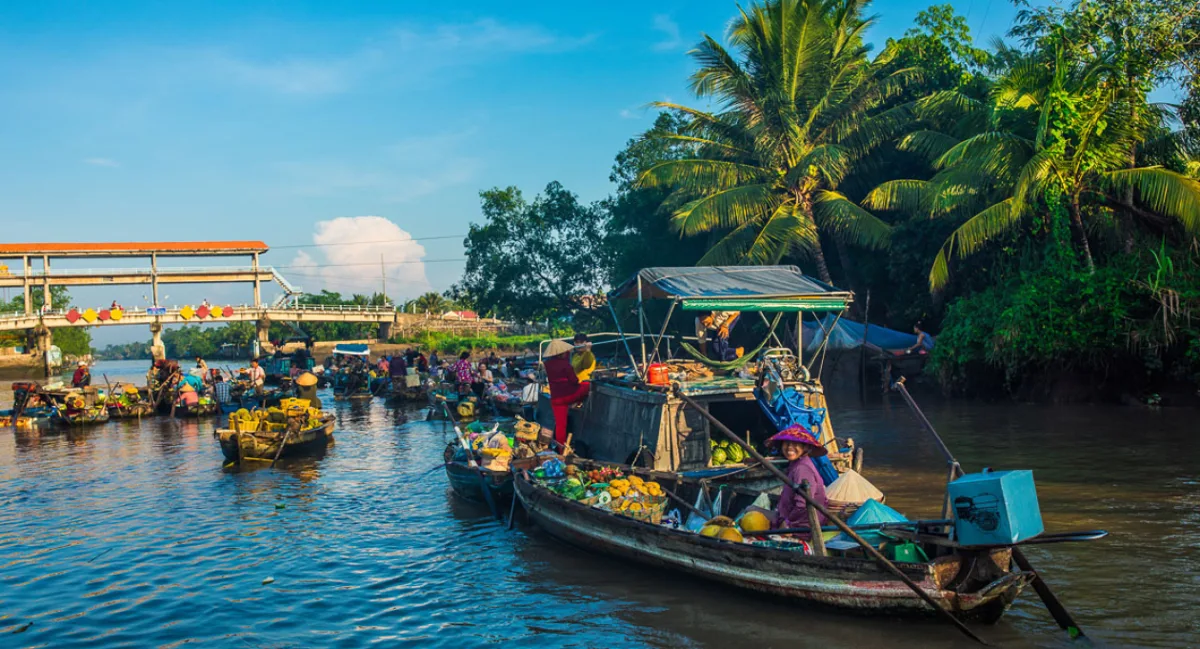
- Phong Dien Floating Market: A smaller, more traditional market offering a glimpse into local trade away from the larger crowds.
- Can Tho Bridge: An impressive cable-stayed bridge spanning the Hau River, offering panoramic views.
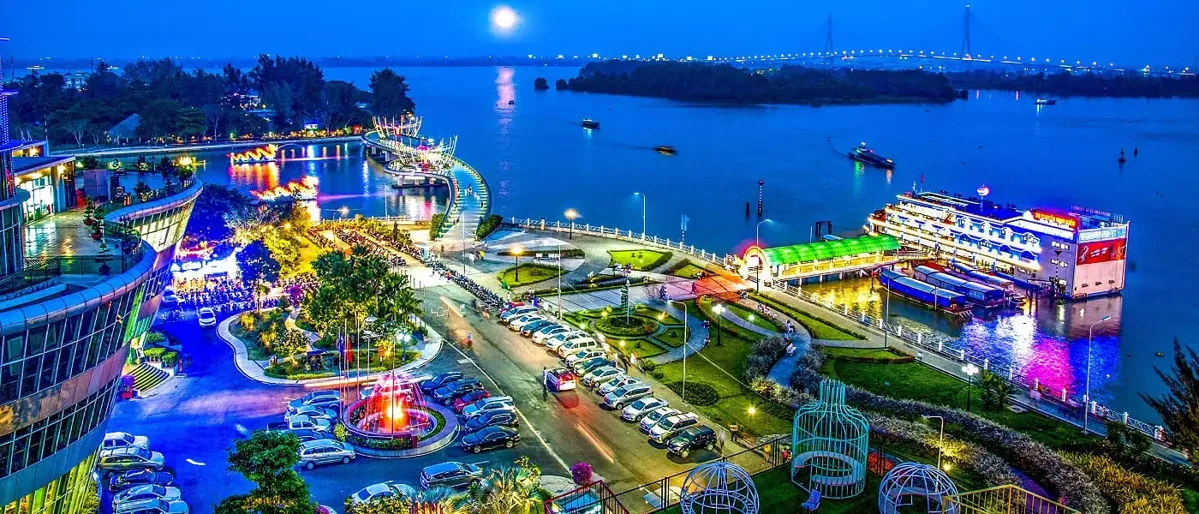
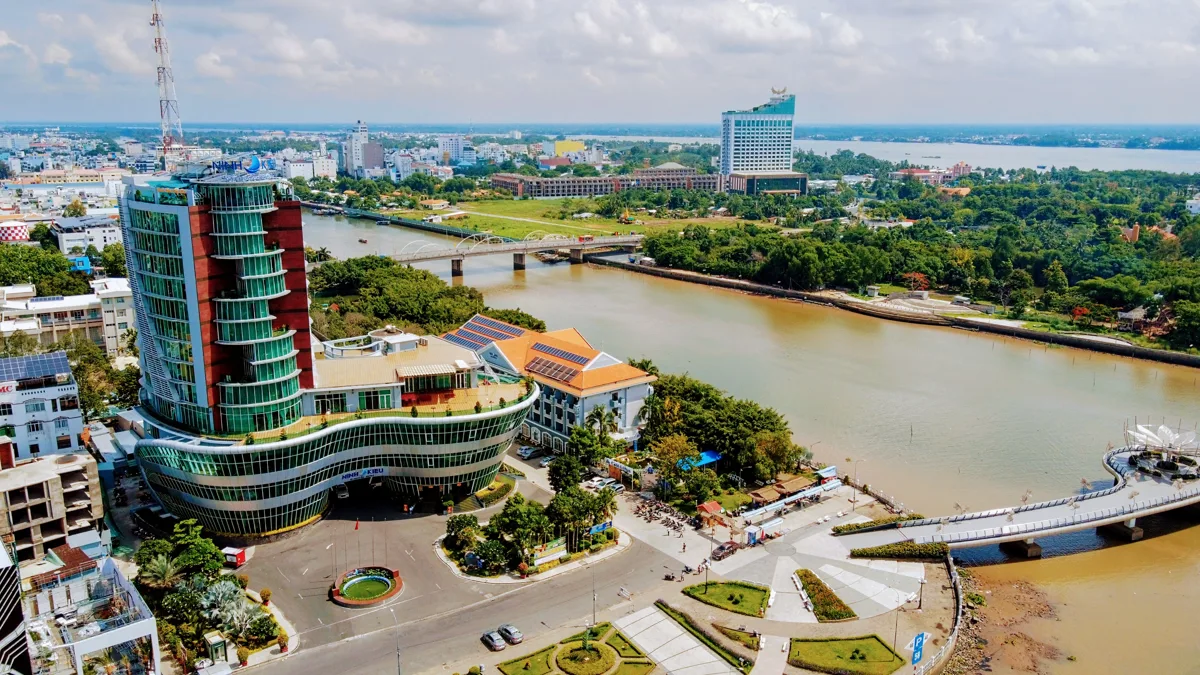
- Ninh Kieu Wharf: A central promenade along the Hau River, bustling with restaurants, hotels, and departure points for boat tours.
- Ong Pagoda (Quang Trieu Assembly Hall): A historic Chinese temple with intricate architecture and a peaceful atmosphere.
- Binh Thuy Ancient House: A beautifully preserved traditional Vietnamese house showcasing colonial French influences.
- Fruit Orchards: Explore vast orchards like My Khanh Tourist Village, where you can taste fresh tropical fruits.
Experiences Not to Miss
- Boat Tour of Floating Markets: An essential experience to witness the vibrant trade and daily life on the river.
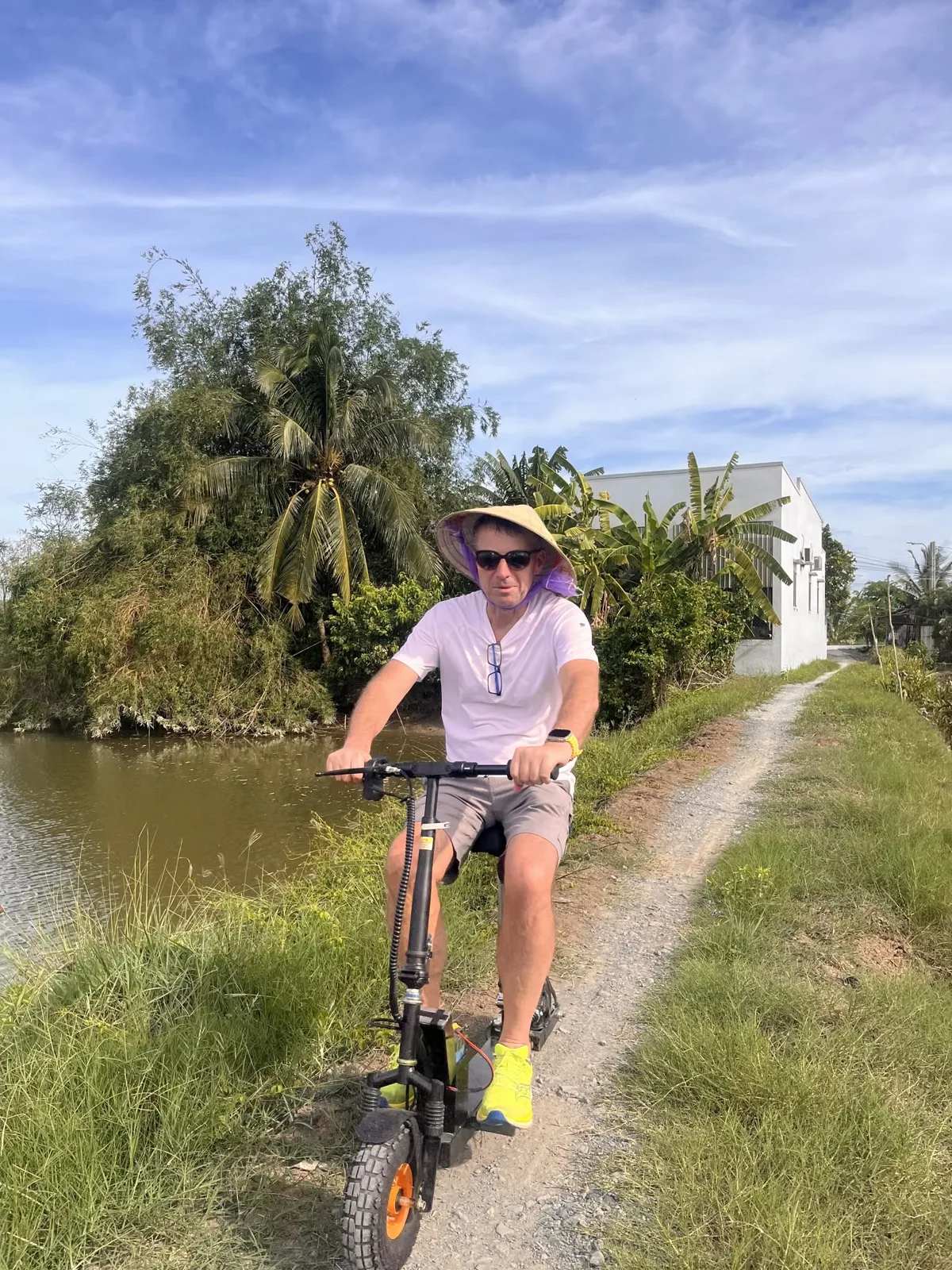
- Cycling through Villages: Discover the peaceful countryside, observe local farming, and interact with residents.
- Mekong Delta Cooking Class: Learn to prepare traditional Vietnamese dishes using fresh local ingredients.
- Sampling Local Fruits: Indulge in a variety of fresh tropical fruits directly from the orchards.
- Enjoying Sunset on the River: A serene experience from Ninh Kieu Wharf or a relaxing river cruise.
Getting Around Can Tho
- By Air: Can Tho International Airport (VCA) provides convenient connections to major domestic destinations within Vietnam.
- By Bus: Regular and comfortable bus services link Can Tho with Ho Chi Minh City and other provinces in the Mekong Delta.
- Within the City: Taxis, ride-hailing apps, and xe om (motorbike taxis) are readily available for urban travel. Boats are indispensable for exploring the intricate river and canal systems.
Accommodation in Can Tho
Can Tho offers a wide range of accommodation options to suit various budgets and preferences. You'll find everything from budget-friendly guesthouses to comfortable mid-range hotels and upscale resorts, primarily concentrated around Ninh Kieu Wharf and the city center. For a more immersive cultural experience, consider a homestay in the rural areas surrounding the city.
Can Tho Cuisine: A Culinary Journey
The food in Can Tho is a highlight for many visitors, featuring fresh ingredients from the river and fertile land.
- Hu Tieu: A popular noodle soup, often served with pork, shrimp, and fresh herbs.
- Banh Xeo: Crispy Vietnamese savory pancakes filled with pork, shrimp, and bean sprouts, served with fresh greens and dipping sauce.
- Nem Nuong Cai Rang: Grilled pork skewers, a local specialty, often wrapped in rice paper with fresh vegetables.
- Lau Mam: A unique fermented fish hotpot, rich in flavor and a must-try for adventurous foodies.
- Fresh Seafood: Abundant and delicious, thanks to the extensive river system.
- Tropical Fruits: Indulge in a variety of seasonal fruits such as mango, rambutan, durian, and mangosteen.
Travel Tips for Can Tho
- Early Morning Market Visits: Floating markets are most active from 5:00 AM to 8:00 AM, so plan to start your day early.
- Sun Protection: Bring sunscreen, hats, and sunglasses, especially for boat tours and outdoor activities.
- Insect Repellent: Useful, particularly during the wet season or when visiting orchards and rural areas.
- Stay Hydrated: Drink plenty of water, especially in the tropical climate.
- Bargaining: It's common in markets, but always be polite and respectful.
- Respect Local Customs: Dress modestly when visiting pagodas or local homes as a sign of respect.
Popular Tours
Top Attractions
Travel Guides & Articles
All Articles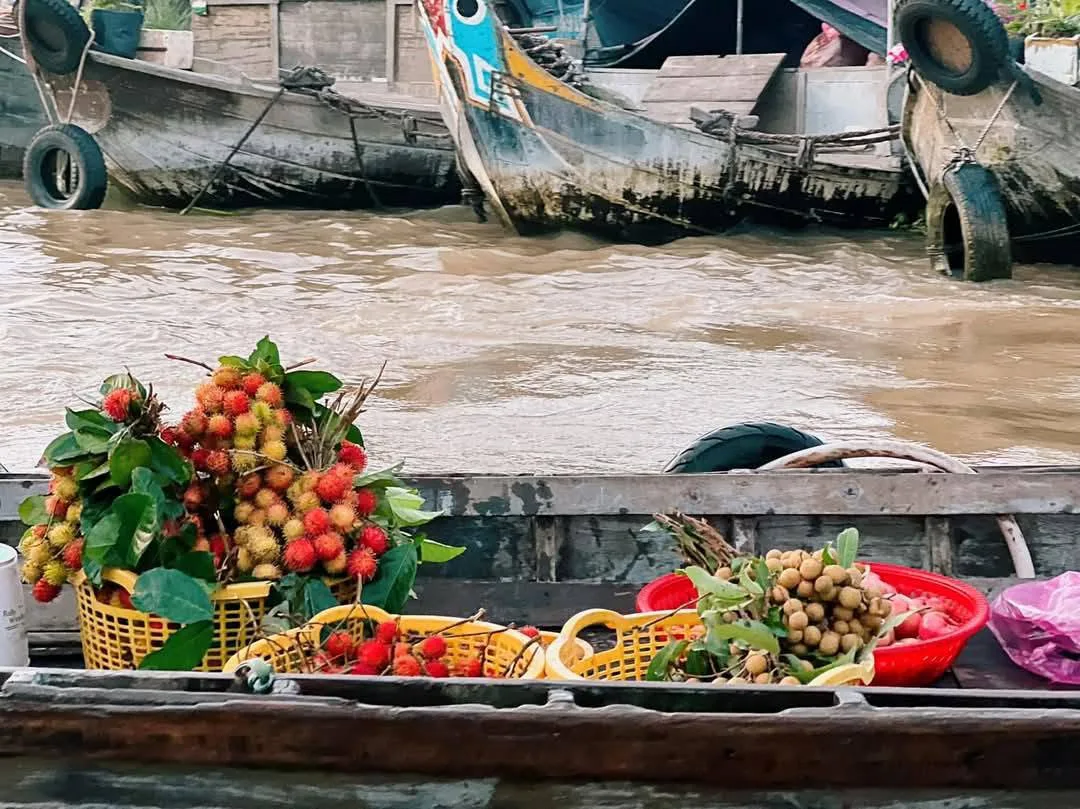

Tours from Can Tho
 New
New
New
New
New
New
 New
New
 New
New
 New
New
 New
New
 New
New
 New
New
 New
New
 New
New
Hotels in Can Tho
No hotels listed yet
Contact us for recommendationsThings to Do in Can Tho
Cai Rang Floating Market is the Mekong Delta's most famous floating market, where hundreds of wooden boats laden with tropical fruit and vegetables gather before dawn on the river. It offers an authentic glimpse into local life and a vibrant spectacle of commerce on water.
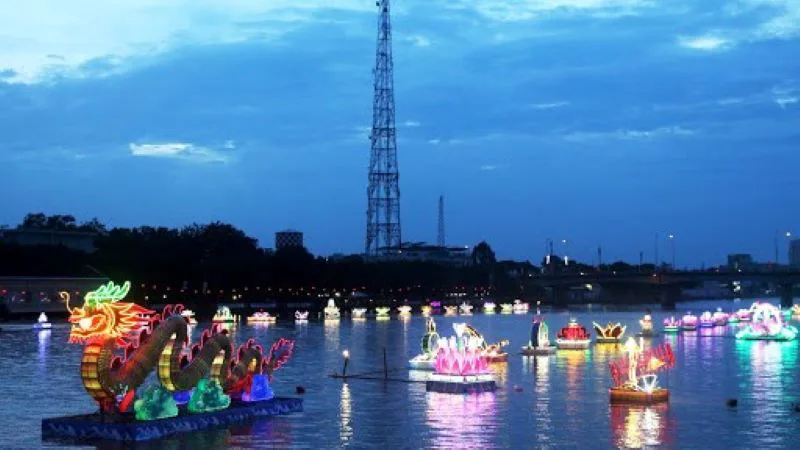
Ninh Kieu Riverside is Can Tho's most beloved public space, a vibrant tree-lined promenade along the Hau River. It's a bustling hub featuring floating restaurants, lively night markets, and iconic riverside views, offering a true taste of local life in the Mekong Delta.
The Can Tho Museum stands as the premier institution for understanding the Mekong Delta's rich tapestry of history, culture, and natural heritage. It offers insightful exhibits covering geography, ethnic groups, and the region's significant wartime past, making it an essential stop for visitors.