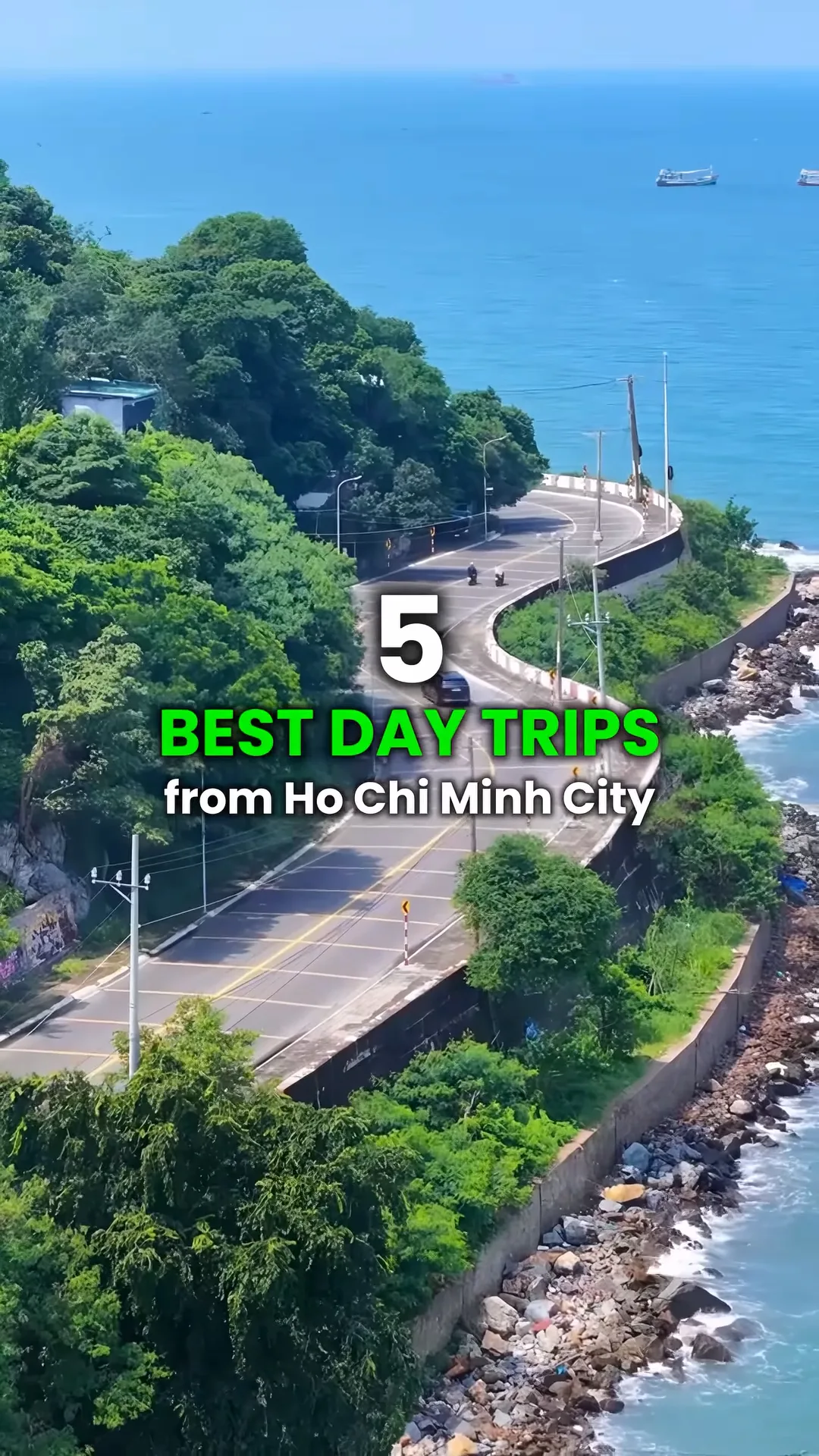
South Vietnam offers travelers a diverse experience, from the energetic pace of its largest city to the peaceful waterways of the Mekong Delta and the serene shores of an island retreat. This region presents a blend of historical depth, cultural richness, and natural beauty, making it an appealing destination for those exploring Vietnam for the first time. Planning a trip here involves considering various points of interest, each providing a distinct flavor of the country's southern charm.
Exploring Ho Chi Minh City: A Metropolitan Beginning
Ho Chi Minh City, often still referred to as Saigon, stands as Vietnam's largest urban center, characterized by its dynamic atmosphere and centuries of significant history. It serves as a frequent entry point for visitors to Southern Vietnam, primarily due to the presence of Tan Son Nhat International Airport. A stay of one to two days is typically recommended to experience the city's key attractions and understand its daily rhythm.
During your time in Ho Chi Minh City, consider visiting prominent historical sites such as the War Remnants Museum, the former Presidential Palace (Reunification Palace), the Saigon Municipal Opera House, Notre Dame Cathedral, and the Old Post Office. For a deeper look into local commerce and daily life, exploring Cho Lon (Chinatown) and Ben Thanh Market offers insights into modern fashion, jewelry, media, luggage, and a wide selection of local goods. The Fine Arts Museum, housed in a colonial building blending French and Chinese architectural styles, displays an extensive collection of fine art and historical artifacts. For practical financial needs while exploring the city, a guide to banking services in Ho Chi Minh City can be helpful.
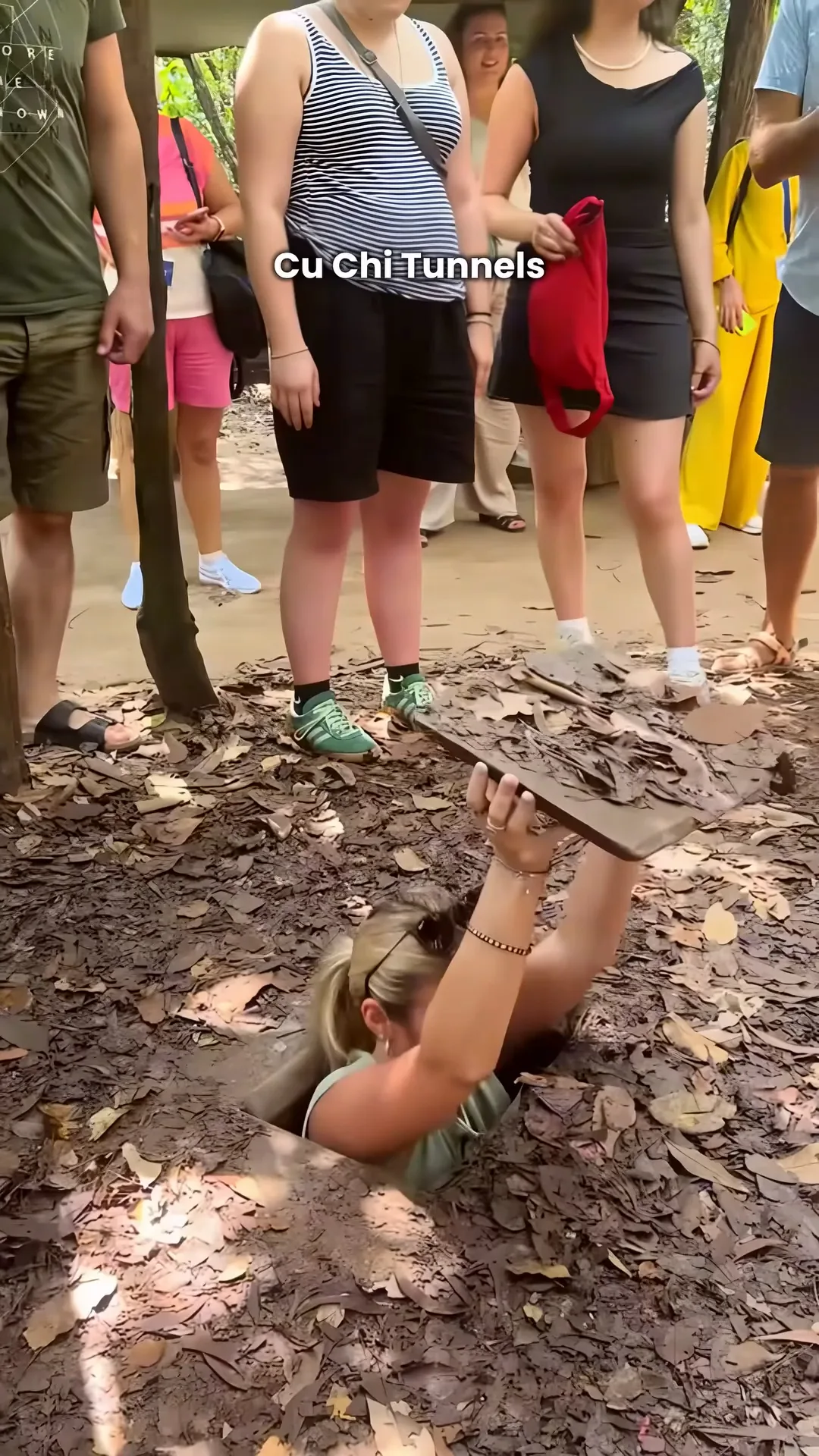
On a second day, many travelers opt for an excursion to the Cu Chi Tunnels, situated approximately 70 kilometers from the city center. This historic network of underground passages was utilized by the Viet Cong during the Vietnam War as a defense against air raids. Visitors have the option to navigate selected sections of the tunnels to gain perspective on the wartime conditions faced by Vietnamese soldiers. This half-day tour can be combined with a cooking class in Ho Chi Minh City to learn about Vietnamese culinary traditions. Evenings in the city offer opportunities to sample traditional Saigon dishes and experience the nightlife along Bui Vien Walking Street, known for its array of establishments.
Highlands Serenity: Dalat's Cooler Climate
A short one-hour flight from Ho Chi Minh City transports visitors to Dalat, a highland city known for its distinct four-season climate within a single day. This destination provides a refreshing contrast to the warmth of the lowlands, featuring rolling hills covered in pine forests, a central lake, extensive flower gardens, and architecture reflecting French colonial influences. A stay of two to three days allows for a comprehensive exploration of the area.
Key points of interest in Dalat include Thien Vien Truc Lam, recognized as Vietnam's largest Zen Monastery, and Tuyen Lam Lake, offering scenic views. The art deco former summer residence of Bao Dai, Vietnam's last emperor, provides a glimpse into royal history. Lat village, home to various ethnic minority groups with unique customs and beliefs, offers cultural insights. The city's central market is a place to find local products and observe the relaxed pace of daily life, which differs significantly from the busier metropolitan areas. For managing finances during your visit, information on banking services in Da Lat is available.
The Mekong Delta: Riverine Life and Agricultural Heart
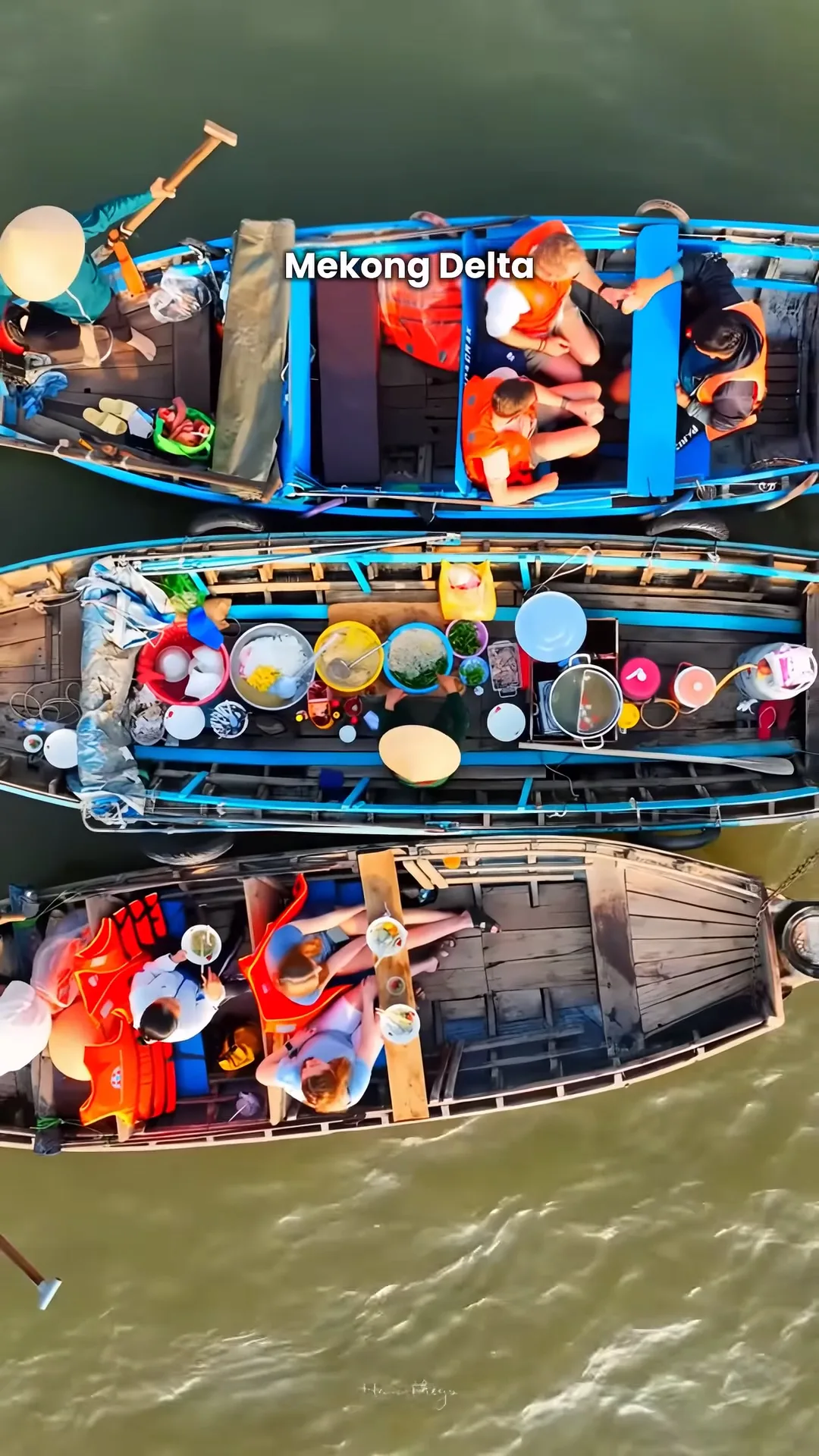
The Mekong Delta, often referred to as Vietnam's 'rice bowl,' is a region defined by its intricate network of waterways, fertile agricultural lands, and a lifestyle closely tied to the river. Day trips from Ho Chi Minh City to areas like My Tho or Ben Tre are popular, typically involving a two-hour drive. These excursions provide an introduction to the delta's unique environment and local customs.
Activities in the Mekong Delta often include a visit to Vinh Trang Pagoda, an architectural marvel in the South that combines Asian and European design elements, including Renaissance and Romanesque influences. Boat trips along the Mekong River are central to the experience, offering views of the delta's scenery and opportunities to visit fruit orchards, coconut groves, traditional workshops, and observe the production of homemade goods. These activities highlight the distinctive way of life in the Mekong Delta. Exploring the countryside by bicycle through verdant landscapes and quiet villages allows for interactions with local people working in their rice fields and provides a deeper understanding of their daily routines.
Further into the Delta: Can Tho and Chau Doc
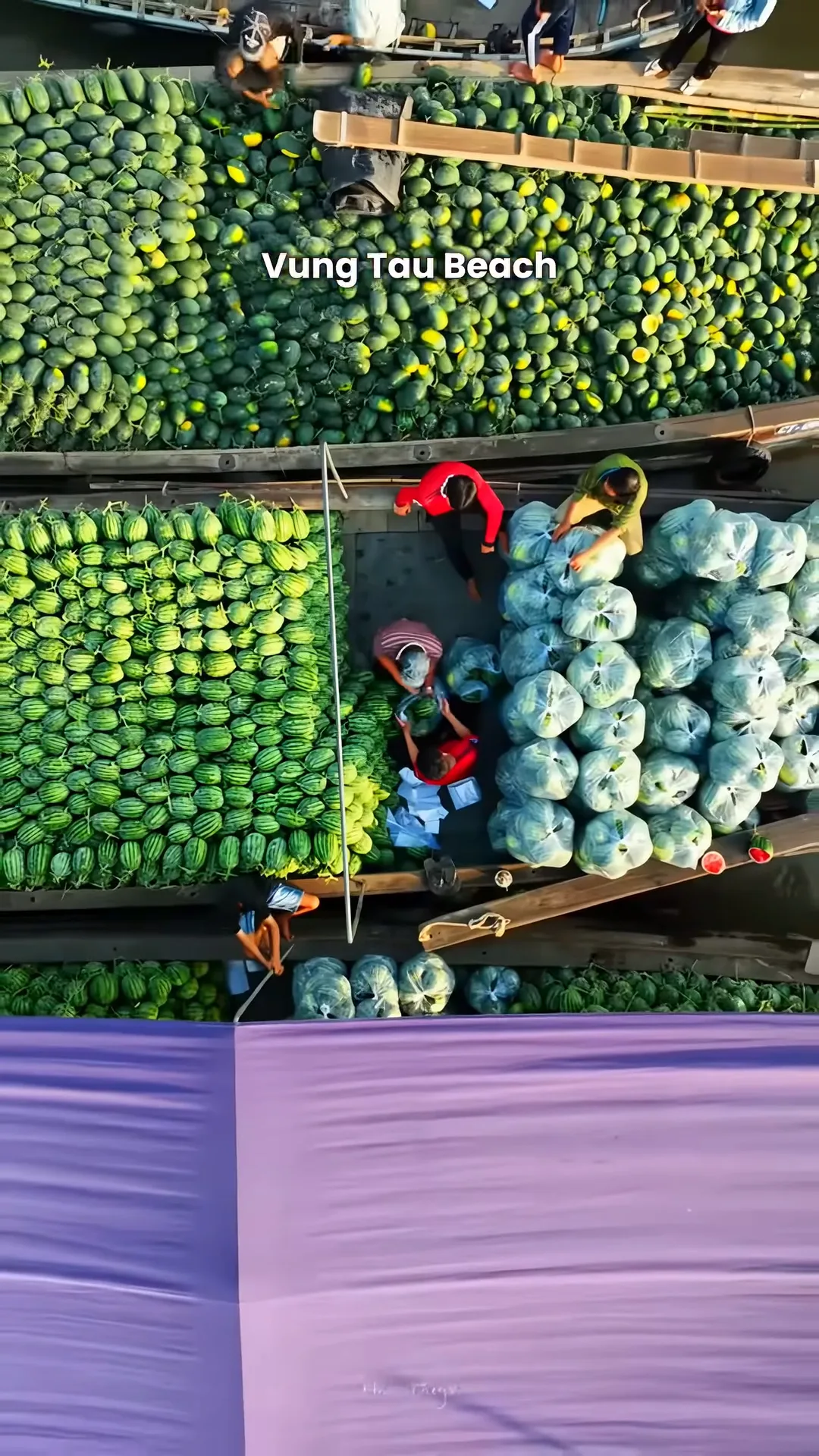
For those wishing to extend their exploration of the Mekong Delta beyond a day trip, Can Tho and Chau Doc offer additional experiences. Can Tho, situated along the Hau River, a major tributary of the Mekong, serves as an important hub for the delta. It is particularly known for the Cai Rang floating market, an active commercial center that operates from early morning until midday. The most active period is before 8 AM, and visitors typically experience the market from a motorized boat, a common mode of transport in the region. For financial services in the area, a guide to Can Tho City banking can be useful.
After visiting the floating market, travelers can explore local fruit orchards, sampling fresh, regional produce. Further ventures into the countryside reveal traditional homes constructed from wood and palm leaves, offering observations of local activities. The afternoon in Can Tho can be spent exploring historical sites such as Can Tho Grand Prison, Quang Duc Pagoda (a Khmer temple), and the Ancient House of Binh Thuy, which showcases the lifestyle of upper-class families in the Mekong Delta during the 19th and early 20th centuries. From Can Tho, travelers can continue to Chau Doc or return to Ho Chi Minh City.
Chau Doc, located in the northwest Mekong Delta, is approximately 250 kilometers west of Ho Chi Minh City and 120 kilometers from Can Tho, near the border with Cambodia. This town is recognized for its natural scenery, cultural diversity, and its role as a transit point for travel to Cambodia via the Vinh Xuong river border crossing and Tinh Bien international border gate. Visitors planning to continue to Phnom Penh often spend at least one night in Chau Doc. A day here allows for visits to notable attractions such as Sam Mountain, an important pilgrimage site, Tra Su Cajuput Forest, a sanctuary for various plant and animal species, and Forbidden Mountain. The local cuisine, a blend of Khmer and Vietnamese influences, is a highlight, featuring specialties like beef sausage, steamed palm sugar rice cake, and Indica salad. Those considering onward travel to Cambodia might find a dining guide to Phnom Penh helpful for their next stop.
Island Escape: Phu Quoc for Relaxation
Phu Quoc Island is frequently chosen as a concluding destination for travelers seeking relaxation after exploring mainland Vietnam. The island is celebrated for its beaches, relatively untouched natural environment, and a calm, welcoming atmosphere. Activities here include swimming, sunbathing, boat excursions, snorkeling, and scuba diving. For those interested in more active pursuits, walking trails or motorbike rides within Phu Quoc National Park offer opportunities to experience the island's natural landscapes.
Access to Phu Quoc Island is possible via speedboat from the Mekong Delta towns of Ha Tien and Rach Gia, a journey typically lasting two to three hours. Alternatively, direct flights are available from Can Tho or Ho Chi Minh City. During peak travel periods, which generally span from November to April, it is advisable to book flights or speedboat tickets and accommodation in advance to ensure availability.
Planning Your Southern Vietnam Journey
When organizing a trip to Southern Vietnam, considering the distinct characteristics of each destination can help tailor an itinerary to individual preferences. The region offers a spectrum of experiences, from the urban energy of Ho Chi Minh City to the tranquil rural life of the Mekong Delta and the coastal serenity of Phu Quoc. Below is a summary of the main destinations and their typical visit durations.
| Destination | Primary Appeal | Suggested Duration |
|---|---|---|
| Ho Chi Minh City | Urban exploration, history, culture, nightlife | 1-2 days |
| Dalat | Cool climate, French architecture, nature, relaxation | 2-3 days |
| Ben Tre / My Tho | Mekong Delta day trip, river life, local crafts | Day trip |
| Can Tho | Mekong Delta hub, floating markets, local culture | 1 night |
| Chau Doc | Mekong Delta, cultural diversity, Cambodian border transit | 1 night |
| Phu Quoc Island | Beach relaxation, marine activities, nature | 3-7 days |
Travelers often combine these destinations, moving from the city to the delta and then to the coast. For instance, a common route involves starting in Ho Chi Minh City, proceeding to the Mekong Delta (Can Tho, Chau Doc), and concluding with a flight or speedboat to Phu Quoc for a period of rest. Flexibility in planning allows for adjustments based on interest in specific activities or the desire for a slower travel pace.
Frequently Asked Questions
What is the best way to travel between cities in Southern Vietnam?
Travel between cities in Southern Vietnam can be accomplished through various means. For longer distances, especially to Phu Quoc, domestic flights from Ho Chi Minh City or Can Tho are efficient. Buses and private cars are common for regional travel within the Mekong Delta and to Dalat. Speedboats are an option for reaching Phu Quoc from coastal towns like Ha Tien or Rach Gia. For those interested in longer journeys across Vietnam, information on overnight rail journeys might be relevant for connecting to central or northern regions.
Is it necessary to book accommodations and transport in advance for Southern Vietnam?
While spontaneous travel is possible, booking accommodations and major transport, especially flights and speedboats to Phu Quoc, is highly recommended during peak travel seasons (typically November to April). During these months, popular destinations can experience higher demand, and securing arrangements in advance can prevent potential inconveniences.
What kind of local cuisine should I try in Southern Vietnam?
Southern Vietnamese cuisine is known for its fresh ingredients and often sweeter, more aromatic flavors compared to other regions. In Ho Chi Minh City, popular dishes include pho, banh mi, and various street food options. The Mekong Delta offers fresh seafood, tropical fruits, and regional specialties like banh xeo (savory pancake). In Chau Doc, you can find a unique blend of Khmer and Vietnamese flavors, including specific local salads and cakes. Phu Quoc is famous for its fresh seafood and fish sauce.
What are the currency and payment methods commonly used?
The official currency in Vietnam is the Vietnamese Dong (VND). While credit cards are accepted in larger hotels, restaurants, and shops in major cities, cash is essential for smaller vendors, local markets, and rural areas. ATMs are widely available in urban centers. It is advisable to carry a mix of cash and card options for convenience and security.
What is the typical weather like in Southern Vietnam?
Southern Vietnam generally experiences a tropical climate with two main seasons: a dry season (roughly November to April) and a wet season (May to October). Temperatures are consistently warm throughout the year. Dalat, being in the highlands, offers a cooler climate, often described as experiencing four seasons in a single day, making it a refreshing escape from the lowland heat.