




North Vietnam presents a rich array of travel opportunities, from historical urban centers to dramatic mountain vistas and serene coastal waters. As the nation's capital, Hanoi frequently serves as the initial point for visitors exploring the northern region. From this central hub, travelers can access other well-known locations such as Sapa, Halong Bay, Ninh Binh, Mai Chau, and Ha Giang. The area's varied scenery and authentic cultural experiences offer something for every kind of explorer, whether for a brief visit or an extended exploration.
This guide provides suggestions for structuring your North Vietnam travels, accommodating durations from three days to two weeks. It focuses on key destinations and activities, helping you design a journey that aligns with your interests and available time.
Starting Your North Vietnam Journey in Hanoi
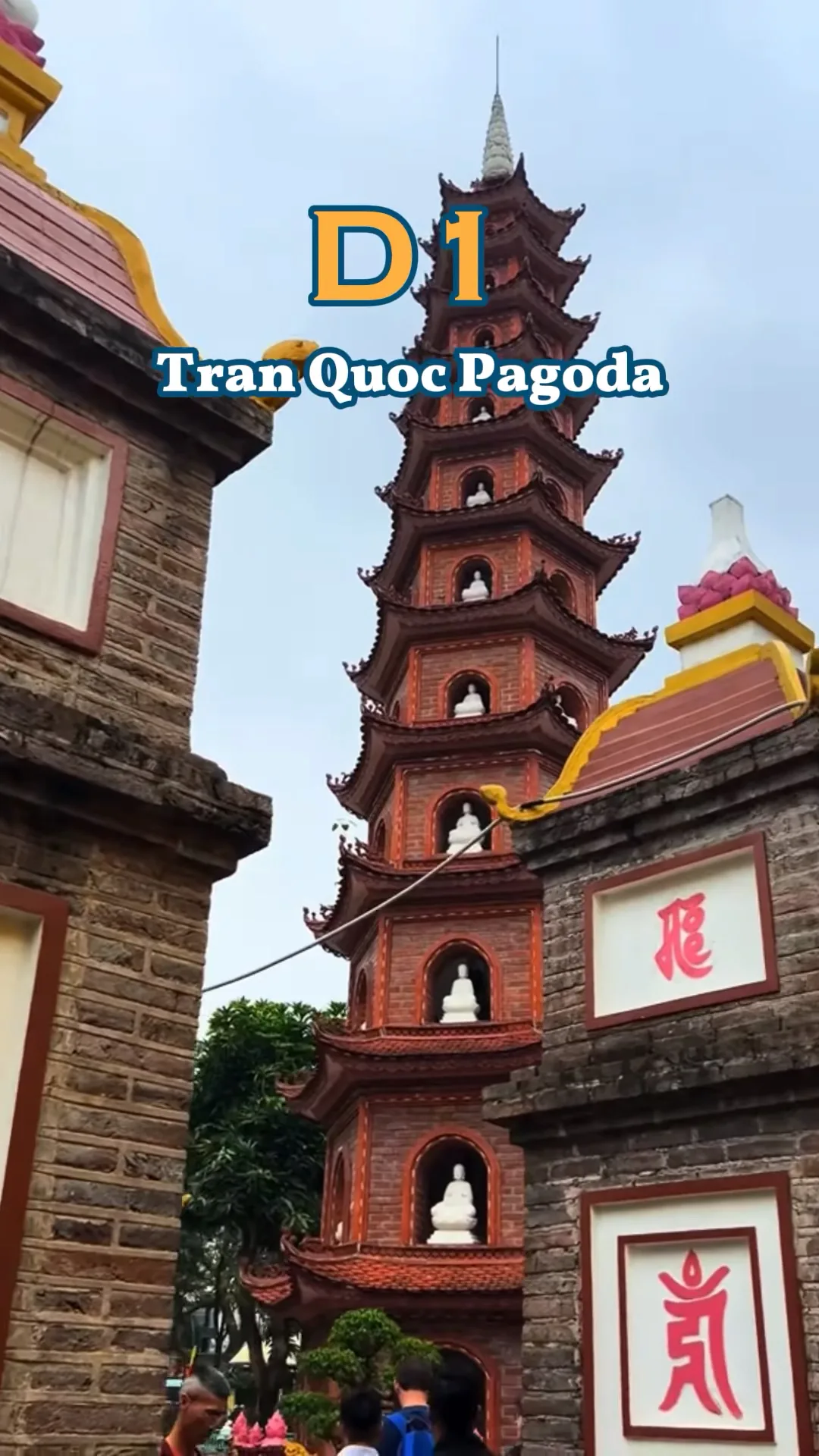
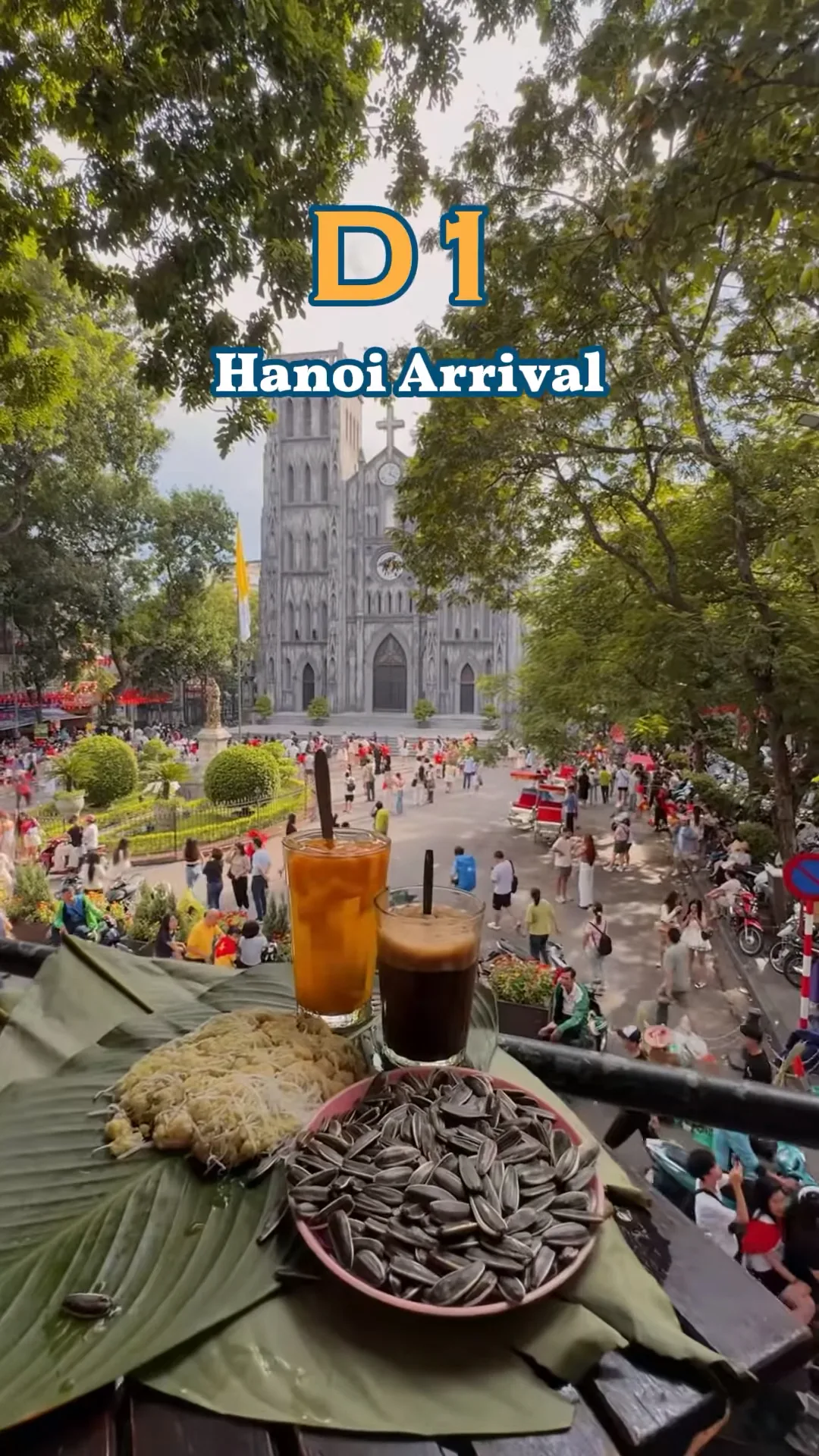
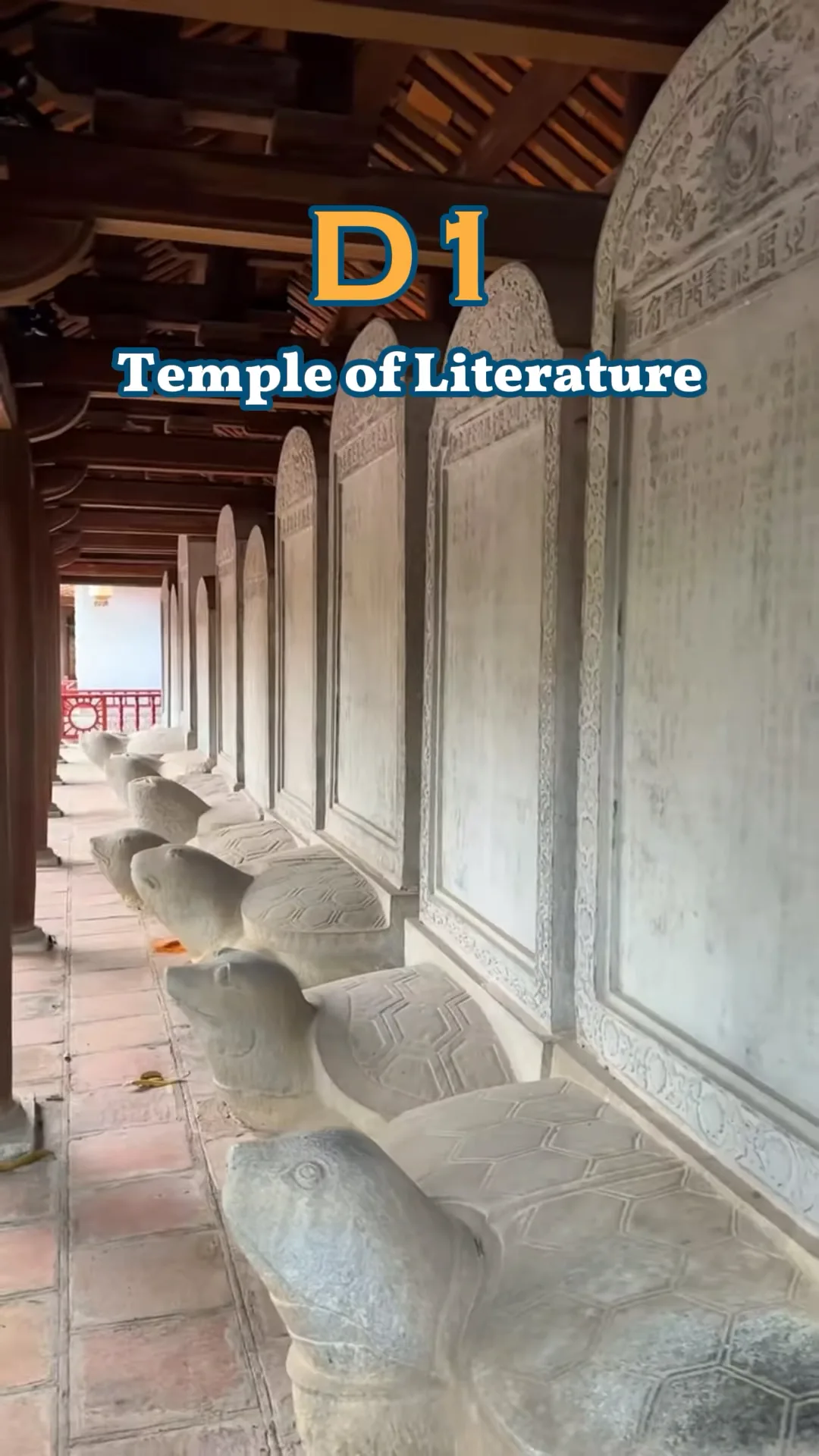
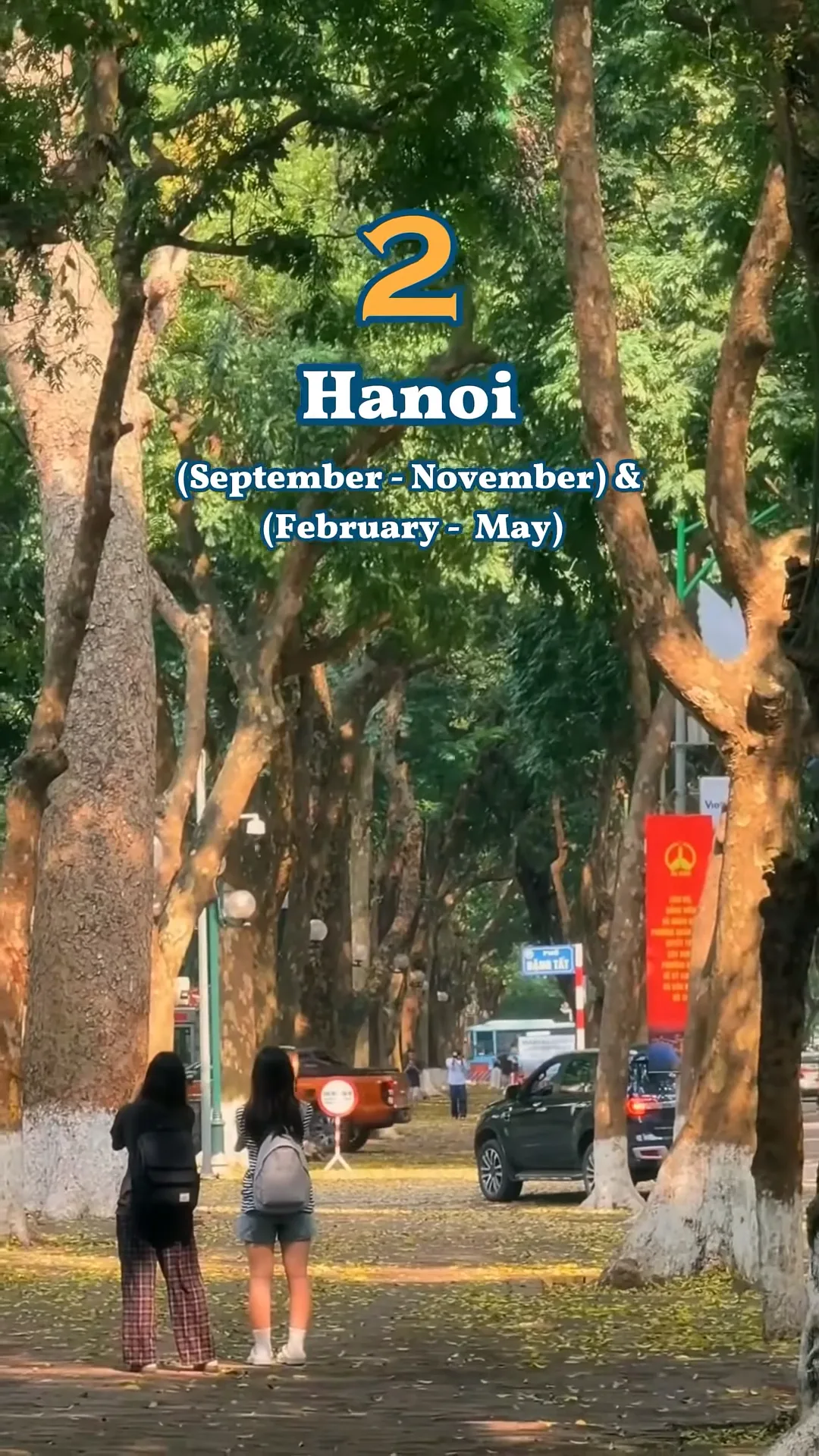
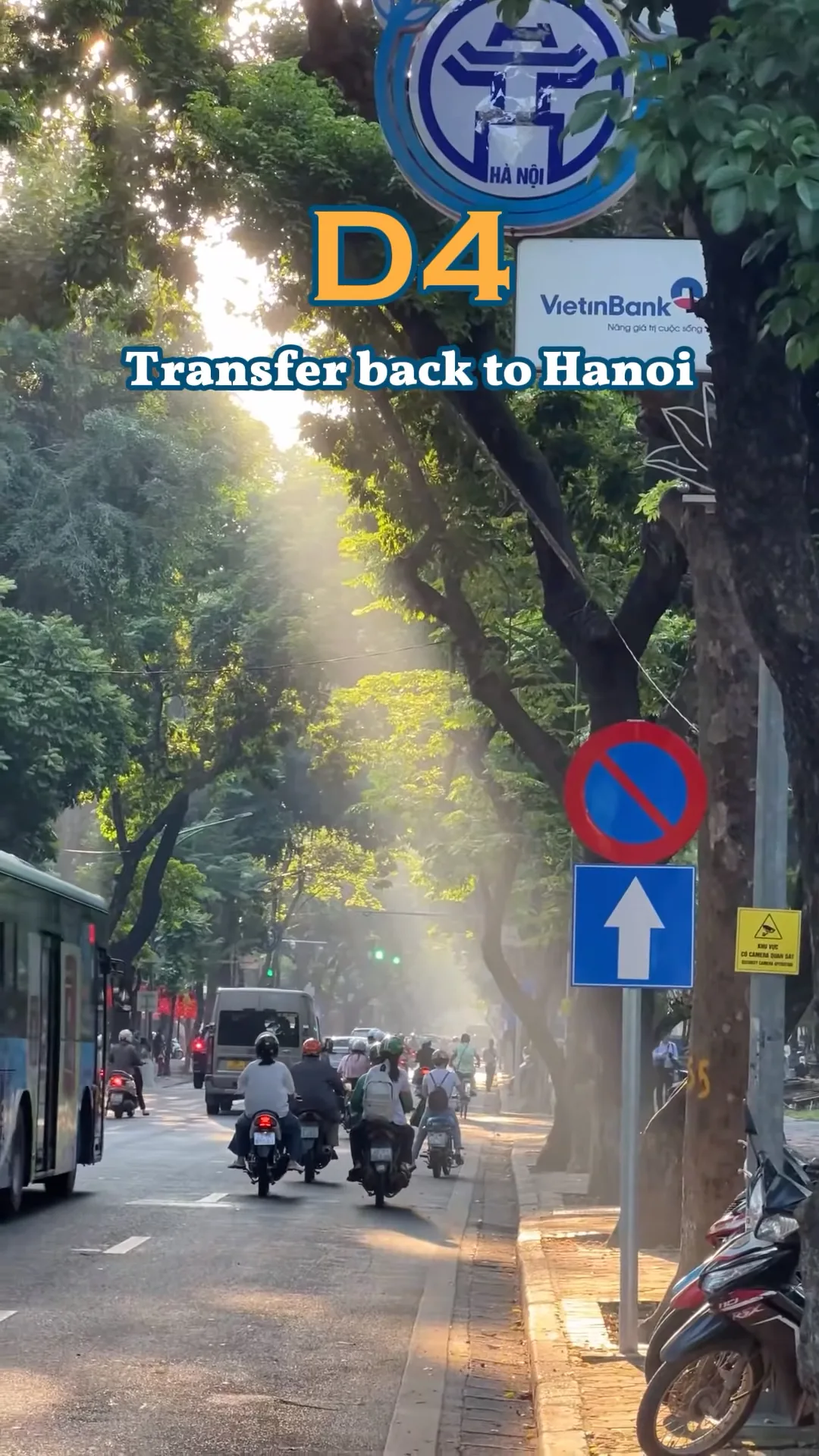
Hanoi, Vietnam's capital, is a logical starting point for any North Vietnam trip, with a recommended stay of two to three days. This city offers a blend of ancient traditions and French colonial influences, evident in its tree-lined avenues and architectural styles. A comprehensive city tour typically includes significant sites such as the Ho Chi Minh Mausoleum Complex, the Temple of Literature (Vietnam's first university), the historical Old Quarter, Hoan Kiem Lake, West Lake, and the Hanoi Opera House. These locations provide insight into a millennium of cultural and historical development.
Beyond historical landmarks, Hanoi provides engaging cultural experiences. An evening water puppet show, featuring colorful puppets and traditional Vietnamese folk music, offers a glimpse into local storytelling. The city's street food scene is also a highlight; visitors often seek out local specialties like pho, bun cha, and cha ca from street vendors. For those interested in evening activities, the Bia Hoi corner at Ta Hien and Luong Ngoc Quyen streets is a popular spot, alongside numerous late-night pubs and bars. For travelers managing their finances, understanding banking services in Hanoi can be helpful.
Suggested 3-Day Hanoi Itineraries
- For First-Time Visitors:
Day 1: Explore the Old Quarter, visit Hoan Kiem Lake, and participate in a street food tour.
Day 2: Visit the Ho Chi Minh Complex, see the Temple of Literature, and explore the French Quarter.
Day 3: Take a cooking class, visit West Lake, and relax at a rooftop bar. - For History and Culture Enthusiasts:
Day 1: Visit the Ho Chi Minh Complex, the Temple of Literature, and the Vietnam Museum of Ethnology.
Day 2: Take a boat trip on the Red River, visit the Thang Long Imperial Citadel, and explore the Hoan Kiem Lake area.
Day 3: Visit the Hoa Lo Prison Museum, the War Remnants Museum, and the Hanoi Opera House. - For Food Enthusiasts:
Day 1: Sample various dishes throughout the Old Quarter, trying local specialties like pho, banh mi, and bun cha.
Day 2: Take a cooking class to learn how to prepare Vietnamese dishes.
Day 3: Explore the night markets and sample street food offerings.
Exploring the Northern Highlands: Sapa
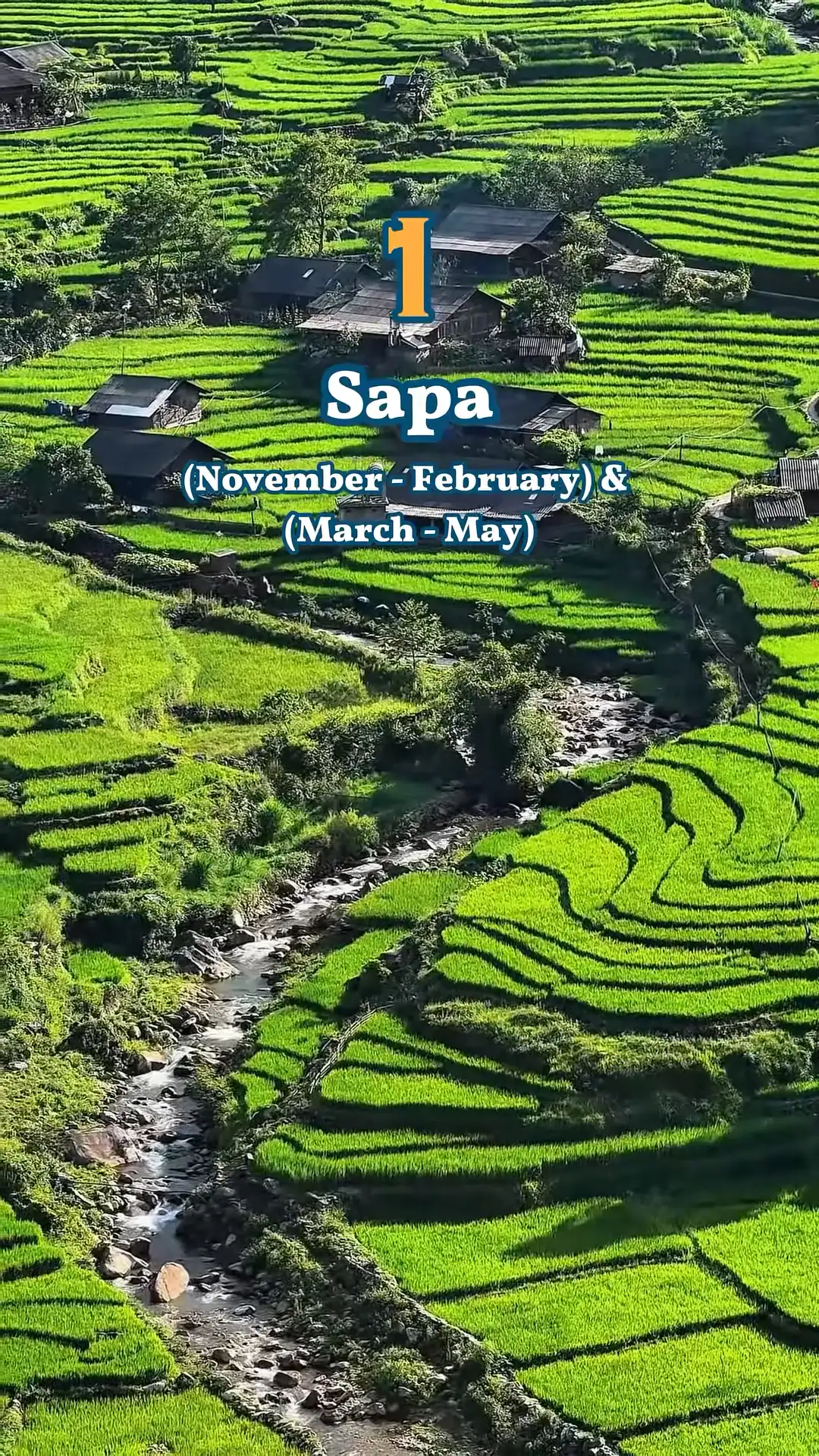
Approximately 350 kilometers from Hanoi, Sapa offers a different pace of travel, characterized by its mountainous terrain and terraced rice fields. Travel options from Hanoi include shuttle buses, private cars, or overnight rail journeys, with travel times typically ranging from six to eight hours. A stay of two to three days is often suggested to experience the area fully.
Activities in Sapa frequently involve guided hikes through valleys adorned with rice terraces, passing through ethnic minority villages such as Cat Cat, Y Linh Ho, Lao Chai, and Ta Van. This provides an opportunity to observe the daily lives and cultural practices of groups like the H'mong, Dzao, and Dzay people who reside in the region. Visitors can also dedicate a portion of a day to exploring local markets, including Bac Ha (Sundays), Coc Ly (Tuesdays), or Can Cau (Saturdays).
Another popular activity is taking a cable car to Fansipan, often referred to as "the roof of Indochina." From the summit, visitors can enjoy extensive views of the surrounding landscape. For more details on this experience, consider ascending Vietnam's highest peak. The town itself also offers opportunities for leisurely walks and souvenir shopping.
Suggested 3-Day Sapa Itineraries
- For First-Time Visitors:
Day 1: Arrive in Sapa, check into accommodation, and take a walk around town, visiting Sapa Market. Enjoy a traditional Vietnamese dinner.
Day 2: Go on a trekking tour to Cat Cat Village and Ta Van Village to learn about Hmong and Dao cultures. Visit the Sapa Waterfalls.
Day 3: Take a cable car to Fansipan for panoramic views. Spend the afternoon strolling through Sapa town and shopping for souvenirs before departure. - For Active Travelers:
Day 1: Arrive in Sapa, check into accommodation. In the afternoon, undertake a challenging trekking tour to Sin Chai Valley. Rest in the evening.
Day 2: Go on a moderate trekking tour to Muong Hoa Valley. In the afternoon, visit the Bac Ha Market.
Day 3: Take a day trip to Lai Chau to learn about the Black Hmong ethnic group. Enjoy a boat ride on the Nho Que River in the afternoon.
Ninh Binh: Ancient Capital and Limestone Karsts
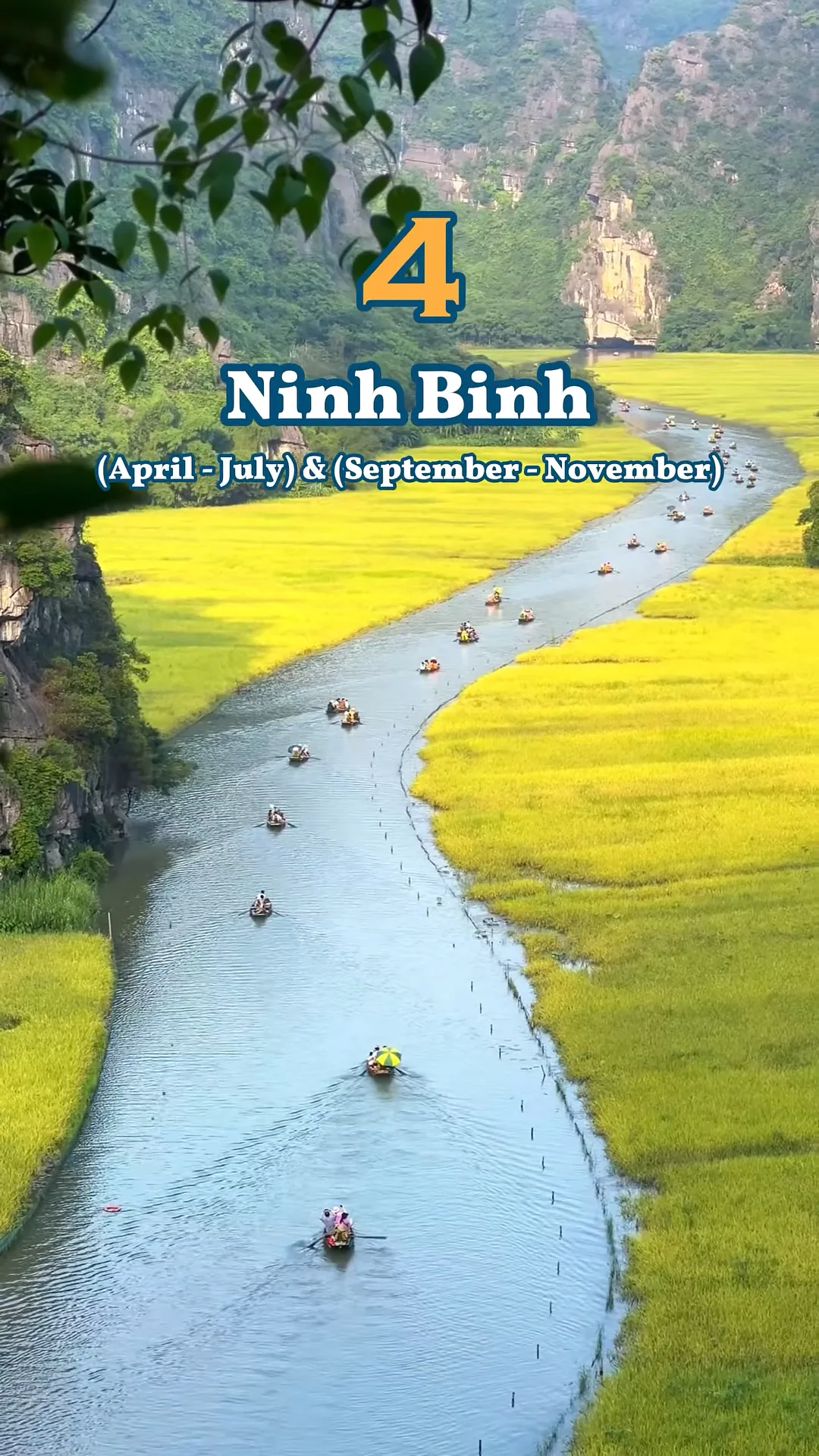
Located approximately 100 kilometers south of Hanoi, Ninh Binh is accessible within about two hours by car, making it suitable for a day trip or an overnight stay. This region is recognized for its calm landscapes, characterized by rice paddies, limestone grotto systems, and historical sites. It also serves as a convenient stop before continuing to Mai Chau or Halong Bay.
A primary activity in Ninh Binh is a rowing boat excursion along the Ngo Dong River to the Tam Coc – Bich Dong area, or within the Trang An Scenic Landscape Complex. Alternatively, travelers can cycle along rural roads to Hoa Lu, the ancient 10th-century citadel, passing through rice fields and local villages. For those interested in nature and biodiversity, options include Van Long Nature Reserve, Cuc Phuong National Park, or Thung Nham Bird Garden, each suitable for a half-day visit.
The Waters of Halong Bay and Lan Ha Bay
Situated to the east of North Vietnam, Halong Bay, a UNESCO World Heritage Site, is roughly a two-hour drive from Hanoi via the new expressway. It is a highly sought-after destination, known for its nearly 2,000 limestone islands rising from emerald waters. While a day cruise is an option for those with limited time, an overnight cruise typically offers a more comprehensive experience of the bay.
Overnight cruises generally follow three distinct routes: the traditional Halong Bay route, Lan Ha Bay (near Cat Ba Island), and the less-explored Bai Tu Long Bay. Visitors can select either a two-day, one-night or a three-day, two-night excursion to spend time amidst the bay's scenery. Activities often include kayaking, swimming, exploring limestone caves, and visiting floating villages. For a different perspective, seaplane tours provide aerial views of the bay. Additionally, travelers can explore Halong Bay's best beaches for relaxation.
Mai Chau: A Serene Valley Escape
Mai Chau, a small town approximately 150 kilometers from Hanoi, offers a peaceful retreat within a verdant valley surrounded by rice paddies. It is an ideal destination for those seeking tranquility and an authentic atmosphere, complemented by views of the rural landscape, pagodas, and local villages. A stay of one to two days is commonly suggested.
Typical activities in Mai Chau include trekking through terraced rice fields and H'mong villages like Xa Linh and Pa Co, allowing visitors to experience the valley's natural environment and encounter local ethnic cultures. Cycling along paved trails is another popular way to explore. To connect more closely with local life, staying in a homestay is often recommended, providing opportunities for shared family dinners and traditional music and dance performances by the Hmong tribe. The area's calm rural beauty and the hospitality of its residents are frequently cited as memorable aspects of a visit.
Ha Giang: Remote Landscapes and Cultural Encounters
Located in Vietnam's far northern region, Ha Giang is known for its dramatic landscapes, extensive winding roads, and vast flower fields. It is home to the Dong Van Stone Plateau, recognized by UNESCO as a global geopark, featuring ancient karst formations dating back approximately 400 million years. Lung Cu Hamlet, within the Dong Van Stone Plateau, is another significant site, marking Vietnam's northernmost point with the Lung Cu Flag Tower on Dragon Mountain.
Other notable areas include Quan Ba, Yen Minh, and Meo Vac, each offering unique characteristics. Hoang Su Phi is particularly celebrated for its terraced rice fields. The region also hosts the distinctive Khau Vai love market, held annually on the 26th-27th day of the 3rd lunar month, serving as a gathering place for former lovers. The Ha Giang Loop tour is a popular way to explore the province's landscapes and ethnic villages, often involving private guided drives along mountain roads, past rice terraces, karst formations, and waterfalls. Ha Giang is about 300 kilometers from Hanoi, requiring an eight-hour car journey. A two to three-day visit is recommended to explore its key sites.
Combining Destinations for Extended North Vietnam Itineraries
For travelers planning longer trips, North Vietnam offers numerous possibilities to combine these destinations into comprehensive itineraries. The region's diverse attractions allow for varied experiences, from cultural immersion in cities to outdoor adventures in the mountains and serene cruises on the bay.
| Destination | Recommended Duration | Main Activities | Approx. Travel Time from Hanoi |
|---|---|---|---|
| Hanoi | 2-3 days | Old Quarter, Ho Chi Minh Complex, Street Food, Water Puppets | Starting Point |
| Sapa | 2-3 days | Trekking, Ethnic Village Visits, Fansipan Cable Car, Markets | 6-8 hours (bus/train/car) |
| Ninh Binh | 1-2 days | Boat Trips (Tam Coc/Trang An), Hoa Lu Citadel, Nature Reserves | 2 hours (car) |
| Halong Bay / Lan Ha Bay | Day trip or 1-2 nights | Overnight Cruises, Kayaking, Cave Exploration, Floating Villages | 2 hours (car) |
| Mai Chau | 1-2 days | Trekking, Cycling, Homestays, Cultural Performances | 3-4 hours (car) |
| Ha Giang | 2-3 days | Ha Giang Loop, Dong Van Stone Plateau, Ethnic Villages, Rice Terraces | 8 hours (car) |
Sample longer itineraries could include a "North Vietnam Grand Adventure" over 11 days, covering Hanoi, Ha Giang, Sapa, and Halong Bay. A "Best of North Vietnam" seven-day trip might focus on Hanoi, Sapa, and Halong Bay. For those with more time, a "North Vietnam Discovery" over 12 days could extend to Dien Bien Phu, Mai Chau, Ninh Binh, and Halong Bay. These examples illustrate how destinations can be linked to create a tailored travel experience, allowing for flexible daily departures based on individual preferences.
Practical Advice for Your North Vietnam Trip
When planning your North Vietnam journey, consider the best time to visit each region, as weather conditions can vary. Booking accommodations and transportation in advance, especially during peak seasons, is advisable. Local transportation options include buses, trains, and private car services, connecting major cities and tourist areas. Engaging with local guides can enhance your understanding of the culture and provide access to less-traveled paths, particularly in ethnic minority regions.
Remember to carry appropriate clothing for different activities, from city exploration to mountain trekking. Additionally, exploring local markets and artisan shops can yield unique purchases and souvenirs that reflect the region's craftsmanship and heritage. Always verify current operating hours and prices for attractions and services, as these details can change.
Frequently Asked Questions
How many days are ideal for North Vietnam?
The ideal duration for a North Vietnam trip depends on your interests and the number of destinations you wish to visit. A three-day itinerary can cover Hanoi and one nearby attraction like Halong Bay or Ninh Binh. For a more comprehensive experience including Sapa, Mai Chau, or Ha Giang, a seven to fourteen-day trip is generally recommended.
What is the best way to travel between Northern Vietnam destinations?
Travel between destinations in North Vietnam can be accomplished by various means. Buses are a common and economical option, offering routes to most major tourist areas. Trains are available for longer distances, such as between Hanoi and Sapa (Lao Cai station). Private cars or organized tours provide flexibility and convenience, particularly for reaching more remote locations like Ha Giang.
Is it possible to visit Sapa and Halong Bay on a short trip?
Visiting both Sapa and Halong Bay on a very short trip (e.g., 3-4 days) is challenging due to travel times. While technically possible, it would involve significant time spent in transit, limiting the experience at each location. For a more relaxed visit to both, a minimum of 5-7 days is advisable.
What are the must-try foods in North Vietnam?
North Vietnam offers a diverse culinary landscape. Must-try dishes include pho (noodle soup), bun cha (grilled pork with noodles), cha ca (turmeric fish with dill), banh mi (Vietnamese baguette sandwich), and various street snacks found in places like Hanoi's Old Quarter.
What should I pack for a trip to North Vietnam?
Packing essentials for North Vietnam vary by season and destination. Generally, include lightweight clothing, comfortable walking shoes, rain gear (especially during monsoon season), insect repellent, and sun protection. For mountain regions like Sapa and Ha Giang, layers are recommended as temperatures can fluctuate, and warmer clothing may be needed, particularly in cooler months.