Hoa Lo Prison Museum: A Glimpse into Vietnam's Tumultuous Past in Hanoi
Hoa Lo Prison Museum, famously known as the 'Hanoi Hilton,' offers a stark look into Vietnam's complex past. Originally a brutal French colonial prison for Vietnamese revolutionaries, it later housed US prisoners of war. Today, it stands as a powerful museum, preserving the stories and struggles of those incarcerated within its walls.
About This Attraction
Overview of Hoa Lo Prison Museum
The Hoa Lo Prison Museum, often starkly referred to as the "Hanoi Hilton" by American prisoners of war, stands as a profound and somber testament to Vietnam's tumultuous past. Located in the heart of Hanoi, this historical site offers visitors a unique and often challenging insight into two distinct periods of Vietnamese history: the brutal French colonial era and the later Vietnam War. While only a small section of the original prison remains, it has been meticulously preserved and transformed into a museum, dedicated to documenting the lives and struggles of those incarcerated within its formidable walls.
A visit to Hoa Lo Prison Museum is more than just a tour; it is an immersive journey through a significant chapter of Vietnamese national identity and resilience. The exhibits are designed to evoke reflection, presenting a narrative that highlights the harsh realities faced by Vietnamese patriots under French rule and, subsequently, the experiences of American pilots during the conflict with the United States. It serves as a vital educational institution, ensuring that the sacrifices and stories from these pivotal times are neither forgotten nor diminished.
Historical Significance
French Colonial Era
Constructed by the French colonists in 1896, Hoa Lo Prison was originally named "Maison Centrale" (Central House). It was one of the largest and most brutal prisons in French Indochina, designed to hold Vietnamese political prisoners and revolutionaries who opposed colonial rule. The French authorities intended it as a symbol of their power and a deterrent against dissent, but it inadvertently became a crucible for Vietnamese nationalism.
Conditions within Hoa Lo were notoriously harsh. Prisoners, many of whom were intellectuals, students, and future leaders of independent Vietnam, endured overcrowding, malnutrition, torture, and unsanitary environments. Despite the severe repression, Hoa Lo became a clandestine university and a breeding ground for revolutionary ideas. Many prominent figures in Vietnam's fight for independence, including future President Ho Chi Minh, were imprisoned or had close associates incarcerated here. The museum vividly portrays these grim conditions through original artifacts, photographs, and detailed dioramas, showcasing the resilience and unwavering spirit of the Vietnamese patriots.
Vietnam War Era ("Hanoi Hilton")
Following Vietnam's independence, Hoa Lo Prison continued to operate, albeit under new management. During the Vietnam War (known in Vietnam as the American War), from 1964 to 1973, the prison gained international notoriety when it was used by North Vietnam to house captured American military personnel. It was during this period that American POWs sarcastically nicknamed it the "Hanoi Hilton," a stark contrast to the luxurious hotel chain, reflecting the harsh conditions they experienced.
The museum's exhibits from this period focus on the re-education and treatment of American prisoners. While the Vietnamese narrative emphasizes humane treatment and the prisoners' eventual repentance, it's important for visitors to approach this section with an understanding of the differing perspectives of the conflict. Artifacts such as flight suits, personal belongings, and propaganda materials from this era are on display, offering a glimpse into the lives of these prisoners and the political climate of the time. This section provides a unique opportunity to reflect on the complexities of war and its lasting impact on individuals and nations.
The Visitor Experience
Exhibits and Displays
Upon entering Hoa Lo Prison Museum, visitors are immediately confronted with the imposing original gate and sections of the thick stone walls, setting a somber tone. The museum is thoughtfully laid out, guiding visitors through a chronological journey of the prison's history.
- French Colonial Section: This part features chilling displays of original cells, including solitary confinement rooms and collective dormitories. Mannequins depict prisoners in various states of suffering, accompanied by authentic shackles and torture instruments. Informative plaques, photographs, and historical documents detail the lives of Vietnamese revolutionaries, their struggles, and their unwavering spirit. A particularly poignant exhibit showcases the guillotine used for executions.
- Vietnam War Section: This area presents the perspective of the Vietnamese government regarding the American POWs. Exhibits include photographs of American pilots, their personal effects, and propaganda materials. The narrative here often highlights the "good treatment" of prisoners and their "repentance" for their actions. Visitors can see recreated cells and learn about the daily routines and conditions as presented by the museum.
Emotional Impact
A visit to Hoa Lo Prison Museum is often an emotionally charged experience. The stark reality of the conditions, the stories of suffering and resilience, and the conflicting narratives can provoke deep reflection. It offers a powerful reminder of the human cost of conflict and the indomitable spirit of those who fought for freedom and self-determination. The museum encourages visitors to engage critically with history and consider the multiple perspectives involved in such complex events.
Highlights of Your Visit
- Witness the imposing original gate and sections of the prison walls, which immediately convey the scale and purpose of the facility.
- Explore the recreated cells and solitary confinement areas from the French colonial period, complete with mannequins and authentic shackles, offering a visceral understanding of prisoner life.
- Observe the original guillotine used by the French, a stark reminder of the brutal justice system of the era.
- Examine the exhibits dedicated to Vietnamese revolutionaries, learning about their stories of resistance and the significant role Hoa Lo played in the independence movement.
- Review the section on American POWs, including artifacts and photographs, to gain insight into the "Hanoi Hilton" period from the Vietnamese perspective.
- Reflect on the powerful narratives of human endurance and the complexities of war presented throughout the museum.
Practical Tips for Visiting
- Allocate Sufficient Time: Plan for at least 1.5 to 2 hours to fully explore the exhibits and absorb the information.
- Dress Respectfully: As a historical site with a somber atmosphere, it is advisable to dress modestly.
- Read the Plaques Carefully: The museum provides extensive information in both Vietnamese and English, offering deep insights into the exhibits.
- Consider the Context: Be aware that the museum presents a specific national narrative. Engaging with other historical sources can provide a more comprehensive understanding of the events.
- Photography: Photography is generally permitted in most areas, but always check for specific signs.
- Footwear: Wear comfortable shoes as you will be doing a fair amount of walking.
Nearby Attractions
Hoa Lo Prison Museum is conveniently located in the Hoan Kiem district, making it accessible to several other significant Hanoi landmarks:
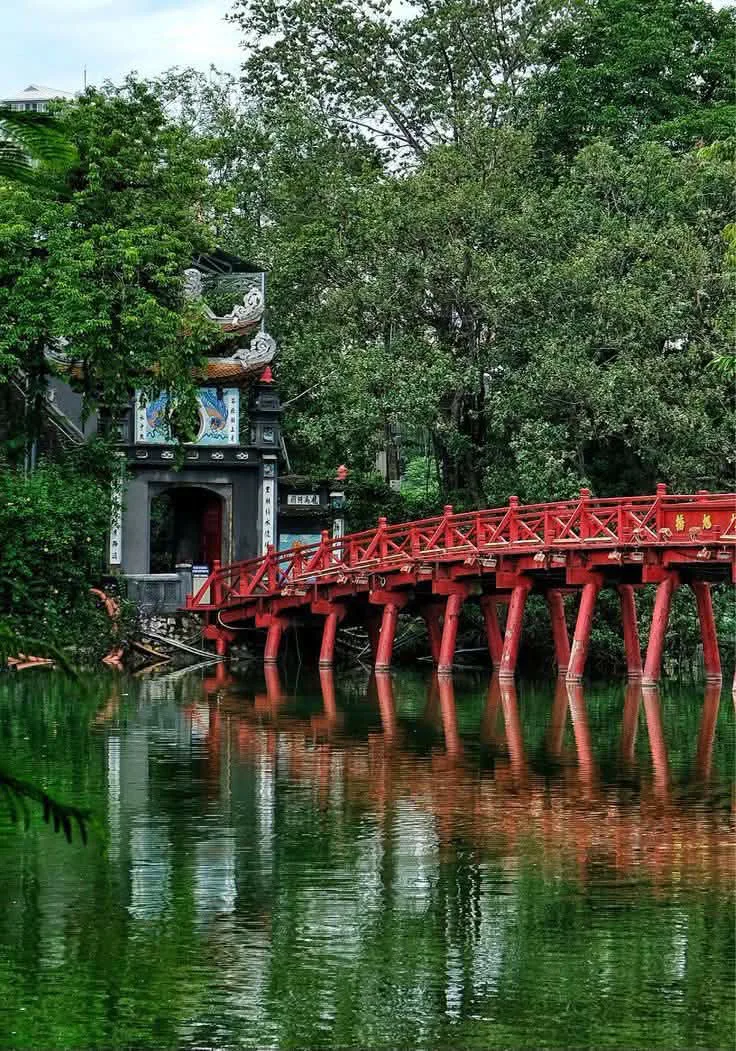
- Hoan Kiem Lake: A central and picturesque lake, perfect for a leisurely stroll, just a short walk away. It's surrounded by historical sites and vibrant street life.
- St. Joseph's Cathedral: A beautiful neo-Gothic cathedral, offering a glimpse into Hanoi's French colonial architectural heritage, located very close by.
- Old Quarter: The bustling historic heart of Hanoi, famous for its narrow streets, traditional shops, street food, and vibrant atmosphere, easily reachable on foot.
- Vietnamese Women's Museum: Another highly-regarded museum that offers a fascinating insight into the lives and roles of Vietnamese women throughout history and culture, a short distance from Hoa Lo.
- Temple of Literature & National University: Vietnam's first national university and a temple dedicated to Confucius, offering a serene and historically rich experience, a slightly longer walk or short taxi ride away.
Visiting Hoa Lo Prison Museum provides a profound understanding of Vietnam's past, making it an essential stop for anyone interested in the country's history and resilience. Its central location also allows for easy integration into a broader exploration of Hanoi's rich cultural tapestry.
Location
Plan Your Visit
Ready to experience Hoa Lo Prison Museum? Book a guided tour or get expert travel advice.
Enquire Now Browse Tours Including This Site