Temple of Literature: Vietnam's First University and Confucian Temple in Hanoi
The Temple of Literature is Hanoi's most cherished historic site, a Confucian temple and Vietnam's first university founded in 1070 AD. With five beautifully landscaped courtyards, it offers a serene journey through centuries of Vietnamese scholarship and tradition. This iconic landmark is a must-visit for anyone exploring Hanoi's rich cultural heritage.
About This Attraction
Discover the Temple of Literature: Hanoi's Ancient Heart of Learning
The Temple of Literature (Văn Miếu – Quốc Tử Giám) stands as a profound symbol of Hanoi's rich intellectual and cultural heritage. Established in 1070 AD by Emperor Ly Thanh Tong, it served initially as a Confucian temple dedicated to scholars and sages. Just six years later, in 1076, it became home to the Imperial Academy (Quốc Tử Giám), Vietnam's first national university. This dual role cemented its status as the cradle of Vietnamese education for over 700 years, shaping generations of mandarins and intellectuals who served the nation.
Nestled in the heart of Hanoi, this sprawling complex is a serene oasis of traditional Vietnamese architecture, meticulously maintained gardens, and ancient trees. Visitors are invited to step back in time, exploring five distinct courtyards, each offering a unique glimpse into the country's revered past. It's not merely a historical site but a living testament to the enduring value placed on learning and moral cultivation in Vietnamese society.
Historical Significance and Enduring Legacy
The Temple of Literature's significance extends far beyond its architectural beauty. It represents the profound influence of Confucianism on Vietnamese governance and social structure. For centuries, it was the primary institution for educating the nation's elite, preparing them for rigorous imperial examinations that determined their entry into the civil service. Success in these exams was a path to prestige and power, and the Temple of Literature was at the heart of this meritocratic system.
The institution fostered a deep respect for scholarship and moral integrity, principles that continue to resonate in modern Vietnam. Even today, students often visit the temple before important exams, seeking good fortune and inspiration from the spirits of past scholars. It stands as a powerful reminder of Vietnam's long and proud tradition of intellectual pursuit and its commitment to education as a cornerstone of national development.
Exploring the Five Courtyards: A Journey Through Time
The Temple of Literature is thoughtfully laid out in five distinct courtyards, each separated by majestic gates, guiding visitors through a symbolic journey from the mundane to the sacred, from initial learning to ultimate wisdom.
First Courtyard: The Gate of Great Synthesis
Upon entering the main gate, visitors find themselves in the First Courtyard, known as the Dai Trung Mon (Gate of Great Synthesis). This spacious area is flanked by two smaller gates, Thanh Duc Mon (Gate of Attained Virtue) and Dat Tai Mon (Gate of Achieved Talent), symbolizing the virtues required for scholarly pursuit. Lush gardens and ancient trees create a tranquil atmosphere, setting the tone for the historical exploration ahead.
Second Courtyard: The Constellation of Literature
Passing through the Dai Mon (Great Gate), you enter the Second Courtyard, dominated by the iconic Khue Van Cac (Constellation of Literature Pavilion). This elegant, two-tiered wooden pavilion, built in 1802, is a symbol of Hanoi itself and represents the beauty and brilliance of Vietnamese literature. Its four circular windows are said to symbolize the stars and the pursuit of knowledge. Flanking the pavilion are two smaller gates, Bi Van Mon (Gate of Glorious Literature) and Suc Van Mon (Gate of Refined Literature), further emphasizing the scholarly theme.
Third Courtyard: The Stelae of Doctors
The Third Courtyard is arguably the most historically significant. Here, you'll find the Stelae of Doctors, a collection of 82 stone tablets mounted on the backs of stone turtles. These stelae record the names, birthplaces, and achievements of successful candidates in the royal examinations held between 1442 and 1779. Each turtle, a symbol of longevity and wisdom in Vietnamese culture, supports a stele, honoring the scholars who contributed to the nation's intellectual prowess. Studying these intricate carvings offers a tangible connection to Vietnam's academic past.
Fourth Courtyard: The Great House of Success
Beyond the Third Courtyard lies the Dai Thanh Mon (Gate of Great Success), leading to the Fourth Courtyard. This area houses the House of Ceremonies and the Great House of Success (Dai Bai Duong and Dai Thanh Dien). The Great House of Success is the main sanctuary, dedicated to Confucius and his four principal disciples, along with ten revered Vietnamese scholars. Visitors can observe altars and intricate carvings, reflecting the profound respect for Confucian teachings that permeated Vietnamese society.
Fifth Courtyard: The Imperial Academy
The final courtyard, accessed through the Thai Hoc Mon (Gate of the Imperial Academy), is home to the Imperial Academy (Quoc Tu Giam). While the original academy was destroyed, the current structure is a faithful reconstruction from 2000. It features a bell tower, a drum tower, and a large hall housing statues of Confucius, Chu Van An (a revered rector of the academy), and other prominent scholars. This courtyard also includes exhibition rooms detailing the history of the academy and Vietnamese education, providing valuable context to the entire complex.
Practical Tips for Your Visit
- Dress Respectfully: As a sacred site, it is advisable to dress modestly, covering shoulders and knees.
- Best Time to Visit: Early mornings or late afternoons are ideal to avoid crowds and the midday heat, especially during warmer months. The tranquil atmosphere is best enjoyed when it's less busy.
- Photography: Photography is generally permitted, but always be respectful of other visitors and any ongoing ceremonies.
- Duration: Allocate at least 1.5 to 2 hours to fully explore all five courtyards and absorb the historical ambiance.
- Footwear: Wear comfortable shoes as you will be doing a fair amount of walking on uneven surfaces.
Nearby Attractions to Enhance Your Hanoi Exploration
The Temple of Literature is conveniently located, making it easy to combine your visit with other significant Hanoi landmarks:
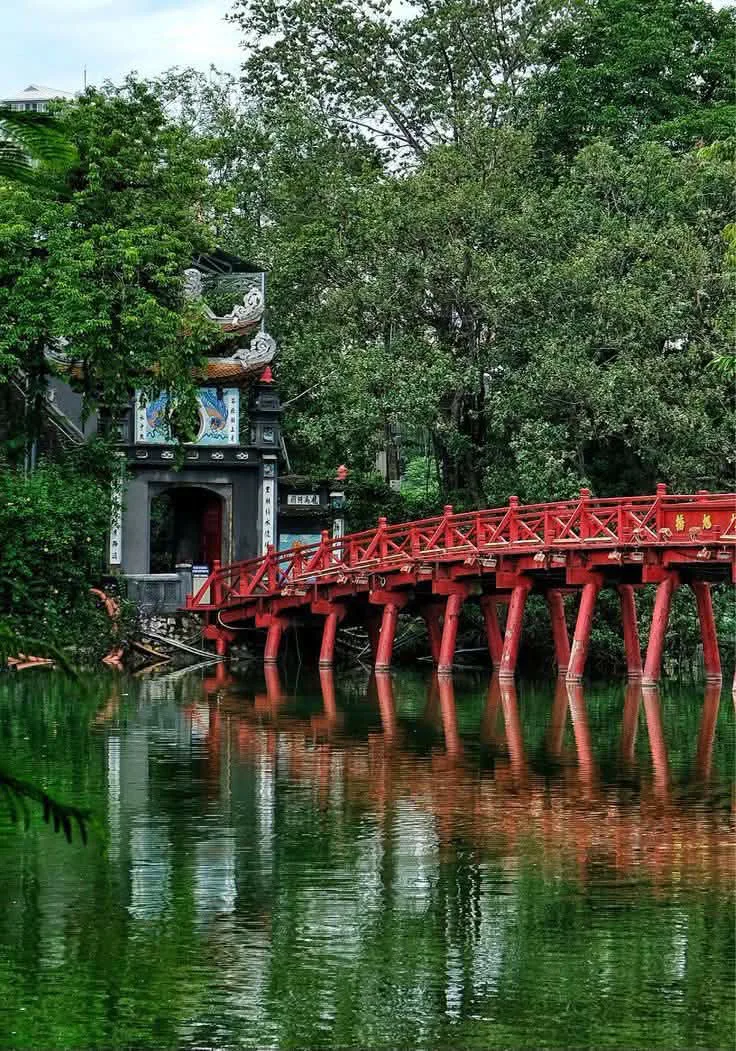
- Hoan Kiem Lake and Ngoc Son Temple: A short drive or pleasant walk will take you to the iconic Hoan Kiem Lake, a central hub of Hanoi, and the beautiful Ngoc Son Temple on an island in the lake.
- Ho Chi Minh Mausoleum Complex: This significant historical area, including the Mausoleum, One Pillar Pagoda, and Ho Chi Minh's Stilt House, is relatively close and offers further insight into modern Vietnamese history.
- Imperial Citadel of Thang Long: Explore the ancient heart of Hanoi's political power, a UNESCO World Heritage site with archaeological remains and historical buildings.
- Old Quarter: Immerse yourself in the bustling streets, traditional shops, and vibrant street food scene of Hanoi's historic Old Quarter.
A visit to the Temple of Literature offers a profound connection to Vietnam's past, providing a tranquil and educational experience that is essential for any traveler seeking to understand the soul of Hanoi.
Location
Plan Your Visit
Ready to experience Temple of Literature? Book a guided tour or get expert travel advice.
Enquire Now Browse Tours Including This Site