Royal Palace Phnom Penh: A Majestic Heart of Cambodian Heritage
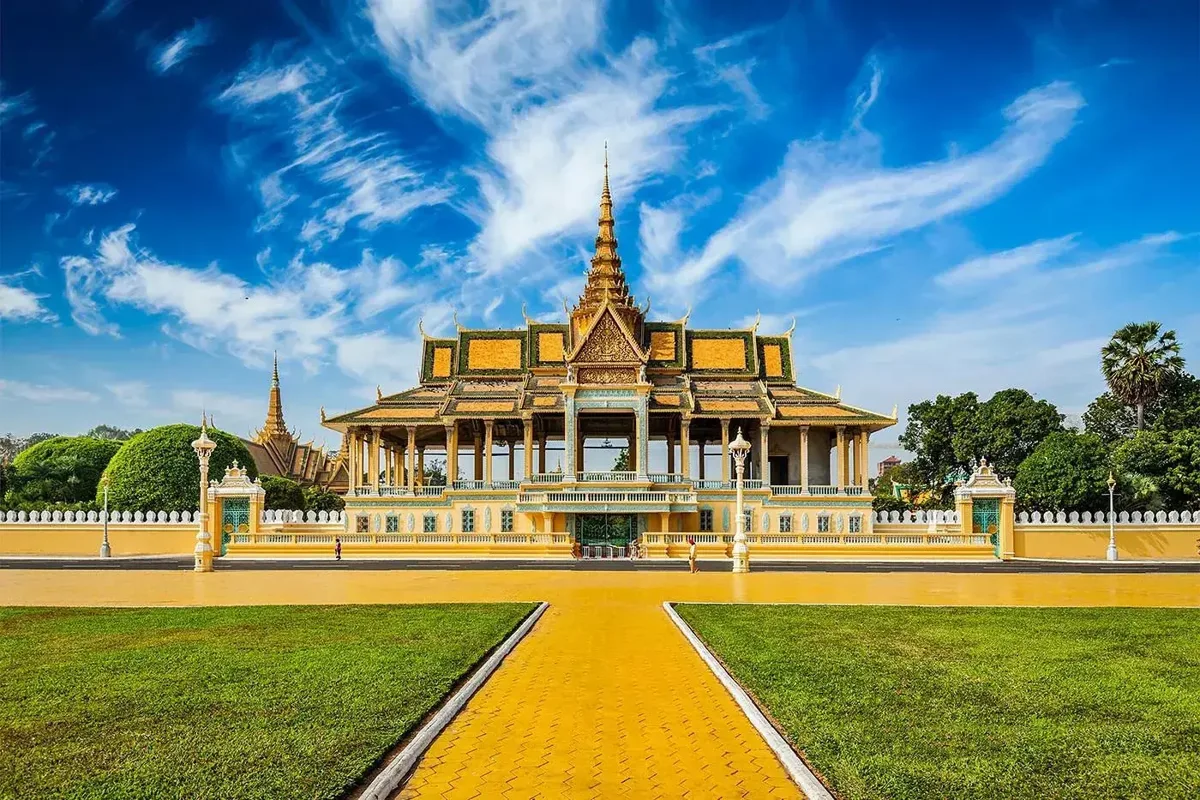
The Royal Palace stands as Phnom Penh's most iconic landmark, an outstanding example of traditional Khmer architecture. Serving as the official residence of the Cambodian king, this magnificent complex showcases a rich blend of history, culture, and royal grandeur. Visitors can explore its stunning grounds and various structures, offering a glimpse into Cambodia's regal past and present.
About This Attraction
Overview of the Royal Palace Phnom Penh
The Royal Palace in Phnom Penh stands as a magnificent testament to Cambodia's rich history and enduring monarchy. Situated on the western bank of the Tonlé Sap River, a tributary of the Mekong, this sprawling complex has served as the official residence of the Kings of Cambodia since it was constructed in the mid-19th century. Its distinctive golden spires and intricate Khmer-style roofs are an unmistakable feature of the city's skyline, drawing visitors from across the globe to witness its grandeur.
Built by King Norodom, the palace complex was designed to reflect traditional Khmer architectural principles, blending functionality with profound symbolic meaning. It is not merely a collection of buildings but a living symbol of the nation's heritage, where royal ceremonies and state functions continue to take place. While certain areas remain private as the King's residence, a significant portion of the grounds and several key structures are accessible to the public, offering a unique window into Cambodian royal life and culture.
Significance and History
The Royal Palace holds immense cultural and historical significance for Cambodia. Its construction marked a pivotal moment in the nation's history, establishing a permanent royal seat in Phnom Penh after centuries of shifting capitals. The architectural style is deeply rooted in classical Khmer tradition, reminiscent of the grand temples of Angkor, yet adapted to the needs of a modern monarchy. Each building within the complex tells a story, from the grandeur of the Throne Hall to the spiritual serenity of the Silver Pagoda.
Beyond its architectural beauty, the palace complex embodies the spiritual and political heart of Cambodia. It is a place where ancient traditions are upheld, and the continuity of the Cambodian monarchy is celebrated. The careful preservation of its structures and artifacts ensures that future generations can connect with their royal past and appreciate the artistic achievements of their ancestors. Visiting the Royal Palace is therefore not just a sightseeing trip, but an immersion into the very essence of Cambodian identity.
The Visitor Experience
Upon entering the Royal Palace grounds, visitors are immediately struck by the serene atmosphere and the meticulous landscaping. Manicured gardens, vibrant tropical plants, and elegant pathways guide you through the various courtyards. The air is often filled with the gentle rustle of leaves and the distant sounds of the city, creating a tranquil oasis amidst the urban bustle of Phnom Penh.
The experience is one of discovery, as you move from one ornate pavilion to another, each revealing unique architectural details and historical narratives. The gilded roofs shimmer under the Cambodian sun, and the intricate carvings on the walls and pillars showcase the exceptional craftsmanship of Khmer artisans. While some areas require respectful silence, others invite contemplation, allowing visitors to absorb the rich cultural tapestry woven into every corner of this royal domain. It's an opportunity to witness firsthand the splendor and dignity associated with the Cambodian monarchy.
Highlights of the Royal Palace Complex
- The Throne Hall (Preah Tineang Tevea Vinichhay): This majestic building is the most prominent structure within the complex, easily recognizable by its towering spire. It serves as the venue for coronations, royal ceremonies, and official receptions. Its interior is lavishly decorated, reflecting the grandeur befitting a royal court.
- The Silver Pagoda (Wat Preah Keo Morakot): Officially known as Wat Preah Keo Morakot, or the Temple of the Emerald Buddha, this pagoda is renowned for its floor, which is covered with over 5,000 silver tiles, each weighing more than a kilogram. Inside, visitors can marvel at the life-sized solid gold Buddha statue adorned with 9,584 diamonds, and a smaller 17th-century Baccarat crystal Buddha (the Emerald Buddha). It functions as a royal temple, not a monastery, and houses many precious Buddhist artifacts.
- Khemarin Palace: This is the actual residence of the King of Cambodia and is not open to the public. It is situated to the north of the Throne Hall.
- Phochani Pavilion: An open-air pavilion used for royal dances and theatrical performances. Its design allows for grand spectacles to be viewed by royal guests.
- Hor Samran Phirun: This building served as a resting place for the King's palanquin and a reception area for foreign dignitaries.
- Damnak Chan: An administrative building within the palace grounds.
- Royal Stupas: Several stupas dot the complex, containing the ashes of former kings and members of the royal family, serving as memorials.
- Gardens and Courtyards: The beautifully maintained gardens provide a tranquil setting, featuring fountains, statues, and exotic flora, perfect for a leisurely stroll.
Practical Tips for Visiting
To ensure a respectful and enjoyable visit to the Royal Palace, consider the following practical advice:
- Dress Code: As a sacred and royal site, visitors are required to dress modestly. Shoulders and knees must be covered. Sleeveless tops, shorts, and short skirts are not permitted. It is advisable to wear light, breathable clothing that adheres to these guidelines.
- Footwear: You will be required to remove your shoes before entering certain buildings, particularly the Silver Pagoda. Wearing slip-on shoes or sandals can make this process easier.
- Photography: Photography is generally allowed in the exterior areas and gardens. However, it is strictly prohibited inside the buildings, especially within the Throne Hall and the Silver Pagoda, to protect the artifacts and maintain the sanctity of the spaces. Always look for signs or ask staff if unsure.
- Best Time to Visit: To avoid the midday heat and larger crowds, consider visiting in the early morning shortly after opening or in the late afternoon. The light during these times is also often more favorable for photography.
- Respectful Conduct: Remember that you are visiting an active royal residence and a place of worship. Maintain a respectful demeanor, speak softly, and follow all instructions from palace staff.
Nearby Places of Interest
The Royal Palace's central location in Phnom Penh makes it an excellent starting point for exploring other significant attractions in the city:
- National Museum of Cambodia: Located just a short walk north of the Royal Palace, this museum houses an impressive collection of Khmer art, including sculptures, ceramics, and ethnographic objects, offering deeper insights into Cambodia's cultural heritage.
- Wat Phnom: Situated on a hill, Wat Phnom is a historic Buddhist temple and the tallest religious structure in the city. It is considered the birthplace of Phnom Penh and offers panoramic views of the surrounding area.
- Riverside Area (Sisowath Quay): Stretching along the Tonlé Sap and Mekong Rivers, the riverside promenade is a vibrant hub with numerous restaurants, cafes, and shops. It's a popular spot for evening strolls and offers picturesque views of the river activities.
- Central Market (Phsar Thmey): Housed in a distinctive Art Deco building, the Central Market is a bustling marketplace where you can find everything from jewelry and souvenirs to clothing and fresh produce. It's an excellent place to experience local life and perhaps find unique gifts.
Location
Plan Your Visit
Ready to experience Royal Palace Phnom Penh? Book a guided tour or get expert travel advice.
Enquire Now Browse Tours Including This Site