Tuol Sleng Genocide Museum Phnom Penh: A Somber Journey Through Cambodia's Past
Tuol Sleng (S-21) is a profoundly sobering site in Phnom Penh, Cambodia, serving as a stark reminder of the Khmer Rouge regime's atrocities. This former high school was transformed into a notorious interrogation and detention center where over 14,000 victims were imprisoned, tortured, and ultimately killed. A visit offers a crucial, albeit difficult, insight into a dark chapter of Cambodian history.
About This Attraction
Overview of Tuol Sleng Genocide Museum
The Tuol Sleng Genocide Museum, formerly known as Security Prison 21 (S-21), stands as a chilling testament to the brutal atrocities committed by the Khmer Rouge regime in Cambodia. Located in the heart of Phnom Penh, this site was once a high school, a place of learning and growth. However, under the Pol Pot regime, it was transformed into the largest and most notorious interrogation and detention center in the country. Between 1975 and 1979, an estimated 14,000 to 20,000 people were imprisoned here, subjected to unimaginable torture, and ultimately sent to their deaths, primarily at the Choeung Ek extermination camp, also known as the Killing Fields.
A visit to Tuol Sleng is a profoundly moving and often disturbing experience, offering a stark and unvarnished look into one of the darkest chapters of human history. It serves not only as a memorial to the victims but also as a vital educational institution, ensuring that the lessons of the past are never forgotten.
The Significance of Tuol Sleng (S-21)
Tuol Sleng's significance lies in its role as a central cog in the Khmer Rouge's machinery of terror. The regime, led by Pol Pot, sought to create an agrarian socialist utopia, which involved purging Cambodian society of perceived enemies, including intellectuals, professionals, ethnic minorities, and anyone suspected of disloyalty. S-21 was where these "enemies" were brought for interrogation and "re-education."
The meticulous record-keeping by the Khmer Rouge at S-21, including detailed confessions, photographs of prisoners, and administrative documents, provides irrefutable evidence of the genocide. These records, now preserved at the museum, offer invaluable insights into the regime's ideology, methods, and the sheer scale of its brutality. The museum plays a critical role in preserving the memory of the victims and educating both Cambodians and international visitors about the dangers of extremism and political violence.
The Visitor Experience at Tuol Sleng
Upon entering the museum, visitors are immediately confronted with the grim reality of S-21. The former classrooms have been converted into small, brick cells or interrogation rooms. The atmosphere is heavy with the weight of history, and a sense of profound sadness permeates the air.
Exploring the Buildings
- Building A: This building houses the individual cells where high-value prisoners were kept. Iron beds, often with shackles, remain as they were found, providing a stark visual of the conditions.
- Building B: Here, visitors can see the infamous mugshot gallery, featuring thousands of black-and-white photographs of the victims. Each face tells a silent story of fear and despair, humanizing the immense statistics of the genocide.
- Building C: This building contains larger communal cells and various torture instruments. Diagrams depicting the methods of torture used are also on display, though these are often difficult to view.
- Building D: This section focuses on the administrative aspects of S-21, including the rules and regulations for prisoners, as well as portraits of the Khmer Rouge cadres who ran the prison.
Throughout the museum, informative panels provide historical context and personal testimonies. Audio guides are often available and highly recommended, offering detailed narratives and survivor accounts that deepen the understanding of the site's history.
Highlights and Exhibits
While the entire museum is a powerful experience, certain exhibits stand out:
- The Mugshot Gallery: The sheer volume of photographs, each a unique individual, is incredibly impactful. It's a powerful reminder of the human cost of the regime.
- Survivor Testimonies: The stories of the few survivors of S-21 are harrowing yet inspiring. Their resilience and willingness to share their experiences are crucial for understanding the human spirit in the face of extreme adversity.
- The Art of Vann Nath: Vann Nath was one of the few survivors of S-21, spared because of his artistic skills, which the Khmer Rouge exploited to paint portraits of Pol Pot. His paintings, depicting the horrors he witnessed, are displayed in the museum and offer a unique, first-hand artistic interpretation of the atrocities.
Practical Tips for Visiting
A visit to Tuol Sleng requires emotional preparation. It is a somber and challenging experience, but one that many find essential for understanding Cambodia's past.
- Dress Code: As a site of immense historical and cultural significance, it is respectful to dress modestly.
- Time Allocation: Allow at least two to three hours to explore the museum thoroughly and absorb the information.
- Audio Guide: Consider renting an audio guide. It provides invaluable context and personal stories that enhance the visit significantly.
- Emotional Impact: Be prepared for a deeply emotional experience. The exhibits are graphic and the stories are heartbreaking.
- Location: The museum is located on Street 113, Phnom Penh, making it accessible from most parts of the city.
It is important to maintain a respectful demeanor throughout your visit, refraining from loud conversations or inappropriate photography.
Nearby Places of Interest
Phnom Penh offers several other significant sites that can be visited in conjunction with Tuol Sleng, providing a broader understanding of Cambodian history and culture:
- Choeung Ek Genocidal Center (The Killing Fields): Often visited after Tuol Sleng, Choeung Ek is the primary extermination camp where most S-21 prisoners were taken to be killed. A combined visit offers a complete picture of the Khmer Rouge's systematic brutality.
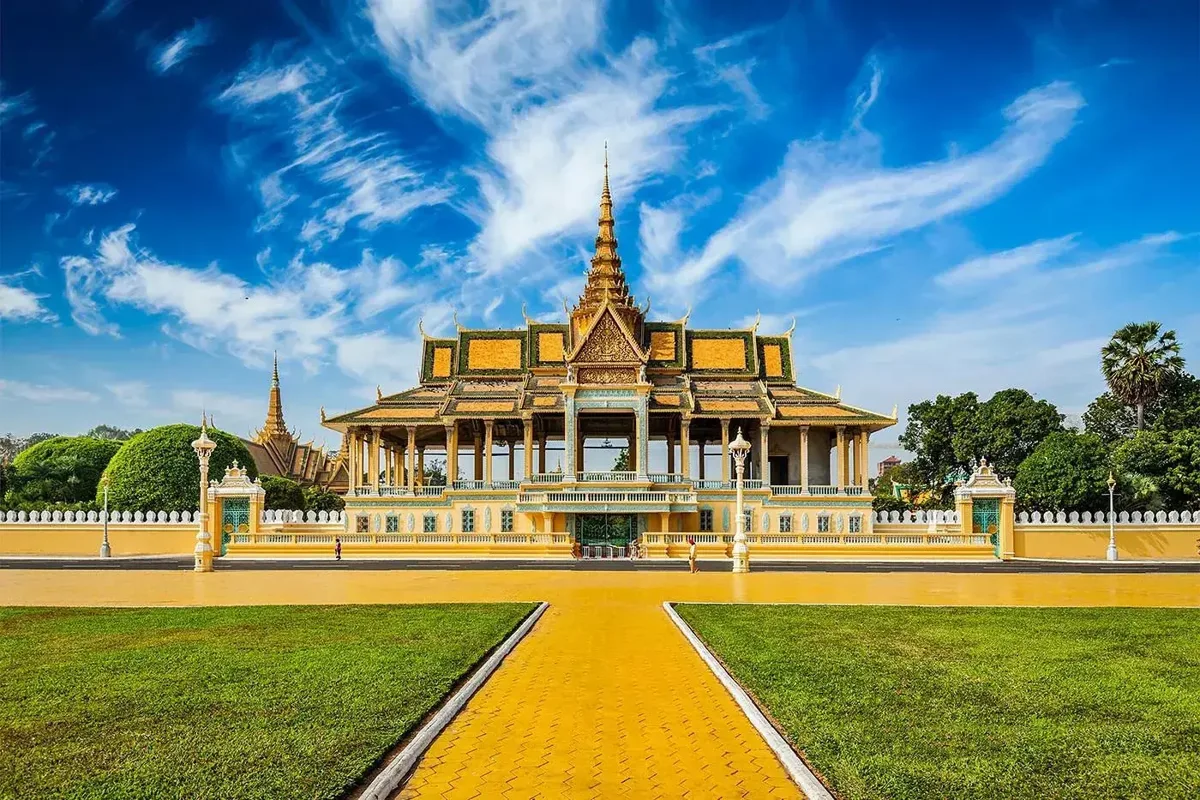
- Royal Palace and Silver Pagoda: These iconic landmarks showcase Cambodia's royal heritage and stunning architecture, offering a contrast to the somber history of Tuol Sleng.
- National Museum of Cambodia: Home to a vast collection of Khmer art, including sculptures from Angkorian temples, this museum provides insight into Cambodia's rich ancient history.
- Wat Phnom: The city's namesake temple, Wat Phnom offers a peaceful escape and panoramic views of the city.
Visiting Tuol Sleng Genocide Museum is a powerful and necessary journey for anyone seeking to understand the resilience of the Cambodian people and the profound impact of its recent history. It is a place of remembrance, education, and a solemn reminder of the importance of peace and human rights.
Location
Plan Your Visit
Ready to experience Tuol Sleng Genocide Museum Phnom Penh? Book a guided tour or get expert travel advice.
Enquire Now Browse Tours Including This Site