Discover the Silver Pagoda in Phnom Penh: Cambodia's Royal Temple
The Silver Pagoda (Wat Preah Keo) is Cambodia's most precious temple, named for its 5,000 silver floor tiles. Located within the Royal Palace compound in Phnom Penh, it houses a revered 17th-century Emerald Buddha and a diamond-encrusted golden statue, offering a glimpse into Khmer religious artistry and royal heritage.
About This Attraction
Discover the Sacred Beauty of Silver Pagoda in Phnom Penh
Nestled within the majestic Royal Palace compound in Phnom Penh, the Silver Pagoda, officially known as Wat Preah Keo or the Temple of the Emerald Buddha, stands as a testament to Cambodia's rich cultural and religious heritage. It is not merely a place of worship but a repository of invaluable national treasures, reflecting centuries of Khmer artistry and devotion. This revered temple offers visitors a profound insight into the spiritual heart of the Cambodian monarchy and its enduring Buddhist traditions.
Historical and Cultural Significance
The Silver Pagoda's history is deeply intertwined with the Cambodian royal family. Originally constructed in 1892 as a wooden temple, it was magnificently rebuilt in 1962 by King Norodom Sihanouk. Unlike many other temples, the Silver Pagoda does not house resident monks; instead, it serves as the monarch's own temple, used for various royal ceremonies and rituals. Its primary function has always been to preserve and display the kingdom's most sacred and valuable Buddhist artifacts, making it a unique institution within Cambodian Buddhism.
The temple's popular name, "Silver Pagoda," derives from its extraordinary floor. The entire floor of the main chapel is covered with 5,000 gleaming silver tiles, each weighing over a kilogram. This opulent feature immediately distinguishes it and contributes to its reputation as one of the most precious temples in Southeast Asia. Beyond its material wealth, the pagoda symbolizes the spiritual wealth and resilience of the Cambodian people.
An Unforgettable Experience
A visit to the Silver Pagoda is an immersive journey into a world of intricate detail and profound spirituality. As you step into the Royal Palace compound and approach the pagoda, you are greeted by meticulously maintained gardens and traditional Khmer architecture. The atmosphere is one of serene reverence, inviting contemplation and appreciation for the craftsmanship on display. While the main chapel's interior often has restricted access for photography to preserve its delicate treasures, the visual impact of the artifacts and the sheer scale of the silver floor are truly captivating.
Highlights of the Silver Pagoda
The Dazzling Silver Floor
The most striking feature, and the origin of its common name, is undoubtedly the floor of the main vihara. Comprising 5,000 solid silver tiles, each weighing approximately 1.125 kilograms, the floor creates a shimmering expanse that reflects light beautifully. Although much of it is covered by carpets to protect it, visitors can often see sections of these magnificent tiles, offering a glimpse into the temple's extraordinary opulence.
The Emerald Buddha (Preah Keo Morakot)
At the heart of the Silver Pagoda's spiritual significance is the revered Emerald Buddha, known locally as Preah Keo Morakot. This exquisite statue, made of Baccarat crystal, is believed to date back to the 17th century. It sits atop an elaborate gilded pedestal, radiating a serene presence. Despite its name, the statue is not made of emerald but rather a precious green crystal, symbolizing purity and spiritual enlightenment. It is one of Cambodia's most sacred national treasures.
The Golden Maitreya Buddha
Another breathtaking highlight is the life-sized golden Buddha statue, cast in 1906, which depicts the Maitreya Buddha, the Buddha of the future. This magnificent statue weighs 90 kilograms and is adorned with an astonishing 9,584 diamonds, the largest of which is 25 carats. Commissioned by King Sisowath, it stands as a brilliant example of royal patronage and artistic excellence, symbolizing hope and prosperity for the kingdom.
Other Sacred Artifacts and Artistry
Beyond these primary treasures, the Silver Pagoda houses numerous other Buddha statues made from various precious materials, including bronze, silver, and gold. The walls surrounding the temple's compound are adorned with a remarkable mural depicting the Reamker, the Cambodian version of the Ramayana epic. This extensive fresco, painted in the early 20th century, provides a vibrant narrative of ancient Hindu mythology, offering a rich cultural context to the Buddhist temple. While parts of the mural have faded over time, efforts are ongoing to preserve this invaluable piece of Cambodian art.
The exterior grounds also feature several stupas containing the ashes of former kings, including King Norodom and King Ang Duong, adding to the site's historical depth and royal connections. The surrounding gardens are beautifully landscaped, providing a tranquil setting for reflection.
Architecture and Design
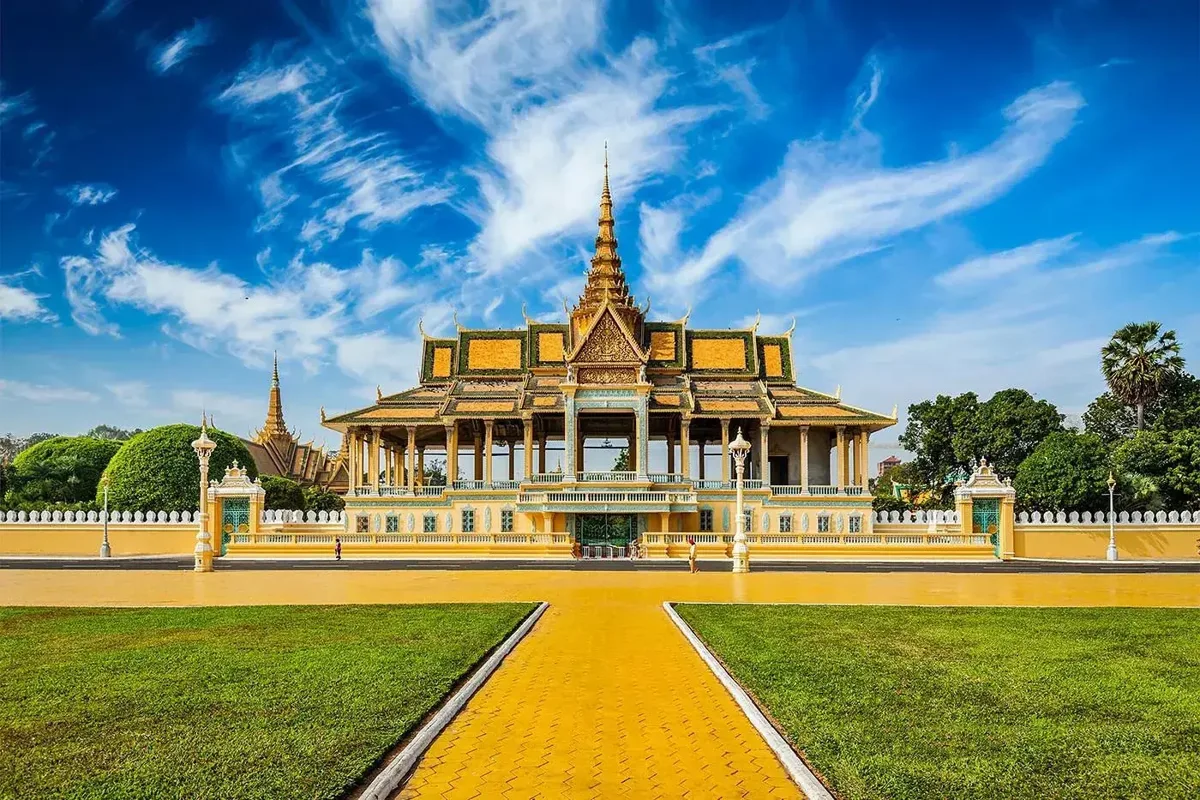
The Silver Pagoda exemplifies classical Khmer temple architecture, characterized by its multi-tiered roofs, ornate gables, and intricate carvings. The main chapel is elevated on a platform, accessible by grand staircases, and its design elements reflect a blend of traditional Cambodian aesthetics with influences from other regional styles. The use of vibrant colors, gold leaf, and precious materials throughout the complex underscores its royal status and spiritual importance. Every detail, from the Naga balustrades to the guardian statues, contributes to the pagoda's majestic and sacred ambiance.
Practical Tips for Visitors
- Dress Code: As a sacred site, visitors are required to dress modestly. Shoulders and knees must be covered. It is advisable to wear comfortable, respectful clothing.
- Footwear: You will be asked to remove your shoes before entering the main chapel, so wear footwear that is easy to slip on and off.
- Photography: Photography is generally permitted in the exterior areas of the Royal Palace compound and the Silver Pagoda grounds. However, it is often prohibited inside the main chapel to protect the artifacts and maintain reverence. Please observe all signage regarding photography restrictions.
- Respectful Behavior: Maintain a quiet and respectful demeanor throughout your visit. Avoid touching any artifacts or murals.
- Best Time to Visit: To avoid the midday heat and larger crowds, consider visiting in the early morning or late afternoon.
- Location: The Silver Pagoda is located within the Royal Palace Compound, which is centrally situated in Phnom Penh, making it easily accessible.
Nearby Places of Interest
Your visit to the Silver Pagoda can be complemented by exploring other significant attractions in its immediate vicinity:
- The Royal Palace: The Silver Pagoda is an integral part of the Royal Palace complex, which serves as the official residence of the King of Cambodia. While some areas are private, many sections, including the Throne Hall and the Moonlight Pavilion, are open to the public, offering further insights into Cambodian royalty.
- National Museum of Cambodia: Located just a short walk north of the Royal Palace, the National Museum houses an extensive collection of Khmer art, including sculptures, ceramics, and ethnographic objects from various periods of Cambodian history. It provides an excellent context for understanding the artistic traditions seen in the pagoda.
- Sisowath Quay (Riverside): A vibrant promenade along the Tonle Sap and Mekong Rivers, Sisowath Quay is perfect for a leisurely stroll, enjoying local street food, or relaxing at one of the many cafes and restaurants. It offers beautiful river views and a lively atmosphere, especially in the evenings.
The Silver Pagoda stands as a magnificent symbol of Cambodia's enduring faith and artistic legacy. Its glittering floors, precious Buddha statues, and rich history make it an essential stop for anyone seeking to understand the heart and soul of Phnom Penh.
Location
Plan Your Visit
Ready to experience Silver Pagoda Phnom Penh? Book a guided tour or get expert travel advice.
Enquire Now Browse Tours Including This Site