
Traveling to Vietnam during Tet, the Lunar New Year festival, presents a distinctive opportunity to witness the nation's most important annual celebration. While this period is rich with cultural activities and family gatherings, visitors should be aware of specific considerations regarding service availability, potential crowds, and local customs. Understanding these aspects will help ensure a smoother and more enriching travel experience.
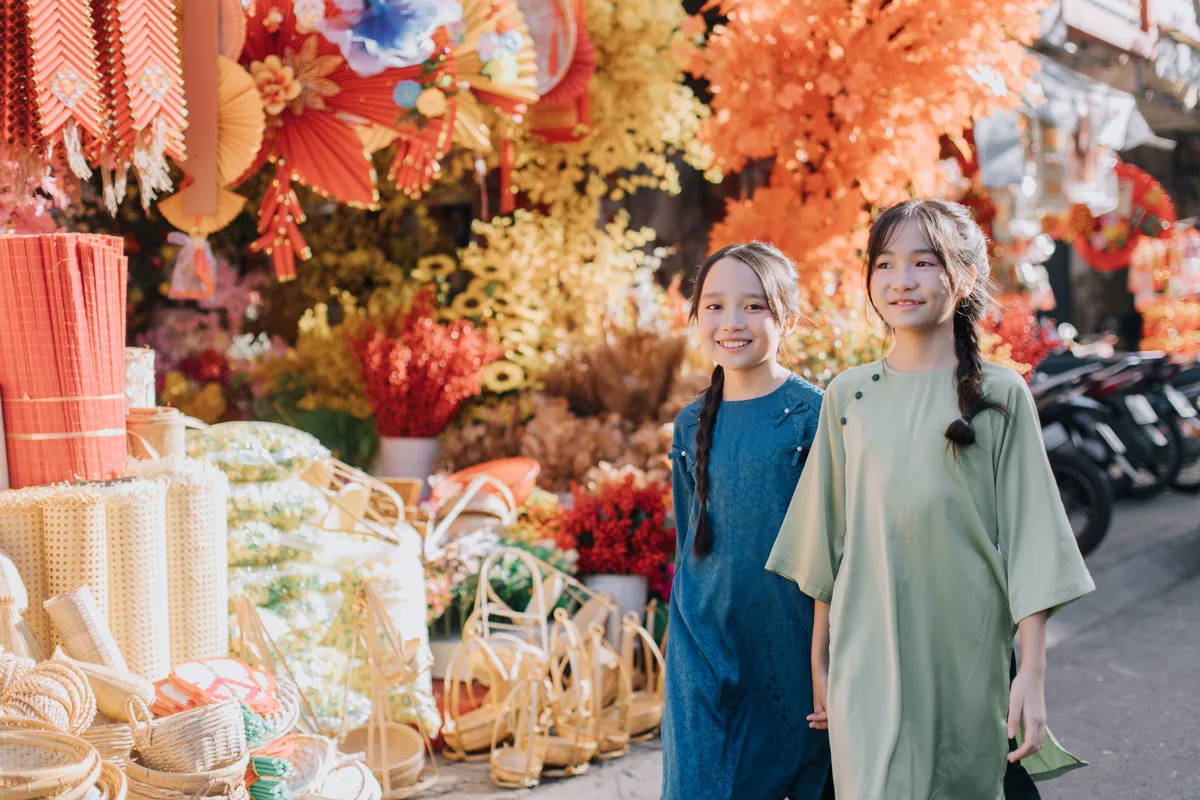
Understanding Tet: Vietnam's Lunar New Year Celebration
Tet, officially known as Tết Nguyên Đán, stands as the most significant and widely observed holiday in Vietnam. It marks the arrival of spring based on the lunisolar calendar, serving as a pivotal time for family reunions, ancestral worship, and hopes for good fortune in the coming year. Beyond its religious and cultural importance, Tet also provides a crucial period for relaxation and spending time with loved ones after a year of work.
The timing of Tet aligns with the beginning of the lunar new year, typically falling between late January and early February in the Western calendar. The entire holiday period generally spans about one week, encompassing days of preparation leading up to the main celebration and subsequent days of festivities. For instance, in 2017, the first day of the lunar new year occurred on January 28th. Travelers planning their visit should consult a current lunar calendar for precise dates, as they shift annually. To learn more about these traditions, consider reading observing Tet in Vietnam.
Impact on Services and Businesses
During the Tet holiday, many businesses across Vietnam, particularly in major urban centers like Ho Chi Minh City, observe temporary closures. This practice is rooted in Vietnamese business culture, where owners and their staff prioritize family time and traditional rituals. Closures can range from a few days to a full week, affecting various services.
Consequently, travelers may find that banks, certain accommodation options, spas, and many restaurants operate on reduced schedules or are completely closed. The services that remain open often implement higher pricing due to increased demand and holiday staffing costs. It is advisable to anticipate these changes and plan accordingly, such as withdrawing sufficient cash in advance and making reservations for dining and lodging well before arrival. For specific information about Ho Chi Minh City in January, which often coincides with Tet, further planning resources are available.
Tourist Attractions During Tet
While many local businesses pause operations, tourist attractions throughout Vietnam often experience increased activity during Tet. This phenomenon is due to several factors. Firstly, special events and cultural performances are frequently organized specifically for the holiday period, drawing both local and international visitors. Secondly, the week-long holiday provides an ideal opportunity for Vietnamese families to take domestic trips and explore their own country after completing traditional observances at home. Thirdly, Tet coincides with a popular time for international tourists to undertake longer journeys, seeking to experience the country's cultural richness at the start of a new year.
Given the potential for larger crowds at popular sites, visitors are encouraged to conduct thorough research on their chosen destinations in Vietnam before arriving during Tet. Confirming operating hours and booking tickets in advance can help mitigate delays and ensure access to desired locations. Despite the crowds, the festive atmosphere at these sites can offer a unique glimpse into Vietnamese holiday celebrations.
Navigating Safety and Crowds
The Tet period, while celebratory, can also see an increase in petty crime, such as robbery and pickpocketing. This trend is often attributed to the heightened financial needs of some individuals during the holiday season, as people spend more on house decorations and festivities. Criminals may target crowded areas, including busy streets, local markets, festivals, and even supermarkets, where tourists might be less vigilant.
To minimize risks, travelers should remain alert and take precautions to protect their valuables. It is recommended to keep important documents and large sums of cash securely stored and out of sight. When moving through dense crowds, consider wearing backpacks on your front rather than your back to deter pickpockets. Maintaining awareness of your surroundings and avoiding overtly displaying expensive items can significantly enhance personal safety during this busy time.
Embracing Tet Cultural Experiences
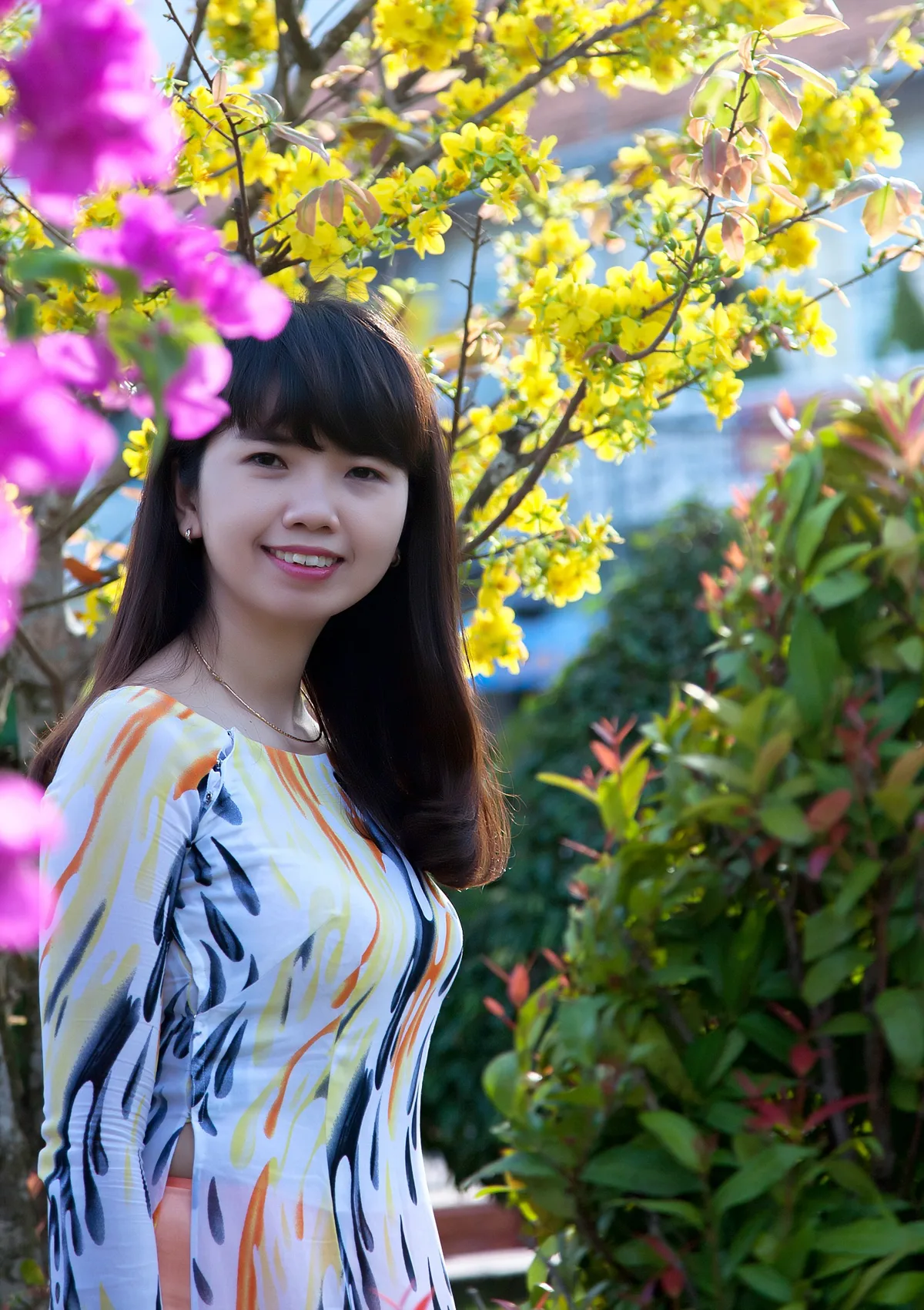
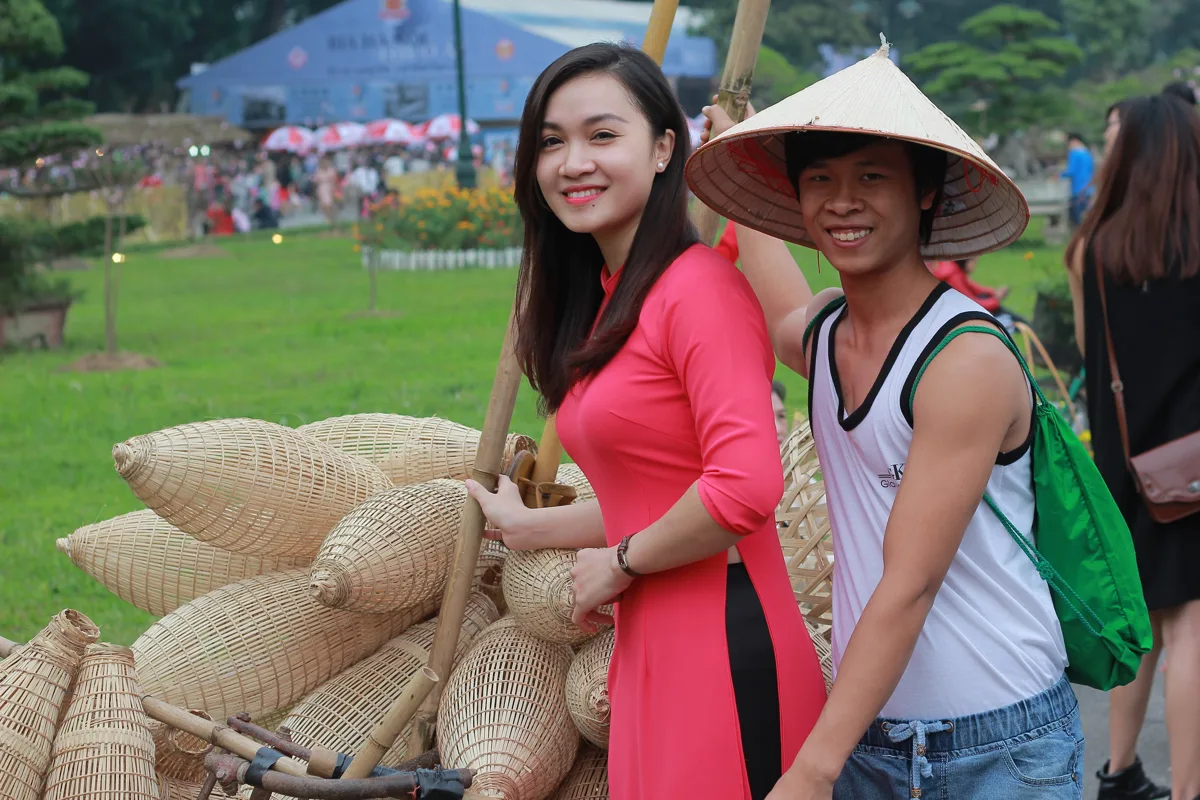
Vietnamese culture during Tet offers a distinct contrast to Western traditions, providing numerous opportunities for learning and engagement. The country transforms with unique colors and characteristics, creating an atmosphere that many describe as stepping into a different realm. For example, red and yellow are considered auspicious colors, symbolizing luck and prosperity. Consequently, homes and public spaces are adorned with these hues, and people often wear red or yellow clothing to welcome the new year.
Engaging with a Vietnamese family during Tet can be a particularly rewarding experience. Learning a few traditional greetings and wishes can foster connections and show respect for local customs. Common phrases include:
- “chúc mừng năm mới” (pronounced: chook moong numb moi), meaning “happy new year”
- “an khang thịnh vượng” (ang khang tinh vuong), conveying wishes for good health and a thriving life
- “phát tài phát lộc” (fat tai fat lock), wishing for a prosperous year
- “vạn sự như ý” (vant su nhu ee), expressing hopes that all wishes will come true
No Tet experience is complete without savoring the traditional foods prepared for the occasion. These culinary delights are central to the celebrations and offer a taste of authentic Vietnamese heritage. Dishes such as bánh chưng (a square sticky rice cake), pickled onions, boiled chicken, stuffed bitter melon soup, and pork braised in coconut juice are commonly enjoyed. For those seeking these authentic preparations, heading towards more rural areas might offer a better chance to find food traditionally prepared for the holiday, as urban eateries might be closed. Consider exploring a comprehensive cultural journey to experience more of Vietnam's rich traditions.
Practical Travel Tips for Tet
Planning ahead is key for a smooth trip during Tet. Beyond booking accommodations and transport, consider the weather conditions across the country. For instance, weather conditions across the country in January can vary significantly from north to south. It's also wise to prepare for potential language barriers and have translation apps ready. While many in tourist areas speak English, local interactions, especially in less urban settings, might require some basic Vietnamese phrases or a translation tool.
Additionally, be mindful of public transportation availability. While inter-city travel is possible, buses and trains can be fully booked, and prices for taxis or ride-sharing services may surge. If you plan to take a day trip from Ho Chi Minh City, confirm tour operator schedules and book well in advance.
Frequently Asked Questions
What are the main challenges of traveling in Vietnam during Tet?
The primary challenges include widespread business closures, increased prices for available services, larger crowds at popular attractions, and a higher risk of petty crime in crowded areas. Transportation can also be less frequent or more expensive.
Is it worth visiting Vietnam during the Tet holiday?
Despite the challenges, visiting Vietnam during Tet offers a unique cultural immersion. It's a chance to witness the country's most important festival, experience special traditions, and see cities adorned in festive decorations. For those interested in cultural experiences, it can be a very rewarding time.
How far in advance should I book accommodation and flights for Tet?
It is highly recommended to book flights and accommodation several months in advance, ideally 3-6 months prior to the holiday. This helps secure better prices and ensures availability, as many locals also travel during this period.
What kind of traditional Tet foods should I try?
Essential Tet foods include bánh chưng (sticky rice cake with pork and mung beans), dưa hành (pickled onions), gà luộc (boiled chicken), canh khổ qua nhồi thịt (stuffed bitter melon soup), and thịt kho tàu (pork braised in coconut juice). These dishes are central to the festive meals.
Are there any specific cultural etiquette tips for Tet?
When visiting homes, it's customary to bring small gifts. Avoid wearing black or white, as these colors are associated with funerals. Offer New Year wishes using phrases like “chúc mừng năm mới.” Be polite and respectful, especially when interacting with elders.








