
January offers a compelling time to visit Vietnam, showcasing the nation's distinct climatic zones in full contrast. The northern areas experience their deepest winter, while the central coast transitions into a milder, early dry season. Concurrently, the southern part of the country enjoys its most stable, warm, and agreeable period of the year. This geographical diversity allows visitors to tailor their travel plans to specific temperature preferences and activity types, whether seeking misty mountain vistas in Ha Giang, enjoying lantern-lit evenings in Hoi An, or exploring the sunny waterways of the Mekong Delta. Understanding these regional differences is essential for crafting an efficient and comfortable travel experience.
Understanding Vietnam's January Climate Zones
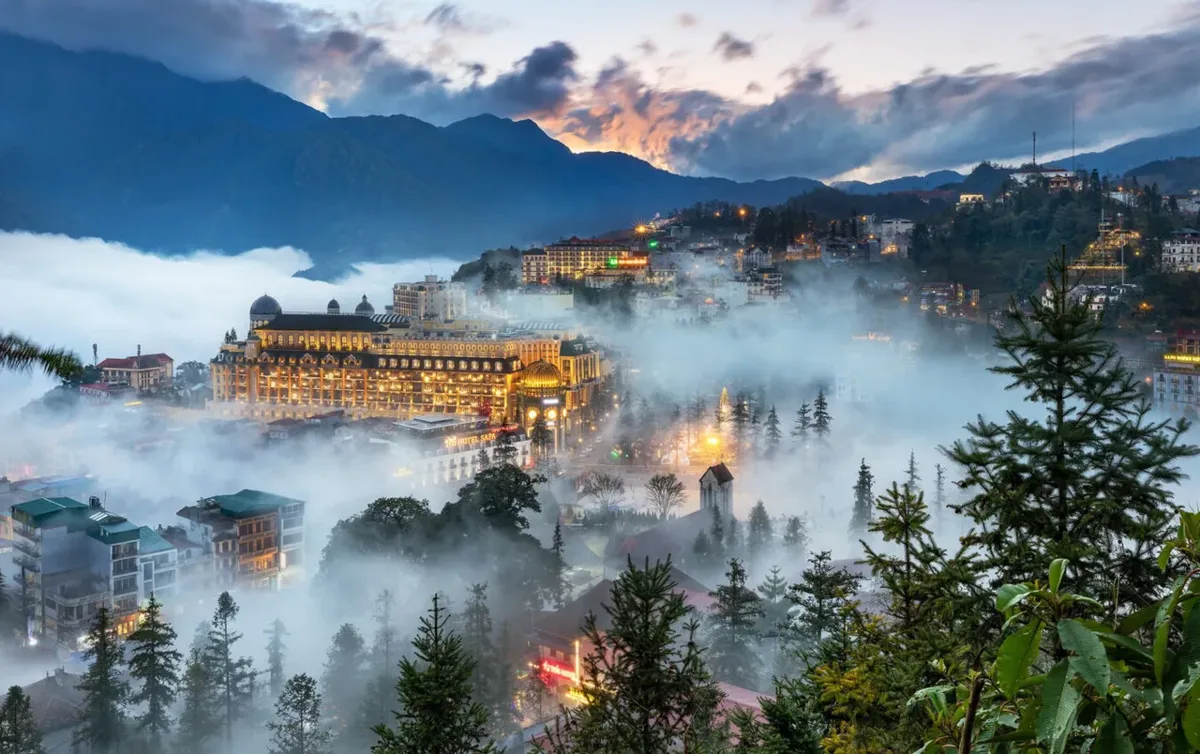
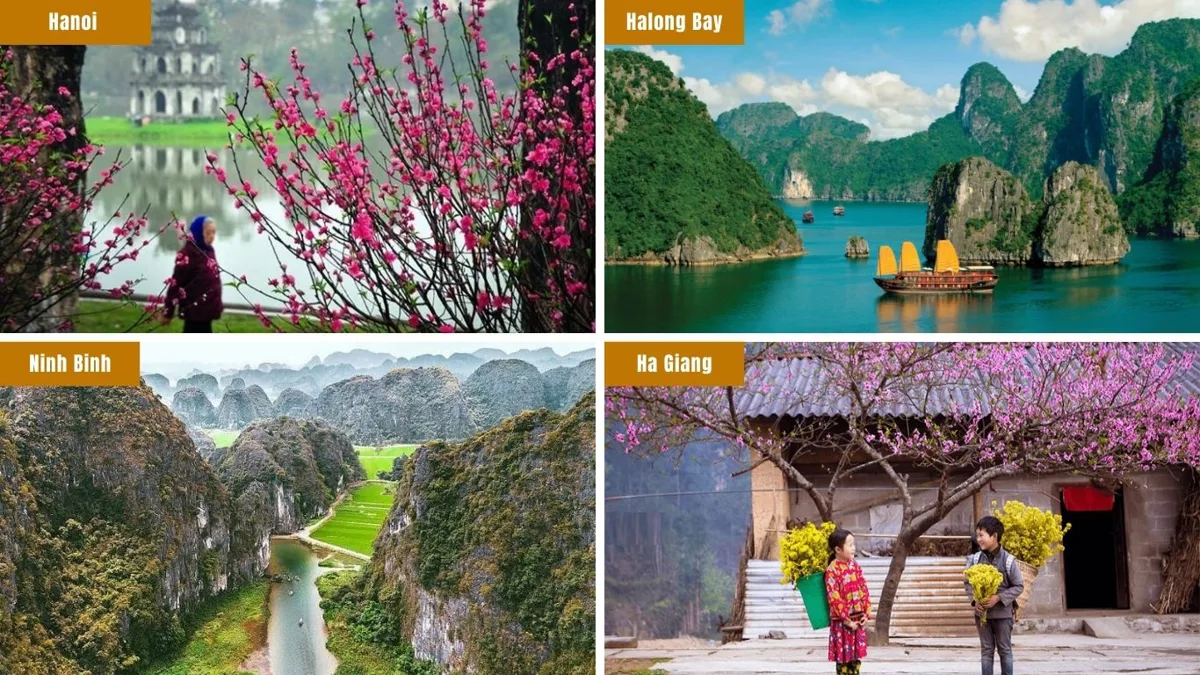
Vietnam extends over 1,600 kilometers from its northern border to its southern tip, encompassing high mountains, extensive coastlines, and tropical lowlands. This varied topography ensures that January weather differs significantly across the country. In the north, the northeast monsoon brings cool, dry air from mainland China, settling Hanoi and the Red River Delta into a calm winter period. Daytime temperatures seldom exceed 20°C, and cold fronts can lower the mercury to around 10°C, or even colder at night. Mountainous provinces like Ha Giang, Lao Cai, and Cao Bang experience even colder conditions, sometimes approaching freezing points on exposed ridges.
Central Vietnam begins its recovery from the stormy autumn months. The most intense rains have typically passed, but the first half of January may still feature cloudy or damp weather, particularly around Hue. As the month progresses, precipitation levels decrease, and sunshine becomes more prevalent. Coastal cities such as Da Nang and Hoi An gradually adopt the dry-season characteristics that many travelers anticipate. The southern region, however, is firmly within its dry season. Ho Chi Minh City, the Mekong Delta, and nearby beaches benefit from warm days, low humidity, and minimal rainfall. This area provides the most predictable climate in January, making it the easiest part of the country for fixed-date planning. These regional variations are key to designing an effective route: focus on the north for cooler air and misty scenery, the center for mild conditions and coastal towns, or the south for assured warmth and sunshine.
| Region | Typical Daytime Temperature | Typical Nighttime Temperature | Rainfall & Humidity | General Conditions |
|---|---|---|---|---|
| Northern Vietnam | 12-20°C | ~10°C (lower in mountains) | Low rainfall, high humidity (damp chill) | Cool, often misty, winter atmosphere |
| Central Vietnam | 20-24°C | ~18°C | Decreasing rainfall, moderate humidity | Mild, gradually brighter, especially mid-month |
| Southern Vietnam | 30-32°C | 22-24°C | Very low rainfall, low humidity | Warm, dry, sunny, very reliable |
Northern Vietnam: Winter Chill and Atmospheric Landscapes
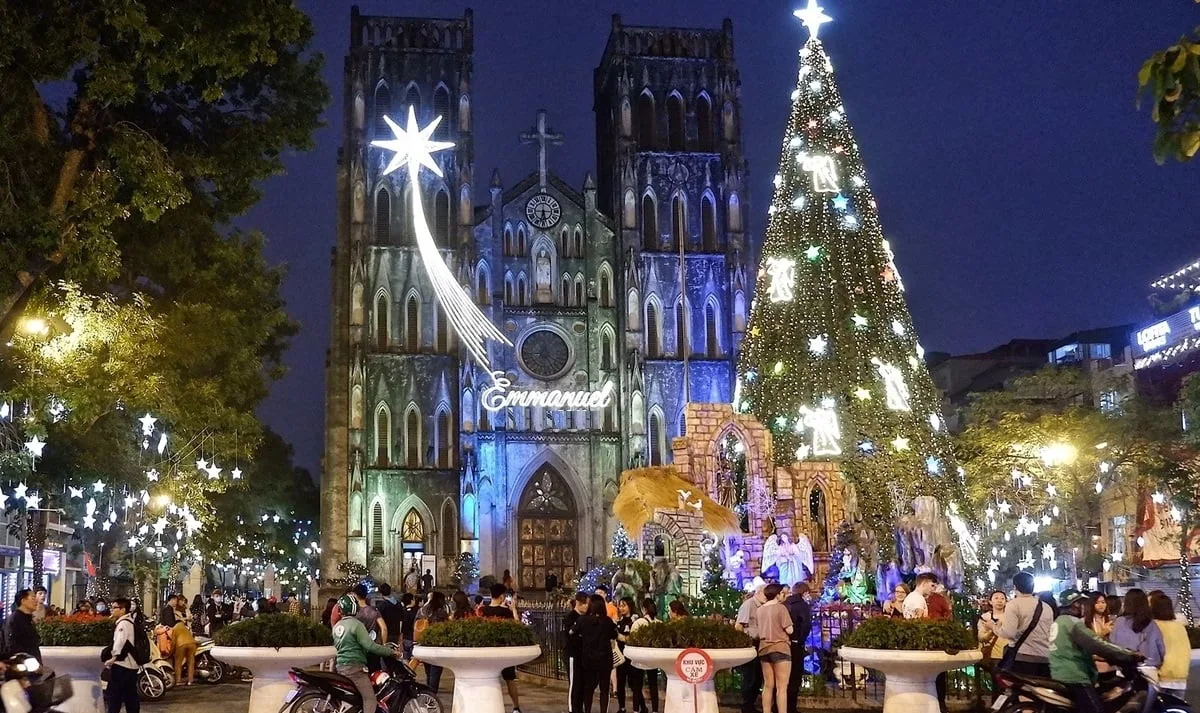
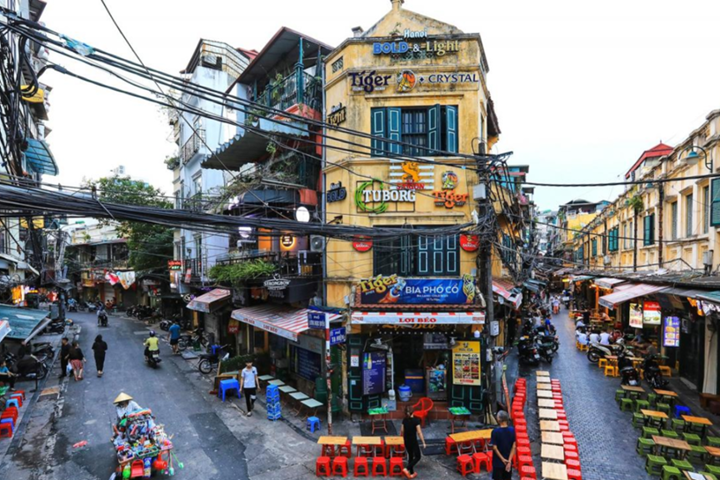
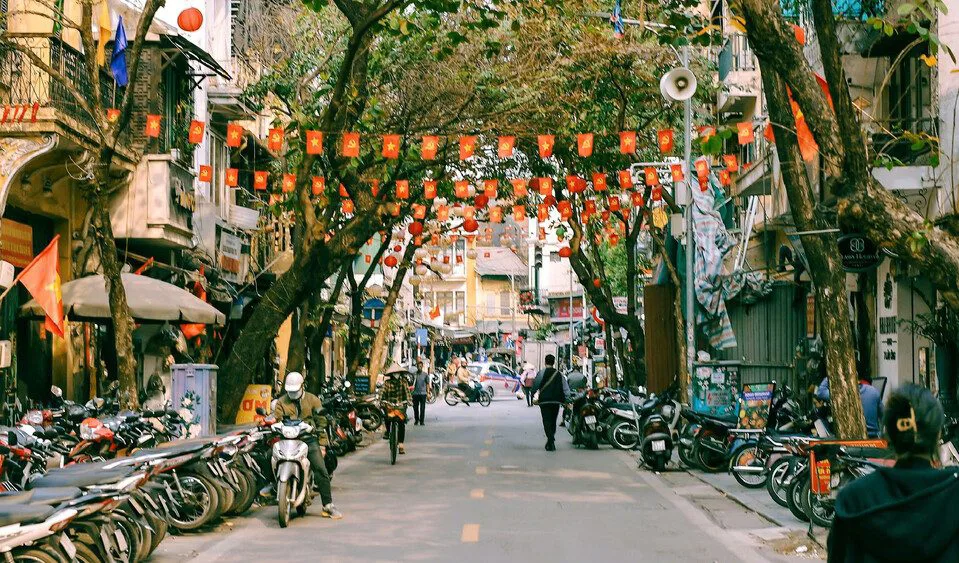
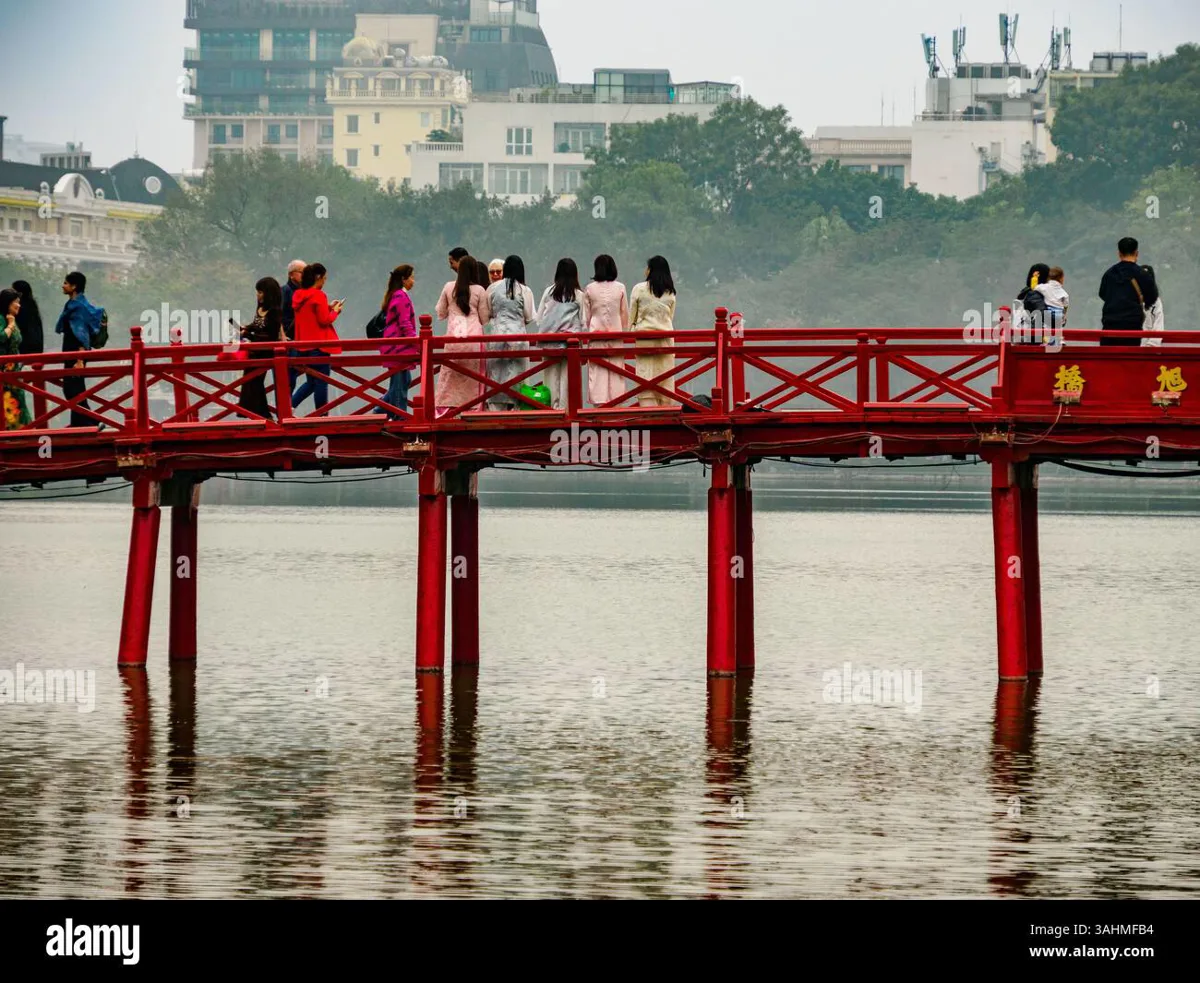
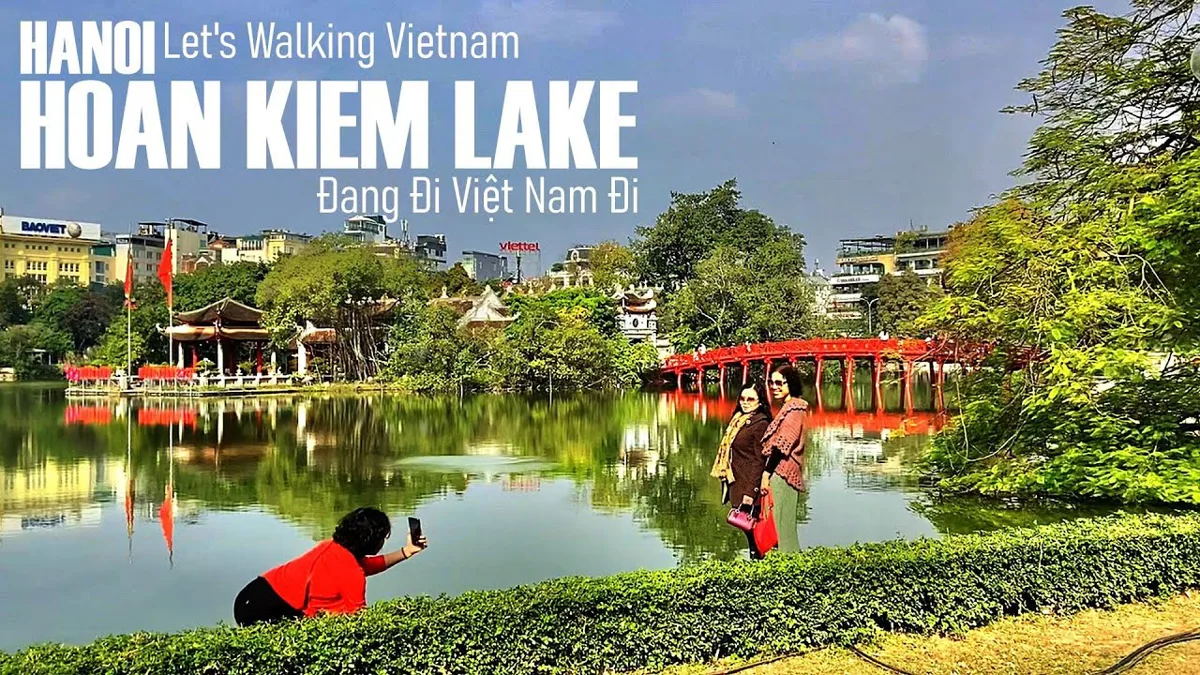

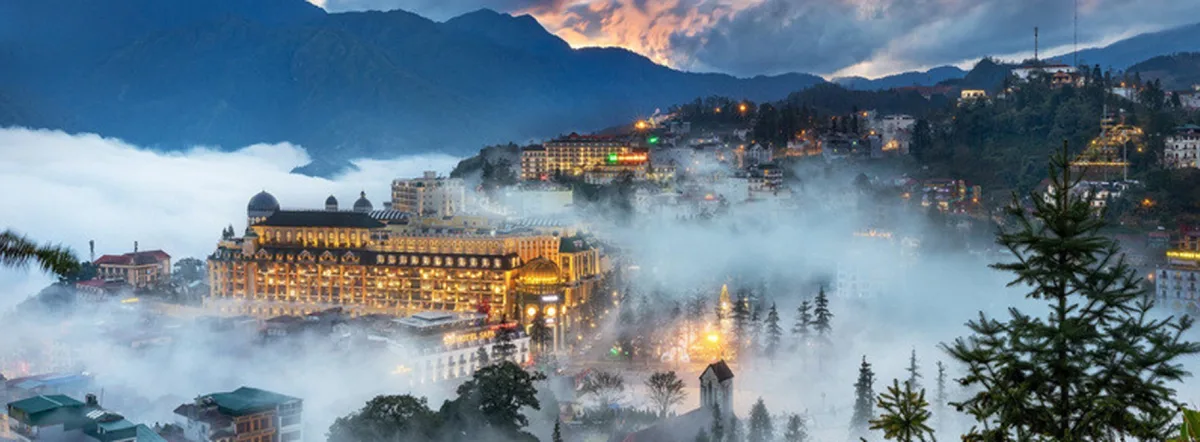
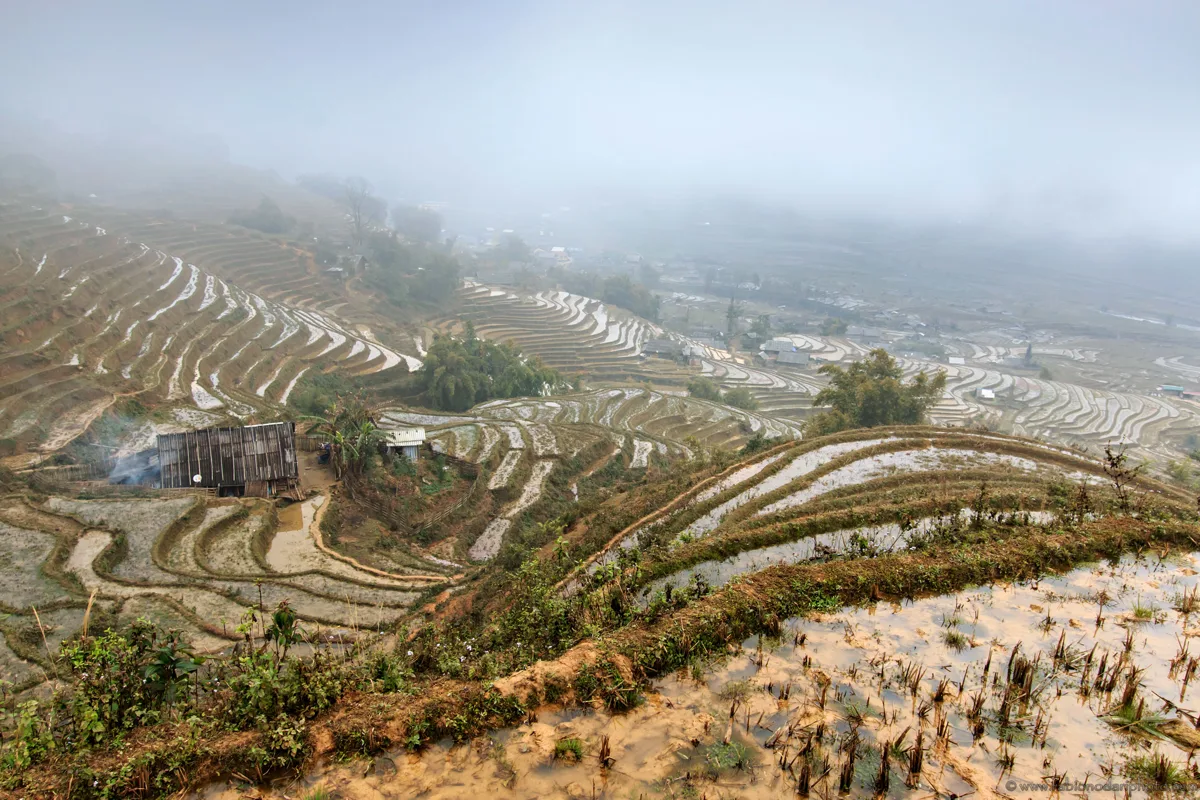
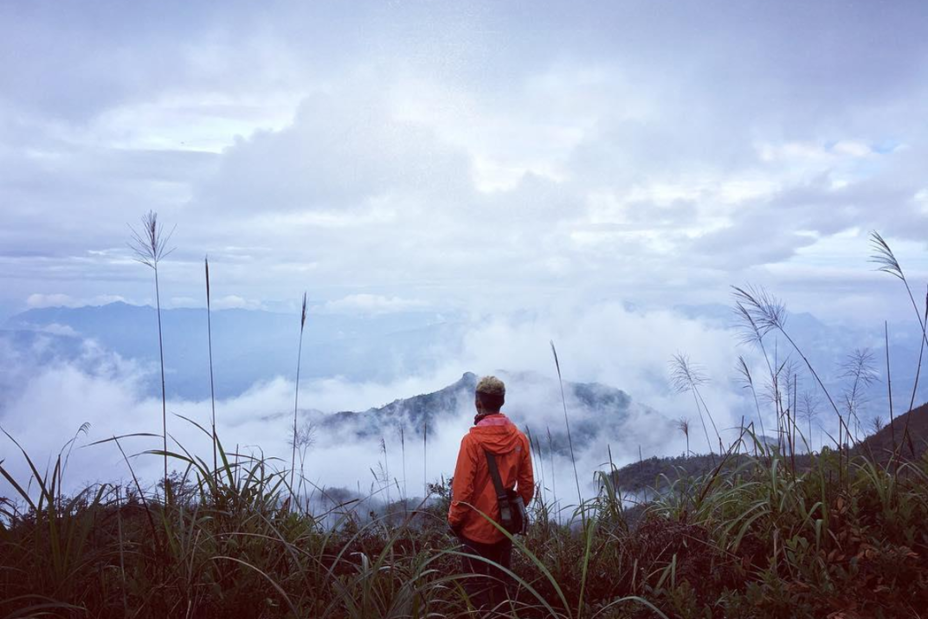
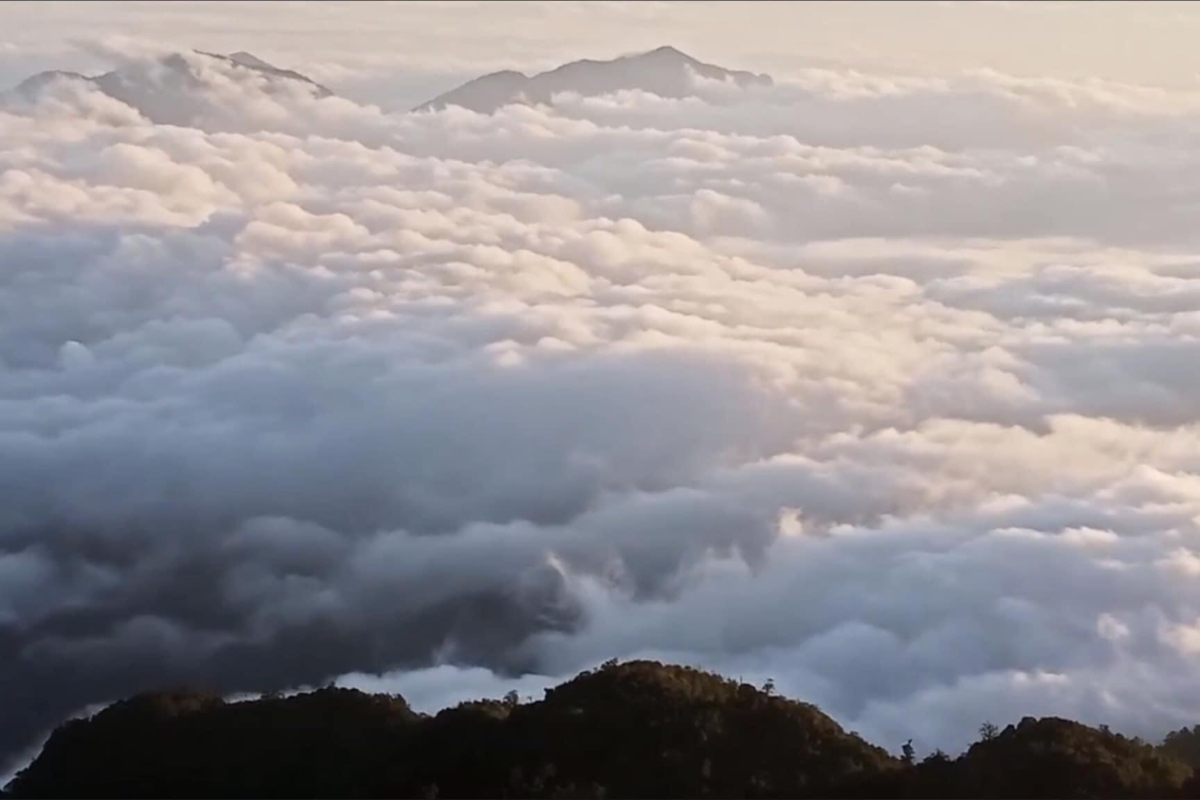

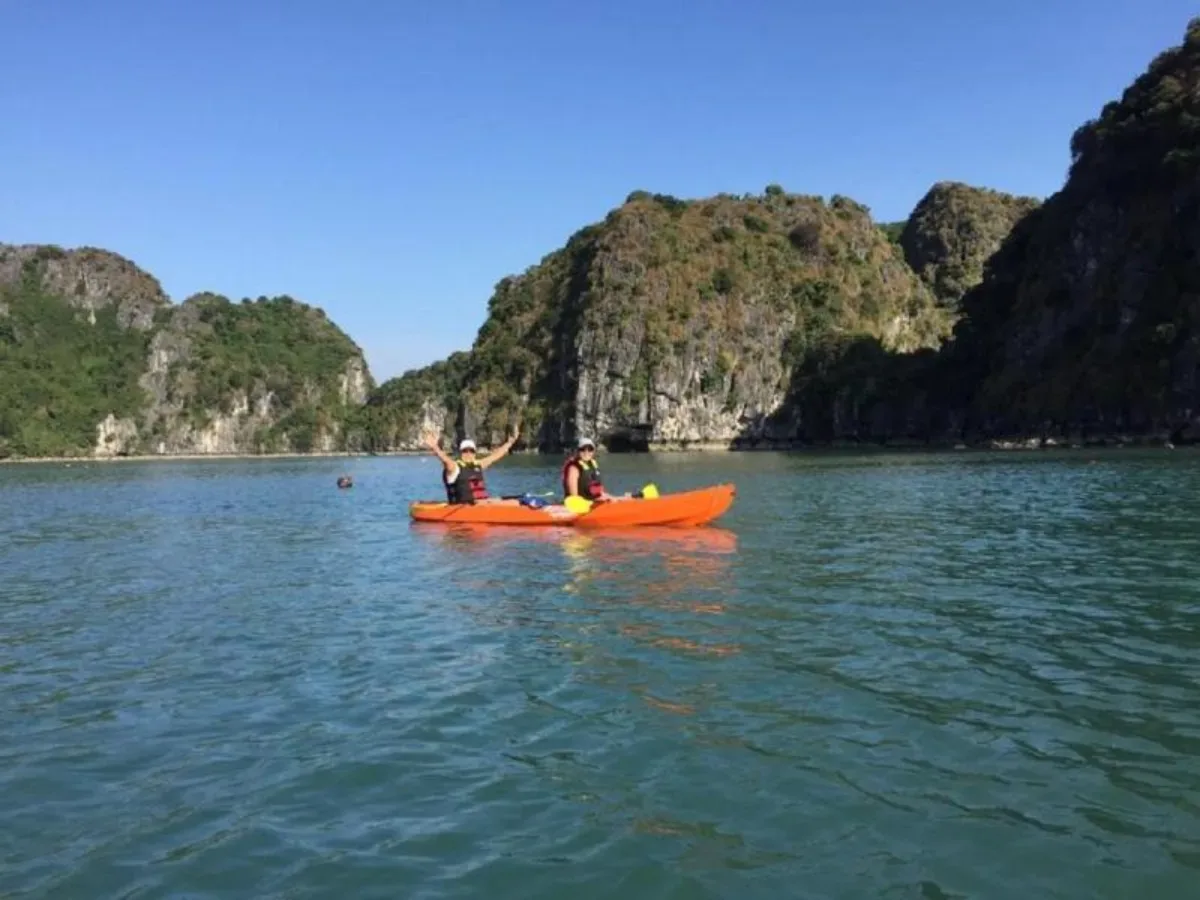

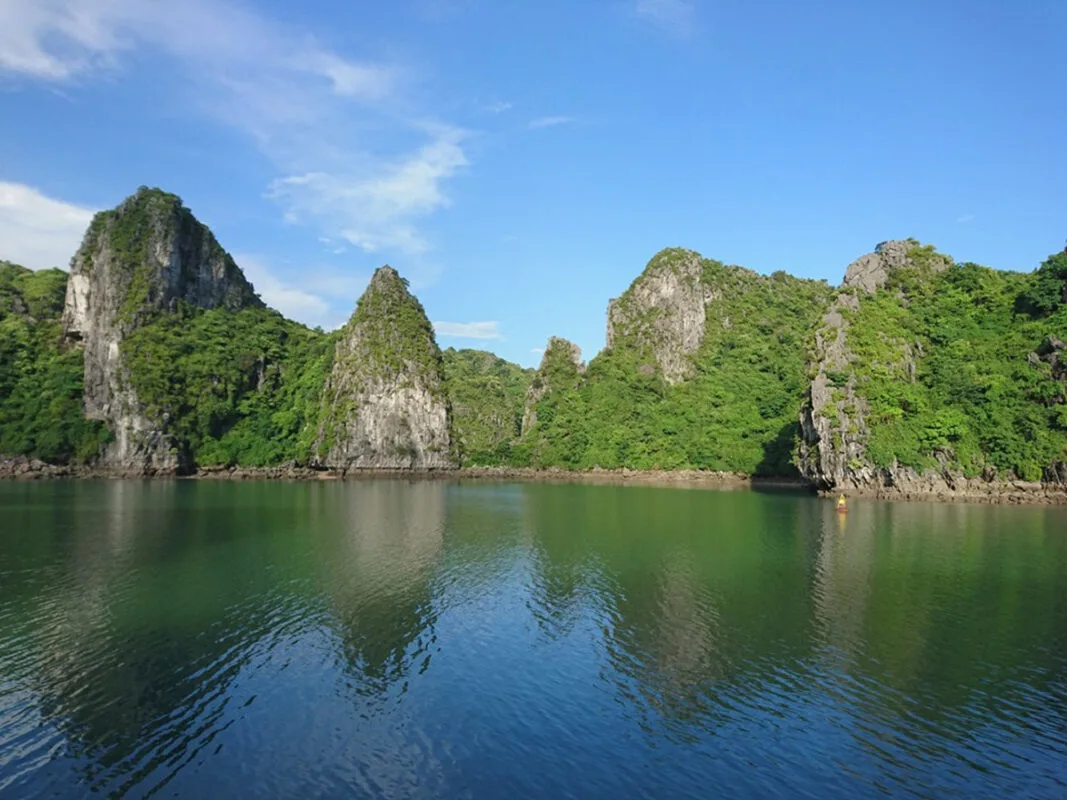
Northern Vietnam in January is characterized by a distinct winter ambiance. The air is often crisp, the light soft, and the rhythm of daily life slightly slower. In Hanoi and the surrounding lowlands, temperatures generally range between 12°C and 20°C. While rainfall is minimal, humidity levels remain sufficient to create misty mornings and a noticeable damp chill. Many international visitors are surprised by the cool sensation in Hanoi, as most buildings lack central heating, and wind can channel through narrow streets. Locals often wear jackets, scarves, and gloves for motorbike journeys, while sidewalk cafés might provide small heaters or blankets. Street vendors frequently sell hot soy milk, steaming pho, and grilled snacks to offer internal warmth.
The city itself takes on a different appearance under winter light. Moss-covered walls in the Old Quarter often appear darker and more textured, and tree-lined boulevards in the French Quarter feel notably quieter. Hoan Kiem Lake is frequently shrouded in a gentle mist, particularly during early mornings. The mood is more contemplative than energetic, which many travelers find appealing. Despite the coolness, sightseeing is generally comfortable. Visitors can explore the Old Quarter for extended periods without experiencing excessive heat. Visits to historical sites such as the Temple of Literature, the Imperial Citadel, and Hanoi's museums are often relaxed, as there is no need to escape intense sun. A light down jacket or fleece, closed footwear, and perhaps a hat are typically adequate for urban exploration. For those interested in exploring coastal life, Halong Bay also offers calm conditions, though expect cooler temperatures and potential haze.
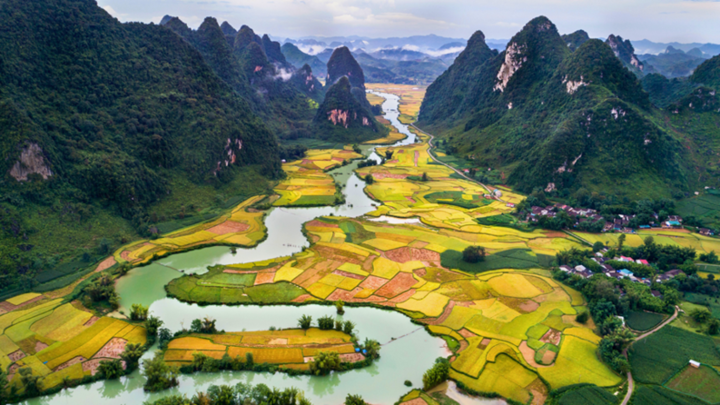
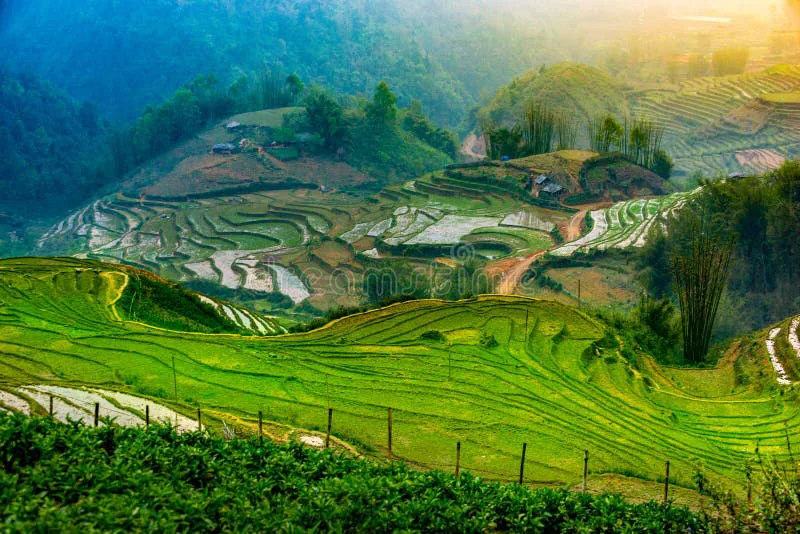
Conditions shift considerably when venturing into the mountains. In Sapa, Ha Giang, or Cao Bang, daytime temperatures can drop to single digits, and overnight lows often approach freezing during significant cold fronts. Frost on rooftops and fields is common, and some years may even see brief snowfalls on higher passes. Trekking remains possible, but requires multiple warm layers, quality socks, and some flexibility with plans. Morning fog can be dense and may take several hours to dissipate. However, on clear days, the dry winter air provides excellent visibility, making terraced fields and limestone peaks appear sharp and defined against the sky. If you appreciate moody winter scenery, local markets, and evenings spent by indoor fires, northern Vietnam in January can be very rewarding. Conversely, if cold weather is a strong deterrent, it is advisable to limit time in high-altitude areas or focus on cities like Hanoi and Ninh Binh.
Central Vietnam: Transitioning to Mild, Brighter Days
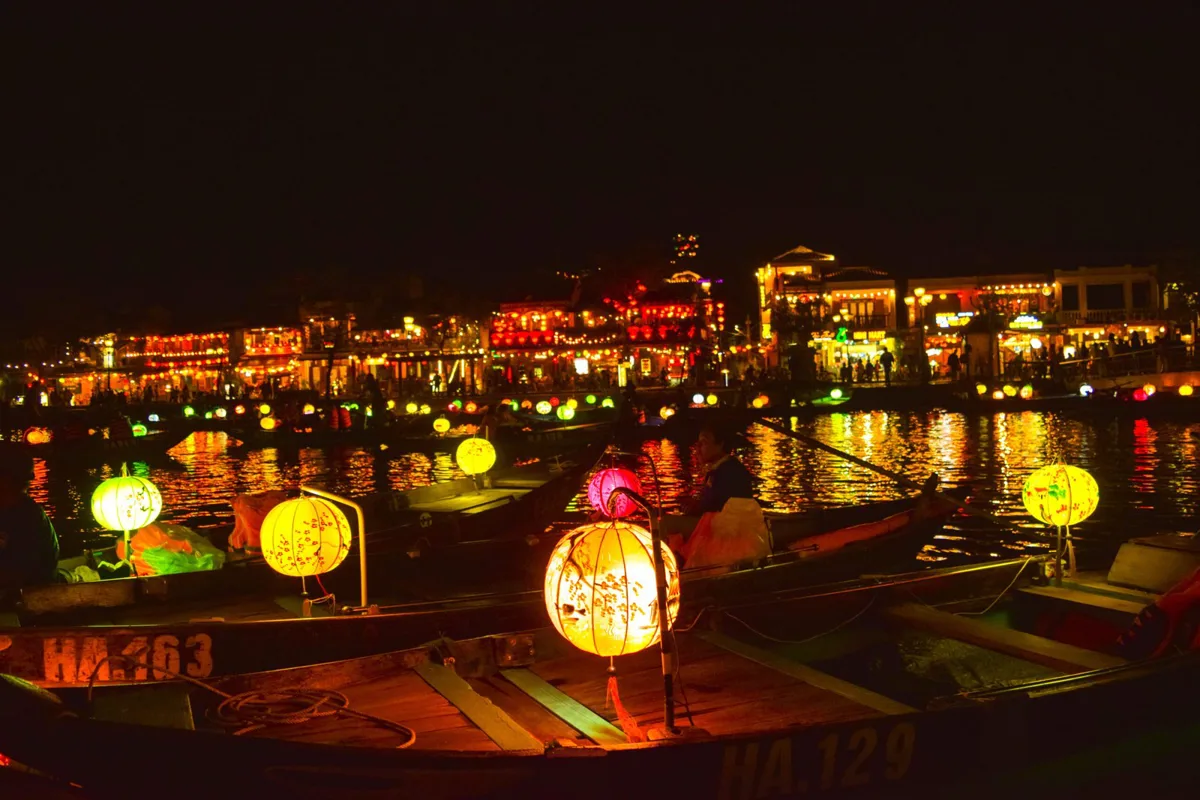
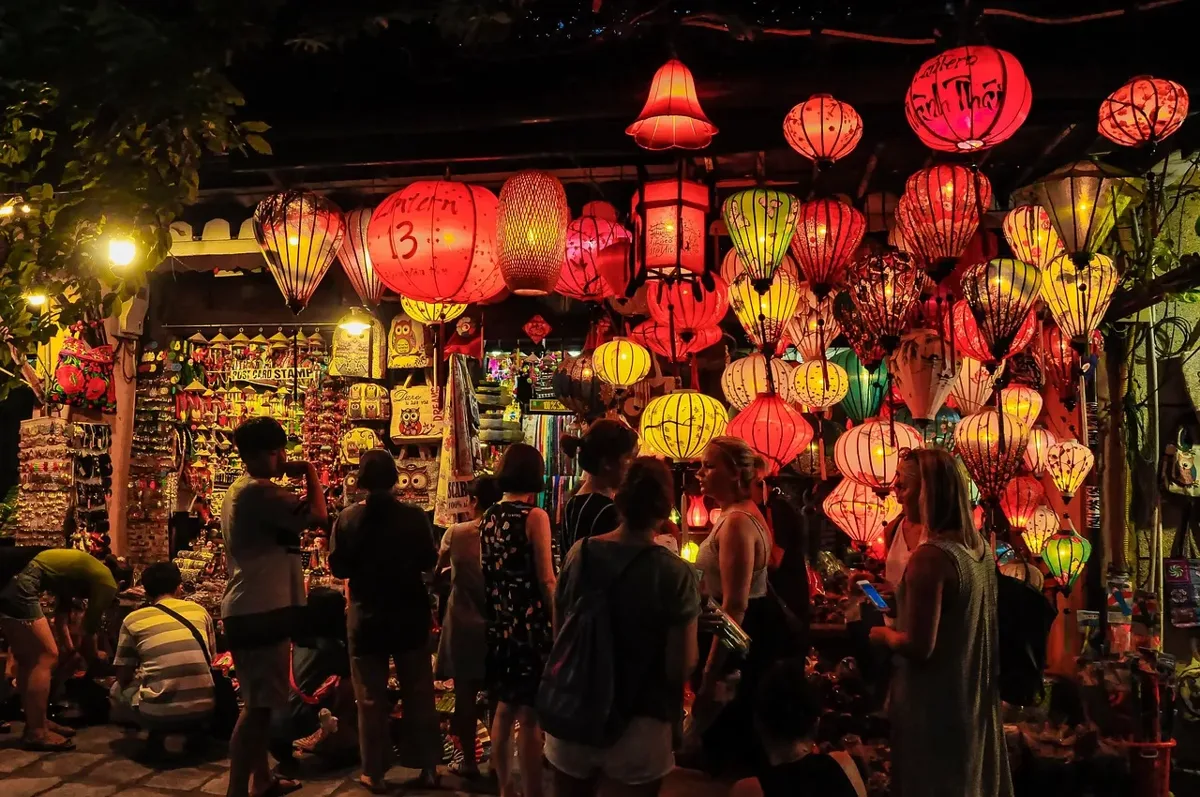

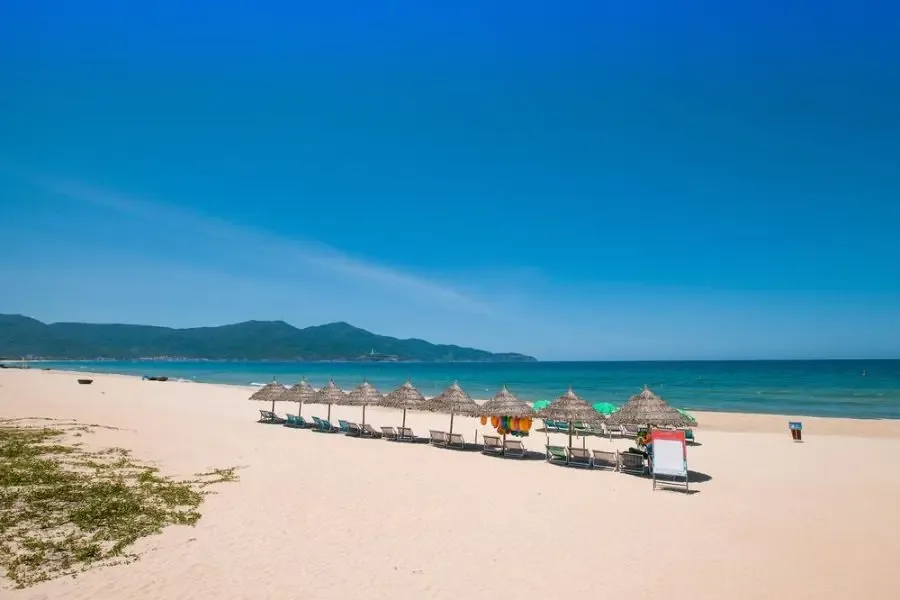
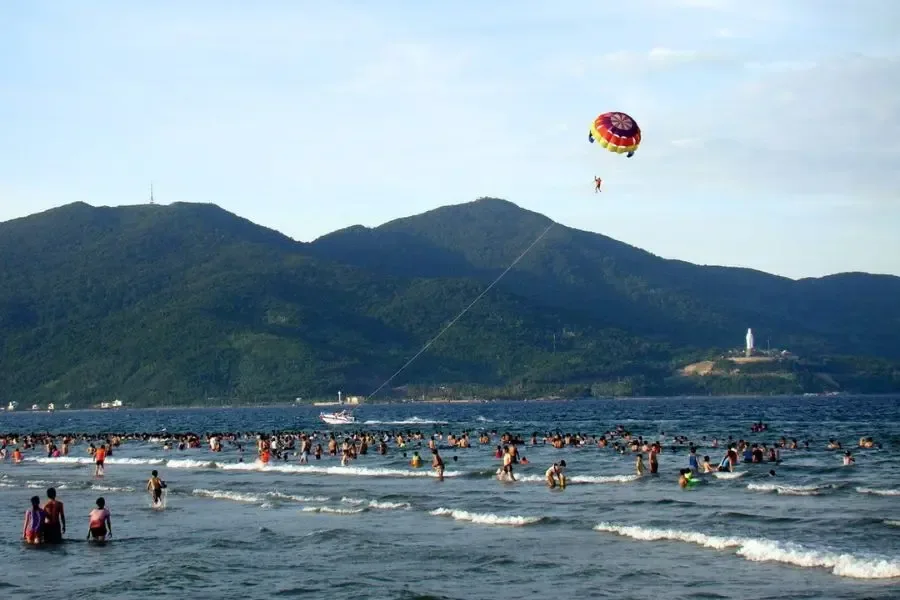
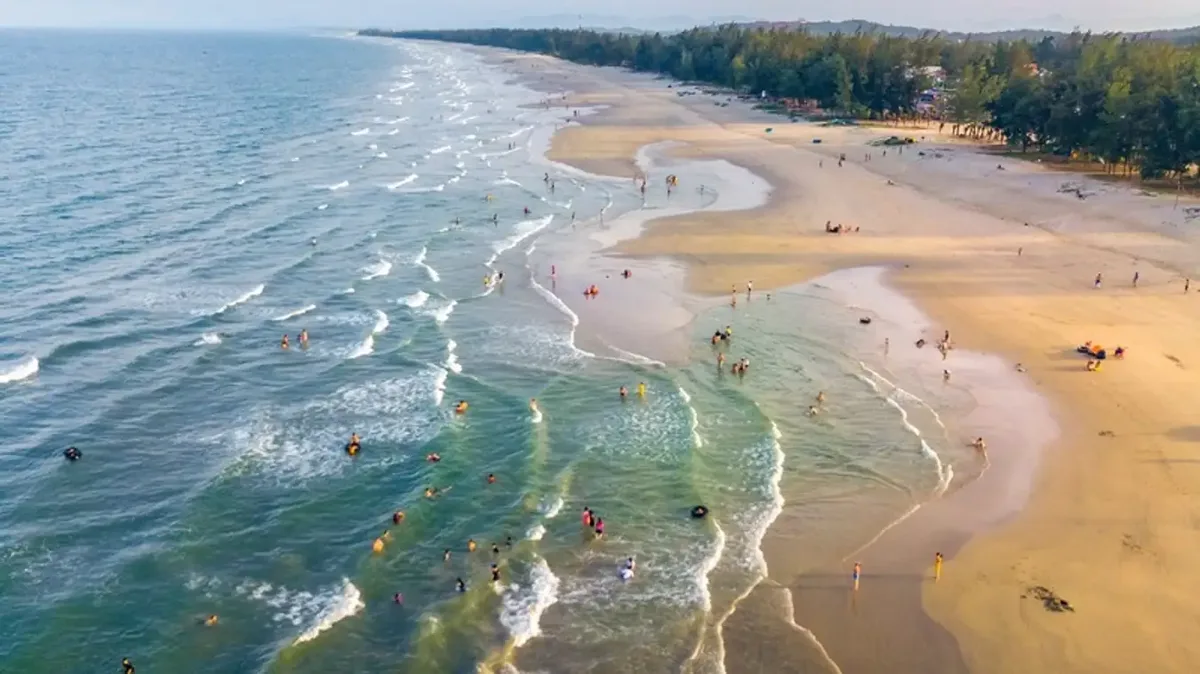
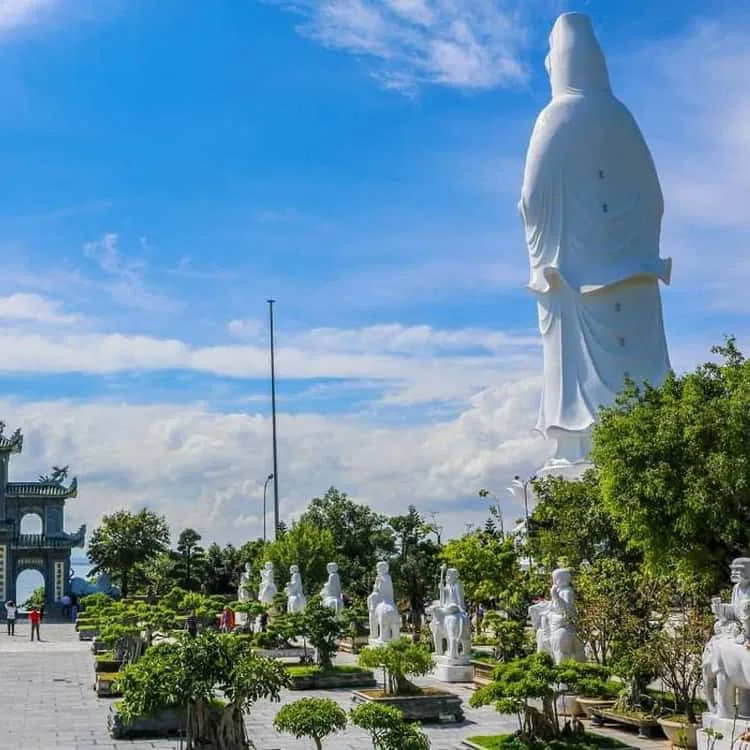
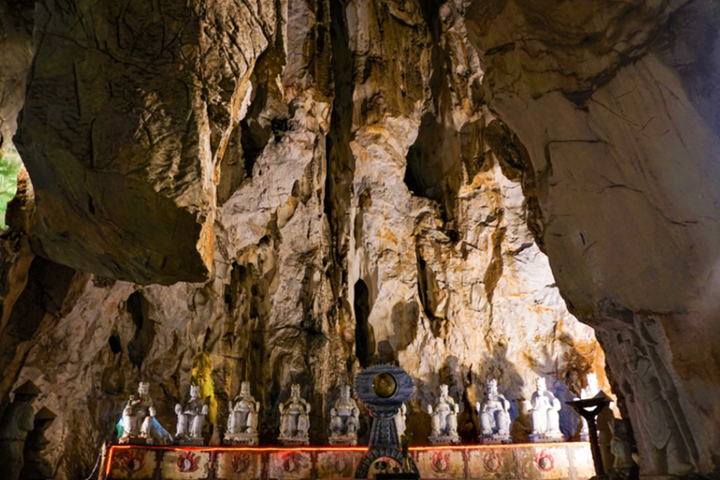
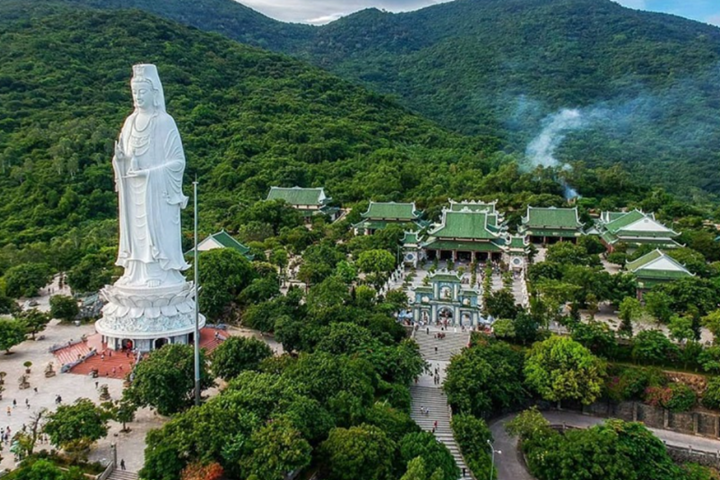
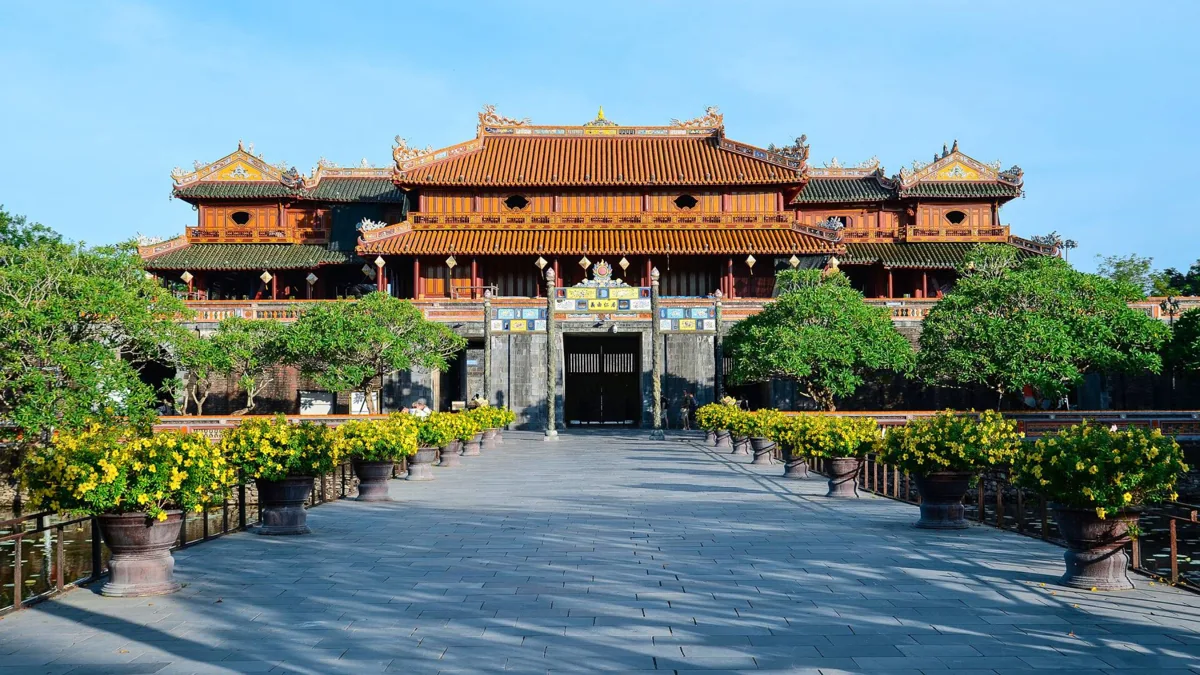
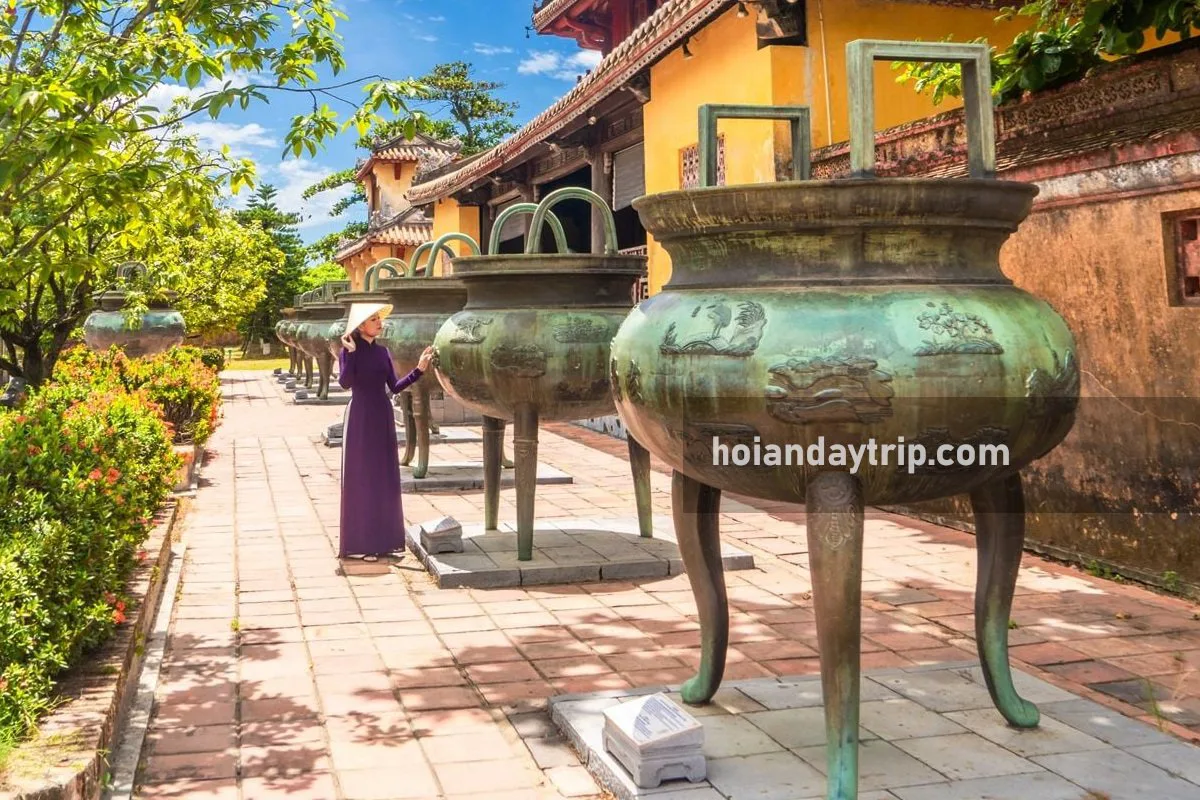

Central Vietnam, including Hue, Da Nang, Hoi An, and Quy Nhon, begins January in a recovery phase following months of autumn rains and occasional typhoons. The most severe storms have passed, but the month often presents two distinct weather patterns. The initial half of January can feel somewhat grey and damp, particularly around Hue. Light drizzle is still possible, and clouds may linger over the hills. Nevertheless, temperatures are pleasant, with daytime highs typically between 20°C and 24°C, and nights around 18°C. These conditions allow for comfortable daytime walks without excessive perspiration.
As January progresses, the weather generally improves. Rainfall diminishes, skies clear, and the coastline starts to reveal its dry-season character. Sunshine becomes more frequent in Da Nang and Hoi An. Beachside cafés gradually reopen, riverfront promenades become more active, and residents spend more time outdoors. Da Nang particularly benefits from this shift, with the Han River waterfront becoming ideal for evening strolls. The Marble Mountains and Son Tra Peninsula offer excellent day trip options when the air is clear and temperatures are mild, allowing for comfortable climbs to viewpoints and pagoda visits without concerns about heat exhaustion. For more information on reaching this area, consider resources on travel to Da Nang.
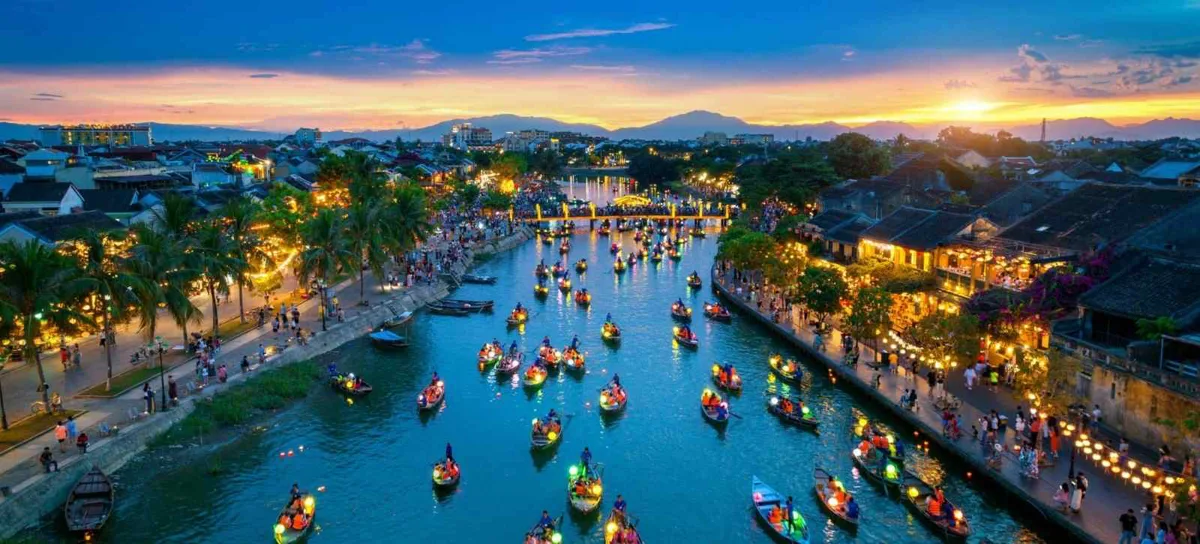
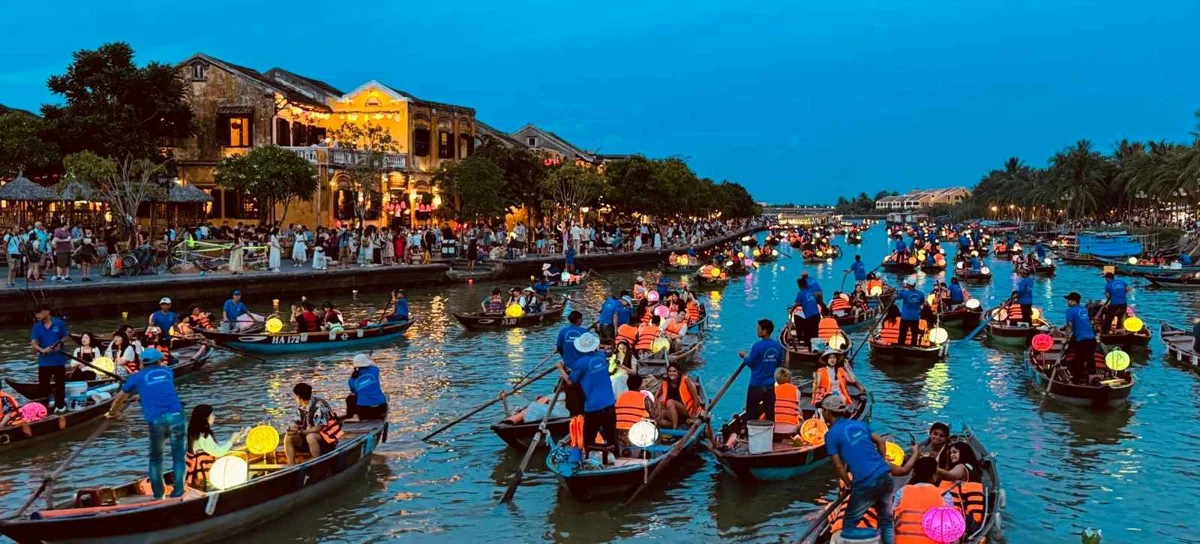
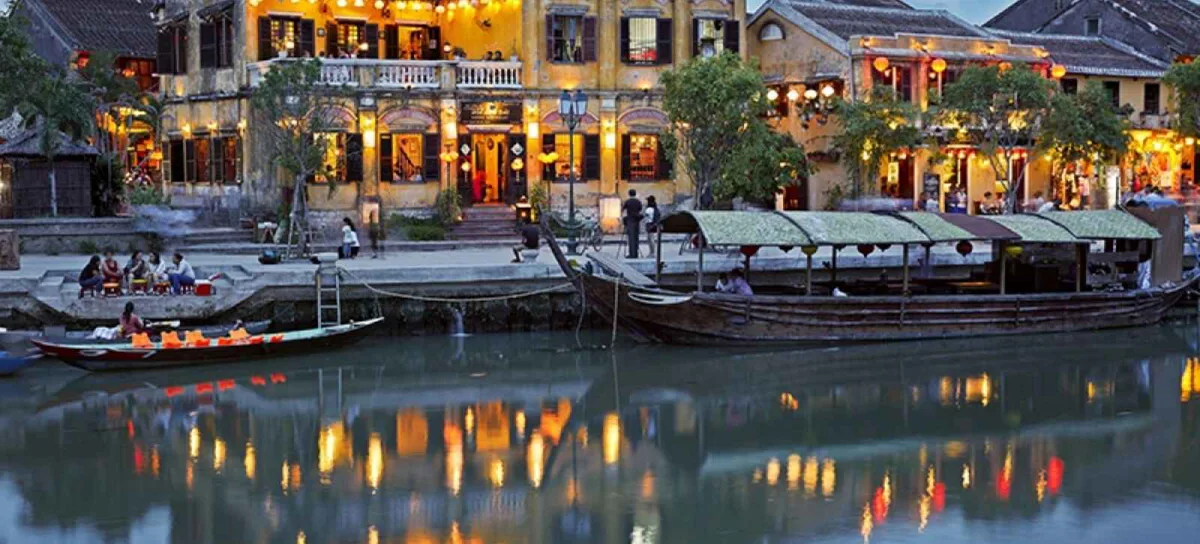
Hoi An stands out as a prime destination for Vietnam weather in January. The ancient town's narrow lanes, distinctive yellow buildings, and colorful lanterns appear especially appealing under the soft winter light. Visitors can spend entire days exploring the old streets, pausing at cafés, visiting tailors, and browsing small galleries without feeling rushed. Cooler mornings and evenings enhance the atmosphere for lantern walks and river boat excursions. Nearby beaches, such as An Bang and Cua Dai, gradually dry out as the month advances. While sea conditions might still be rough in early January, by mid-month, several calm, sunny days typically occur each week. The water is cooler than in March or April, yet many travelers still find it suitable for swimming.
Hue tends to be cooler and more overcast than Da Nang, with light rain or drizzle still possible, especially at the beginning of the month. However, January is considerably drier than November or December, and most showers are brief. The cooler climate complements Hue's historical ambiance, making walks through the Citadel, visits to imperial tombs, or explorations of pagodas along the Perfume River comfortable and unhurried. Food also plays a significant role in central Vietnam during this period. Warming noodle soups, grilled pork skewers, fresh seafood, and Hue’s various steamed cakes are well-suited to the mild air. Outdoor dining becomes increasingly enjoyable once the rain subsides.
Southern Vietnam: Consistent Warmth and Dry Conditions
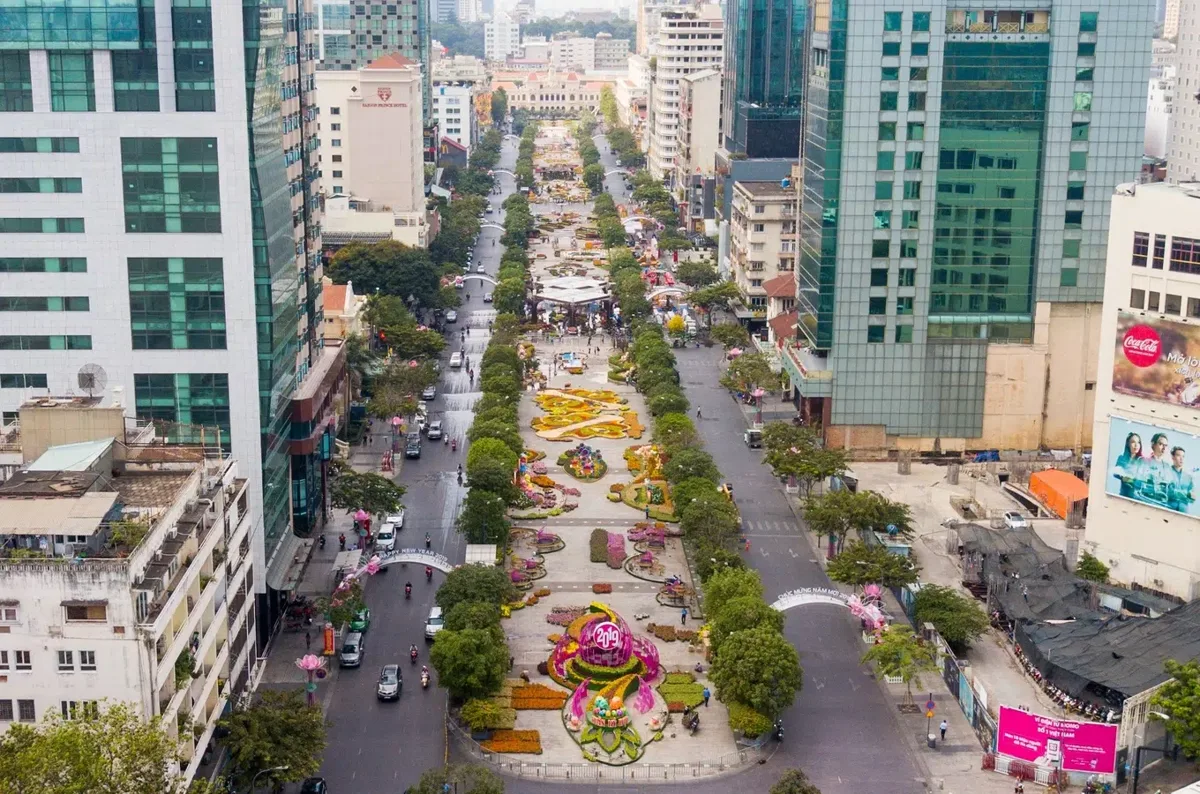
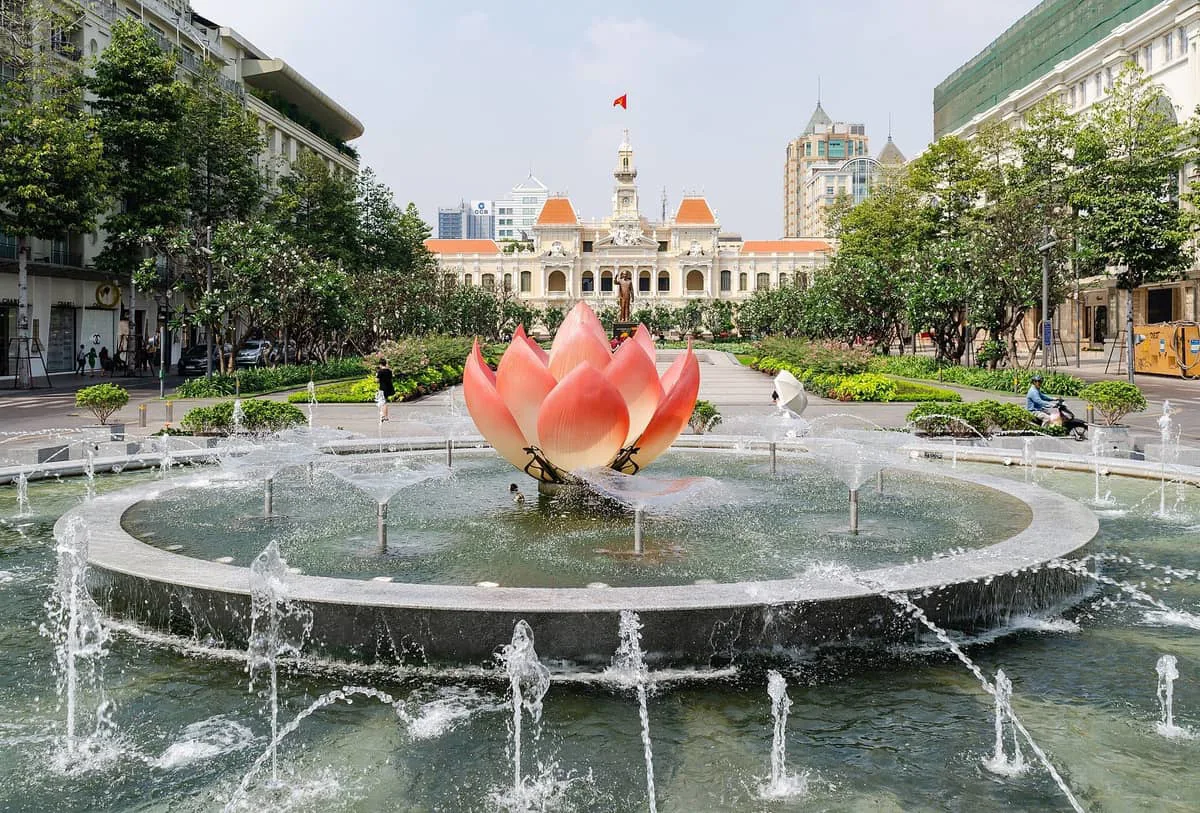


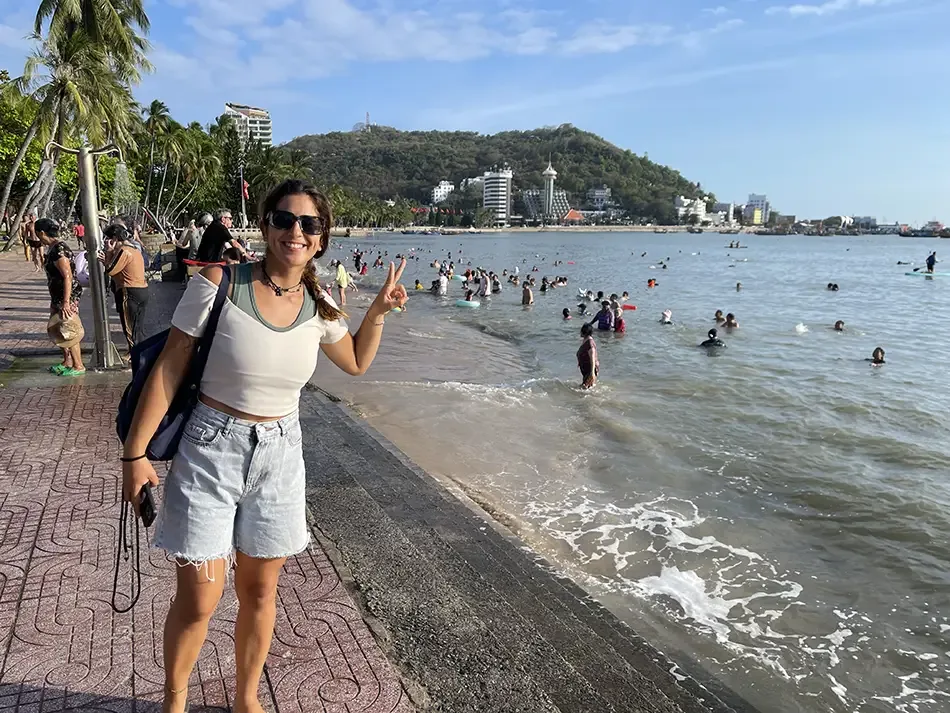

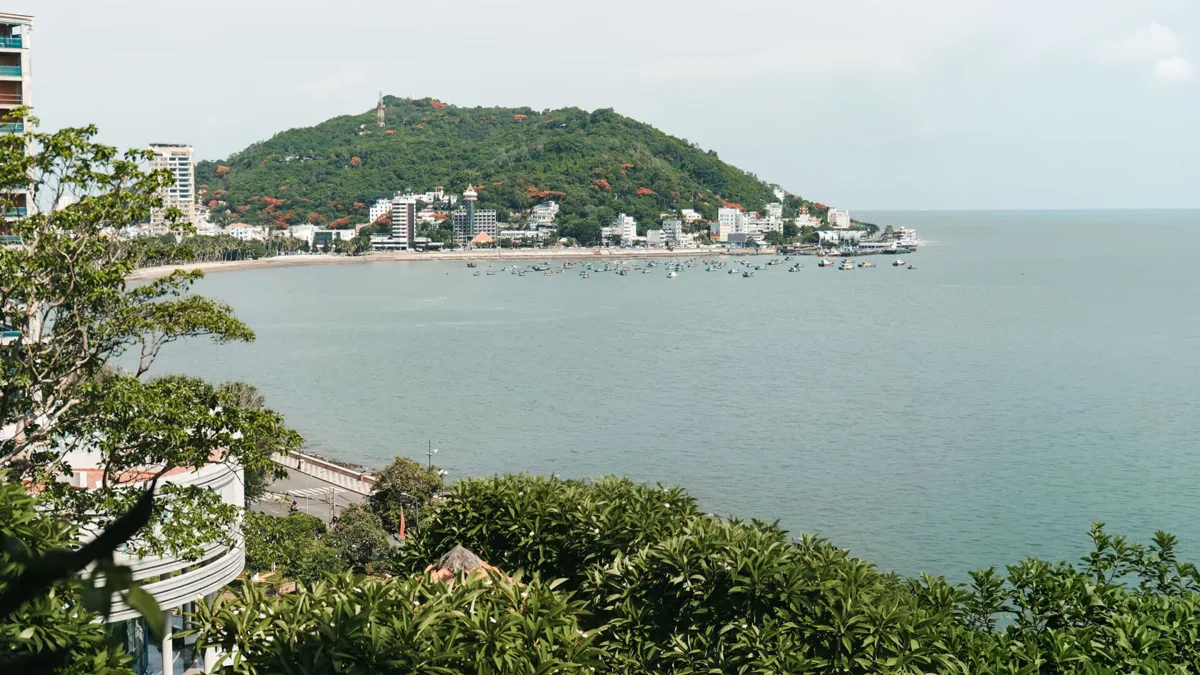
For consistent comfort and predictable weather, southern Vietnam is an excellent choice in January. The region is well into its dry season, promising warm sunshine, low humidity, and very little rain. In Ho Chi Minh City, mornings typically begin around 22–24°C, with afternoons reaching approximately 30–32°C. Humidity is significantly lower than during the monsoon months, making the heat feel less oppressive and tiring. Even at midday, walking between attractions is manageable for most visitors.
The city's energy often shifts outdoors. Sidewalk cafés and street-food vendors remain busy from early morning until late at night. Nguyen Hue Walking Street attracts families and young people, while rooftop bars offer clear views of the skyline. River cruises along the Saigon River operate on reliable schedules. Museums, colonial-era buildings, and temples are all easily accessible at most times, as travelers do not need to contend with heavy rain or extreme heat. Exploring different neighborhoods becomes a pleasure rather than a chore, allowing for leisurely walks through areas like Chinatown, District 3, or newer developments in Thu Duc City without constantly seeking air-conditioned relief. For those seeking longer journeys through the region, consider a Mekong Discovery cruise.
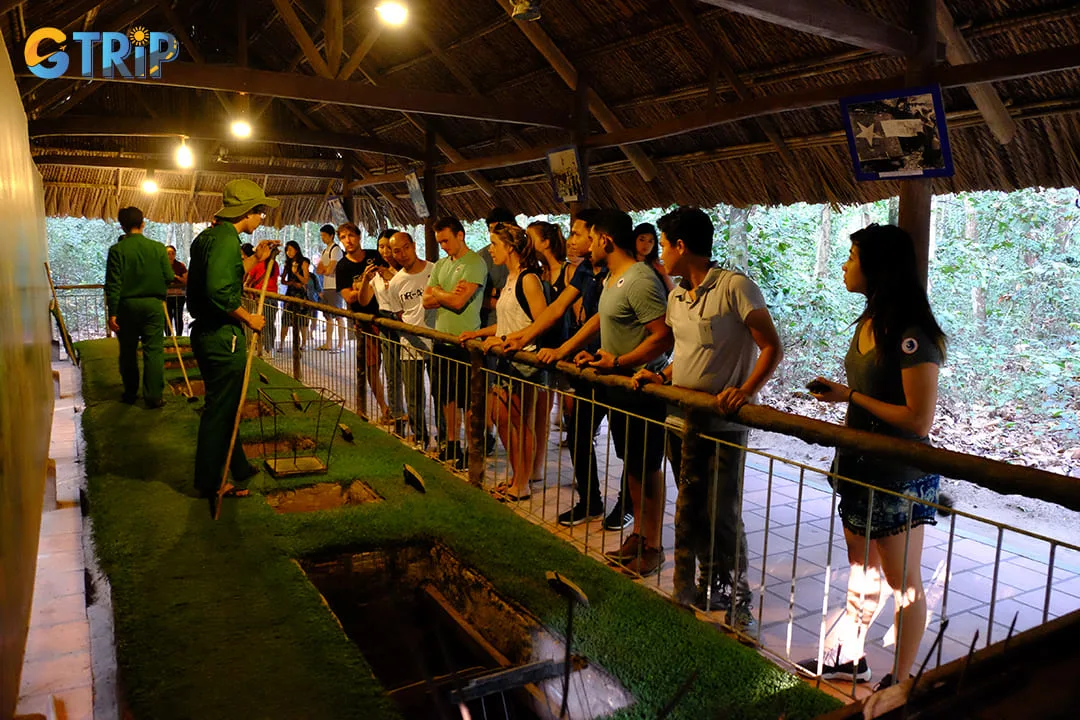
January is also one of the most favorable times for day trips from Ho Chi Minh City. In the Mekong Delta, roads are dry, canals are calm, and the air is warm but not stifling. Visitors can enjoy boat rides, cycle through small villages, explore fruit orchards, or participate in simple farm activities without concerns about afternoon storms. At the Cu Chi Tunnels, the combination of dry soil and moderate temperatures makes navigating the forest paths much easier than during the wet season. Coastal getaways to Vung Tau or Ho Tram offer refreshing sea breezes and pleasant beach weather. While precise sea conditions can vary, sunbathing and walks along the coast are generally very enjoyable. For those interested in specific areas of the delta, information on exploring Bac Lieu can be helpful.
Practical Travel Considerations for January
Collectively, these regional weather patterns position January as one of Vietnam's most comfortable months for travel, avoiding the extremes of both heat and heavy rainfall. This stability also provides greater certainty when planning transportation and day excursions. Humidity is a crucial factor: in the south, it drops sufficiently to make long walks, market visits, and outdoor dining very pleasant. In central Vietnam, humidity remains moderate, keeping the air fresh without becoming sticky. Only the north retains a damp quality, where cool air combined with higher moisture creates a characteristic winter chill, though warm clothing largely mitigates this discomfort.
Rainfall is low across the country. While light drizzle might occur in Hanoi or Hue, significant downpours and tropical storms are not typical in January. This climatic stability means that buses, trains, and flights generally operate on schedule. Scenic routes, such as the Hai Van Pass or the mountain road network in Ha Giang, are safer and more enjoyable when road surfaces are dry. If your travel plans involve covering considerable distances, January is an excellent choice. A north-to-south journey by train or plane is far more manageable than during typhoon season. Travelers seeking a comprehensive experience across the country might consider a Vietnam Grand Tour.
Food Culture in January
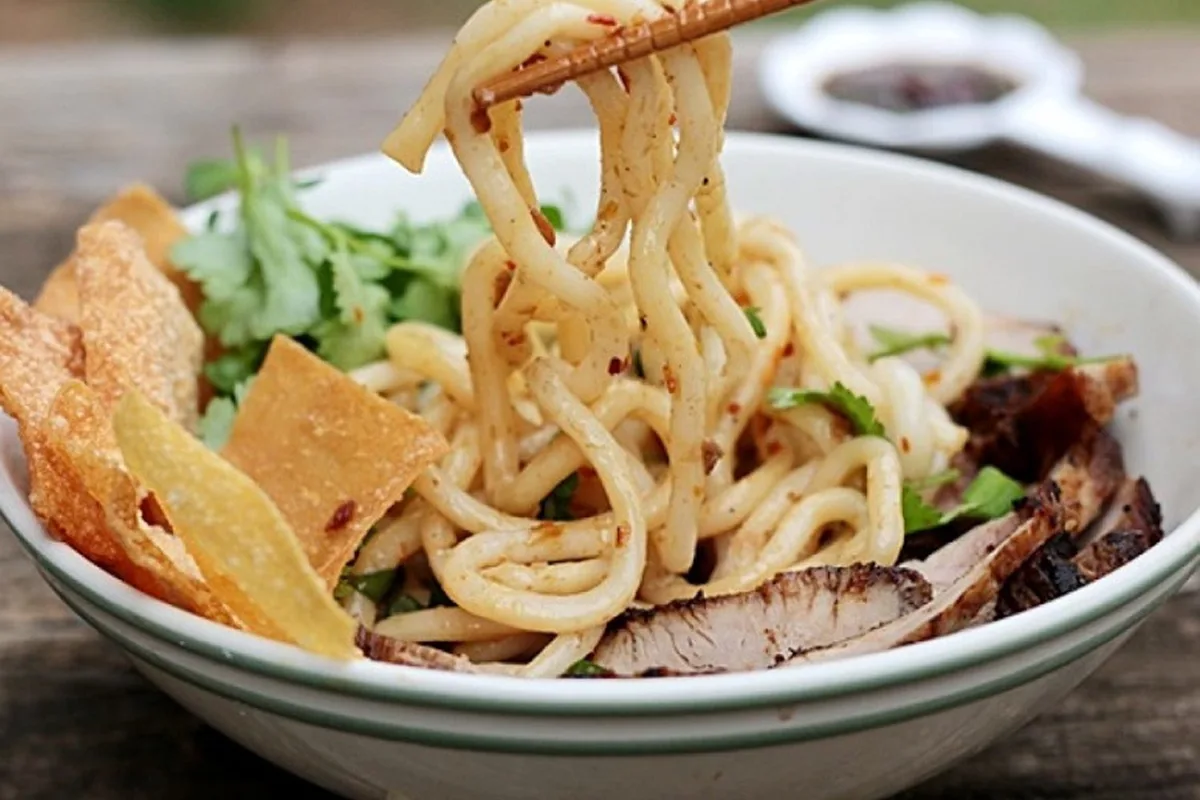
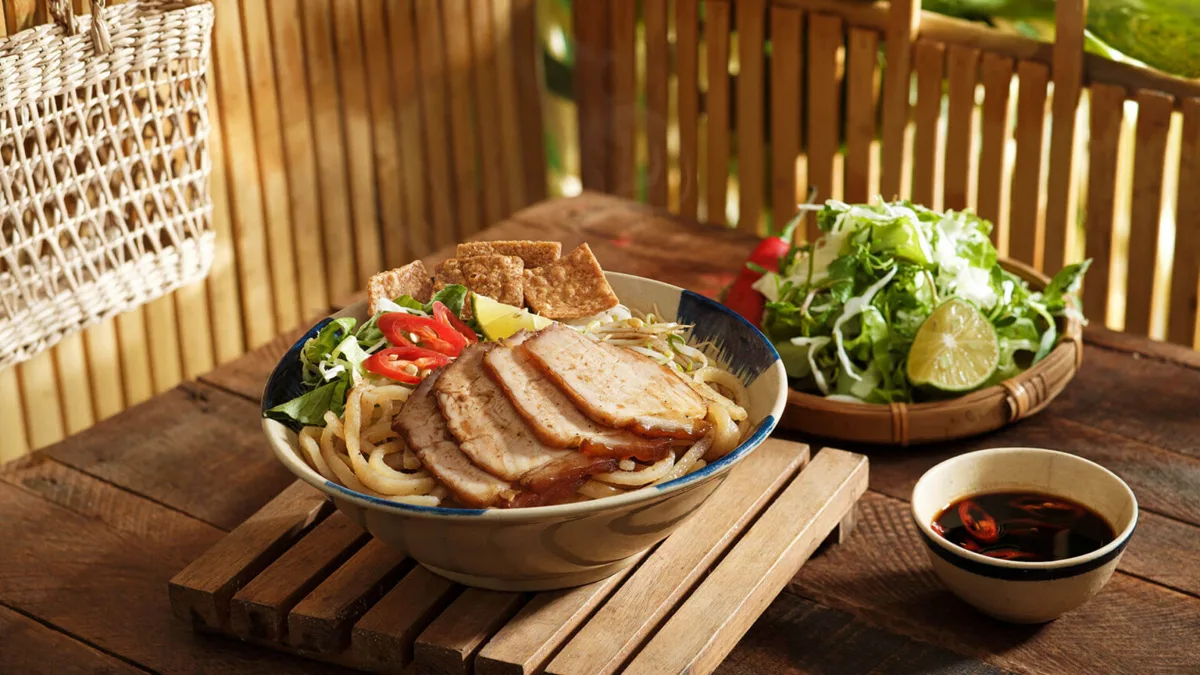
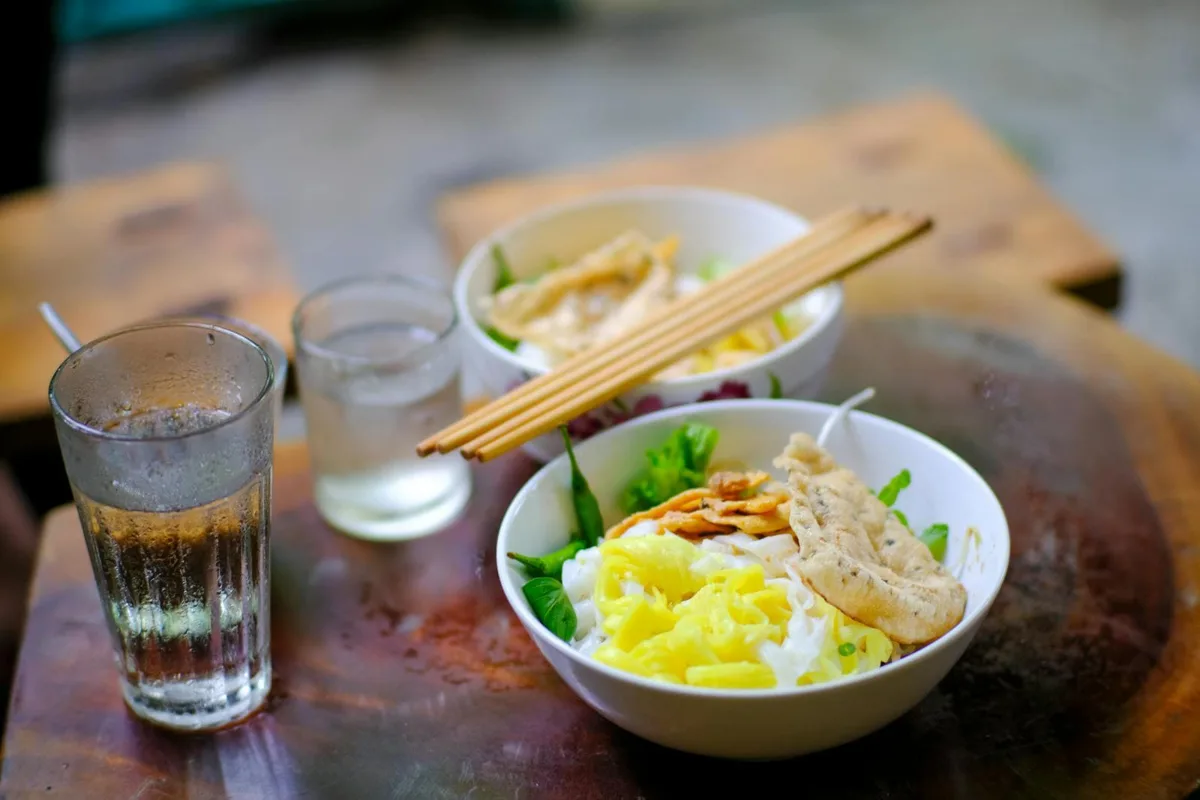
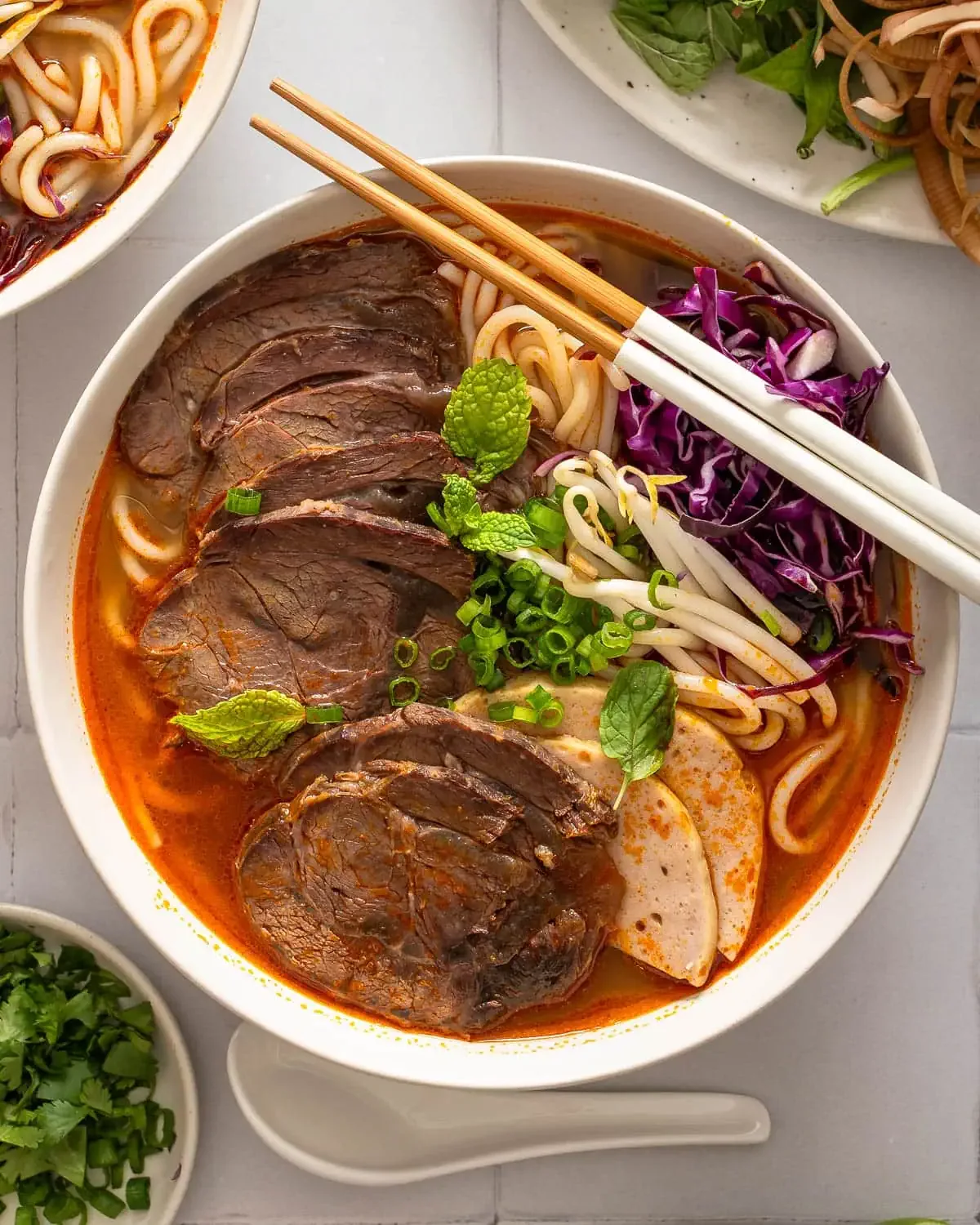
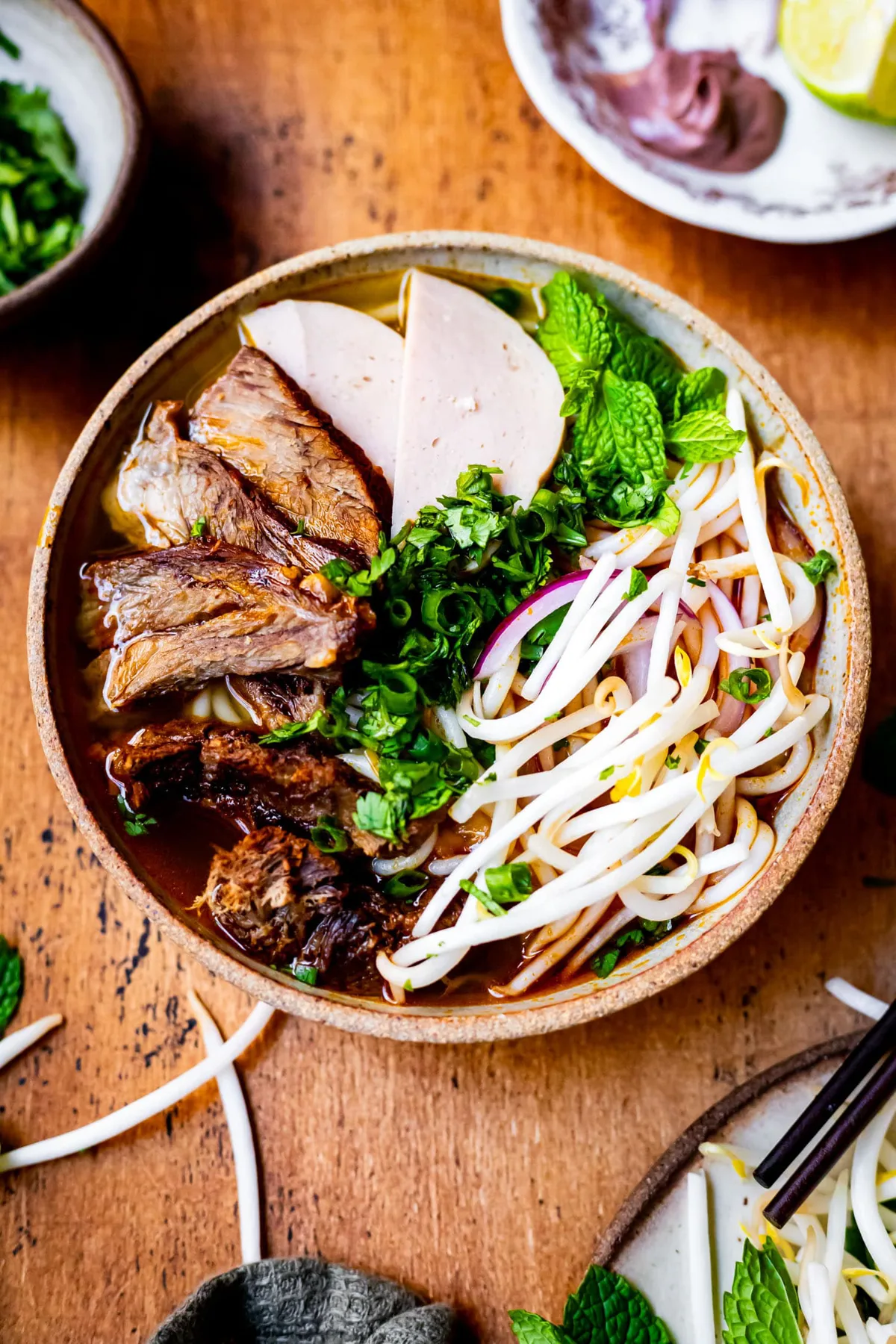
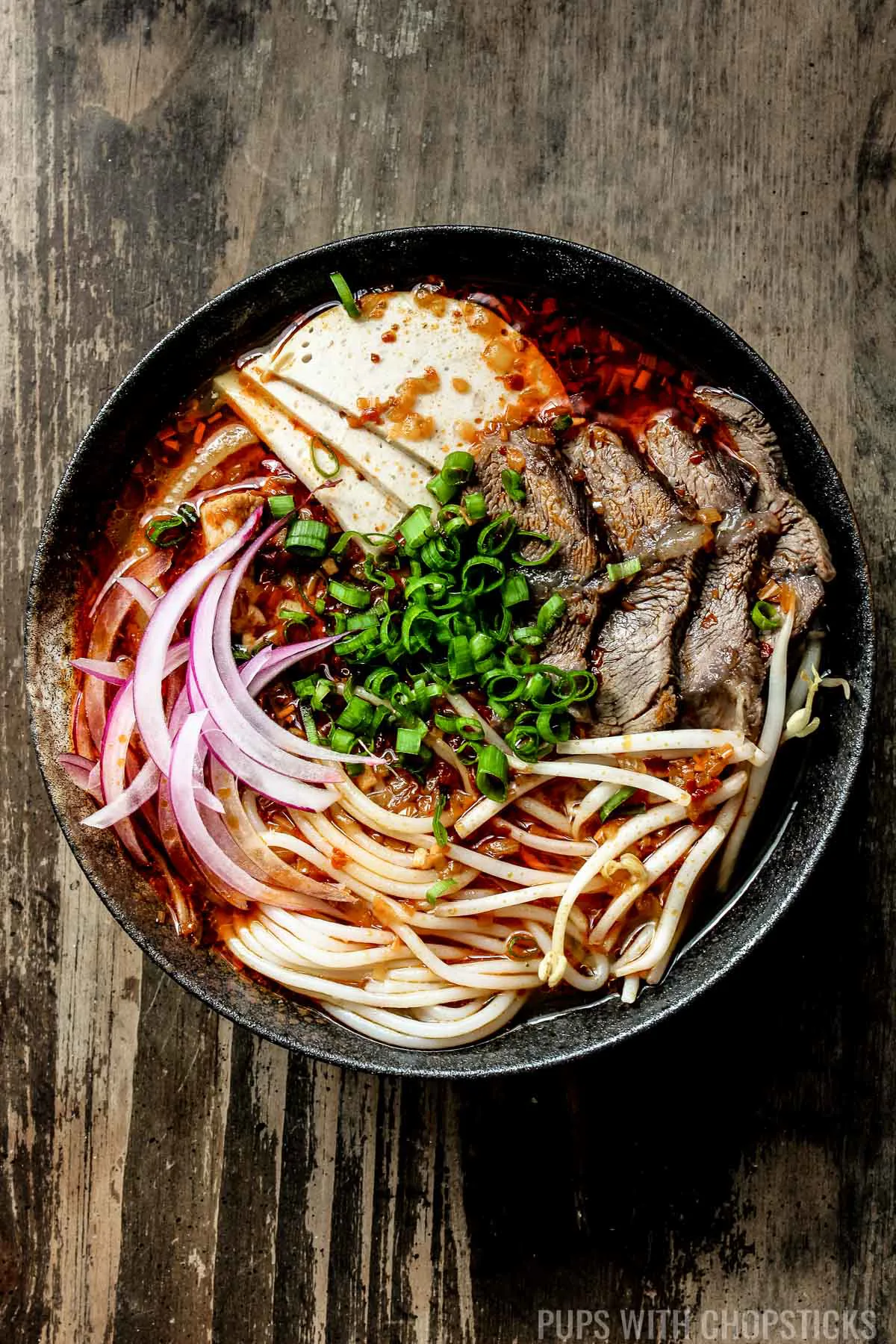
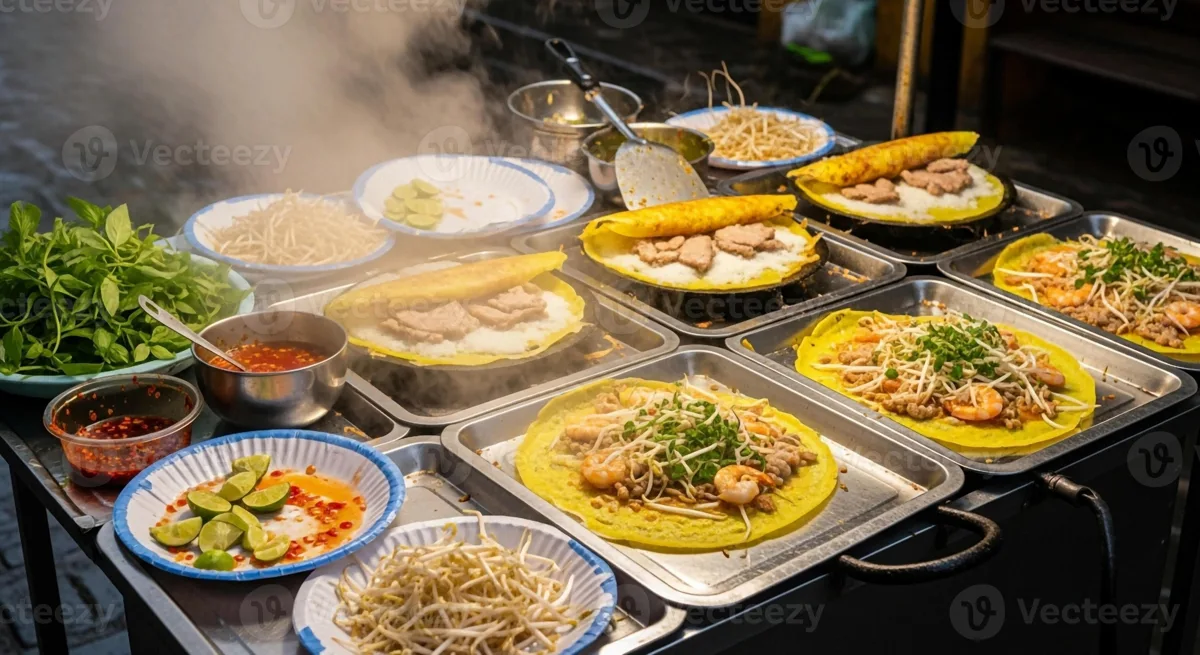
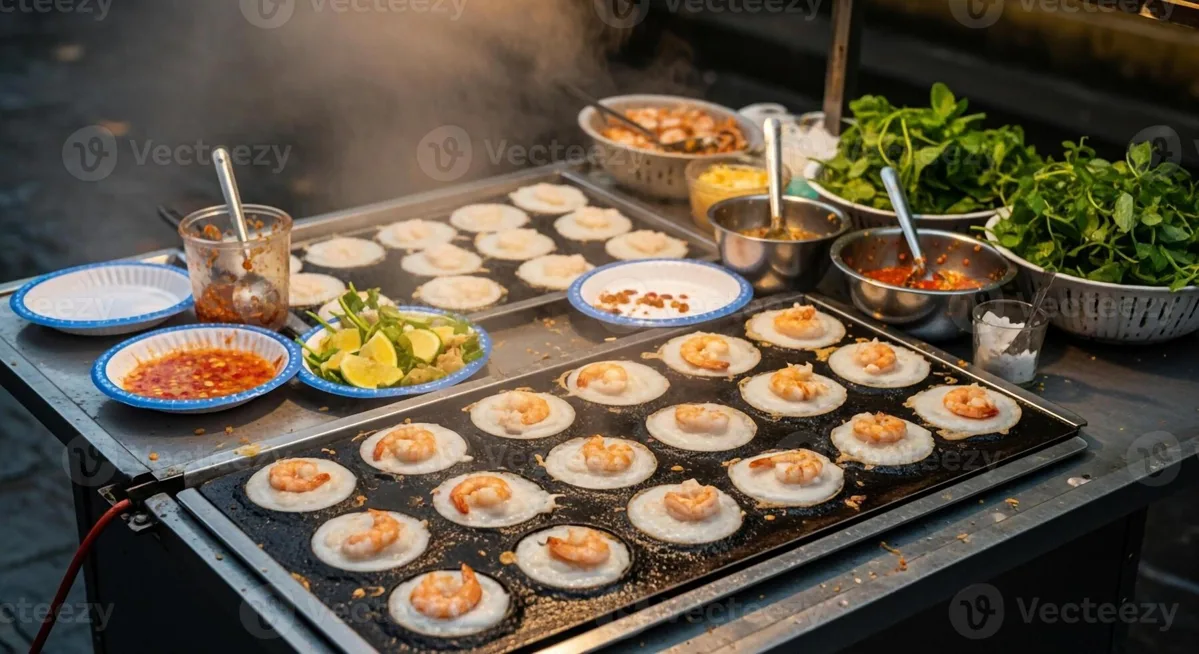
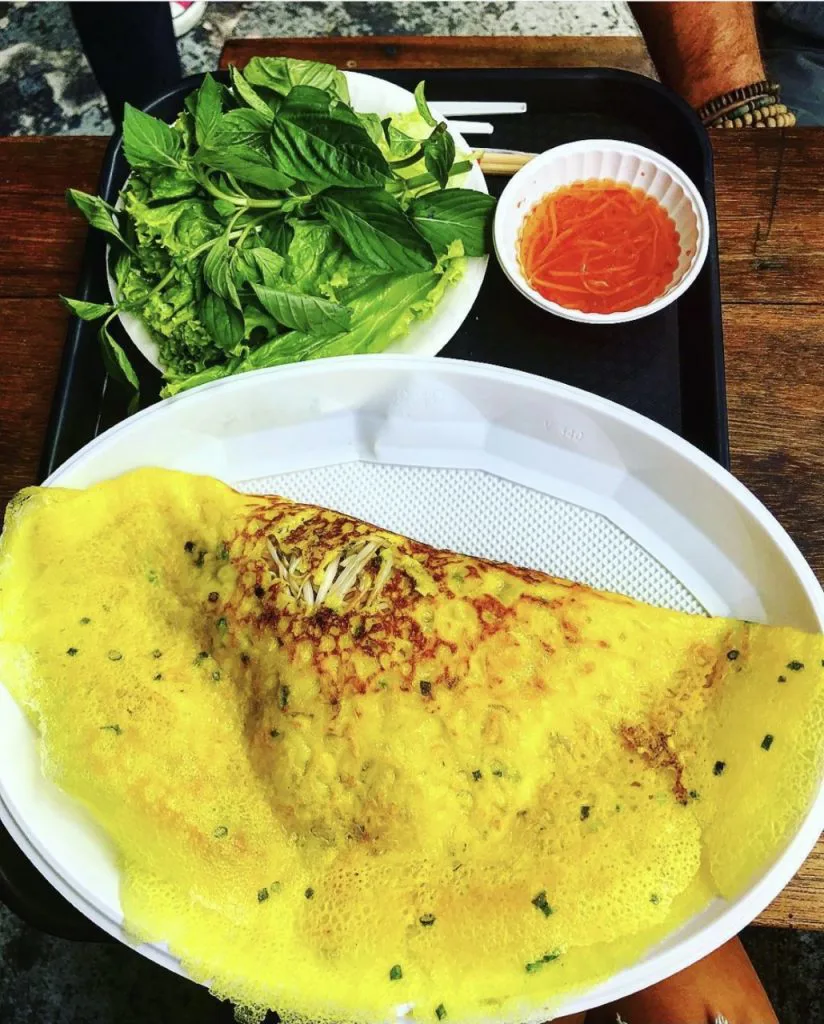
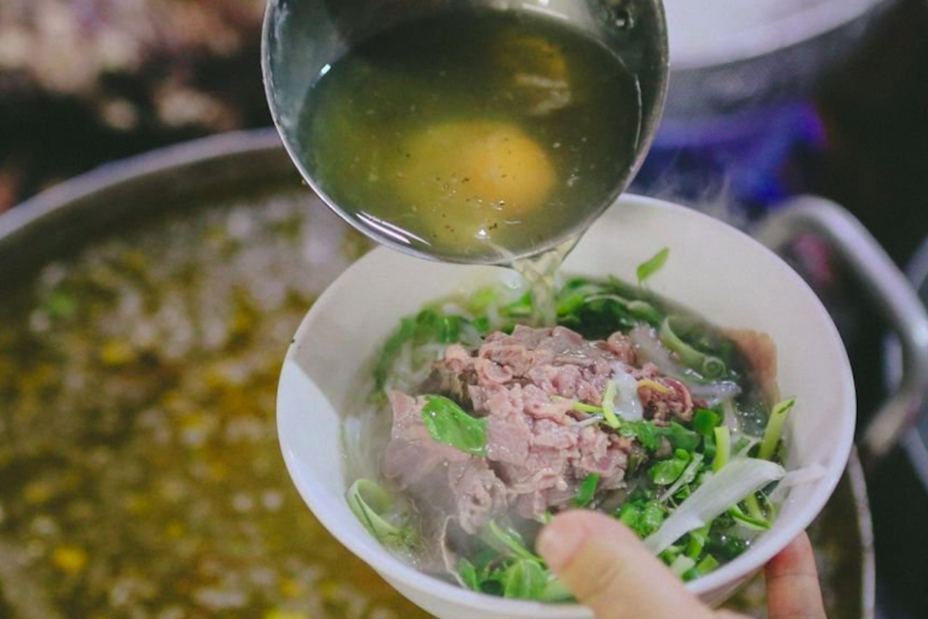
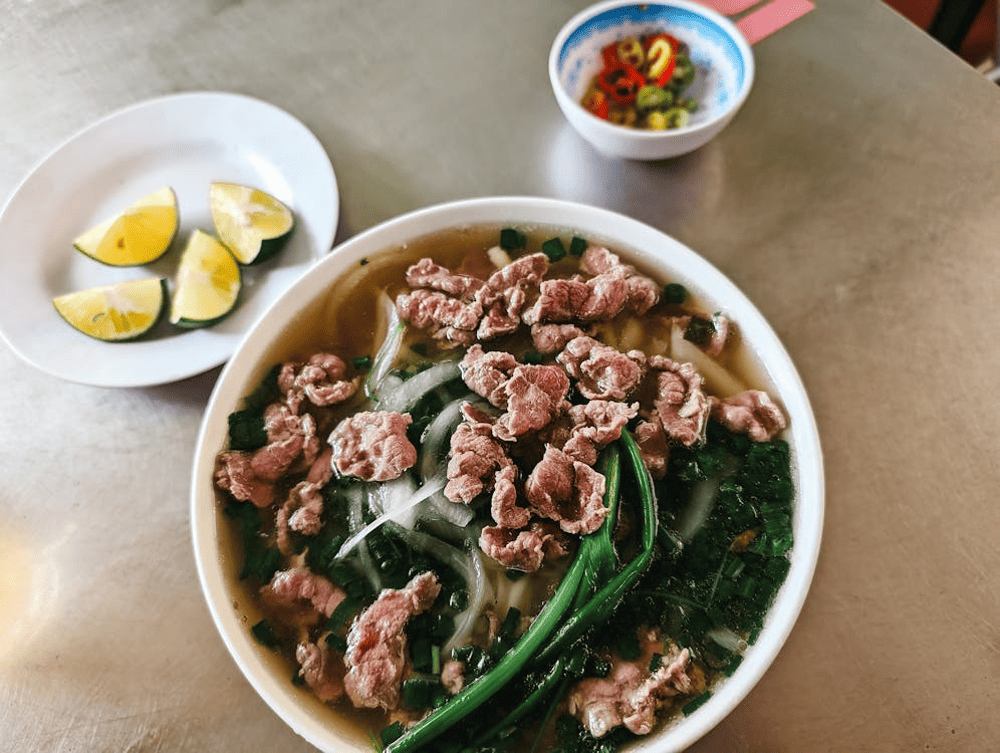
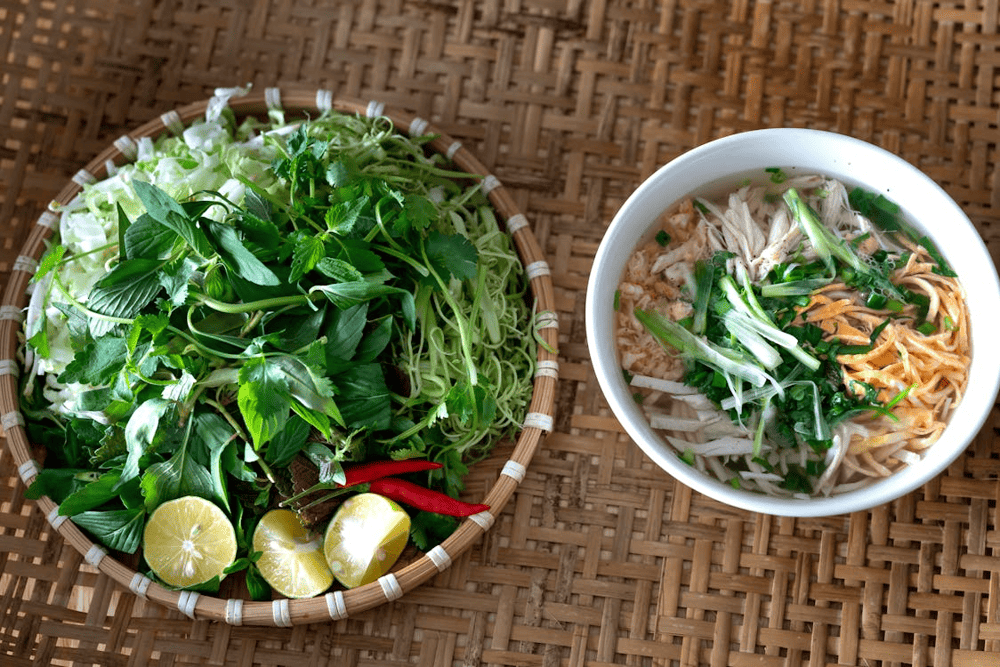
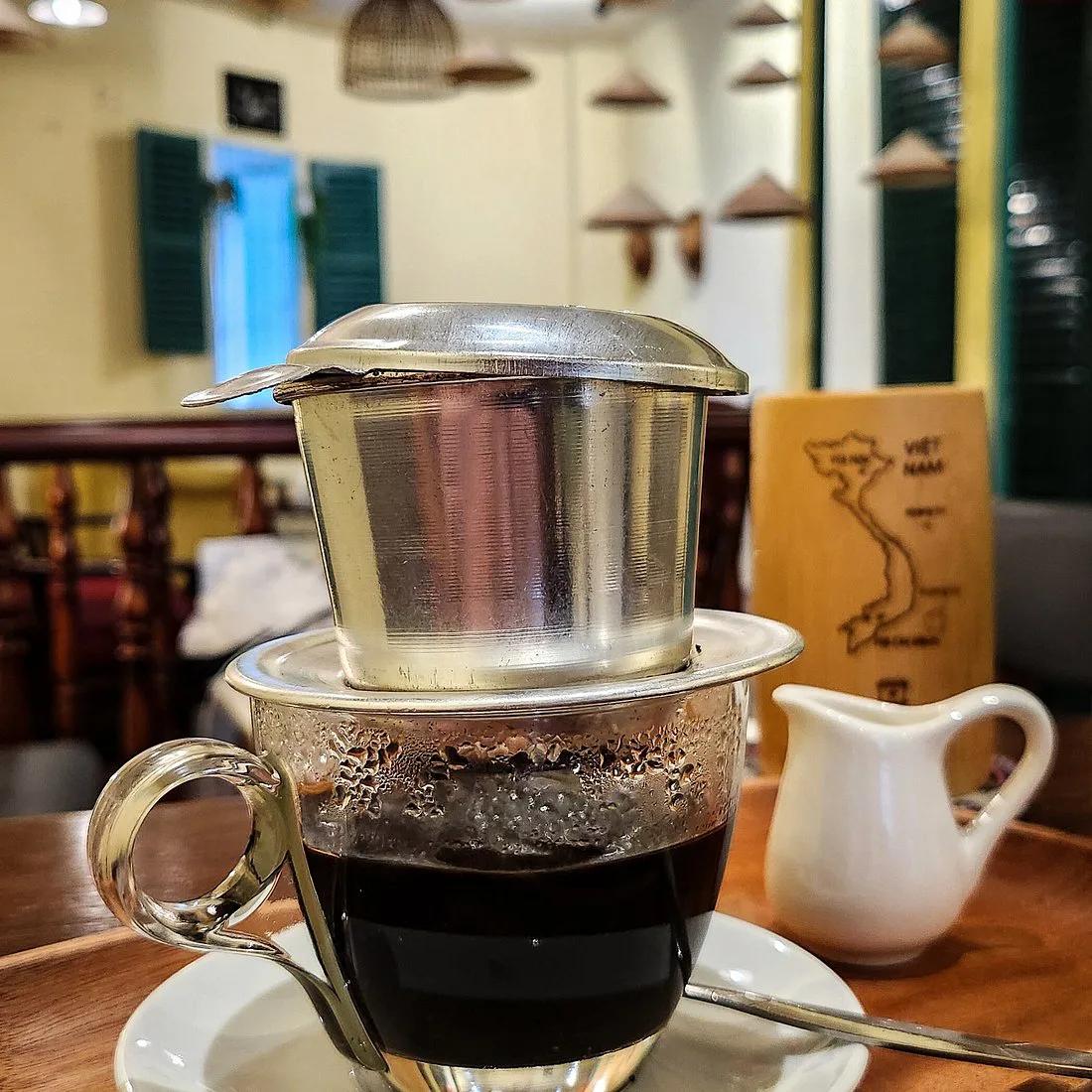
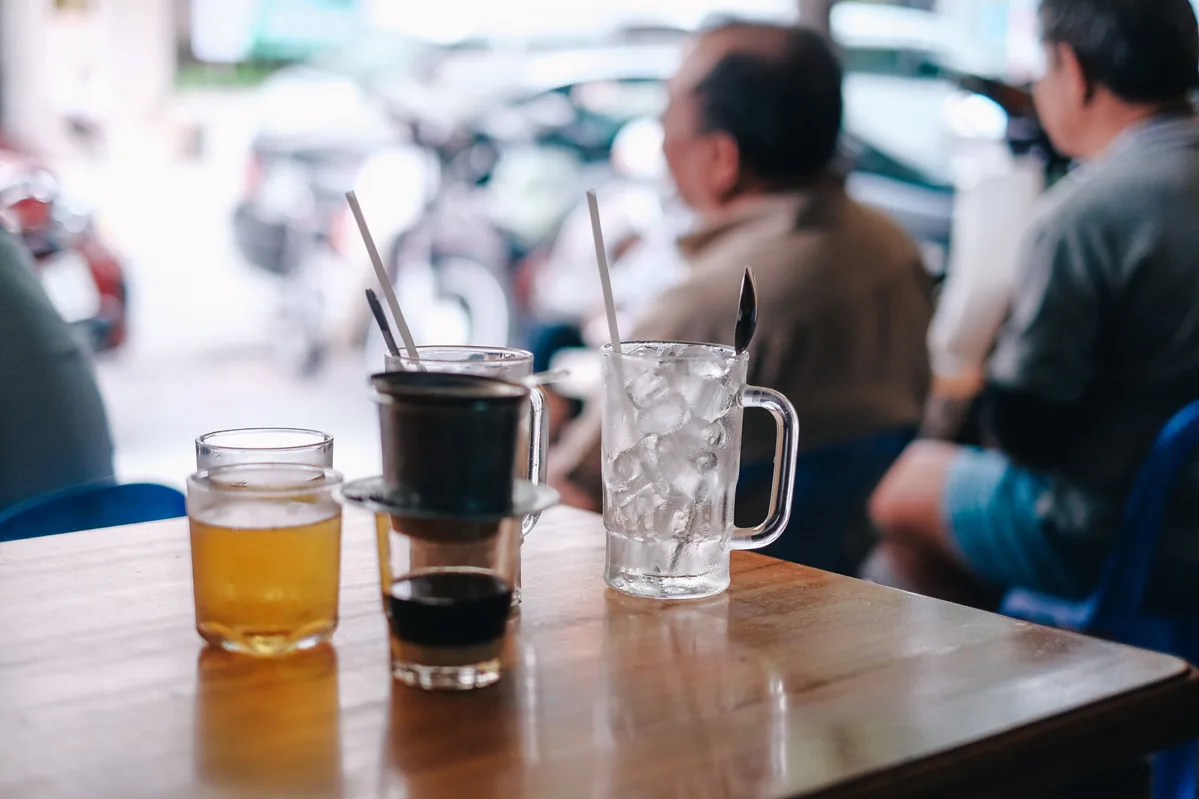
The link between weather and food in Vietnam is particularly evident in January. In the northern regions, people gravitate towards warming dishes. Bowls of pho, bun thang, and bun rieu are popular in the chilly air. Hot soy milk, ginger tea, and roasted chestnuts are common street snacks, and hotpot restaurants are busy as families gather around steaming pots on cool evenings. Central Vietnam offers a balance of comforting and fresh flavors. Hue’s rich noodle soups, Hoi An’s cao lầu and mì Quảng, and Da Nang’s grilled seafood all complement the mild climate. Outdoor seating at night markets or simple coastal restaurants is comfortable without concerns about heavy rain. Southern Vietnam feels like the peak season for street food. Warm, dry evenings encourage outdoor dining, with streets filled with sizzling bánh xèo, plates of cơm tấm, bowls of hủ tiếu, and an abundance of grilled shellfish. Café culture also thrives, with open-air or balcony cafés serving phin coffee, coconut coffee, and smoothies to guests who enjoy lingering in the soft night air. For a deeper understanding of the country's culinary traditions, explore Vietnamese cuisine.
January Travel Logistics and Tet Preparation
From a logistical standpoint, January is generally straightforward. Weather-related delays are infrequent, so domestic flights, long-distance buses, and trains usually adhere to their schedules. Road conditions are good in most areas, including mountainous regions. Crowd levels are influenced by international tourism and the timing of Tet, Vietnam’s Lunar New Year. Early January typically sees moderate activity in major destinations without feeling overly crowded. As Tet approaches—which can fall in late January or early February—cities and transport hubs become noticeably busier. Markets are filled with flowers, red decorations, and special foods. Families travel to visit relatives, leading to increased demand for tickets. During the actual Tet holiday, many shops and some attractions may close for a few days. However, the period leading up to Tet can offer a unique opportunity to experience local culture, especially in Hanoi and Ho Chi Minh City. It is advisable to book transport and accommodation well in advance if your travel dates coincide with the festival.
Packing Essentials for a January Trip
Given the significant regional variations in Vietnam's January weather, strategic packing is crucial.
- For the North: Bring a warm jacket, a sweater, long trousers, closed shoes, and potentially gloves and a hat if you plan to visit Sapa or Ha Giang.
- For Central Vietnam: Pack light layers. Long-sleeve shirts, a light jacket, and breathable trousers are suitable. A compact rain jacket can be useful for Hue or any early-month showers.
- For the South: Focus on light, breathable clothing such as T-shirts, shorts, dresses, and sandals. Include a thin long-sleeve layer for cooler early mornings or air-conditioned indoor spaces. Sunscreen, sunglasses, and a hat are indispensable.
With a versatile selection of layers, you can comfortably transition from Hanoi’s winter air to Hoi An’s mild evenings and Ho Chi Minh City’s warm sunshine.
Frequently Asked Questions
Is January a good month to visit Vietnam?
Yes, January is considered one of the most favorable months for visiting Vietnam, as most regions experience stable, dry, and pleasant weather conditions for travel.
Does Vietnam have cold weather in January?
Cold weather is primarily found in northern Vietnam. Hanoi, Sapa, and Ha Giang can be quite cold, while central Vietnam is mild, and the southern regions are warm and sunny.
What is the temperature in Vietnam in January?
Temperatures in northern Vietnam typically range from 12–20°C, central Vietnam from 18–26°C, and southern Vietnam from 22–32°C.
Does it rain a lot in January?
No, rainfall is generally minimal across most regions, particularly in the south. Light drizzle might still occur in Hanoi or Hue.
Is January a good time for beaches in Vietnam?
Yes, especially for southern beaches like those in Phu Quoc or Vung Tau. Central beaches improve throughout the month, but conditions can still vary in early January.
What should I pack for Vietnam in January?
Pack warm layers for the north, light layers with a jacket for the central region, and light, breathable clothing for the south, along with sun protection.
Is Ha Long Bay good in January?
Ha Long Bay is generally good in January, but expect cooler temperatures and potential mist or haze. Cruises typically operate as usual.
Is it possible to trek in Sapa or Ha Giang in January?
Yes, trekking is possible, but it will be cold. Warm clothing is essential, and be prepared for fog or very low temperatures at higher elevations.
Is January humid in Vietnam?
Humidity is low in the south, moderate in the center, and higher in the north due to the cool, damp winter air.
Does Tet (Lunar New Year) happen in January?
Sometimes. If Tet falls in late January, anticipate increased travel activity, potentially higher prices, and the need for early bookings due to holiday closures and family travel.








