
Vientiane, the capital city of Laos, presents a unique atmosphere for travelers seeking to understand the country's past and present. Situated along the Mekong River, the city offers a range of historical and religious sites that reflect its long and varied history. Visitors can explore ancient monuments, serene temples, and bustling markets, gaining insight into Lao culture and daily life.
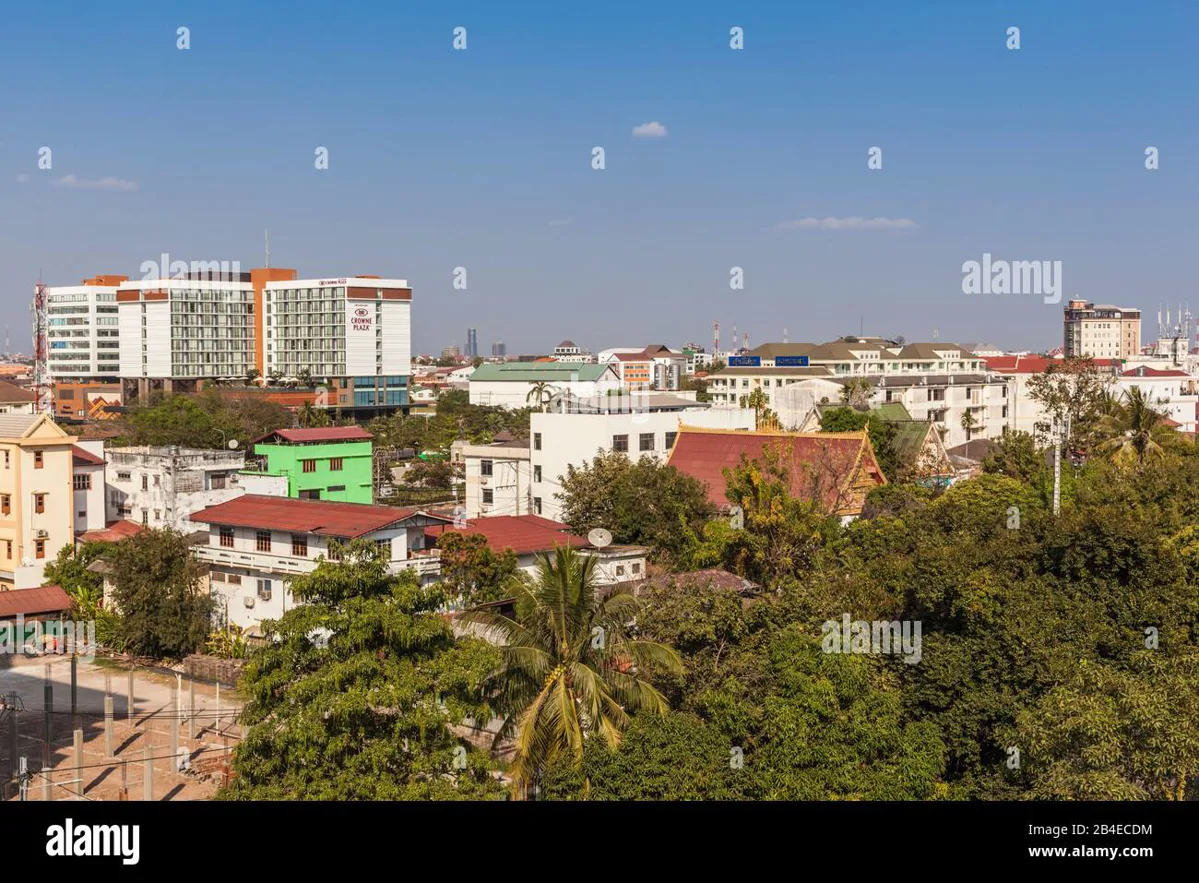
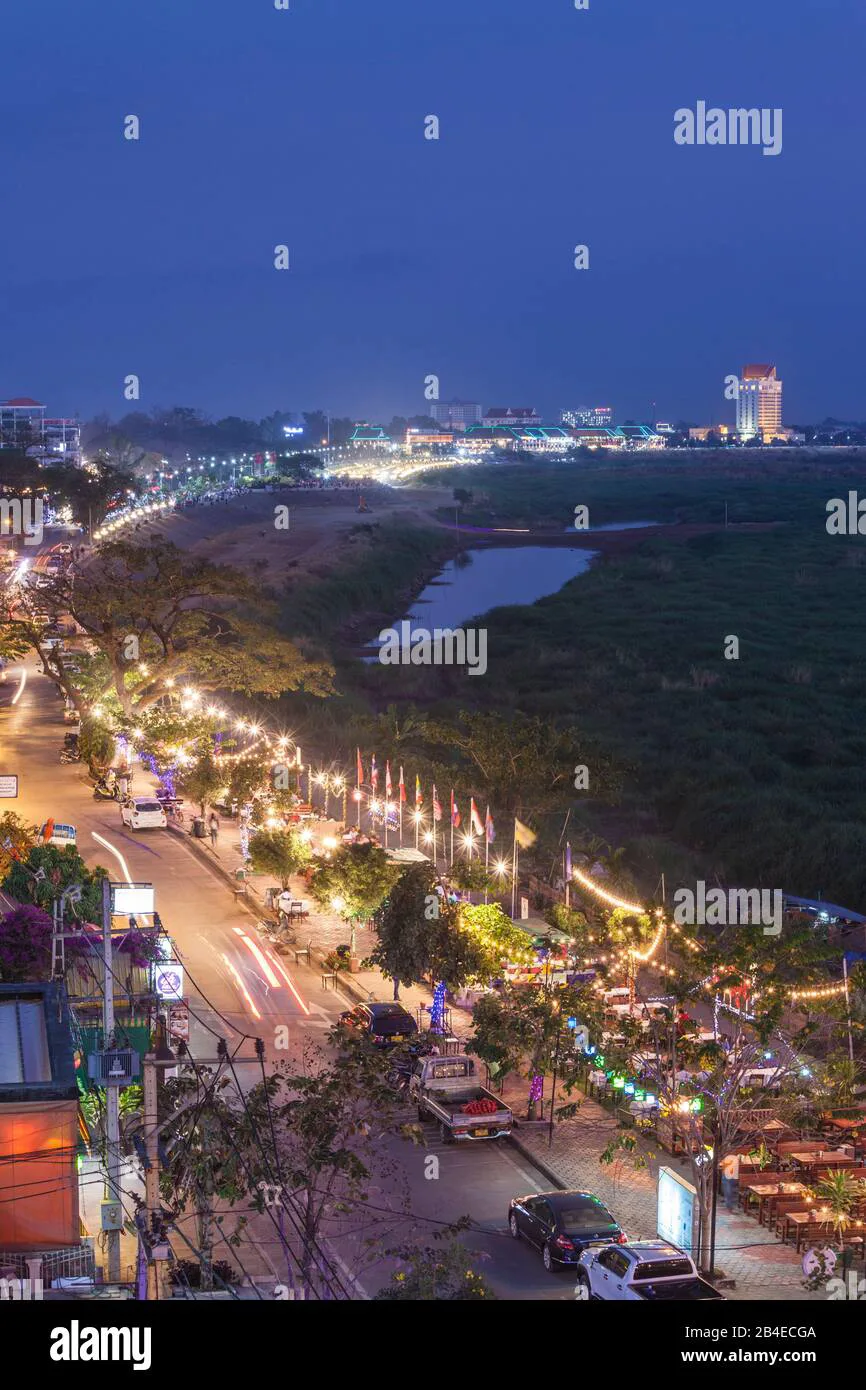
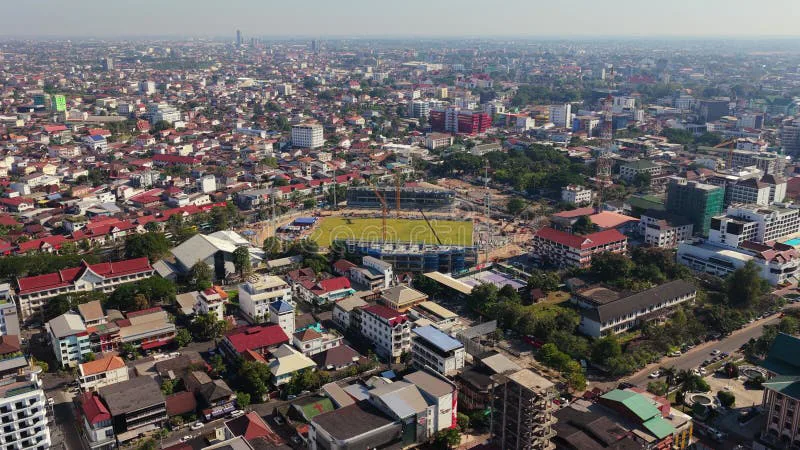
Often referred to as the 'City of the Moon' by the Lao people, Vientiane carries a poetic name that hints at its charm. Local legends recount its founding by Prince Thattaradtha, who established the settlement after departing his ancestral Lao kingdom. This strategic location on the banks of the Mekong River has shaped Vientiane's development through centuries of historical events and various governing periods. The city has also played a role in regional affairs, notably hosting the Southeast Asian Games in 2009, showcasing its growing prominence in the region.
Key Spiritual Landmarks in Vientiane
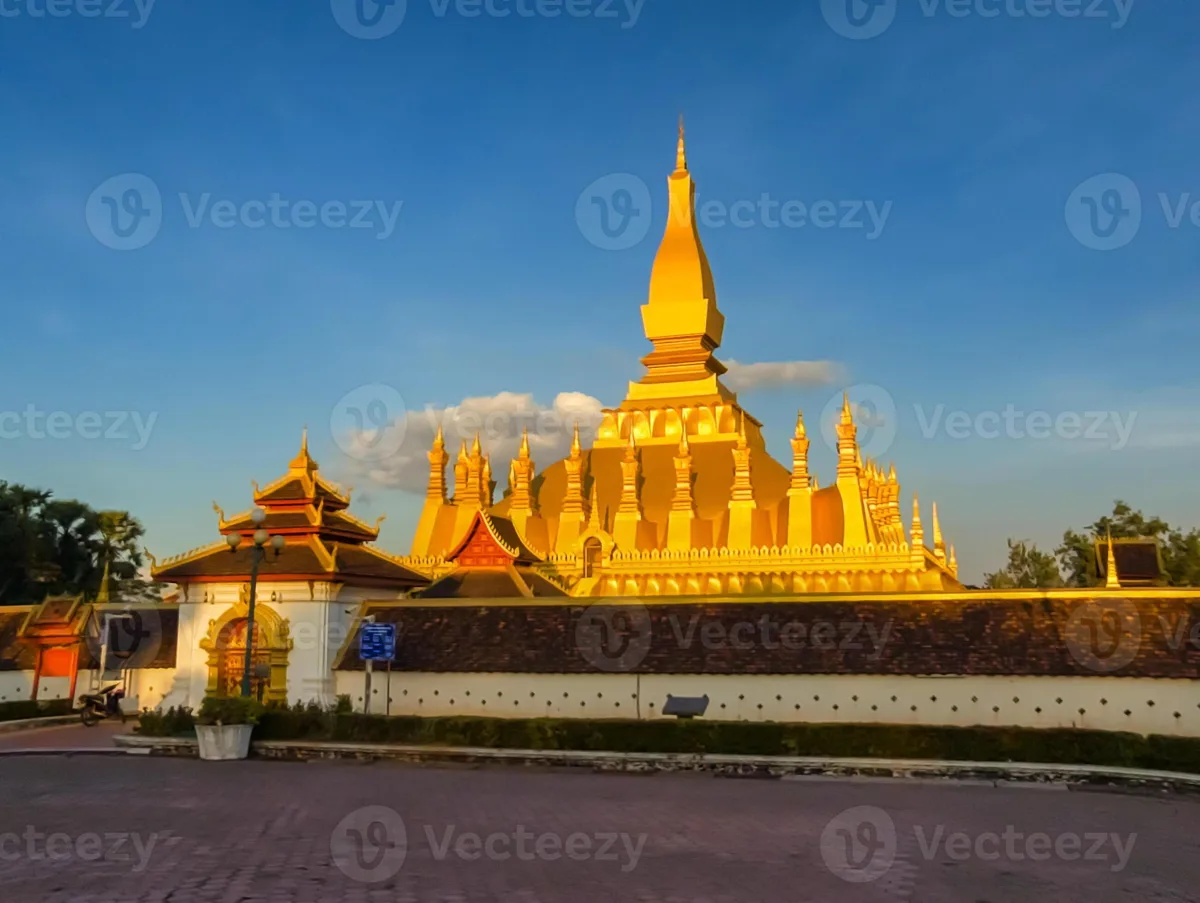
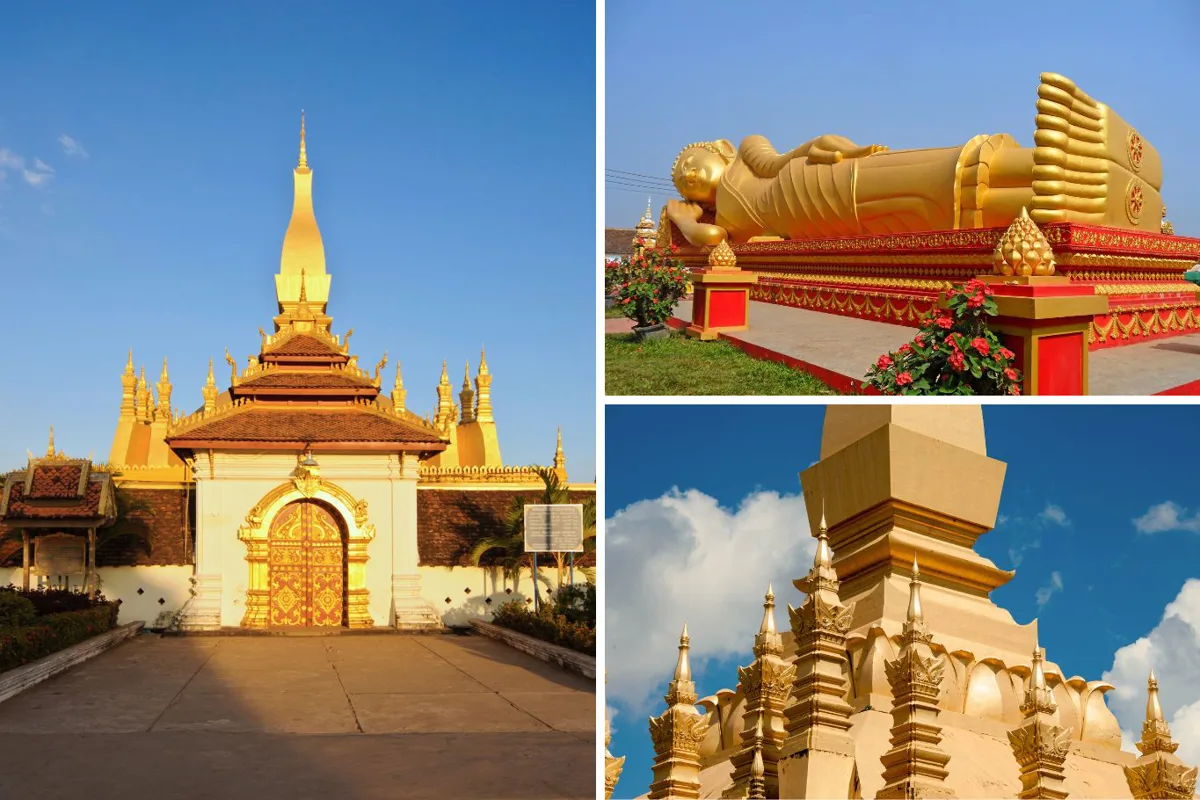
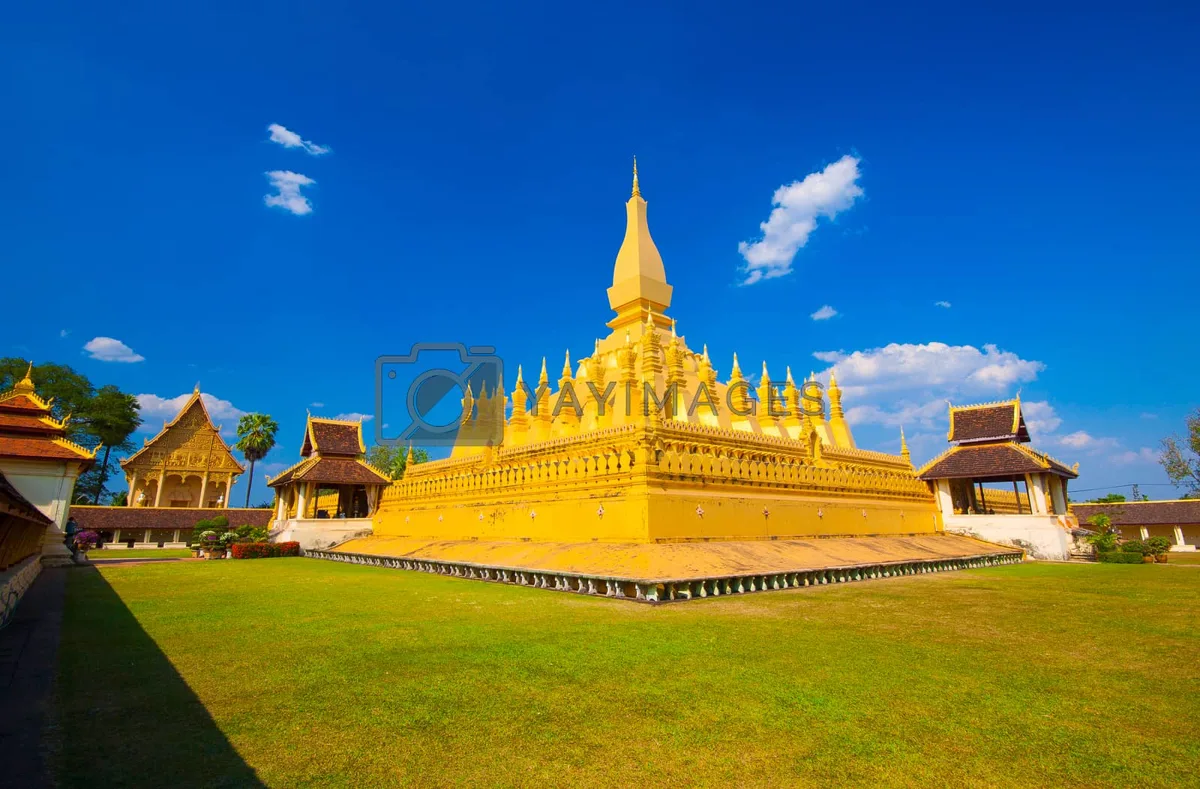
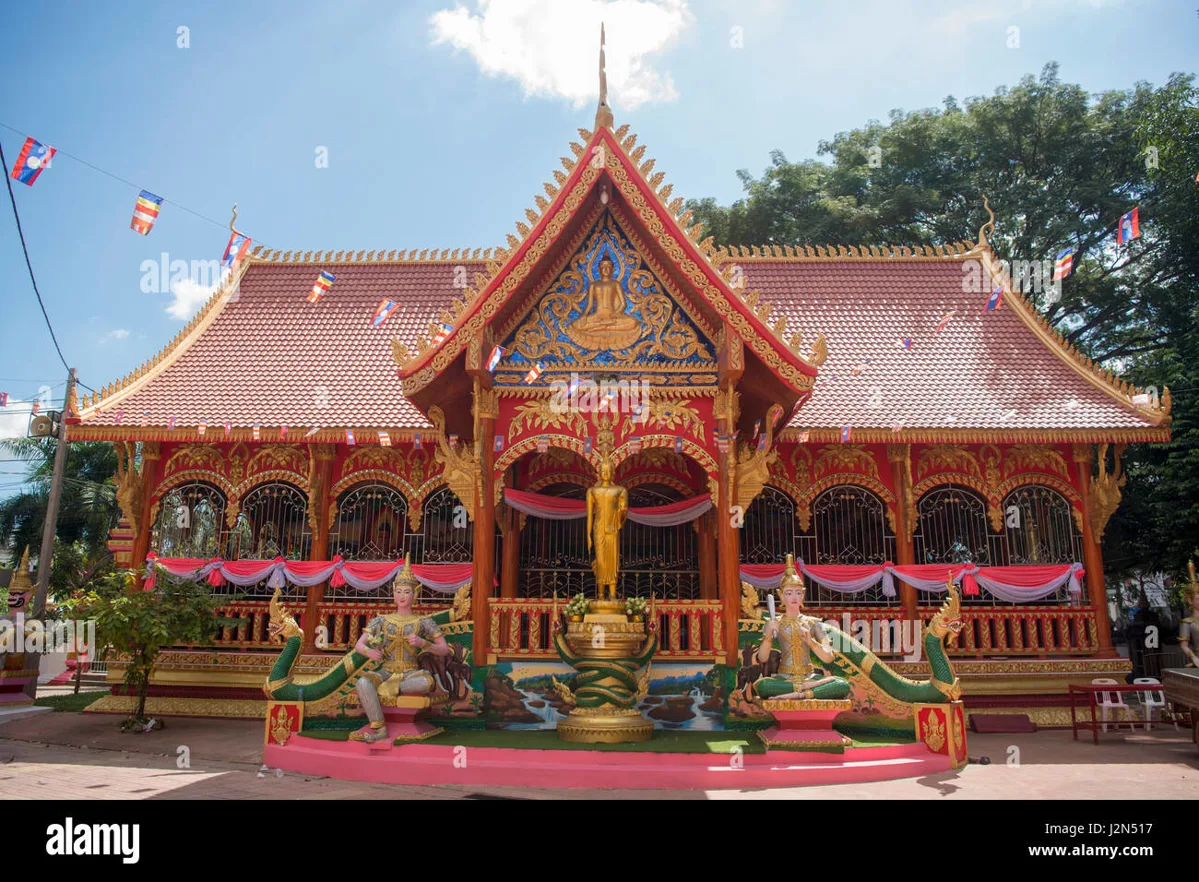
Central to Vientiane's identity is Pha That Luang, a significant golden Buddhist stupa positioned in the city's heart. This grand religious monument stands as a primary point of interest for those visiting the capital. Its origins trace back to the third century, though it has undergone various periods of restoration and rebuilding throughout its long history. For the people of Laos, Pha That Luang holds profound cultural and spiritual importance, widely regarded as a paramount national symbol. This reverence stems from its reputed role as the repository for a sacred Buddhist relic, making it a site of deep spiritual significance and national pride.
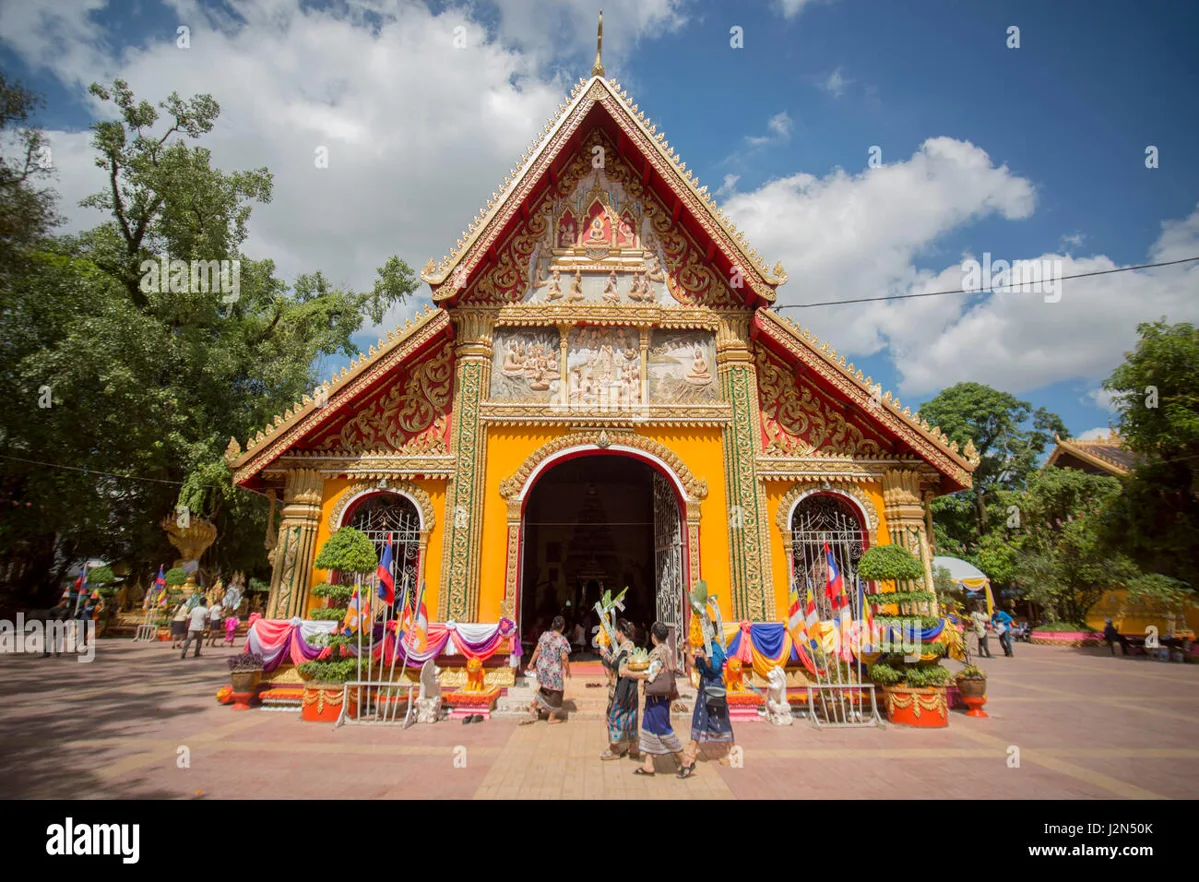
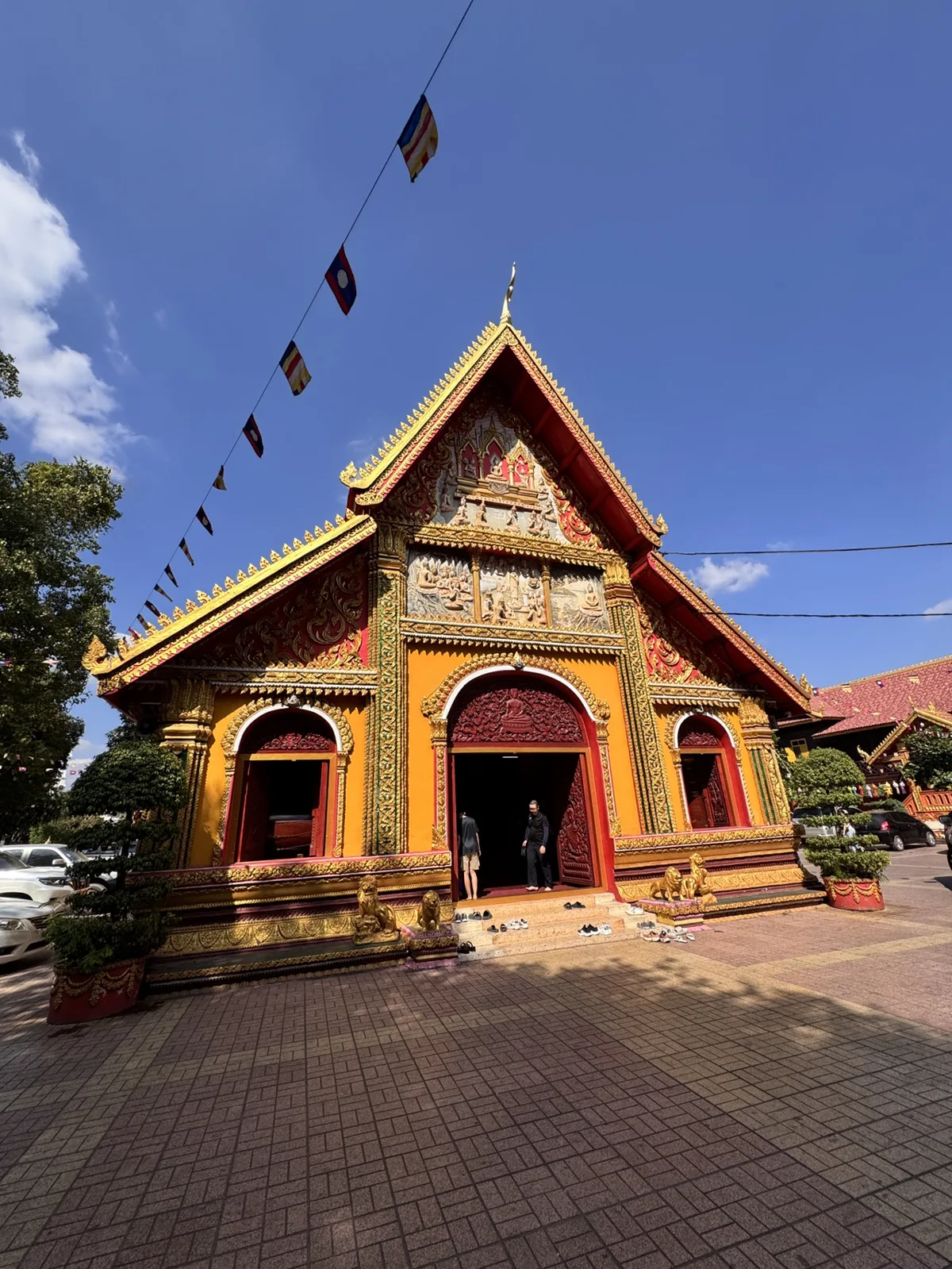
Another notable religious site is the Wat Si Muang temple complex. This temple was constructed upon the remnants of an older Hindu shrine, blending historical layers of spiritual practice. Local beliefs suggest the temple is safeguarded by the spirit of a courageous local woman, adding a layer of folklore to its cultural significance. The temple remains an active place of worship and a point of pilgrimage for many.
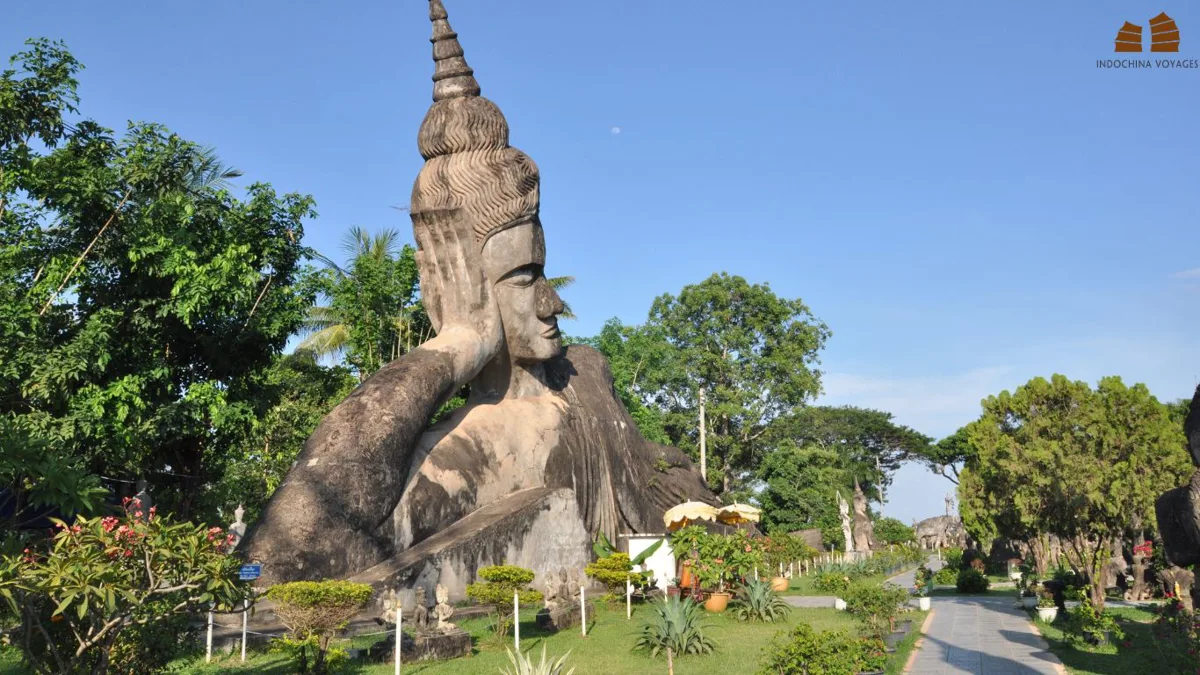
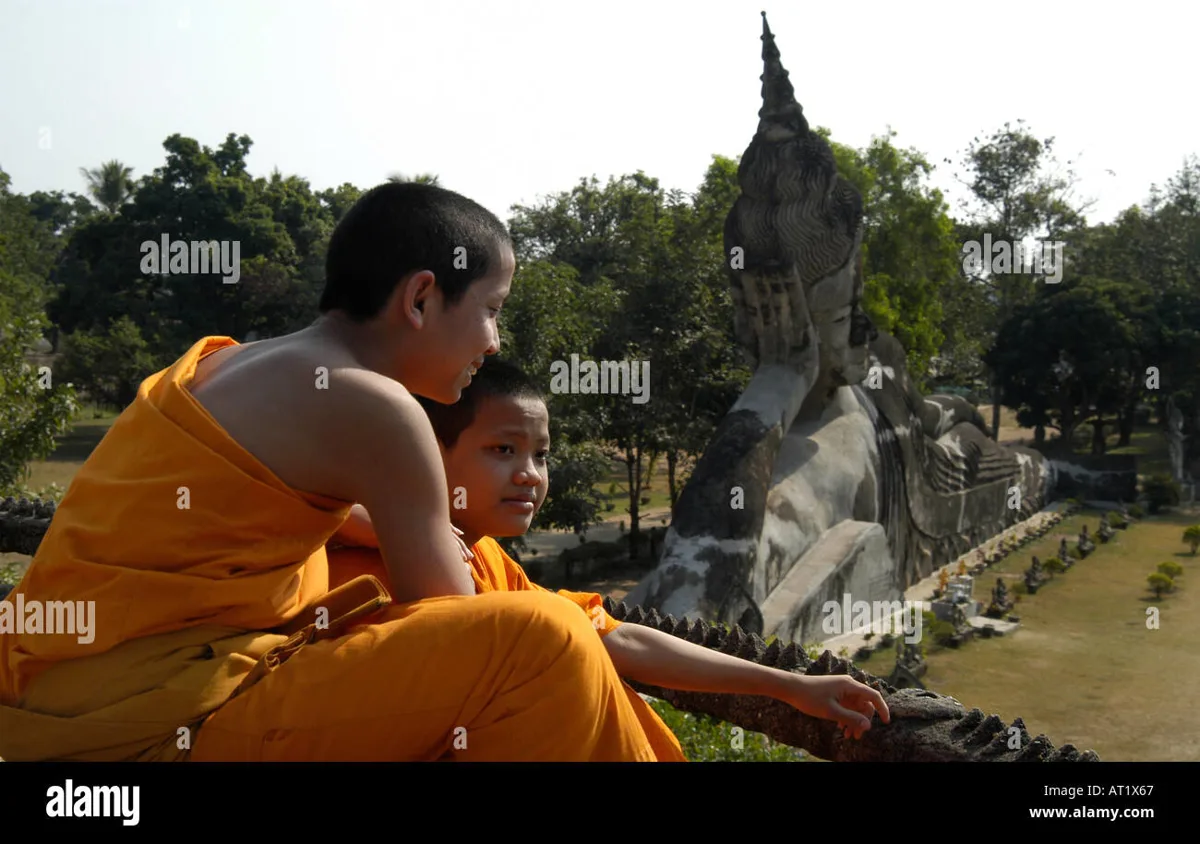
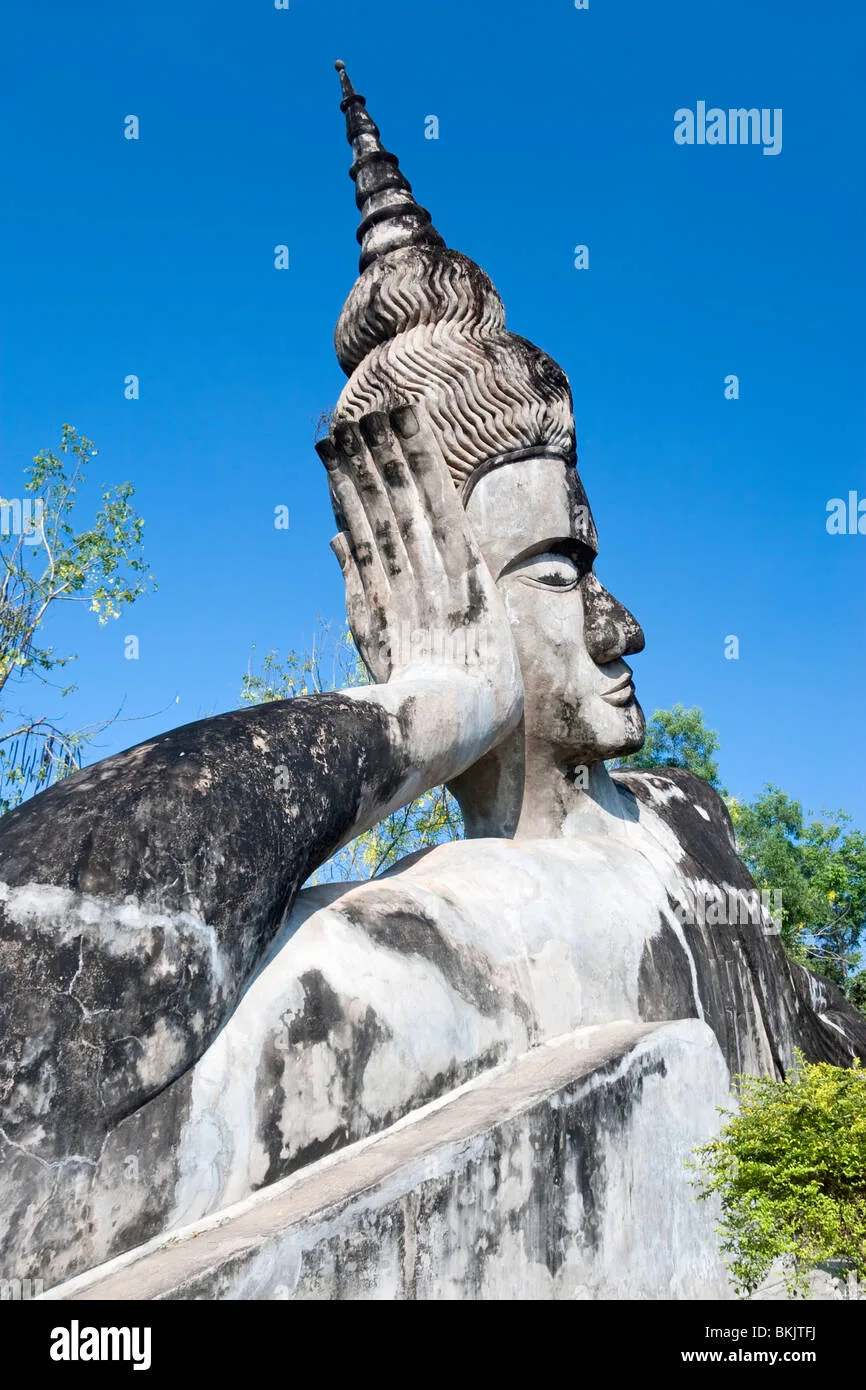
Located to the south of the city, near the Mekong River, is Buddha Park, also known as Xieng Khuan. This sculpture park features a large reclining Buddha statue, alongside numerous other religious figures representing both Buddhist and Hindu deities. The sculptures are arranged within a natural setting of trees and gardens, providing a tranquil environment for contemplation and exploration. The park offers a distinct artistic and spiritual experience, different from the traditional temple settings found elsewhere in the city.
Exploring Vientiane's Cultural Institutions and Markets
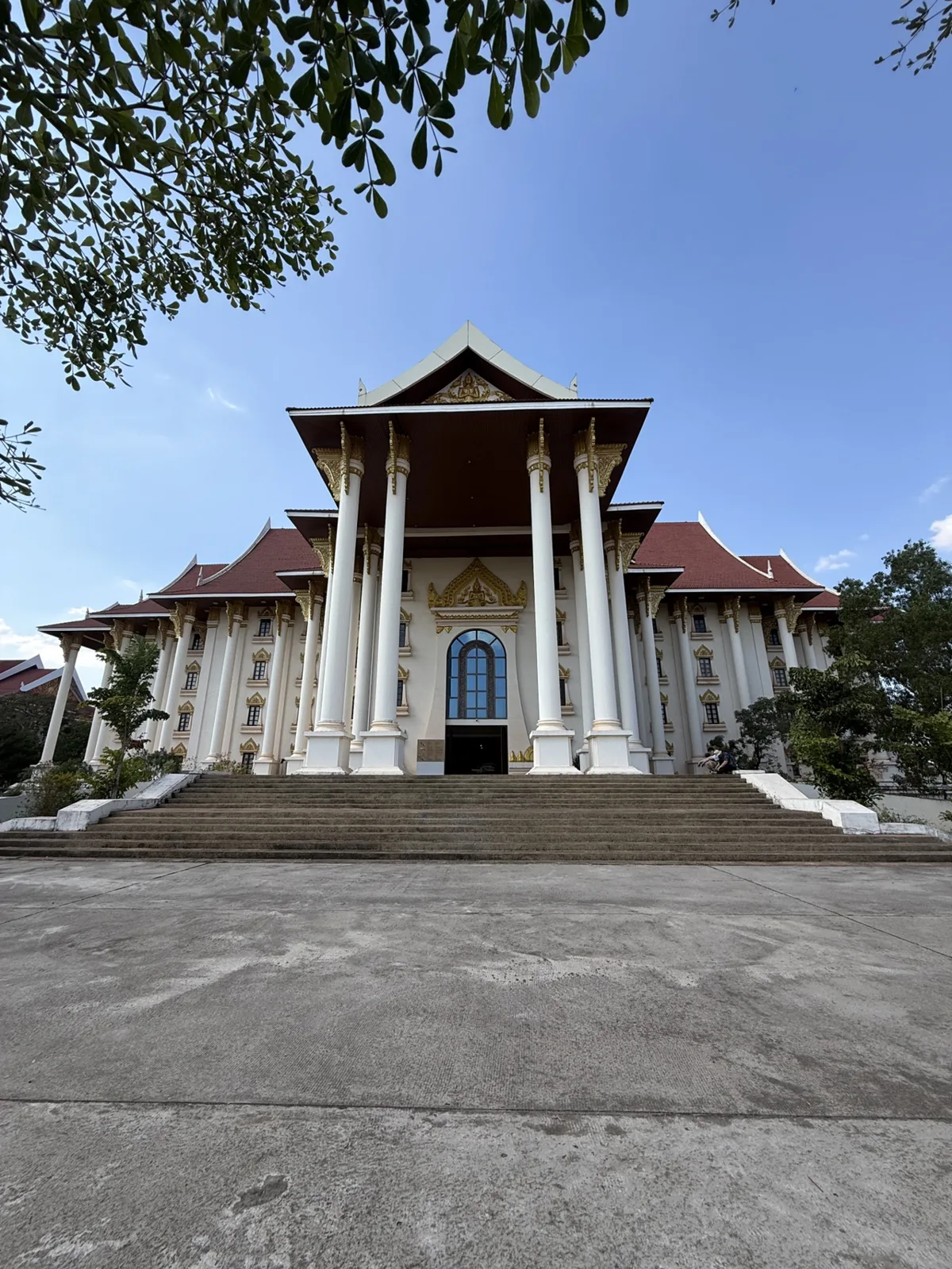
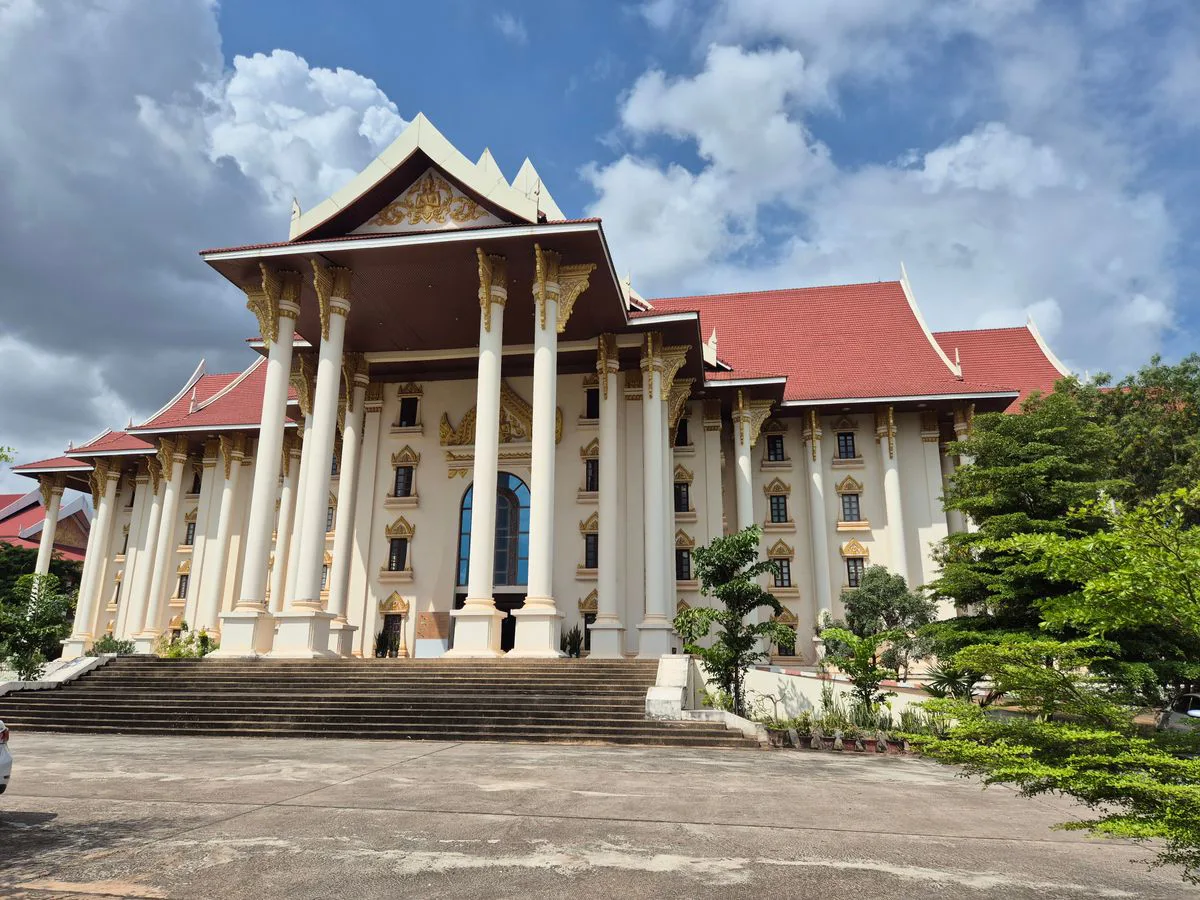
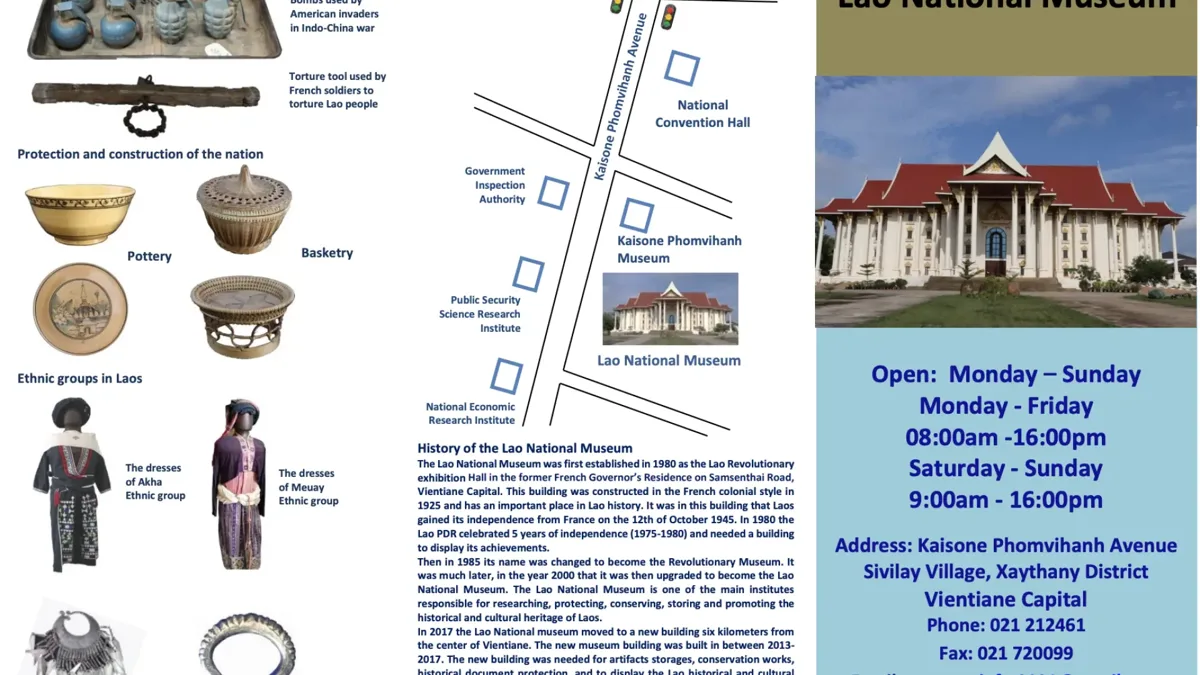
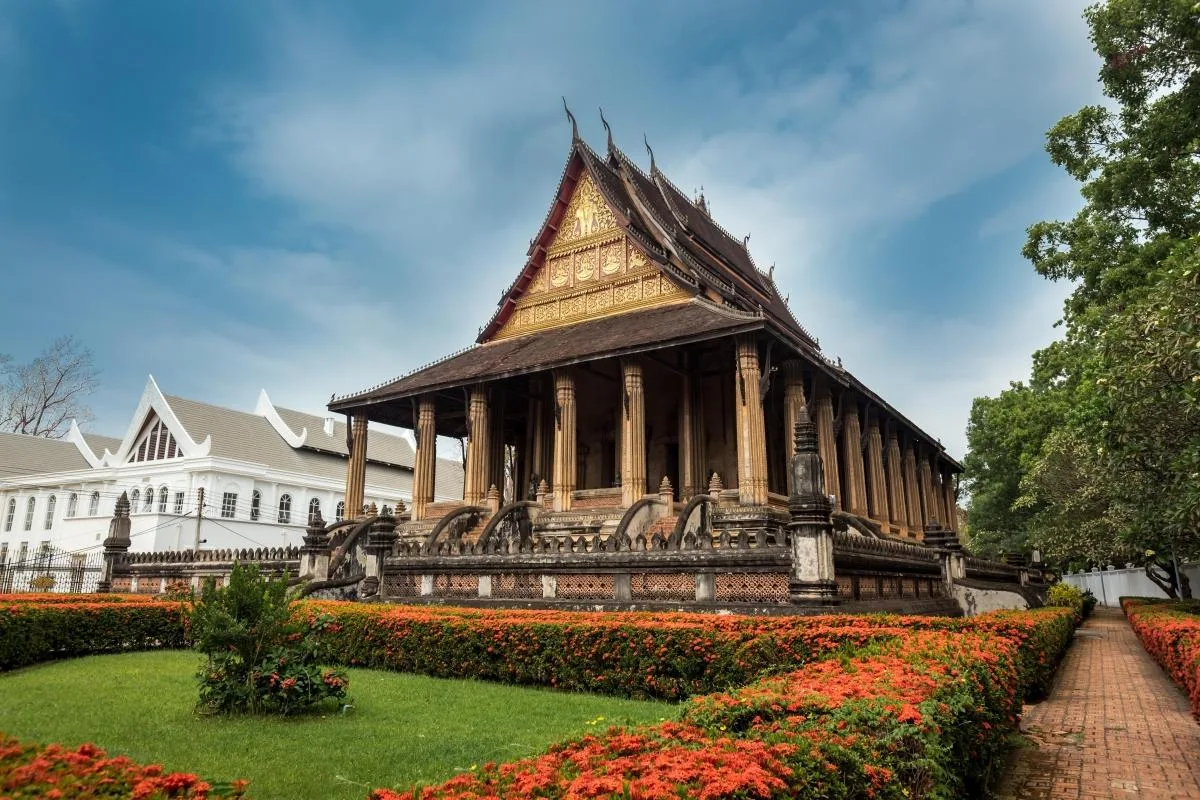
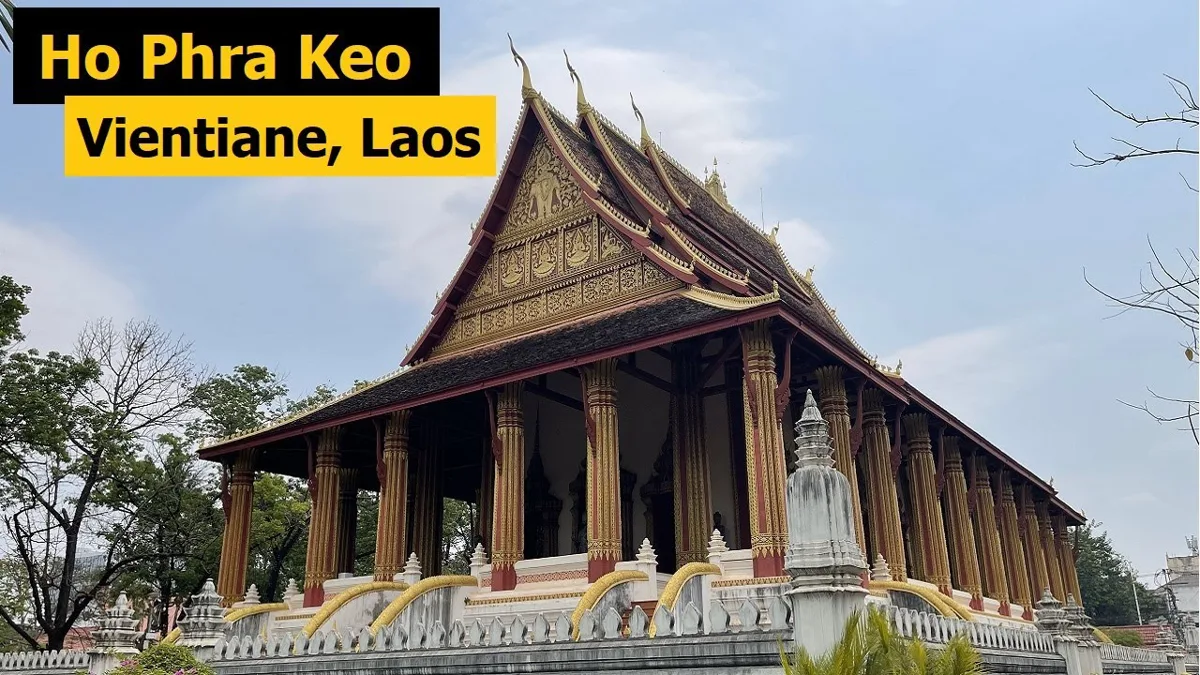
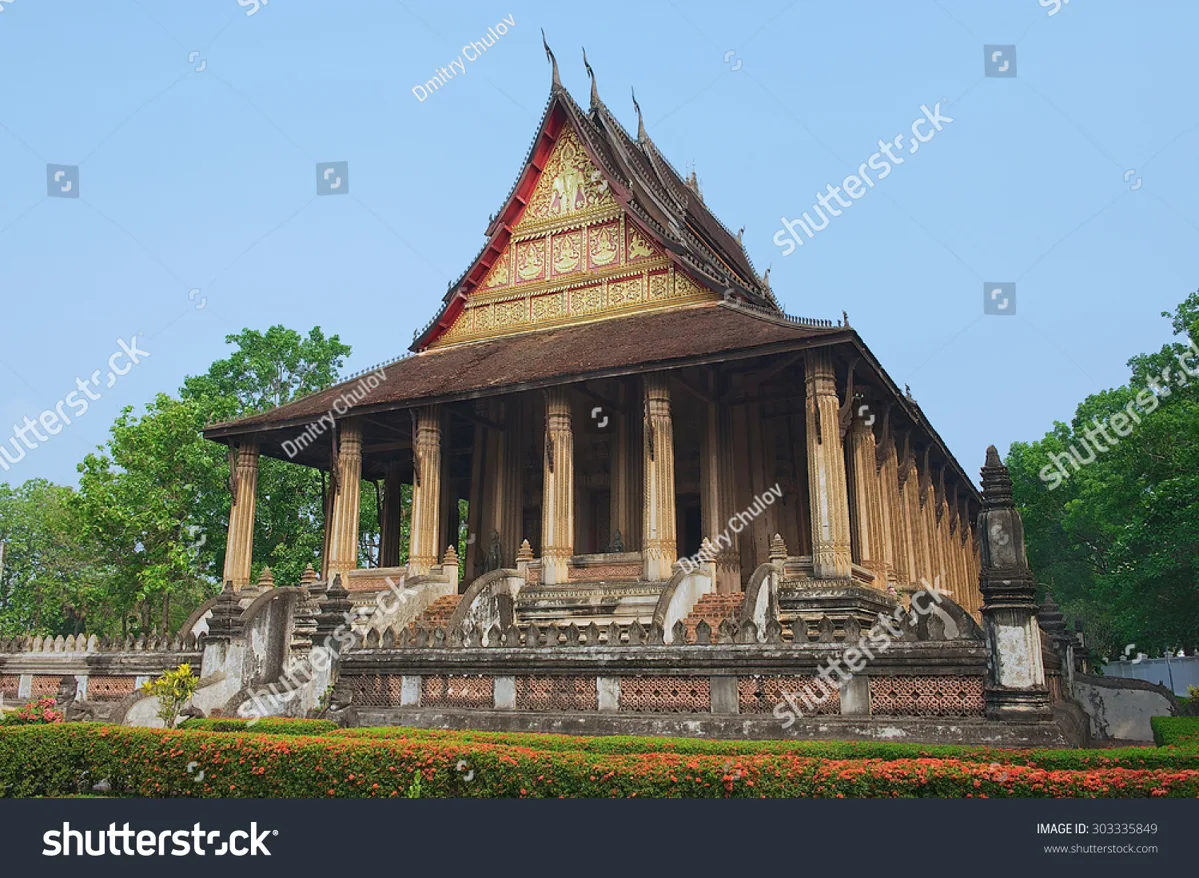
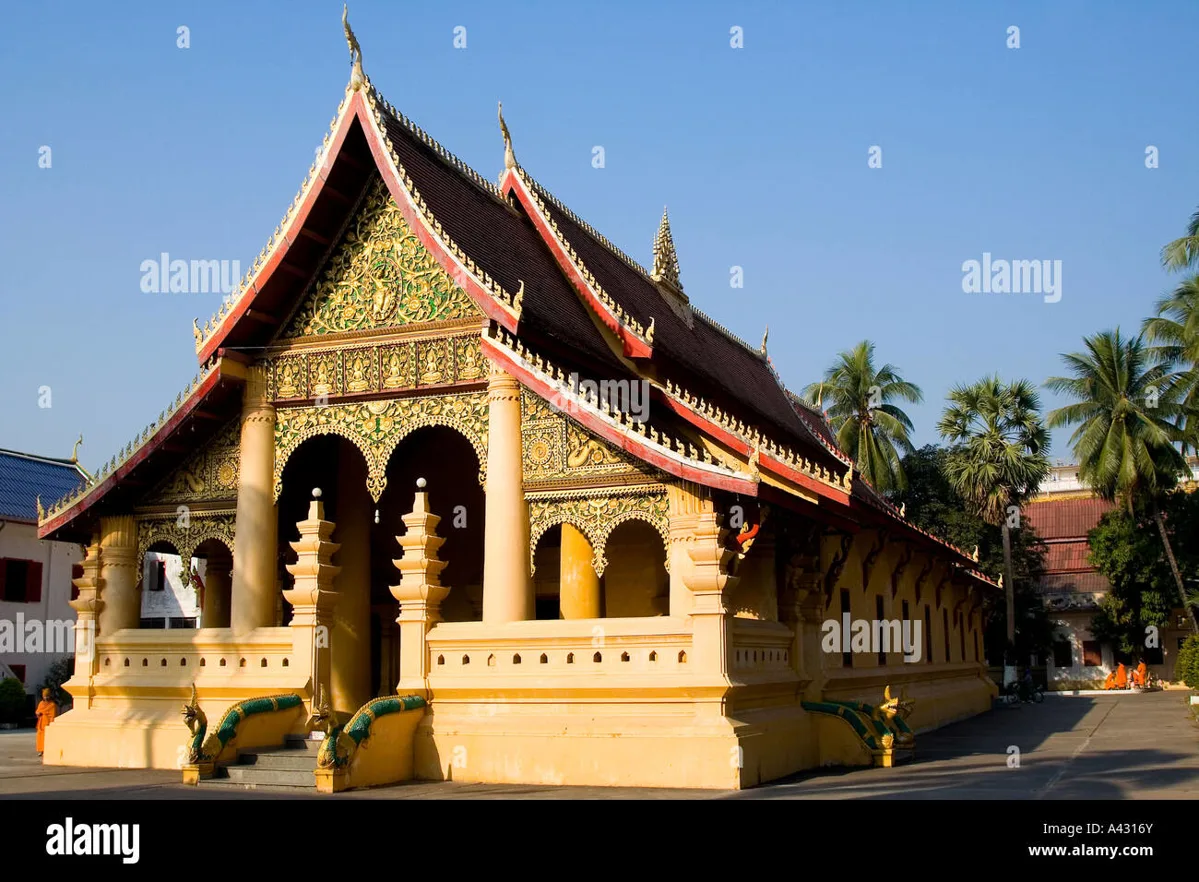

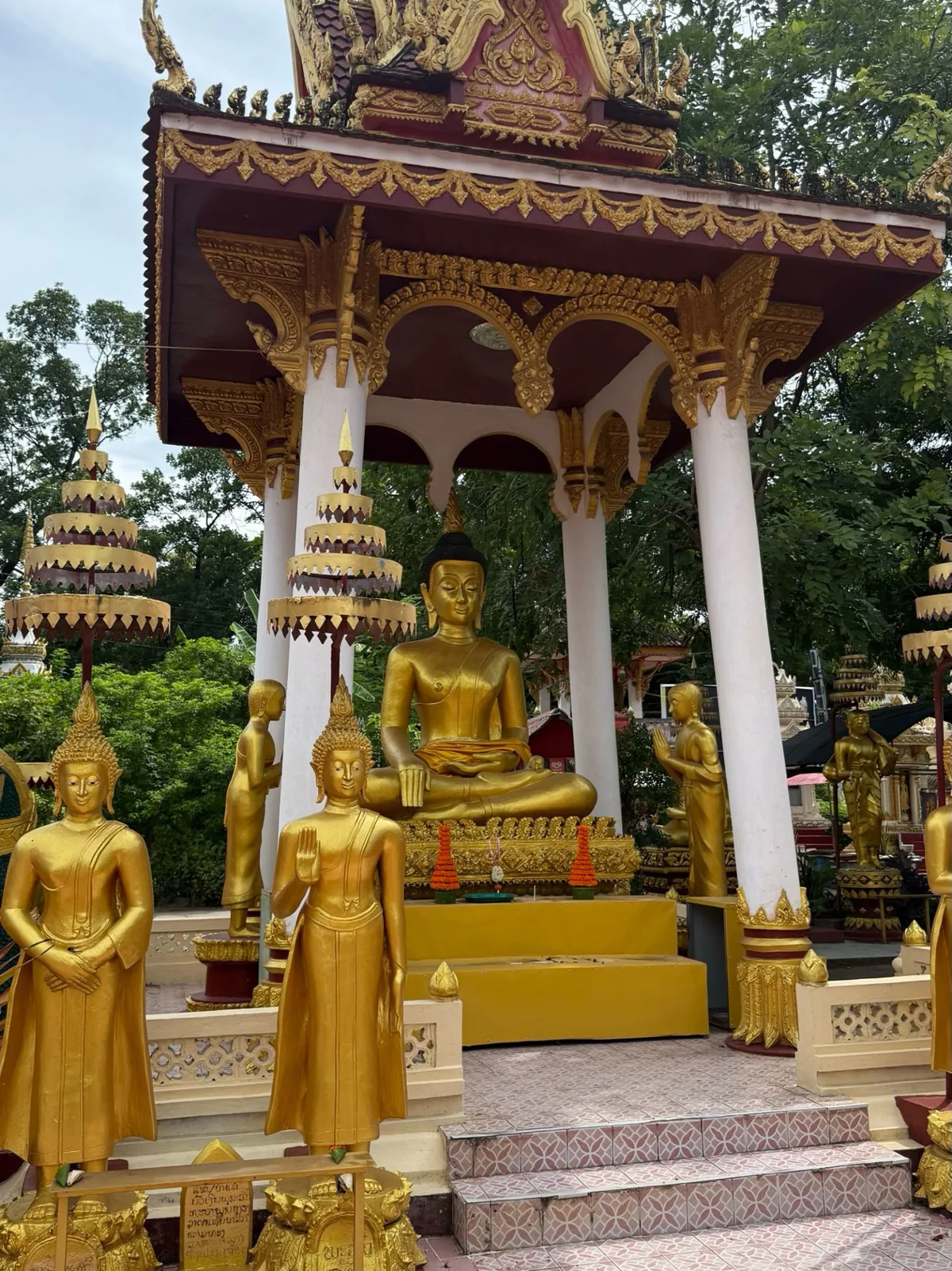
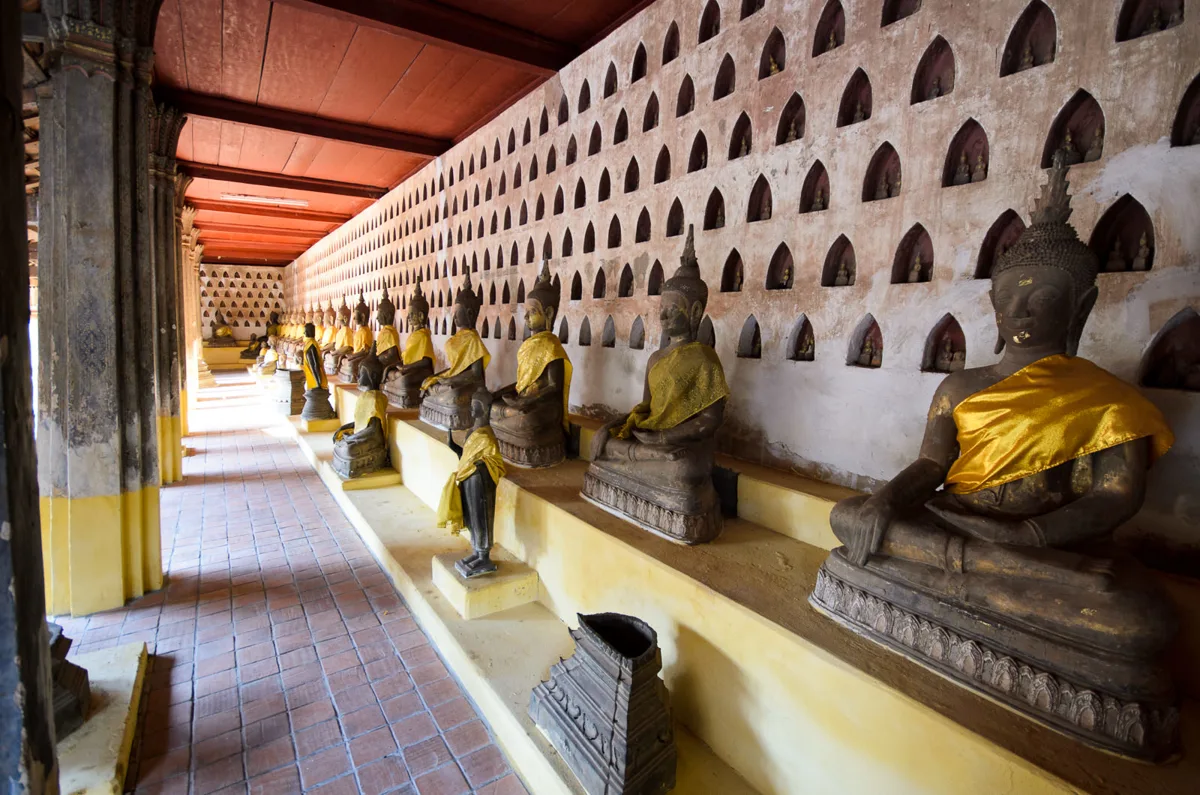
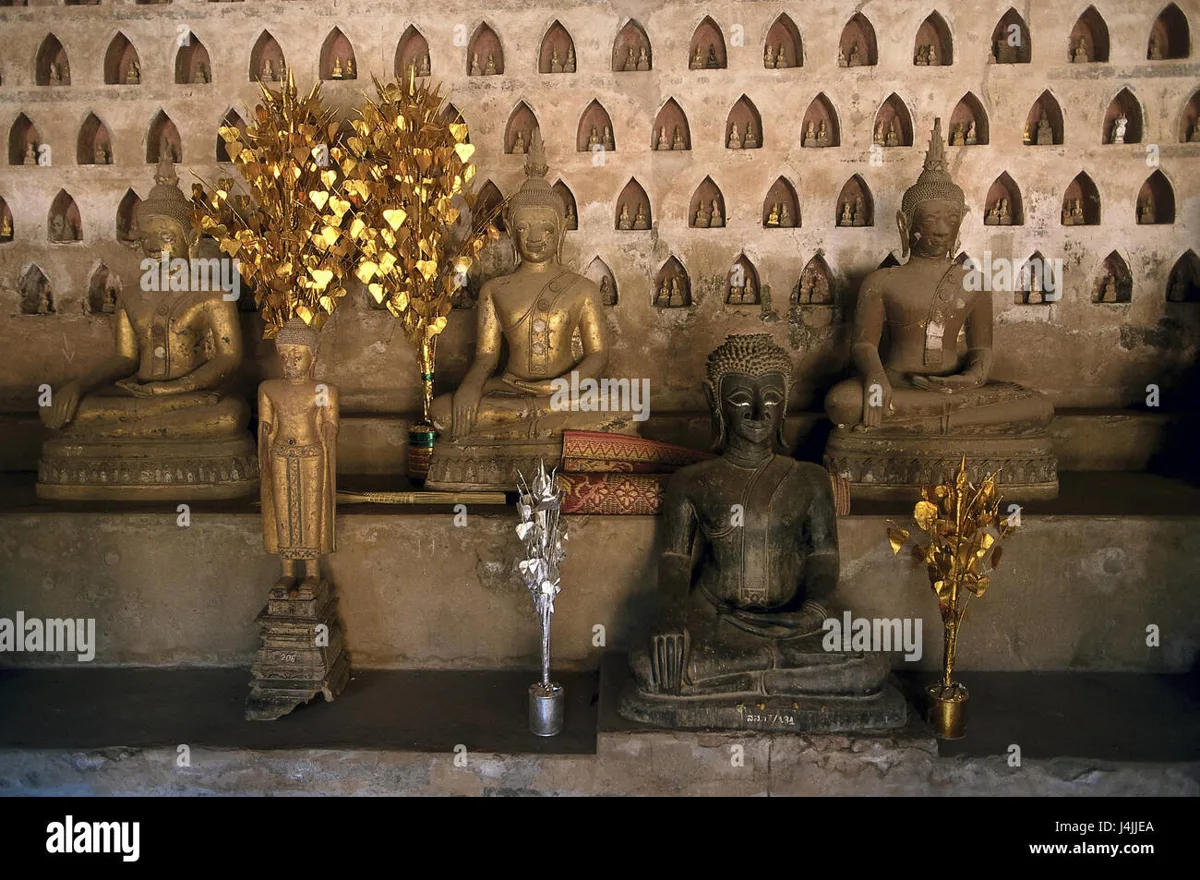
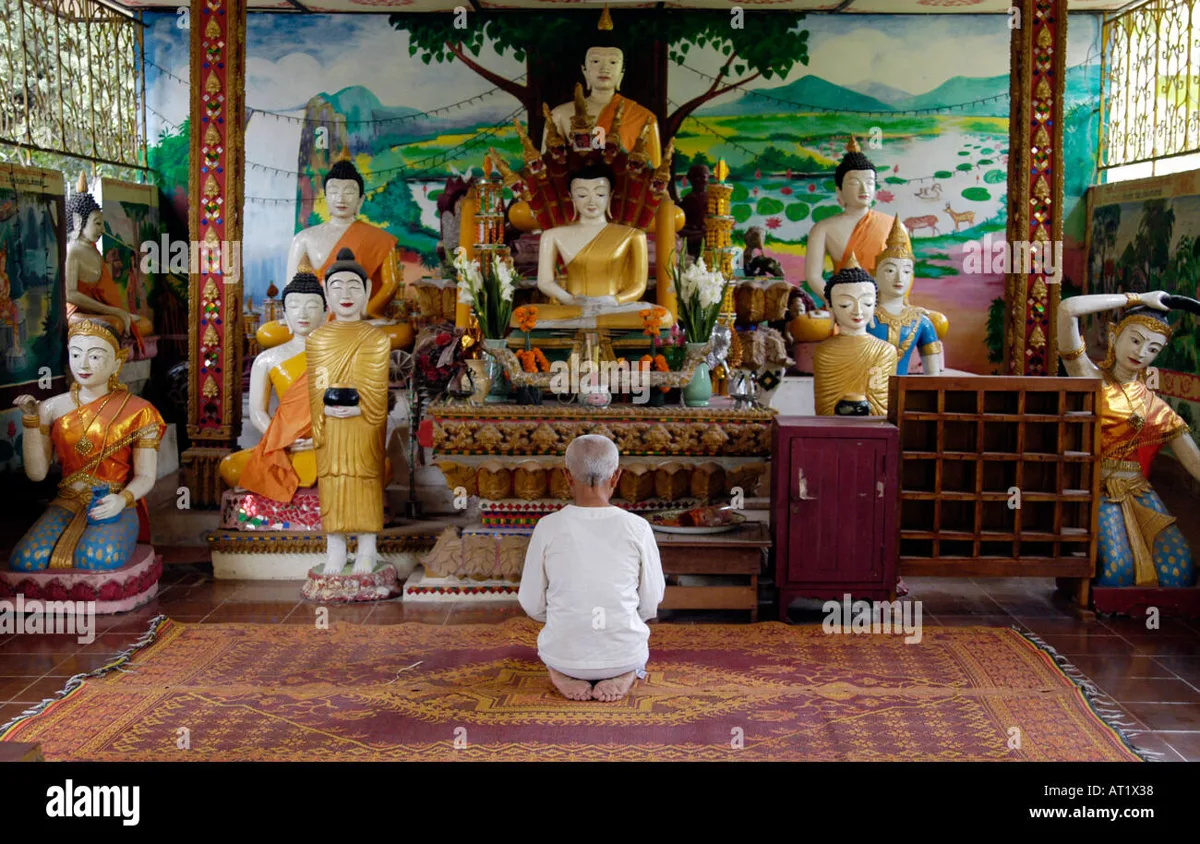
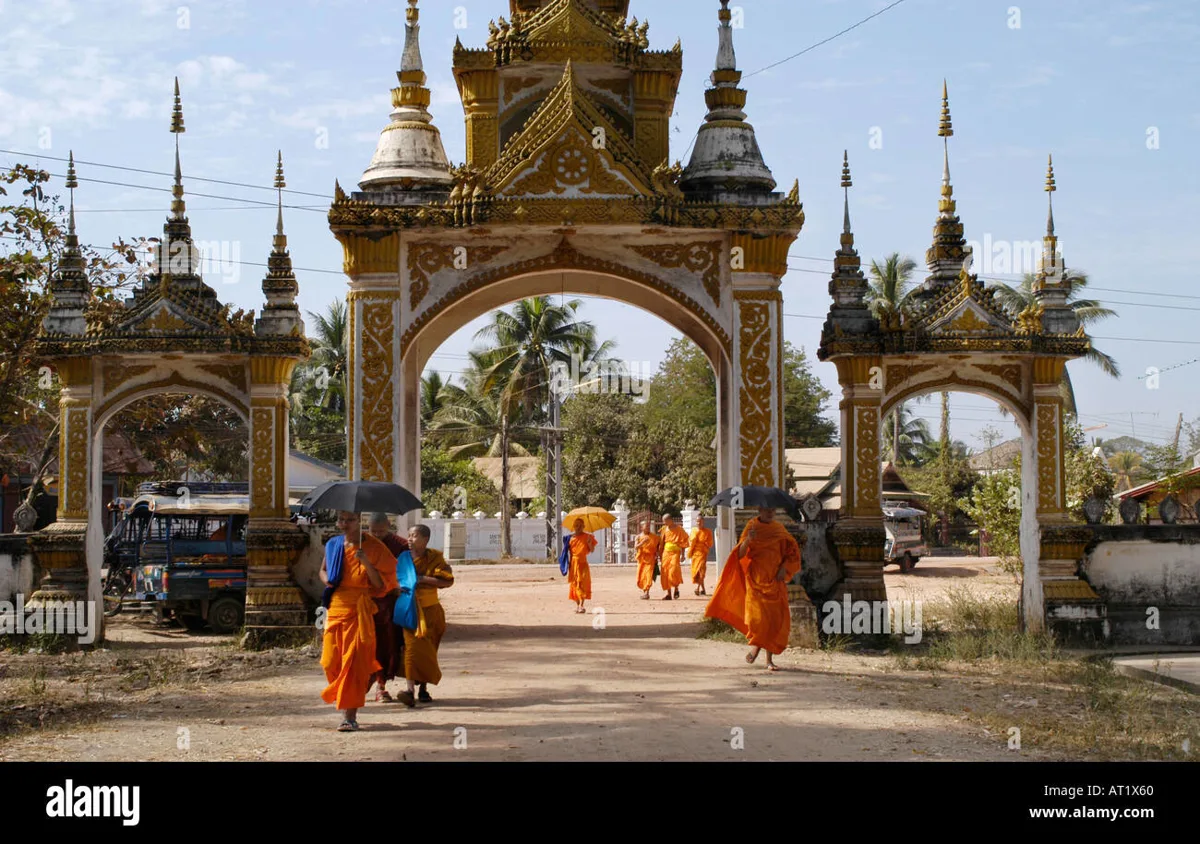
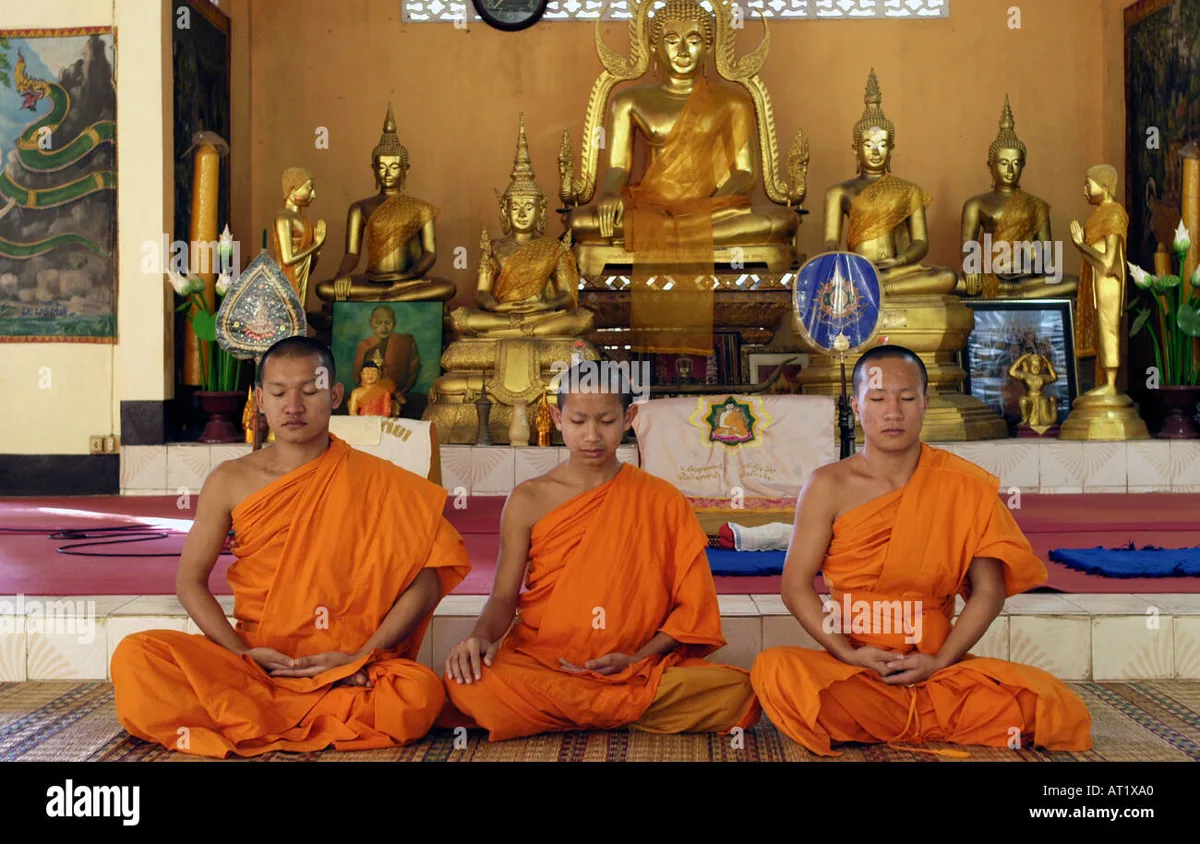
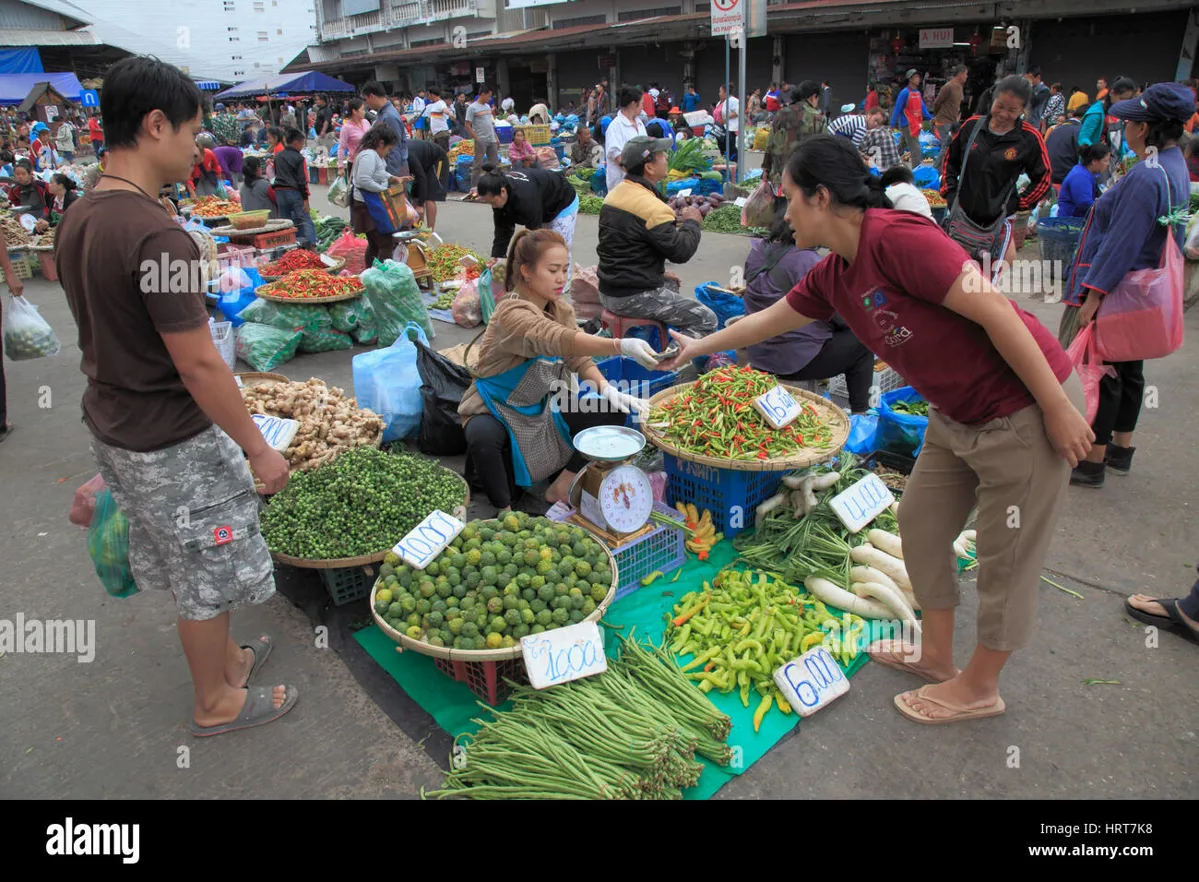
Beyond its major religious sites, Vientiane provides additional cultural and historical attractions for visitors. The Lao National Museum offers insights into the country's past, showcasing artifacts and exhibits that trace Laos' development. The ancient temple of Haw Phra Kaew, which now functions as a museum, houses a collection of religious art and historical items. Other significant religious structures include the monastery of Wat Ong Teu Mahawihan, Wat Si Saket, and the temple of Wat Sok Pa Luang, each contributing to the city's spiritual landscape.
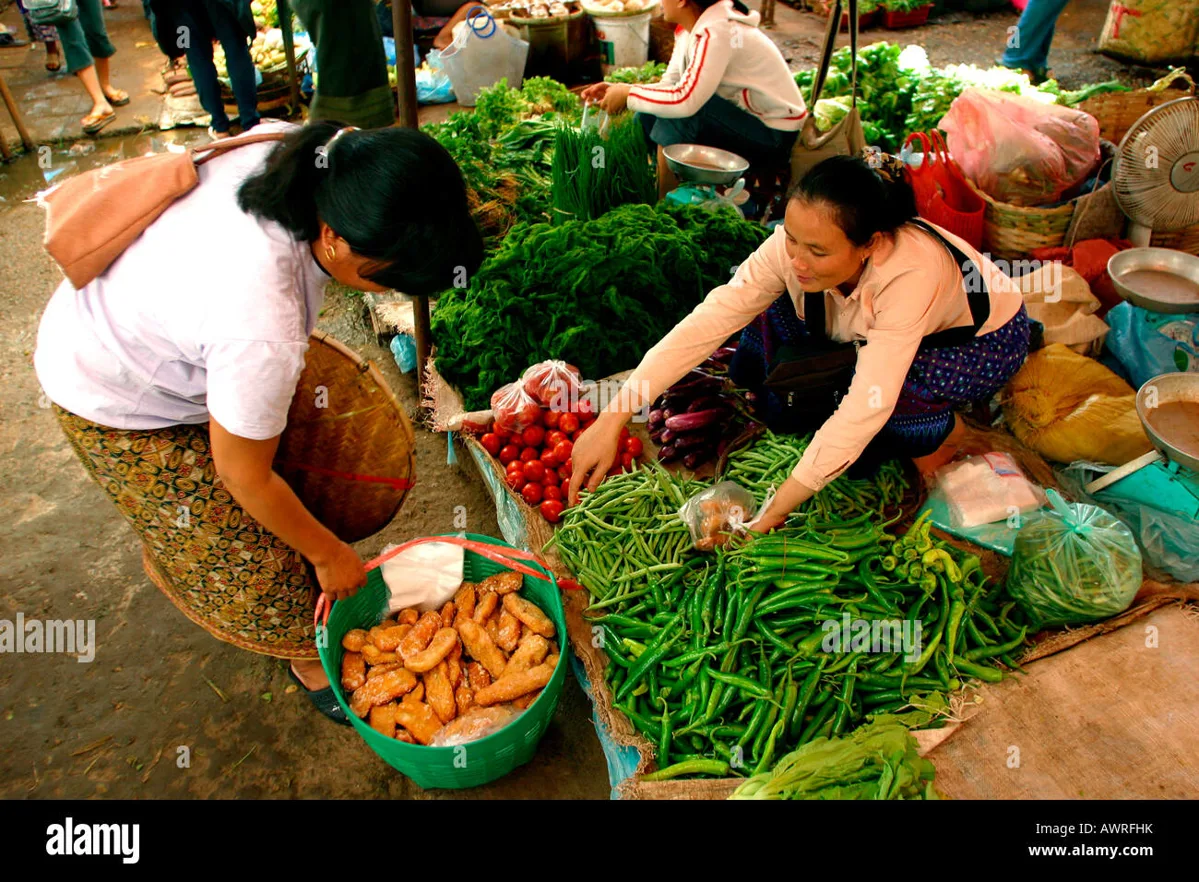
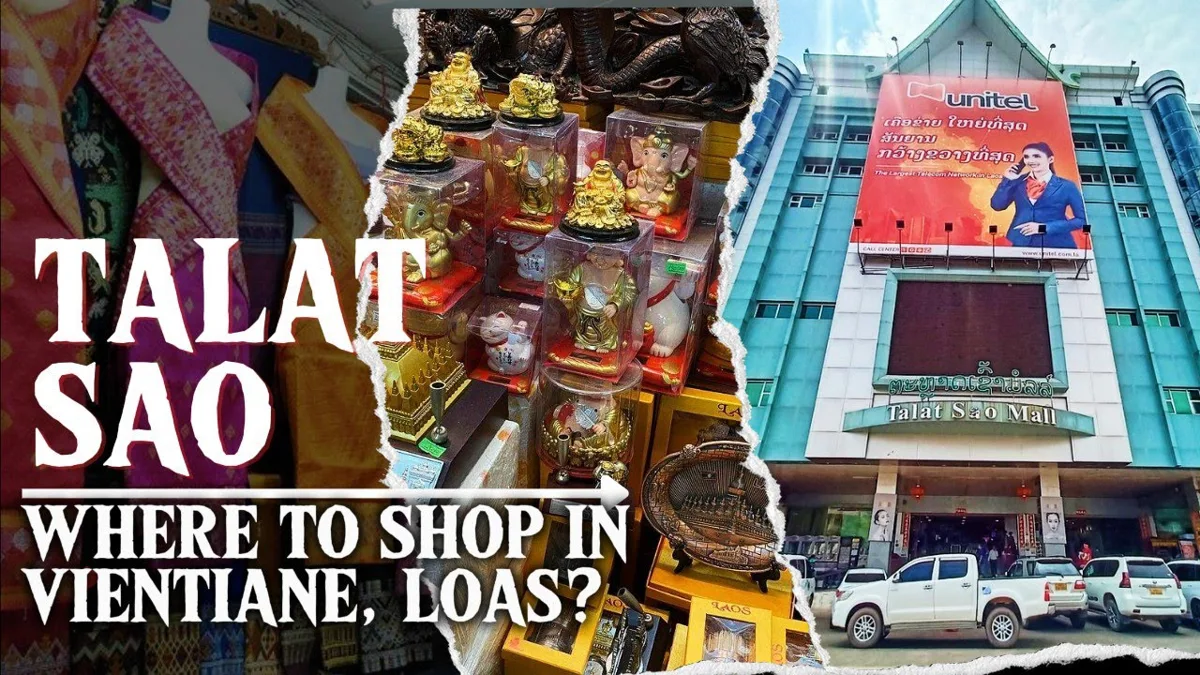
For those interested in local commerce and goods, Vientiane features prominent markets. Talat Sao, often referred to as the Morning Market, is a central hub for various products, from textiles to electronics. Sanjiang Market also offers a range of goods, providing opportunities to observe local trade and acquire souvenirs. These markets serve as important commercial and social centers within the city.
Culinary and Shopping Experiences in Sanjiang Chinatown
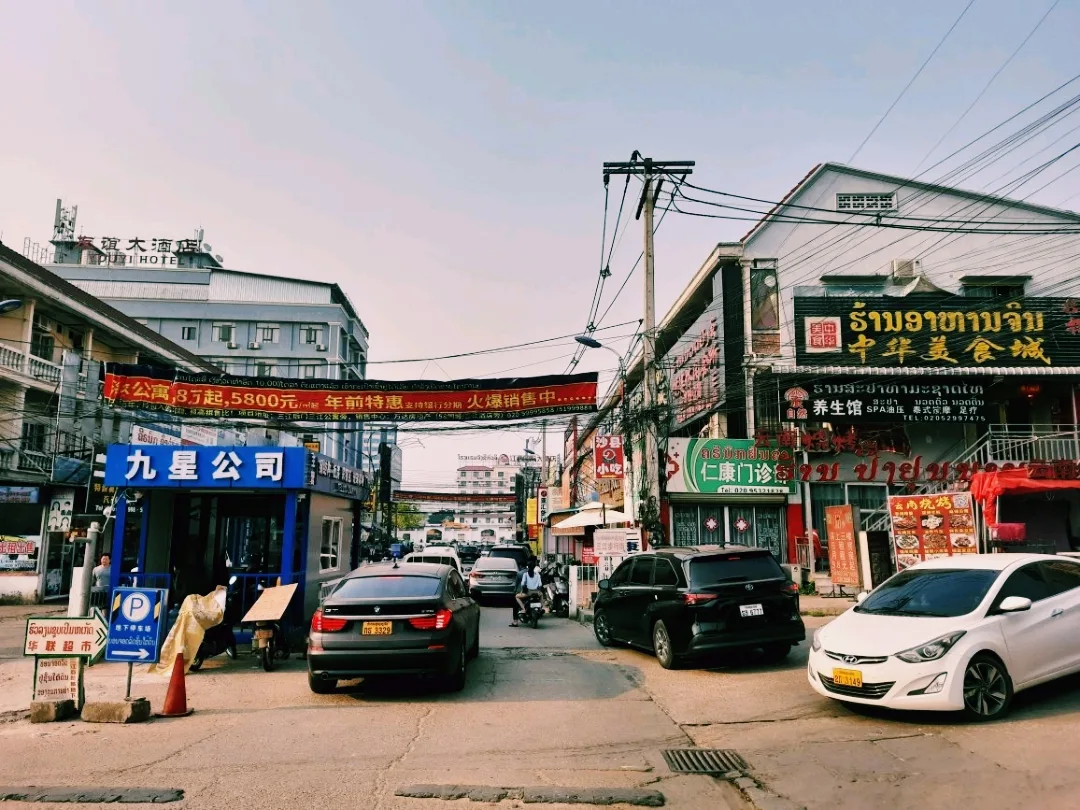
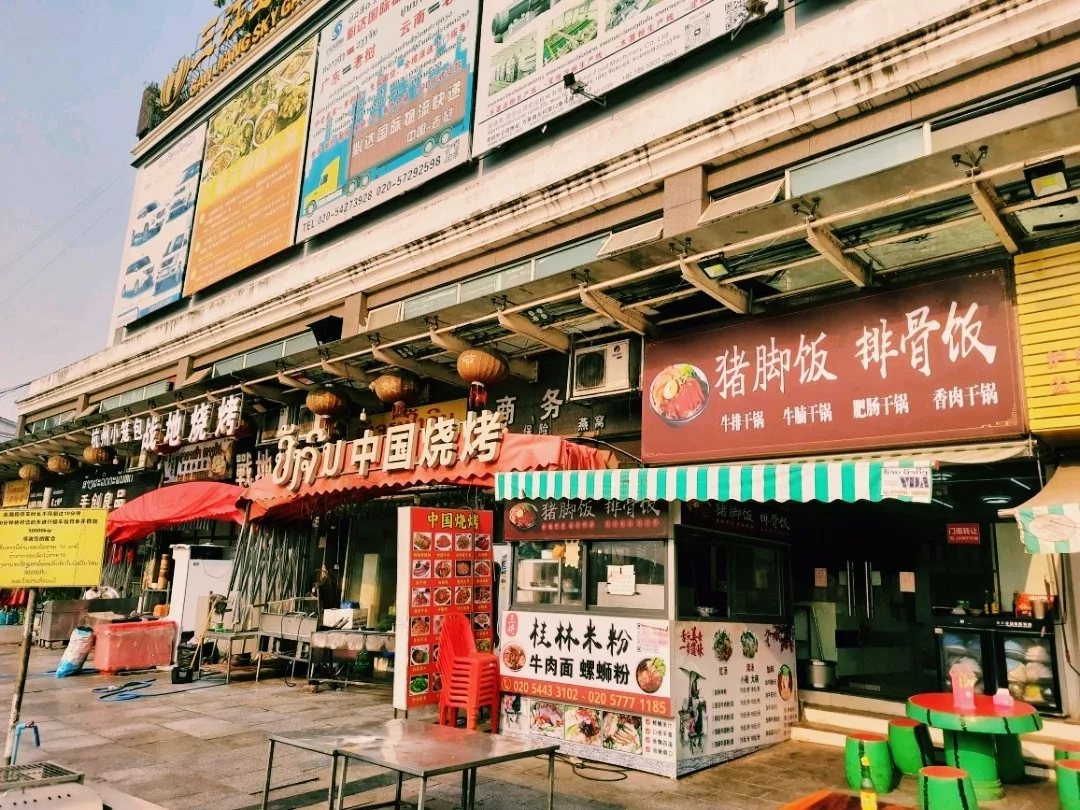
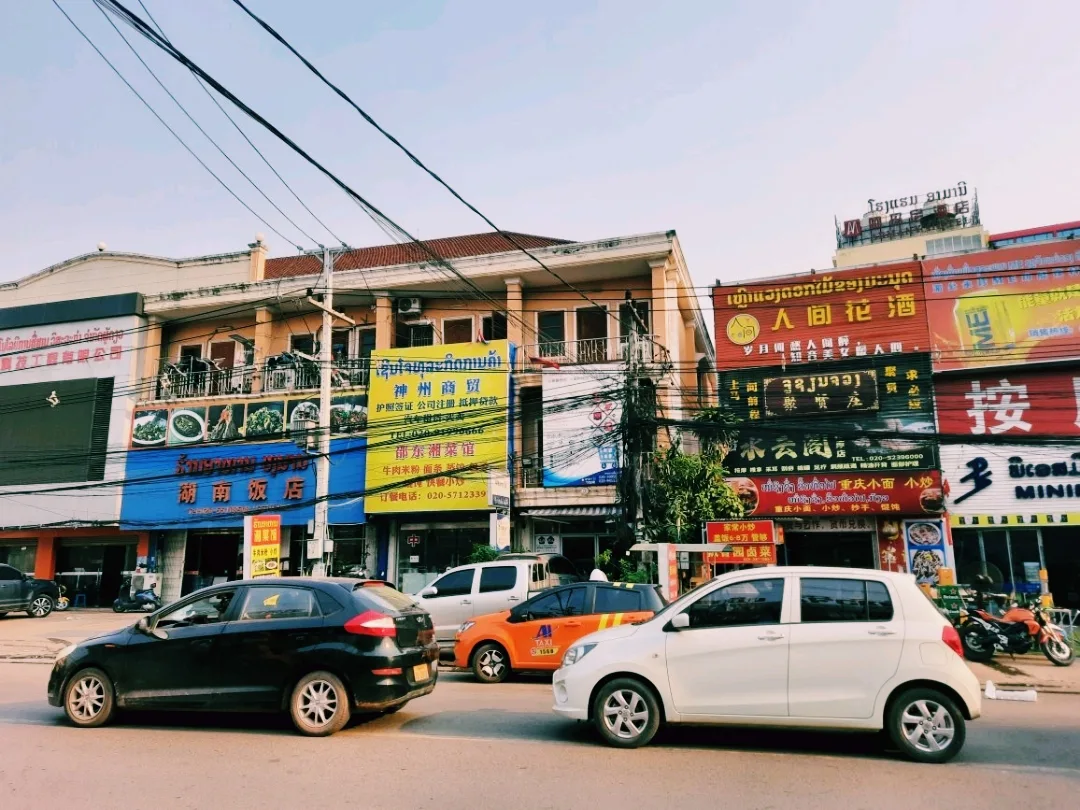
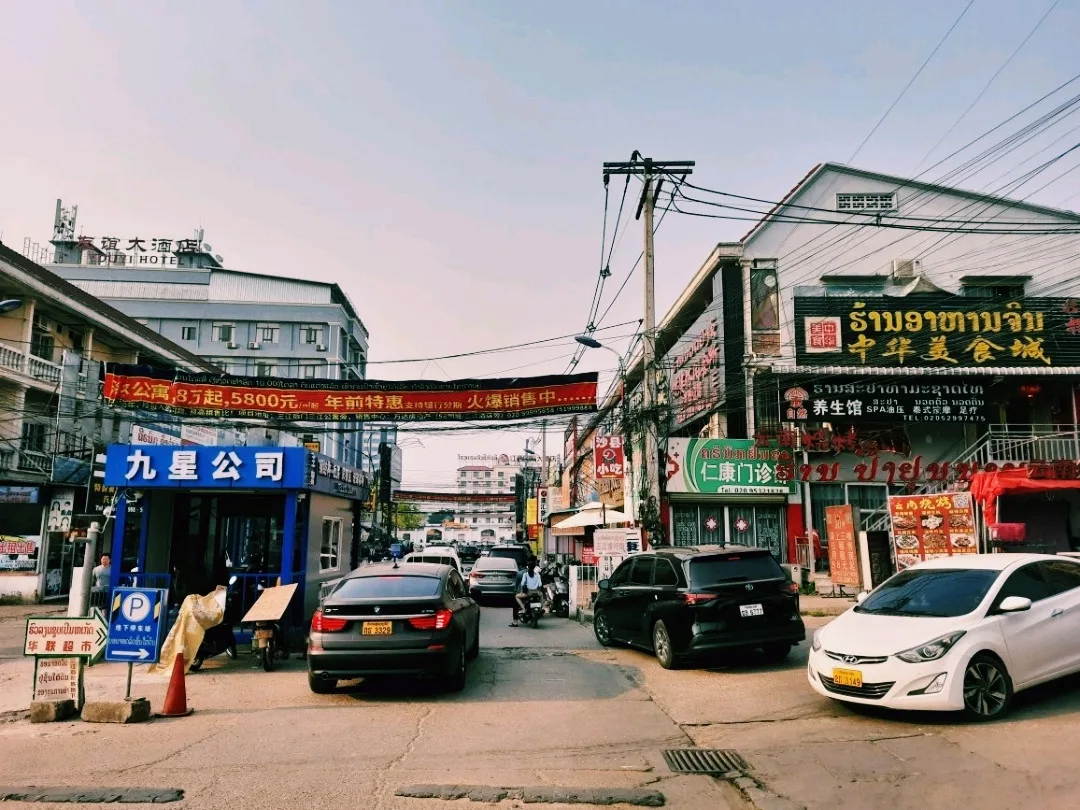
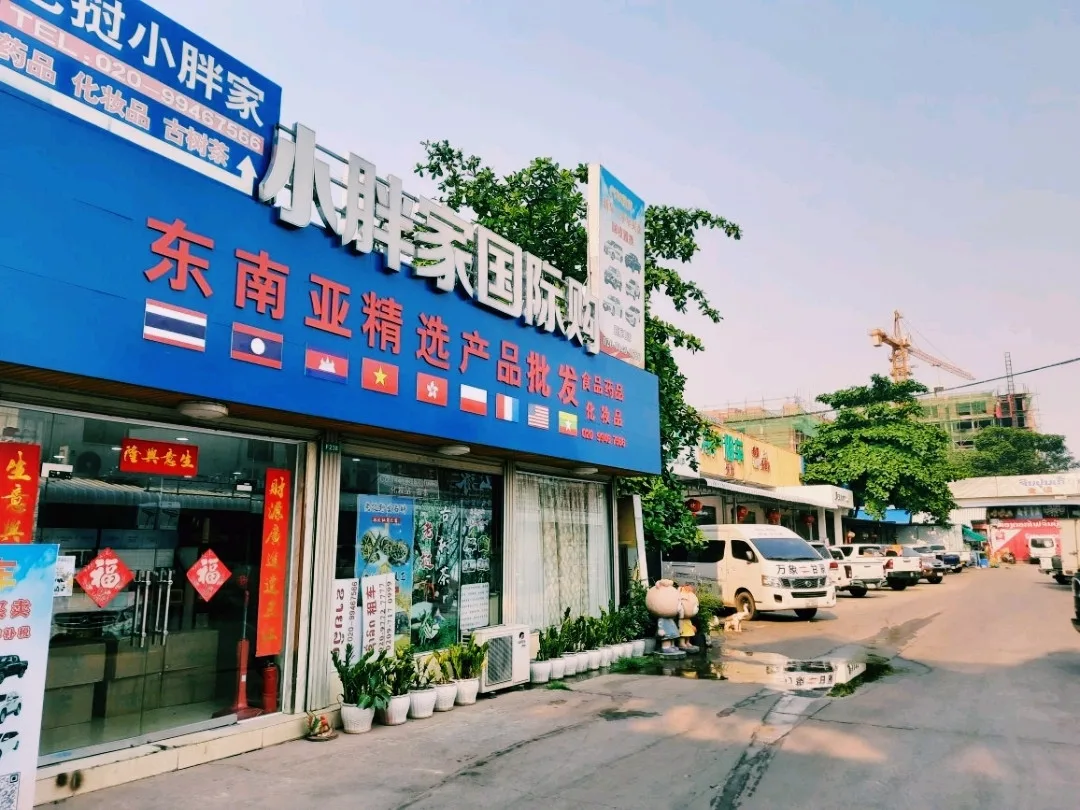
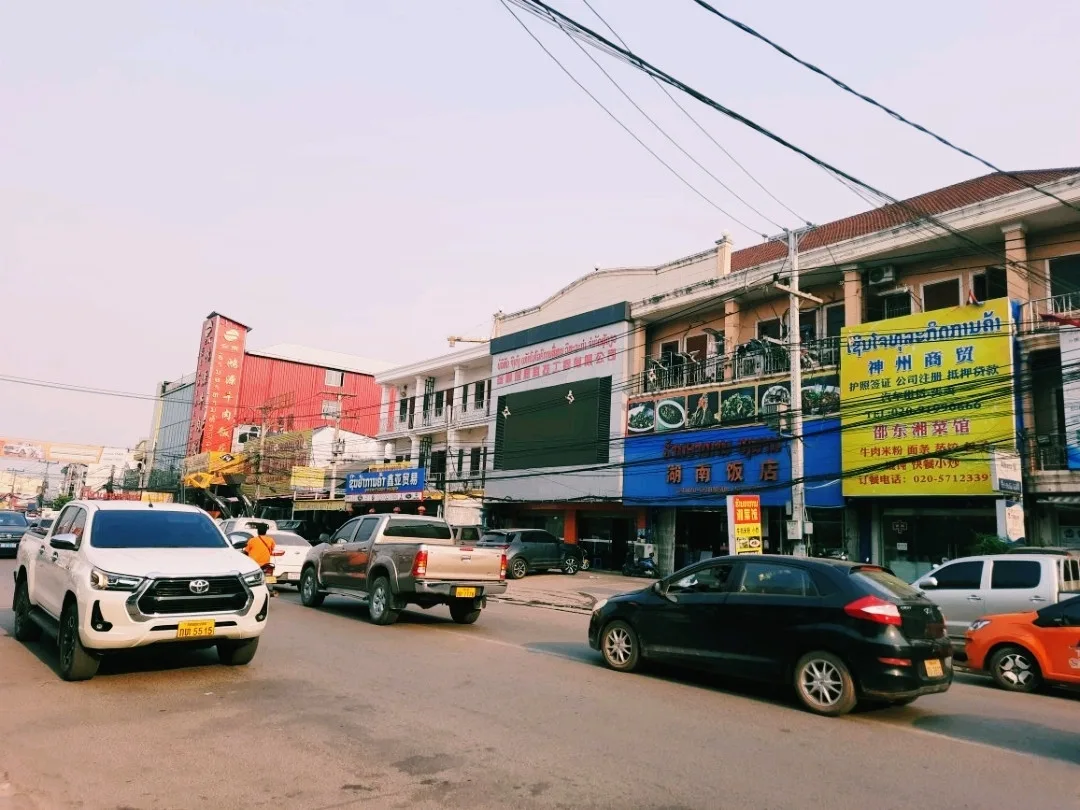
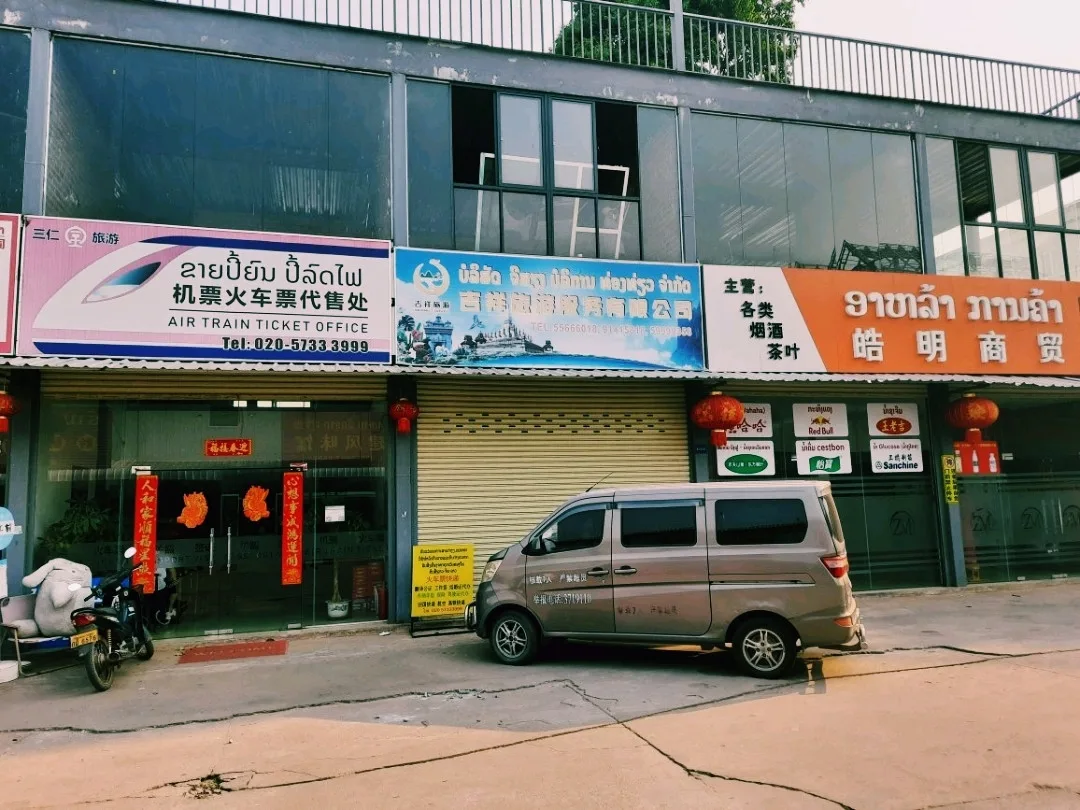
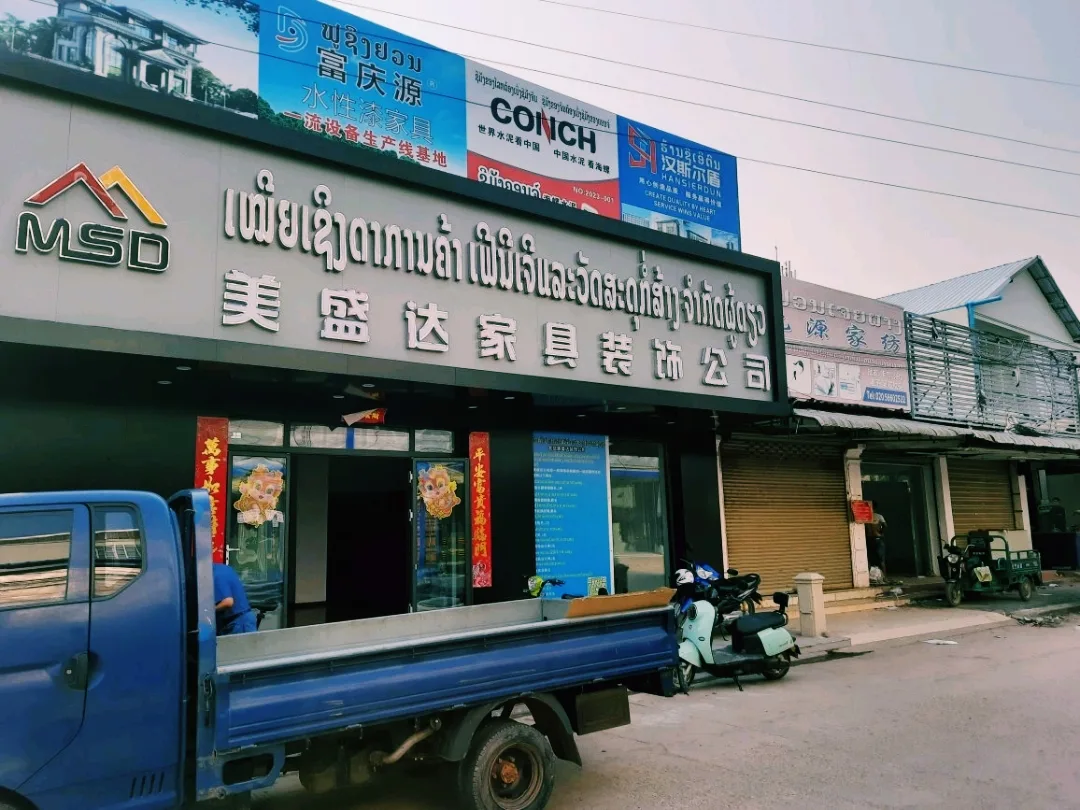
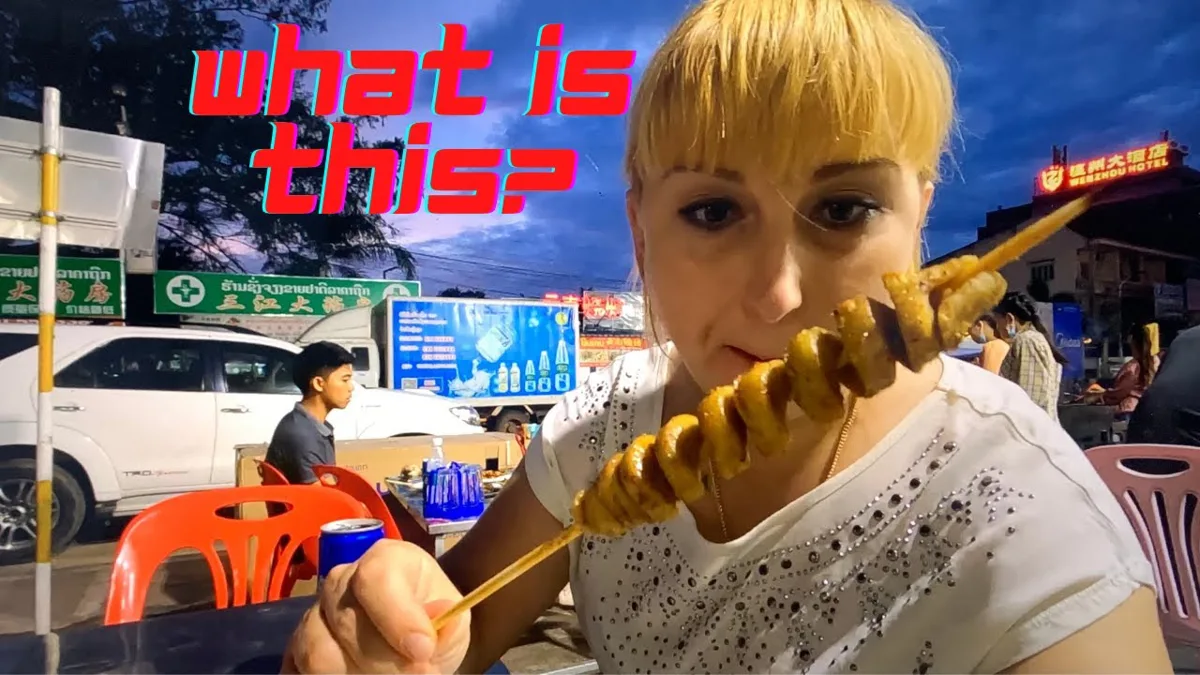
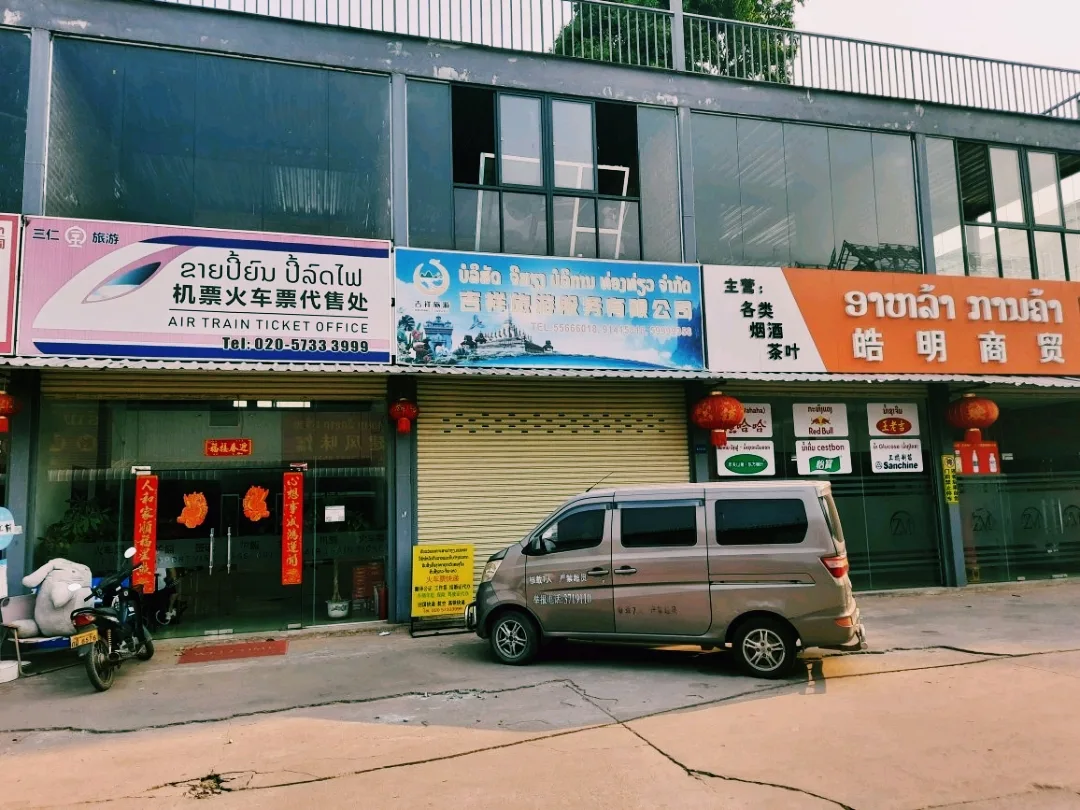
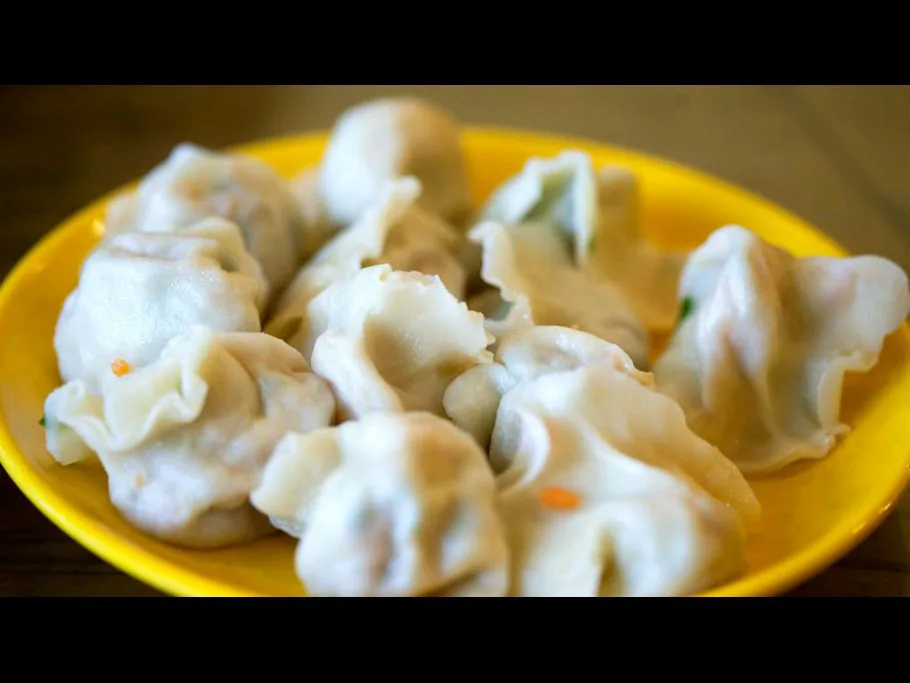
Vientiane is home to a distinctive Chinatown area, particularly centered around Sanjiang. While perhaps not as expansive as Chinatowns in larger global cities, this district offers a unique cultural and commercial experience. It provides a glimpse into Chinese culture within Laos, characterized by specific culinary offerings and shopping opportunities. Visitors often report a sense of being momentarily transported to mainland China due to the area's atmosphere and offerings.
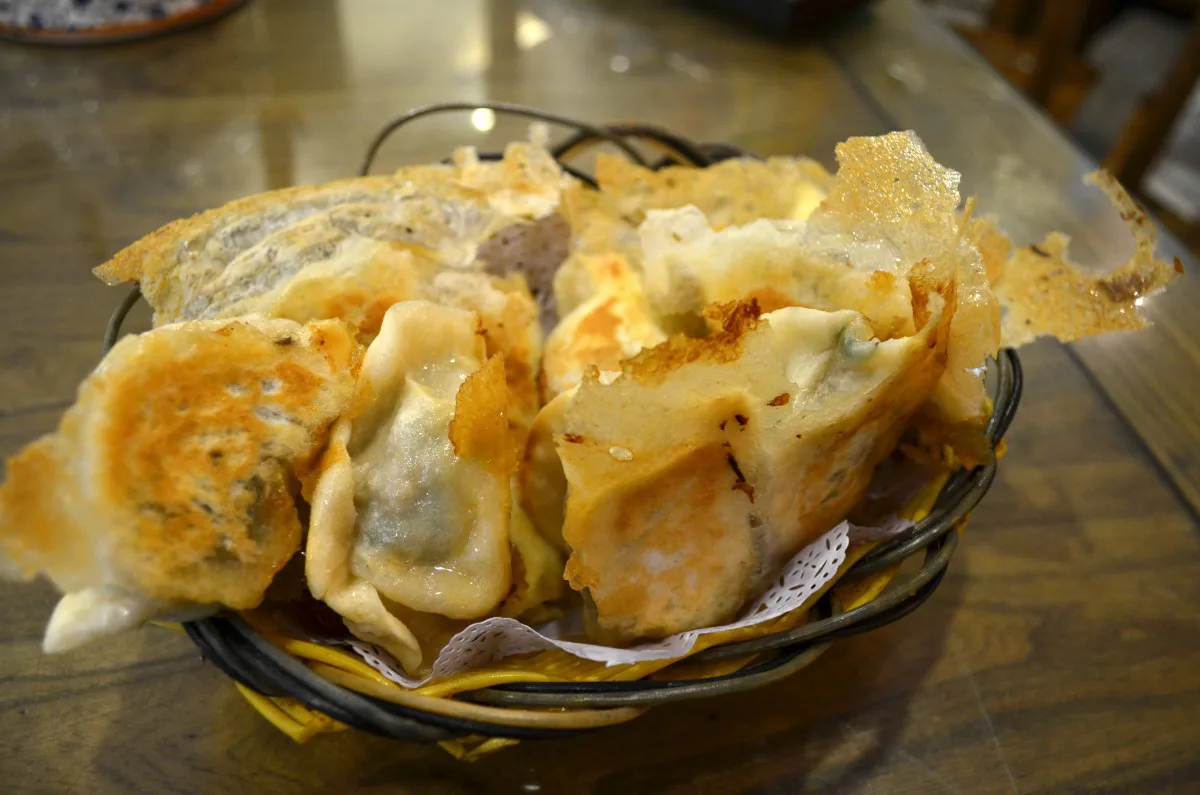
Sanjiang is particularly noted for its food and shopping. Travelers can sample a variety of regional Chinese dishes, including Sichuan cuisine, Yunnan hotpot, and Beijing dumplings. These culinary options provide a different flavor profile compared to traditional Lao dishes. It is worth noting that communication in this area primarily occurs in Chinese or the local Lao language, and English is not widely spoken, which may present a slight challenge for some visitors.
Planning Your Visit to Vientiane
Vientiane offers a relaxed pace compared to many other Southeast Asian capitals, making it suitable for travelers who appreciate a more tranquil urban experience. The city's relatively compact size allows for exploration of many key sites over a few days. Getting around can be managed with local transport options, including tuk-tuks and taxis, or by renting bicycles for shorter distances. Accommodations range from budget-friendly guesthouses to more upscale hotels, catering to different preferences and budgets.
Consider planning your visit during the cooler, dry season (typically October to April) for more comfortable exploration of outdoor sites. Engaging with local customs, such as dressing modestly when visiting temples and removing shoes before entering, enhances the cultural experience. For those interested in extended exploration of the region, several tour options include Vientiane as a starting or connecting point. For example, a 6-day Laos cultural and nature journey can take you from Vientiane to Luang Prabang, offering a broader perspective of the country's offerings. Additionally, river expeditions along the Mekong provide a unique way to experience the landscape, such as an 8-day Mekong expedition from Huay Xai to Vientiane, allowing for a different view of the region.
Exploring Vientiane can be a rewarding part of a larger trip through the country. For a broader perspective on the nation's appeal, consider reviewing a comprehensive Southeast Asian travel guide to Laos.
Frequently Asked Questions About Vientiane
What is Vientiane known for?
Vientiane is recognized as the capital of Laos and is known for its serene atmosphere, significant Buddhist stupas like Pha That Luang, and numerous ancient temples. It also offers cultural institutions, local markets, and a unique Chinatown area.
What is the significance of Pha That Luang?
Pha That Luang is a prominent golden Buddhist stupa in Vientiane, considered a crucial national monument and a symbol of Laos. It is believed to house an important Buddhist relic and has origins dating back to the third century, having undergone several restorations.
What kind of food can be found in Vientiane's Chinatown?
In Vientiane's Sanjiang Chinatown, visitors can find a variety of Chinese culinary specialties. Popular options include Sichuan dishes, Yunnan hotpot, and Beijing dumplings, offering a distinct flavor experience within the city.
Is English widely spoken in Vientiane?
While English may be spoken in some tourist-focused areas, particularly in Sanjiang Chinatown, communication is primarily in Chinese or the local Lao language. Travelers may find it beneficial to learn a few basic phrases in Lao or Chinese for easier interaction.
What are some other cultural sites to visit in Vientiane?
Beyond Pha That Luang and Wat Si Muang, other cultural sites include the Lao National Museum, Haw Phra Kaew (which functions as a museum), Wat Ong Teu Mahawihan, Wat Si Saket, and Wat Sok Pa Luang. The city also features markets like Talat Sao and Sanjiang for local goods.








