
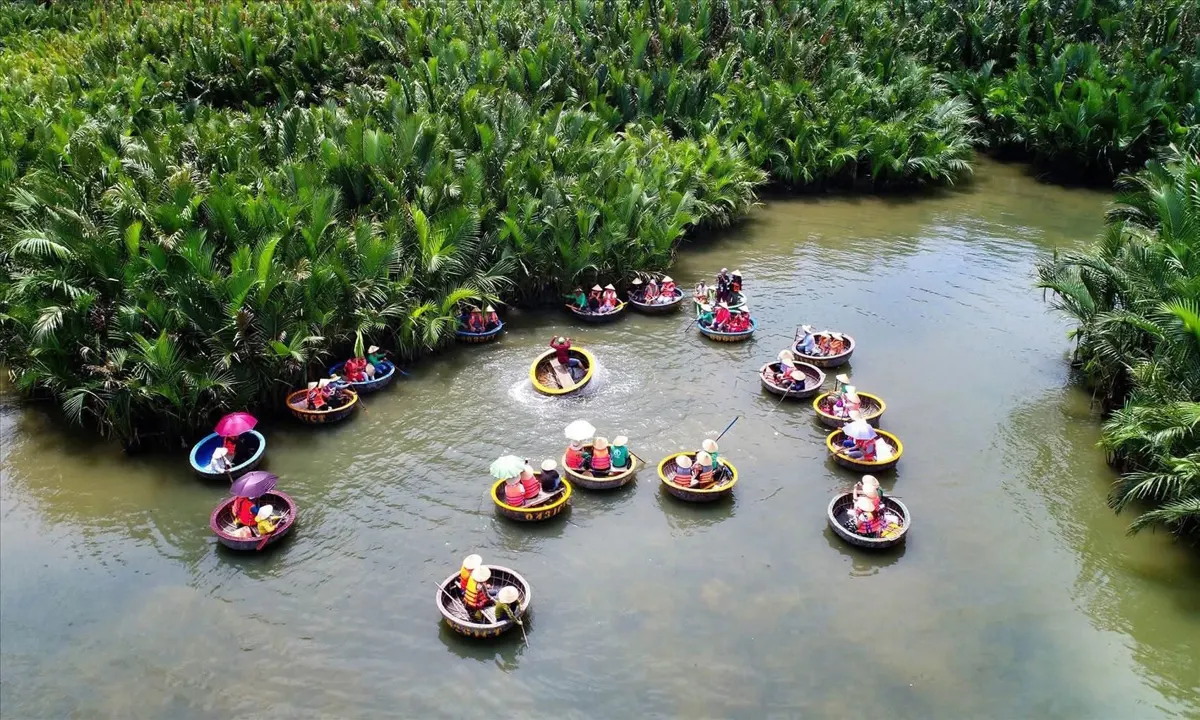
For travelers from the United Kingdom contemplating a visit to Vietnam, understanding the various travel options, entry requirements, and key destinations is fundamental. This guide provides comprehensive information to assist in planning a memorable trip, covering everything from flight details and visa procedures to popular tour itineraries and essential practical advice for a smooth experience in this Southeast Asian nation.
Why Consider Vietnam for Your Next International Trip?
Vietnam presents a compelling choice for UK travelers seeking a blend of natural splendor, historical depth, and culinary delights. The country's varied geography ranges from the terraced rice paddies of the northern mountains to the tranquil beaches along its coast, offering diverse environments for exploration.
Beyond its physical beauty, Vietnam boasts a profound cultural legacy, shaped by ancient traditions, colonial periods, and modern growth. Historical sites such as the ancient trading port of Hoi An, the former imperial capital of Hue, and the Cu Chi Tunnels provide insights into the nation's past. The local cuisine is globally recognized for its fresh ingredients and balanced flavors, with dishes like pho and banh mi being widely enjoyed. Traveling within Vietnam is often considered economical compared to many Western countries, making it an accessible destination for various budgets. Visitors frequently encounter a welcoming demeanor from local residents, enhancing the overall travel experience. Major urban centers like Hanoi and Ho Chi Minh City offer dynamic environments where historical architecture stands alongside contemporary developments, providing a rich urban exploration. For those seeking active pursuits, options include hiking in mountainous regions, kayaking in coastal bays, or exploring extensive cave systems. The country's tourism infrastructure, including international airports and a rail network, facilitates movement between regions. Unique local experiences, such as homestays with ethnic communities or boat trips through river markets, offer deeper engagement with Vietnamese life. The nation's history, from ancient dynasties to more recent conflicts, is evident in its preserved sites and museums, reflecting a resilient national identity.
Navigating Travel from the UK to Vietnam: Flights and Entry
The most direct method for UK residents to reach Vietnam, spanning approximately 10,000 kilometers, is by air. Flights depart from several major UK airports, including London Heathrow and London Gatwick, as well as regional hubs like Glasgow, Leeds, Manchester, and Birmingham. These services typically land in Hanoi or Ho Chi Minh City, Vietnam's two largest urban centers.
Vietnam Airlines operates direct flights from London Heathrow, with services to Hanoi scheduled on Tuesdays, Thursdays, Fridays, and Sundays, departing at 11:00 AM. Direct flights to Ho Chi Minh City from London Heathrow are available on Mondays, Wednesdays, and Saturdays, also departing at 11:00 AM. Airfare costs fluctuate throughout the year; prices are generally higher during peak travel periods such as July to August, Christmas, New Year, and around the Lunar New Year holiday. More favorable rates can often be found during the shoulder season, from August to mid-October, and the low season, from May to July, when airlines may offer promotional fares.
Visa Requirements for British Citizens
British passport holders are permitted to enter Vietnam for tourism without a visa for stays up to 45 days. For longer visits, up to 90 days, an e-visa can be applied for online. It is important to note that e-visas are valid only at specific entry and exit points, which must be selected during the application process. Travelers without fixed itineraries might prefer a conventional single-entry visa obtained from the nearest Vietnamese embassy, which offers greater flexibility regarding entry and exit locations. For stays exceeding 90 days, a visa from the Vietnamese embassy is mandatory prior to departure from the UK. Some tour operators may offer assistance with obtaining a Vietnam Visa Approval letter, which allows for a visa on arrival at the airport, often as a complimentary service when booking a tour package through them.
Prominent Destinations for UK Visitors in Vietnam
Vietnam offers a wide array of locations, each providing distinct experiences for travelers arriving from the United Kingdom. The country's rich historical background, diverse cultural expressions, and renowned culinary scene position it as a significant destination in Southeast Asia. Whether interests lie in exploring ancient religious sites, relaxing on coastal shores, or experiencing natural landscapes, Vietnam provides numerous options.
- Ha Long Bay: Celebrated for its calm, emerald-colored waters and thousands of limestone formations covered in rainforests.
- Hanoi: The nation's capital, characterized by its historic architecture, lively street activity, and cultural landmarks such as Hoan Kiem Lake and the Old Quarter.
- Ho Chi Minh City: A major southern metropolis that combines historical elements with modern development, featuring sites like the War Remnants Museum and the Cu Chi Tunnels.
- Hoi An: A charming town recognized for its well-preserved Ancient Town, illuminated by lanterns, and its bespoke tailoring services.
- Phong Nha-Ke Bang National Park: Home to some of the world's most impressive cave systems, including Son Doong, which is considered the largest globally.
- Hue: The former imperial capital, noted for its historical monuments, pagodas, and the extensive Hue Citadel.
- Sapa: A scenic town in the northern highlands, known for its terraced rice fields, indigenous hill tribes, and opportunities for trekking.
- Mekong Delta: A southern region defined by its intricate network of rivers, wetlands, and islands, famous for its floating markets and rice cultivation.
- Da Nang: A coastal urban area featuring attractive beaches, the Marble Mountains, and the distinctive Golden Bridge.
Optimal Periods for Visiting Vietnam
Vietnam's varied geography results in diverse climates across the country, making it a viable travel destination throughout the year. However, for visitors from the UK, the ideal time to travel often depends on the specific regions intended for exploration and individual preferences regarding weather conditions.
The peak tourist season typically spans from November to April, characterized by cooler and drier weather. During these months, northern areas, including Hanoi and Ha Long Bay, experience mild temperatures, which are suitable for sightseeing and boat excursions. Central Vietnam, encompassing Hoi An and Da Nang, also enjoys pleasant conditions with reduced rainfall and comfortable temperatures, making it suitable for exploring historical towns and coastal relaxation. In the southern regions, such as Ho Chi Minh City and the Mekong Delta, the weather remains warm and dry, creating favorable conditions for river tours and urban exploration.
For those preferring fewer crowds and potentially lower costs, the shoulder seasons from May to October are worth considering. While these months generally see increased rainfall, particularly in the northern and central parts of the country, precipitation is often brief and can offer a refreshing respite from the heat. This period also coincides with the lush growth of rice paddies and blooming flora, presenting scenic landscapes and opportunities for photography.
Popular Tour Itineraries from Vietnam's Main Cities
Vietnam offers a range of appealing tour options designed to suit various interests, from exploring urban centers to experiencing tranquil rural areas, and from historical sites to natural wonders. Flights from the UK typically arrive in either Hanoi or Ho Chi Minh City, providing convenient starting points for any Vietnamese adventure.
Tours Originating in Hanoi
Hanoi, situated on the Red River in northern Vietnam, is among the world's oldest capitals. Here, travelers can find well-preserved colonial architecture, ancient pagodas, and various museums. Hanoi also serves as a gateway to the country's mountainous regions, including Sapa, Ha Giang, and Dien Bien Phu, as well as lush national parks, traditional villages, and the iconic Ha Long Bay. A tour lasting seven to nine days can provide an extensive experience of Northern Vietnam or offer a broader overview of the entire country, encompassing major attractions like Hanoi, Sapa, Ha Long Bay, Ninh Binh, Hoi An, Ho Chi Minh City, and the floating markets of the Mekong Delta. Available options often include cultural and historical tours, adventure-focused trips, or culinary explorations. Examples of such itineraries include "Best of the North," "The Uncrowded Alternative to Halong Bay," and "Highlights of Vietnam" for cultural immersion. For those interested in active travel, options like "4WD North-West Vietnam," "Mountains to The Sea," and "Biking – Trekking & Snorkeling" are available. Longer trips, such as two-week adventures like "Vietnam Discovery," "Vietnam Family Holidays," and "Vietnam in Depth," often cover most significant sightseeing locations across the country.Ascending Mount Fansipan in Sapa, for instance, is a popular activity for those exploring the northern mountains.
Tours Originating in Ho Chi Minh City
Historically known as the "Pearl of the Far East" due to its former opulence, Ho Chi Minh City is now Vietnam's most populous and modern urban area. The cityscape features contemporary high-rises, traditional pagodas, and lively street food scenes, creating a dynamic atmosphere. This city is an excellent base for commencing a Vietnamese journey. Visitors can explore key landmarks such as the Notre-Dame Cathedral Basilica of Saigon, the Reunification Palace, and Ben Thanh Market, or venture to the Cai Rang floating market on the Mekong River. Excursions to the Cu Chi Tunnels and evening cruises on the Saigon River are also popular. The surrounding areas offer access to beaches, islands, rivers, villages, jungles, and historical sites. For shorter trips, itineraries like "Southern Flavors" and "Saigon to Phu Quoc via Mekong Delta" focus on Ho Chi Minh City and the Mekong Delta. For a deeper cultural and historical understanding, tours such as "Essential Vietnam," "Vietnam Impressions," and "Absolute Vietnam Discovery" are available. Luxury travelers can find premium tours with beach components in packages like "Vietnam Luxury Journey," "Luxury Vietnam Holidays," and "Best of Vietnam." It is also possible to extend a trip beyond Vietnam by combining it with visits to other Southeast Asian nations, including Cambodia, Myanmar, Laos, and Thailand. Many tour packages are customizable and offer daily departures.
Essential Practical Advice for UK Visitors
When planning a trip to Vietnam from the United Kingdom, several practical considerations can help ensure a comfortable and secure visit. Understanding local customs, health recommendations, and logistical details is important for a smooth travel experience.Navigating Vietnam's sleeper trains or other forms of public transport can be an efficient way to travel between cities.
| Category | Details for UK Travelers |
|---|---|
| Passport Validity | Must be valid for at least six months beyond the intended date of entry into Vietnam and include two blank pages. |
| Recommended Vaccinations | Hepatitis A, Hepatitis B, Typhoid, and Tetanus are commonly advised. Malaria prophylaxis may be suggested for specific regions; consult a medical professional. |
| Local Currency | Vietnamese Dong (VND). Credit cards are widely accepted in major cities, and ATMs are readily available. Banking services in Hanoi and other major cities are generally accessible. |
| Official Language | Vietnamese. English is commonly spoken in areas frequented by tourists and in major urban centers. |
| Time Zone | Indochina Time (ICT), which is UTC +7. |
| Climate | Characterized by a tropical monsoon climate. The south remains hot and humid throughout the year, while the north experiences cooler temperatures, particularly from November to April. |
| Electricity | 220V, 50Hz. Common plug types are A, C, and D. UK plugs are not compatible, requiring a travel adapter. |
| Emergency Services | Police: 113, Fire: 114, Ambulance: 115. |
| Driving Regulations | Traffic drives on the right-hand side. An International Driving Permit (IDP) is advisable if planning to operate a vehicle. |
| Healthcare | The quality of medical facilities varies. Comprehensive travel insurance that includes medical coverage is strongly recommended. Private hospitals in larger cities typically offer good standards of care. |
| Local Laws and Customs | Drug offenses carry severe penalties. Visitors should respect local customs and regulations. Modest dress is appropriate when visiting religious sites, and shoes should be removed before entering homes. |
| Personal Safety | Generally considered safe for tourists, but vigilance against petty theft and scams is advised. Keep personal belongings secure, especially in crowded areas. |
| Communication | Mobile phone SIM cards are readily available and affordable. Internet access is widespread in urban and tourist zones. |
| Transportation within Vietnam | Domestic flights, buses, and trains are common modes of transport. Taxis and ride-hailing applications like Grab are available in cities. |
| Tipping Etiquette | Not mandatory but appreciated for good service. Common in restaurants and for tour guides or hotel staff. |
| Travel Insurance | A comprehensive policy is highly recommended to cover unforeseen events such as medical emergencies, trip cancellations, or lost luggage. |
| Water Consumption | Only consume bottled water. It is advisable to avoid ice cubes in beverages outside of reputable hotels and restaurants. |
Frequently Asked Questions
Do UK citizens need a visa to visit Vietnam?
UK passport holders can enter Vietnam for tourism purposes without a visa for stays up to 45 days. For longer visits, up to 90 days, an e-visa can be obtained online. Stays exceeding 90 days require a traditional visa from a Vietnamese embassy.
What is the best time of year for UK travelers to visit Vietnam?
The period from November to April is generally considered ideal for UK travelers, offering cooler and drier weather across most regions, particularly in the north and central areas. The shoulder seasons (May to October) can also be suitable for those preferring fewer crowds, despite increased rainfall.
What are the main entry points for flights from the UK to Vietnam?
Flights from major UK airports typically arrive at Vietnam's two largest international airports: Noi Bai International Airport (HAN) in Hanoi for the northern region, and Tan Son Nhat International Airport (SGN) in Ho Chi Minh City for the southern region.
Is Vietnam considered an affordable destination for UK tourists?
Yes, Vietnam is widely known for being a budget-friendly travel destination. Accommodation, food, local transportation, and activities are generally more affordable compared to many Western countries, allowing for a comprehensive travel experience without excessive spending.
What currency is used in Vietnam and how can I manage my money?
The official currency is the Vietnamese Dong (VND). While credit cards are accepted in larger establishments in major cities, it is advisable to carry some cash for smaller purchases and transactions in rural areas. ATMs are widely available, and currency exchange services can be found in banks and official exchange offices.








