Vietnam presents a compelling destination for travelers exploring Southeast Asia for the first time, offering a rich blend of cultural heritage, historical depth, and diverse natural environments. From the northern highlands to the southern delta, the country provides numerous opportunities for engagement, whether through exploring ancient cities, navigating iconic waterways, or participating in local traditions. This guide details prominent locations and activities to consider when planning your inaugural visit to Vietnam.
Exploring Northern Vietnam's Diverse Landscapes
The northern regions of Vietnam offer a spectrum of experiences, from the capital's historical core to remote mountainous areas and renowned natural wonders. Travelers can immerse themselves in urban life, embark on rural cycling trips, or undertake treks through terraced fields.
Hanoi, as Vietnam's capital, serves as a primary entry point for many. Its Old Quarter features narrow lanes and historical architecture, ideal for leisurely exploration and sampling street food. Hoan Kiem Lake, situated centrally, is a popular spot for both residents and visitors, offering tranquil walks and access to Ngoc Son Temple. Engaging in a cooking class provides insight into Vietnamese culinary traditions, with opportunities to learn dishes like pho and spring rolls. The Temple of Literature, a site dedicated to Confucius, offers a peaceful setting to learn about the nation's scholarly past. Another significant historical site is the Ho Chi Minh Mausoleum, which commemorates Vietnam’s revolutionary leader.
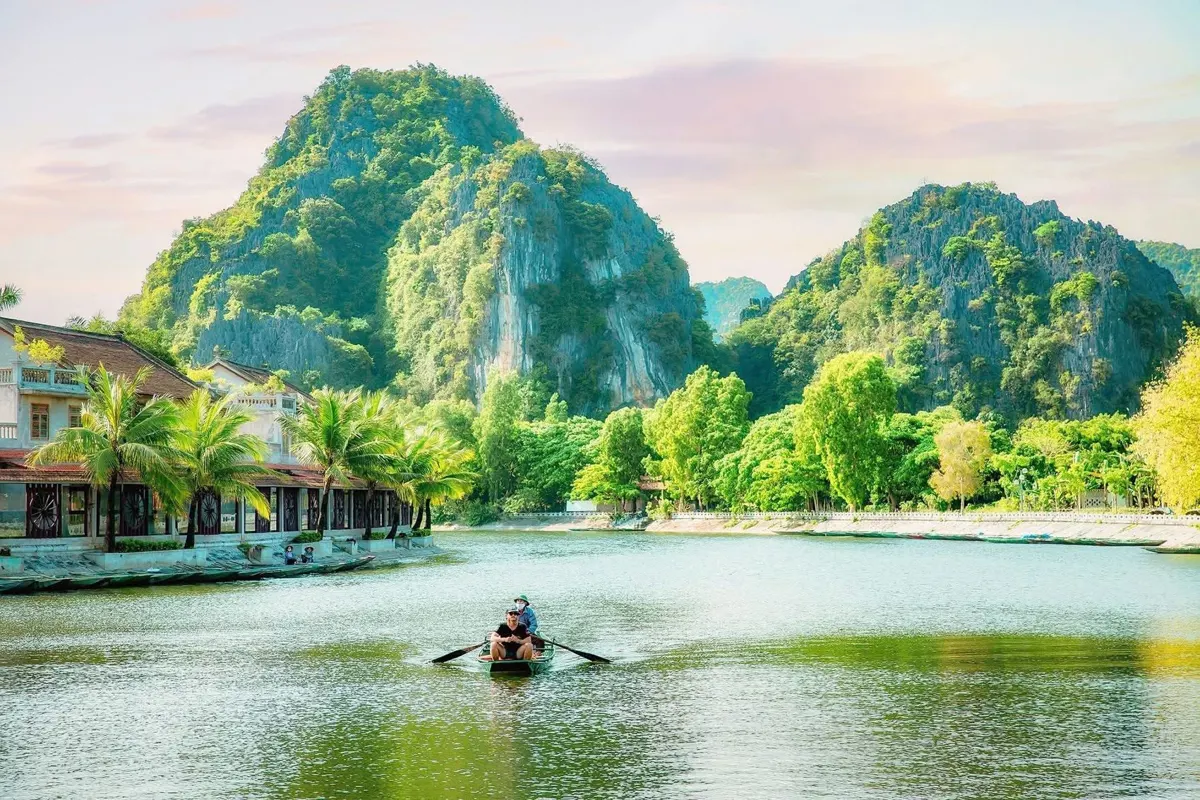
Ninh Binh, often referred to as 'Halong Bay on land,' provides a slower pace of travel within the Red River Delta. Cycling through its countryside allows visitors to observe rice fields and limestone formations up close, particularly during the early morning or late afternoon hours. This region is appreciated by those seeking natural beauty and a quieter environment.
The mountainous province of Sapa is celebrated for its terraced rice fields and the presence of numerous ethnic minority communities. Beyond staying within the main town, visitors frequently choose half-day or full-day treks to villages inhabited by groups such as the Hmong or Red Zao people. These excursions offer views of the Muong Hoa valley and Mount Fansipan, along with opportunities to interact with local families. Various trekking routes are available, including paths from Sapa to Ta Phin, Cat Cat Village, Ylinh Ho, Lao Chai Ta Van, and from Topas Eco-lodge to Thanh Kim or Thanh Phu. For those interested in reaching Vietnam's highest peak, information on experiencing Mount Fansipan by cable car from Sapa can be helpful.
An adventure through Ha Giang by motorbike is considered one of Vietnam's most exhilarating experiences. This northern province features rugged mountains, winding roads, and extensive vistas. The Ha Giang Loop, a circular route, takes riders through dramatic mountain passes, remote villages, and offers views of rice terraces and waterfalls. It provides a unique opportunity to engage with local culture, often including homestay experiences with families.
Ha Long Bay, a UNESCO World Heritage site in northeastern Vietnam, is renowned for its clear greenish waters and thousands of towering limestone karsts. Boat tours are the primary way to experience the bay, with options ranging from luxury cruises to more economical trips. These tours typically include visits to prominent caves and grottoes, such as Surprise Cave, Sung Sot Cave, and Thien Cung Cave, each featuring distinct natural formations. Fresh seafood, caught directly from the bay, is a culinary highlight. Kayaking offers a more independent way to navigate the shallower waters, often included in multi-day cruise packages. For those seeking coastal relaxation, exploring Halong Bay's best beaches can enhance the visit.
Mai Chau, a valley inhabited by White Thai communities in Hoa Binh Province, is approximately a three-hour drive from Hanoi. While some areas like Ban Lac and Pom Coong villages have become more frequented by tourists, opportunities for trekking along narrow paths between villages remain. Cycling is another popular method for exploring the valley's scenery. The nearby Pu Luong Nature Reserve also provides trails through mountains and terraced rice fields, offering a balance of cultural insight and natural exploration.
Central Vietnam's Cultural Richness and Coastal Routes
Central Vietnam is characterized by its historical cities, ancient trading ports, and scenic coastal drives, offering a blend of cultural immersion and active pursuits.
The city of Hue, once Vietnam's imperial capital, is known for its historical sites, including temples and mausoleums. Beyond historical exploration, visitors with additional time can engage in adventure activities such as ziplining, adding a contemporary thrill to the traditional setting.
Hoi An, an ancient trading town, is distinguished by its well-preserved architecture, lantern-adorned streets, and culinary offerings. Beyond the town center, eco-tours provide a glimpse into rural life, with activities in areas like the Bay Mau Coconut Forest, Tra Que Vegetable Village, Kim Bong Carpentry Village, and Thanh Ha Pottery Village. These tours may include basket boat rides, fishing, and cooking classes. Cycling through the Hoi An countryside allows for a relaxed exploration of rice paddies, vegetable gardens, and fishing villages, facilitating interactions with local artisans and farmers.
A popular and scenic journey involves traveling by motorbike from Hue to Hoi An, a route spanning approximately 130 kilometers. This trip includes a drive along the national highway through rice fields, past fish farms in Tam Giang, and over the Hai Van Pass. The pass offers expansive views of the coastline and mountains. The final segment of the journey proceeds along a flat coastal road from Da Nang to Hoi An, making it a favored option for those seeking a diverse travel experience.
Southern Vietnam's Dynamic Cities and Waterways
Southern Vietnam offers a contrast of bustling urban centers and tranquil riverine landscapes, providing insights into modern Vietnamese life and traditional delta communities.
Ho Chi Minh City, also known as Saigon, is Vietnam's largest city and a dynamic urban center. Key historical sites include the War Remnants Museum, which provides a profound look into the Vietnam War, and the Cu Chi Tunnels, an extensive underground network used during the conflict. Architectural landmarks such as the Notre Dame Cathedral and the Central Post Office reflect French colonial influence. The city is also a significant culinary destination, with numerous street food options and food tours available. Other notable places include Ben Thanh Market for local goods, the Reunification Palace, Binh Tay Market in Chinatown, the Jade Emperor Pagoda, Nguyen Hue Walking Street, and the Bitexco Financial Tower's Skydeck for city views, alongside the Saigon Opera House.
The Mekong Delta, located in the southern part of the country, is characterized by its intricate network of waterways, rice paddies, and welcoming communities. Boat rides are the best way to experience the region, allowing visitors to observe local life, floating markets, and villages. The Cai Rang Floating Market in Can Tho is a prominent example, where fresh produce is traded from boats. Staying with a local family in a homestay offers an authentic cultural immersion. Other activities include visiting fruit orchards, the Vinh Trang Pagoda, exploring coconut farms in Ben Tre, taking boat rides through the Tra Su Cajuput Forest, and hiking Sam Mountain in Chau Doc for panoramic views. Cycling tours provide a quiet way to explore the lush countryside.
Unique Activities and Cultural Engagement
Beyond major city attractions and natural wonders, Vietnam offers a variety of specialized experiences that highlight its culture, cuisine, and adventure opportunities.
Culinary Exploration is a central aspect of travel in Vietnam. Food tours are available in cities like Hanoi, Hue, Hoi An, and Ho Chi Minh City, allowing visitors to sample local specialties such as bun cha and pho in Hanoi, or royal dishes and street food like Bun Bo Hue and Nem Lui in Hue. Cooking classes, particularly in Hanoi and Hoi An, offer practical learning about Vietnamese ingredients and cooking techniques, often starting with a visit to a local market.
Engaging with Cultural Performances provides insight into Vietnamese arts. Options include the traditional Water Puppet Show in Hanoi, the A O Show at the Saigon Opera House, which blends acrobatics and traditional music, and the Teh Dar Show, focusing on Central Highlands culture. Other performances like Lang Toi – My Village, The Quintessence of Tonkin, Ionah Show, and the Hoi An Memories Show offer diverse artistic interpretations of Vietnamese life and history.
For those seeking aquatic activities, Diving is possible in locations such as Hoi An, Nha Trang, and Phu Quoc. While the clarity of the water may differ from other global diving destinations, it still offers unique underwater experiences. In Nha Trang, Mud Bathing is a popular wellness activity, utilizing herbal mud for skin and health benefits. Additionally, Ziplining is an option for adventure seekers in Hue.
Visiting Traditional Craft Villages, found near cities like Hanoi, Hue, and Hoi An, allows travelers to observe local artisans at work and understand traditional production methods. These visits provide opportunities to purchase essential souvenirs and unique purchases directly from their source.
Vespa Tours in Hanoi and Ho Chi Minh City offer a distinct way to navigate urban environments, providing a local perspective on city life and access to areas not typically reached by larger vehicles.
The remote region of Mu Cang Chai is known for its extensive rice terraces, particularly striking during the planting season in June and the harvest season in September. Access to this area is primarily by road, either via motorbike or private car, with travel times from Yen Bai city often exceeding eight hours due to road conditions.
Key Destinations and Experiences for First-Time Visitors
| Destination/Activity | Primary Focus | Notes |
|---|---|---|
| Hanoi | Capital city exploration, culture, food | Old Quarter, Hoan Kiem Lake, Temple of Literature, Ho Chi Minh Mausoleum. |
| Ninh Binh | Rural scenery, cycling | Limestone karsts, rice paddies, Red River Delta countryside. |
| Sapa | Mountain trekking, ethnic culture | Terraced rice fields, interactions with hill tribes, Fansipan views. |
| Ha Giang Motorbike Loop | Adventure, scenic drives | Rugged mountains, winding roads, remote villages, homestays. |
| Ha Long Bay | Natural wonder, boat cruises | Limestone karsts, caves, kayaking, fresh seafood. |
| Mai Chau | Trekking, White Thai culture | Valley walks, Pu Luong Nature Reserve, cycling. |
| Hoi An | Ancient town, eco-tours, cycling | Japanese Covered Bridge, merchant houses, coconut forest, craft villages. |
| Hue to Hoi An Motorbike | Scenic coastal journey | Hai Van Pass, Marble Mountains, Lang Co Beach. |
| Ho Chi Minh City | Modern metropolis, history, food | War Remnants Museum, Cu Chi Tunnels, Notre Dame Cathedral, Ben Thanh Market. |
| Mekong Delta | River life, floating markets | Boat tours, Cai Rang market, homestays, fruit orchards. |
| Cooking Classes | Culinary immersion | Available in Hanoi, Hoi An; learn local dishes. |
| Cultural Shows | Traditional and contemporary arts | Water Puppet, A O Show, Quintessence of Tonkin. |
| Diving/Mud Bathing | Recreation, wellness | Diving in Hoi An/Nha Trang/Phu Quoc; Mud bathing in Nha Trang. |
| Craft Villages | Local artistry, souvenirs | Found near Hanoi, Hue, Hoi An. |
| Vespa Tours | Urban exploration | Hanoi, Ho Chi Minh City; unique city perspective. |
| Mu Cang Chai | Rice terraces, remote landscapes | Best visited in June or September for rice views. |
Frequently Asked Questions
What are the recommended places for a first-time traveler to Vietnam?
For individuals visiting Vietnam for the first time, several key destinations offer a comprehensive introduction to the country. Hanoi, the capital, is an excellent starting point for its historical Old Quarter and vibrant street food. Ha Long Bay is a must-see for its iconic limestone islands and emerald waters. Sapa provides opportunities for mountain trekking and cultural engagement with ethnic minority villages. Hoi An, an ancient town, is celebrated for its preserved architecture and culinary scene. For adventure seekers, Phong Nha-Ke Bang National Park hosts some of the world's largest caves. Ho Chi Minh City offers a dynamic urban experience with significant historical sites, while Phu Quoc is ideal for beach relaxation.
What are some engaging and educational activities for children in Vietnam?
Vietnam offers a variety of activities suitable for children, blending entertainment with learning. Kids can participate in lantern-making workshops in Hoi An, creating traditional souvenirs. Exploring the Cu Chi Tunnels near Ho Chi Minh City provides a historical perspective in an engaging way. Many locations offer cooking classes where children can learn to prepare Vietnamese dishes. Educational visits to museums, such as the Vietnam Museum of Ethnology in Hanoi or the War Remnants Museum in Ho Chi Minh City, are also beneficial. Beach time in Nha Trang or Phu Quoc offers opportunities for swimming and sandcastle building. Boat cruises in Ha Long Bay are both relaxing and visually stimulating, while water puppet shows provide culturally rich entertainment.
Are there any unique experiences in Vietnam that are less commonly known by tourists?
Beyond the well-trodden paths, Vietnam holds several unique experiences. Exploring Hang Son Doong, recognized as the world's largest cave in Phong Nha-Ke Bang National Park, offers an extraordinary adventure with its own internal weather system. The Golden Bridge in Ba Na Hills, supported by giant stone hands, provides remarkable views. Hanoi's Train Street offers a distinct urban encounter as trains pass remarkably close to residential buildings. Suoi Tien Cultural Theme Park in Ho Chi Minh City is a unique Buddhist-themed water park. Adventurous tours are available in the Tu Lan Caves near Phong Nha, involving swimming and trekking. Hiking in Ha Giang provides access to remote landscapes and ethnic minority cultures.