Discover the Breathtaking Muong Hoa Valley Rice Terraces in Sapa
Muong Hoa Valley is Sapa's most celebrated trekking area, with breathtaking golden rice terraces carved into the mountainside and traditional Hmong and Dao village homestays. This picturesque valley offers an immersive cultural experience amidst stunning natural beauty, making it a must-visit destination for adventurers and culture enthusiasts alike.
About This Attraction
Overview of Muong Hoa Valley
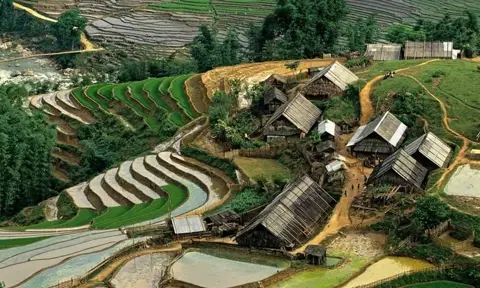
Nestled in the heart of Sapa, Vietnam, Muong Hoa Valley stands as a testament to both the enduring spirit of its ethnic communities and the breathtaking beauty of nature. This iconic valley is renowned for its magnificent terraced rice fields, which cascade down the mountainsides in a mesmerizing display of agricultural artistry. Stretching approximately 28 kilometers, the valley is a vibrant tapestry of green and gold, depending on the season, and serves as the lifeblood for several indigenous groups, most notably the Hmong and Dao people.
Muong Hoa Valley is not merely a scenic landscape; it is a living, breathing cultural hub where traditional ways of life persist amidst stunning natural backdrops. Visitors are drawn here not only by the visual spectacle of the rice terraces but also by the opportunity to engage with local cultures, learn about their customs, and experience authentic village life.
Significance of Muong Hoa Valley
Agricultural Heritage and Ingenuity
The rice terraces of Muong Hoa Valley are more than just beautiful; they represent centuries of ingenious agricultural practices. Carved by hand into steep mountain slopes, these terraces demonstrate the remarkable ability of the local ethnic minorities to adapt to and thrive in challenging environments. The intricate irrigation system, fed by streams and waterfalls, ensures the fertility of the fields, allowing for the cultivation of rice, which is the cornerstone of their diet and economy. This sustainable farming method has been passed down through generations, shaping the landscape and the culture of the region.
Cultural Crossroads of Ethnic Minorities
Muong Hoa Valley is a melting pot of diverse ethnic cultures. It is home to several distinct groups, including the Black Hmong, Red Dao, Tay, Giay, and Xa Pho. Each group maintains its unique language, customs, traditional dress, and architectural styles. The valley acts as a natural corridor connecting these communities, fostering a rich exchange of traditions and creating a vibrant cultural mosaic. Exploring the valley offers a rare glimpse into these distinct ways of life, providing a deeper understanding of Vietnam's rich ethnic diversity.
Experiencing Muong Hoa Valley
Trekking Through Terraced Landscapes
Trekking is the quintessential way to experience Muong Hoa Valley. Numerous trails wind through the rice terraces, connecting various villages and offering unparalleled views. Treks can range from gentle walks suitable for most fitness levels to more challenging routes that delve deeper into remote areas. As you trek, you'll pass by working farmers, water buffalo, and children playing, providing an authentic insight into daily life. Local guides, often from the ethnic communities themselves, can enhance the experience by sharing their knowledge of the land, flora, and local customs.
Immersive Homestay Experiences
For a truly authentic cultural immersion, consider a homestay in one of the valley's traditional villages. Staying with a local family offers a unique opportunity to participate in daily activities, share meals, and learn firsthand about their traditions. It's a chance to step away from the typical tourist path and forge genuine connections, contributing directly to the local economy and gaining a profound appreciation for the hospitality of the Hmong and Dao people.
Photography and Scenic Beauty
The ever-changing light and seasonal transformations of Muong Hoa Valley make it a paradise for photographers. From the shimmering emerald green of young rice shoots in spring and summer to the golden hues of harvest season in autumn, every visit offers a different visual spectacle. Misty mornings, dramatic sunsets, and the intricate patterns of the terraces provide endless opportunities for capturing stunning images.
Highlights of the Valley
Ancient Rock Field
One of the valley's intriguing features is the Ancient Rock Field, located near the village of Hau Thao. This site features large boulders inscribed with mysterious ancient carvings, believed to be thousands of years old. The origins and meanings of these petroglyphs remain largely unknown, adding an air of mystique to the valley's historical landscape. It's a fascinating stop for those interested in archaeology and ancient history.
Ethnic Villages
The valley is dotted with numerous ethnic villages, each offering its own charm.
- Lao Chai: A large Hmong village, often a starting point or stop for treks, known for its expansive rice fields.
- Ta Van: Home to both Hmong and Giay people, Ta Van is a popular spot for homestays and offers beautiful views of the Muong Hoa River.
- Giang Ta Chai: A Red Dao village, famous for its waterfall and picturesque bamboo forests.
- Ban Ho: Further south, Ban Ho is a Tay village known for its stilt houses and the opportunity to swim in its clear streams.
Each village provides a unique perspective on the diverse cultures inhabiting the valley.
Practical Tips for Visitors
- Best Time to Visit: The rice terraces are most vibrant during the planting season (May-June) when they are filled with water, creating reflective surfaces, and during the harvest season (September-October) when they turn a brilliant golden yellow. The dry season (November-April) offers clearer skies but less vibrant terraces.
- Respect Local Culture: When visiting villages, dress modestly, ask permission before taking photos of people, and be mindful of local customs. Bargaining is common in markets, but always do so respectfully.
- What to Bring: Comfortable trekking shoes, rain gear (especially during rainy season), sunscreen, a hat, insect repellent, and a reusable water bottle. Cash is essential as ATMs are scarce outside Sapa town.
- Guided Treks: Consider hiring a local guide. They provide invaluable insights into the culture and environment, ensure you stay on safe paths, and directly support the local economy.
Nearby Places of Interest
While Muong Hoa Valley offers ample exploration, Sapa town itself serves as the main gateway and offers additional attractions.
- Sapa Town: The bustling hub provides accommodation, restaurants, and markets. Visit Sapa Market for local handicrafts and fresh produce.
- Cat Cat Village: A popular Hmong village close to Sapa town, known for its waterfall and traditional crafts.
- Ham Rong Mountain: Offers panoramic views of Sapa town and the surrounding valley on clear days.
These nearby locations complement a visit to Muong Hoa Valley, providing a comprehensive Sapa experience.
Location

Plan Your Visit
Ready to experience Muong Hoa Valley Rice Terraces Sapa? Book a guided tour or get expert travel advice.
Enquire Now Browse Tours Including This Site