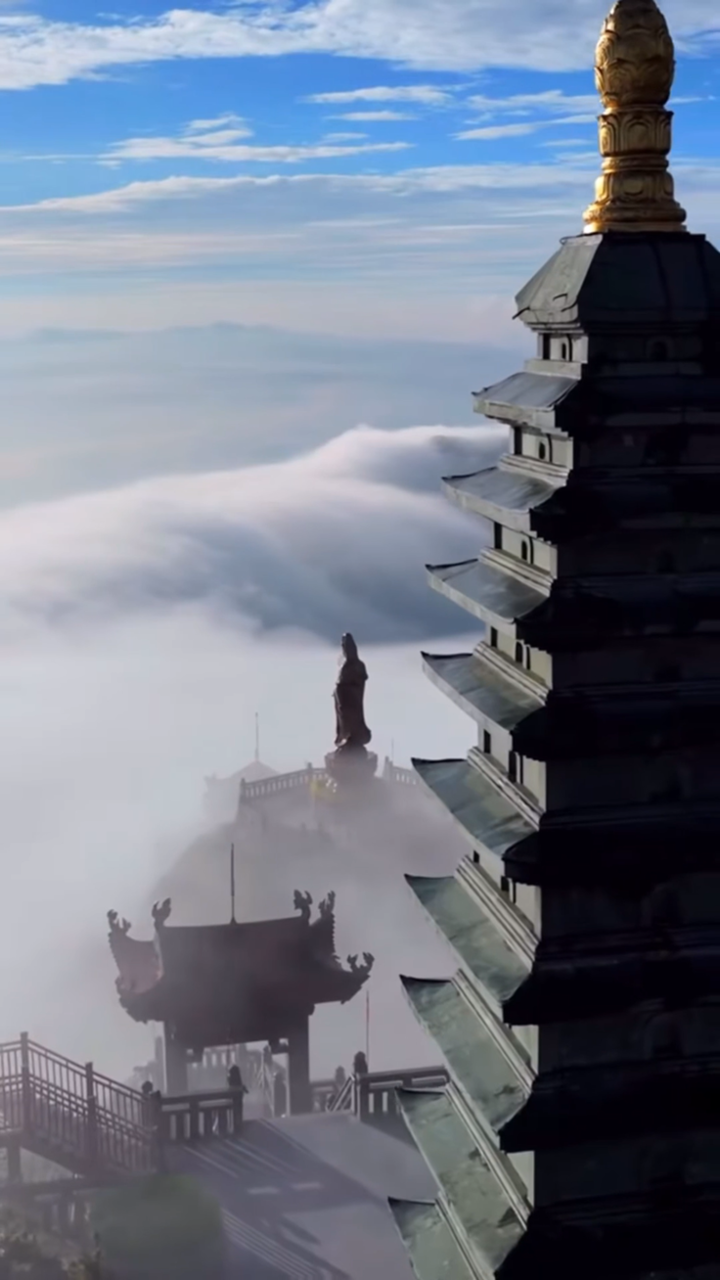
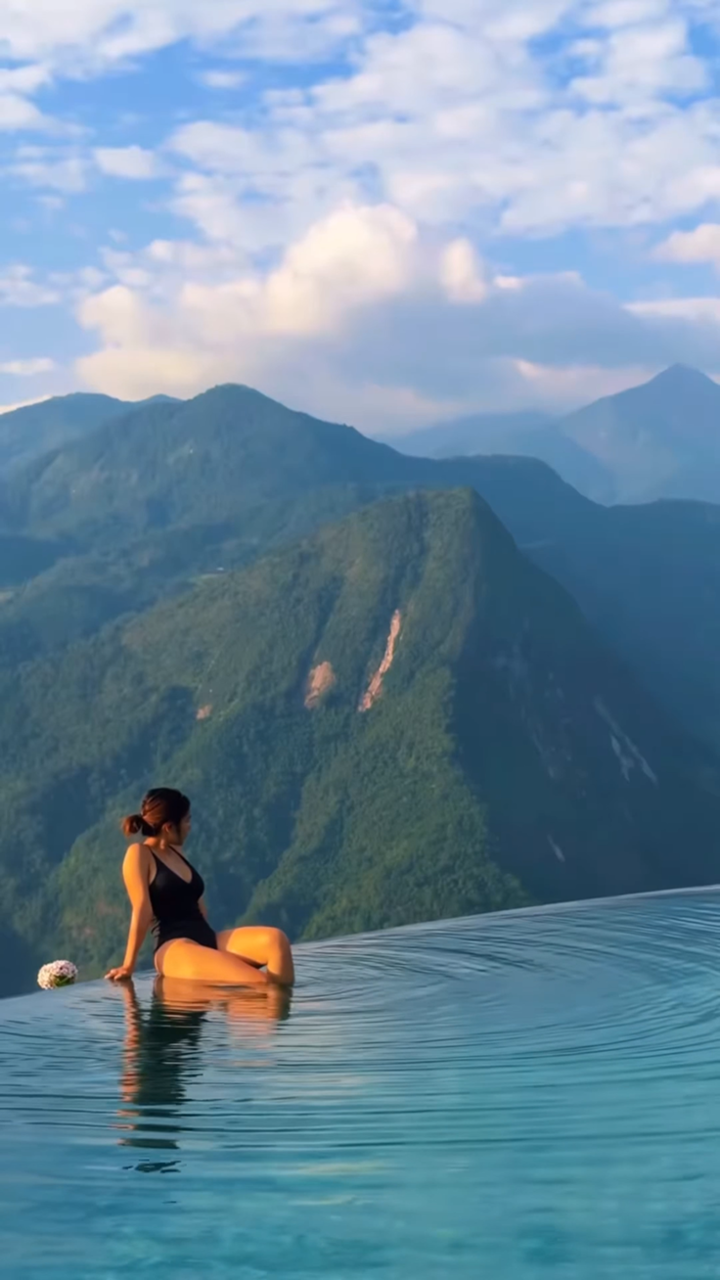

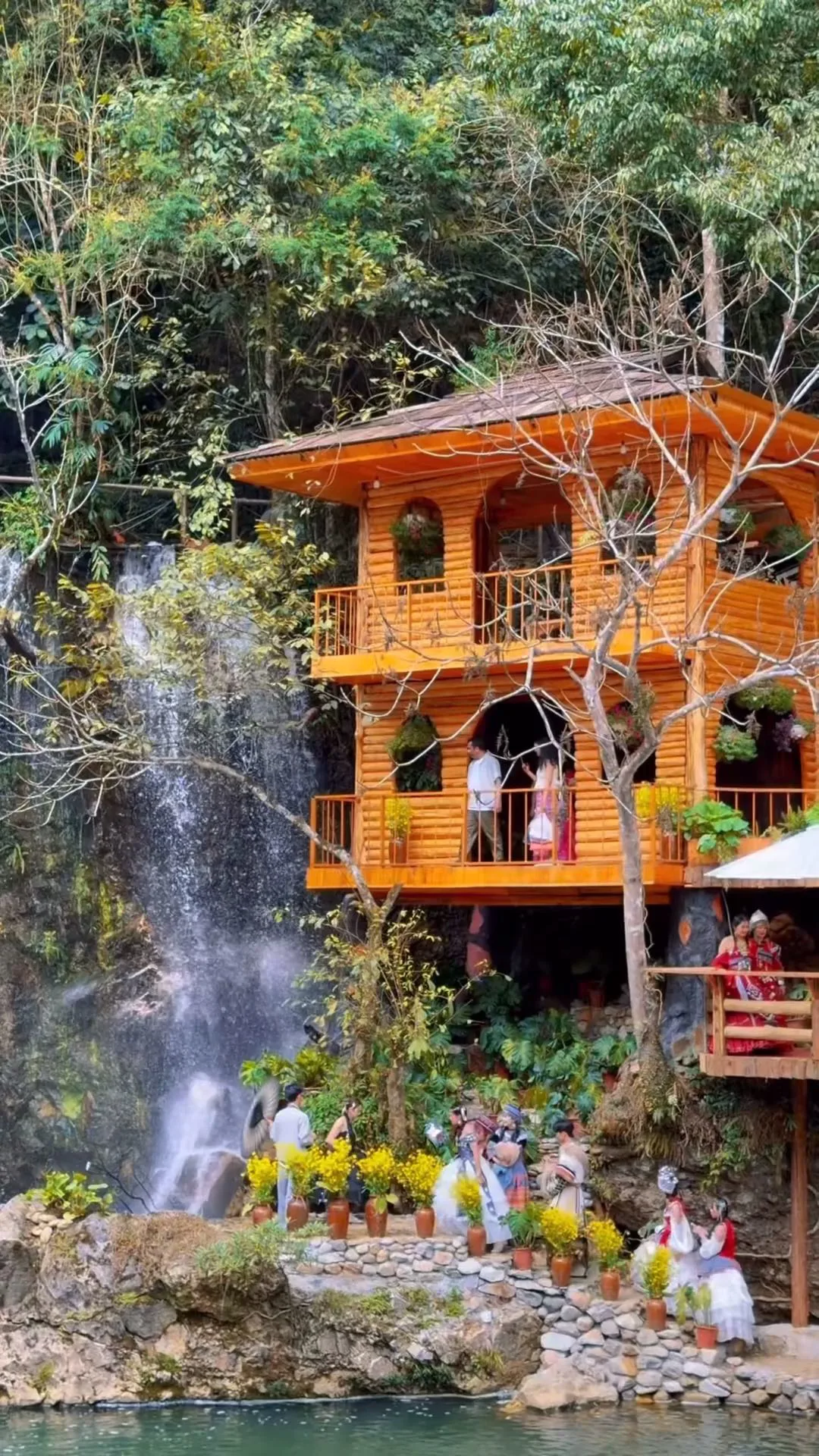
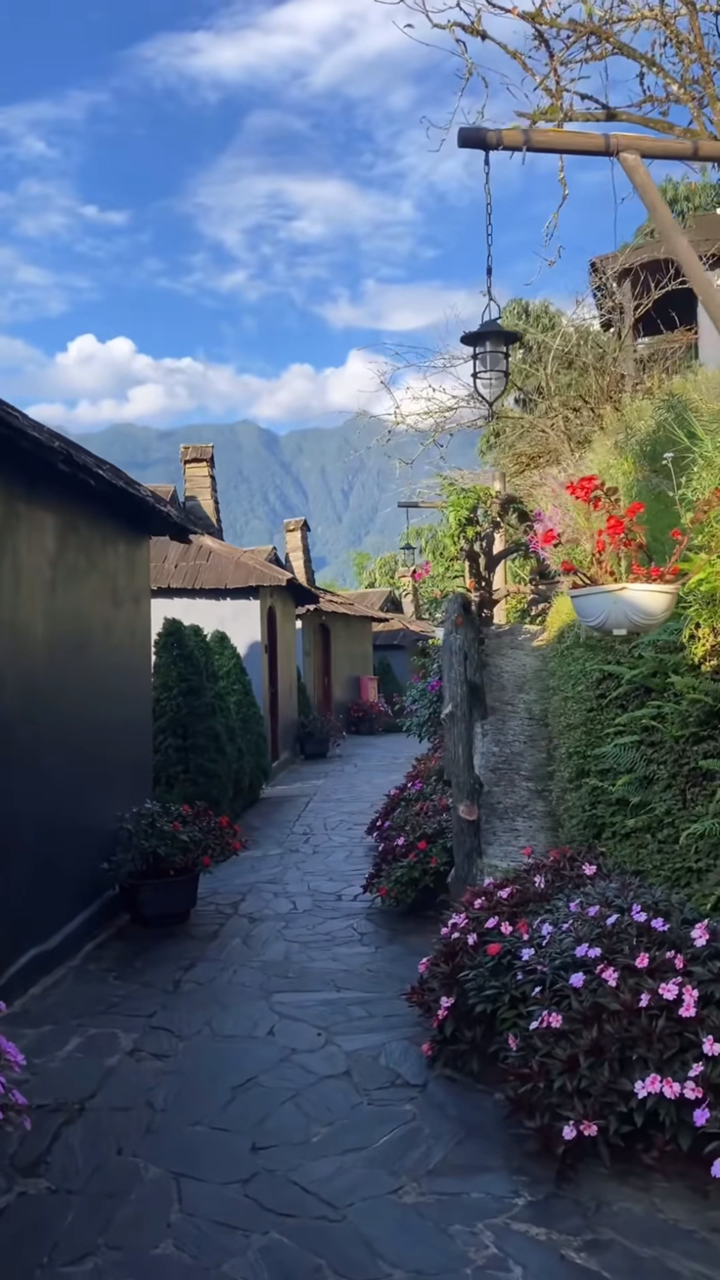
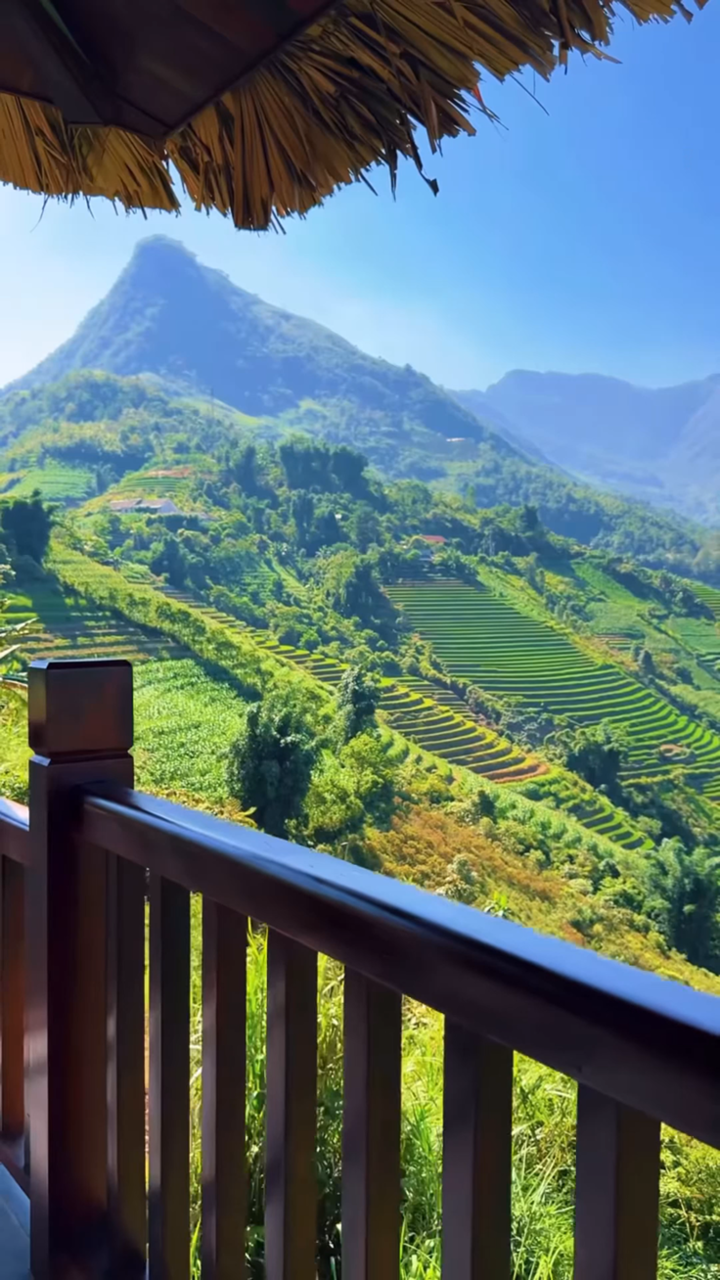
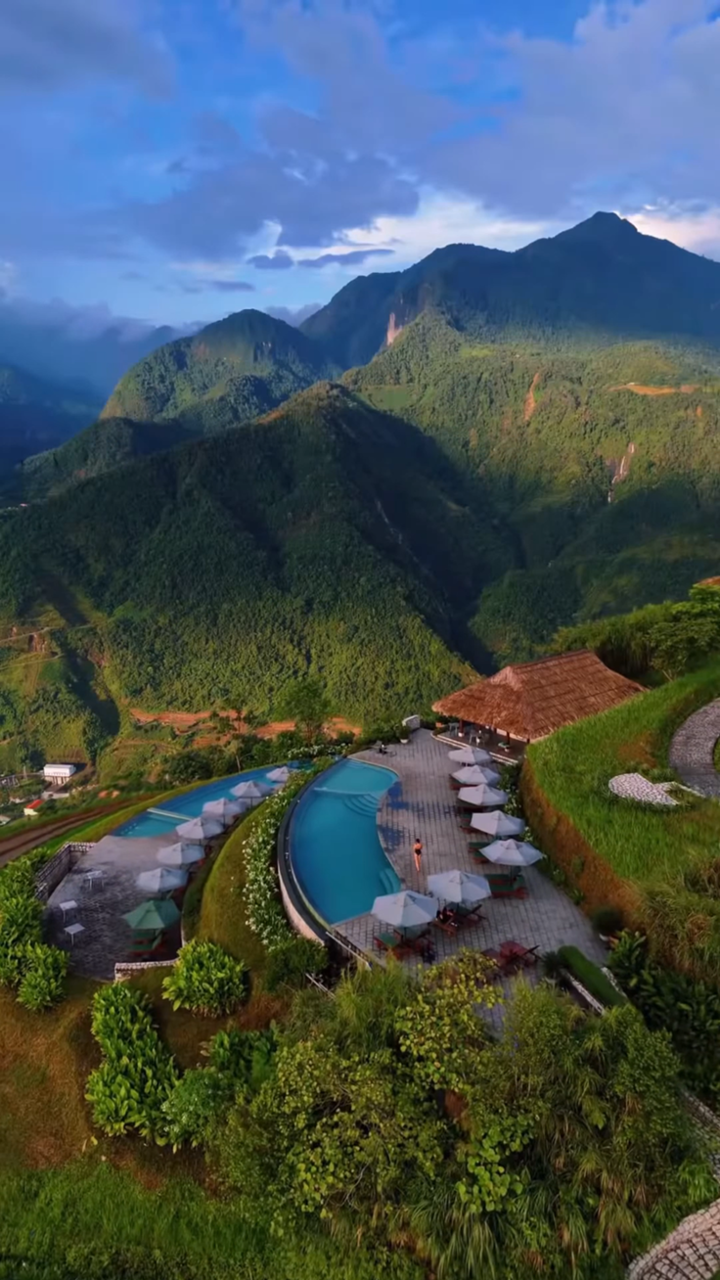
Sapa, a high-altitude destination in northern Vietnam, presents varied conditions throughout the year, making certain periods more suitable depending on traveler preferences. Generally, the most favorable times to experience Sapa are from March to May or from mid-August through early December, when the weather supports outdoor activities and showcases the region's agricultural beauty.
Sapa's Mountain Climate and Temperatures
Sapa's elevation contributes to its unique climate, characterized by warm summers and cool winters. The region experiences distinct seasonal shifts, transitioning from a subtropical feel during the warmer months to a temperate environment in winter. The average temperature recorded for Sapa town is approximately 15.4ºC. Daily temperatures can fluctuate significantly, with highs reaching around 29.4ºC and lows dropping to about 1ºC.
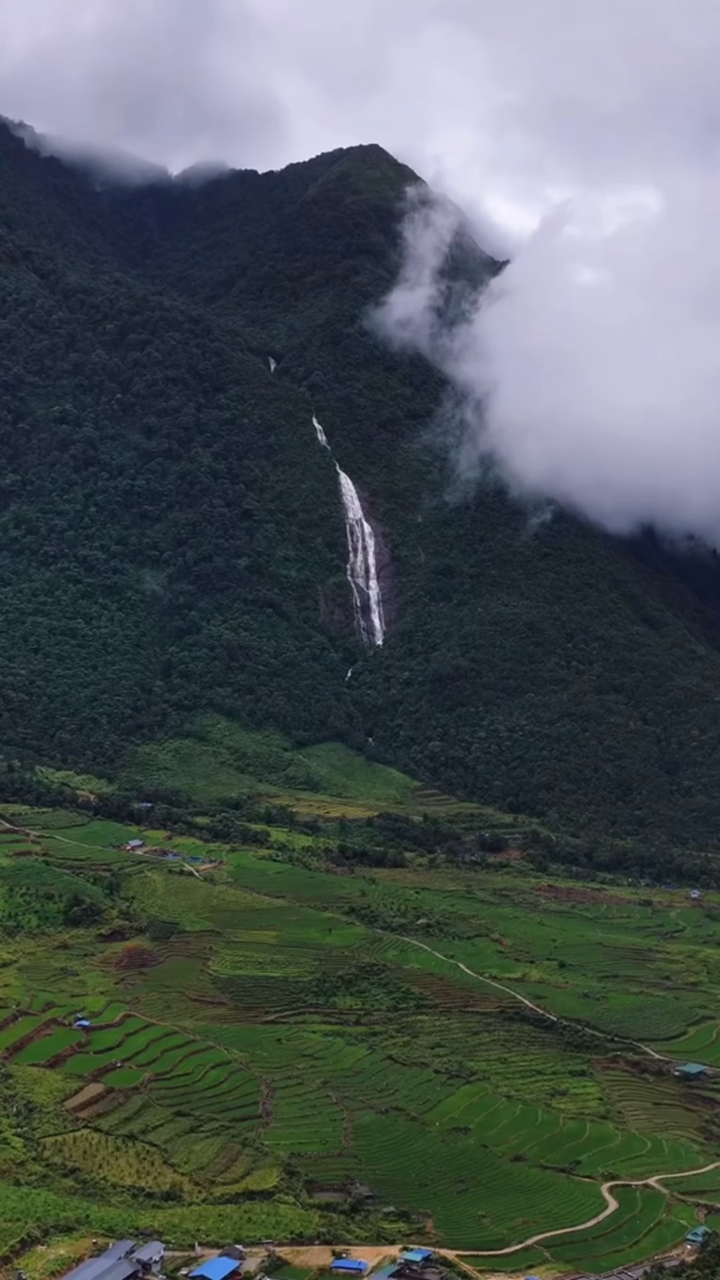
The warmest periods typically occur in July and August, while December and January are the coldest. Although Sapa welcomes visitors year-round, winter months often bring chilly conditions, accompanied by fog, light rain, and occasionally snow on the highest mountain peaks. Travelers considering a winter trip should prepare for cold weather.
Seasonal Highlights and Natural Scenery
Sapa's natural surroundings transform with each season, offering different visual and sensory experiences.
Spring (March-May)
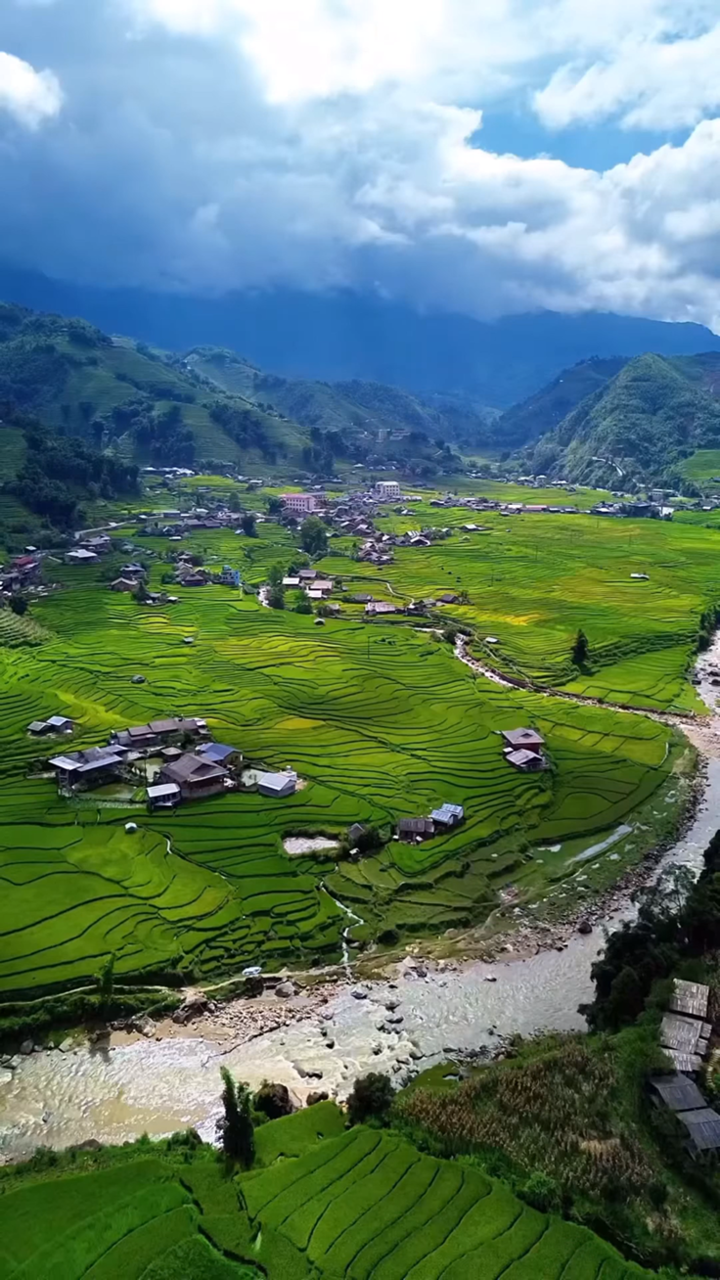
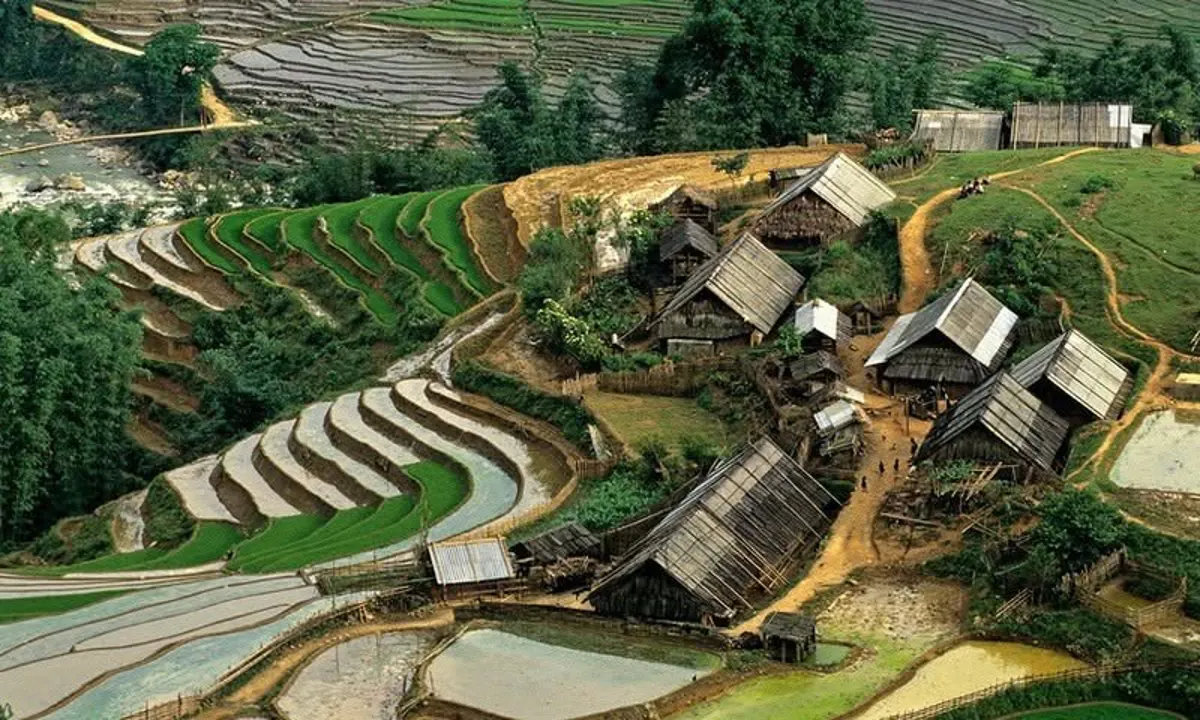
During spring, the landscape becomes alive with blooming fruit trees. Pear, peach, apricot, and plum blossoms adorn the hillsides, creating a colorful display. This period also marks the beginning of the rice planting cycle in the terraced fields. From April to May, local ethnic communities begin cultivating rice, and the flooded terraces reflect the sky, presenting a striking natural vista that changes as the season progresses.
Summer (June-August)
Summer brings a different kind of floral abundance, with pansies, dahlias, and sunflowers in bloom, alongside a variety of tropical fruits. The sky often appears clear and bright, with golden sunlight and white clouds that sometimes seem to descend close to the ground. Despite the warmth, Sapa's high altitude provides a cooler escape from the heat of lower regions.
Autumn (September-November)
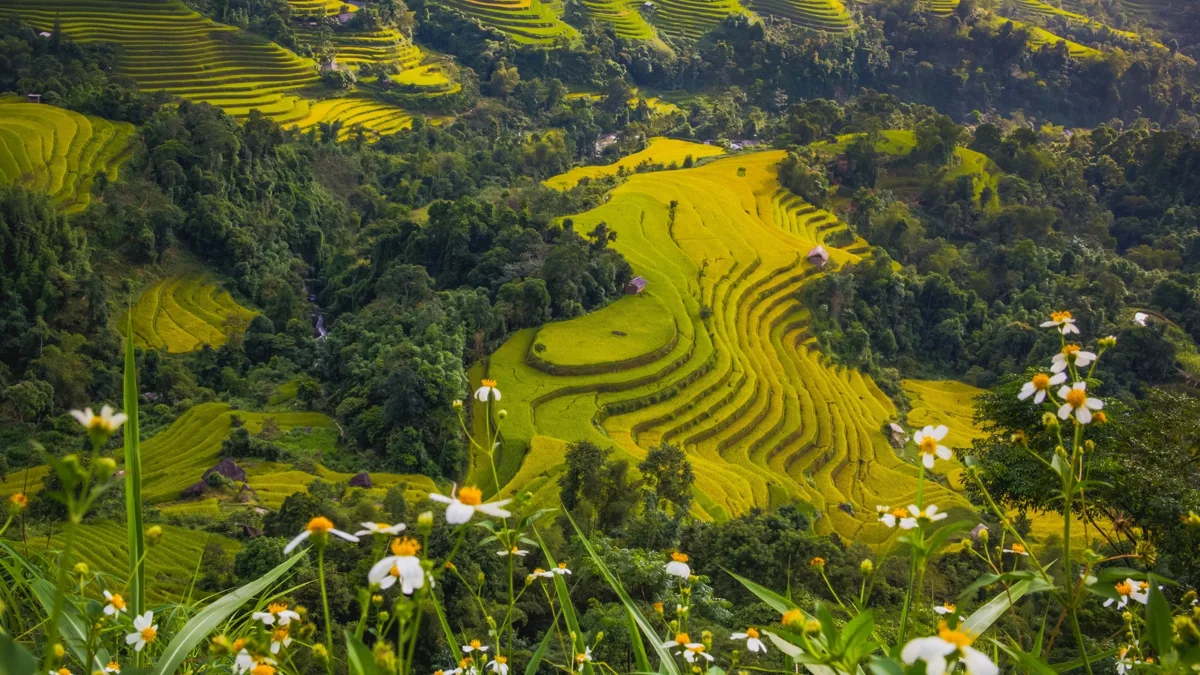
As autumn arrives, the area is known for its harvest, including perfume mushrooms, wood ear mushrooms, and various medicinal plants. This season is particularly renowned for the rice terraces, which turn a rich golden color as the crops ripen. From August to October, the fields appear like expansive golden tapestries across the mountain slopes, a truly remarkable sight.
Winter (December-February)
Winter in Sapa can be quite severe, with temperatures sometimes falling below freezing. Ice frequently covers tree branches and grass, transforming the scenery into a frosty wonderland. In some years, snow falls in late December, offering a unique setting for Christmas and New Year holidays. These icy conditions attract many visitors and photographers seeking to capture Sapa's winter appearance.
Optimal Periods for Experiencing Sapa's Terraces and Climate
The most recommended times for a visit to Sapa are between March and May, or from mid-August to early December. These windows generally offer pleasant weather conditions and highlight the region's iconic terraced rice fields.
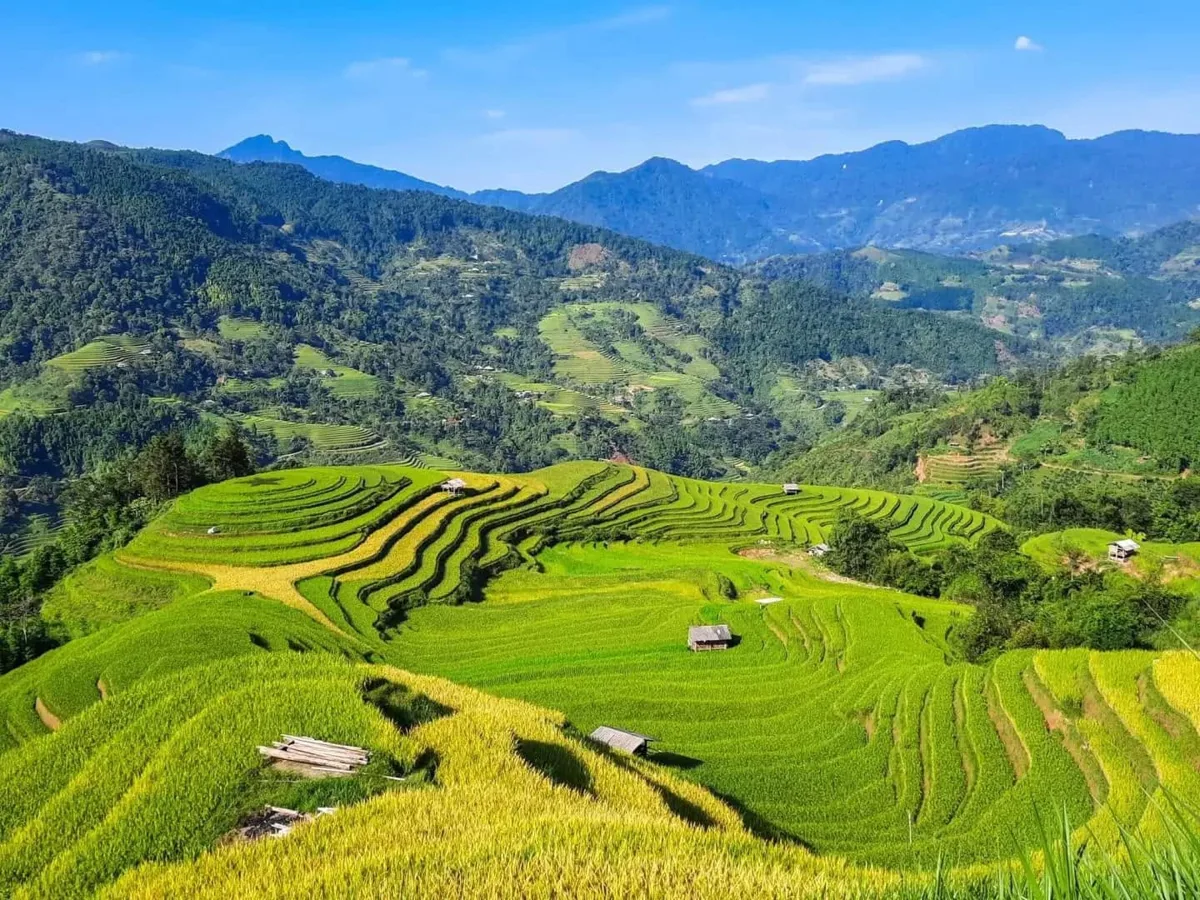
- March to May: This period is ideal for witnessing the agricultural cycle begin. In April and May, the terraced fields are prepared and planted, creating reflective pools of water that mirror the sky, and then gradually turn green as the young rice plants grow. The weather is generally mild, making it suitable for trekking and exploring.
- Mid-August to Early December: This late summer to autumn period is celebrated for the rice harvest. Specifically, in August and October, the rice in the terraced fields reaches its full maturity, changing from green to a brilliant yellow. This transformation makes the landscape particularly photogenic, resembling golden silk flowing over the mountain contours. The air during these months is often clear and comfortable.
Understanding Sapa's Weather Fluctuations
Sapa's climate is known for its rapid changes, especially during the summer months. It is not uncommon for visitors to experience conditions reminiscent of all four seasons within a single day. Mornings and late afternoons might feel cool, similar to spring or autumn. Midday can be sunny and clear, like a typical summer day. Evenings often bring a distinct chill.
Furthermore, short but intense thunderstorms can occur unexpectedly during summer afternoons. Following these rains, a rainbow frequently appears, adding to the area's visual appeal and inspiring local folklore. Travelers should be prepared for varying conditions by packing layers and waterproof gear, particularly if visiting between May and September, which constitutes the wet season with the heaviest rainfall in July and August. For those planning to manage their finances while traveling, understanding the banking facilities in Sapa can be helpful.
Summary of Sapa's Seasonal Characteristics
| Season | Months | Typical Weather | Key Highlights |
|---|---|---|---|
| Spring | March - May | Mild, pleasant; rice planting begins | Flowering fruit trees (pear, peach, apricot), greening rice terraces |
| Summer | June - August | Warmest, humid, heavy rainfall (July/Aug); rapid weather changes | Lush green rice fields, tropical fruits, diverse flowers (pansies, sunflowers) |
| Autumn | September - November | Cooler, comfortable; less rain | Golden ripe rice terraces (August-October), harvest season, clear skies |
| Winter | December - February | Coldest, fog, drizzle, occasional ice/snow on peaks | Frosty landscapes, potential for snow, quiet atmosphere |
Frequently Asked Questions
When is the rice harvest season in Sapa?
The rice harvest season in Sapa typically occurs from August to October. During this period, the terraced fields transform into a golden hue as the rice ripens, offering some of the most sought-after views of the region.
Does Sapa experience snow?
Yes, Sapa can experience snow, particularly during the late December to February winter months, especially on its highest peaks. Temperatures can drop below freezing, leading to ice formation and, in some years, snowfall, creating a unique winter landscape. When exploring the high peaks, consider using the cable car to Indochina's summit for an accessible experience.
What is the weather like in Sapa during summer?
Sapa summers (June-August) are generally warm and humid, with the highest temperatures of the year. However, due to its altitude, it offers a cooler escape compared to other parts of Vietnam. The summer is also the wet season, with significant rainfall, particularly in July and August. Daily weather can change quickly, experiencing spring-like coolness, midday sun, and cold evenings.
Are there any specific health considerations for Sapa travelers?
While Sapa is generally safe, travelers should be aware of its variable weather and prepare for outdoor activities. It's always wise to know about Sapa healthcare guide: hospitals and clinics for travelers for any unforeseen medical needs.
How can I travel to Sapa from other parts of Vietnam?
Many visitors opt for overnight travel from Hanoi to Sapa. Understanding overnight rail journeys in Vietnam can provide useful information on routes, comfort levels, and costs for reaching Sapa and other destinations.