Conquer Fansipan Peak Sapa: Ascend the Roof of Indochina
Fansipan, often called 'The Roof of Indochina,' stands majestically at 3,143 meters, making it the highest peak in the region. Visitors can reach its summit from Sapa via a world-record-breaking cable car offering breathtaking panoramic views, or embark on a challenging multi-day trekking expedition for a true adventure into the clouds.
About This Attraction
Overview: The Roof of Indochina
Fansipan Peak, majestically rising to 3,143 meters, proudly holds the title of "The Roof of Indochina," making it the highest mountain in Vietnam, Laos, and Cambodia. Located in the rugged Hoang Lien Son mountain range, just a short distance from the charming town of Sapa in Vietnam's northern highlands, Fansipan is a beacon for adventurers and nature lovers alike. Its imposing presence dominates the landscape, offering a dramatic backdrop to the terraced rice fields and ethnic minority villages below.
For decades, reaching the summit of Fansipan was a challenging feat reserved for experienced trekkers willing to endure multi-day expeditions through dense forests and steep terrain. However, with the introduction of a world-record-breaking cable car system, Fansipan has become accessible to a wider range of visitors, allowing almost anyone to experience its breathtaking panoramic views and the unique spiritual complex nestled near its peak. Whether you seek the thrill of a strenuous climb or the ease of a scenic aerial journey, Fansipan promises an unforgettable encounter with Vietnam's highest natural wonder.
The Significance of Fansipan
Fansipan's significance extends beyond its impressive height. Geographically, it represents the apex of the Indochinese Peninsula, a natural landmark that has shaped the region's climate and biodiversity. The mountain is part of the Hoang Lien National Park, an area renowned for its rich ecosystem, home to a diverse array of flora and fauna, including many rare and endemic species. Its slopes are covered in ancient forests, rhododendron blooms, and unique medicinal plants, making it a living laboratory for botanists and a sanctuary for wildlife.
Culturally and spiritually, Fansipan has also grown in importance. The development of the Sun World Fansipan Legend complex at the summit has transformed it into a significant pilgrimage site. A grand spiritual complex, featuring towering Buddha statues, ancient-style pagodas, and intricate temples, now stands amidst the clouds, offering a serene and awe-inspiring experience. This blend of natural grandeur and spiritual sanctity creates a unique atmosphere, inviting contemplation and wonder high above the earthly realm.
The Journey to the Summit
By Cable Car: A Scenic Ascent
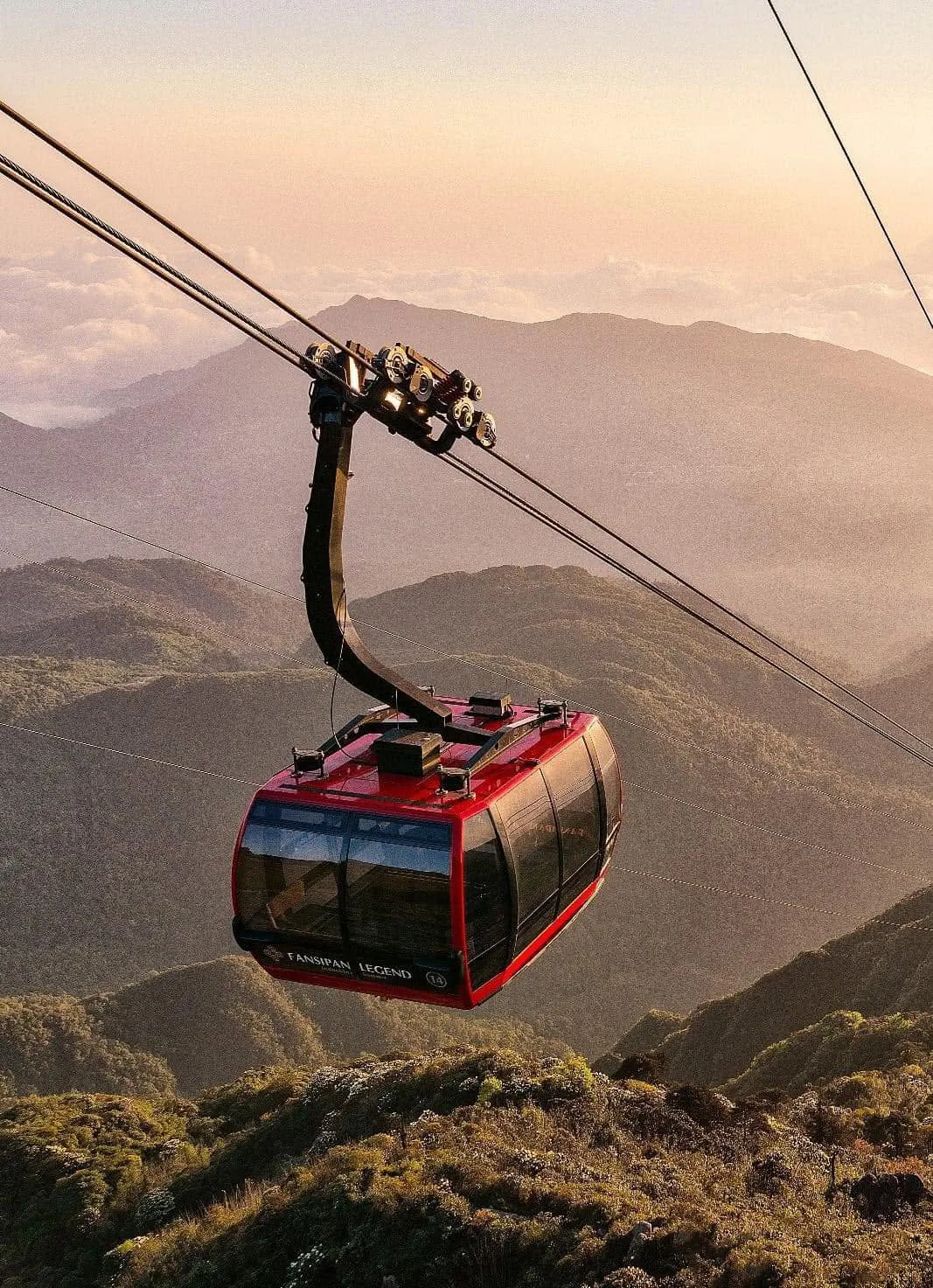
The most popular and convenient way to reach Fansipan's summit is via the Sun World Fansipan Legend cable car system. Inaugurated in 2016, this engineering marvel holds two Guinness World Records: the longest non-stop three-rope cable car in the world (6,292.5 meters) and the greatest elevation difference by a non-stop three-rope cable car (1,410 meters). The journey begins at the Sun World Fansipan Legend complex, located a short drive from Sapa town.
The cable car ride itself is an experience not to be missed. Over approximately 15 to 20 minutes, passengers are transported through the clouds, soaring above lush valleys, terraced rice fields, and the dramatic peaks of the Hoang Lien Son range. The glass cabins offer 360-degree panoramic views, allowing for stunning photographic opportunities and an unparalleled perspective of the majestic landscape unfolding below. As you ascend, the air cools, and the scenery transforms, often revealing a mesmerizing "sea of clouds" that stretches as far as the eye can see.
Upon disembarking at the upper cable car station, visitors still have a short climb to reach the actual summit marker and the spiritual complex. This final ascent can be done by walking up a series of steps or by taking a funicular train, making the peak accessible to nearly everyone.
By Trekking: An Adventurer's Challenge
For the truly adventurous and physically fit, trekking to Fansipan's summit remains a profound and rewarding experience. This multi-day expedition typically takes two to three days, depending on the chosen route and the trekkers' pace. It requires careful planning, proper equipment, and the accompaniment of an experienced local guide, which is often mandatory for safety and to navigate the challenging terrain.
Trekking routes usually start from areas like Tram Ton Pass, the highest mountain pass in Vietnam. The journey involves navigating through dense bamboo and primary forests, crossing streams, and ascending steep, rocky paths. Along the way, trekkers are immersed in the raw beauty of the Hoang Lien Son National Park, encountering diverse flora and fauna, and experiencing the changing ecosystems at different altitudes. Overnight stays are typically in basic mountain huts or campsites, offering a rustic and authentic connection with nature.
While physically demanding, the reward for reaching the summit after days of effort is immense: a profound sense of accomplishment, unparalleled views, and a deep appreciation for the pristine wilderness of northern Vietnam. It's an adventure that tests endurance and spirit, leaving trekkers with lasting memories.
Highlights at the Peak
The Spiritual Complex
At the summit of Fansipan, amidst the often ethereal cloud cover, lies a magnificent spiritual complex that adds a unique dimension to the natural wonder. This sprawling complex includes several pagodas, temples, and bell towers designed in traditional Vietnamese architectural styles. The most prominent features are the towering bronze statue of Amitabha Buddha, one of the largest in Vietnam, and the Quan The Am Bodhisattva statue, which stands gracefully against the backdrop of the sky.
Visitors can explore these sacred structures, light incense, and soak in the tranquil atmosphere. The intricate details of the architecture, combined with the breathtaking natural surroundings, create a truly spiritual and awe-inspiring experience, making the summit not just a geographical achievement but also a cultural and spiritual journey.
Panoramic Views and the Sea of Clouds
The ultimate highlight of any visit to Fansipan Peak is undoubtedly the panoramic views. On clear days, the vistas stretch for hundreds of kilometers, revealing an endless expanse of verdant mountains, deep valleys, and the distant horizon. The sheer scale of the landscape is humbling and magnificent.
However, Fansipan is perhaps most famous for its "sea of clouds" phenomenon. Often, especially in the early mornings or after rain, the valleys below are filled with a dense blanket of clouds, creating an illusion of standing on an island in the sky. This ethereal spectacle is a photographer's dream and an unforgettable sight that captures the imagination, making every visit unique.
The Summit Marker
No visit to Fansipan is complete without reaching the iconic pyramid-shaped marker that signifies the actual highest point at 3,143 meters. This is the ultimate photo opportunity, a testament to having conquered the Roof of Indochina. Standing at the very top, with the wind whipping around and the world seemingly at your feet, is a moment of pure exhilaration and triumph.
Practical Tips for Your Visit
Best Time to Visit
The ideal time to visit Fansipan is during the dry season, from October to April, when the weather is generally clearer and cooler, offering the best chances for unobstructed views. However, even during this period, weather on the mountain can be unpredictable, changing rapidly from sunny to foggy or rainy. Winter months (December to February) can be very cold, with temperatures often dropping below freezing and occasional snow, adding a unique, albeit challenging, beauty.
The rainy season (May to September) brings lush greenery and dramatic cloud formations, but also higher chances of fog and rain, which can obscure views. Regardless of the season, it is always advisable to check the local weather forecast before planning your trip.
What to Bring
Even if you are taking the cable car, the summit area can be windy and cold, so dressing in layers is essential. Bring a warm jacket, a waterproof outer layer, and comfortable walking shoes, as there are steps and paths to navigate at the top. Sunscreen, a hat, and sunglasses are also recommended, especially on clear days, due to the high altitude. Don't forget your camera to capture the stunning scenery!
Altitude Sickness Awareness
While Fansipan's altitude is not extreme, some visitors may experience mild symptoms of altitude sickness, such as headaches or dizziness. It is advisable to take it easy upon arrival at the summit, walk slowly, and stay hydrated. If you feel unwell, descend to a lower altitude.
Cable Car Logistics
To make the most of your cable car experience, consider arriving early in the morning, especially on weekends or holidays, to avoid crowds. Tickets can be purchased at the Sun World Fansipan Legend complex. Allow ample time to explore the spiritual complex and enjoy the views at the top.
Trekking Logistics
For trekkers, it is crucial to arrange your trip through a reputable local tour operator. A local guide is not only mandatory for permits and safety but also invaluable for their knowledge of the terrain, local culture, and emergency procedures. Ensure you have appropriate trekking gear, including sturdy boots, warm and waterproof clothing, a backpack, and sufficient food and water.
Nearby Attractions in Sapa
Sapa Town
Sapa itself serves as the primary base for exploring Fansipan. This bustling town is famous for its vibrant market, where ethnic minority groups gather to trade goods. It offers a range of accommodations, restaurants, and opportunities to learn about the local culture of the H'mong, Dao, Tay, and other ethnic communities.
Cat Cat Village
Located just a few kilometers from Sapa town, Cat Cat Village is a traditional H'mong village nestled in a beautiful valley. Visitors can trek down to the village to observe traditional crafts, admire a picturesque waterfall, and learn about the daily lives and customs of the local people.
Muong Hoa Valley
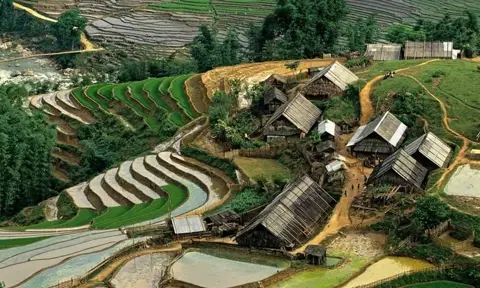
Stretching southeast of Sapa, the Muong Hoa Valley is renowned for its stunning terraced rice fields, which create a breathtaking landscape, particularly during the planting and harvesting seasons. The valley is dotted with several ethnic minority villages and offers numerous opportunities for scenic trekking, providing deeper insights into the rural life of the region.
Location
Nearby in Sapa

Plan Your Visit
Ready to experience Fansipan Peak Sapa? Book a guided tour or get expert travel advice.
Enquire Now Browse Tours Including This Site