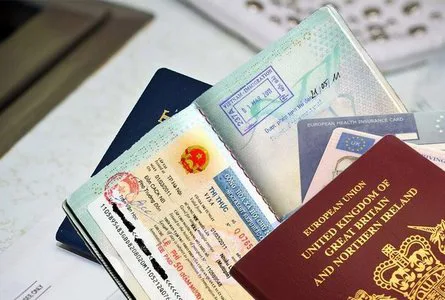
Travelers intending to visit Vietnam must understand the established procedures for gaining entry. The Immigration Department of Vietnam introduced an official online application process for foreigners on January 1, 2017, allowing stays of up to 30 days. Additionally, a distinct Visa on Arrival (VOA) letter service offers another pathway for obtaining necessary travel authorization.
Understanding Vietnam's Official Online Visa Application Process
Vietnam's online visa application system, initiated in early 2017, provides a structured method for foreign nationals to secure permission for entry. This process is designated for individuals seeking a stay not exceeding 30 days within the country. It is designed to formalize the request for entry for eligible foreign visitors.
The application steps involve several stages that require careful attention to detail. Applicants must ensure their passport meets the minimum validity criteria and that they are not subject to any entry restrictions under Vietnamese law. The subsequent sections will outline these requirements and the procedural flow for both the online application and the alternative Visa on Arrival method.
Eligibility and Conditions for Entry
To qualify for entry into Vietnam, foreign travelers must satisfy specific criteria set forth by the immigration authorities. A fundamental requirement is possessing a passport that remains valid for at least six months beyond the intended date of entry. This standard ensures international travel document compliance.
Furthermore, applicants must be citizens of countries included in Vietnam's official electronic visa pilot program, which commenced in 2017 and 2018. It is also essential that individuals are not listed as prohibited from entering the country under current Vietnamese legal statutes. Adherence to these conditions is mandatory for all foreign visitors seeking to obtain a visa.
Navigating the Official Online Application Process
The formal procedure for applying through Vietnam's official online system involves several distinct steps. Prospective visitors should follow these guidelines carefully to submit their visa requests.
- Access the designated online application form provided by the Vietnamese government.
- Accurately input all required personal details, including passport information, and specifics regarding the intended entry into Vietnam. It is critical to verify the correctness of all submitted data.
- Print the completed application form. This printed document must then be presented in person at a Vietnamese Embassy or Consulate in the applicant's home country for official certification and approval.
- At the Vietnamese Embassy, applicants are required to pay the associated fee in United States Dollars (USD) cash to receive an official stamp in their passport.
- Upon arrival at an immigration checkpoint in Vietnam, travelers must present their passport, which now contains the approved visa stamp, along with their e-visa document.
The Visa on Arrival (VOA) Letter Alternative
An alternative method for obtaining entry authorization is through a Visa on Arrival (VOA) letter service. This process is generally considered more streamlined for many international travelers, offering convenience and potentially reducing the number of preliminary steps.
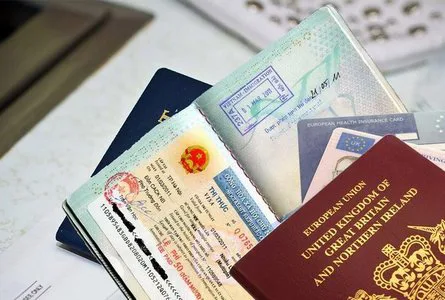
With a VOA letter service, applicants typically submit their passport information to a registered travel agency. Following this, an official approval letter is issued. This letter permits travelers to board their flight to Vietnam. Upon arrival at a Vietnamese international airport, visitors then pay a stamp fee directly to immigration officials to receive their visa in their passport. This option is particularly beneficial for those residing far from a Vietnamese Embassy or facing time constraints, as it bypasses the need for an embassy visit prior to departure. This method effectively allows travelers to avoid certain preliminary procedures that the official online application entails.
Comparing Entry Methods: Official Online Application vs. Visa on Arrival
Understanding the distinctions between the official online application process and the Visa on Arrival (VOA) letter service can help travelers choose the most suitable option for their journey to Vietnam. Each method has unique requirements and procedural steps.
| Feature | Official Online Application (as per source) | Visa on Arrival (VOA) Letter Service |
|---|---|---|
| Application Method | Online submission followed by embassy visit | Online submission to agency for approval letter |
| Embassy Visit Required | Yes, for certification and stamping prior to travel | No, pre-travel embassy visit not required |
| Fee Payment Location | Vietnamese Embassy (in USD cash) | Vietnamese airport (upon arrival, stamp fee) |
| Primary Document for Entry | Stamped passport and e-visa document | Passport and VOA approval letter (with stamp fee paid on arrival) |
| Convenience for Remote Applicants | Potentially inconvenient due to embassy visit | Generally more convenient, especially for those far from embassies |
| Steps Skipped (compared to official process) | None, this is the full process | Steps 3-5 of the official process (embassy visit, embassy payment, pre-travel stamp) |
Specific Entry Privileges by Nationality
Beyond the general online visa application and VOA services, certain nationalities benefit from specific entry privileges, including visa exemptions or direct Visa on Arrival options. These arrangements differ from the standard e-visa process and are subject to specific durations and conditions. Travelers should verify the most current regulations applicable to their nationality before making travel arrangements.
- Burundi: Visa on arrival – 30 days
- Cambodia: Visa not required – 30 days
- Cape Verde: Visa on arrival
- Comoros: Visa on arrival
- Djibouti: Visa on arrival
- Dominica: Visa not required – 21 days
- Haiti: Visa not required – 3 months
- India: Visa on arrival – 30 days
- Indonesia: Visa not required – 30 days
- Kenya: Visa on arrival – 3 months
- Kyrgyzstan: Visa not required – Unlimited
- Laos: Visa not required – 30 days
- Madagascar: Visa on arrival – 90 days
- Malaysia: Visa not required – 30 days
- Maldives: Visa on arrival – 30 days
- Mali: Visa on arrival
- Marshall Islands: Visa on arrival – 90 days
- Mauritania: Visa on arrival
- Micronesia: Visa not required – 30 days
- Myanmar: Visa not required – 14 days
- Nepal: Visa on arrival – 90 days
- Palau: Visa on arrival – 30 days
- Panama: Visa not required – 180 days
- Papua New Guinea: Visa on arrival – 60 days
- Philippines: Visa not required – 21 days
- Saint Lucia: Visa on arrival – 6 weeks
- Saint Vincent and the Grenadines: Visa not required – 1 month
- Samoa: Entry Permit on arrival – 60 days
- Seychelles: Visitor’s Permit on arrival – 1 month
- Singapore: Visa not required – 30 days
- Somalia: Visa on arrival – 30 days
- Sri Lanka: Electronic Travel Authorization – 30 days
- Thailand: Visa not required – 30 days
- Timor-Leste: Visa on arrival – 30 days
- Tanzania: Visa on arrival
- Togo: Visa on arrival – 7 days
- Tajikistan: Visa on arrival – 45 days
- Tuvalu: Visa on arrival – 1 month
- Uganda: Visa on arrival
- Zambia: Visa on arrival – 90 days
Essential Travel Considerations for Vietnam
Prior to finalizing travel arrangements for Vietnam, it is essential for all visitors to confirm the most current entry requirements. Immigration policies can change, so consulting official government sources or a reputable travel consultant is always recommended. Ensuring all documentation, including passports and visa approvals, is in order well before departure can prevent unexpected issues.
Always verify your passport's expiration date to confirm it holds at least six months of validity beyond your planned departure from Vietnam. Furthermore, when planning your journey and considering what to bring back, remember that compliance with entry regulations is the first step to an enjoyable experience in the country. Adequate preparation allows for a smoother and more pleasant travel experience.
Frequently Asked Questions
What is the maximum duration for a stay under Vietnam's official online visa application process?
The official online visa application process permits foreign visitors to stay in Vietnam for a maximum period of 30 days from their date of entry.
What are the primary conditions for eligibility for an official online visa?
To be eligible, applicants must possess a passport valid for at least six months, be a citizen of a country included in Vietnam's specific e-visa pilot lists, and not be legally prohibited from entering Vietnam.
Does the official online visa application process require a visit to a Vietnamese Embassy?
Yes, according to the outlined procedures, the completed online application form must be printed and taken to a Vietnamese Embassy for certification and to receive the visa stamp in the passport, along with fee payment.
How does the Visa on Arrival (VOA) letter service differ from the official online application?
The VOA letter service allows travelers to obtain an approval letter online before departure and pay a stamp fee upon arrival at a Vietnamese international airport, thereby bypassing the need for an embassy visit prior to travel.
What documents must travelers present when entering Vietnam?
Upon arrival, travelers are required to present their valid passport and either their officially stamped passport (from the online application) or their VOA approval letter (to receive a stamp at the airport).