
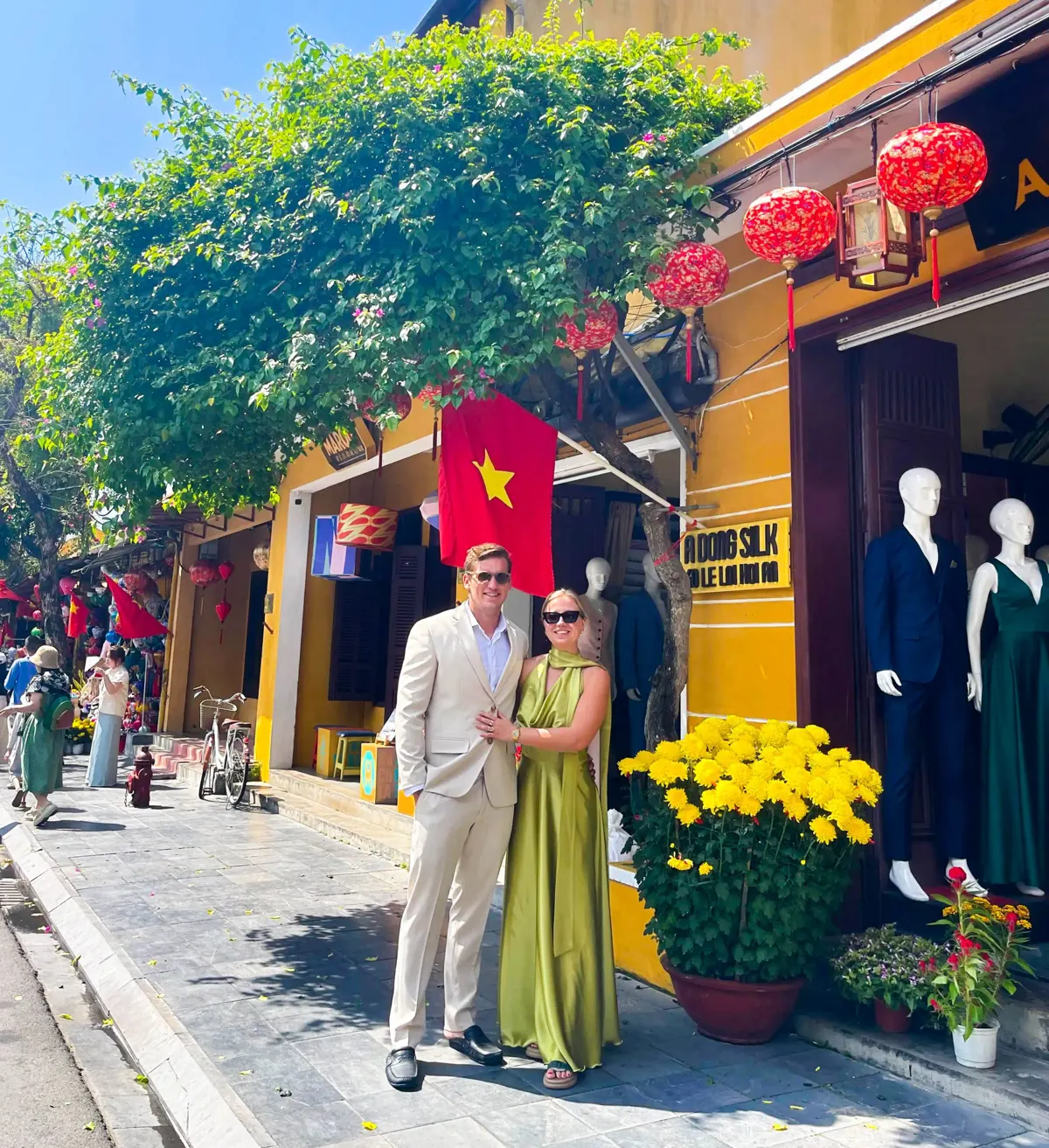
For travelers with limited time, a two-day visit to Hoi An allows for a comprehensive experience of its most significant cultural and historical attractions. This charming Vietnamese city, celebrated for its well-preserved ancient architecture and welcoming atmosphere, offers a compact yet fulfilling itinerary that combines historical exploration with insights into local life and culinary delights.
A Detailed Two-Day Itinerary for Hoi An
Maximizing a short visit to Hoi An involves a blend of guided exploration and independent discovery. This suggested itinerary focuses on the ancient town's key landmarks, a significant historical site nearby, and an authentic rural experience.
Day One: Ancient Town Exploration and My Son Sanctuary
Begin your first day with an in-depth exploration of Hoi An's Ancient Town. A walking tour is often recommended, typically starting around 8:00 AM after breakfast. This allows visitors to navigate the narrow streets and appreciate the architectural fusion of Chinese temples, traditional shophouses, French colonial structures, and pagodas. Key sites include the Japanese Covered Bridge, the Phuc Kien Assembly Hall, and various ancient merchant houses, offering a glimpse into Hoi An's past. The city is relatively small, making a four-hour guided walk sufficient to cover the main points of interest. An entrance ticket is generally required to access the Old Town's historical buildings.
In the afternoon, typically around 2:00 PM, an excursion to My Son Sanctuary is a prominent activity. Located approximately 40 kilometers from Hoi An, the journey takes over an hour, often crossing the Cua Dai bridge and passing local fishing communities, providing scenic views of the river systems, distant mountains, and the Cham Islands. My Son is an ancient complex of Hindu structures, primarily temples and towers, constructed by Cham Kings over many centuries. It served as a religious center and burial ground for Cham monarchs. Visitors can learn about the site's history from guides and witness traditional Cham dance performances. The return journey to Hoi An often includes a cruise along the Thu Bon River, concluding at the Hoang Nguyen dock in the ancient town.
Day Two: Rural Life and Leisure in Hoi An
The second day offers a contrast to the historical intensity, focusing on the surrounding countryside. A bicycle trip to Cam Thanh Village, situated about 7 kilometers from the ancient town, provides an opportunity to observe and engage with local farming practices. Visitors can spend several hours participating in activities such as raking soil, planting seeds, watering crops, and harvesting vegetables. This hands-on experience often culminates in a lunch prepared with ingredients freshly gathered from the garden, shared with local residents. The return journey to Hoi An by bicycle allows for further appreciation of the rural landscape.
The afternoon is typically free for personal exploration within Hoi An Ancient Town. This time can be dedicated to revisiting favorite spots, enjoying the relaxed atmosphere, or pursuing specific interests like shopping or culinary adventures. The town's compact nature makes it easy to wander and discover its many charms at a leisurely pace.
Culinary Experiences in Hoi An
Hoi An is widely recognized for its distinctive regional cuisine, with many travelers considering it among Vietnam's finest culinary destinations. During your free time, sampling local specialties is highly recommended. Iconic dishes include Banh Mi, a flavorful Vietnamese baguette sandwich; Cao Lau, a noodle dish unique to Hoi An; Quang Noodle, another regional noodle soup; and Banh Xeo, a crispy savory pancake. Numerous eateries throughout the ancient town and surrounding areas offer these authentic tastes, providing a delightful exploration for your palate.
Shopping for Souvenirs and Tailored Goods
Hoi An is a renowned center for custom clothing and various handicrafts, making it an ideal place for shopping. While a two-day visit might be brief for extensive custom tailoring, visitors can still explore the many fabric shops offering ready-to-wear items or purchase materials. For those interested in unique purchases and souvenirs, the local markets and artisan workshops present a wide array of options. These include pottery, artistic lanterns, items crafted from rattan and bamboo, traditional conical hats, woven mats, embroidered goods, lacquerware, and woodcarvings. These items make for meaningful mementos or gifts for friends and family.
Planning Your Visit to Hoi An
While many visitors extend their stay in Hoi An for three days or even a week, a two-day itinerary can still provide a rich and rewarding experience, covering the primary attractions and offering a taste of local life. The city's welcoming ambiance and the accessibility of its main sites contribute to a fulfilling short trip. For practical matters, visitors to Hoi An may also find it useful to understand the local financial landscape. Information on banking services in Hoi An can assist with managing finances during their stay.
Hoi An Two-Day Itinerary Overview
| Time of Day | Day One: Heritage and History | Day Two: Rural Charm and Leisure |
|---|---|---|
| Morning | Hoi An Ancient Town Walking Tour (Japanese Covered Bridge, Phuc Kien Assembly Hall, Ancient Houses, Local Market) | Cycling to Cam Thanh Village (farming experience, local interaction) |
| Lunch | Free time for lunch in Hoi An Ancient Town | Lunch with local residents in Cam Thanh Village |
| Afternoon | Excursion to My Son Sanctuary (Cham temples, cultural performance, Thu Bon River cruise return) | Free time in Hoi An Ancient Town (shopping, exploring, relaxing) |
| Evening | Explore Hoi An Ancient Town (dinner, lanterns) | Enjoy Hoi An Ancient Town (dinner, evening atmosphere) |
Frequently Asked Questions
Is two days enough time for Hoi An?
While many travelers choose to spend three days or more, two days in Hoi An is sufficient to visit the main historical sites in the Ancient Town and take a significant excursion, such as to My Son Sanctuary or Cam Thanh Village, providing a good overview of the area's culture and heritage.
What are the main cultural sites to see in Hoi An?
Key cultural sites within Hoi An Ancient Town include the Japanese Covered Bridge, the Phuc Kien Assembly Hall, and various traditional merchant houses. These locations offer insights into the city's diverse historical influences.
What local dishes should I try in Hoi An?
Hoi An is famous for its distinct cuisine. Must-try dishes include Banh Mi, Cao Lau noodles, Quang Noodle, and Banh Xeo (savory pancakes). These can be found at local restaurants and street food stalls throughout the town.
Can I get custom clothing made in two days?
While Hoi An is known for its tailors, getting custom clothing made and fitted perfectly within a strict two-day timeframe can be challenging. It is possible for simpler items, but for more complex garments, a longer stay is generally recommended to allow for multiple fittings.
How do I travel to My Son Sanctuary from Hoi An?
My Son Sanctuary is typically accessed from Hoi An via organized tours, which often include bus transport to the site and a scenic boat trip back along the Thu Bon River. The journey by road takes over an hour.








