
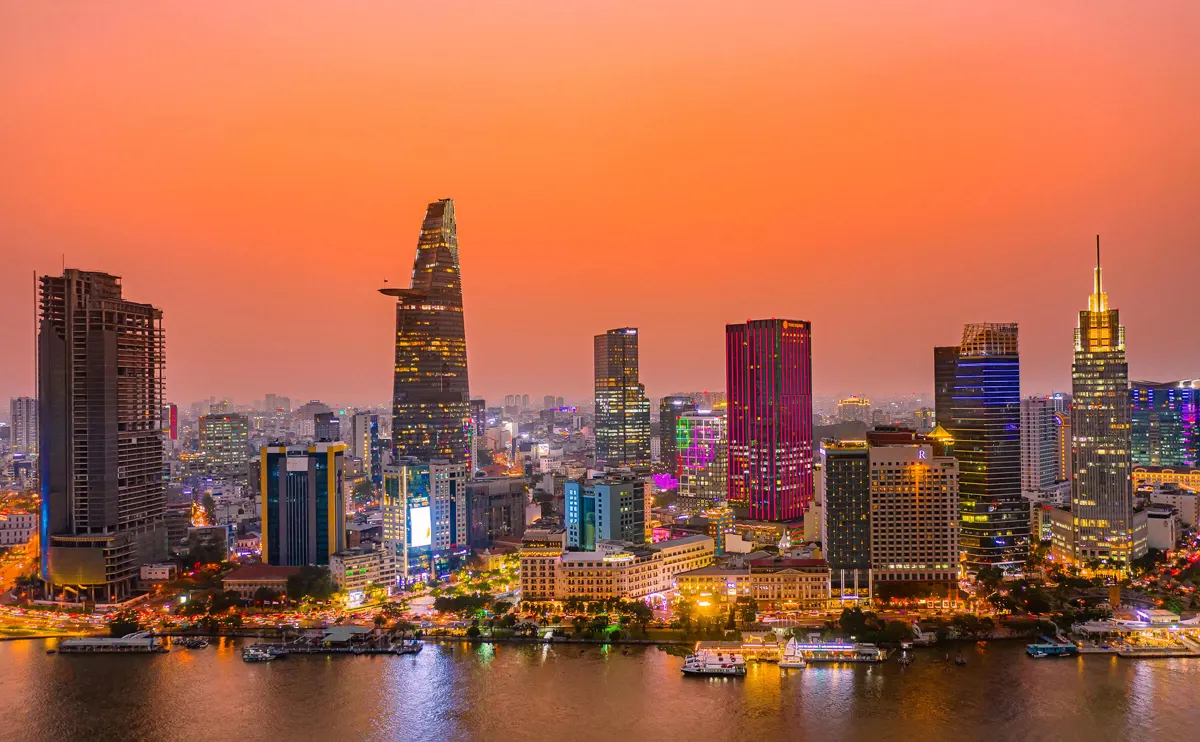
Ho Chi Minh City, often referred to by its former name Saigon, offers a dynamic introduction to southern Vietnam. A three-day visit allows travelers to experience significant historical sites, engage with local culture, and explore the surrounding rural landscapes. This itinerary provides a structured approach to navigating the city's energy and its nearby attractions, ensuring a memorable short stay.
Planning Your Three-Day Visit to Ho Chi Minh City
For many first-time visitors, Ho Chi Minh City presents a striking contrast of tradition and modernity. The city's lively atmosphere, diverse communities, and rich history contribute to a unique cultural experience. Understanding the city's past is fundamental to appreciating its present, making historical sites crucial stops on any itinerary.
While three days offers a concentrated overview, it is sufficient to cover major highlights and gain an appreciation for the region. Travelers should prepare for warm weather and active days, moving between historical landmarks, local markets, and excursions into the countryside. This guide focuses on maximizing your time to see key attractions and engage with local life.
Day One: Historical Reflections and Market Discoveries
Begin your exploration of Ho Chi Minh City by delving into Vietnam's recent history. The War Remnants Museum provides a powerful perspective on the Vietnam War, presenting artifacts, photographs, and exhibits that convey the conflict's impact from a Vietnamese viewpoint. This visit sets an important foundation for understanding the country's contemporary identity.
Following the museum, continue your historical journey at the Reunification Palace, also known as Independence Palace. This significant building served as the residence and workplace for the presidents of South Vietnam until 1975. Visitors can explore the state rooms, private quarters, and the fascinating underground bunker, which housed a telecommunications center and a network of tunnels vital during the conflict. The architecture and preserved interiors offer a glimpse into a pivotal era.
In the afternoon, experience the energetic ambiance of Ben Thanh Market. This central market is renowned for its wide array of goods, from textiles and souvenirs to fresh produce and local street food. Bargaining is a common practice here, and visitors often find engaging with sellers part of the experience. For lunch, consider sampling local dishes from one of the many food stalls within the market, offering a taste of authentic Vietnamese flavors. When considering what to bring home, exploring unique purchases from a trip to Vietnam can enhance your market visit.
Conclude your first day with dinner at Quan An Ngon. This restaurant is celebrated for its extensive menu featuring a broad selection of Vietnamese cuisine, encompassing dishes from the northern, central, and southern regions. It provides an excellent opportunity to sample various traditional flavors in one setting.
Day Two: Countryside Escapes and Underground History
On your second day, venture beyond the urban environment to experience the rural surroundings of Ho Chi Minh City. A trip to an agricultural village offers a glimpse into traditional Vietnamese farming life. Here, you might observe various livestock and poultry, alongside gardens cultivating vegetables, herbs, spices, and mushrooms. Some tours provide the chance to participate in farming activities, complete with a traditional Vietnamese conical hat, offering a hands-on cultural interaction.
Many rural excursions include a cooking class, allowing participants to learn about local ingredients and prepare traditional Vietnamese dishes. This interactive experience culminates in enjoying the meal you have created, providing both culinary skills and a delicious lunch.
The afternoon is dedicated to one of the region's most historically significant sites: the Cu Chi Tunnels. Located a few hours from the city, this extensive underground network was used by Viet Cong soldiers during the Vietnam War. Visitors can learn about the challenging conditions in which soldiers lived and operated for extended periods, observing bomb craters and various booby traps employed against American forces. For those comfortable with confined spaces, a segment of the tunnels is accessible for a firsthand experience, offering a profound insight into wartime ingenuity.
For your evening meal, consider a dinner cruise on the Saigon River. This experience typically includes a multi-course dinner served aboard a boat, accompanied by live entertainment. As the vessel glides along the river, guests can enjoy views of the city's illuminated skyline, creating a distinct and relaxing conclusion to the day.
Day Three: Exploring the Mekong Delta
Dedicate your final day to an excursion to the Mekong Delta, approximately a two-hour drive from Ho Chi Minh City. This region is characterized by its intricate network of waterways, verdant fields, and tranquil villages, all sustained by the powerful Mekong River. The local population has a long-standing connection to the river, with their daily lives and livelihoods shaped by its cycles.
A typical visit to the Mekong Delta involves traveling along the river by longtail boat, navigating through canals and observing rural life along the banks. Activities often include sampling fresh, exotic fruits and local candies, visiting small-scale local markets, and learning about the agricultural practices and traditions of the delta's inhabitants. Lunch is frequently served in a garden setting, with a notable local specialty being the "elephant ear fish," a unique dish often prepared whole and served crispy.
While three days offers a comprehensive introduction to Ho Chi Minh City and its immediate surroundings, it represents only a fraction of what Vietnam has to offer. Many travelers find themselves wanting to return to explore more deeply. For instance, coastal destinations like Nha Trang, known for its clear waters and beaches, provide a different kind of experience. If you are considering other destinations in the country, exploring Halong Bay's best beaches for relaxation could also be an option for future travel.
Recommended Stops and Experiences
This table summarizes the key locations and experiences mentioned in the itinerary. Please note that specific addresses, phone numbers, operating hours, and pricing details for these venues were not provided in the source material and should be verified independently by travelers.
| Location/Experience | Key Highlights | Notes |
|---|---|---|
| War Remnants Museum | Exhibits on the Vietnam War from a Vietnamese perspective, historical artifacts, photographs. | Educational and impactful. |
| Reunification Palace | Former presidential palace, state rooms, private quarters, underground bunker with telecommunications center. | Significant historical landmark. |
| Ben Thanh Market | Lively central market, wide range of goods, food stalls, opportunity for bargaining. | Good for lunch and souvenir shopping. |
| Quan An Ngon | Restaurant offering a broad selection of Vietnamese cuisine from various regions. | Diverse menu for dinner. |
| Agricultural Village Visit | Observation of traditional farming, cattle, poultry, vegetable gardens, optional hands-on farming experience. | Rural cultural immersion. |
| Cooking Class | Learning to prepare local dishes, enjoying the cooked meal. | Interactive culinary experience. |
| Cu Chi Tunnels | Extensive underground network used during the war, bomb craters, booby traps, optional tunnel exploration. | Historical and educational day trip. |
| Saigon River Dinner Cruise | Dinner with live entertainment, views of city lights from the river. | Relaxing evening activity. |
| Mekong Delta Day Trip | Longtail boat travel, sampling local fruits/candies, visiting markets, learning about rural life, "elephant ear fish" lunch. | Scenic and cultural excursion. |
Practical Advice for Travelers
When navigating Ho Chi Minh City, particularly in busy areas like Ben Thanh Market, remember that bargaining is an expected part of many transactions. Approaching it with a friendly demeanor can often lead to a more satisfactory outcome. For managing your finances during your trip, understanding banking services in Ho Chi Minh City for travelers can be very helpful, ensuring you have access to funds and exchange services as needed.
Transportation within the city is readily available, with ride-hailing apps being a convenient option. Be prepared for the city's dynamic traffic, which is an experience in itself. Always stay hydrated, especially when exploring outdoor attractions, and wear comfortable footwear suitable for walking.
Frequently Asked Questions
What is the best way to get around Ho Chi Minh City?
For getting around Ho Chi Minh City, ride-hailing applications are widely used and offer a convenient way to travel. Taxis are also readily available. For shorter distances, walking allows you to experience the city's atmosphere firsthand, though sidewalks can be crowded.
Is three days enough time to see Ho Chi Minh City?
Three days provides a good introduction to Ho Chi Minh City and its key attractions, including historical sites, markets, and a day trip to the Cu Chi Tunnels or Mekong Delta. While it's not enough to see everything, it allows for a comprehensive overview and a memorable experience.
What local dishes should I try in Ho Chi Minh City?
Ho Chi Minh City offers a wide array of local dishes. Beyond the "elephant ear fish" mentioned for the Mekong Delta, popular choices include pho (noodle soup), banh mi (Vietnamese sandwich), bun cha (grilled pork with noodles), and various fresh spring rolls. Exploring street food stalls and local restaurants is highly recommended.
Is it necessary to book tours in advance for Ho Chi Minh City attractions?
For popular day trips like the Cu Chi Tunnels and the Mekong Delta, booking a tour in advance is often recommended, especially during peak travel seasons, to ensure availability and convenient transportation. For city attractions like museums and palaces, tickets can typically be purchased upon arrival.








