
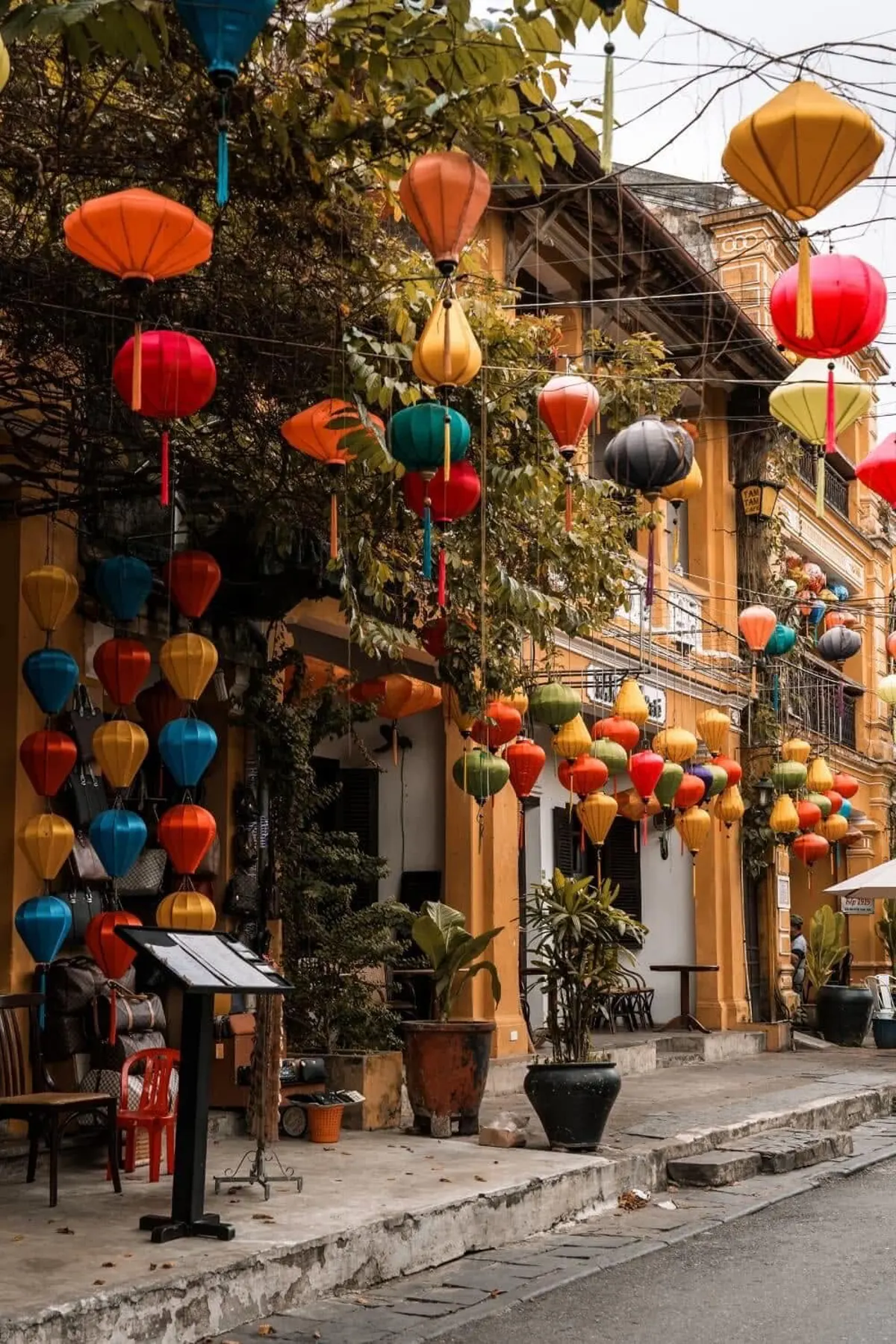
Hoi An, a city in Vietnam, offers visitors a blend of historical charm, culinary delights, and natural beauty. While a week might allow for a more relaxed exploration, a carefully planned three-day visit can still provide a fulfilling experience, covering many of the area's significant attractions. This itinerary focuses on maximizing your time to appreciate the ancient town's heritage, local cuisine, nearby islands, and tranquil villages.
Planning Your Three-Day Hoi An Trip
Hoi An is renowned for its well-preserved architecture, which reflects a fusion of indigenous and foreign influences, particularly Chinese and Japanese. The city's appeal extends beyond its historic core to include a rich food culture and accessible natural surroundings. This suggested schedule is designed to help travelers efficiently navigate the various facets of Hoi An, ensuring a memorable short stay.
Visitors often find the atmosphere in Hoi An conducive to leisurely exploration, whether wandering through old streets or engaging with local traditions. The city's compact nature means many key sites are within walking distance or a short bicycle ride, making it an ideal destination for those who prefer a relaxed pace while still experiencing a lot.
Day 1: Culinary Traditions and Ancient Town Landmarks
Begin your Hoi An experience by delving into its celebrated food scene. Participating in a cooking class offers a practical way to understand Vietnamese gastronomy, especially given Hoi An's reputation as a culinary center. The local cuisine here showcases a harmonious blend of northern and southern Vietnamese flavors, alongside influences from Chinese and Japanese cooking traditions.
During a cooking class, participants typically learn to prepare famous Hoi An dishes such as Cao Lau noodles, Mi Quang, and Hoi An bread. These sessions often include a visit to a local market, providing an opportunity to select fresh ingredients and interact with vendors. Some classes also incorporate additional cultural activities like cycling to Tra Que village, crafting lanterns, or navigating canals in a basket boat, offering insights into rural Vietnamese life. Upon completion, participants often receive a certificate and sometimes ingredients to recreate dishes at home.
In the afternoon, a guided walking tour of Hoi An's ancient town is recommended. Local guides can provide context and stories about the city's historical and cultural sites. Key stops usually include the Japanese Covered Bridge, the Phuc Kien Assembly Halls, various ancient merchant houses, and the central Hoi An local market. These locations offer a glimpse into the city's past as a prominent trading port.
Day 2: An Excursion to the Cham Islands
Beyond the ancient town, Hoi An offers opportunities for day trips to natural attractions. The Cham Islands, an archipelago of eight small islands, are located approximately 18 kilometers from Hoi An's coast. To reach them, travelers typically journey to Cua Dai quay and then take a boat, which usually takes about one hour and fifteen minutes.
Upon arrival, the islands provide a refreshing escape, with opportunities to enjoy the sea breeze and scenic views. Popular activities include snorkeling and scuba diving, allowing visitors to observe marine life. For those interested in the islands' heritage, sites like Au Thuyen, the Hai Tang Pagoda, and the Bai Lang fishing village offer cultural insights.
Hai Tang Pagoda, originally constructed in 1758, is a significant historical landmark on the islands. This 160-year-old pagoda serves as a place of worship for Buddha and also honors the local fishermen's deities. Inside, visitors can observe the Three Jewels on the main altar and a Buddha statue seated on a lotus. The pagoda is also known for its large bell and various wooden artifacts. Day trips to the Cham Islands generally conclude in the early afternoon, with return transport to Hoi An.
Day 3: Rural Serenity and Souvenir Shopping
For a change of pace from the city, a morning visit to Tra Que village offers a glimpse into Vietnam's agricultural countryside. This quiet village is characterized by its verdant fields, grazing water buffalo, and diligent local farmers. Tra Que is particularly known for its high-quality vegetables, cultivated using traditional methods that contribute to Hoi An's culinary reputation.
Travelers can cycle through picturesque rice fields to reach the village. Once there, visitors are welcome to stroll along the paths that wind through the allotments. Opportunities often exist to participate in farming activities, such as preparing land, fertilizing with seaweed from a local lake, raking soil, sowing seeds, watering plants, or harvesting produce. Some tours to Tra Que village may also include cooking demonstrations, water buffalo rides, or additional cycling tours of the surrounding area.
Lunch is often served amidst the garden setting, featuring local specialties like 'tam huu' spring rolls and 'banh xeo' (Vietnamese savory pancakes). After the meal, visitors might learn about harvesting and packaging vegetables. The village tour typically concludes around 2:00 PM, allowing time to cycle back to Hoi An's ancient town for some afternoon shopping. Here, you can find a diverse array of local products and traditional crafts, making it an excellent opportunity to purchase unique purchases and souvenirs.
Practical Advice for Your Hoi An Journey
When planning your trip to Hoi An, considering practical aspects can enhance your experience. The city's climate is tropical, so packing light clothing, a hat, and sunscreen is advisable. Comfortable walking shoes are essential for exploring the ancient town's cobblestone streets.
For managing your finances during your stay, understanding the local banking services is important. Hoi An offers various facilities for currency exchange and ATM access. Travelers can find detailed information on banking services in Hoi An to ensure smooth financial transactions.
Frequently Asked Questions
What makes Hoi An a popular destination?
Hoi An is popular for its exceptionally well-preserved ancient town, which is recognized for its historical architecture and cultural significance. The city's unique blend of Vietnamese, Chinese, and Japanese influences, along with its renowned culinary scene and proximity to natural attractions like beaches and islands, draws many visitors.
Is 3 days sufficient for a Hoi An visit?
While a longer stay allows for deeper exploration, three days in Hoi An is generally considered sufficient to experience the main highlights. This includes the ancient town's historical sites, a cooking class, a day trip to the Cham Islands, and a visit to Tra Que vegetable village, providing a comprehensive overview of the area.
What local dishes should I try in Hoi An?
Hoi An is famous for several distinctive dishes. Must-try local specialties include Cao Lau, a noodle dish with pork and greens; Mi Quang, another noodle dish with a rich broth and various toppings; and Hoi An bread, often served as a banh mi sandwich. Many visitors also enjoy 'tam huu' spring rolls and 'banh xeo' pancakes.
How do I get to Cham Island from Hoi An?
To reach Cham Island from Hoi An, you first travel to Cua Dai quay. From there, boats depart regularly for the islands. The boat journey typically takes approximately one hour and fifteen minutes. Many local tour operators offer organized day trips that include transportation.
What activities are available in Tra Que Village?
In Tra Que village, visitors can cycle through scenic rice fields, wander through vegetable gardens, and observe local farming practices. Opportunities often exist to participate directly in farm work, such as preparing soil, planting, watering, or harvesting vegetables. Some tours also offer cooking classes using fresh village produce, water buffalo rides, and garden-side lunches featuring local delicacies.








