
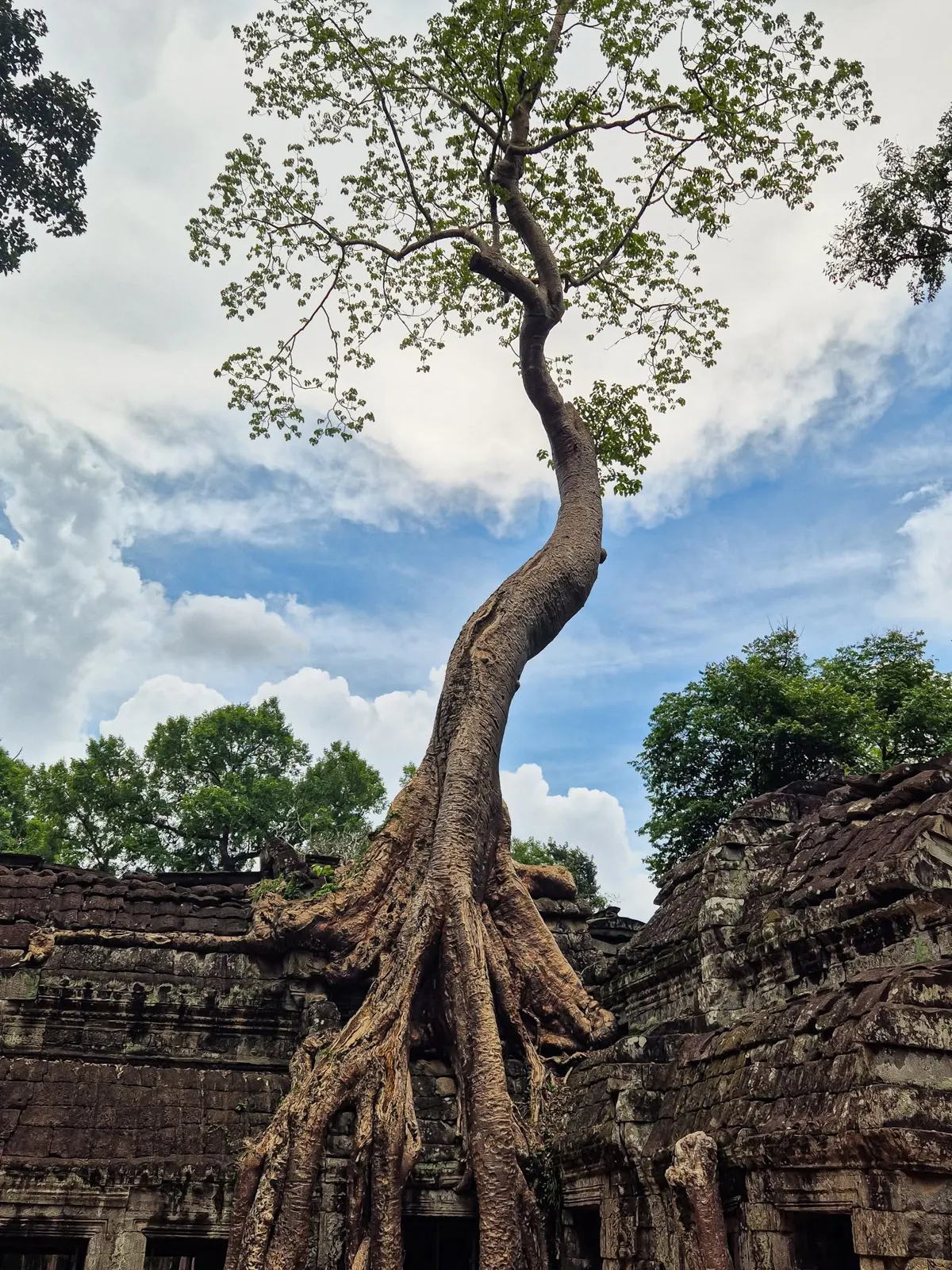
Siem Reap, Cambodia, serves as the primary access point for the ancient Khmer temples of Angkor, most notably Angkor Wat. While many visitors focus solely on the grand temple complex, a three-day trip allows for a broader exploration, combining historical sites with natural landscapes and cultural insights. This suggested itinerary provides a balanced approach to experiencing the region's diverse offerings.
Planning Your Siem Reap Exploration
Before beginning your explorations, it is useful to understand some local regulations. In Siem Reap, a unique rule dictates that buildings cannot exceed five stories in height, ensuring that no modern structure overshadows the ancient temples. This regulation helps preserve the visual dominance of the historical sites, maintaining their prominence in the landscape.
When planning your visit, consider the various ways to navigate the extensive temple grounds. While many choose organized tours or tuk-tuks, cycling offers an active alternative. Bicycle rentals are widely available from guesthouses, small shops, and dedicated bike rental establishments. For those less familiar with the area or concerned about navigating busy routes, guided cycling tours can provide a safer and more structured experience through the heavily trafficked sections.
Day One: Immersing in Angkor's Architectural Heritage
Your first day in Siem Reap is best dedicated to the renowned Angkor temple complex, focusing on its most prominent structures. Starting early allows for capturing the iconic sunrise reflections at Angkor Wat, a moment many visitors seek to experience. Following this, proceed to the ancient city of Angkor Thom.
Within the walls of Angkor Thom, numerous significant sites await exploration. These include the South Gate, the distinctive Bayon Temple with its many carved faces, Phimeanakas Temple, the Royal Enclosure, the Elephants Terrace, and the Terrace of the Leper King. Wandering through this jungle-clad area reveals a succession of intricate carvings and impressive architectural details. A picnic lunch can be enjoyed amidst the ruins before continuing your journey. The afternoon is ideal for a thorough visit to Angkor Wat itself. This vast monument offers endless opportunities to appreciate its historical narratives, detailed bas-reliefs, and intricate design. As the day concludes, consider attending a traditional Apsara dance performance, followed by a relaxing Khmer massage to unwind after extensive temple exploration.
Methods for Temple Exploration
| Method of Exploration | Description | Advantages | Considerations |
|---|---|---|---|
| Cycling | Renting a bicycle to navigate the temple complex. | Flexibility, active experience, allows for independent pacing. | Can be challenging in heavy traffic; guided tours offer safety and navigation assistance. |
| Tuk-tuk | Common local transport, open-air vehicle with a driver. | Convenient, driver handles navigation and waits at sites, provides shade. | Less active than cycling, may require negotiation of fares. |
| Organized Tour | Group or private tour with a professional guide. | Informative commentary, structured itinerary, often includes transport. | Less flexibility for spontaneous detours, may follow a fixed schedule. |
Day Two: Nature, Spirituality, and Local Markets
The second day offers a change of scenery with an excursion to Phnom Kulen National Park, approximately two hours from Siem Reap by jeep car. This journey provides scenic views and insights into Cambodian rural life. Phnom Kulen holds significant spiritual importance for both Hindus and Buddhists, drawing pilgrims to its sacred mountain.
At the mountain's summit, visitors can explore the Preah Ang Thom Pagoda and view its notable reclining Buddha statue. The area of Kbal Spean, known as the River of Thousand Lingas, features ancient carvings of animal figures beneath the water's surface. Nearby waterfalls offer opportunities for a refreshing swim in a large pool at their base. On the return trip to Siem Reap, a stop at Banteay Srei, often called the Citadel of Women, is recommended. This temple is celebrated for its exceptionally intricate and well-preserved carvings, considered a highlight of classical Khmer artistry. In the evening, the Siem Reap Night Market provides a lively atmosphere for browsing clothing, souvenirs, and jewelry. The market area also features numerous massage parlors, bars, and a wide array of street food options, allowing visitors to sample local culinary offerings.
Day Three: Lakeside Life and Souvenir Hunting
Begin your final day with a substantial breakfast before venturing beyond the town center to explore more of the region's unique characteristics. A visit to Tonle Sap Lake, Southeast Asia’s largest freshwater lake, offers a glimpse into a distinct way of life. The lake is characterized by its clusters of floating villages, where traditional wooden houses are constructed on tall stilts to accommodate the seasonal flooding, which supports the area's rich fishing industry.
An excursion on a traditional wooden boat, typically lasting one hour, provides an opportunity to observe the daily routines of the local people living on the water. It is important to select a reputable tour company and guide for this experience to ensure a positive visit and avoid potential issues such as overcharging or pressure to purchase souvenirs. For those interested in unique purchases and souvenirs, the afternoon is ideal for shopping. Artisan D’Angkor is a handicraft center where visitors can observe traditional Cambodian craftsmanship. Alternatively, the Old Market offers a lively outdoor setting with a diverse range of goods, including antiquities, silver and gold jewelry, gems, silk, kramas (traditional Cambodian scarves), stone and wood carvings, and other mementos. For those looking to explore Cambodian and international cuisine, the market area also provides various food options.
Frequently Asked Questions
What is the best way to get around Angkor Wat and the surrounding temples?
Many visitors opt for tuk-tuks, which provide a convenient and shaded way to travel between sites. Cycling is another popular choice for those who prefer an active experience, with rentals available throughout Siem Reap. Organized tours offer guided explanations and transportation.
Is it safe to cycle around the Angkor temples independently?
Cycling can be a rewarding way to see the temples, but some areas, particularly near the main roads, can have heavy traffic. For safety and navigation, especially if you are unfamiliar with the routes, joining an organized guided bike tour is often recommended.
What should I know before visiting Tonle Sap Lake's floating villages?
When planning a trip to Tonle Sap Lake, it is crucial to choose a well-regarded tour operator. This helps ensure a respectful and authentic experience, minimizing the risk of issues such as inflated prices or feeling pressured to buy items from vendors.
What are some essential items to pack for a three-day trip to Siem Reap?
Given the tropical climate and extensive walking, lightweight, breathable clothing, comfortable walking shoes, and sun protection (hat, sunglasses, sunscreen) are essential. Insect repellent is also advisable, especially for evenings and visits to natural areas. Remember to dress respectfully when visiting temples, covering shoulders and knees.
What kind of food can I expect to find in Siem Reap?
Siem Reap offers a wide array of Cambodian cuisine, including popular dishes like Amok (fish curry) and Lok Lak (stir-fried beef). Street food is readily available, particularly in the night markets, offering various snacks and local specialties. International dining options are also plentiful.








