
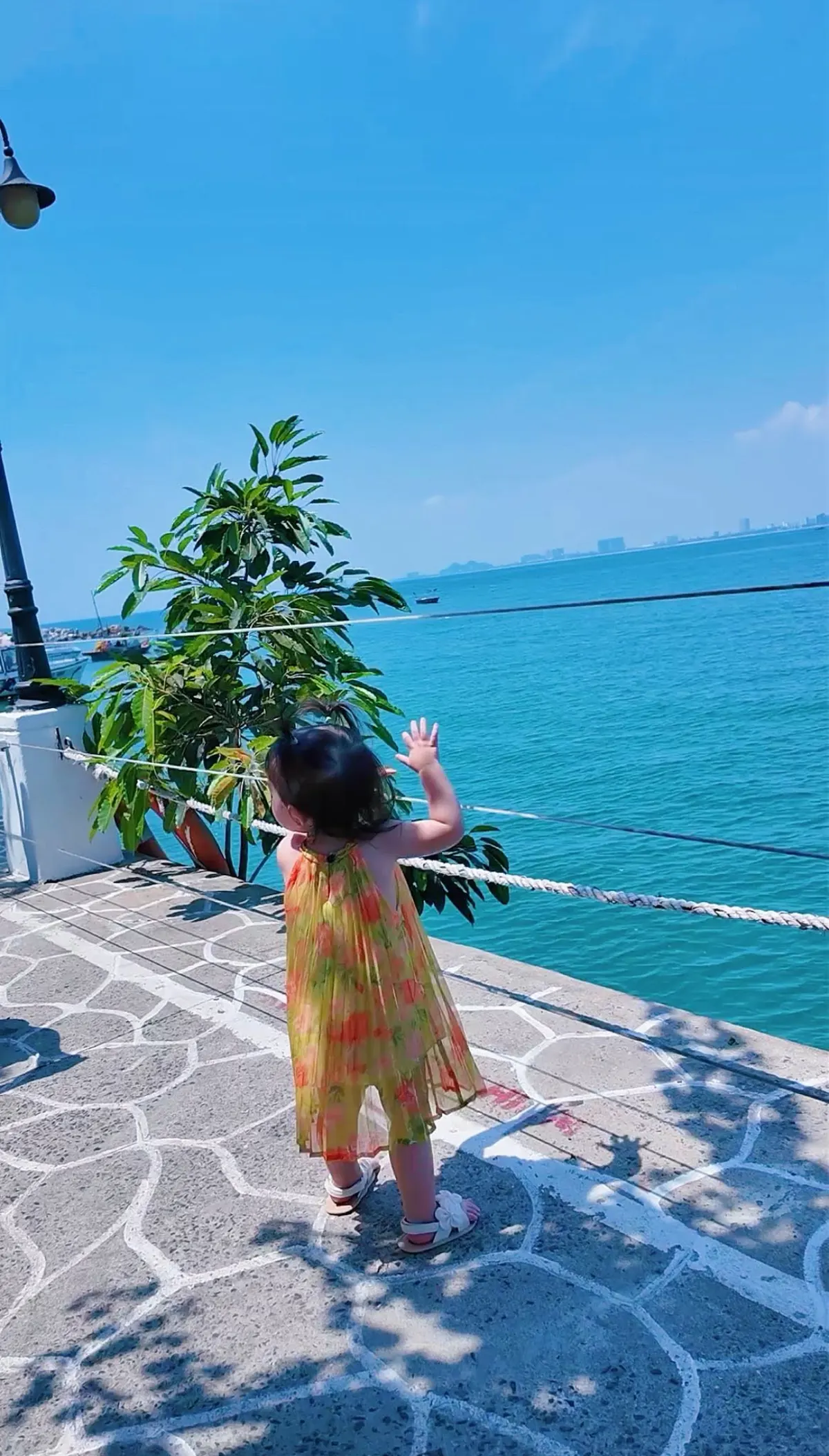
Da Nang, situated along Vietnam's central coast, presents a dynamic destination framed by mountains and bordered by both the Han River and the East Sea. For first-time visitors, the city provides a diverse range of activities, from relaxing on expansive beaches to exploring ancient cultural sites and sampling regional cuisine. Its blend of traditional charm and contemporary development makes it an engaging location for any traveler.
Coastal Relaxation and Spiritual Sites
Begin your Da Nang experience by visiting its renowned coastline. My Khe beach, known for its soft sand, is a popular spot where visitors can observe or participate in local activities. Early mornings and late afternoons are particularly active, with many Vietnamese residents engaging in exercise and swimming as the sun rises or sets. Throughout the day, various watersports, including surfing and stand-up paddleboarding, are available, or one can simply unwind on a rented sun lounger. The beach is also characterized by newer hotels, seafood restaurants, and traditional fishing boats, offering a glimpse into local life.
Overlooking the ocean from a nearby peninsula is the Linh Ung Pagoda, an extensive religious complex featuring a towering statue of Lady Buddha. This significant landmark is said to offer protection to Da Nang from adverse weather conditions. For those interested in spiritual architecture, a visit here provides both cultural insight and panoramic views of the coastline. Another local pagoda, Tuong Quang Pagoda, offers a more intimate experience within the city itself.
Exploring Da Nang's Natural and Cultural Heritage
A short journey from the city center leads to the Marble Mountains, a cluster of five limestone and marble hills. To experience these mountains with fewer crowds, arriving just before 7 am is advisable. The site features numerous pagodas, ancient caves with cool air currents, and elevated viewpoints that offer extensive vistas of the surrounding area. Visitors can ascend the steps to explore the various shrines and natural formations.
For those interested in the region's historical artistry, the Cham Museum of Sculpture is a key destination. Positioned along the western bank of the Han River, this institution houses a significant collection of stone artifacts from former Champa sites, including My Son, Tra Kieu, Dong Duong, and Thap Mam. The museum building itself is notable, with its original construction dating back to 1915 and subsequent expansions in the 1930s and 2002. Exploring Vietnam's cultural and historical institutions often reveals such rich historical narratives.
A Culinary Journey Through Central Vietnam
Da Nang's food scene highlights the distinct flavors of Central Vietnamese cuisine. A must-try dish is mì Quảng, a noodle specialty served in a flavorful broth typically made with peanut and pork. Other regional delights include savory Hue dumplings, such as bánh bèo and bánh nậm, along with bún chả cá, a noodle soup featuring aromatic fish cakes. Da Nang offers a wide array of dining experiences, from traditional Vietnamese eateries to international options.
Beyond traditional street food, Da Nang also offers unique dining establishments. Villa Ngon, set within a pleasant green courtyard, provides an all-you-can-eat menu of Vietnamese dishes for both lunch and dinner. For an evening meal, Madame Han is known for its glass noodles served with fresh crab. The city also boasts a thriving cafe culture, with establishments like Cafe Long, Nam House, and 43 Factory offering various settings for enjoying Vietnamese coffee, from traditional sidewalk spots to contemporary industrial-style spaces.
Dining and Cafe Recommendations in Da Nang
| Venue Name | Specialty / Type | Address | Phone | Hours |
|---|---|---|---|---|
| Villa Ngon | All-you-can-eat Vietnamese cuisine | Not supplied | Not supplied | Lunch & Dinner (verify current hours) |
| Madame Han | Glass noodles with fresh crab | Not supplied | Not supplied | Dinner (verify current hours) |
| Cafe Long | Traditional Vietnamese coffee | Not supplied | Not supplied | Not supplied |
| Nam House | Retro-chic cafe | Not supplied | Not supplied | Not supplied |
| 43 Factory | Artisanal coffee, industrial setting | Not supplied | Not supplied | Not supplied |
City Exploration and Scenic Routes
A self-guided walking tour along Bach Dang Street offers a pleasant way to experience the city's urban landscape. Starting near the junction with the Han River Bridge just before sunset, this route follows the waterfront, showcasing a mix of modern and colonial architecture, local souvenir shops, pavement cafes, and marble sculptures. It provides an excellent opportunity to observe daily life and the city's evolving design.
For those seeking a more extensive journey, the Hai Van Pass, translating to 'ocean cloud,' offers a memorable drive or ride. This 21-kilometer stretch of road ascends and winds through mountains, reaching an elevation of 496 meters above sea level. It connects Da Nang with Hue and is celebrated for its expansive ocean views and often misty peaks. Traveling by motorbike is a popular choice for appreciating the coastal scenery, which includes jade-colored seas, hills covered in jungle, and rocky formations. Cycling or taking the train are also options for traversing this scenic route. Consider a motorbike journey from Hoi An to Hue for a comprehensive Central Vietnam coastal experience.
Within the city, Cho Bac My An is a smaller market where visitors can find a variety of fresh produce and dry goods. This market is particularly known for a specific avocado ice cream (kem bơ) stall, a local favorite. This creamy, cold treat combines coconut and avocado slush, often topped with jackfruit crisps, offering a refreshing local dessert experience.
Da Nang's Architectural Icons and Evening Ambiance
Da Nang is sometimes referred to as the 'City of Bridges' due to its seven distinctive structures spanning the water. The yellow Dragon Bridge is perhaps the most recognized, known for its unique design. The Love Bridge, a wooden pier adorned with countless colorful padlocks, is a popular spot for photographs. Further afield, the Golden Hands Bridge, with its striking design appearing to be held by giant stone hands, provides expansive views of the Ba Na Mountains.
As evening approaches, Da Nang's rooftop bars and clubs offer opportunities for relaxation and socializing. Many establishments are situated high above the beach and city skyline, providing refreshing dips in pools and expertly mixed cocktails after a day of sightseeing. The city's nightlife extends to craft beer bars, rooftop venues, and sidewalk bia hois. Notable options include 7 Bridges and The Top Bar at A La Carte Hotel. Discover Vietnam's impressive selection of rooftop bars for panoramic cityscapes and unique atmospheres.
Frequently Asked Questions
What are the primary attractions for a first-time visitor to Da Nang?
First-time visitors to Da Nang typically explore My Khe beach, the Marble Mountains, the Cham Museum of Sculpture, and the city's iconic bridges. Sampling local cuisine like mì Quảng and experiencing the cafe culture are also popular activities.
When is the best time to visit Da Nang's beaches?
Early morning or late afternoon are generally considered the most pleasant times to visit My Khe beach, as the sunlight is softer and the temperatures are more moderate for swimming and other activities.
Are there significant historical or cultural sites in Da Nang?
Yes, Da Nang offers several cultural and historical sites. The Marble Mountains house pagodas and caves with historical significance, and the Cham Museum of Sculpture preserves ancient artifacts of the Champa civilization. The Linh Ung Pagoda is also a prominent spiritual landmark.
What local dishes should I prioritize trying in Da Nang?
When in Da Nang, make sure to try mì Quảng, a regional noodle dish, along with Hue dumplings such as bánh bèo and bánh nậm. Bún chả cá, a fish cake noodle soup, and local avocado ice cream (kem bơ) are also highly recommended.
What are the options for experiencing the Hai Van Pass?
The Hai Van Pass can be experienced by motorbike, which is a popular choice for its scenic views. Alternatively, visitors can cycle the route or take a train, which also offers perspectives of the coastal and mountainous landscapes.








