
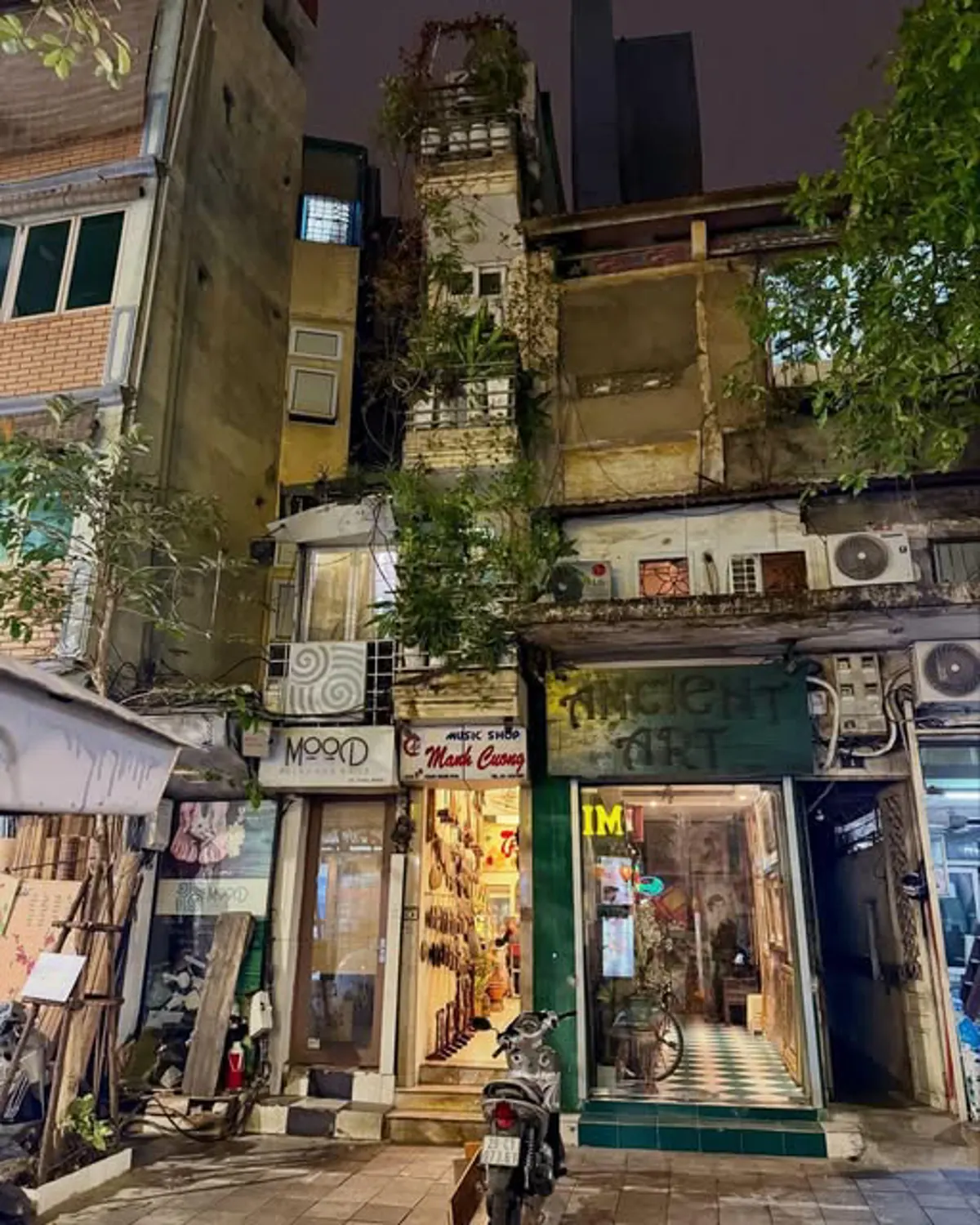
Hanoi, the capital of Vietnam, offers a compelling array of gastronomic experiences, ranging from traditional street food stalls to elegant fine dining establishments. The city's food culture reflects centuries of history and diverse influences, providing visitors with countless opportunities to sample local specialties and international dishes. This guide outlines various dining choices, from casual eateries serving classic Vietnamese fare to upscale venues presenting global cuisines, ensuring every palate finds something to enjoy.
Understanding Hanoi's Culinary Landscape
Hanoi's food scene is characterized by its depth and variety. Traditional Vietnamese dishes, often prepared with fresh, local ingredients, form the foundation of the city's culinary identity. Beyond these authentic flavors, Hanoi also embraces a wide spectrum of international cuisines, catering to a global audience. The dining environment can vary significantly, from simple roadside stands and bustling local markets to refined restaurants in colonial-era buildings or modern high-rises.
When planning your meals in Hanoi, consider the type of experience you seek. Options range from quick, inexpensive street food to elaborate multi-course meals. Many establishments focus on a specific dish, perfecting it over generations, while others offer extensive menus that blend different culinary traditions. Understanding these distinctions can help travelers navigate the city's food offerings effectively.
| Dining Style | Typical Price Range (VND) | Typical Price Range (USD) | Ambiance | Best For |
|---|---|---|---|---|
| Street Food & Local Eateries | 30,000 - 150,000 | $1 - $6 | Casual, authentic, often busy | Quick meals, local experience |
| Mid-Range Vietnamese | 100,000 - 400,000 | $4 - $16 | Comfortable, traditional or modern | Family meals, cultural exploration |
| Casual International | 200,000 - 500,000 | $8 - $20 | Relaxed, family-friendly | Western cravings, group dining |
| Fine Dining & Upscale | 400,000 - 3,500,000 | $16 - $140 | Elegant, sophisticated, often with views | Special occasions, luxury experience |
Essential Traditional Vietnamese Eateries
For those seeking authentic Vietnamese tastes, Hanoi offers numerous establishments specializing in classic dishes. These places often prioritize flavor and tradition over elaborate decor, providing a genuine local experience. From morning meals to late-night snacks, these spots are integral to the city's food culture.
Banh Cuon Ba Hoanh, located at 66 To Hien Thanh Street, Hai Ba Trung District, is renowned for its steamed rice rolls. Operating from 6:00 AM to 1:00 PM, this eatery serves simple yet flavorful rolls with savory fillings, typically priced between 30,000 to 50,000 VND. Similarly, Pho Bat Dan at 49 Bat Dan Street, Hoan Kiem District, is a long-standing institution for traditional pho bo, open from 6:00 AM to 10:00 AM and 6:00 PM to 8:30 PM, with bowls costing 50,000 to 70,000 VND. Xoi Yen, found at 35B Nguyen Huu Huan Street, Hoan Kiem District, offers hearty sticky rice dishes with various toppings from 7:00 AM to 11:00 PM, with prices ranging from 30,000 to 50,000 VND. These establishments are popular among locals, and arriving early is often advised to avoid queues.
Net Hue, with multiple locations including 204B Hang Bong, Hoan Kiem District, specializes in the distinct flavors of Hue cuisine. Open from 7:00 AM to 10:00 PM, it provides dishes like bun bo Hue and banh beo, with prices from 50,000 to 150,000 VND. Hem Quan at 9A Dang Thai Mai Street, Tay Ho District, offers comforting homestyle Vietnamese meals, such as braised pork belly and stir-fried morning glory, from 10:00 AM to 10:00 PM, with prices between 100,000 to 300,000 VND. For a taste of Northern Vietnamese specialties, Nam Viet Ha Thanh at 7 Pham Huy Thong Street, Ba Dinh District, serves dishes like cha ca and crispy spring rolls from 10:00 AM to 10:00 PM, costing 120,000 to 350,000 VND.
Refined Vietnamese and Asian Dining
Hanoi also caters to those seeking a more sophisticated culinary experience, offering establishments that elevate traditional Vietnamese and other Asian cuisines. These restaurants often feature elegant settings, attentive service, and innovative presentations, making them suitable for special occasions or a more relaxed meal.
Spices Villa, situated at No. 73 Ly Nam De Street, Cua Dong, Hoan Kiem, provides a fine dining experience in an Indochina-style setting, open from 9:00 AM to 9:00 PM. It presents Vietnamese fusion cuisine, blending traditional flavors with contemporary techniques. Home Hanoi Restaurant, located at 34 Chau Long Street, Ba Dinh District, operates from 11:00 AM to 2:30 PM and 5:30 PM to 10:30 PM, offering authentic Vietnamese dishes with a refined touch in a restored French colonial villa, with prices from 400,000 to 1,000,000 VND. Red Bean Restaurant, inside La Siesta Hotel at 94 Ma May Street, Hoan Kiem District, offers modern Vietnamese dishes from 11:00 AM to 10:00 PM, with prices ranging from 400,000 to 800,000 VND.
For Asian specialties, Crystal Jade Palace within the Lotte Hotel Hanoi, 54 Lieu Giai Street, Ba Dinh District, serves authentic Cantonese cuisine, including Peking duck and dim sum, from 11:00 AM to 2:30 PM and 5:30 PM to 10:00 PM, with prices from 500,000 to 1,500,000 VND. Tim Ho Wan, also in Lotte Hotel Hanoi, offers Michelin-starred dim sum from 10:30 AM to 9:30 PM, with prices between 150,000 to 500,000 VND. Spice Garden, at Sofitel Legend Metropole Hanoi, 15 Ngo Quyen Street, Hoan Kiem District, provides traditional Vietnamese flavors in a colonial setting, open from 11:00 AM to 2:30 PM and 6:00 PM to 10:30 PM, with prices from 700,000 to 1,500,000 VND. Ly Club Hanoi, at 4 Le Phung Hieu Street, Hoan Kiem District, presents Vietnamese-European fusion cuisine in a luxurious colonial villa, open from 11:00 AM to 2:30 PM and 6:00 PM to 10:30 PM, with prices from 700,000 to 1,500,000 VND.
International Cuisine and Western Comforts
Hanoi's dining scene extends beyond local fare, offering a wide selection of international restaurants that cater to diverse preferences. From Italian pizzas to Argentinian steaks, visitors can find many global tastes.
Al Fresco’s, with multiple locations including 108 K1 Lang Ha, Dong Da District, and 23L Hai Ba Trung, Hoan Kiem District, is a popular choice for Western favorites like wood-fired pizzas and BBQ ribs, open from 10:00 AM to 10:00 PM, with prices from 200,000 to 400,000 VND. Pizza 4P's, also with multiple locations such as Trang Tien Plaza and 24 Ly Quoc Su Street, Hoan Kiem District, is known for its Italian-Japanese fusion pizzas featuring house-made cheeses, open from 10:00 AM to 10:00 PM, with prices from 200,000 to 500,000 VND.
For steak enthusiasts, El Gaucho at 11 Trang Tien Street, Hoan Kiem District, serves premium Argentinian steaks from 11:00 AM to 11:00 PM, with prices ranging from 1,000,000 to 2,500,000 VND. Jacksons Steakhouse, at 23J Hai Ba Trung Street, Hoan Kiem District, also offers top-grade steaks and an extensive wine list from 10:00 AM to 11:00 PM, with similar pricing. For those seeking Tex-Mex flavors, Salt n' Lime at 6 Tay Ho Street, Tay Ho District, provides a lively atmosphere and dishes like tacos and fajitas from 11:00 AM to 11:00 PM, with prices from 250,000 to 700,000 VND. Tandoor, at 24 Hang Be Street, Hoan Kiem District, offers authentic Indian cuisine, including butter chicken and biryanis, from 11:00 AM to 10:30 PM, with prices from 200,000 to 600,000 VND.
Comprehensive Hanoi Restaurant Directory
This table provides essential details for a wide selection of dining establishments across Hanoi, covering various cuisines and price points. Please note that opening hours and price ranges are subject to change, and it is always advisable to verify current information directly with the restaurant.
| Restaurant Name | Address | Opening Hours (Verify Current) | Price Range (VND) (Approx.) | Cuisine Type |
|---|---|---|---|---|
| Spices Villa | No. 73 Ly Nam De Street, Cua Dong, Hoan Kiem | 09:00 AM - 09:00 PM | Not supplied | Vietnamese Fusion, Fine Dining |
| Banh Cuon Ba Hoanh | 66 To Hien Thanh Street, Hai Ba Trung District, Hanoi. | 6:00 AM – 1:00 PM | 30,000 - 50,000 | Steamed Rice Rolls (Banh Cuon) |
| Pho Bat Dan | 49 Bat Dan Street, Hoan Kiem District, Hanoi. | 6:00 AM – 10:00 AM and 6:00 PM – 8:30 PM | 50,000 - 70,000 | Traditional Pho Bo |
| Xoi Yen | 35B Nguyen Huu Huan Street, Hoan Kiem District, Hanoi. | 7:00 AM – 11:00 PM | 30,000 - 50,000 | Sticky Rice Dishes (Xoi) |
| Hotpot Story | Vincom Mega Mall Royal City, Times City, and Aeon Mall Long Bien. | 10:00 AM - 10:00 PM | 200,000 - 400,000 | Hotpot (Tom Yum, Bulgogi, Sichuan) |
| Home Hanoi Restaurant | 34 Chau Long Street, Ba Dinh District, Hanoi. | 11:00 AM - 2:30 PM and 5:30 PM - 10:30 PM | 400,000 - 1,000,000 | Authentic Vietnamese, Fine Dining |
| Essence Restaurant | 22 Ta Hien Street, Hoan Kiem District, Hanoi. | 6:30 AM – 10:00 PM | 300,000 - 700,000 | Vietnamese and Western Fusion |
| Maison Sen Buffet | 61 Tran Hung Dao Street, Hoan Kiem District, Hanoi. | 11:00 AM – 2:00 PM and 6:00 PM – 9:30 PM | 350,000 - 600,000 | Vietnamese and International Buffet |
| Al Fresco’s | Multiple locations across Hanoi, including 108 K1 Lang Ha, Dong Da District, and 23L Hai Ba Trung, Hoan Kiem District. | 10:00 AM – 10:00 PM | 200,000 - 400,000 | Western (Pizzas, BBQ Ribs, Pasta) |
| Net Hue | Multiple locations in Hanoi, including 204B Hang Bong, Hoan Kiem District, and 43 Mai Hac De, Hai Ba Trung District. | 7:00 AM - 10:00 PM | 50,000 - 150,000 | Hue-style (Central Vietnamese) |
| Hem Quan | 9A Dang Thai Mai Street, Tay Ho District, Hanoi. | 10:00 AM – 10:00 PM | 100,000 - 300,000 | Homestyle Vietnamese |
| Nam Viet Ha Thanh | 7 Pham Huy Thong Street, Ba Dinh District, Hanoi. | 10:00 AM – 10:00 PM | 120,000 - 350,000 | Northern Vietnamese |
| Cha Ca Lao Ngu | 171 Thai Ha Street, Dong Da District, Hanoi. | 11:00 AM – 10:00 PM | 200,000 - 500,000 | Cha Ca (Turmeric Fish) |
| Crystal Jade Palace | Lotte Hotel Hanoi, 54 Lieu Giai Street, Ba Dinh District, Hanoi. | 11:00 AM – 2:30 PM and 5:30 PM – 10:00 PM | 500,000 - 1,500,000 | Cantonese (Peking Duck, Dim Sum) |
| 6 Degrees | 189 Nghi Tam Street, Tay Ho District, Hanoi. | 10:00 AM – 11:00 PM | 250,000 - 600,000 | Fusion, Cocktails, Grilled Meats, Seafood |
| Red Bean Restaurant | 94 Ma May Street, Hoan Kiem District, Hanoi (located inside La Siesta Hotel). | 11:00 AM – 10:00 PM | 400,000 - 800,000 | Modern Vietnamese, Fusion |
| Bay Seafood Buffet | 14 Tong Dan Street, Hoan Kiem District, Hanoi. | 11:00 AM – 2:30 PM and 5:30 PM – 10:00 PM | 400,000 - 900,000 | Seafood Buffet |
| Cau Go Vietnamese Cuisine | 7 Dinh Tien Hoang Street, Hoan Kiem District, Hanoi. | 10:30 AM – 10:00 PM | 300,000 - 800,000 | Authentic Vietnamese |
| Pizza 4P's | Multiple locations in Hanoi, including Trang Tien Plaza and 24 Ly Quoc Su Street, Hoan Kiem District. | 10:00 AM – 10:00 PM | 200,000 - 500,000 | Italian-Japanese Fusion Pizza |
| The Gourmet Corner Restaurant | 32 Lo Su Street, Hoan Kiem District, Hanoi (located in the La Siesta Diamond Hotel). | 11:30 AM – 2:30 PM and 5:30 PM – 10:00 PM | 500,000 - 1,200,000 | Fine Dining, Vietnamese, International |
| T.U.N.G Dining | 2C Quang Trung Street, Hoan Kiem District, Hanoi. | 6:00 PM – 10:00 PM (closed on Mondays) | 1,500,000 - 3,000,000 | Modern Gastronomy, Tasting Menus |
| Cloud Nine Restaurants | 27 Hang Be Street, Hoan Kiem District, Hanoi (inside La Siesta Premium Hotel). | 6:30 AM – 10:00 PM | 500,000 - 1,200,000 | Vietnamese, Modern Fusion |
| Spice Garden | Sofitel Legend Metropole Hanoi, 15 Ngo Quyen Street, Hoan Kiem District, Hanoi. | 11:00 AM – 2:30 PM and 6:00 PM – 10:30 PM | 700,000 - 1,500,000 | Traditional Vietnamese |
| Tim Ho Wan | 54 Lieu Giai Street, Ba Dinh District, Hanoi (inside Lotte Hotel Hanoi). | 10:30 AM – 9:30 PM | 150,000 - 500,000 | Michelin-starred Dim Sum, Cantonese |
| Grill 63 | 63rd Floor, Lotte Hotel Hanoi, 54 Lieu Giai Street, Ba Dinh District, Hanoi. | 6:00 PM – 10:30 PM | 1,000,000 - 2,500,000 | Steaks, International, Fine Dining |
| El Gaucho | 11 Trang Tien Street, Hoan Kiem District, Hanoi. | 11:00 AM – 11:00 PM | 1,000,000 - 2,500,000 | Argentinian Steaks |
| KOTO Van Mieu | 59 Van Mieu Street, Dong Da District, Hanoi. | 7:00 AM – 10:00 PM | 200,000 - 500,000 | Global Comfort Food with Vietnamese Twist, Social Enterprise |
| Tandoor | 24 Hang Be Street, Hoan Kiem District, Hanoi. | 11:00 AM – 10:30 PM | 200,000 - 600,000 | Indian |
| Salt n' Lime | 6 Tay Ho Street, Tay Ho District, Hanoi. | 11:00 AM – 11:00 PM | 250,000 - 700,000 | Tex-Mex |
| Ly Club Hanoi | 4 Le Phung Hieu Street, Hoan Kiem District, Hanoi. | 11:00 AM – 2:30 PM and 6:00 PM – 10:30 PM | 700,000 - 1,500,000 | Vietnamese-European Fusion |
| Press Club Hanoi | 59A Ly Thai To Street, Hoan Kiem District, Hanoi. | 11:00 AM – 2:00 PM and 6:00 PM – 10:00 PM | 800,000 - 2,000,000 | International, Gourmet |
| Jacksons Steakhouse | 23J Hai Ba Trung Street, Hoan Kiem District, Hanoi. | 10:00 AM – 11:00 PM | 1,000,000 - 2,500,000 | Premium Steaks |
| Chapter Dining | 12 Trang Tien Street, Hoan Kiem District, Hanoi. | 11:00 AM – 10:00 PM | 600,000 - 1,500,000 | Modern Vietnamese |
| Mango Steak House | 118 Dao Tan Street, Ba Dinh District, Hanoi. | 10:30 AM – 10:00 PM | 300,000 - 1,000,000 | Steaks, Western Favorites |
| French Grill | JW Marriott Hotel Hanoi, 8 Do Duc Duc Street, Nam Tu Liem District, Hanoi. | 6:00 PM – 10:00 PM (closed on Mondays) | 1,500,000 - 3,500,000 | French Fine Dining |
| La Terrasse | Sofitel Legend Metropole Hanoi, 15 Ngo Quyen Street, Hoan Kiem District, Hanoi. | 7:00 AM – 10:30 PM | 500,000 - 1,500,000 | Parisian-inspired French |
Practical Tips for Dining in Hanoi
To make the most of your culinary explorations in Hanoi, a few practical considerations can enhance your experience. Understanding local customs, payment methods, and how to choose suitable eateries will contribute to a smooth and enjoyable dining journey.
When selecting a restaurant, consider your preferences for ambiance and cuisine. For authentic local dishes, look for places that specialize in one or two items, as this often indicates expertise. Online reviews and local food blogs can offer valuable perspectives on popular spots and recommended dishes. For popular venues and fine-dining establishments, making reservations is often recommended, especially during peak hours or weekends, to secure your table. While exploring the city, you may also find it useful to understand banking services in Hanoi for managing your finances.
Regarding street food, it is generally safe to consume, particularly if you choose vendors with a high turnover of customers and visible hygiene practices. Freshly cooked food is always a good indicator. While tipping is not mandatory in Hanoi, it is a kind gesture, especially in higher-end restaurants where leaving a 5-10% tip or rounding up the bill is common. Many restaurants, particularly in tourist-friendly areas, can accommodate dietary restrictions if informed in advance, with vegetarian, vegan, and gluten-free options becoming increasingly available. For those interested in other Southeast Asian culinary experiences, a dining guide to Phnom Penh might offer interesting comparisons.
Frequently Asked Questions
What are some iconic dishes to try in Hanoi?
Hanoi is known for several classic dishes that visitors often seek out. These include pho (noodle soup), bun cha (grilled pork with noodles), cha ca (turmeric fish with dill), and banh cuon (steamed rice rolls). Each dish provides a unique insight into the city's culinary heritage.
Are there any Michelin-starred restaurants in Vietnam?
As of now, the Michelin Guide has not officially reviewed establishments in Vietnam, so there are no Michelin-starred restaurants in the country. However, cities like Hanoi and Ho Chi Minh City feature many highly regarded dining venues that offer exceptional traditional and contemporary Vietnamese cuisine.
Is it safe to eat street food in Hanoi?
Street food in Hanoi is generally considered safe, provided you choose vendors that maintain good hygiene and have a high volume of customers, indicating fresh ingredients and quick turnover. Observing how food is prepared and ensuring it is cooked thoroughly can help ensure a safe and authentic culinary experience.
What is the typical cost of dining in Hanoi?
The cost of dining in Hanoi varies widely. Street food dishes are typically inexpensive, ranging from 30,000 to 70,000 VND (approximately $1 to $3 USD). Casual restaurants usually cost between 120,000 to 350,000 VND (around $5 to $14 USD) per person. Fine dining experiences can range from 400,000 to over 3,000,000 VND (approximately $16 to $120 USD) per person, depending on the establishment.
Do Hanoi restaurants cater to specific dietary needs?
Many restaurants in Hanoi, especially those in areas frequented by international visitors, are increasingly accustomed to accommodating various dietary restrictions. It is advisable to communicate your needs in advance. Options for vegetarian, vegan, and gluten-free diets are becoming more common across the city's dining establishments.








