
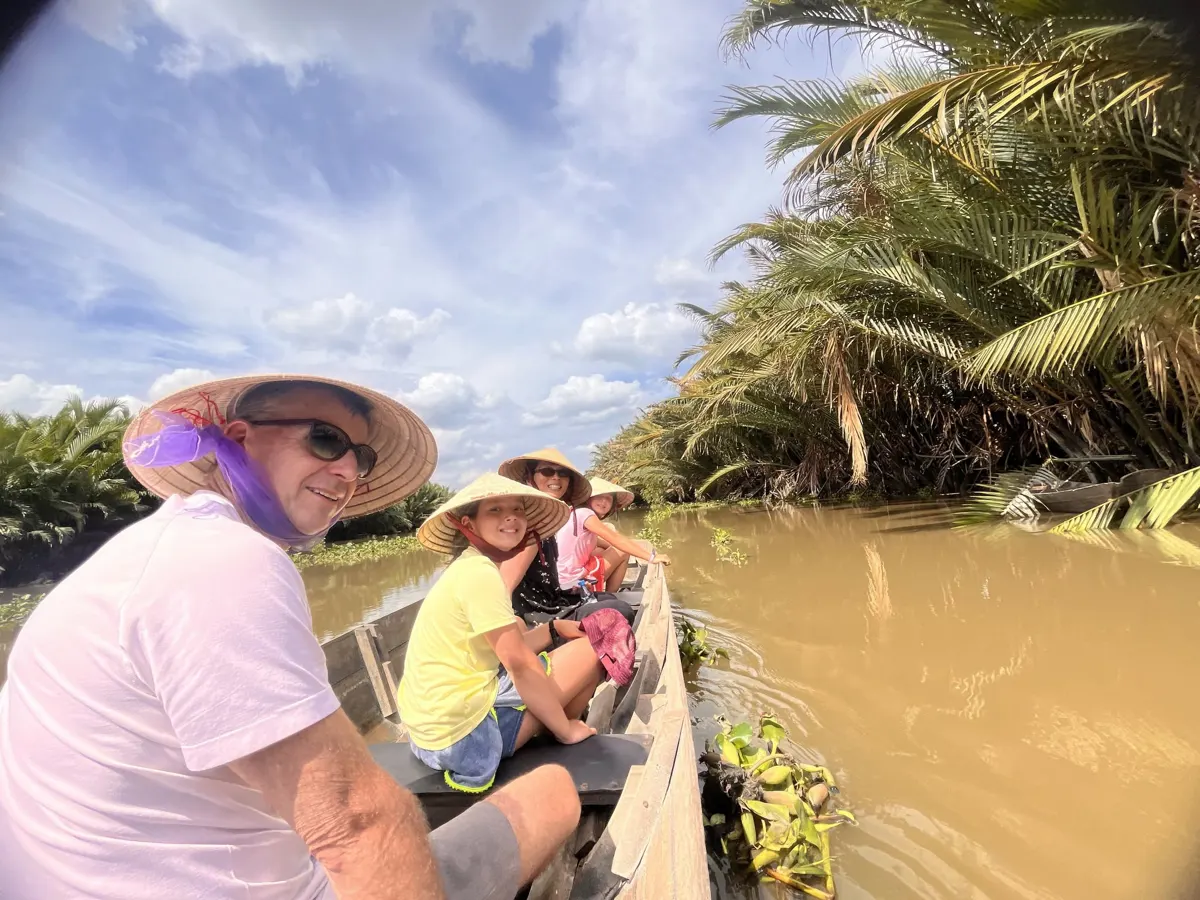
The Mekong Delta region of Vietnam offers travelers more than just scenic waterways and verdant landscapes; it presents a rich array of local products perfect for gifts or personal enjoyment. From distinctive culinary items to practical handicrafts, understanding what to look for can enhance your visit and provide lasting memories of the region.
Local Culinary Delights of the Mekong Delta
The fertile lands and waterways of the Mekong Delta contribute to a diverse culinary tradition, yielding many sweet and savory items that are popular among both residents and visitors. These specialties often reflect the agricultural bounty and traditional processing methods of the area.
Coconut Fudge (Kẹo Dừa)
One of the most recognized confections from the Mekong Delta is coconut fudge, locally known as Kẹo Dừa. This sweet treat is characterized by its rich coconut milk flavor and chewy texture. Many local producers enhance its aroma and taste by incorporating ingredients such as durian, peanuts, cashews, or pandan leaf extract before shaping the fudge into bite-sized pieces. Ben Tre Province, often referred to as the 'kingdom of coconut,' is particularly known for its numerous fudge factories. Visitors frequently have the opportunity to observe the traditional fudge-making process firsthand, making it an ideal place to purchase this regional specialty.
Banana Candy
Another popular local sweet is banana candy, which often captivates travelers with its unique blend of flavors. This candy is typically chewy and offers a gentle sweetness, complemented by hints of banana, ginger, and peanuts—ingredients commonly sourced from the local countryside. It is traditionally enjoyed alongside sips of green tea, a pairing believed to create a balanced and satisfying taste experience. Banana candy is a common sight during social gatherings, especially during the Tet holiday, marking the Lunar New Year celebrations in the Mekong Delta.
Pia Cake (Bánh Pía)
Originating from Soc Trang Province, Pia cake stands out as a prominent regional delicacy. This soft and flavorful pastry is difficult to resist, known for its tender consistency and stimulating taste. The outer layer is typically made from a mixture of flour and egg, while the filling varies widely. Common fillings include coconut cream, mung bean paste, taro, or durian. Similar to banana candy, Pia cake is frequently savored with green tea during social occasions, offering a pleasant complement to its sweetness.
Fresh Produce from the Delta's Orchards
Blessed with nutrient-rich silty soils deposited by the Mekong River, the Delta region is exceptionally productive, yielding an abundance of tropical fruits and vegetables. This agricultural richness makes fresh produce a highly sought-after item for visitors.
After harvesting, these fruits are transported by various boats, both small and large, to markets throughout the surrounding areas. Travelers visiting floating markets, such as Cai Rang or Cai Be, have the chance to purchase freshly picked fruits directly from the plantations. Enjoying these seasonal offerings on the spot provides an authentic taste of the Delta's agricultural heritage. You can also explore the region's agricultural heartland on a Mekong Delta cycling tour, experiencing local life and produce firsthand.
Traditional Remedies and Local Products
Beyond culinary items, the Mekong Delta also offers unique products rooted in traditional practices and the region's natural resources.
Serpent Alcohol
Serpent alcohol is regarded as a type of medicinal liqueur in the region, with local beliefs attributing benefits such as alleviating osteoarthritis or arthritis. To enhance its palatability, it is often suggested to mix this potent drink with fruit syrups. This traditional beverage is frequently considered by those seeking unique local remedies or an unusual souvenir.
Honey and Pollen
The extensive fruit plantations across the Mekong Delta create an ideal environment for beekeeping. Consequently, bee farms are a common sight in many areas. Visitors may have opportunities to tour these farms and even sample tea sweetened with local honey. Pure honey and bee pollen are available for purchase, often consumed mixed with water for their purported health benefits.
Handicrafts and Apparel
The ingenuity of local artisans transforms readily available materials into distinctive souvenirs and functional items.
Coconut Handicrafts
Given Ben Tre's reputation as a primary coconut-producing area, it is no surprise that handicrafts made from coconut materials are widely available. Skilled local artists transform coconut shells, wood, and fibers into a variety of decorative and practical objects. These items, known for their intricate patterns and appealing designs, serve as excellent gifts or decorative pieces that reflect the region's resourcefulness. For those interested in the local culture and crafts, a visit to Turtle Island in Ben Tre can offer further insights into community life.
Vietnamese Checkered Scarf (Khăn Rằn)
The Vietnamese checkered scarf, or “khăn rằn” (where “khăn” means scarf and “rằn” denotes its checkered pattern), is an iconic piece of traditional attire for people in Southern Vietnam, particularly within the Mekong Delta. This versatile scarf is not merely an accessory; it serves practical purposes such as providing shelter from the sun. Wearing a khăn rằn can also offer a distinctive and authentic appearance for travelers exploring the rural waterways and landscapes of the Delta.
Where to Find Mekong Delta Specialties
While many products can be found across the region, certain provinces and markets are particularly renowned for specific items. It is advisable to verify current market days and operating hours upon arrival, as these can vary.
| Location | Primary Specialties | Notes |
|---|---|---|
| Ben Tre Province | Coconut Fudge, Coconut Handicrafts | Known as the "kingdom of coconut," ideal for factory visits. |
| Soc Trang Province | Pia Cake | The most famous delicacy from this province. |
| Cai Rang Floating Market | Fresh Tropical Fruits | A major floating market, best visited early morning. |
| Cai Be Floating Market | Fresh Tropical Fruits | Another significant floating market for produce. |
| Local Bee Farms | Honey, Bee Pollen | Often found in areas with extensive fruit plantations. |
| Various Local Markets & Shops | Banana Candy, Serpent Alcohol, Khăn Rằn | These items are widely available across the Delta. |
Tips for Shopping in the Mekong Delta
To make the most of your shopping experience in the Mekong Delta, consider these practical suggestions:
- Bargaining: In many local markets, especially floating markets, polite negotiation over prices is a common practice.
- Cash: While some larger shops may accept cards, cash (Vietnamese Dong) is generally preferred and often necessary for smaller vendors.
- Freshness: When purchasing fresh fruits or perishable goods, consider your travel plans to ensure items remain fresh.
- Support Local: Prioritize buying directly from local producers or small family businesses to support the regional economy.
- Packaging: For items like Pia cake or coconut fudge, look for sealed packaging if you intend to travel with them for an extended period.
Understanding Vietnam travel seasons can also help you plan your visit to coincide with peak harvest times for certain fruits, enhancing your shopping opportunities.
Frequently Asked Questions
What are the most popular edible souvenirs from the Mekong Delta?
The most popular edible souvenirs include coconut fudge from Ben Tre, banana candy, and Pia cake, especially the varieties from Soc Trang. Fresh tropical fruits purchased at floating markets are also highly sought after.
Where is the best place to buy coconut products?
Ben Tre Province is widely recognized as the best place to purchase coconut products, including coconut fudge and various coconut handicrafts. Many factories and workshops in this area offer direct sales.
Is bargaining expected when buying items in the Mekong Delta?
Yes, bargaining is generally expected and accepted in local markets, particularly at floating markets and smaller stalls. It is less common in fixed-price stores or larger establishments.
Are there any unique non-edible souvenirs from the region?
Beyond food items, unique non-edible souvenirs include intricately made coconut handicrafts and the traditional Vietnamese checkered scarf (khăn rằn), which is both a cultural symbol and a practical item.
What should I consider when buying fresh fruit at a floating market?
When buying fresh fruit at a floating market, consider the ripeness and your immediate consumption plans. It's best to buy what you can eat within a day or two, especially if you don't have refrigeration. Also, confirm prices before making a purchase.








