
Banh Dap, sometimes referred to as Banh Chap, is a culinary specialty originating from the central coastal provinces of Vietnam. This unique dish stands out for its intriguing combination of textures and flavors, making it a popular choice among both residents and visitors. While found across the region from Quang Nam to Khanh Hoa, it is most closely associated with the ancient town of Hoi An, where it holds a special place in the local food culture.
The name "Banh Dap" literally translates to "beaten cake," a reference to the way it is traditionally prepared just before eating. It consists of two distinct rice paper components: a soft, delicate steamed rice paper (Banh Uot) and a crunchy, baked rice paper. These layers are brought together and served with a flavorful dipping sauce, creating a harmonious blend of chewiness and crispness that defines this regional delicacy.
Understanding Banh Dap: A Central Vietnamese Specialty
Banh Dap is a prime example of the ingenious use of simple ingredients to create complex textures and tastes, characteristic of Central Vietnamese cuisine. The dish's appeal lies in its dual nature, presenting diners with both a yielding and a firm texture in every bite. The soft Banh Uot layer is typically adorned with a light coating of scallion oil and green beans, adding subtle aromatic notes. Depending on the specific location within Central Vietnam, additional ingredients such as shrimp, boiled pork, or grilled meats may also accompany the cake, enhancing its richness.
A critical element that elevates Banh Dap is its accompanying dipping sauce. For those from Quang Nam, a specific concoction is preferred: a fish sauce base intensely flavored with crushed garlic, chili, and anchovies. Visitors less accustomed to this robust local style often opt for a moderately prepared seasoning sauce, which offers a balanced profile. The sauce is not merely an accompaniment but an integral part of the Banh Dap experience, providing the essential savory, spicy, and sometimes sweet counterpoints to the rice papers.
The Components of Banh Dap: Steamed and Crispy Rice Paper
The foundation of Banh Dap rests on its two contrasting rice paper elements. The steamed rice paper, known as Banh Uot, requires careful preparation. Fragrant white rice is first soaked for approximately half a day until it softens sufficiently. It is then ground into a fine batter with water. This liquid mixture is allowed to rest for at least three hours, permitting the rice starch to settle at the bottom, which is crucial for achieving the desired consistency.
To cook the Banh Uot, thin layers of the batter are spread onto a steamer, traditionally using a coconut husk, and cooked for about 30 seconds. Once cooked, these delicate sheets are carefully removed with thin bamboo sticks. A light application of oil between each layer prevents them from adhering to one another, ensuring they remain separate and pliable. The second component, the crispy baked rice paper, is prepared by steaming a thin layer of batter for one to two minutes, then drying it and baking it over charcoal. Alternatively, commercially available baked rice paper can be purchased. The combination of these two textures is what gives Banh Dap its distinctive character.
Crafting the Signature Dipping Sauce
The dipping sauce is undeniably a cornerstone of the Banh Dap experience, with its quality often determining the overall enjoyment of the dish. This flavorful condiment is typically prepared with a base of fish sauce, slightly diluted and enriched with sugar, cooking oil, satay, and fried onions. The precise balance of these ingredients is key, as the sauce must complement rather than overpower the delicate rice papers.
An ideal Banh Dap sauce exhibits a reddish-brown hue, a result of the harmonious blending of the oil, fish sauce, and satay. The red tones are primarily attributed to the satay, while the oil contributes to the brownish tint. Beyond its visual appeal, the sauce should release a fragrant aroma, with the distinct scent of fish sauce mingling with the sweetness of onions. The preparation of this sauce is often considered an art, with local vendors priding themselves on their unique, well-balanced recipes.
Preparing Banh Dap at Home: A Step-by-Step Guide
For those interested in recreating this Central Vietnamese specialty, making Banh Dap at home is an achievable culinary project. The primary ingredients include fragrant white rice, scallions, and green beans. To enhance the flavor and authenticity, additions such as shrimp, onion fat, and a well-prepared fish sauce are essential.
Making Banh Uot (Steamed Rice Paper)
- Rice Preparation: Begin by soaking fragrant white rice in water for approximately 12 hours, or until the grains are thoroughly softened.
- Batter Creation: Grind the soaked rice into a smooth, liquid batter with water.
- Settling: Allow the batter to rest for at least three hours. This period is crucial for the rice starch to settle, ensuring the correct consistency for steaming.
- Steaming: Using a steamer, spread thin layers of the batter, traditionally with a coconut husk, and steam each layer for about 30 seconds until cooked.
- Separation: Carefully remove the cooked sheets using thin bamboo sticks. Apply a thin layer of oil between each sheet to prevent them from sticking together.
Preparing Baked Rice Paper and Dipping Sauce
For the baked rice paper, steam a thin layer of batter for one to two minutes, then dry it and bake it over charcoal until crispy. Alternatively, pre-made crispy rice paper can be purchased from markets. The dipping sauce is prepared by combining slightly diluted fish sauce, sugar, cooking oil, satay, and fried onions. The goal is to achieve a reddish-brown color and a balanced aroma of fish sauce and onions, with a flavor profile that is salty, sweet, and spicy.
Where to Savor Banh Dap in Central Vietnam
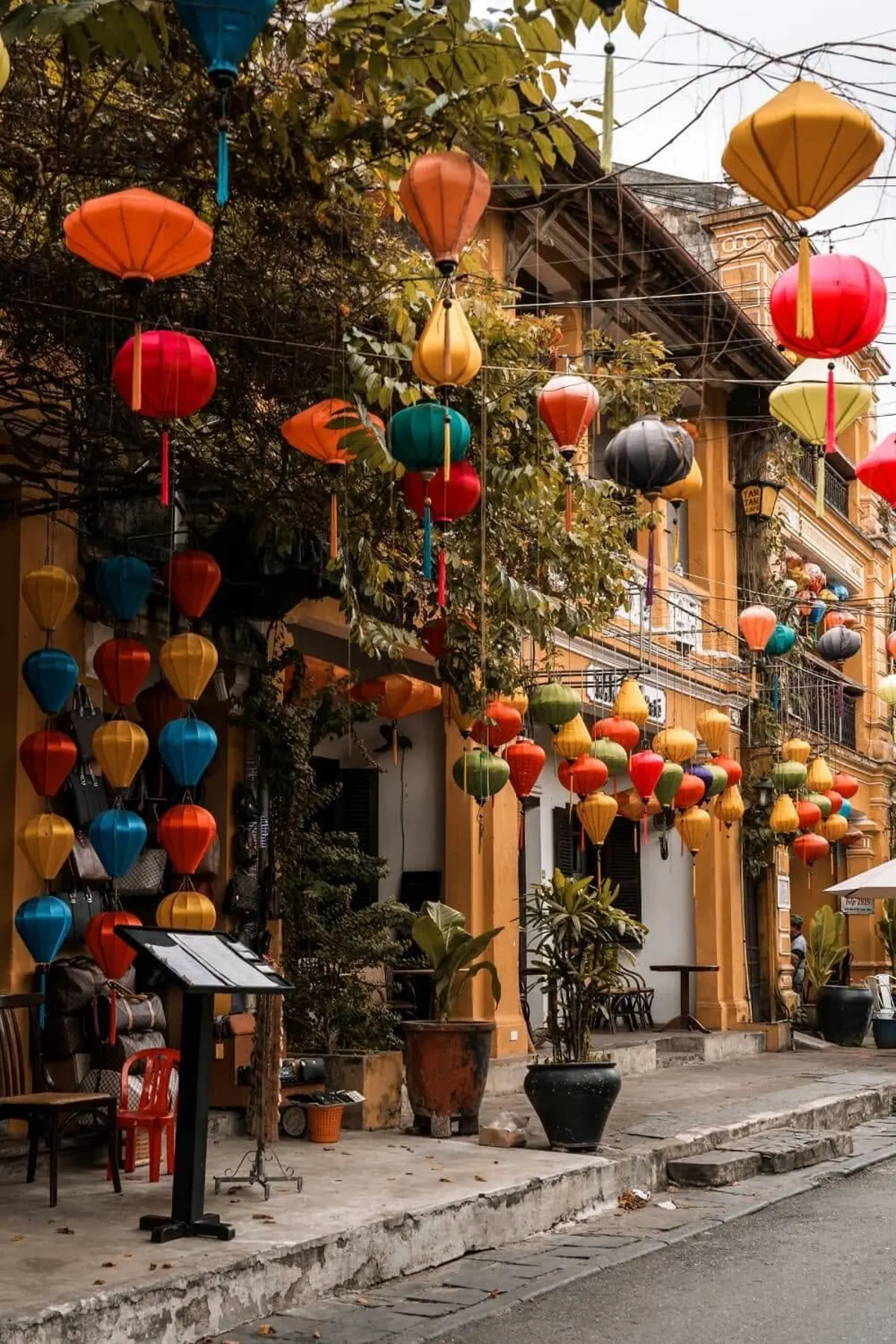
While Banh Dap can be found throughout Central Vietnam, Hoi An is particularly celebrated for its rendition of this dish. The town's eateries are known for their distinctive dipping sauces, which often entice visitors to return for a second taste. Exploring the unique flavors of Vietnamese cuisine, like Banh Dap, often goes hand-in-hand with discovering other aspects of the country's rich culture. Many visitors also enjoy seeking out local products and traditional crafts to remember their trip.
For those planning to experience Banh Dap in Hoi An, several establishments are frequently mentioned for their quality. These venues offer a consistent taste of this regional specialty.
| Venue Name | Address | Price Range (VND) | Price Range (USD) |
|---|---|---|---|
| Banh Dap Hoi An | 679 Hai Ba Trung, Tp. Hoi An, Quang Nam | 15,000 - 50,000 | 1 - 3 |
| Banh Dap Dung Van | Luong Nhu Bich, Cam Nam, Hoi An City, Quang Nam | 15,000 - 50,000 | 1 - 3 |
| Banh Dap Huong | Cam Nam, Tp. Hoi An, Quang Nam | 15,000 - 50,000 | 1 - 3 |
These prices were accurate at the time of the source material's publication (August 2020) and are subject to change. Visitors to Hoi An might also need practical information on managing finances during their stay, which includes understanding local banking services.
Experiencing Banh Dap is more than just eating; it is an encounter with the essence of Vietnamese culinary philosophy. It showcases how straightforward ingredients can be transformed into a dish that leaves a lasting impression, reflecting a cuisine that values authenticity and flavor over elaborate presentation.
Frequently Asked Questions
What distinguishes Banh Dap from other Vietnamese rice cakes?
Banh Dap is unique for its distinctive combination of both soft, steamed rice paper (Banh Uot) and crunchy, baked rice paper, creating a notable textural contrast. It is also traditionally "beaten" before consumption, which is a key part of its preparation and name.
Is Banh Dap typically spicy?
The spice level of Banh Dap largely depends on the accompanying dipping sauce. Traditional Quang Nam style sauces often incorporate a significant amount of chili, resulting in a spicy flavor. However, milder versions of the seasoning sauce are also commonly available, allowing diners to customize the heat to their preference.
Can Banh Dap be found outside of Central Vietnam?
While Banh Dap is most prominent and celebrated in the coastal provinces of Central Vietnam, particularly Hoi An, variations of similar rice paper dishes might be found in other regions. However, the authentic preparation and specific dipping sauce are most characteristic of its Central Vietnamese origins.
What are the typical ingredients in Banh Dap?
The core components of Banh Dap are steamed rice paper (Banh Uot) and crispy baked rice paper, both made from fragrant white rice. Common toppings include scallion oil and green beans. Depending on the region, it may also be served with shrimp, boiled pork, or grilled meats. The dipping sauce is a crucial element, typically a fish sauce base with garlic, chili, sugar, oil, and satay.
How is Banh Dap traditionally eaten?
Diners typically "dap" (beat) the cake to break the crispy rice paper, then tear off smaller pieces that include both the soft and crunchy layers. These pieces are then dipped into the accompanying sauce before eating, allowing for a harmonious blend of textures and flavors in each bite.








