
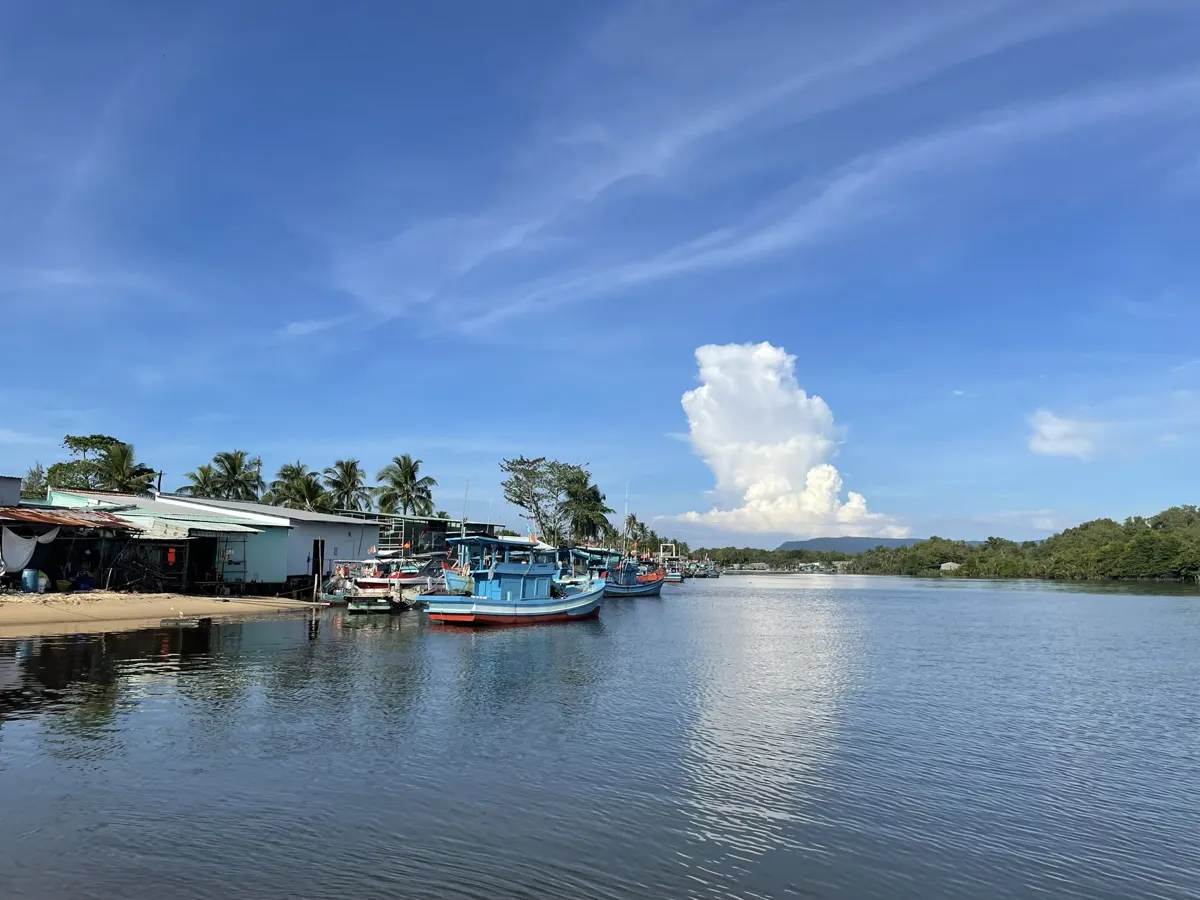
Phu Quoc offers a wide range of attractions, and this guide lists the main places to visit in Phu Quoc so you can plan an efficient trip. Read on for succinct descriptions of beaches, islands, cultural sites and family-friendly attractions, together with practical advice drawn from local information.
What Phu Quoc is and a brief background
Phu Quoc is Vietnam’s largest island and combines long coastal stretches, small archipelagos and a mix of fishing villages and developed attractions. The island’s offerings range from calm sand bays to historical sites and commercial leisure complexes.
Travel rules and visitor access have changed in recent years; travelers planning a trip should check current entry and local guidance in advance. For notes on reopening and local requirements, consult the island’s recent travel updates before booking.
Many points of interest are concentrated near Duong Dong town, while others require a longer transfer by road or boat. Local transport options include motorbike rental, taxis and day-trip boats to nearby islets.
Key features and highlights of places to visit in Phu Quoc
The island’s attractions fall broadly into several groups: beaches, island clusters, historic sites, food and craft production, and wildlife or family attractions. Below are the main highlights grouped by type, with short notes on what to expect.
Beaches: Bai Sao is frequently mentioned for its long pale sand and clear water; it lies about 25 km from Duong Dong. Bai Dai occupies a long stretch on the northwest side of the island—more than 20 km of coastline—and is known for its tall coconut trees and space for watersports such as kayaking and diving.
- An Thoi archipelago — day-boat trips for snorkeling, swimming and small-island sightseeing.
- Phu Quoc Prison Historical Site — a wartime site with reconstructed exhibits and an outdoor collection of artifacts; listed as a national relic and open to visitors (address noted in local guides).
- Food and craft stops — traditional fish-sauce barrel houses, pepper gardens and pearl-farming sites where visitors can observe production processes and purchase local specialties.
- Markets, temples and nature spots — the island-night market for street food and souvenirs; Dinh Cau Temple on a rocky headland; Suoi Tranh stream for a short nature walk; and Ho Quoc Pagoda (Truc Lam Zen Monastery) positioned between hill and sea.
- Family attractions — a large amusement complex and a safari-style animal park located in the Bai Dai / Ganh Dau area, each offering ticketed experiences and distinct opening hours.
Practical tips for visiting Phu Quoc
Getting around: Many travelers use motorbikes or taxis to move between Duong Dong and other sites; boat transfers are common for the An Thoi islands. If planning island trips or longer transfers, allow extra time for road conditions and busy periods.
Timing and weather affect what you can do each day. For month-by-month climate details and activity recommendations, check specialised weather guidance before finalising dates. Planning around drier months typically improves chances for clear water and calm sea conditions.
Money and safety: Night markets and busy tourist streets are lively and convenient, but standard anti-theft vigilance is advised. Many artisanal sites sell local products—prices vary by quality and protein level for items like fish sauce—so compare samples and packaging before buying.
Site-specific notes from local information:
- Phu Quoc Prison (central area of the former prison / recognized as a national historical relic) lists visiting hours and an open-air artifact display; exact opening times are published locally.
- Some natural areas such as Suoi Tranh can become slippery and hazardous during heavy rain; avoid visits in the wettest conditions.
Cultural context and local specialties
Food, craft and religious observances form an important part of the island’s identity. Local fish-sauce production is practiced in large wooden vats and is often offered for inspection at barrel houses; Phu Quoc fish sauce is noted in regional markets for its colour and high protein level.
Pepper cultivation is another local agricultural activity. Pepper gardens are both commercial sites and informal photo spots for visitors. Pearl farms show the stages of freshwater and marine pearl cultivation, and finished pearls are sold at a range of quality levels.
Religious and festival life is visible in places such as Dinh Cau Temple, where an annual festival draws a large local crowd. Temples and pagodas on the island combine coastal viewpoints with religious architecture that many visitors include on a late-afternoon itinerary.
- Try local seafood at village restaurants near Ham Ninh to experience vernacular fishing-culture dishes.
- Visit a fish-sauce workshop to observe the production chain before buying bottled product.
- Plan temple visits around late afternoons to combine cultural visits with sunset viewpoints.
Who the main sites suit
Different parts of Phu Quoc appeal to different travellers. Families often favour the ticketed amusement and animal-park attractions that provide supervised activities and predictable opening hours. Beach-goers and snorkelers head for the sandy bays and the An Thoi islands where clear shallow water and nearby reefs are common.
History and culture visitors typically include the prison site, village markets and craft workshops in an island circuit. Those seeking quiet spiritual spaces or coastal views may prefer Ho Quoc Pagoda (Truc Lam Zen Monastery) or the Dinh Cau headland.
- Families: amusement park and safari reserve (ticketed and organised facilities).
- Water activity enthusiasts: Bai Sao, Bai Dai and the An Thoi islands for snorkeling and diving.
- Culture and history visitors: Phu Quoc Prison, night market and local craft producers.
Comparisons and alternatives
When choosing where to go, consider travel time from Duong Dong, the kind of activity you prefer, and seasonal conditions. Below is a table summarising practical differences among several popular sites to help with planning.
| Place | Type | Location / distance | Notes |
|---|---|---|---|
| Sao Beach | Beach | About 25 km from Duong Dong | White sand; visitors report starfish sightings on the shore at night |
| Bai Dai | Long coastal bay | Northwest coast, stretches over 20 km | Good for watersports and long walks beneath coconut trees |
| An Thoi Islands | Island cluster | Off the southern coast | Day-boat trips for snorkeling and short swims |
| Vinpearl Land | Amusement park | Ganh Dau / Bai Dai area | Ticketed; lists opening hours and set admission prices locally |
| Phu Quoc Prison | Historic site | Address listed as Nguyen Van Cu, An Thoi area | Exhibits and outdoor displays; recognised as a national relic with visitor hours |
| Suoi Tranh stream | Small stream / nature spot | About 9 km south of Duong Dong | Short walk and picnic area; entrance fee noted in local sources |
Frequently Asked Questions
Which beaches are best for swimming and snorkeling?
Beaches such as Bai Sao and areas around the An Thoi islands are commonly recommended for swimming and snorkeling because of clear water and gentle shallows. Coral-viewing is often better at island sites reached by boat.
How do I reach the An Thoi islands for day trips?
Boat trips depart from southern ports and are the normal way to visit the An Thoi archipelago. Many operators run half-day and full-day schedules; check with local operators for departure points and safety briefings.
Are there family-friendly attractions on the island?
Yes. The commercial leisure complex in the Bai Dai / Ganh Dau area includes water-park features and indoor/outdoor games, and a safari-style reserve offers guided viewing suitable for children. Both operate with set opening hours and admission fees listed by the operators.
When is the best time to visit Phu Quoc for beach weather?
Dry-season months are generally preferred for calm seas and beach days. For month-specific climate details and activity suggestions, see local weather guides before booking to match your preferred conditions.
Can I visit local food producers like fish-sauce and pepper farms?
Yes. Barrel houses producing fish sauce and nearby pepper gardens often welcome visitors who want to see the production process and purchase products. Opening times vary by producer; many sites are open throughout the day and offer packaged goods for sale.








