
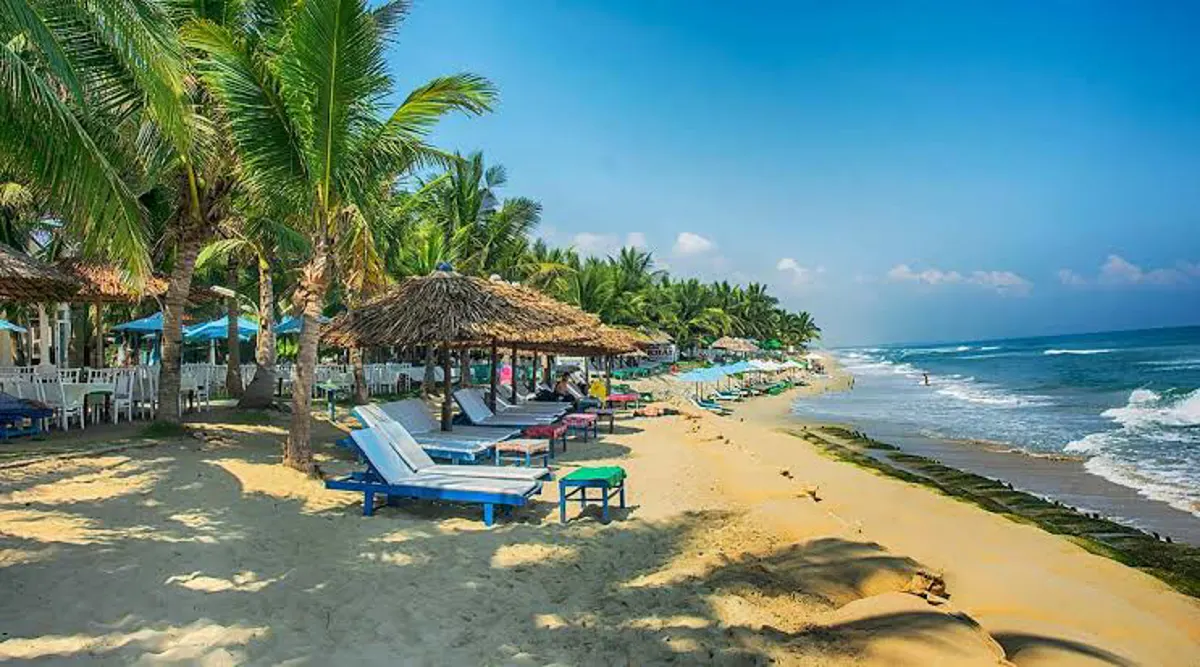
Da Nang, a prominent coastal city in Central Vietnam, presents a wide and varied culinary landscape that caters to many preferences. From authentic local dishes found in casual settings to sophisticated international cuisine, the city offers numerous choices for visitors exploring its shores. This guide highlights a selection of establishments where guests can experience the local food scene and beyond, ensuring a memorable gastronomic journey.
Understanding Da Nang's Culinary Identity
Da Nang's position along the coast and its cultural heritage contribute to a distinctive food identity. The region is particularly known for its fresh seafood and unique noodle dishes, such as My Quang. Beyond these staples, the city has developed a reputation for its evolving dining scene, incorporating influences from various international cuisines while maintaining a strong connection to Vietnamese traditions. Travelers can expect to find everything from humble street-side eateries to luxurious fine dining establishments, each offering a different facet of the city's food culture.
The local approach to cooking often emphasizes fresh ingredients, balanced flavors, and aromatic herbs. Many establishments focus on specific dishes, perfecting them over generations, while others experiment with fusion concepts, blending traditional Vietnamese tastes with global culinary techniques. This blend creates an exciting environment for food enthusiasts seeking both familiar comfort and novel experiences.
Top Dining Establishments in Da Nang
Da Nang hosts a multitude of restaurants, each with its own character and menu. Below is a selection of recommended venues, detailing their addresses, operating hours, price ranges, and culinary focus. Please note that operating hours and prices are subject to change, and it is advisable to confirm details directly with the establishment.
Local Vietnamese Specialties
- Thia Go Restaurant
Address: 37a Ba Dinh, Hai Chau District, Da Nang City
Opening Hours: 10:30 AM – 9:00 PM
Price range: $2 - $10.5 (50,000 VND – 250,000 VND)
Known for traditional Vietnamese cuisine, Thia Go offers a relaxed outdoor setting. Popular dishes include Sizzling Pancake (Banh Xeo) and various hot pot options. The restaurant also provides vegan and gluten-free choices, catering to diverse dietary needs. - Banh Xeo Ba Duong
Address: K280/23 Hoang Dieu, Da Nang City
Opening Hours: 9:30 AM – 9:00 PM
Price range: $1.1 - $2.3 (25,000 VND – 55,000 VND)
Considered a premier spot for Banh Xeo (Sizzling Pancake), this establishment is located at the end of a small alley. Despite its simple decor and potentially busy atmosphere, it attracts both residents and visitors for its signature dish and Nem Lui (Lemongrass Pork Skewers), served with a distinctive sauce. - My Quang 1A
Address: 1A Hai Phong, Hai Chau District, Da Nang City
Opening Hours: 7:00 AM – 10:00 PM
Price range: $0.6 - $1.6 (15,000 VND – 39,000 VND)
This long-standing local eatery is renowned for its My Quang, a regional noodle dish. Guests can dine in or order takeout, enjoying a flavorful and memorable meal in a clean, comfortable setting that bridges street food and casual dining. - Com ga A Hai
Address: 96 Phan Chau Trinh, Hai Chau District, Da Nang City
Opening Hours: 8:00 AM – 10:00 PM
Price range: $1.3 - $2.4 (30,000 VND – 55,000 VND)
A well-established name for chicken rice, Com ga A Hai offers an open and airy dining space. While the menu includes chicken noodle soup and congee, the chicken rice dish is particularly celebrated for its sweet broth, flavorful rice, and well-marinated chicken. Service is typically quick and efficient, even during peak hours. - Thien Ly Da Nang Style
Address: 37 Ba Dinh, Thach Thang, Hai Chau, Da Nang
Opening Hours: Daily, from 7:00 AM to 9:30 PM
This restaurant specializes in Vietnamese cuisine from the Mekong Delta and southern regions, featuring dishes like Banh Xeo, Pho Bo Nam Bo, and Bun Bo Nam Bo. It also offers a selection of Malaysian and Indonesian dishes. The atmosphere is cozy, suitable for various gatherings. - Madame Hanh
Address: 79 Luong Huu Khanh, Tho Quang, Son Tra, Da Nang
Opening Hours: Daily, from 10:00 AM to 10:00 PM
Situated in a somewhat secluded coastal spot, Madame Hanh provides an excellent dining experience with views of the sea. The restaurant focuses on traditional Vietnamese cuisine within a luxurious and airy setting. Prices are generally considered reasonable, and reservations are recommended due to its popularity.
Seafood and Casual International Options
- Bien Rang Seafood Restaurant
Address: 51 Nguyen Sang Son Tra, Da Nang City
Opening Hours: 9:00 AM – 11:00 PM
Price range: $4 - $98 (95,000 VND – 2,300,000 VND)
Located directly on My Khe Beach, this seafood restaurant offers a lively, ocean-inspired atmosphere. Guests can select fresh seafood from tanks, have it weighed, and then choose their preferred cooking method (steamed, grilled, or fried). The seafood is noted for its freshness and flavor, and service is prompt despite potential language barriers. - Tamarind Tree Da Nang Restaurant
Address: 119 Do Ba, Ngu Hanh Son District, Da Nang City
Opening Hours: 9:00 AM – 10:00 PM
Price range: $1.7 - $6.4 (40,000 VND – 150,000 VND)
Offering a relaxed and inviting atmosphere, Tamarind Tree serves traditional Vietnamese cuisine. The menu includes vegetarian and gluten-free options, with curry and seafood dishes often highlighted by patrons. The environment is clean, complemented by soft background music. - Markets BBQ Restaurant
Address: 29 Luu Quang Thuan, Da Nang City
Opening Hours: 10:00 AM – 10:00 PM
Price range: $1.9 - $4.5 (45,000 VND – 105,000 VND)
With a charming, classic decor and outdoor seating, Markets BBQ specializes in various grilled meats. The restaurant also offers fusion and vegan choices. While the menu is not extensive, the fresh and flavorful food, along with friendly service, makes it a pleasant option, though service times can vary. - My Casa Restaurant
Address: 53 Morrison, Son Tra, Da Nang
Opening Hours: Thursday to Tuesday, from 11:00 AM to 10:00 PM
This establishment is recognized for its Italian and Spanish cuisine, situated in a quiet part of the city. Despite a lack of opulent decoration, its dishes, including Italian pizzas, Calzone, Charcuterie tabla, and Bruschetta, draw praise. The menu also features European, Malaysian, and Vietnamese options, all served in a comfortable, home-like setting. - Red Sky Bar and Restaurant
Address: 248 Tran Phu, Hai Chau, Da Nang, Ha Noi
Opening Hours: Daily, from 11:00 AM to 2:00 PM for lunch and 5:00 PM to 11:00 PM for dinner
Catering to an international clientele, Red Sky offers a menu primarily featuring Western dishes at accessible prices. Steaks are a particular highlight, complemented by a bar offering various imported wines and beverages. It is considered a suitable venue for social gatherings. - Limoncello Restaurant
Address: 1878 Tran Phu, Phuoc Ninh, Hai Chau, Da Nang
Opening Hours: Daily, from 11:00 AM to 10:30 PM
Another Italian dining spot in Da Nang, Limoncello is known for its authentic Italian cuisine, with the Margherita pizza being a popular choice. The restaurant also offers a selection of Italian wines. Guests often appreciate the attentive service, with chefs reportedly engaging with diners to ensure satisfaction.
Upscale and International Dining Experiences
- Lam Vien Restaurant
Address: 88 Tran Van Du Street, Ngu Hanh Son District, Da Nang City
Opening Hours: 10:00 AM – 11:00 PM
Price range: $9.4 - $50 (220,000 VND -1,125,000 VND)
Lam Vien features a contemporary design with a serene, open-plan layout across two floors, offering views of greenery and a pond. It serves fusion dishes blending Vietnamese and Asian culinary traditions. Recommended items include spring rolls, fried lobster with orange sauce, and abalone with crabmeat soup. The service is noted for its professionalism. - Nen Restaurant
Address: 16 My Da Tay 2, Ngu Hanh Son District, Da Nang City
Opening Hours: 5:30 PM – 10:30 PM
Price range: $42.5 - $64 (1,000,000 VND – 1,500,000 VND)
A fine dining establishment in a quiet neighborhood, Nen Restaurant offers sophisticated local cuisine prepared with modern techniques. Its elegant interior design complements dishes that are both visually appealing and flavorful. The restaurant also provides healthy, gluten-free, and vegetarian options. Service is highly regarded, with personalized touches such as birthday acknowledgments and parting gifts. - La Maison 1988
Address: Son Tra Peninsula, Son Tra District, Da Nang City
Opening Hours: 8:00 AM – 10:30 PM
Price range: $21.3 - $68 (500,000 VND – 1,600,000 VND)
Located within the Intercontinental DaNang Sun Peninsula Resort, La Maison 1988 is a highly acclaimed restaurant, recognized with a 3-star Michelin award. It offers a unique fusion of French cooking methods and traditional Vietnamese flavors. The dining space is luxurious, featuring an old French aesthetic, and provides remarkable views of both the ocean and mountains. - Table 88
Address: 35 Truong Sa Sheraton Grand DaNang Resort, Hoa Hai Ward, Ngu Hanh Son District, Da Nang City
Opening Hours: 6:30 AM – 10:00 PM
Price range: $4.2 - $420 (98,000 VND – 9,800,000 VND)
Situated within the Sheraton Grand DaNang Resort, Table 88 is a premium dining choice, primarily known for its extensive buffet. The buffet offers a wide array of dishes, all noted for their quality and taste. Despite the higher price point, guests often report a satisfying experience due to the attentive service and diverse culinary selection. - Hai Cang Restaurant
Address: 36- 38 Bach Dang, Hai Chau District, Da Nang City
Opening Hours: 11:00 AM – 11:00 PM
Price range: $10.6 - $21.3 (250,000 VND – 500,000 VND)
For those seeking Chinese cuisine, Hai Cang Restaurant offers an authentic experience on the 34th floor, providing expansive city views. The interior is decorated in a traditional Chinese style with red and black accents, lanterns, and ink paintings. Signature dishes include abalone and various wonton preparations. - Sky View Restaurant
Address: 20th floor, Belle Maison Parosand Da Nang Hotel, 216 Vo Nguyen Giap, Son Tra, Da Nang
Opening Hours: 11:30 AM to 9:45 PM every day
Price range: $2-$25 per dish
Perched on the 20th floor of the Belle Maison Parosand Da Nang Hotel, Sky View Restaurant offers impressive vistas of Da Nang and Son Tra beach. This Western-style restaurant provides a luxurious setting with excellent service and a diverse menu featuring both Vietnamese and international dishes. - Citron Restaurant
Address: InterContinental DaNang Sun Peninsula Resort, Da Nang
Opening Hours: Daily - Breakfast: 06:30 - 10:30; Lunch: 12:00 - 15:00; Afternoon tea: 15:00 - 17:00; Dinner: 18:30 - 22:00
Citron Restaurant, located on the highest floor of the InterContinental Hotel, sits 100 meters above sea level on a hillside. Its unique design, inspired by the French word for lemon, combines modern architecture with classical French elements. The menu features Vietnamese and international cuisines, with chefs sometimes preparing dishes directly for guests. - Olivia Prime Steakhouse
Address: 505 Tran Hung Dao, Son Tra, Da Nang
Opening Hours: 11:00 AM to 2:00 PM and 5:30 PM to 10:30 PM
Price range: $1.5 - $50
Specializing in premium imported beef steaks, Olivia Prime Steakhouse prepares its dishes in a South American, wood-fired grilled style, known for producing tender and juicy results. Beyond beef, the menu includes pork, chicken, and seafood, as well as other culinary creations like carpaccio, steak tartare, gumbo, and deviled eggs, paired with an extensive selection of wines and cocktails.
Unique Dining Concepts
- Happy Heart Café
Address: 9 Ly Tu Trong, Thach Thang, Hai Chau, Da Nang
Opening Hours: Daily, from 07:30 AM to 09:00 PM, except Sunday
This small, distinctive cafe employs a staff where half are deaf and mute, fostering a peaceful atmosphere. It is known for its attractive decor, both inside and out, and serves a variety of delicious desserts, beverages, and coffee. The cafe also offers pleasant views of the surrounding streets in Da Nang.
Practical Tips for Dining in Da Nang
Navigating the dining scene in Da Nang can be an enjoyable part of your travel experience. Here are a few practical considerations to enhance your culinary journey:
- Verify Details: Opening hours, prices, and menu availability can change. It is always a good idea to check with the restaurant directly, especially for fine dining establishments or during public holidays.
- Cash vs. Card: While many larger restaurants and hotels accept credit cards, smaller local eateries and street food stalls often prefer cash. Having local currency (Vietnamese Dong) on hand is advisable. For assistance with managing finances in Da Nang, resources are available.
- Reservations: For popular restaurants, especially upscale ones or those with specific views, making a reservation in advance is highly recommended to secure a table.
- Dietary Needs: Many restaurants are increasingly accommodating dietary restrictions, with some offering dedicated vegetarian, vegan, or gluten-free options. It's best to communicate your needs clearly to the staff.
- Local Etiquette: While generally relaxed, showing respect for local customs is appreciated. This includes dressing appropriately for more formal venues and being patient in busy local spots.
Exploring the diverse food scene is an integral part of experiencing Da Nang's culture. Beyond dining, consider seeking out local products and traditional crafts to bring a piece of Vietnam home with you.
Comparison of Da Nang Dining Options
| Restaurant Name | Cuisine Type | Price Range (USD) | Atmosphere/Highlight |
|---|---|---|---|
| Thia Go Restaurant | Traditional Vietnamese | $2 - $10.5 | Relaxed outdoor, vegan/gluten-free options |
| Banh Xeo Ba Duong | Local Vietnamese (Banh Xeo) | $1.1 - $2.3 | Authentic, busy local favorite |
| Lam Vien Restaurant | Vietnamese & Asian Fusion | $9.4 - $50 | Contemporary, romantic, professional service |
| My Quang 1A | Local Vietnamese (My Quang) | $0.6 - $1.6 | Traditional, casual, popular for local noodles |
| Bien Rang Seafood Restaurant | Seafood | $4 - $98 | Beachfront, fresh catch selection |
| Tamarind Tree Da Nang Restaurant | Traditional Vietnamese | $1.7 - $6.4 | Relaxed, vegetarian-friendly |
| Com ga A Hai | Vietnamese (Chicken Rice) | $1.3 - $2.4 | Famous, airy, efficient service |
| Markets BBQ Restaurant | BBQ, Fusion, Vegan | $1.9 - $4.5 | Classic decor, outdoor seating |
| Nen Restaurant | Fine Dining Vietnamese | $42.5 - $64 | Elegant, sophisticated, personalized service |
| La Maison 1988 | French & Vietnamese Fusion | $21.3 - $68 | Luxury resort, Michelin-awarded, ocean views |
| Table 88 | High-end Buffet | $4.2 - $420 | Luxury resort, extensive selection |
| Hai Cang Restaurant | Chinese | $10.6 - $21.3 | City views (34th floor), authentic decor |
| Happy Heart Café | Cafe, Desserts | Not supplied | Peaceful, unique staff, street views |
| Thien Ly Da Nang Style | Vietnamese (Mekong Delta), Malaysian, Indonesian | Not supplied | Cozy, diverse regional dishes |
| Sky View Restaurant | Western & Vietnamese | $2 - $25 per dish | 20th floor views, luxurious |
| Citron Restaurant | Vietnamese & International | Not supplied | InterContinental resort, hillside, unique design |
| My Casa Restaurant | Italian & Spanish | Not supplied | Quiet area, cozy, home-like feel |
| Red Sky Bar and Restaurant | Western (Steak) | Not supplied | Caters to expats, bar with imported wines |
| Madame Hanh | Traditional Vietnamese | Not supplied | Hidden coastal spot, sea view, reservations advised |
| Limoncello Restaurant | Italian | Not supplied | Authentic, chef interaction |
| Olivia Prime Steakhouse | Steakhouse (South American) | $1.5 - $50 | Premium imported beef, wood-fired grill |
Frequently Asked Questions
What are the must-try local dishes in Da Nang?
Visitors to Da Nang should definitely try My Quang, a regional noodle dish, and Banh Xeo, a savory sizzling pancake. Other popular local specialties include Com Ga (chicken rice) and various fresh seafood preparations, often available directly from the catch of the day.
Are there vegetarian or vegan dining options available in Da Nang?
Yes, Da Nang offers several restaurants with vegetarian and vegan-friendly menus. Establishments like Thia Go Restaurant and Tamarind Tree Da Nang Restaurant specifically highlight their plant-based and gluten-free choices. Many local Vietnamese restaurants can also adapt dishes upon request, though it's always best to inquire about ingredients.
What is the typical price range for meals in Da Nang?
The cost of dining in Da Nang varies significantly. Casual local eateries and street food stalls can offer meals for as little as $1-$5 USD. Mid-range restaurants typically charge between $10-$30 USD per person, while fine dining experiences at luxury resorts can range from $50 USD to over $100 USD per person, depending on the venue and menu choices.
Is it necessary to make reservations for restaurants in Da Nang?
For most casual and local dining spots, reservations are generally not required. However, for upscale restaurants, particularly those located within resorts or known for specific views, making a reservation in advance is highly recommended to ensure availability, especially during peak tourist seasons or for weekend dinners.
How can I pay for meals in Da Nang?
Larger hotels and international restaurants typically accept major credit cards. However, many smaller, local establishments and street food vendors operate on a cash-only basis. It is advisable to carry a mix of Vietnamese Dong for convenience, especially when exploring local markets or less formal dining options.








