
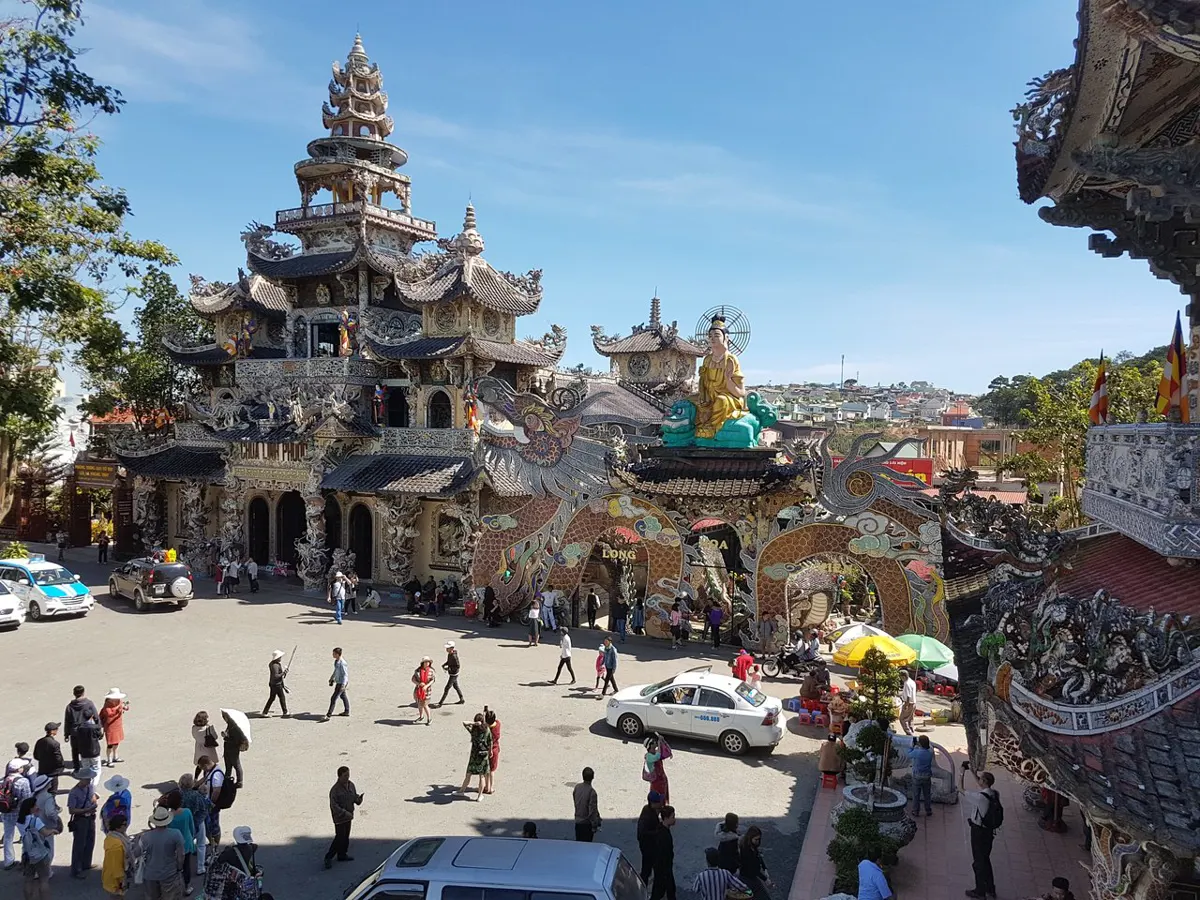
Dalat, a city situated in Vietnam's central highlands, offers a distinct atmosphere often described as serene and refreshing. Its elevated position contributes to a climate that differs from many other Vietnamese provinces. However, the quality of a visit can vary considerably depending on the time of year. Understanding Dalat's seasonal changes, including weather, tourism trends, and cultural events, is key to planning a rewarding trip.
Understanding Dalat's Climate Patterns
Dalat experiences two primary seasons annually: a dry period and a wet period. The dry season typically extends from November through March, characterized by pleasant conditions. During these months, daily temperatures generally fluctuate between 15°C and 26°C. Skies are often clear and bright, with minimal rainfall, creating an agreeable environment for exploration. While daytime hours are mild and comfortable, evenings can become quite cool, necessitating warmer clothing.
Conversely, the wet season spans from April to October. This period is influenced by the South-West monsoon and equatorial air masses, leading to frequent and sometimes prolonged heavy rain. Despite the increased precipitation, temperatures during the wet season remain relatively consistent with the dry period, ranging from 12°C to 25°C. While Dalat's climate is generally temperate year-round, travelers aiming to avoid the heaviest rains should consider skipping September, which is typically the wettest month. For those prioritizing sunny days and minimal rain, the window from December to March is often considered most favorable, as sunshine hours increase, and the landscape appears particularly vibrant. This period is also ideal for observing the city's flower gardens in full bloom and engaging in outdoor pursuits like walking or hiking.
An alternative for travelers who appreciate both outdoor activities and quieter moments is to visit between May and August. Although temperatures rise slightly during these months, the climate remains comfortable compared to the intense heat found in other regions. Rain showers are more common but often present as light drizzles. On days with lighter rain, enjoying a warm beverage while observing the city's scenery can offer a relaxing experience, complemented by natural sounds and the scent of damp earth.
Seasonal Travel for Cost-Effective Visits
The peak tourism period in Dalat generally occurs from May to September. During these months, many domestic visitors travel to Dalat to escape the higher temperatures prevalent in other parts of the country. This coincides with Dalat's wet season, meaning that while sunshine and breezes are present, rain is also a frequent occurrence. Consequently, a wide array of indoor and outdoor services are available, catering to visitors seeking a refreshing and comfortable experience.
Due to the increased demand and diverse offerings during this peak domestic travel season, tour operators and service providers often offer more competitive pricing. This period can present opportunities for securing better deals on Dalat tours and other travel services. Tour costs during this time typically range from approximately $45 to $128 per person, representing a relatively affordable option for experiencing the city. Additionally, transportation costs can also be more economical, as operators often increase vehicle frequency and adjust fares to accommodate the heightened travel demand. Therefore, for travelers seeking to visit Dalat with budget-friendly options, the months between May and September can be advantageous, offering a selection of value-oriented tours and services.
Experiencing Dalat's Cultural Celebrations
Exploring Dalat's cultural identity often involves attending its various festivals. For those interested in local traditions and celebrations, timing a visit to coincide with one of these events can enrich the travel experience.
Dalat Flower Festival
Travelers visiting Dalat during the concluding months of the year may have the opportunity to participate in one of the city's most significant events: the Dalat Flower Festival. This biennial celebration transforms the city into a display of colors and fragrances. Held every two years in December since its inception in 2005, the festival showcases the region's diverse floral produce, a key agricultural product of Dalat, and aims to attract visitors globally. For instance, after the 2021 event, the next festival would typically occur in December 2023.
Each festival is organized around a specific theme and comprises two main components: an opening ceremony featuring performances related to the theme, and a flower fair where visitors can admire and purchase floral arrangements. Thousands of flowers are arranged into artistic displays along city streets, providing numerous photo opportunities. Visitors can also purchase local floral products as gifts. For individuals who appreciate the visual appeal of flowers, a December visit to Dalat during the festival period is highly recommended.
Dalat Tea Culture Festival
Tea is another important agricultural product for both Dalat and the wider Lam Dong province. The Tea Culture Festival is a biennial event dedicated to honoring the tea industry and its producers. Historically, this festival alternated years with the Dalat Flower Festival. However, starting in 2017, both festivals began to take place concurrently. This means that travelers visiting Dalat in December of odd-numbered years (e.g., 2023) may have the chance to experience both cultural events simultaneously. If a visit does not align with these specific years, a two-year wait would be necessary for the next occurrence.
Similar to the Flower Festival, the Tea Festival is structured around a particular theme and includes an opening ceremony and a tea fair. Additional activities often include tours of tea gardens, tea-picking competitions, and art contests. As a platform for promoting tea brands and products from Lam Dong, the festival offers an excellent opportunity to purchase high-quality local teas as souvenirs or for personal enjoyment. The event typically spans five days and is hosted across several locations within Dalat city, including Bao Lam and Di Linh districts, allowing for broader exploration of the region.
Central Highlands Gongs Festival
The gong, a traditional musical instrument, holds significant cultural importance for several minority groups in Vietnam. To preserve and promote this heritage, the Central Highlands Gongs Festival is organized annually. This festival, alongside other community events like harvest celebrations, rotates among five provinces in the Central Highlands. In Lam Dong province, it frequently takes place in Dalat, often coinciding with the Dalat Flower Festival.
During the festival, groups of around 40 performers play various instruments in harmony, creating a distinctive sound. Spectators often gather around a central fire, participating in dances that foster a sense of community and warmth. Attending the Gongs Festival provides insight into Vietnam's minority cultures, and attempting to play a gong can be a unique experience. In 2005, UNESCO recognized the festival as a World Intangible Heritage, further increasing its appeal to international visitors. Due to growing interest, some travel agencies now offer on-demand gong festival experiences, typically priced between $6.95 and $8.69 per person. While the official festival offers an authentic atmosphere, these tailored experiences provide a convenient alternative for those wishing to engage with this cultural tradition.
National Public Holidays
Certain national public holidays also offer opportune times for a Dalat visit. New Year's Day and Tet (Lunar New Year) typically fall within the first three months of the year, aligning with Dalat's most favorable weather conditions. These months are characterized by dry, cool weather, clear skies, intermittent sunshine, and gentle breezes, making them suitable for travel and outdoor activities. Travelers could consider starting their trip in mid-December to experience both the Dalat Flower and Tea Festivals, celebrate Christmas, and then transition into the New Year festivities.
During the Lunar New Year, visitors with local connections might have the chance to engage with Vietnamese families, offering a deeper understanding of family culture and traditional customs. This can be a more profound experience than typical sightseeing. Additionally, Liberation Day (April 30th) and International Workers' Day (May 1st) occur during a slightly wetter period. However, the weather during these holidays generally does not hinder enjoyment and can offer a different, yet equally engaging, vacation atmosphere.
Choosing Your Ideal Dalat Visit
Deciding the best time to visit Dalat depends on individual preferences for weather, crowd levels, budget, and cultural events. The city offers different experiences throughout the year, each with its own advantages.
| Period | Weather Conditions | Crowd Levels | Typical Costs | Key Events/Activities |
|---|---|---|---|---|
| December - March | Dry, cool, sunny, minimal rain | Moderate to High (especially around holidays) | Higher (peak season for weather) | Flower Festival (odd years), Tea Festival (odd years), Gongs Festival, New Year, Tet Holiday, outdoor activities, flower viewing |
| April - October | Wet, frequent rain/drizzles, consistent temperatures | High (domestic peak season May-Sept) | Lower (May-Sept for deals) | Liberation Day, World Labour Day, indoor activities, enjoying coffee, on-demand Gongs Festival experiences |
| September | Wettest month, heavy rain | Moderate | Moderate | Fewer outdoor activities, focuses on indoor relaxation |
For those prioritizing pleasant weather and major cultural spectacles, the dry season, particularly December to March, is often the preferred choice. However, if finding more economical travel options and experiencing Dalat during its domestic peak season appeals, the May to September window, despite the rain, can offer good value. Regardless of the chosen time, Dalat provides a distinctive highland escape.
Frequently Asked Questions
What is the driest month in Dalat?
The driest period in Dalat is typically from November to March. Within this range, months like January and February often experience the least amount of rainfall, offering clear skies and comfortable temperatures ideal for outdoor exploration.
When are the major festivals held in Dalat?
The Dalat Flower Festival and the Dalat Tea Culture Festival are both biennial events that traditionally take place in December of odd-numbered years (e.g., 2023, 2025). The Central Highlands Gongs Festival is an annual event that often coincides with the Flower Festival in Dalat.
Is it cheaper to visit Dalat during the rainy season?
The period from May to September, which is Dalat's wet season, can often offer more cost-effective travel options. This is due to increased domestic tourism demand leading to competitive pricing for tours and transportation, despite the more frequent rainfall.
What activities are suitable for Dalat's wet season?
During the wet season, activities can shift indoors or focus on experiences that embrace the weather. Enjoying local coffee, visiting museums, exploring covered markets, or simply relaxing in a cozy cafe while observing the misty scenery are popular choices. Some outdoor activities like light walking are still possible during drizzles.
Can I experience the Gongs Festival outside of its official schedule?
Yes, due to growing interest, some local travel agencies offer on-demand Gongs Festival experiences. These tailored events provide an opportunity to learn about and engage with the traditional gong culture, even if your visit does not align with the official annual festival dates. Costs for these experiences are typically around $6.95 to $8.69 per person.








