
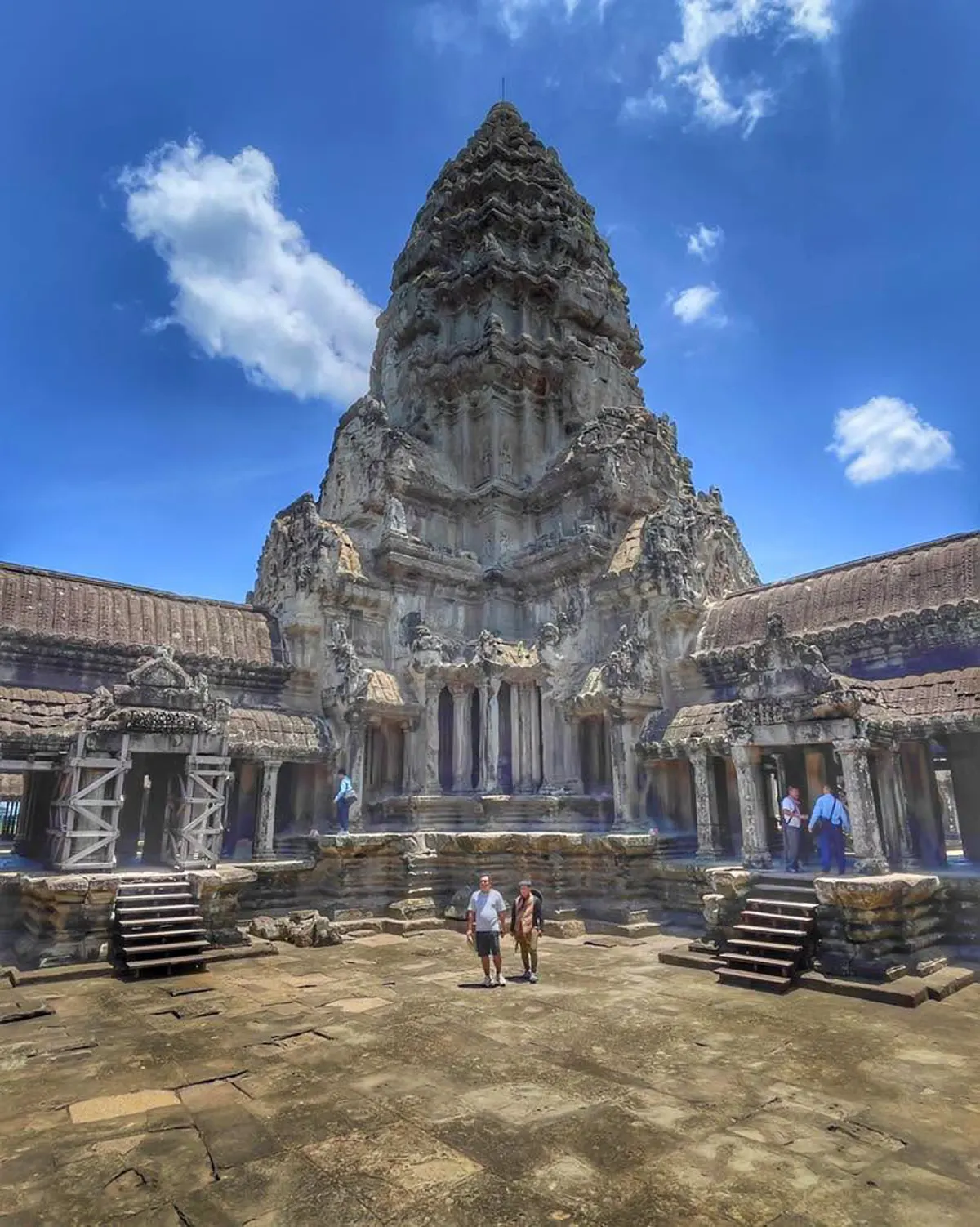
Cambodia presents a compelling destination for those seeking a blend of historical depth, natural beauty, and cultural immersion. This Southeast Asian nation is home to ancient architectural wonders, offers opportunities for serene coastal relaxation, and invites exploration of its rich traditions and local lifestyles. Visitors can expect a journey through a country that balances its profound past with a welcoming present.
The country's appeal extends from its world-renowned historical sites to its lesser-known natural havens, providing varied experiences for different travel preferences. Whether drawn to the grandeur of ancient empires or the tranquility of tropical shores, travelers will find Cambodia to be a destination that rewards curiosity and offers memorable moments.
Cambodia's Varied Appeal: From Island Escapes to Wellness Retreats
For those envisioning a tropical escape, Cambodia features destinations like Song Sa, a private island situated within the Koh Rong archipelago. This location is designed to offer secluded comfort, with resorts featuring open-air showers, private pools, and terraces positioned near the coast, ensuring a personal experience. Guests can observe both sunrises and sunsets from various vantage points across the island.
Beyond island tranquility, Cambodia caters to individuals seeking rejuvenation and adventure. The country provides numerous spa and wellness facilities, alongside opportunities for walks through untouched natural environments. For active travelers, there are options to engage in marine activities, such as diving alongside local marine biologists, or visiting traditional fishing communities to gain insight into daily life. These experiences contribute to a sense of blending into the local surroundings.
Contrasting Experiences: Island Luxury vs. Ancient History
| Feature | Song Sa Private Island | Angkor Wat Complex |
|---|---|---|
| Primary Experience | Luxury relaxation, natural beauty, marine activities | Historical exploration, architectural marvels, spiritual significance |
| Setting | Tropical island, white sand beaches, clear waters | Ancient temple city, jungle surroundings |
| Activities | Swimming, sunbathing, diving with marine biologists, spa/wellness | Temple tours, historical insights, sunrise/sunset viewing |
| Focus | Seclusion, modern comfort, natural escape | Cultural heritage, grand scale, historical depth |
Exploring Cambodia's Historical and Architectural Legacy
Cambodia's historical narrative is deeply rooted in the powerful Khmer Empire, which flourished in the region from the 9th to the 15th century. The ancient city of Angkor served as the empire's central hub, and its most iconic structure, Angkor Wat, remains a primary draw for visitors today. This temple complex stands as a testament to Khmer ingenuity, combining symbolic meaning, precise symmetry, and spiritual elements.
Angkor Wat is recognized as one of Southeast Asia's most significant temples due to its scale and height. Its initial appearance is often described as impressive, drawing comparisons to other globally recognized historical sites such as Petra or Machu Picchu. The site represents a peak of Cambodian cultural achievement, offering a profound connection to the country's past. To learn more about the nation's past, consider reading a Cambodia travel guide covering history, temples, and natural beauty.
Engaging with Local Life and Diverse Landscapes
Beyond the ancient temples, Cambodia offers various ways to experience its contemporary culture and natural settings. River cruises along the Mekong provide a window into rural existence, allowing travelers to observe floating villages and the rhythm of life along the waterways. These journeys can reveal diverse wildlife, including snakes, crocodiles, and piranhas, offering a genuine taste of the country's natural environment. For those interested in this type of travel, exploring Mekong River cruises from Cambodia to Vietnam can provide further insight.
Cycling tours around Siem Reap offer an alternative perspective, allowing participants to traverse traditional communities and observe expansive fields of rice and sugarcane. Cambodia's capital, Phnom Penh, is situated at the confluence of the Mekong, Tonle Sap, and Basak rivers. Its riverbanks become lively gathering spots in the evenings, where young people often dance and invite visitors to participate or simply enjoy the atmosphere with a local beverage.
Understanding Cambodian Cuisine and Dining Etiquette
Cambodian food reflects a diverse culinary heritage, showing influences from both Chinese and Thai traditions. Noodles and rice form the foundation of many dishes, prepared in various styles. Soups are a fundamental component of most meals. A notable characteristic of Cambodian cooking is the frequent use of fish, sourced from both the sea and rivers, prepared through frying, grilling, or boiling.
Meals consistently incorporate a generous amount of fresh vegetables and fruits, with an emphasis on elegant presentation. While Cambodian dishes can often be spicy, it is generally possible to request milder versions to suit individual preferences. Exploring the local food scene is considered an essential aspect of experiencing Cambodia fully.
- Beverages: Fresh juices are widely available. Tea is a commonly consumed national drink. Beer, other alcoholic drinks, and sodas are also offered.
- Water: It is advisable for travelers to consume only bottled water.
Practical Advice for Travelers to Cambodia
While Cambodia is generally considered a safe destination today, it is always prudent for visitors to keep personal belongings, such as money and important documents, secure. The country's tropical climate necessitates light clothing for comfort. When visiting religious sites like temples, it is a sign of respect to ensure shoulders and knees are covered. Additionally, wearing a hat is recommended to provide protection from the sun and heat.
The optimal time to visit Cambodia is typically during the winter season, when humidity levels are at their lowest, offering more comfortable conditions for exploration. Understanding these practical considerations can enhance a trip to this engaging country. For more general advice, consider planning your trip to Cambodia.
Frequently Asked Questions
How should I greet locals in Cambodia?
Cambodians are known for their friendly and warm greetings towards visitors. A handshake is a common form of greeting. You can also show additional respect by greeting them with clasped palms, similar to a prayer gesture, accompanied by a slight forward bow.
What is the best time of year to visit Cambodia?
The winter season is generally recommended for visiting Cambodia. During this period, the humidity is at its lowest, which typically makes for more comfortable travel and sightseeing conditions across the country.
What are some unique adventure activities available in Cambodia?
For those seeking adventure, Cambodia offers options such as diving with local marine biologists, which provides a unique perspective on the country's aquatic ecosystems. Exploring local fishermen villages also offers an authentic cultural adventure. Additionally, Cambodia offers a range of outdoor pursuits for active travelers.
Is it safe to drink tap water in Cambodia?
It is generally recommended that travelers stick to bottled water for drinking in Cambodia. This precaution helps ensure health and safety during your visit.
What historical sites are a must-see in Cambodia?
The ancient city of Angkor, particularly the Angkor Wat temple complex, is Cambodia's primary historical attraction and a must-see. It represents the pinnacle of the Khmer Empire's architectural and spiritual achievements from the 9th to 15th centuries.








