
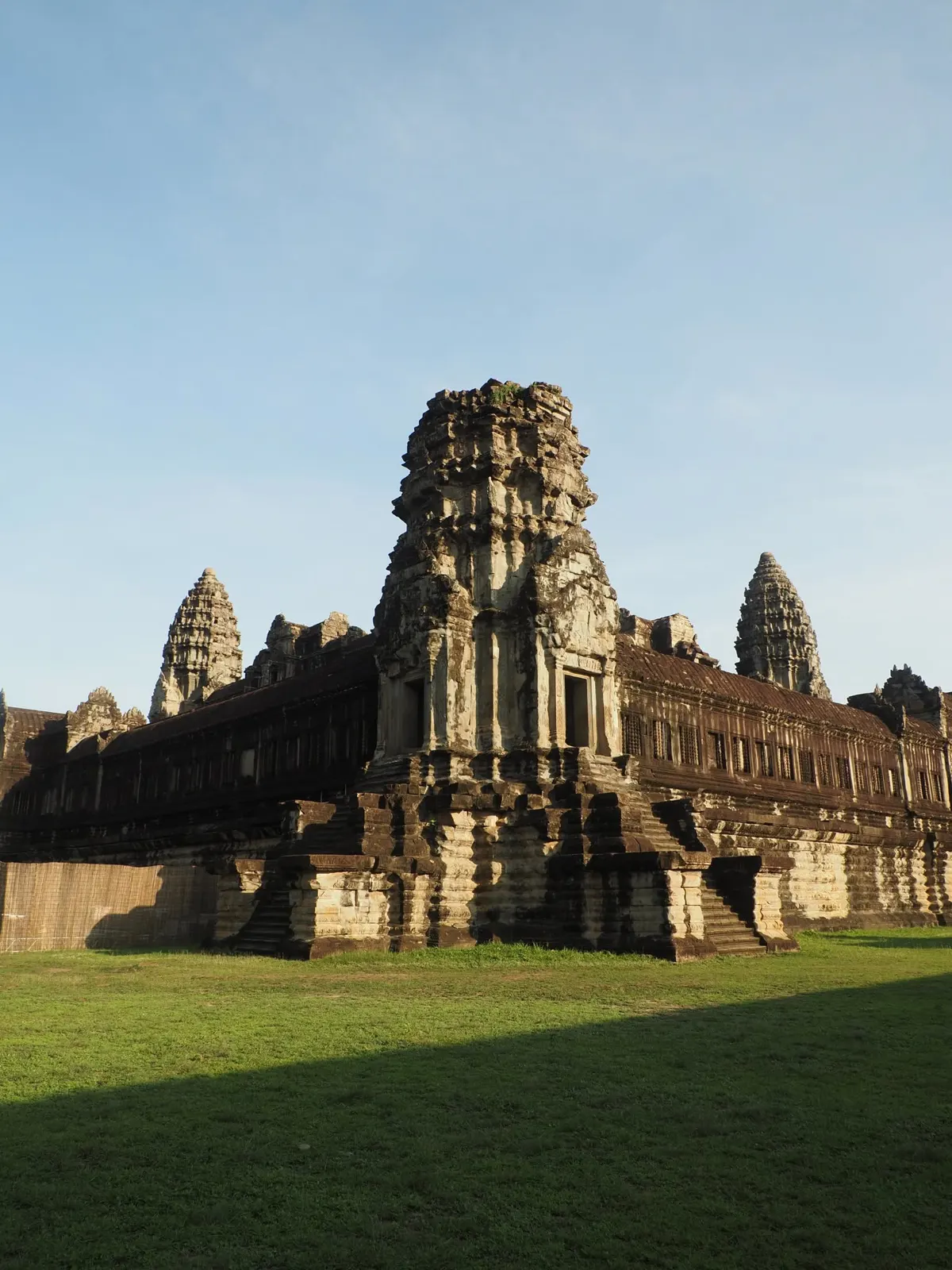
June marks the beginning of Cambodia's rainy season, characterized by warmer temperatures and increased humidity. While this period presents different conditions compared to the dry season, a visit during June is still entirely feasible with adequate preparation and an understanding of the local climate. Travelers can anticipate fewer crowds and potentially more budget-friendly options, making it an appealing time for those seeking a distinct experience.
Despite the higher chance of rain, showers often occur in short bursts rather than continuous downpours, allowing for ample exploration time. This guide provides a comprehensive overview of what to expect from Cambodia's weather in June and offers practical advice to help visitors plan their itinerary effectively, ensuring a rewarding and comfortable journey.
Understanding June Weather in Cambodia
June in Cambodia falls within the initial phase of the monsoon season, bringing a noticeable shift in atmospheric conditions. The climate during this month is generally warm, with average temperatures hovering around 29°C. Daily highs can reach approximately 33°C, while nighttime lows typically settle at 26°C. This combination of warmth and moisture contributes to the region's lush, green landscapes.
Humidity levels are elevated, averaging around 74%, which can make the air feel heavy. Rainfall is significant, with an average precipitation of 213.3 mm distributed over roughly 12 rainy days throughout the month. Despite the rain, visitors can still expect about 7 hours of sunshine daily. While there is a high probability of encountering rain, it rarely lasts all day, often appearing as tropical showers that clear to reveal sunny periods.
| Weather Aspect | Details for June |
|---|---|
| Average Temperature | 29°C (Range: 26°C - 33°C) |
| Sunny Hours per Day | 7 hours |
| Humidity | 74% |
| Precipitation | 213.3 mm |
| Rainy Days | 12 days |
| Chance of Rain | 100% |
Advantages and Considerations for June Travel
Opting to travel to Cambodia in June offers several distinct benefits, primarily due to it being the low season. One significant advantage is the potential for a more favorable budget. With fewer tourists, many accommodations, tour operators, and dining establishments may offer reduced prices or special promotions. This can lead to considerable savings on various aspects of a trip, from lodging to guided excursions, making an extended stay more affordable.
Another benefit of the low season is a more relaxed pace of travel. Tourist sites, including the renowned temples of Angkor, are typically less crowded, allowing for a more intimate and reflective experience. Tour guides often have smaller groups, which can translate into more personalized attention, deeper insights into local history and culture, and the flexibility to spend more time at specific points of interest. However, a key consideration is that some smaller or outdoor-dependent tourist areas might have limited operating hours or temporary closures if visitor numbers are exceptionally low or due to heavy rainfall. It is always advisable to verify the status of specific attractions before planning your visit.
Navigating the Rainy Season: Practical Advice
Preparing appropriately for Cambodia's June weather is crucial for a comfortable trip. When selecting clothing, prioritize lightweight, breathable, and quick-drying fabrics. Materials like cotton blends or synthetic activewear are ideal, as they manage moisture effectively and dry rapidly. Avoid heavy garments such as denim jeans or thick knitted tops, which can become uncomfortable and take a long time to dry if they get wet, potentially causing skin irritation.
Flexibility in transportation is also important. While self-driving offers independence, heavy rain can create challenging road conditions, including reduced visibility and slippery surfaces. Public transportation options, such as buses or shared vans, often provide a safer alternative during wet weather. If self-driving is necessary, ensure your vehicle is thoroughly checked before departure, and consider carrying a basic repair kit. Always adhere to local traffic laws and reduce your speed significantly when driving in the rain to maintain control and enhance visibility.
- Clothing Choices: Pack lightweight, quick-drying items like tank tops, t-shirts, and shorts. Consider a light rain jacket.
- Transportation: Favor public transport during heavy rain. If driving, perform vehicle checks and carry a repair kit.
- Driving Safety: Obey traffic laws and drive at a reduced speed in wet conditions.
- Drying Wet Items: Avoid using light bulbs to dry clothes, as this can damage fabrics. Instead, utilize a hairdryer or a fan. For shirts, wring them out thoroughly, then roll them tightly in a dry hotel towel to absorb excess water before hanging.
- Dealing with Downpours: If caught in a sudden heavy shower, remain calm. Seek immediate shelter and, if necessary, contact local authorities for safety instructions.
- Photography Gear: A transparent umbrella can be a practical accessory. It offers protection from rain while allowing natural light for photography, potentially creating unique and atmospheric images of the surroundings.
Cultural Exploration and Nature in June
Despite the occasional rain, June presents a unique opportunity to engage with Cambodia's rich cultural heritage and witness its natural environment in a particularly verdant state. The ancient architectural sites, most notably the temples of Angkor, take on a different character during the rainy season. The stone structures, often reflected in temporary pools of water, can appear more dramatic and atmospheric, offering distinct photographic opportunities. The reduced crowds also allow for a more contemplative experience at these historical landmarks, enabling visitors to appreciate their intricate details without the usual rush.
Beyond the temples, the increased rainfall transforms Cambodia's landscapes into a lush, green spectacle. The countryside, typically dry and dusty in other seasons, becomes vibrant with thriving flora. This period is ideal for those interested in observing the country's diverse plant life and experiencing its natural beauty. While some outdoor activities might require adjustment due to rain, many cultural experiences, such as visiting local markets, attending traditional performances, or exploring the dining guide to Phnom Penh, remain unaffected and can be enjoyed fully.
Making the Most of Your June Visit
A trip to Cambodia in June, while requiring some forethought regarding the weather, can be an incredibly rewarding experience. The start of the rainy season brings a refreshing change to the landscape, creating a cooler and greener environment than the peak dry months. Travelers can enjoy the tranquility of fewer visitors, leading to more authentic interactions and a deeper appreciation for the local culture. This period is particularly suitable for those who prioritize cultural immersion and natural beauty over constant sunshine.
To maximize your enjoyment, staying informed about local weather forecasts is advisable. Plan your daily activities with flexibility, allowing for indoor pursuits during heavier rain and outdoor exploration when the skies clear. Embrace the unique charm of the rainy season, which often reveals a different, more serene side of Cambodia. By preparing for the conditions, travelers can discover the country's allure and perhaps even find some unique purchases and souvenirs to remember their journey.
Frequently Asked Questions
Is June a good month to visit Cambodia?
June is considered the beginning of Cambodia's rainy season. While it brings higher humidity and frequent showers, it also offers advantages such as fewer tourists, potentially lower prices for accommodation and tours, and lush green landscapes. It can be a good month for travelers who prioritize budget savings and a quieter experience, provided they prepare for the weather.
What are the typical temperatures in Cambodia during June?
In June, Cambodia experiences warm temperatures, averaging around 29°C. Daily highs can reach approximately 33°C, and nighttime lows typically fall to about 26°C. The weather is generally hot and humid.
What kind of clothing should I pack for Cambodia in June?
Visitors should pack lightweight, breathable, and quick-drying clothing. Materials like cotton blends or synthetic fabrics are recommended. It's advisable to avoid heavy materials such as denim, which can be uncomfortable when wet and take a long time to dry. A light rain jacket or umbrella is also practical.
Are tourist attractions open in Cambodia during June?
Most major tourist attractions, including the Angkor temples, remain open in June. However, some smaller or outdoor-dependent sites might have reduced operating hours or temporary closures due to low visitor numbers or heavy rainfall. It is always recommended to check the current status of specific attractions before your visit.
How does the rain affect travel around Cambodia in June?
Rain in June can impact travel, particularly for those planning to self-drive, as roads can become slippery and visibility reduced. Public transportation is often a more reliable option during wet conditions. Showers are typically intermittent, meaning they don't usually last all day, allowing for continued exploration between downpours.








