
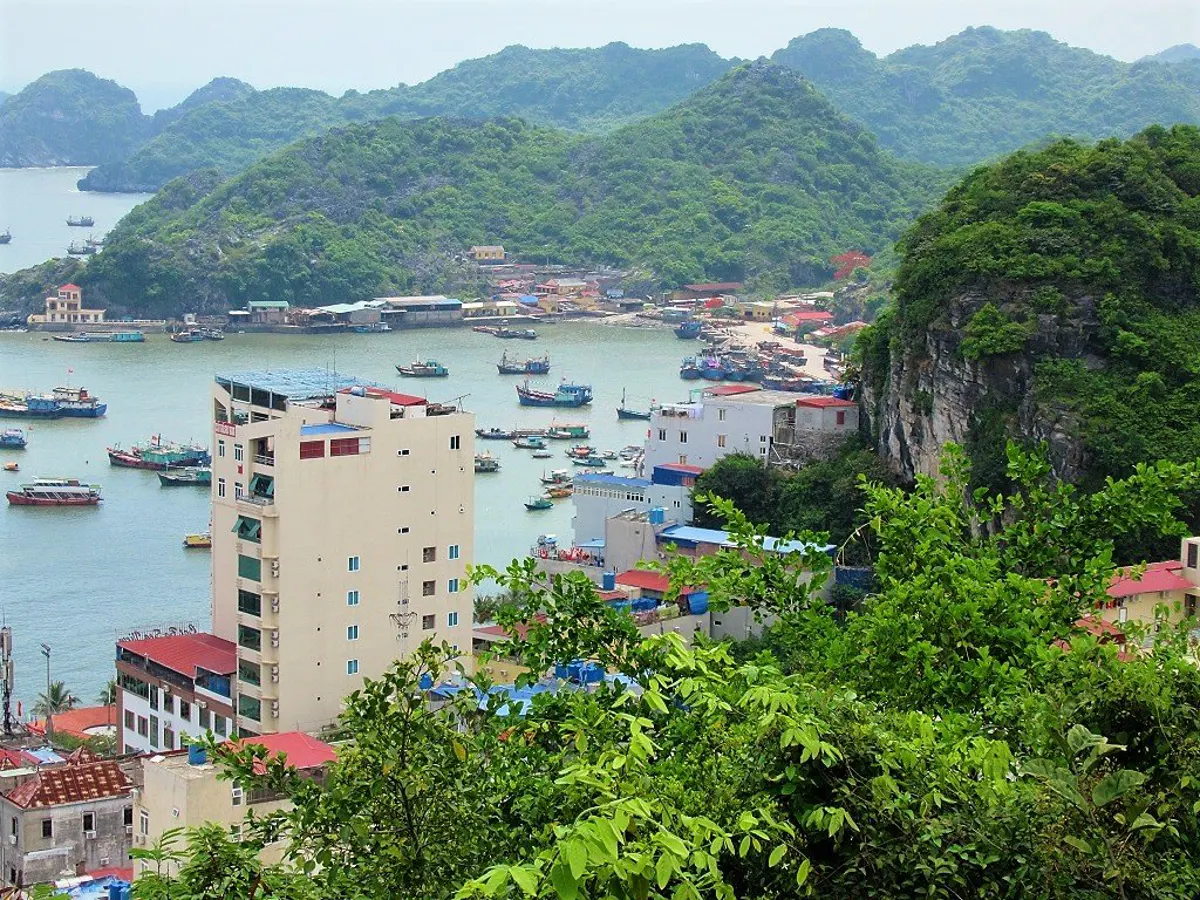
Cat Ba Island, situated in Vietnam's Lan Ha Bay, offers more than just coastal views and fresh seafood; its interior features a network of significant caves. For those planning a trip to Vietnam, these subterranean formations, part of Cat Ba National Park, hold both natural geological wonders and compelling historical narratives. Exploring these caves provides insight into the island's past and its unique karst topography.
Cat Ba Island's Subterranean World
Cat Ba Island's landscape is characterized by its limestone karsts, which have given rise to numerous caves over millennia. Historically, these natural shelters served various purposes for the local population, including storage for provisions and refuge during conflicts. Among the many caverns identified on the island, four stand out for their distinct beauty and historical importance, offering visitors a chance to understand the island's geological and human heritage. These caves are integral to understanding the island's natural environment and its role in past events.
Historical Reflections at Hospital Cave
The Hospital Cave, also known as Military Hospital Cave, is a testament to the island's wartime resilience. Constructed between 1963 and 1965 during the Vietnam-American conflict, this facility functioned as both a medical center for injured soldiers and a secure refuge for local residents and Communist Party officials. It was designed to accommodate over 100 patients for care and could shelter more than 2,000 individuals in emergency situations.
The cave complex is structured across three levels. The lowest level, reinforced with concrete, features robust steel doors at both its front and rear entrances, each equipped with a small aperture for security checks involving a daily code. Inside this level, 14 functional rooms were established, including areas for a kitchen, armory, medical supplies, and surgery, reflecting the challenging conditions faced during its operation. Moving upwards, the second level once served as a communal space for activities like exercise and film screenings. The stairs currently used by visitors were added in the 1990s when the cave opened for tourism; originally, access involved climbing steep natural formations for security. The uppermost third level, which remains inaccessible to the public, was reserved for local Communist Party leadership. Near the exit, small pools are visible, which were used for water storage and as potential escape routes during attacks.
- Location: Central Cat Ba National Park, 13 km from Cat Ba town.
- Operating Hours (Current as of 2024): Daily.
- Entrance Fee (Current as of 2024): 40,000 VND (approximately 1.72 USD).
Natural Wonders of Trung Trang Cave
Trung Trang Cave is situated within the largest valley of the same name on Cat Ba Island, cutting through the core of the mountains. Its design means visitors enter and exit through different points. After ticket verification, a staircase leads to the cave's primary entrance, offering opportunities to photograph the surrounding green jungle from the mountain summit. The interior path can be slippery and narrow, requiring careful footing. From the outset, the cave distinguishes itself with striking stalactites and stalagmites, which reflect light and can create the appearance of waterfalls during heavy rainfall. With some imagination, visitors might discern shapes resembling elephants, crocodiles, and other creatures within these formations.
This cave also provides a habitat for numerous bats, with their presence becoming more noticeable deeper inside. A unique feature in the middle section involves certain hollow stalactites and stalagmites that produce sounds when gently tapped with a small stone, allowing for impromptu musical experimentation. Additionally, Trung Trang Cave houses local altars where residents often visit to offer incense and seek blessings for good fortune, longevity, and prosperity from the Mountain Gods. A small basin collects rainwater from the ceiling, which local tradition holds as "water from heaven" capable of alleviating sorrow and initiating happiness. Visitors are invited to wash their hands and faces here while making a wish before the altars.
- Location: Central Cat Ba National Park, 15 km from Cat Ba town.
- Operating Hours (Current as of 2024): Daily.
- Entrance Fee (Current as of 2024): 80,000 VND (approximately 3.44 USD).
The Geological and Historical Significance of Hoa Cuong Cave
Located on Cat Ba Island's northeastern mountain range, Hoa Cuong Cave is another notable site within the island's cave network. The cave extends for 100 meters, reaches a height of 10 meters, and lies 50 meters above sea level. Upon entry, visitors are often impressed by the impressive stalactite and stalagmite formations. When the morning sun penetrates the cave, its rays reflect off small internal pools, creating a sparkling effect. This visual phenomenon is the origin of its Vietnamese name, Hoa Cuong, which translates to "Diamond cave."
Beyond its natural beauty, Hoa Cuong Cave holds historical importance. Archaeological findings within the cave, including teeth from prehistoric humans dating back approximately 10,000 years, offer evidence of early human presence in Vietnam. This discovery underscores the cave's role as a site of ancient habitation and its contribution to understanding regional prehistory.
- Location: Central Cat Ba National Park, 20 km from Cat Ba town.
- Operating Hours (Current as of 2024): Daily.
- Entrance Fee (Current as of 2024): 30,000 VND (approximately 1.29 USD).
Exploring the Depths of Phu Long Cave
Phu Long Cave, a more recently explored site, is also known by local names such as Khau Quy or Thien Long. Its official designation comes from its location in Phu Long Commune, and it has gained recognition among the caves of Cat Ba. The cave is divided into three distinct sections, each revealing a wealth of impressive stalactites and stalagmites. Water continuously drips from the ceiling through these formations, producing a calming sound. Visitors are reportedly welcome to taste this water, described as sweet and pure.
The first section features a substantial stone formation, approximately 1.5 meters tall, shaped over millions of years by natural processes. Tapping it with a small rock is said to produce musical tones. The second section, while appearing smaller, maintains a similar level of natural artistry. Here, numerous stalactite columns extend from the ceiling to the ground, resembling the roots of ancient trees; locals refer to this sight as "the ladder to heaven." This chamber is also home to various animal-like formations in the stalactites and stalagmites, inviting visitors to identify shapes such as lions, horses, or dogs. To access the final section, visitors must navigate over a large stalactite shaped like a turtle, where further imaginative interpretations of natural forms await.
- Location: Central Cat Ba National Park, approximately 40 minutes driving from Cat Ba town.
- Operating Hours (Current as of 2024): Daily.
- Entrance Fee (Current as of 2024): 120,000 VND (approximately 5.16 USD).
Practical Information for Visiting Cat Ba Caves
When planning a visit to the caves on Cat Ba Island, it is advisable to wear comfortable walking shoes, as paths inside can be uneven, slippery, or involve climbing. Bringing a flashlight might enhance the experience in darker sections, though some caves are illuminated. Always verify current operating hours and entrance fees, as these details can change. The caves are generally open daily, but specific times or conditions might vary.
Given that most of these caves are located within Cat Ba National Park, combining a cave visit with other park activities, such as trekking or wildlife observation, can create a comprehensive itinerary. Transportation to the caves from Cat Ba town typically involves a short drive. For those interested in the broader natural attractions of the region, exploring nearby coastal areas and Halong Bay's best beaches can complement a cave-focused trip.
Cave Details at a Glance
| Cave Name | Location (from Cat Ba town) | Operating Hours | Entrance Fee (approx. 2024) | Key Feature |
|---|---|---|---|---|
| Hospital Cave | 13 km | Daily | 40,000 VND (~1.72 USD) | Wartime hospital and shelter |
| Trung Trang Cave | 15 km | Daily | 80,000 VND (~3.44 USD) | Stalactite formations, local altars, bats |
| Hoa Cuong Cave | 20 km | Daily | 30,000 VND (~1.29 USD) | "Diamond cave" effect, prehistoric human remains |
| Phu Long Cave | 40 minutes drive | Daily | 120,000 VND (~5.16 USD) | Three chambers, musical stones, animal-like formations |
Frequently Asked Questions
What is the best time of year to visit Cat Ba Island's caves?
The dry season, from October to April, generally offers the most comfortable weather for exploring Cat Ba Island and its caves, with less rain and cooler temperatures. However, the caves are typically accessible year-round.
Are the caves suitable for all ages and fitness levels?
While most caves are generally accessible, some paths can be slippery, narrow, or involve stairs and uneven terrain. Visitors should consider their physical condition and wear appropriate footwear. Hospital Cave and Trung Trang Cave involve some climbing and potentially dark sections.
Can I explore the caves independently or do I need a guide?
The main caves are generally well-marked and have established visitor paths, making independent exploration feasible. However, a local guide might offer additional historical context or insights into the geological formations, enriching the experience.
What should I bring when visiting the caves?
Essential items include comfortable, non-slip shoes, water, and potentially a small flashlight for darker areas. Some caves might have vendors selling refreshments, but it's always good to be prepared.
Are there any restrictions or rules inside the caves?
Visitors are typically asked to respect the natural environment, avoid touching formations, and refrain from littering. Specific rules, such as not entering restricted areas (like the third floor of Hospital Cave), should be observed for safety and preservation.








