
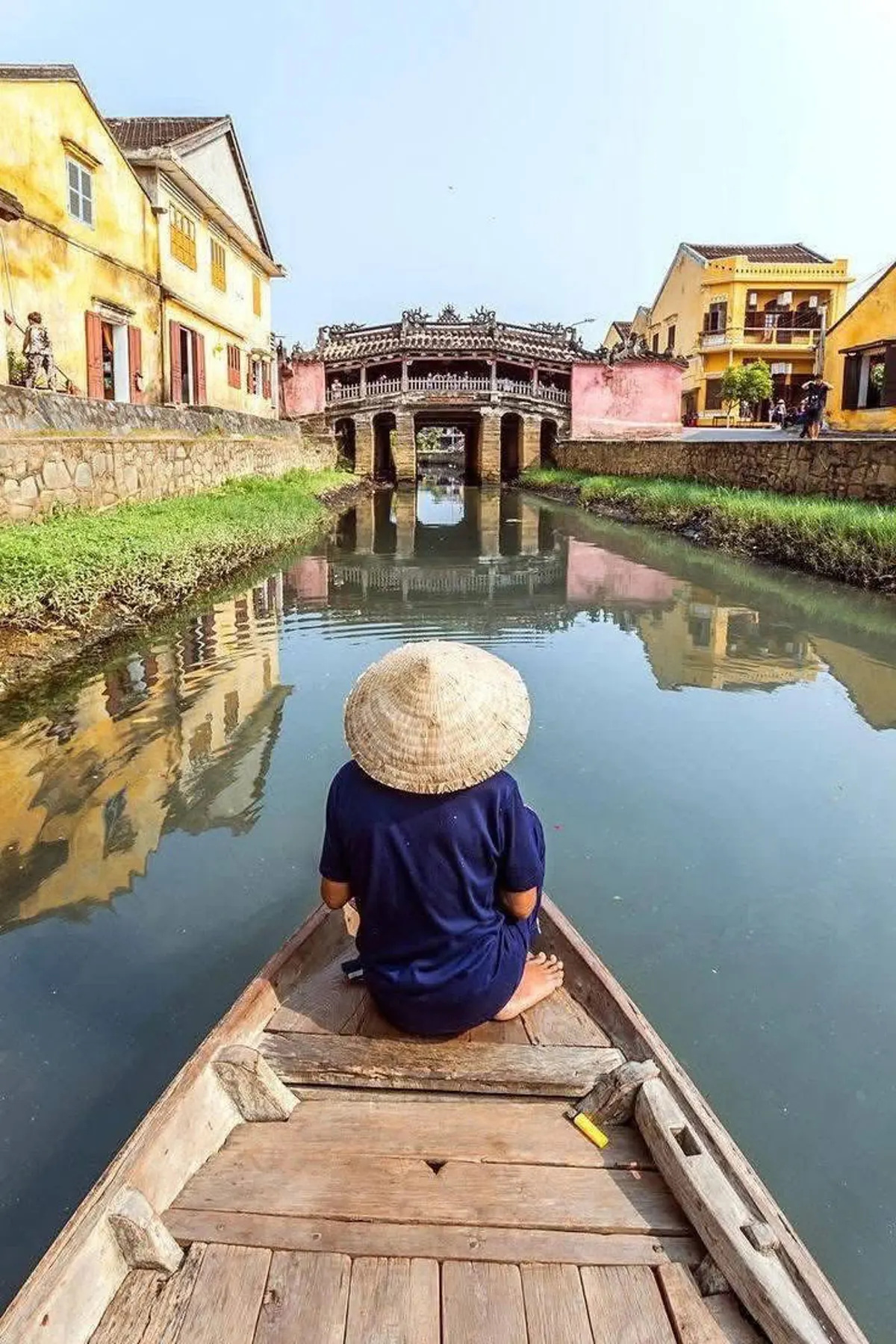
Cham Island, officially known as Cu Lao Cham, is an archipelago located off the coast of Hoi An, in Quang Nam province, Vietnam. This destination provides visitors with a combination of cultural heritage, historical landmarks, and natural coastal environments. Travelers often visit Cham Island for its clear waters, sandy shorelines, and a chance to experience local island life, making it a popular choice for a day excursion from Hoi An.
Understanding Cham Island's Heritage at the Marine Museum
Upon arrival at Cham Island, many visitors begin their exploration at the Cham Island Marine Museum. This institution offers insights into the island's past, including its traditional customs and annual festivities. The museum also showcases the diverse array of marine species found in the surrounding waters, providing an educational introduction to the area's ecological significance.
The exhibits at the Marine Museum present a comprehensive overview of the island's geography and the daily routines of its inhabitants. It serves as an informative first stop, helping guests appreciate the local environment and cultural practices before venturing further into the island's various points of interest. Understanding the island's context can enrich the overall experience of its natural and historical sites.
The Enduring Legacy of Cham Ancient Well
Among Cham Island's historical sites is the Cham Ancient Well, also referred to as Cam Village Well, which holds a history spanning approximately 200 years. This historical water source is situated at a three-way intersection within Cam Village. Its construction shares similarities with other Cham wells found in the Hoi An region, featuring a tubular round shape, a square foundation, square pillars at each corner, and walls constructed from distinctive donut-shaped bricks.
Local residents in Bai Lang Village consider this well to be the primary water supply for the surrounding areas. A notable characteristic of the Cham Ancient Well is its consistent water level; it reportedly never dries out, even during periods of severe drought. This reliability underscores its historical importance to the community and its enduring functionality. For those interested in Vietnamese traditions, understanding the role of such communal resources offers valuable cultural insight.
Hai Tang Pagoda: A Place of Worship and Reflection
Hai Tang Pagoda, established in 1758, stands at the base of a mountain on the western side of Hon Lao Islet. This religious structure has historically served as a place of worship for both fishermen and merchants, who sought spiritual solace and blessings for their journeys. The pagoda's interior is adorned with elements typical of traditional Vietnamese temples, particularly those found in the central and northern regions of the country.
Inside, visitors can observe large bells, various Buddhist statues, and decorative wooden panels known as "cau doi," which are typically vermilion lacquered and gilded. Additionally, "hoanh phi," horizontal lacquered boards, contribute to the pagoda's traditional aesthetic. These elements collectively create an atmosphere conducive to contemplation and offer a glimpse into the religious practices prevalent in the region. Exploring such sites can be a peaceful addition to any itinerary, offering a contrast to more active pursuits.
Experiencing Local Life at Tan Hiep Market
For those on a day trip to Cham Island, a visit to Tan Hiep Market, also known as Cham Island Market, is highly recommended. Located adjacent to the Cham Island quay, this market serves as a central hub for local commerce. Here, travelers can find a selection of regional specialties and souvenirs, ideal for gifts or personal enjoyment.
Among the recommended items to look for is "Muc mot nang," which translates to fresh squid dried under the sun for a single day. This particular delicacy is a local favorite. While prices for items at Tan Hiep Market are generally considered reasonable, visitors are advised that light bargaining is a common practice. This market provides an authentic opportunity to interact with island residents and sample local produce. For those interested in regional Vietnamese cuisine, this market offers a direct experience.
Mieu To Nghe Yen: Honoring Swallow Nest Harvesters
The Mieu To Nghe Yen, or Temple for the Worship of Ancestors Who Explored Swallow Nests, is situated on Huong Beach. This temple was constructed in the early 19th century with the purpose of venerating the ancestors credited with discovering swallow nests and the deities believed to safeguard this natural resource. Swallow nests have historically been a valuable commodity in the region.
Annually, on the 10th day of the third lunar month, local individuals involved in the harvesting of swallow nests conduct a special worship ceremony at the temple. This ritual takes place before the commencement of the new harvesting season, with participants praying for a smooth and successful endeavor. The temple and its associated practices highlight a unique aspect of Cham Island's economic and spiritual heritage.
Planning Your Visit to Cham Island
Cham Island is readily accessible from Hoi An, typically via boat services that depart from the mainland. Many visitors opt for organized day tours, which often include transportation, guided visits to key sites, and opportunities for water activities. These tours can streamline the logistics of visiting the island, allowing more time for exploration and relaxation.
Activities on Cham Island extend beyond cultural and historical sites to include various marine experiences. The clear coastal waters are suitable for swimming and snorkeling, offering views of underwater coral formations and diverse sea life. For those new to underwater exploration, a Cham Island beginner scuba and snorkeling adventure can provide an accessible way to experience the marine environment without requiring prior certification. When planning your trip, consider the time of year, as regional weather patterns can influence sea conditions and overall comfort. Prices for day tours can vary, with some options starting from approximately $40, though it is always advisable to verify current pricing and availability with tour operators.
Cham Island Attractions Overview
| Attraction Name | Type | Location | Key Highlights |
|---|---|---|---|
| Cham Island Marine Museum | Museum | Near Cham Island quay | Island history, local customs, marine biodiversity, festivals |
| Cham Ancient Well | Historical Site | Cam Village (three-way crossroad) | 200-year-old water source, unique construction, never drains |
| Hai Tang Pagoda | Religious Site | Foot of mountain, west of Hon Lao Islet | Established 1758, Buddhist worship, traditional interior decor |
| Tan Hiep Market | Local Market | Next to Cham Island quay | Local specialties, seafood, souvenirs, "Muc mot nang" |
| Mieu To Nghe Yen | Temple | Huong Beach | Honors swallow nest ancestors, annual harvesting ceremony |
Frequently Asked Questions
What is the best way to travel to Cham Island from Hoi An?
Most travelers reach Cham Island from Hoi An by boat. Options typically include speedboats for quicker transit or slower wooden boats, often as part of organized day tours. These tours usually depart from Cua Dai port or other designated points near Hoi An.
Are there opportunities for swimming and snorkeling on Cham Island?
Yes, Cham Island is well-regarded for its clear waters and offers excellent conditions for swimming and snorkeling. Many tours include stops at specific beaches or coral reef areas where visitors can engage in these activities and observe marine life.
What kind of local products can I purchase at Tan Hiep Market?
At Tan Hiep Market, visitors can find various local products, including fresh seafood, dried seafood specialties like "Muc mot nang" (one-day dried squid), and a range of souvenirs. It's a good place to experience local commerce and find unique items.
Is Cham Island suitable for families with children?
Cham Island can be suitable for families, offering beaches for relaxation, opportunities for swimming and light snorkeling, and cultural sites. The Cham Island Marine Museum provides an educational experience. Families should consider tour options that cater to different activity levels. For a broader family trip, a Vietnam wildlife and cultural discovery for families tour might include Cham Island as part of a longer itinerary.
What is the significance of the Mieu To Nghe Yen temple?
The Mieu To Nghe Yen temple is dedicated to the ancestors who discovered swallow nests and the protective deities associated with this resource. It plays a significant role in the local community, particularly for those involved in swallow nest harvesting, who hold an annual ceremony there to pray for a successful season.








