
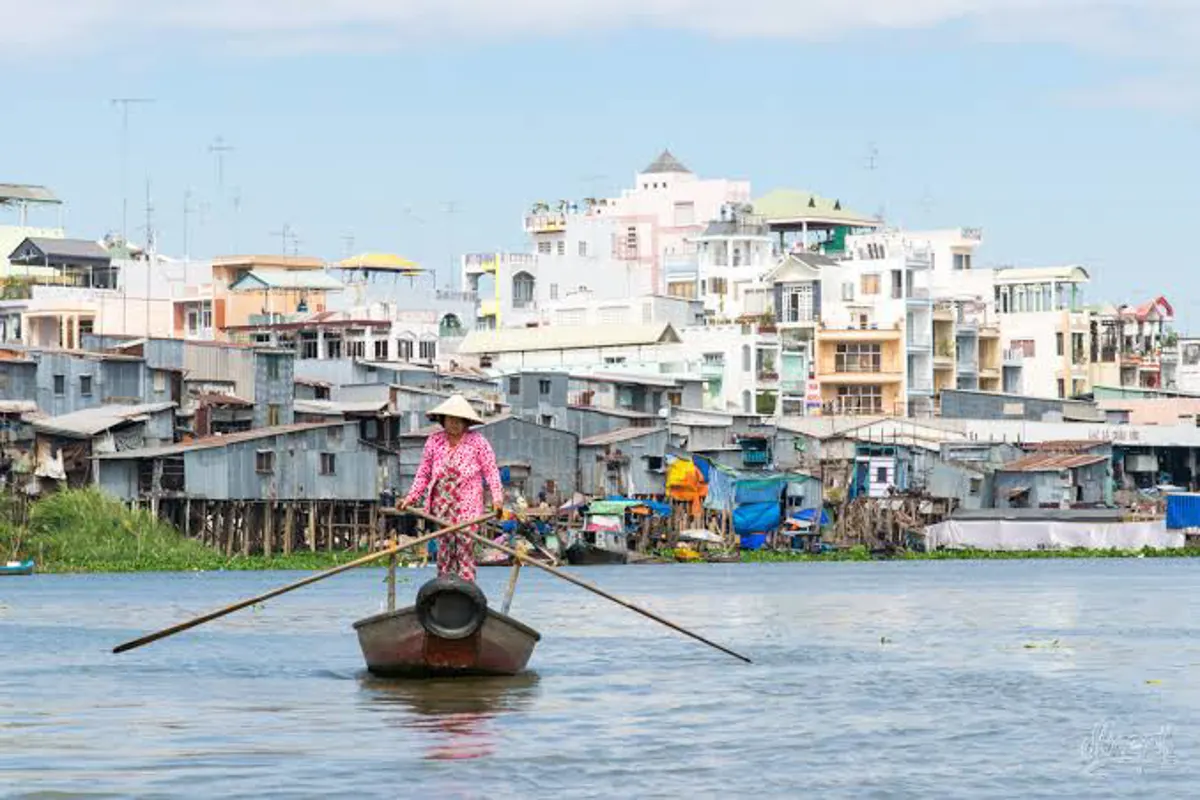
Chau Doc, located within An Giang Province in Vietnam's Mekong Delta, stands as a notable destination where rivers converge close to the Cambodian border. This city provides travelers with a comprehensive insight into local culture, historical narratives, religious practices, and daily life. It serves as a gateway to understanding the diverse influences shaping this part of Southeast Asia, drawing numerous visitors each year.
An exploration of Chau Doc typically includes visits to several prominent locations, such as the revered Bà Chúa Xứ Temple, the scenic Sam Mountain, the historic Tây An Temple, the distinctive Mubarak Mosque, the lively floating villages, the tranquil Hang Pagoda, the bustling Châu Đốc Market, and the traditional Châu Giang Brocade-Making Village. These sites collectively present a multifaceted view of the region's heritage.
Exploring Chau Doc's Spiritual Landmarks
Chau Doc is particularly recognized for its array of religious and historical sites, reflecting the spiritual diversity and deep-rooted traditions of the area. These locations offer peaceful environments for reflection and opportunities to observe local customs.
Ba Chua Xu Temple
The Bà Chúa Xứ Temple is one of the Mekong Delta's most significant pilgrimage destinations, attracting millions of visitors annually. This influx is especially noticeable during the festival held in the fourth lunar month and after the Tết holiday. While the exact date of its original construction remains unknown, subsequent renovations have endowed the temple with an imposing architectural style. Its solemn atmosphere and serene surroundings are often sought for spiritual solace, making it a well-known religious site among Vietnamese people. The temple is also associated with various intriguing stories concerning the origins of its tutelary goddess statue. Pilgrims frequently visit to honor the goddess and seek blessings for fortune, prosperity, and good health.
Sam Mountain
Upon arriving in Châu Đốc City, visitors will notice Sam Mountain, a prominent natural feature rising 284 meters above sea level. Located centrally within the city, the mountain has become a point of interest for tourism while retaining its historical and dignified character. At its base, a concentration of temples, historical structures like Thoại Ngọc Hầu Tomb and the Temple of Confucius, and pagodas showcasing various architectural styles create a unique religious landscape for Châu Đốc. Many travelers enjoy photographing the mountain as a memorable landmark of their arrival.
Tay An Temple
Designated as a national architectural and artistic relic in 1980, Tây An Temple is considered a remarkable site in Châu Đốc. The temple is positioned with Sam Mountain as its backdrop, and its front features three aged towers topped with onion-shaped roofs. Inside the main hall, visitors will find rows of wooden pillars, while a belfry and a drum tower flank the sides of the structure. Tây An Temple houses over 150 statues of Buddha, Bodhisattvas, and Arhats, exemplifying 19th-century Vietnamese architectural styles. These statues contribute to the sacred ambiance of the interior. Furthermore, the temple serves as the resting place for Monk Đoàn Minh Huyên, a figure recognized for his contributions to the region's development.
Mubarak Mosque
A boat journey from Châu Đốc Ferry leads to Châu Giang, also known as Champa Village, a notable cultural site in the Mekong Delta. The Mubarak Mosque stands out as a sacred Islamic place within this village. Constructed in the 18th century, the mosque features a distinctive architectural design, characterized by oval towers adorned with crescent moons and stars at their base. The interior prayer chamber is notable for its absence of statues. This mosque also serves as a central location for significant Islamic celebrations, including the observance of Mohammed’s birthday, the pilgrimage to Mecca, and the Ramadan Festival.
Hang Pagoda
Hang Pagoda is a frequently visited site for those undertaking pilgrimages to the Mekong Delta, particularly during special occasions. Its distinctive architecture and the intriguing narratives surrounding it consistently draw visitors from across the country. Having existed for over a century, Hang Pagoda has become a significant landmark. Surrounded by lush greenery, accompanied by birdsong and gentle breezes, the pagoda offers a serene and almost otherworldly atmosphere. Exploring its various sections provides a sense of peace and visual appeal. Many believe the pagoda possesses a calming effect on the spirit. Additionally, early mornings at this location are often recommended for observing cloud formations. Access to the pagoda is possible either by motorbike or by ascending a series of 300 stairs.
River Life and Local Craftsmanship
The waterways and traditional skills define much of Chau Doc's unique character, offering glimpses into daily life and enduring cultural practices.
Chau Doc Floating Village
A visit to the Châu Đốc Floating Village is considered an essential part of a trip to Châu Đốc City. In the 1990s, this village was primarily known for basa fish farming, but it is now recognized for its striped catfish production. Both basa and striped catfish are emblematic of Châu Đốc City, with statues commemorating them erected near Ninh Kiều Pier. Travelers often enjoy boat trips to the floating village to observe the fish farming methods. A particularly engaging activity when visiting one of the floating homes involves feeding the fish raised beneath the structures, an experience where hundreds of fish can be seen surfacing for food. Some houses also feature souvenir shops, offering locally crafted items. After exploring, visitors can often enjoy meals prepared with fish sourced directly from these floating farms.
Chau Giang Brocade-Making Village
To fully appreciate the cultural landscape of Châu Đốc, An Giang Province, a stop at Châu Giang Brocade-Making Village is highly recommended. Located in Châu Phong Commune, Tân Châu District, this traditional village is accessible by boat. It is here that many Champa women demonstrate exceptional skill in weaving brocades, a craft they typically begin learning at a young age. Their expertise is evident in the intricate and refined items they produce, which include brocaded bags, scarves, clothing, and hats. The materials used are primarily natural, such as silk threads, plant-based dyes from fruits and barks, and latex. The patterns on these brocades are visually striking, making them suitable as gifts or personal mementos. A visit to Châu Giang Brocade-Making Village provides insight into how the Champa people preserve their traditional culture, appreciate their distinctive house architecture, and maintain a peaceful way of life. The community prioritizes maintaining its cultural identity across generations rather than adopting advanced techniques for mass production. For those interested in unhurried travel and cultural immersion, this village offers a profound experience.
Culinary Delights at Chau Doc Market
The local market serves as a central point for experiencing Chau Doc's distinctive flavors and daily routines.
Chau Doc Market
Châu Đốc Market, a well-known establishment in Châu Đốc City, is located on Bạch Đằng Street, in the heart of Châu Đốc City, An Giang Province. Locals are generally helpful in providing directions if asked. This market is often highlighted as a key part of any itinerary to the city due to the many experiences it offers. While a variety of goods such as fruits, vegetables, prepared foods, apparel, and accessories are sold here, visitors are often struck by the prominent aroma of fermented fish. The market specializes in a wide selection of fermented fish (mắm) and fish sauce (nước mắm), which are considered local culinary staples. Prices for items are generally reasonable. These tantalizing ingredients are central to many regional dishes, including fermented fish hotpot, fermented fish noodle soups, and various other fish noodle preparations. Additionally, visitors should sample palmyra palm drink and palmyra palm cakes, as this fruit is a symbol of An Giang Province. Exploring traditional markets like Chau Doc's offers a genuine taste of local life and cuisine.
Planning Your Visit to Chau Doc
Chau Doc presents a unique blend of cultural and natural attractions, making it a compelling destination within the Mekong Delta. Its proximity to the Cambodian border also makes it a popular stop for those traveling between the two countries. For a more comprehensive exploration of the region, consider a Mekong Delta Discovery tour that includes Chau Doc.
While Chau Doc may not feature the dramatic mountainous landscapes found in northern Vietnam, it offers a rich and engaging experience. The distinct culture and lifestyle of the Champa people provide valuable insights into a different facet of Vietnamese heritage. Furthermore, the local cuisine, particularly dishes featuring fermented fish, offers unique flavors that might be new to many palates. The array of pagodas and temples, representing various religious traditions, also provides compelling opportunities for discovery.
For travelers interested in exploring more of this region, Chau Doc offers a range of attractions and activities that cater to diverse interests, from spiritual contemplation to culinary adventures and cultural immersion.
Key Attractions in Chau Doc
| Attraction Name | Description | Location/Notes |
|---|---|---|
| Bà Chúa Xứ Temple | Major pilgrimage site, majestic architecture, sacred atmosphere. | Sam Mountain area |
| Sam Mountain | Scenic mountain, 284m elevation, concentration of religious sites at base. | Châu Đốc City center |
| Tây An Temple | National architectural relic, 19th-century Vietnamese architecture, over 150 statues. | Base of Sam Mountain |
| Mubarak Mosque | 18th-century mosque in Champa Village, distinctive design, Islamic festivals. | Châu Giang (Champa Village), accessible by boat from Châu Đốc Ferry |
| Châu Đốc Floating Village | Fish farming (striped catfish), local life, souvenir shops, fish feeding. | Riverine area, accessible by boat |
| Hang Pagoda | Over 100 years old, unique architecture, tranquil, offers cloud-watching. | Accessible by motorbike or 300 stairs |
| Châu Đốc Market | Bustling market, famous for fermented fish and local specialties. | Bạch Đằng Street, Châu Đốc City center |
| Châu Giang Brocade-Making Village | Traditional Champa weaving village, natural materials, cultural preservation. | Châu Phong Commune, Tân Châu District, accessible by boat |
Frequently Asked Questions
What is Chau Doc known for?
Chau Doc is primarily known for its cultural and religious diversity, being a significant pilgrimage site for various faiths, including Vietnamese folk religion, Buddhism, and Islam. It's also recognized for its riverine lifestyle, particularly its floating villages, and its distinctive local cuisine, especially fermented fish products.
How can I experience local culture in Chau Doc?
To experience local culture, visit the Châu Đốc Floating Village to observe fish farming and daily life on the water. Explore the Châu Giang Brocade-Making Village to see traditional Champa weaving. Additionally, a visit to Châu Đốc Market offers a sensory experience of local commerce and food, while the various temples and mosques provide insight into the region's spiritual practices.
What local foods should I try in Chau Doc?
Chau Doc is famous for its fermented fish (mắm) and fish sauce (nước mắm). You should try dishes like fermented fish hotpot (lẩu mắm), fermented fish noodle soups (bún mắm), and other fish noodle soups. Also, sample palmyra palm drink and palmyra palm cakes, which are regional specialties.
Is Chau Doc suitable for a short trip?
Yes, Chau Doc can be explored on a short trip, often as part of a longer Mekong Delta itinerary. Many key attractions are relatively close to each other, allowing visitors to experience its spiritual sites, river life, and market within a few days. For example, a 3-day sampan cruise can take you from Cai Be to Chau Doc.
How do I get around Chau Doc?
Within Chau Doc, motorbikes are a common mode of transport, and local taxis or ride-hailing services are available. For river-based attractions like the floating village or Champa Village, boats are the primary means of access. Some sites, like Hang Pagoda, may require a combination of transport and walking or climbing stairs.








